Mississippi holds stories that shaped the nation, from the Civil Rights Movement to the music that changed the world. As you move from river bluffs to Gulf shores, every landmark invites you to listen closer and look deeper. These places do not whisper their history, they speak it plainly in brick, bronze, and blues. Let this guide help you map a journey that feels both personal and unforgettable.
Mississippi Civil Rights Museum — Jackson
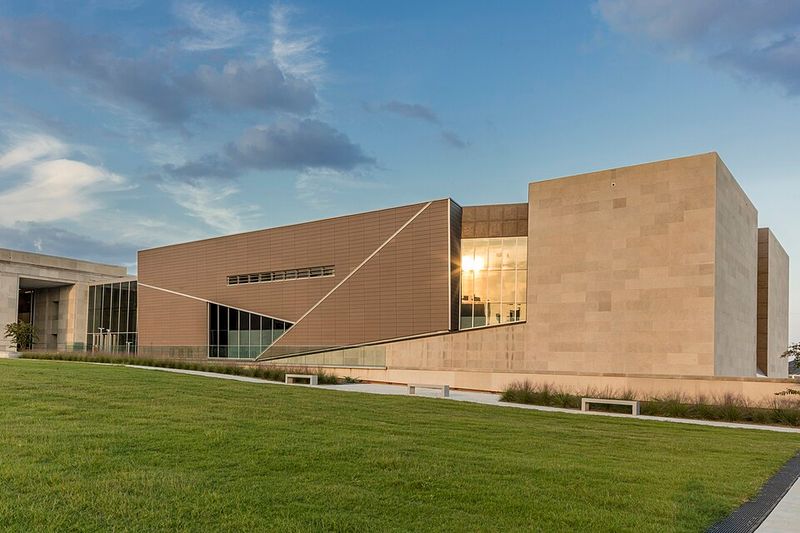
Walk into galleries where courage meets hard truth, and you feel history press close. Interactive exhibits trace the fight for equality from Reconstruction to Freedom Summer, grounding you in names, faces, and decisive moments. You leave with a clearer sense of how local acts reshaped national conscience.
The museum’s eight galleries use sound, light, and first person testimony to immerse you. You stand beneath the central light sculpture, a beacon that rises with stories of perseverance. It is not easy, and it should not be, but you step out better informed and moved to act.
Vicksburg National Military Park — Vicksburg
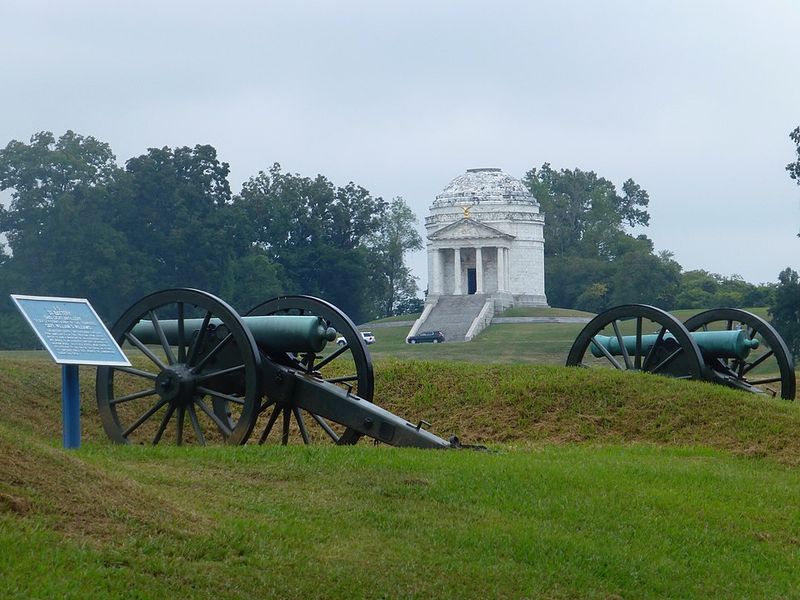
Here the landscape explains strategy better than any textbook. You trace the siege lines, read unit markers, and picture how the Mississippi River campaign turned the war. Standing by the USS Cairo gunboat, you grasp both innovation and the human cost embedded in iron and earth.
Drive the hilly tour road and pause at state monuments that tell competing memories. Guided ranger talks help you frame the big themes without losing sight of individual stories. By the end, the terrain feels like a living classroom where choices and consequences still echo.
Medgar and Myrlie Evers Home National Monument — Jackson
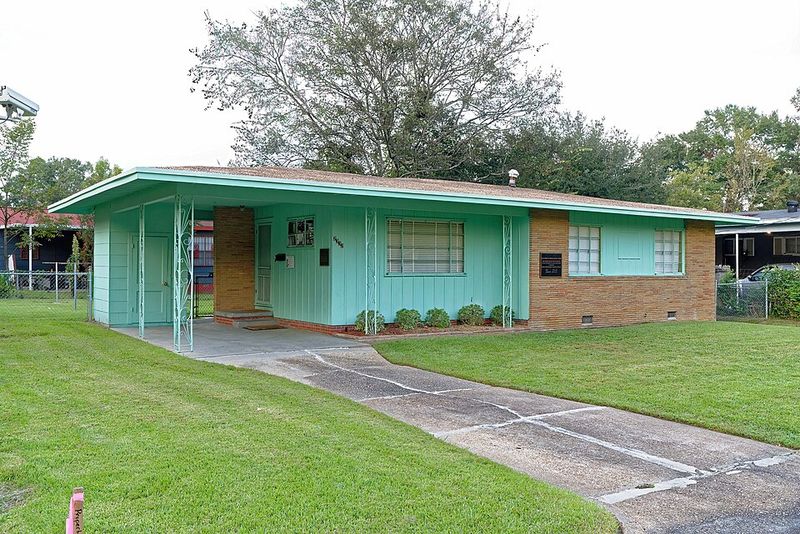
In this modest ranch house, you sense bravery woven into everyday life. The carport, the kitchen, the small living room all hold the weight of a family who refused to back down. Standing outside, you measure how personal sacrifice fueled a broader movement.
Guided tours trace Medgar’s organizing and Myrlie’s relentless pursuit of justice. Artifacts and careful interpretation keep the story grounded in real choices, not myth. You leave with a renewed respect for quiet courage and the neighbors who kept watch together.
B.B. King Museum & Delta Interpretive Center — Indianola
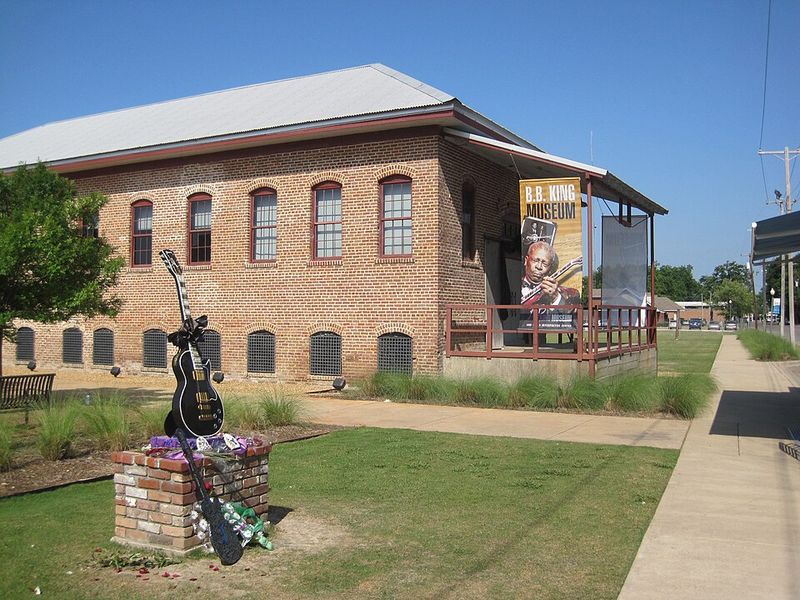
Blues becomes biography here, and the Delta becomes a classroom. You follow Riley B. King from plantation fields to global stages, hearing guitars sing and stories sharpen. The museum links his life to sharecropping, radio, and road life that shaped American sound.
Listening stations, stage costumes, and Lucille displays draw you into the craft. Community exhibits honor teachers and clubs that kept the music alive. When you step outside, the rhythm of Indianola seems louder, like the air is tuned to a twelve bar heartbeat.
Rowan Oak (William Faulkner’s home) — Oxford
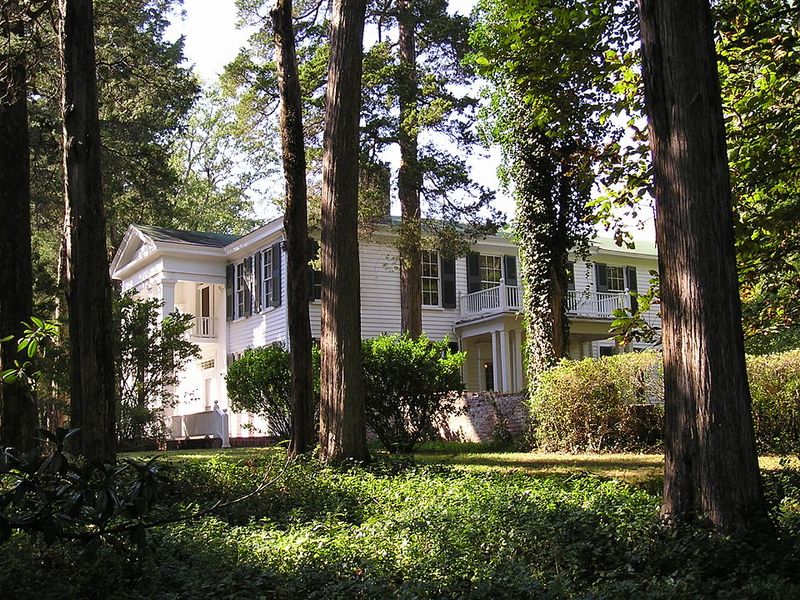
Rowan Oak slows your pace until sentences stretch like summer afternoons. You see Faulkner’s Outlines on the wall and dusty paths that fed Yoknapatawpha County. The house feels intimate, not fussy, and the grounds whisper characters into the breeze.
Walk the cedar allée and pause by the dogwoods as campus life hums nearby. Interpretive panels connect family rooms to literary experiments. You leave feeling that place, not just plot, shaped the novels you thought you knew.
Eudora Welty House & Garden — Jackson
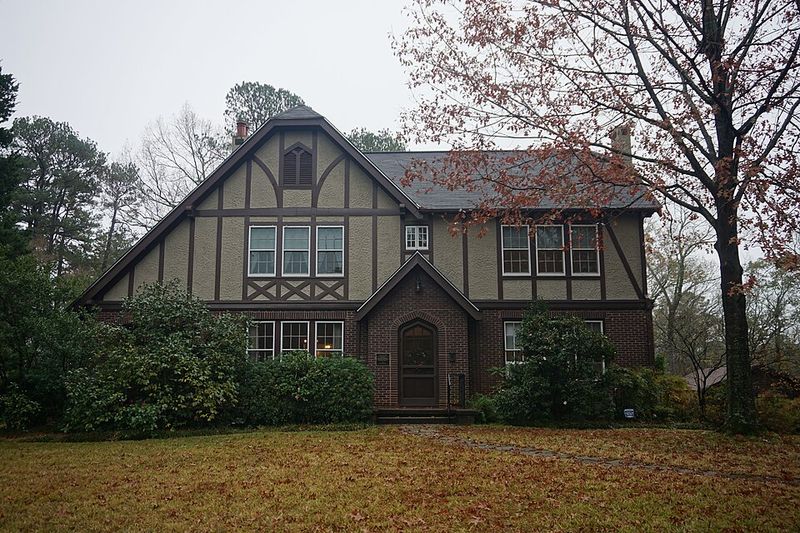
This is a writer’s house that still listens. Shelves overflow, photographs hang with intention, and the garden frames every season like a paragraph break. You sense how observation and kindness became Welty’s craft tools.
Docent led tours point out letters, cameras, and drafts that reveal a working life. Outside, paths curve past camellias and daylilies that often appear in her stories. You walk away encouraged to notice more and to treat neighbors as characters worth knowing.
Grand Village of the Natchez Indians — Natchez
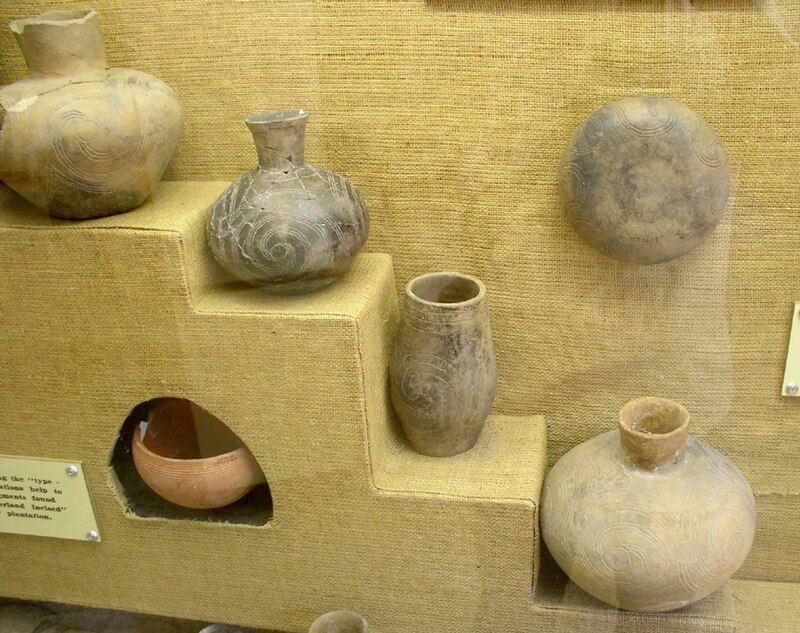
Mounds rise from quiet lawns, and the past stands tall without shouting. You walk between ceremonial spaces and imagine diplomacy, trade, and ritual shaping daily life. The museum adds context with pottery, tools, and careful voices from tribal historians.
Trails and signage keep you oriented without crowding the experience. It feels respectful, spacious, and grounded in Native perspectives. As you leave, you carry a better sense of time that does not begin or end with European maps.
Elvis Presley Birthplace & Museum — Tupelo
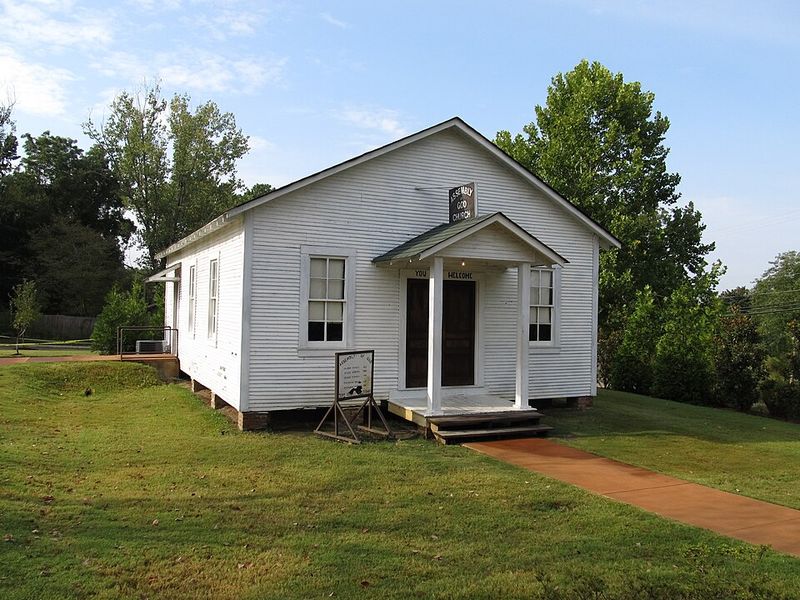
A two room house tells a worldwide story. You step through the tiny doorway and understand how poverty, gospel, and Tupelo’s streets shaped a sound. The chapel and museum build the arc from childhood to stage lights without losing humility.
Audio stations play the hymns he loved, and exhibits track the first guitar, not a bicycle. Outside, the statue and walking paths offer easy reflection spots. You leave hearing the South in the music, not just the fame in the name.
Beauvoir (Jefferson Davis Home & Presidential Library) — Biloxi
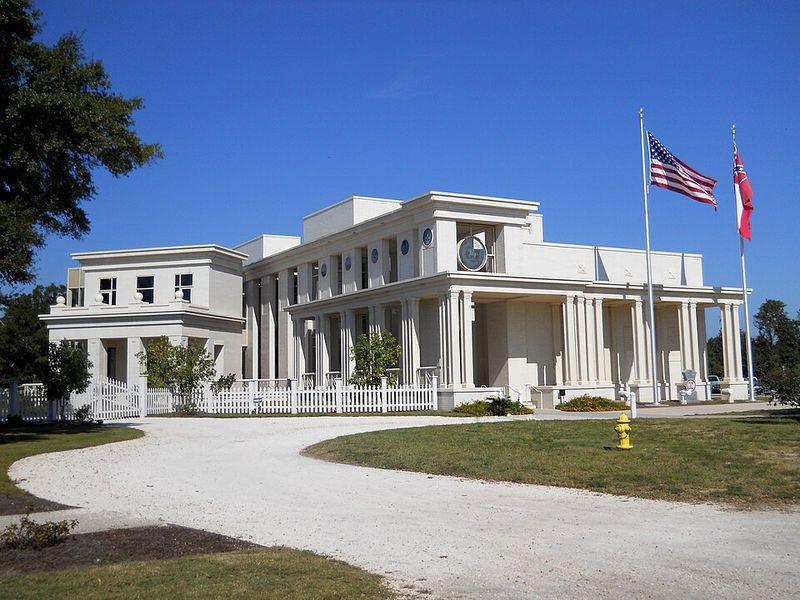
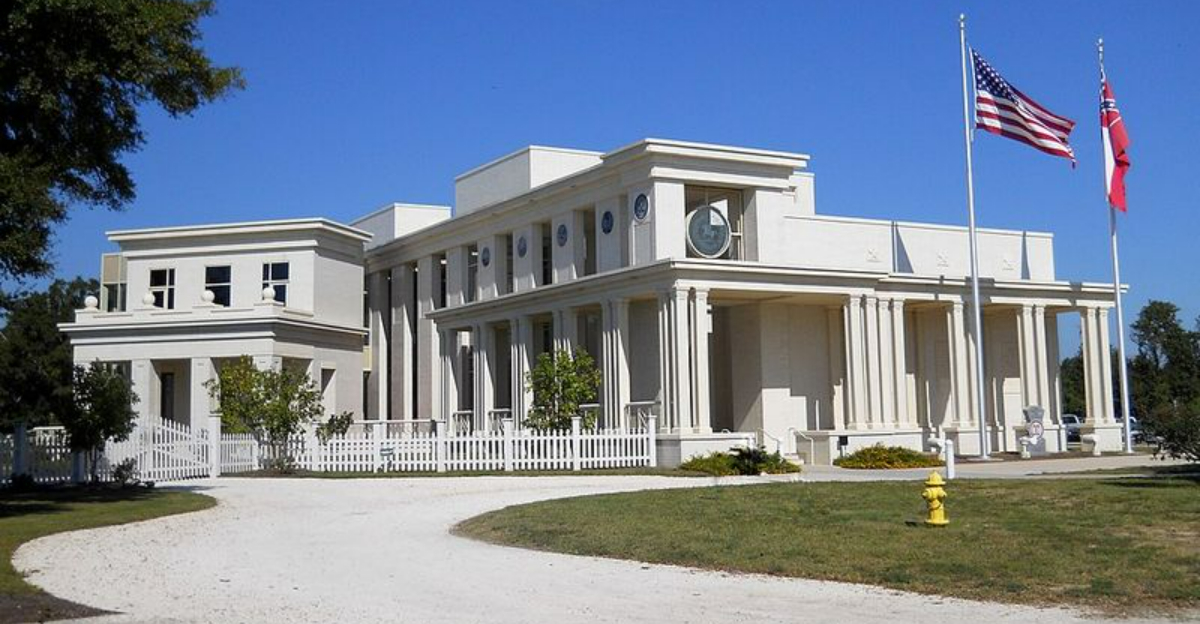
At Beauvoir, the coast breeze carries layered memories. The restored home and library explore Jefferson Davis’s life while addressing the fracture he represents. Interpretation has shifted toward context, inviting you to question myth and reckon with consequences.
Walk the veranda, then read placards that broaden the narrative beyond nostalgia. The Gulf light makes everything beautiful, which complicates the visit in honest ways. You leave reminded that public memory is a choice communities keep revisiting.
Biloxi Lighthouse — Biloxi
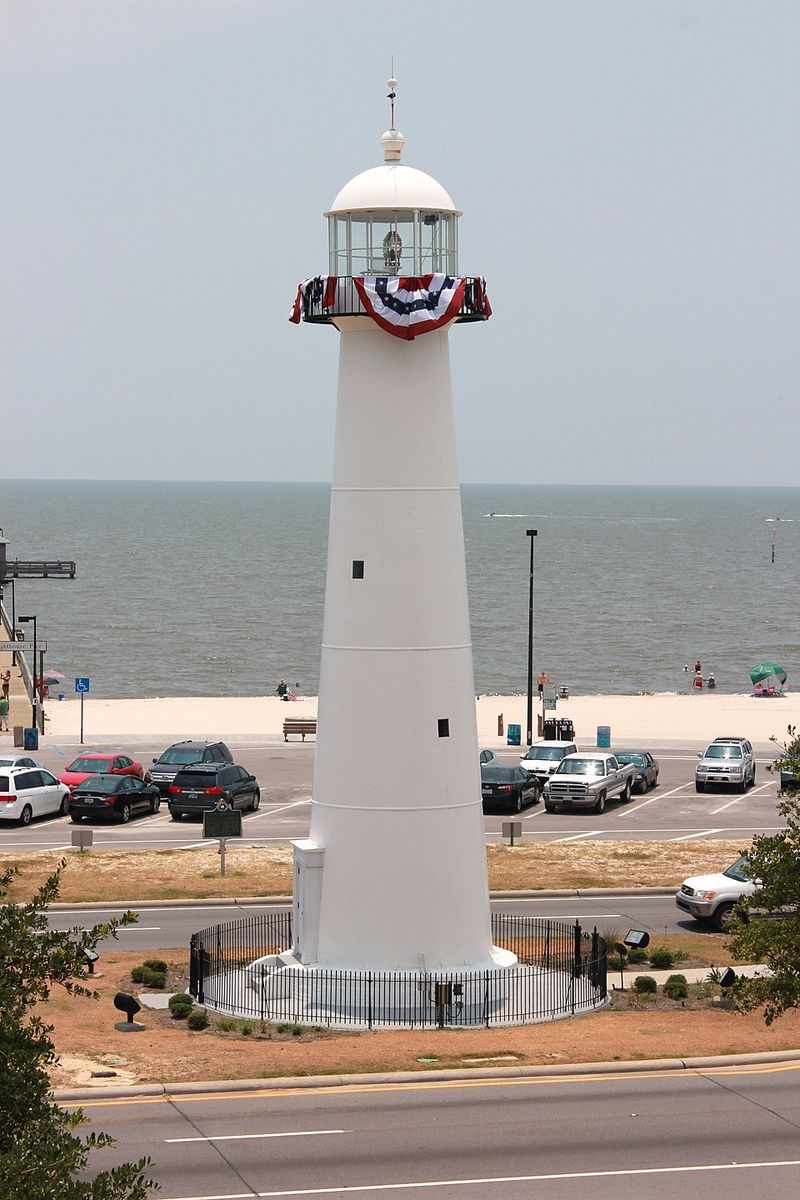
Cast iron and surf team up to tell a survival story. This lighthouse has stood through hurricanes and civic change, becoming a symbol the whole coast recognizes. Climbing the steps rewards you with views and a sharper sense of resilience.
Morning tours explain its unusual location in a busy median and the women who once kept the light. Salt air and traffic hum blend into a uniquely Biloxi soundtrack. At the top, the horizon feels like a promise kept after every storm.
Longwood (Nutt’s Folly) — Natchez
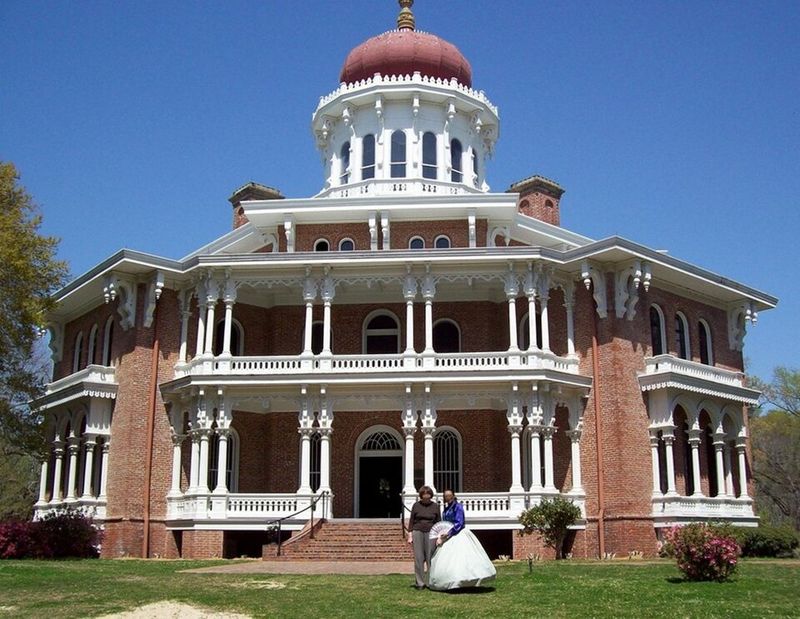
Longwood’s octagon surprises you before you even step inside. The unfinished interior tells a poignant Civil War tale, where dreams paused mid hammer swing. Outside, balconies and onion dome details hint at the grandeur that never fully arrived.
Guides share the family’s story and point to tools still resting where workers left them. Sunlight cuts through open floors, making the house feel like a time capsule in motion. You leave with admiration for ambition and respect for reality’s hard turn.