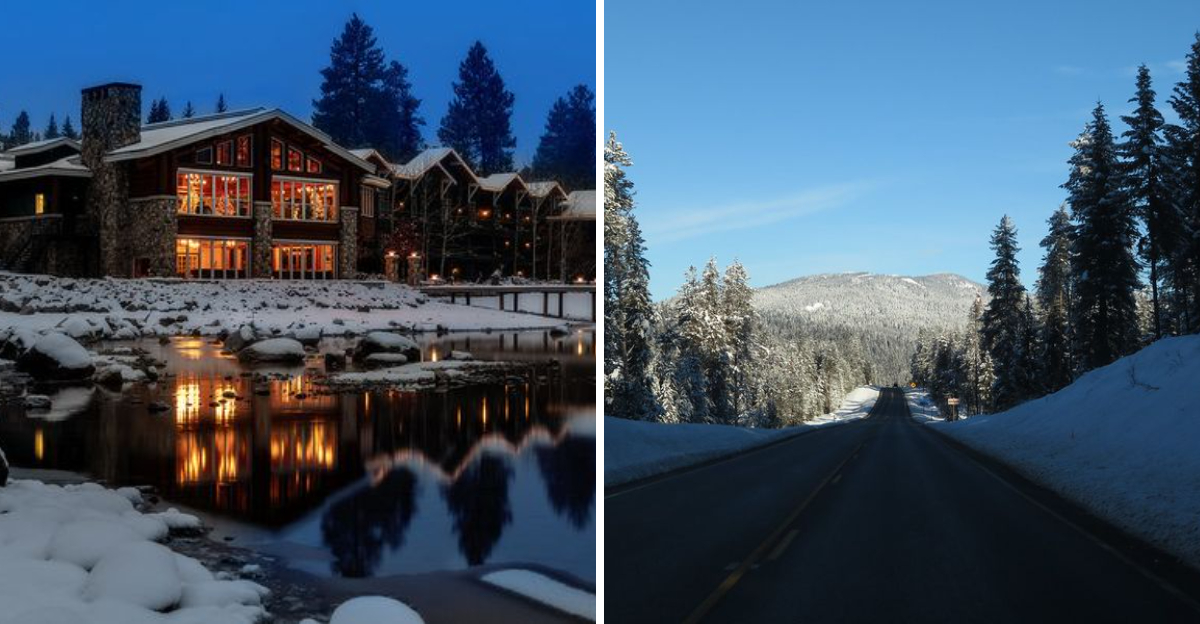
McCall, Idaho, nestled in the heart of a forested mountain range, offers a winter experience unlike any other.
Despite the breathtaking beauty, locals rarely boast about their winters.
Here are nine reasons why residents of this charming village keep their experiences close to the vest.
High-Elevation Winters Hit Harder
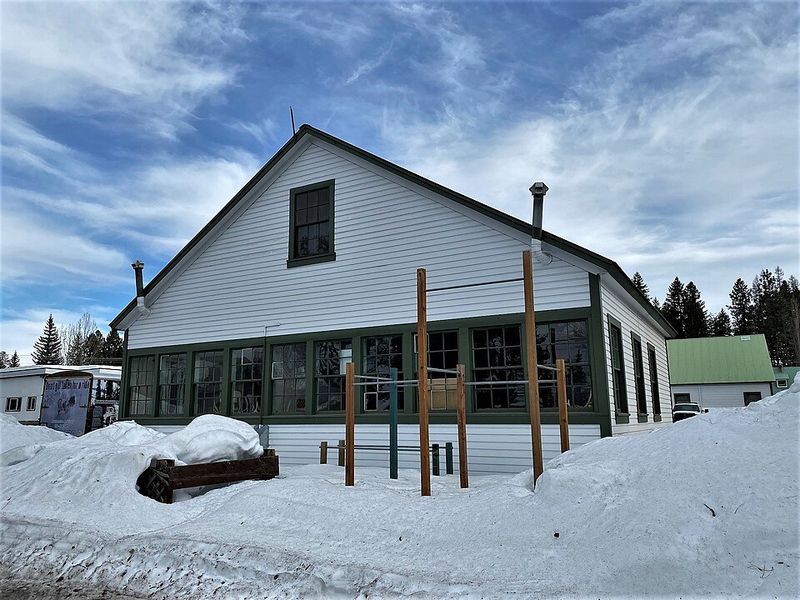
At 5,000 feet, McCall’s elevation creates a unique climate. Winters here are not just cold; they’re fierce. The combination of high altitude and proximity to Payette Lake leads to harsher weather than other Idaho towns.
Residents must adapt to freezing temperatures that persist well into spring. Despite the picturesque landscape, the cold can be relentless.
Elderly residents, in particular, find the climate challenging. For many, it’s less about bragging rights and more about enduring the chill with quiet resilience.
Snowfall That Overwhelms, Not Impresses
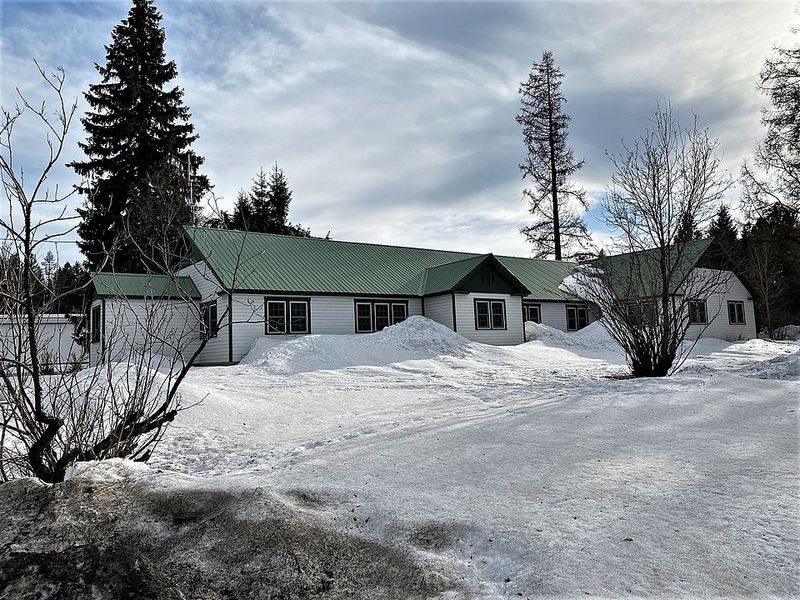
In McCall, snowfall isn’t just a dusting; it’s measured in feet. While outsiders might find this impressive, for locals, it’s a logistical nightmare.
Heavy snow can block roads and driveways, making everyday life a challenge. Clearing these paths is a never-ending task.
This immense snowfall requires strategic planning and constant maintenance. Locals prioritize practical solutions over boasting about the sheer volume of snow.
Roof Shoveling Is a Survival Task
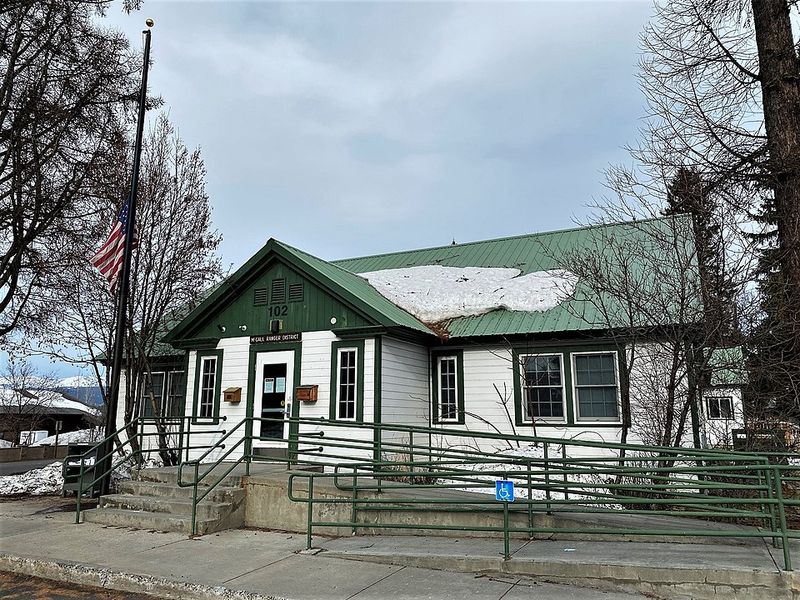
In McCall, clearing snow off roofs is more than just maintenance; it’s essential for survival. Heavy, wet snow accumulates quickly, posing a threat to structures.
Residents often spend hours ensuring their roofs are clear to prevent collapse. This necessary chore can exhaust even the most seasoned locals.
The repetitive nature of this task throughout winter makes it more a matter of endurance than a point of pride.
Roads Can Vanish Overnight
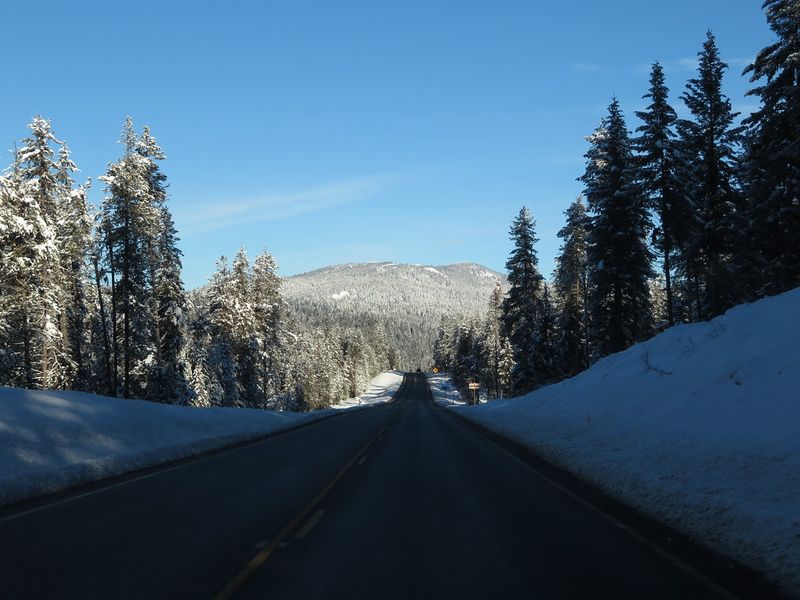
Whiteouts are a common occurrence in McCall, where heavy storms can erase road visibility in moments. This unpredictability turns simple drives into perilous journeys.
Residents must be prepared for sudden changes, often relying on memory or landmarks to navigate.
The challenge of traveling in these conditions is more about necessity than the thrill, requiring caution and respect for Mother Nature’s unpredictability.
Modesty Is a Mountain-Town Value
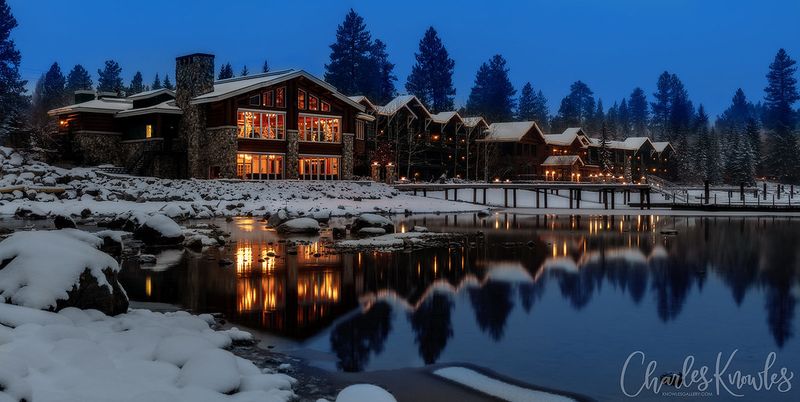
In McCall, self-reliance and modesty define the community. Handling winter’s challenges isn’t something to boast about; it’s part of daily life.
The locals pride themselves on their quiet resilience, making bragging unnecessary. They find joy in the simple act of supporting one another.
This shared humility keeps the community strong and united, with actions speaking louder than words during the toughest months.
Preparedness Is the Real Badge of Honor
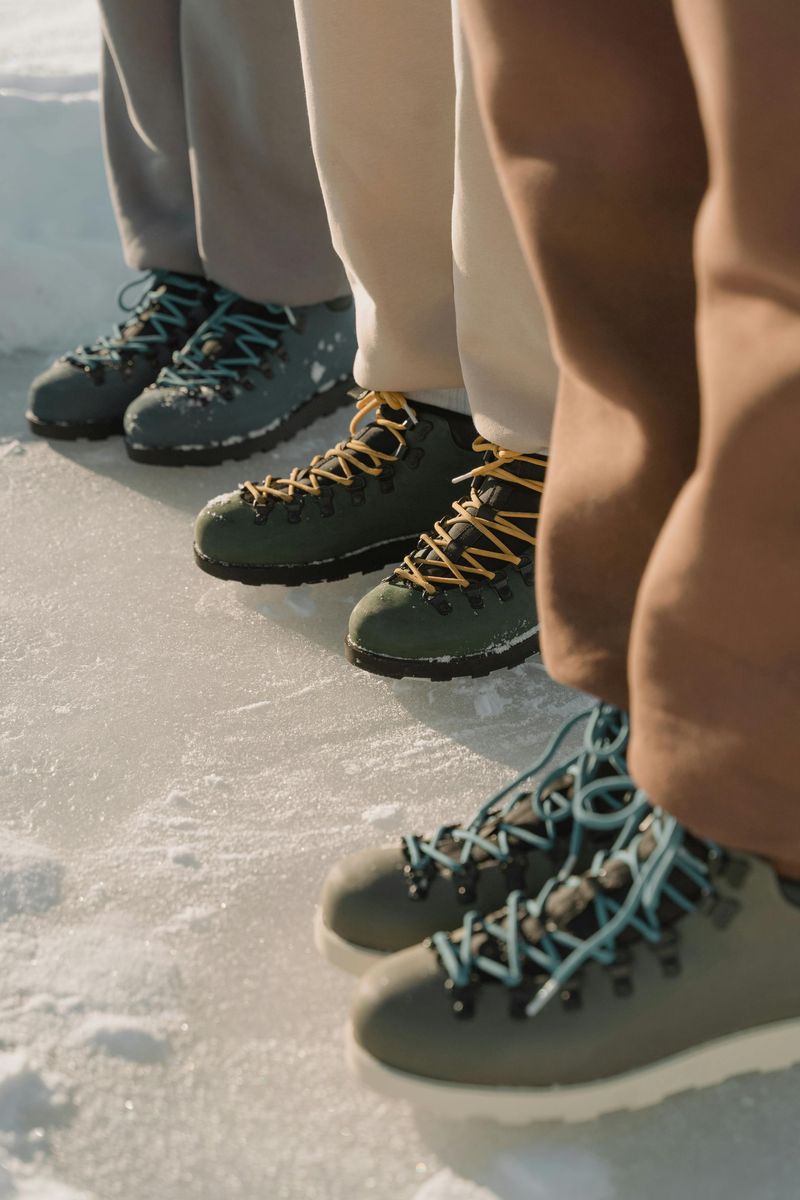
In McCall, preparedness is key. Locals show their winter pride through stocked supplies, proper gear, and neighborly support.
Having extra firewood, food, and fuel isn’t just smart; it’s essential. Preparedness is celebrated more than the harshness of the season.
Residents find comfort in being ready for anything, fostering a community where readiness is respected above tales of endurance.
The Psychological Toll Is Real
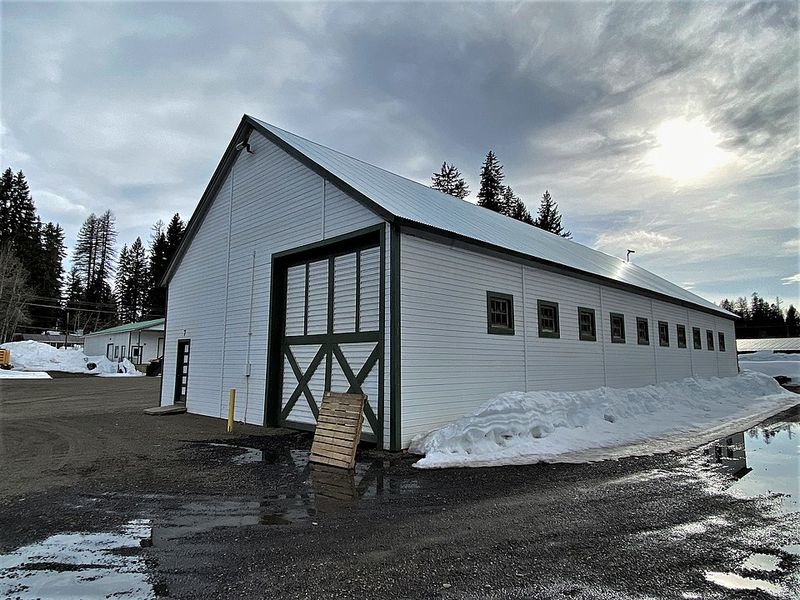
Winter in McCall isn’t just physically challenging; it takes a psychological toll. The long, dark months can strain mental health.
Residents rely on community and creative activities to cope. The pressure of dealing with relentless cold is often downplayed.
For many, winter is a period to respect, not glamorize, as they work through the emotional challenges it brings.
Downplaying Winter Helps Keep Tourism Balanced
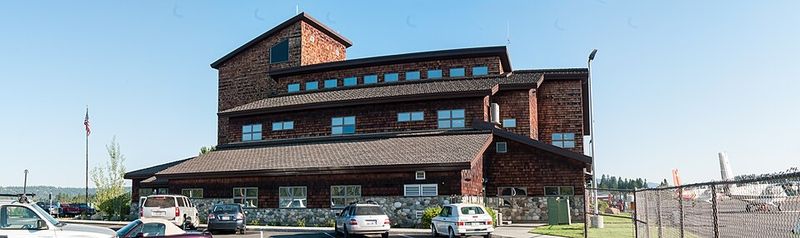
McCall’s residents often downplay winter’s severity to balance tourism. They want visitors to enjoy but not underestimate the challenges.
By tempering descriptions, locals prevent overwhelming the small town. There’s a desire to maintain harmony between residents and tourists.
This balanced approach ensures that the community can thrive without the burden of excessive tourism during already tough months.
Winter Traditions Are About Community, Not Extremes
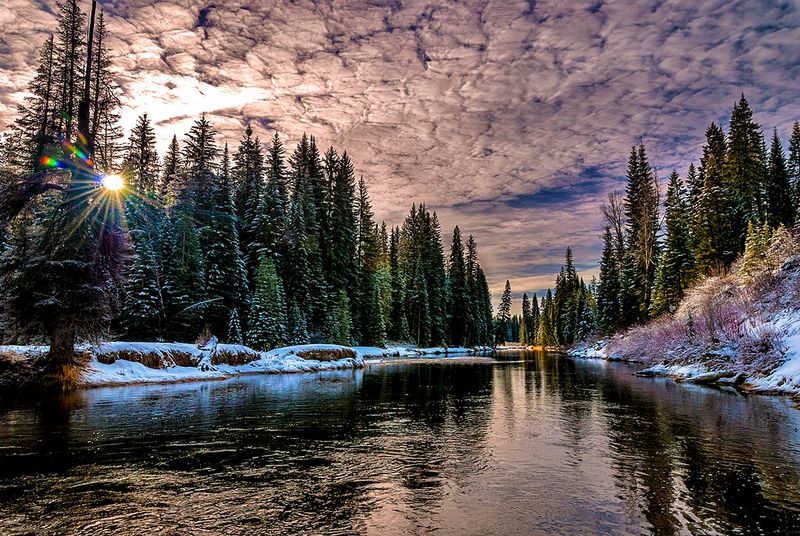
McCall’s Winter Carnival is a celebration of creativity and togetherness. Residents focus on community spirit rather than enduring extremes.
Sculptures and events bring people together, providing warmth against the winter cold. It’s about connection, not competition.
This tradition highlights the joy of communal experiences, showcasing a different side of winter that’s about unity rather than survival.