

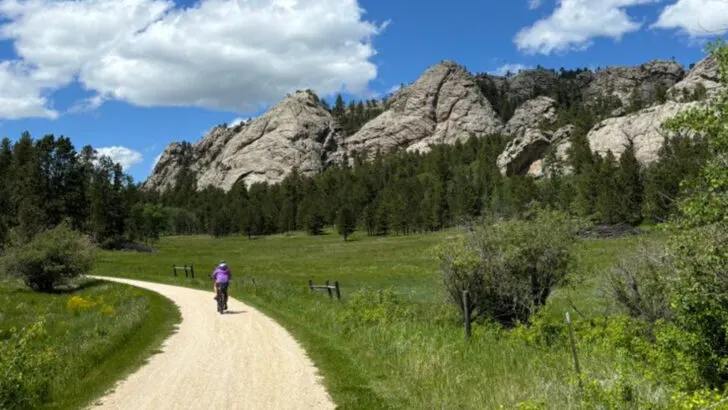
This trail doesn’t just wind through South Dakota — it barrels straight through history carved in stone and steel.
The George S. Mickelson Trail stretches 109 miles across the Black Hills, tracing the path of a 19th-century railroad that once hauled gold, timber, and dreams through rugged country.
Cyclists glide over more than 100 weathered railroad bridges and pass through four tunnels blasted by hand from solid rock. Each mile feels like riding inside a living time capsule shaped by grit and persistence.
Pine forests close in, granite cliffs rise suddenly, and quiet towns appear like echoes from another era. This isn’t just a ride — it’s a rolling story you pedal through.
Trail Overview and Route
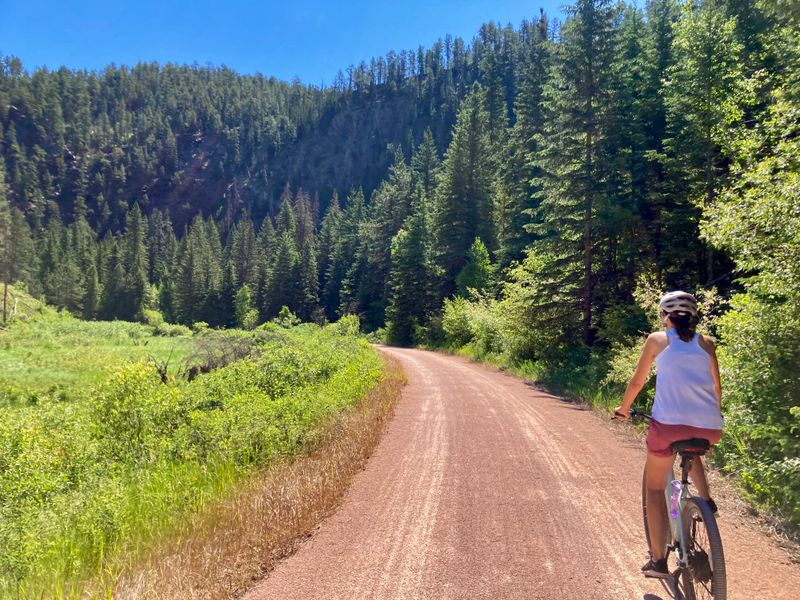
Think of the George S. Mickelson Trail as a 109-mile ribbon stitching together the Black Hills from Edgemont to storied Deadwood.
You follow a former Burlington Northern line, which means gentle grades, sweeping curves, and steady momentum. The surface is crushed limestone and packed gravel, inviting fat tires and relaxed pacing without technical surprises.
Along the way, you pass through pine forests, creek-cut valleys, and meadows where deer linger at dawn. Mile markers and interpretive signs keep your bearings straight and your curiosity primed.
Trailheads are spaced conveniently, so you can hop on for a morning spin or commit to a multi-day traverse.
Expect small-town stops for coffee, pie, and bike fixes that turn a workout into a rolling vacation. The route’s rhythm suits new riders while rewarding seasoned cyclists with flow and distance.
If you crave a narrative ride, this path delivers chapter after chapter of scenery, history, and easygoing adventure.
The Railroad Legacy
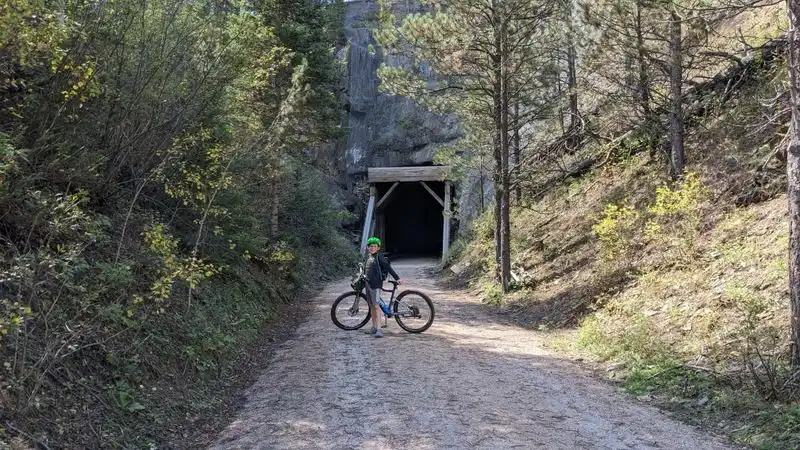
Riding this trail feels like pedaling a timeline laid across the hills. The corridor dates to the 1890s, when steam engines hauled timber, ore, supplies, and dreams across South Dakota.
Today, the original rail grade, curves, and gentle inclines remain, letting you experience the land at the speed of history.
You will cross trestles where locomotives once clattered and pass cuts carved by hand and blast. Occasional artifacts, foundations, and signage reveal the grit of crews who kept freight and gold moving through winter squalls and summer heat.
Every mile whispers of telegraph clicks and brakemen scanning the horizon.
Interpretive stops make the past feel immediate without slowing the ride’s flow. You learn why this railroad mattered to ranchers, miners, and fledgling towns knitting the territory together.
By the time you roll into another trailhead, the rails may be gone, but their story rides shotgun.
Crossing 100 Historic Railroad Bridges
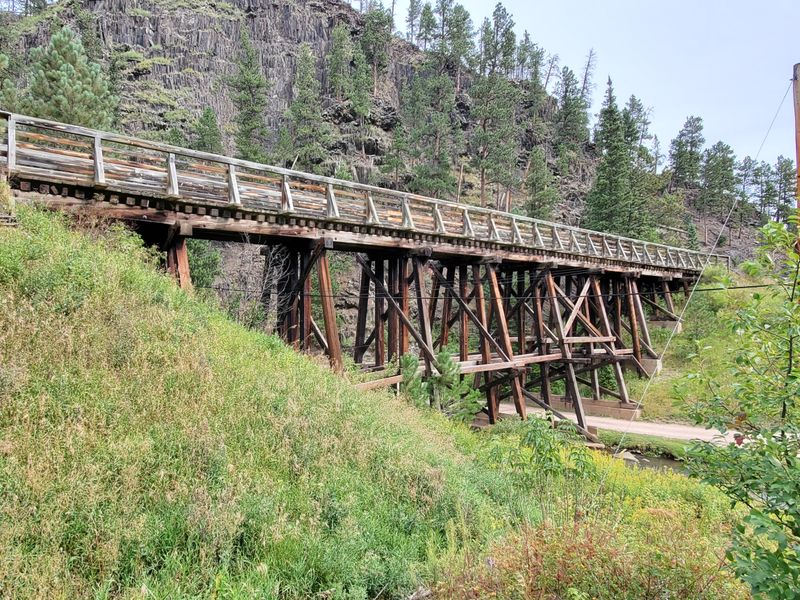
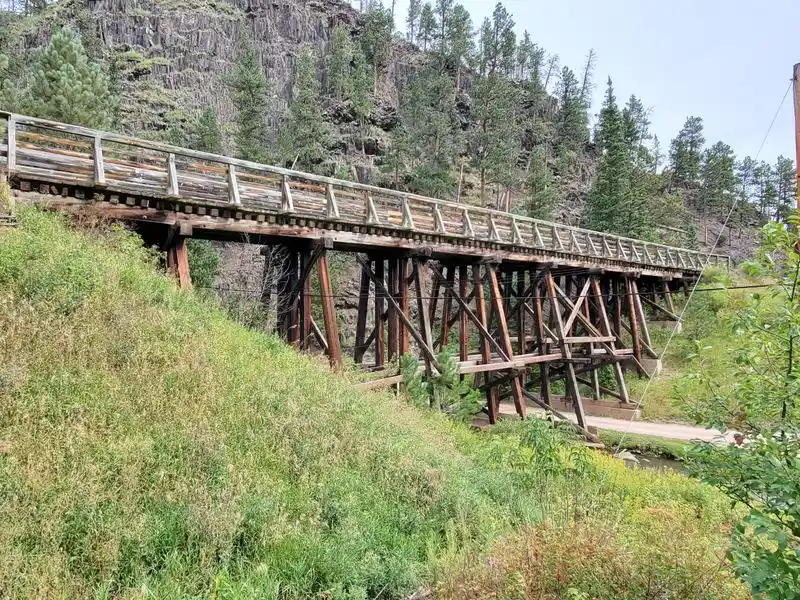
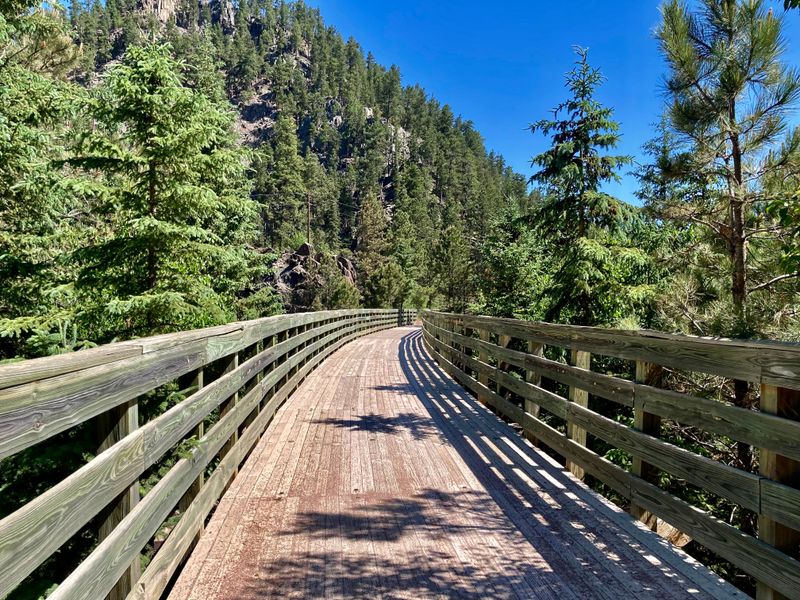
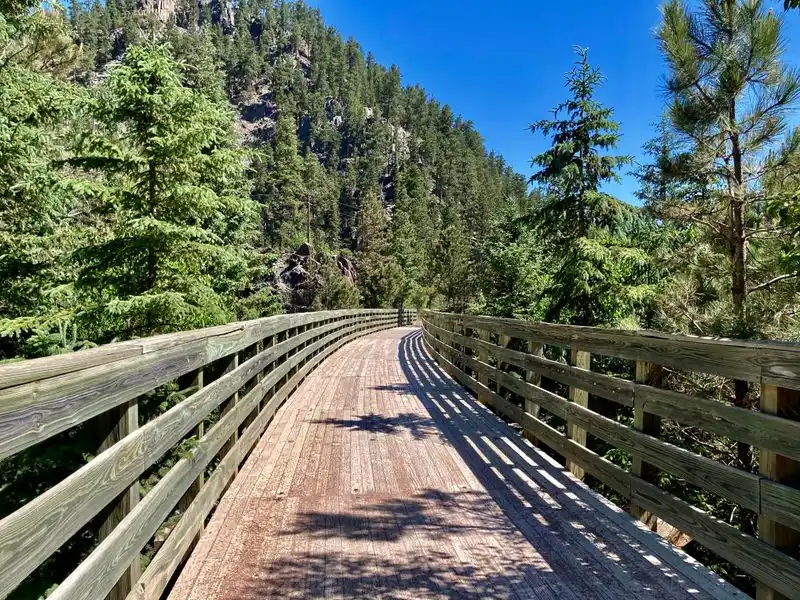
Bridge after bridge, the Mickelson Trail serves a drumbeat of elevation and view. More than 100 railroad bridges carry you over creeks, ravines, and quilted pine slopes.
Each crossing offers a new angle on the Black Hills, from shimmering water ribbons to canyon walls warmed by afternoon sun.
Timbers and trusses creak softly under tire hum, a reminder that these structures were built to bear locomotives. Now they shoulder bikes, strollers, and stories, turning functional engineering into scenic overlooks.
You will likely stop often for photos, not because you must, but because perspective keeps improving.
Some spans are short and sweet, others long and airy with sweeping approaches. Railings feel solid, surfaces ride smoothly, and signage keeps the cadence safe.
By day’s end, you realize the bridges are not obstacles, but highlights threading the ride together like beads.
The Four Hand-Carved Rock Tunnels
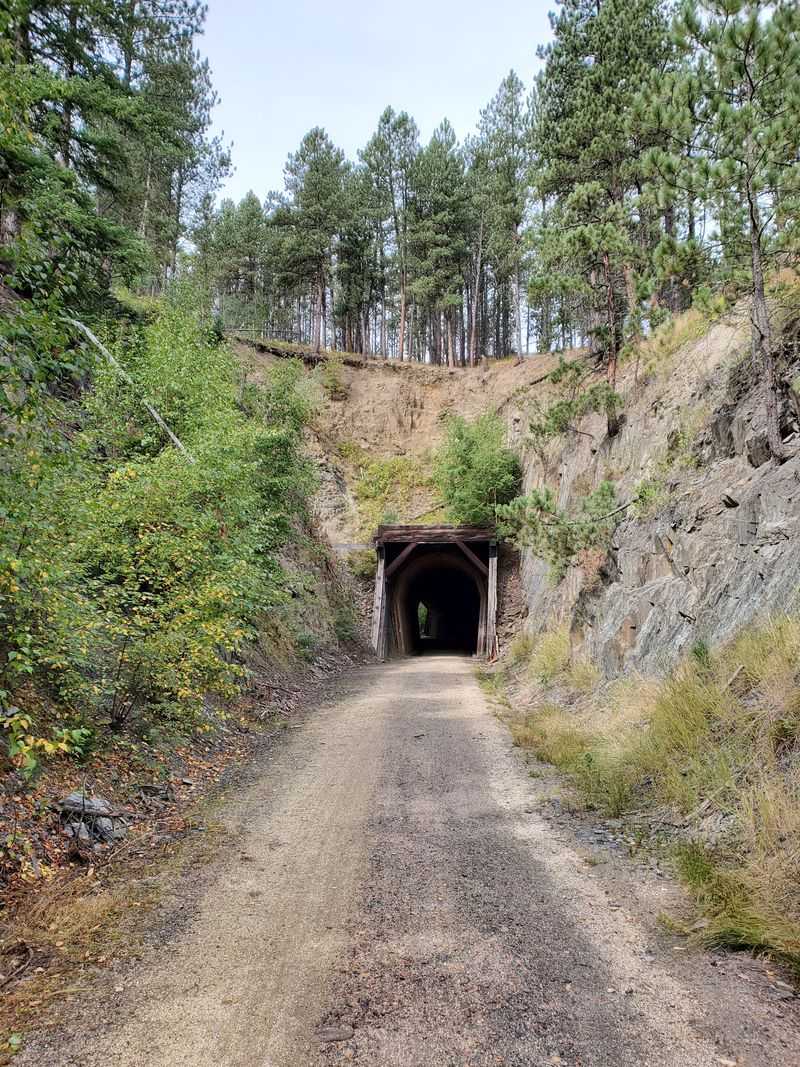
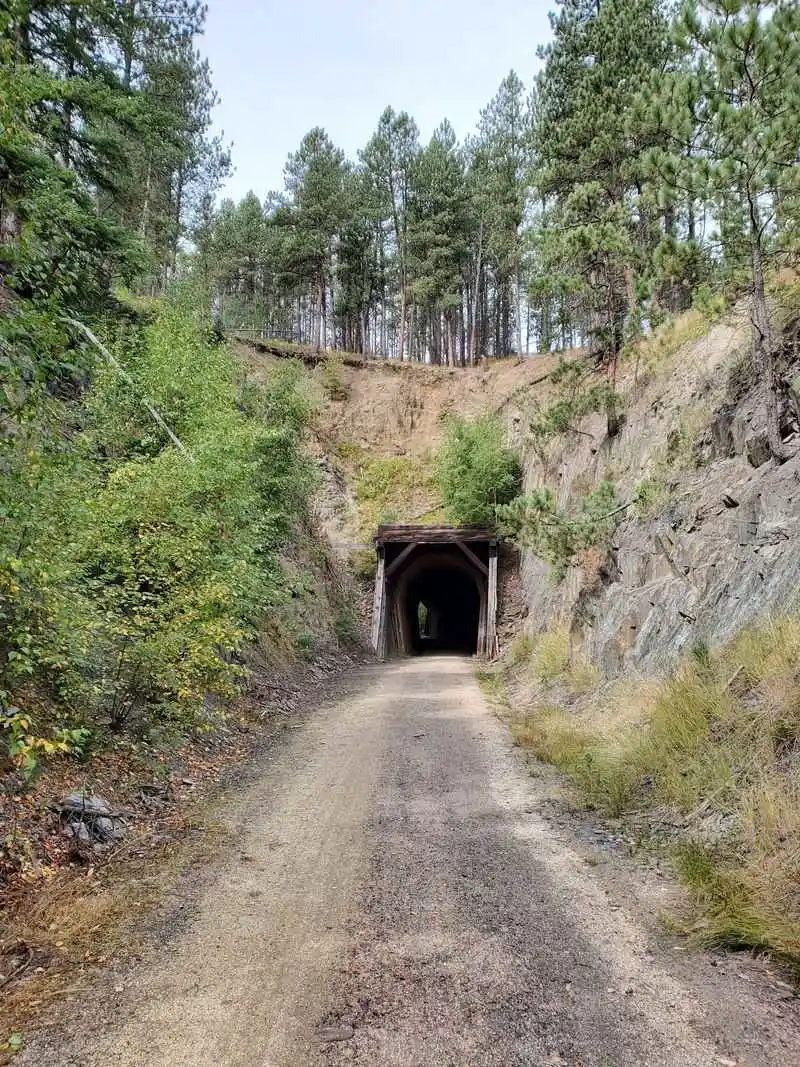
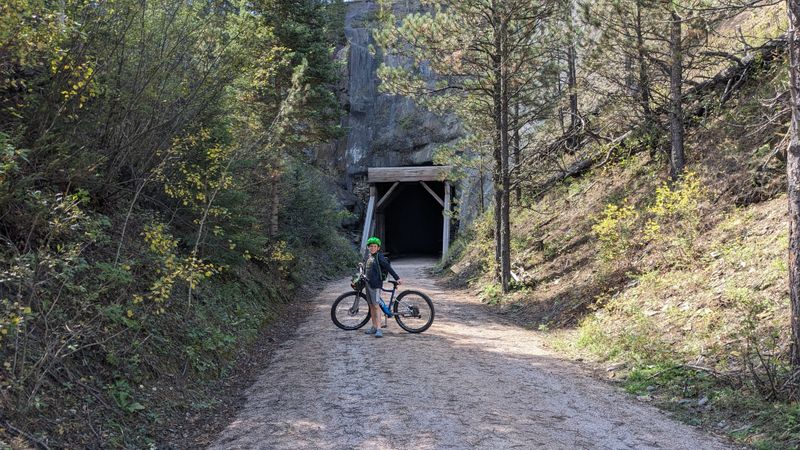
Few moments compare to coasting into a hand-carved tunnel and feeling the air turn cool and echoing. The trail’s four tunnels slice through limestone and granite, testaments to human will in a rugged landscape.
You see chisel scars and layered strata, like geology and labor braided together.
Lights are smart here, even midday, because shadows swallow details quickly. The grade stays easy, the surface firm, and the thrill undeniable as daylight narrows to a coin ahead.
Emerging on the far side, you feel reborn into sun, pine scent, and birdsong.
These tunnels anchor the route’s drama without spiking difficulty. They are accessible, photogenic, and utterly memorable, merging steam-era ingenuity with modern recreation.
Roll slowly, listen to the quiet, and let the walls tell their patient, echoing story.
Scenic Diversity of the Black Hills
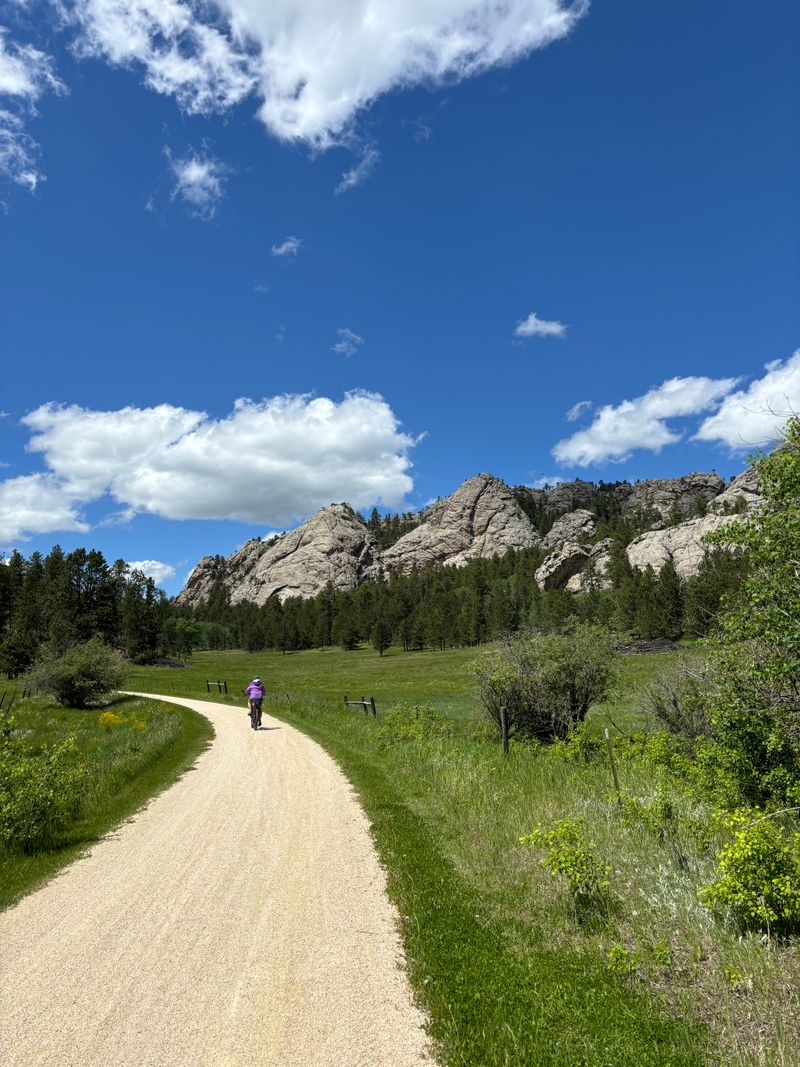
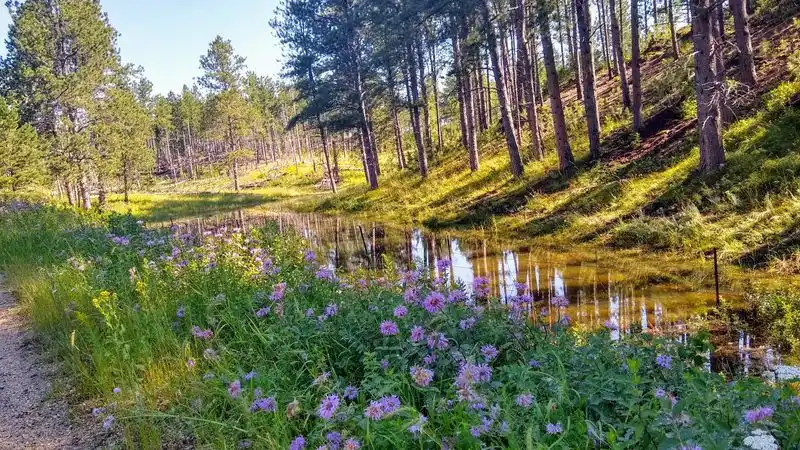
This ride is a sampler platter of Black Hills beauty. One hour you are gliding beneath ponderosa pines, the next you are crossing meadows quilted with wildflowers.
Granite outcrops catch the light like embers, and quiet canyons funnel breezes that sound like distant surf.
Wild turkeys scuttle in understory, while hawks circle above switchbacking grades. In spring, the greens feel electric; in fall, larch and aspen flash gold against dark conifers.
Even cloudy days carry a cinematic mood, with mist snagging on ridgelines and bridges framing creek geometry.
What makes the diversity sing is the trail’s steady tempo. You are not fighting terrain, so your senses stay open to color, scent, and changing light.
By trip’s end, the mental slideshow includes forests, prairies, stone, and sky in equal measure.
Gentle Grades for All Skill Levels
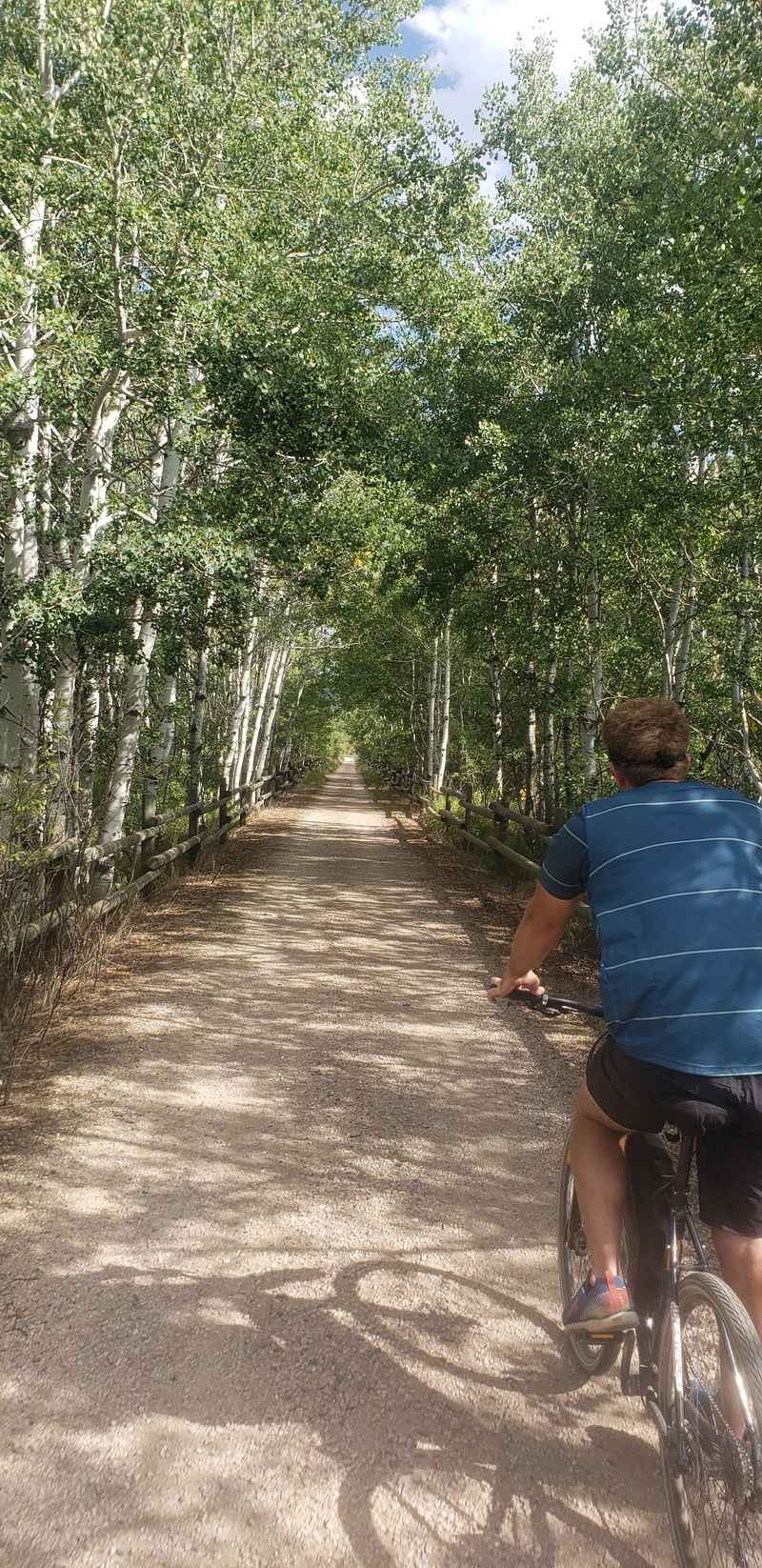
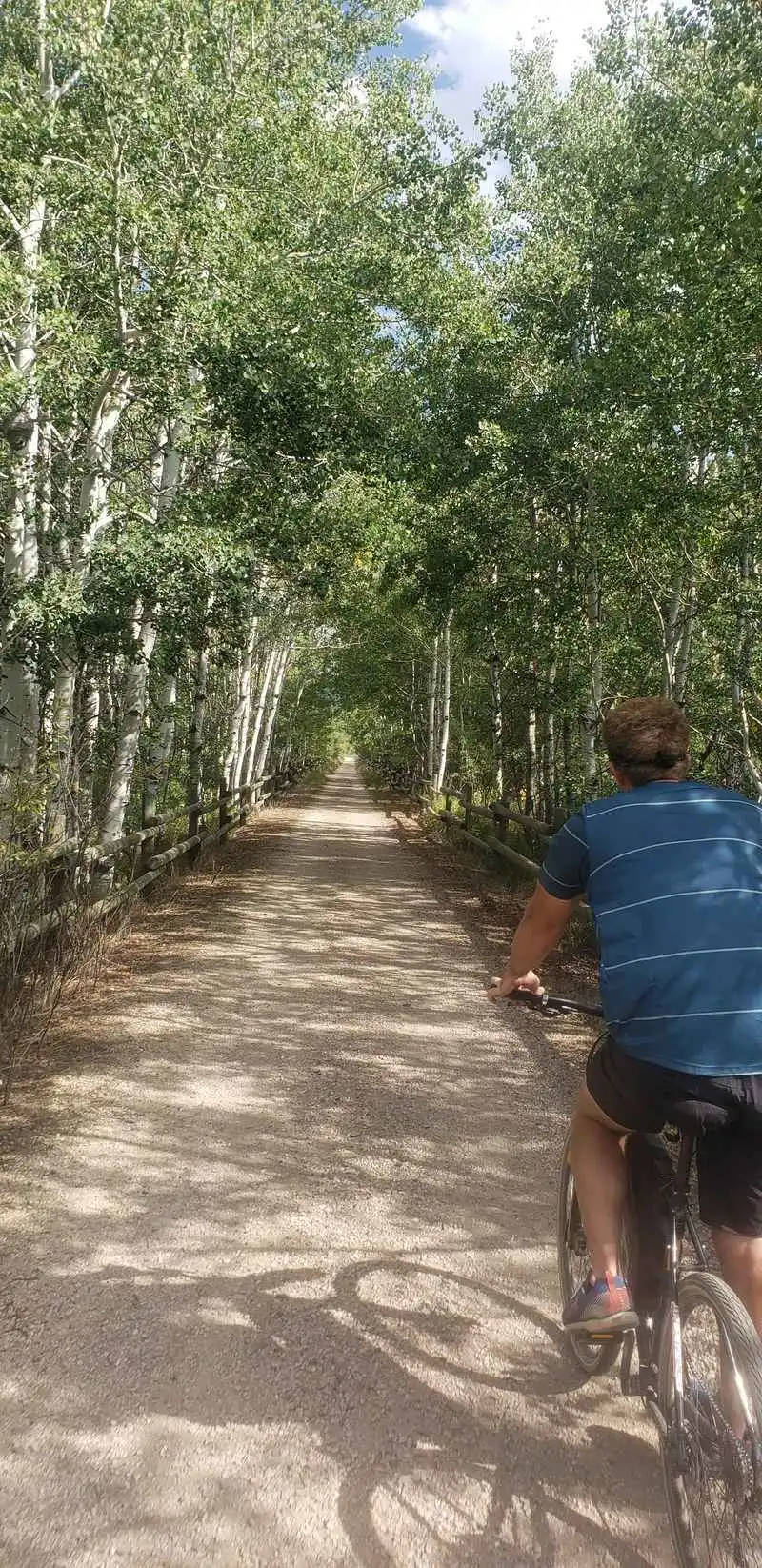
The beauty of a rail-trail is how it invites everyone along. Grades hover in that friendly zone where you keep spinning without burning matches, perfect for beginners and endurance seekers alike.
Long, sweeping curves replace switchbacks, allowing steady breathing and conversation.
You can tow a kid trailer, ride a gravel rig, or cruise a hardtail without anxiety. Pace settles into a sustainable groove that eats miles pleasantly.
Rest benches, trailheads, and water stops appear often enough to keep the day fluid rather than regimented.
Experienced riders still find satisfaction in distance, momentum, and scenery density. Beginners get confidence without white-knuckle moments, making this a gateway to longer adventures.
The result is a ride where smiles outnumber grimaces, and every mile feels earnable.
Wildlife and Natural Encounters
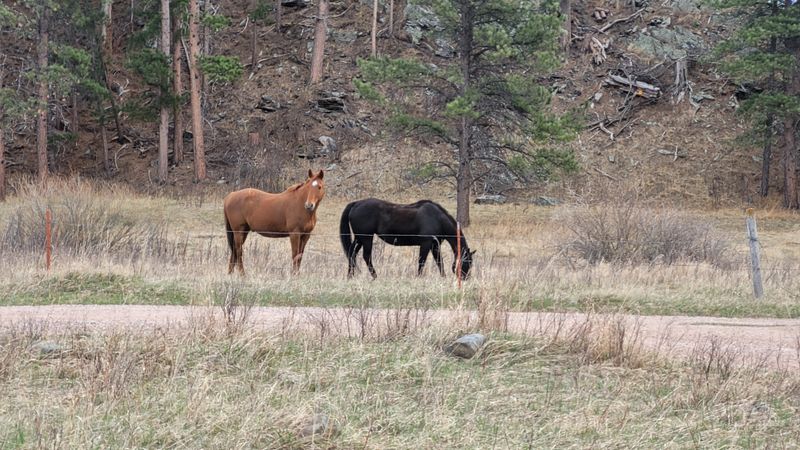
Keep your eyes soft and your cadence steady, and the Black Hills will introduce themselves. Deer browse at meadow edges, ears swiveling before they bound into cover.
Wild turkeys parade like dignitaries, while songbirds flash color from fence posts and willow thickets.
Mornings and evenings are the golden windows, when light is low and wildlife relaxed. You will sometimes roll through stretches so quiet that tire noise becomes the soundtrack.
Give animals space, announce politely when passing, and pack out every crumb.
Season adds its own script: spring brings fawns and nesting, summer hums with insects, fall delivers migrating calls overhead. Even a simple stop to listen can reset a rushed day.
This is a route where nature does not shout, but speaks clearly to riders who slow down.
Charming Trail Towns Along the Way
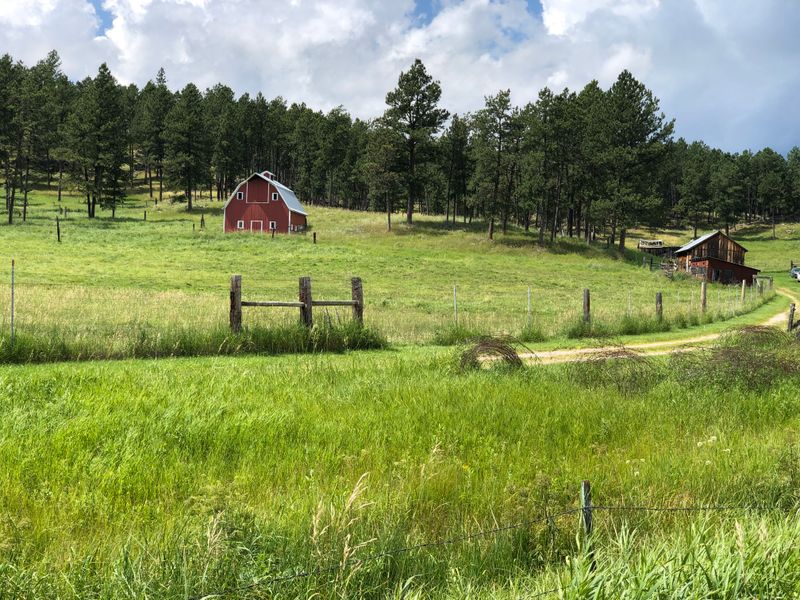
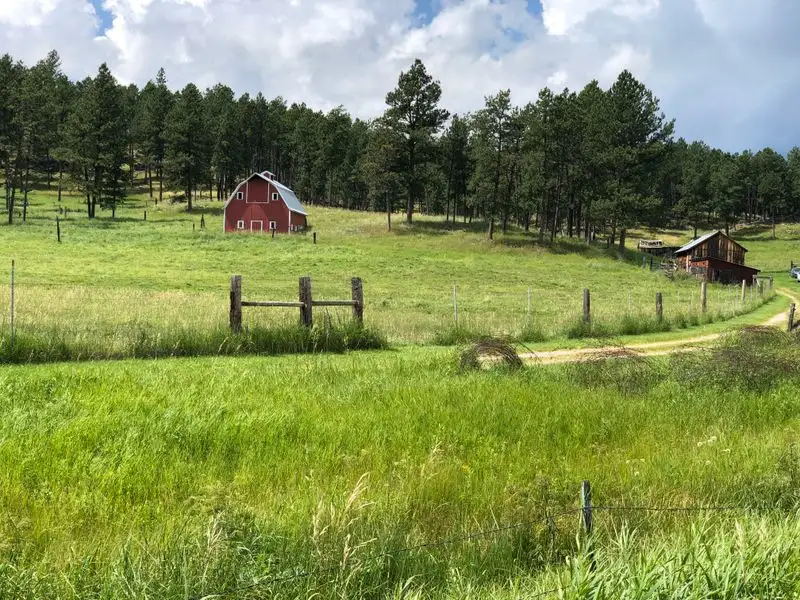
Part of the magic is how the ride stitches together character-filled towns. Hill City offers art galleries, a museum, and strong coffee before the next climb.
Custer brings hearty meals, gear shops, and lodging options within coasting distance of the trail.
Rochford is tiny and memorable, with porch vibes and stories exchanged between sips. Deadwood caps the route with gold-rush lore, historic facades, and lively evenings.
Each stop feels like a checkpoint in a choose-your-own-adventure, fueling legs and curiosity alike.
Locals are used to cyclists rolling dusty and smiling, so questions about grades, water, and weather find quick answers. You leave with receipts, photos, and maybe a new favorite bakery.
The towns make the miles taste better, turning a ride into a journey.
Access, Trailheads, and Ride Planning
Getting on the Mickelson is easy thanks to well-spaced trailheads with parking, restrooms, and maps. Decide on a point-to-point with a shuttle, or build loops and out-and-backs from hubs like Hill City or Custer.
Multi-day riders often book lodging in trail towns and connect segments like beads.
Permits are straightforward, surfaces generally consistent, and cell coverage patchy, so download maps. Pack layers for mountain weather, a light for tunnels, and enough water between stops.
Bike choice is flexible, but wider tires keep things comfy on gravel and limestone.
Study elevation profiles to time efforts and snack breaks. Wind direction can matter on open stretches, so check forecasts.
With a bit of planning, the route feels seamless, leaving you free to collect views instead of worries.
A Bucket-List Rail-Trail Experience
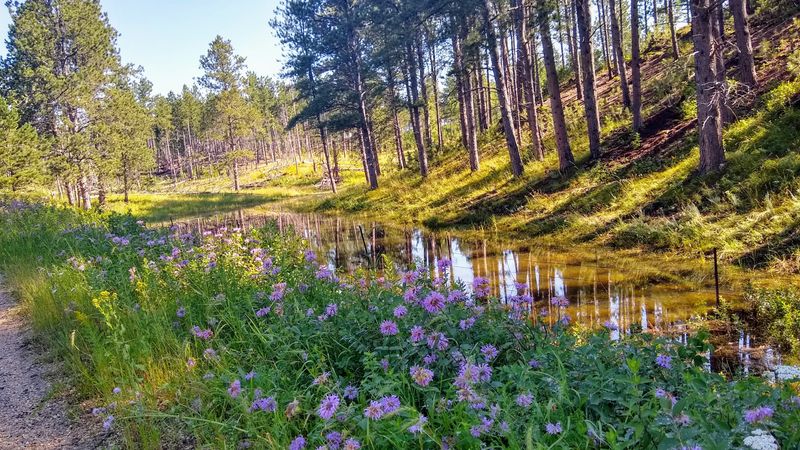
If there is a short list of American rides that balance beauty, history, and approachability, this one belongs near the top. A hundred bridges, four tunnels, and 109 miles add up to something bigger than stats.
You feel it in the cadence, the friendly towns, and the way evening light paints timber and stone.
It is a ride you recommend to friends who crave challenge without chaos, scenery without stress. The Mickelson rewards preparation, but it also rewards spontaneity, those bonus miles you add because sunset refuses to end.
Every turn seems designed to keep momentum and wonder alive.
By the finish, legs are pleasantly spent and photo rolls are full. More importantly, you carry a story that keeps expanding with each retelling.
That is bucket-list energy: an experience that rides along long after you stop pedaling.