

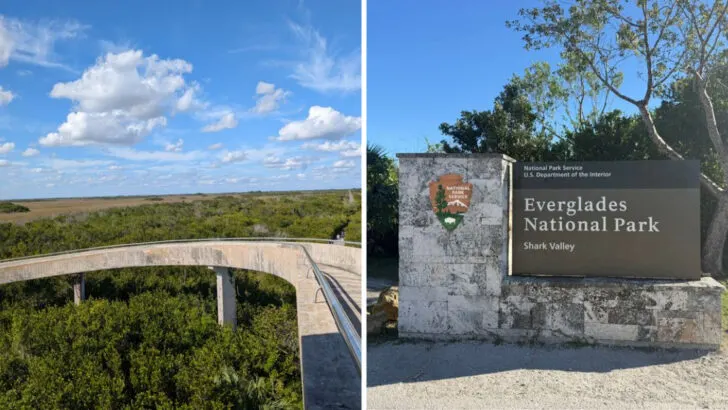
Nestled in the heart of the Everglades, Shark Valley offers a unique opportunity to experience Florida’s natural beauty up close. The 15-mile bike trail is a perfect way for visitors to explore this iconic landscape, providing unobstructed views of wetlands, wildlife, and more.
This trail, accessible to both avid cyclists and casual riders, winds through the park’s diverse ecosystems, offering a truly immersive experience. From alligators basking in the sun to herons wading in still waters, the sights along this path are unparalleled.
Whether you’re a nature enthusiast or simply looking to escape the hustle and bustle, Shark Valley promises a memorable adventure for all.
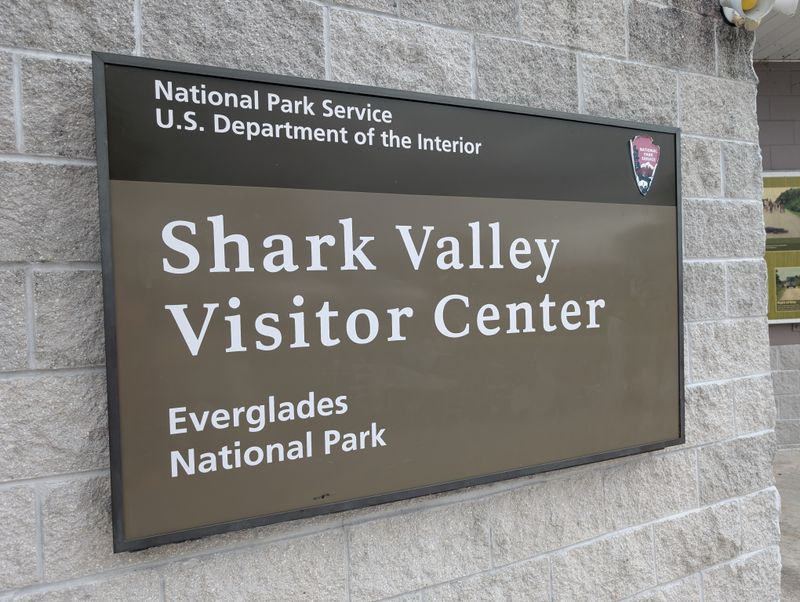
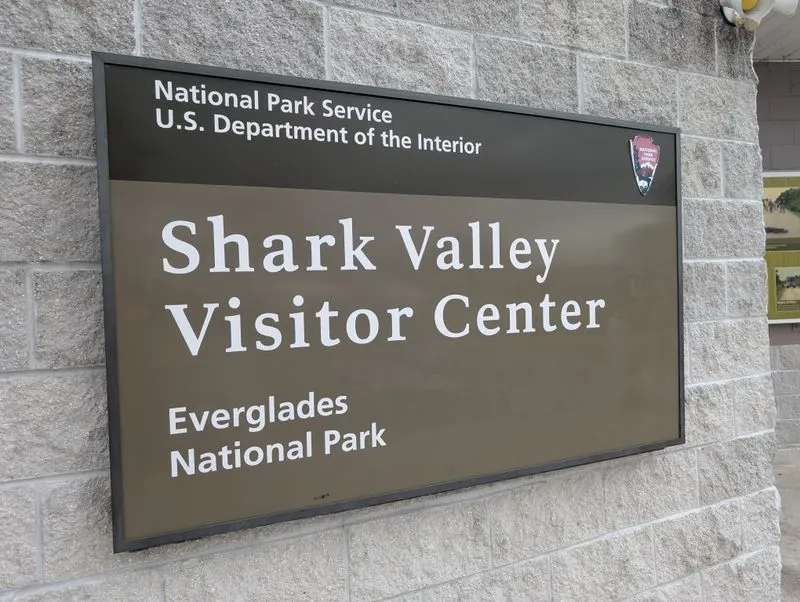
Shark Valley Visitor Center
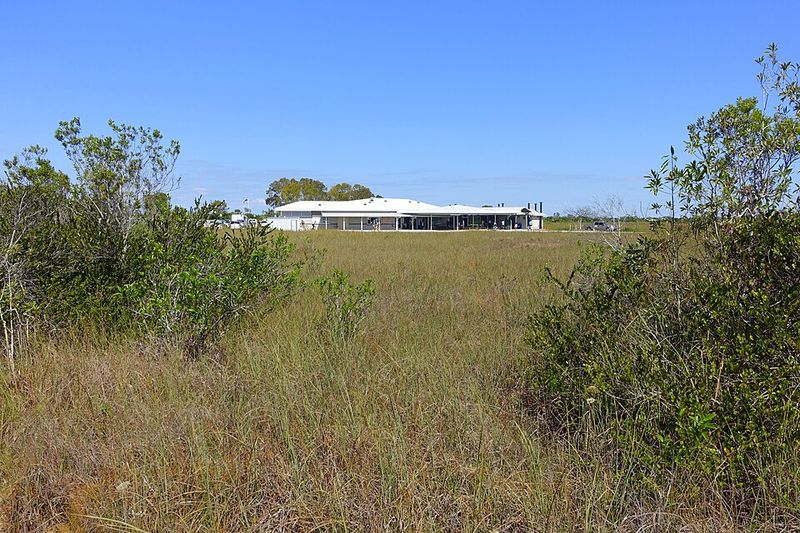
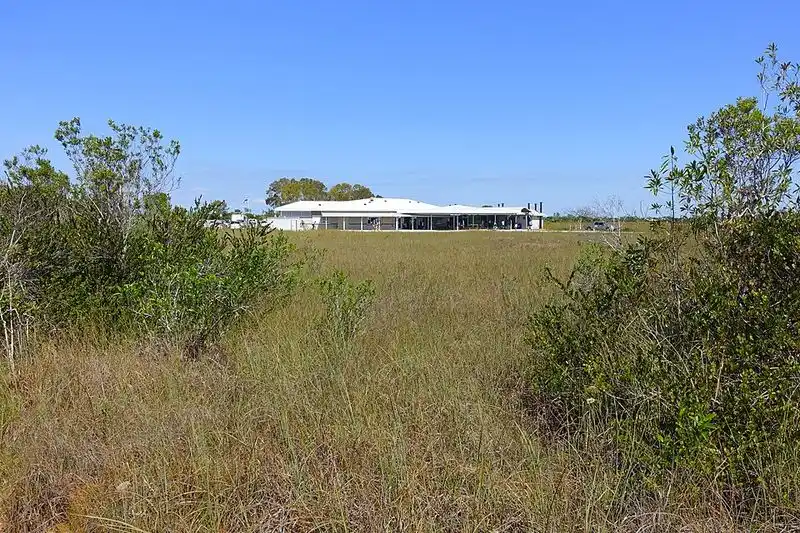
Start your Everglades adventure at the Shark Valley Visitor Center, a hub of information and activity. It offers exhibits that delve into the unique ecology of the Everglades, along with a gift shop stocked with everything from maps to souvenirs. Knowledgeable staff are available to answer questions and provide insights into the park’s history and wildlife.
The visitor center is the launching point for tram tours, perfect for those who prefer a guided experience. These tours offer a narrated journey through the park, highlighting key points of interest. Whether you’re cycling or taking a tram, the visitor center is an essential first stop, ensuring a well-rounded visit.
Located conveniently along Highway 41, it’s easily accessible for both local and out-of-town visitors. The center’s hours are accommodating, making it a flexible option for planning your day.
The 15-Mile Loop
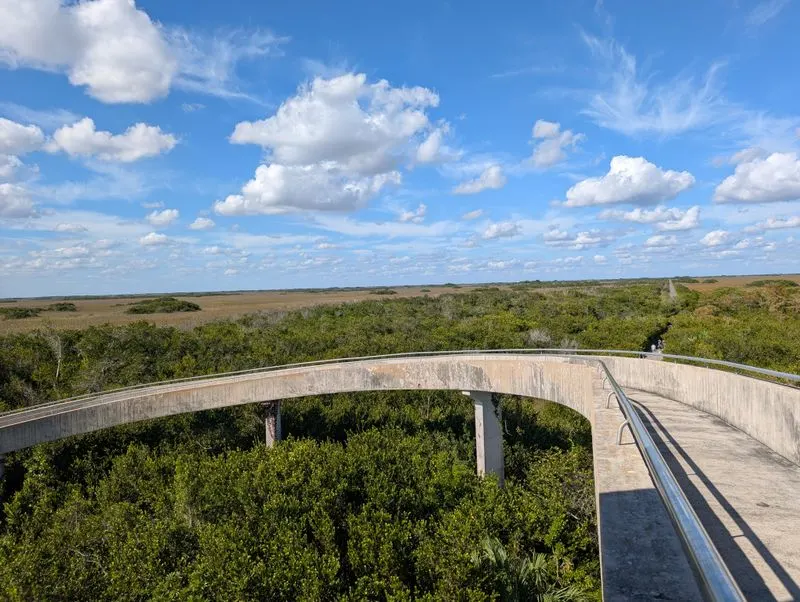
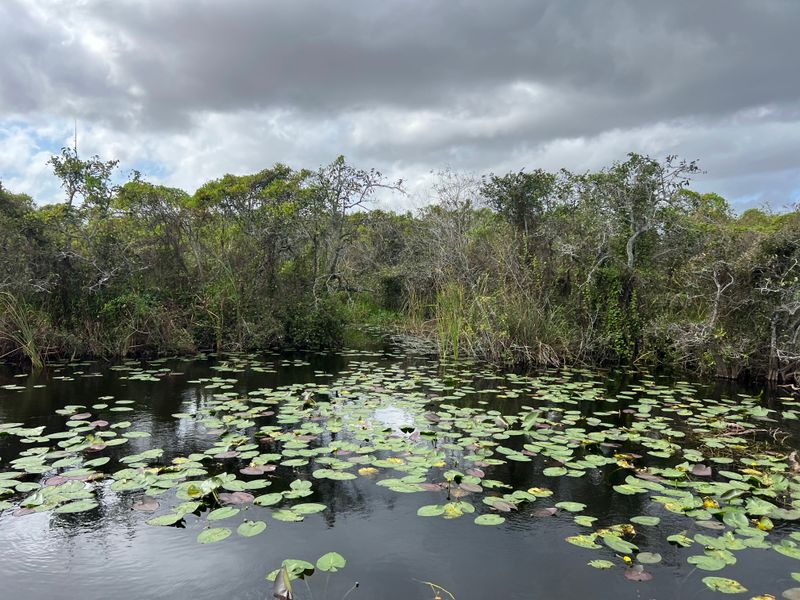
Step onto the 15-mile loop trail and be prepared for one of the most scenic rides in Florida. This paved path is flat and easy to navigate, making it suitable for riders of all skill levels. As you pedal through, you’ll be surrounded by sprawling wetlands, a habitat teeming with diverse wildlife.
Every bend in the trail offers something new, from turtles sunning themselves on rocks to the occasional alligator lurking nearby. The serene environment is interrupted only by the calls of native birds, adding a symphonic backdrop to your ride.
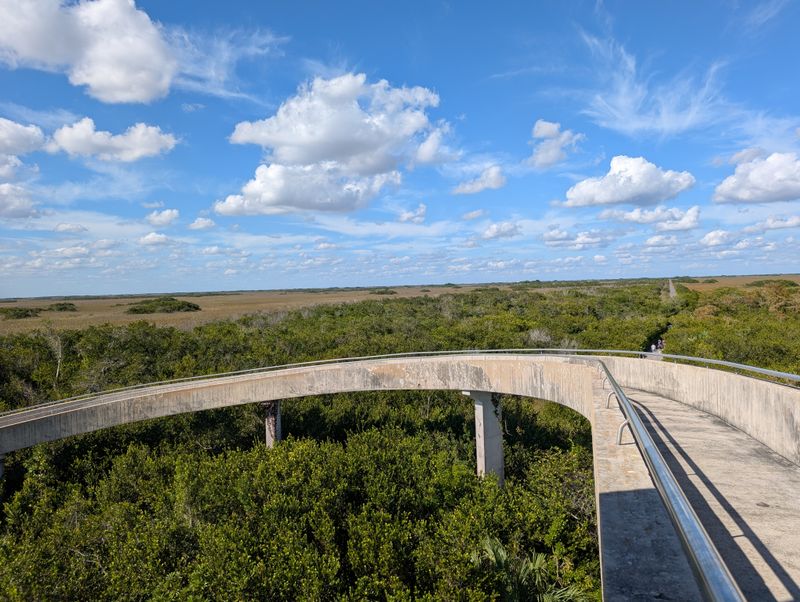
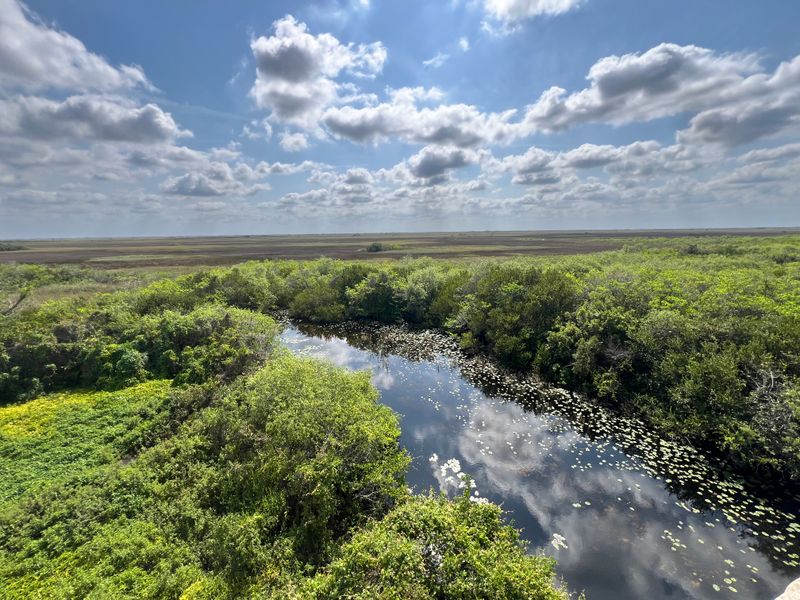
About halfway through, the path leads to an observation tower, providing panoramic views of the Everglades. It’s the perfect spot to pause, take in the beauty, and snap some unforgettable photos.
Observation Tower
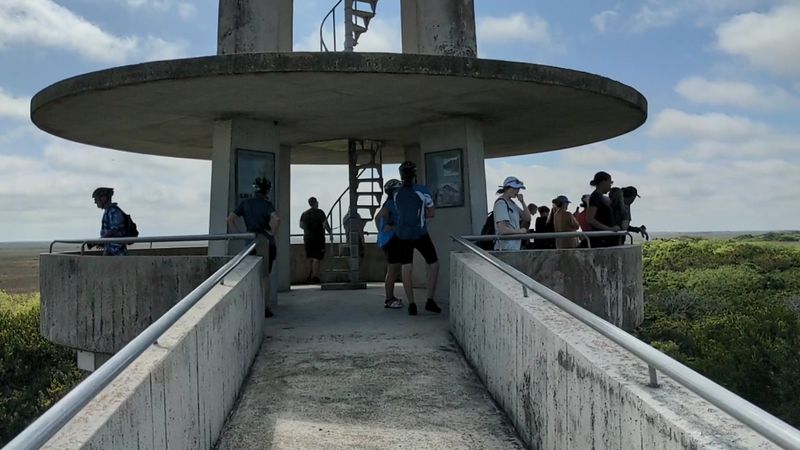
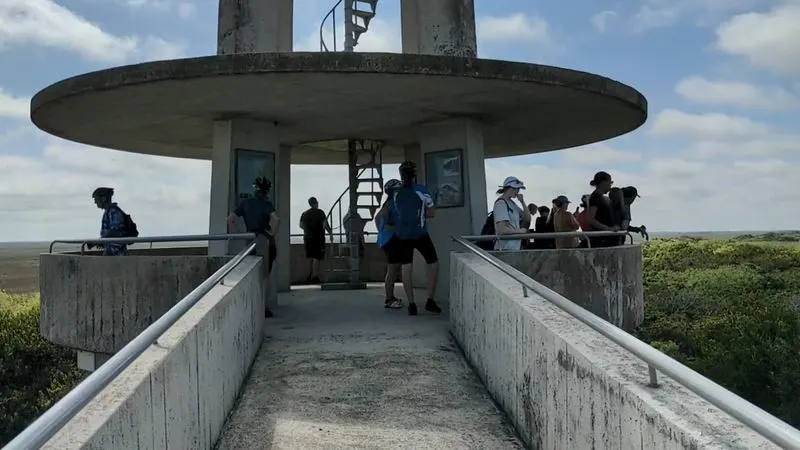
At the midpoint of the Shark Valley trail stands the iconic observation tower. This spiral structure offers a 360-degree view of the sprawling Everglades, a vantage point that’s hard to beat. Whether you’re climbing to the top or stopping by for a quick rest, the tower provides a unique perspective on the surrounding landscape.
Visitors often spot a variety of wildlife from this elevated point, including birds soaring overhead and alligators gliding through the water below. It’s an ideal location for photography enthusiasts, capturing the vastness and tranquility of the Everglades.
The structure itself is a testament to thoughtful design, blending seamlessly with the environment while offering an unforgettable experience. A visit here is a highlight of any Shark Valley trip, ensuring memories that last long after your journey ends.
Wildlife Encounters
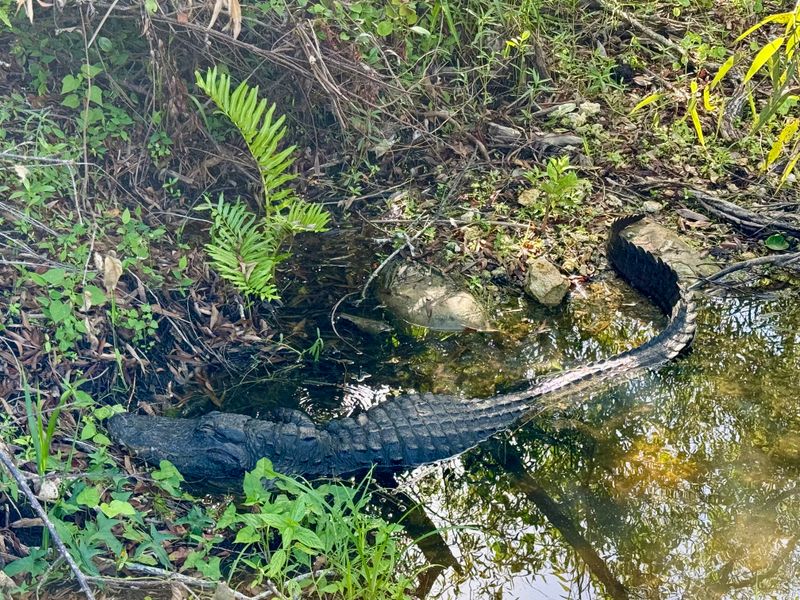
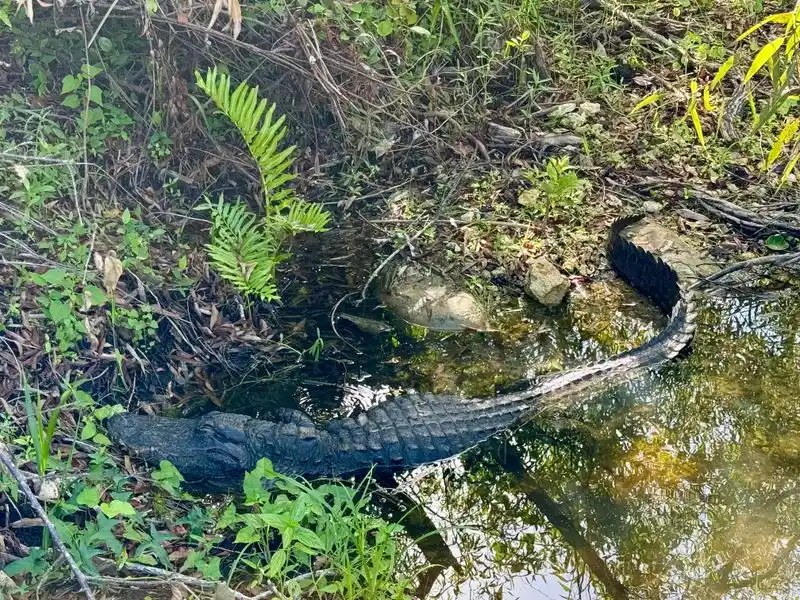
Shark Valley offers some of the best wildlife viewing opportunities in the Everglades. The bike trail is a living gallery of animals, where you might see alligators basking on the banks or an anhinga drying its wings in the sun. It’s an ideal setting for nature lovers and photographers alike.
Herons and egrets are common sights, their graceful movements a constant reminder of the delicate balance of this ecosystem. The cycle-friendly path allows you to stop and observe without disturbing these magnificent creatures.
Every visit promises a new discovery, whether it’s spotting a rare bird or encountering a playful otter. Shark Valley’s vibrant wildlife and serene environment offer a dynamic, ever-changing experience that captivates visitors’ senses.
Best time to ride and seasonal tips
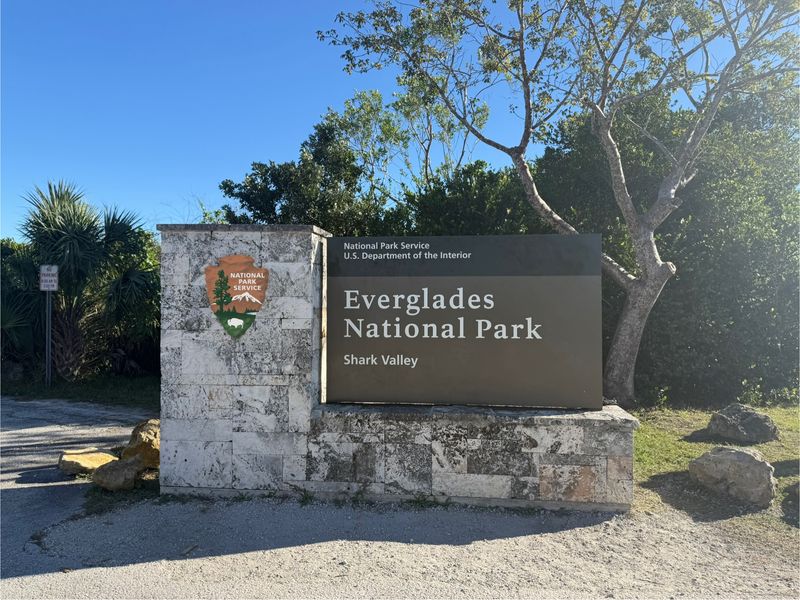
Timing your ride changes everything. Cooler months from November through April bring mild temperatures, fewer mosquitoes, and clearer skies that glow at sunrise. If you ride in summer, start at dawn, hydrate constantly, and plan shade breaks to keep the experience enjoyable.
Wind direction matters, too. A light tailwind heading back can save your legs, so check a local forecast before you go. After rain, water levels rise and birds flock to the edges, offering incredible viewing. Dry season concentrates wildlife differently. Whatever season you choose, build flexibility into your plan so you can linger when the landscape surprises you.
What to pack for comfort and safety
Florida sun is no joke, so pack sunscreen, a brimmed hat or helmet visor, polarized sunglasses, and a light sun shirt. Two large water bottles or a hydration pack are essential. Add salty snacks, electrolytes, and a compact first aid kit to handle scrapes or blisters.
Bring a spare tube, mini pump, and tire levers because trail help is limited. A phone with offline maps and an external battery keeps you connected. Bug spray helps at rest stops. Pack a lightweight rain shell for pop-up showers. A small towel doubles as seat cover during breaks. Keep everything organized in a frame or seat bag.
Bike setup for flat, windy terrain
On a flat trail, steady cadence beats brute force. Slightly lower tire pressure smooths rough patches, but not so low you risk pinch flats. Consider puncture-resistant tires because debris and thorns sometimes blow across the path.
A compact gear range helps when headwinds kick up. Add a small handlebar bag for quick-access snacks and sunscreen. Fit a bell to alert slower riders without startling wildlife or people. If you ride early or late, front and rear lights improve visibility in long sightlines. Keep your chain clean, lightly lubed, and quiet, so the only soundtrack is wind and birds.
Hydration and heat management on the trail
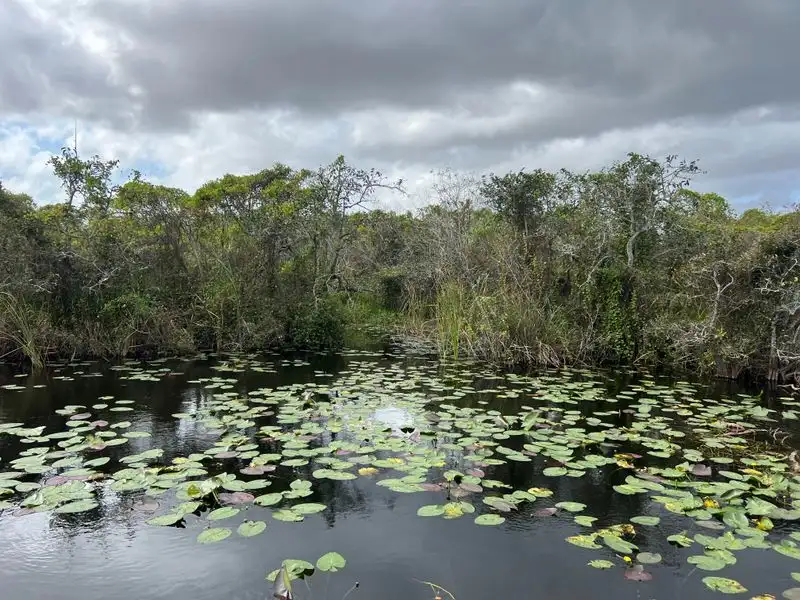
The combination of sun and humidity can drain you fast. Sip regularly instead of chugging at stops, aiming for a bottle every hour. Add electrolyte tabs to prevent cramping and keep your energy steady. Freeze one bottle overnight so it melts into a refreshing treat mid-ride.
Use light-colored clothing and sun sleeves to reduce radiant heat. Take short shade breaks when you can, even if it means pausing near sparse trees. Dampen a neck gaiter with water for evaporative cooling. If dizziness or chills hit, stop immediately, find shade, and rehydrate. Plan your turnaround time so you finish before peak afternoon heat.
Photography stops and ethical viewing
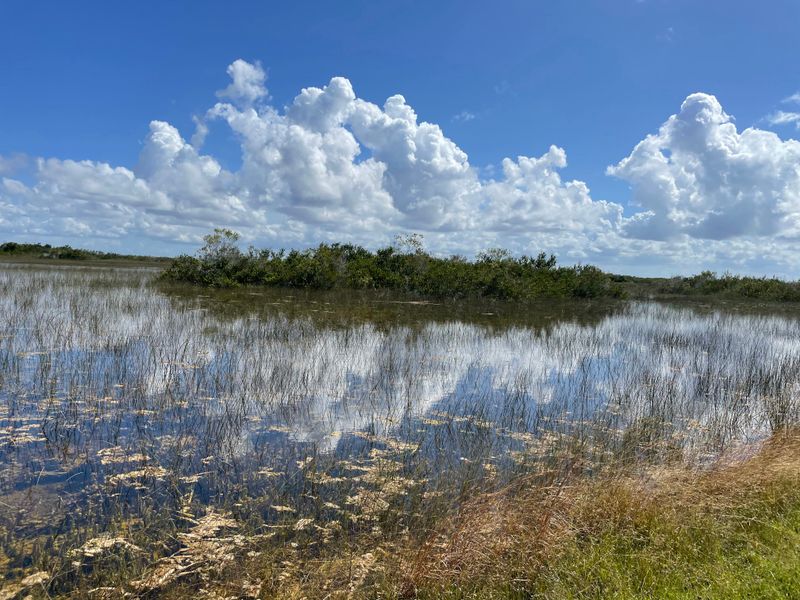
Camera or phone, you will want photos. Stop fully off the trail to avoid blocking riders. Use a longer focal length to capture birds without pushing too close. Patience pays off when light angles change and reflections settle. Early and late light makes the wetlands glow.
Respect the ecosystem by keeping distance from nests and burrows. Never feed animals, and keep noise minimal so natural behavior continues. A microfiber cloth keeps lenses clean in humid air. Use burst mode for flying birds. Remember, the best shots happen when you slow down, breathe, and let the Everglades reveal details at its own pace.