
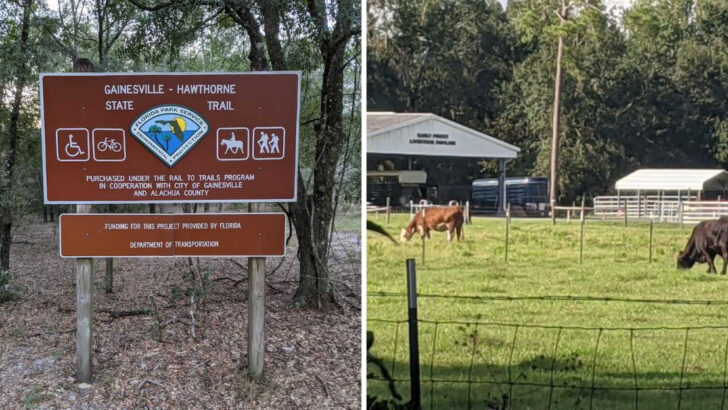
An old railroad bed in North Florida has become a smooth ribbon of pavement where hawks glide overhead and prairie winds brush your shoulders. The Gainesville-Hawthorne Trail carries you past Paynes Prairie, where wild horses and bison still roam, and quiet oak tunnels cool the heat.
You get gentle rollers near Gainesville, long straightaways toward Hawthorne, and just enough wildlife surprises to keep your senses awake. Ready for a ride that feels timeless yet totally accessible?
Trail Overview and Why It Shines
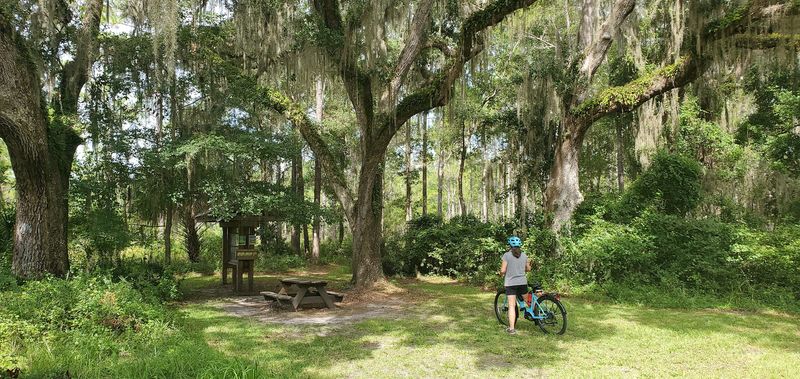
A former railroad turned multiuse path delivers a rare combo: flat, fast pavement and wild prairie views with real megafauna. You can roll a casual out-and-back or push tempo for 26 to 32 miles total, knowing the grade stays gentle and the line predictable.
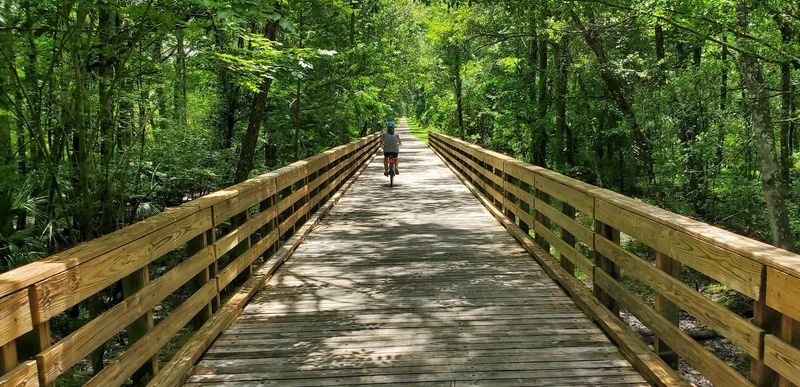
Shade arrives in generous stretches, especially where live oaks knit a green corridor over the asphalt.
Paynes Prairie is the star. On a lucky morning, you might spot bison grazing like a scene pulled from a history book, while wild horses flick their tails in the marsh light.
Raptors ride thermals above, and chorus frogs punch the soundtrack from hidden ditches.
Logistics are friendly. Trailheads at Boulware Springs in Gainesville and at Hawthorne anchor easy parking and bathrooms.
Signage is clear, mile markers are frequent, and benches appear right when snacks start calling.
A few gentle rises on the Gainesville side add variety without sapping legs. Toward Hawthorne, straightaways invite cadence discipline and negative splits.
Pack plenty of water, a spare tube, and a small tool kit, since on-trail pumps can be unreliable. Finish with tacos or coffee in town to lock in a perfect ride.
Best Starting Points and Parking Tips
Boulware Springs makes a straightforward launch, especially for first timers wanting amenities close at hand. You get restrooms, a water source, and a clear entry to the paved path that funnels you out of Gainesville’s busier stretch quickly.
Expect more walkers and families here, so roll patient until the crowd thins.
On the opposite end, Hawthorne’s trailhead keeps things calmer from the jump, with easier parking on most days and quick access to quiet miles. If you plan interval work or a long steady ride, starting here can mean fewer early interruptions.
Weekends still fill, so arrive on the early side.
Mid-trail stops exist at side access points and overlooks, handy for meeting friends or staging a shuttle. Lock valuables out of sight and avoid leaving gear visible in cars.
Local riders often park with a buddy for extra peace of mind.
Map your restroom plan, since facilities clump near major trailheads. If heat threatens, choose shaded parking and pre-chill bottles in an insulated bag.
A simple routine works well: kitted up, tire check, quick route brief, then roll within five minutes. That small efficiency keeps the ride crisp, focused, and fun.
Route Profile and Timing Your Ride
Think of the trail as a gentle S curve of effort. The Gainesville side brings mild rollers and curves that wake up handling skills without punishing legs.
After that first handful of miles, the route loosens into longer, straighter sections that flatter a steady cadence and even splits.
Morning usually gives calmer wind and cooler air, which matters during Florida’s long warm season. Golden hour not only photographs better, it tends to stir birds along the prairie edges.
If afternoons fit your schedule, lean on shade bands and plan water resupplies thoughtfully.
Fast riders can complete the 32-mile out-and-back in two hours or less, but most folks budget three with photo and snack breaks. A compact bell helps glide past walkers courteously when the path narrows.
Keep right, announce passes, and treat blind curves with respect.
For a tempo session, target the Hawthorne straightaways and mark mileposts for repeats. Newer cyclists can set a turnaround time instead of distance, then build in five-mile increments over weeks.
Weather can flip quickly, so stash a light shell, apply sunscreen before rolling, and check radar if storms linger.
Wildlife Watching on Paynes Prairie
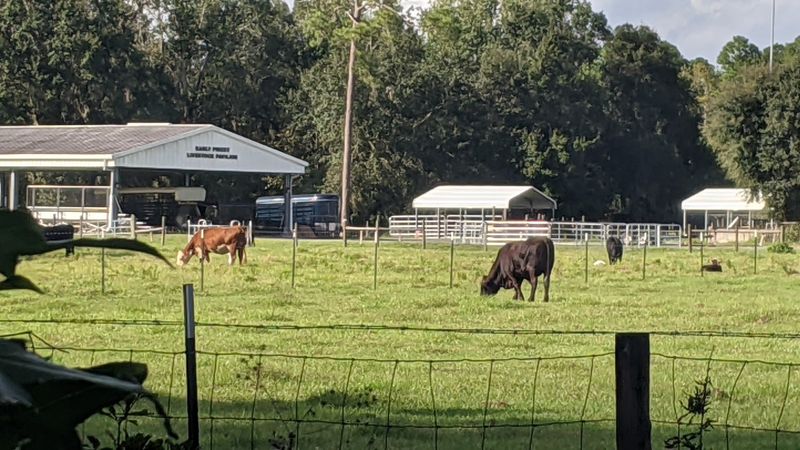
Eyes up near the overlooks: movement on the horizon can be bison, not distant cattle. Wild horses browse in small bands, often shoulder deep in tall grass with egrets freeloading nearby.
Bring compact binoculars and never approach; you will see more by giving them space and scanning slowly.
Birders find kestrels, kites, herons, and swallow-tailed flybys if timing cooperates. Winter usually spikes variety, but summer mornings serve dramatic airshows of swallows and dragonflies.
Listen for pig frogs and watch for turtles sunning on logs beside culverts.
Photography works best from the shaded edges, where heat shimmer softens. Switch your phone to burst mode and brace elbows against the railing to beat blur.
A polarizing filter helps cut glare on the marsh.
Stay on pavement and overlooks to protect habitat and yourself. If an animal seems alert or shifts posture toward you, back off immediately.
Carry a small trash bag to pack out wrappers, since wind steals anything light. The goal is simple: leave the prairie wilder than you found it, with hoofprints and wingbeats the only signatures written across the morning.
Seasonal Strategies for Heat and Storms
Florida heat asks for a plan, not bravado. Freeze one bottle solid and carry a second with electrolytes, then rotate sips to keep core temp steady.
Start at sunrise and aim to finish main efforts before late morning when the sun and humidity stack.
Summer storms form fast. Radar checks an hour before rollout and again mid-ride can save you a soaking or lightning scare.
If thunder creeps closer, bail to a trailhead or shelter and wait twenty to thirty minutes after the last rumble.
Winter is friendlier, but cool snaps surprise. A thin wind vest, light arm sleeves, and full-finger gloves cover most swings without weighing you down.
Shoulder seasons bring gnats and mosquitoes at dusk, so pack repellent wipes.
On the trail, shaded corridors drop temperature meaningfully. Use those sections to eat and adjust layers, then push effort on exposed parts where airflow helps.
Sunscreen goes on at the car and again at the turnaround. Hydration math works: about one bottle per hour, more if you sweat heavily.
Salt tabs or electrolyte chews keep cramps from gate-crashing an otherwise great ride.
Safety, Etiquette, and Shared-Use Smarts
Shared paths shine when everyone reads the same playbook. Keep right, pass left, and call out early with a bell or voice.
Headphones off or volume low lets you hear riders approaching and wildlife rustling in the brush.
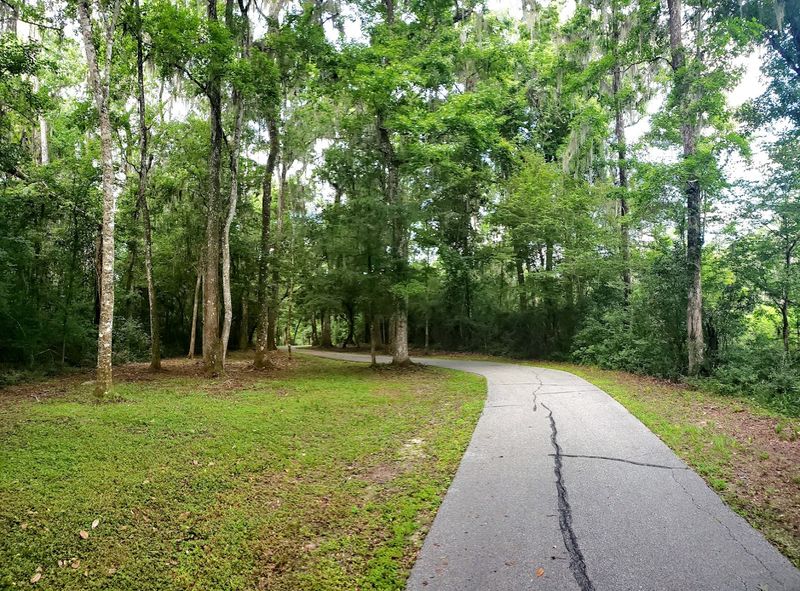
Maintain a predictable line through the curves on the Gainesville side, where rollers invite brief speed. Dogs on short leashes save wheels and paws in tight quarters.
When taking photos, step fully off the pavement and stage bikes well clear.
Night riding is allowed but demands real lights: a bright front beam and blinking rear. Reflective bits on ankles and a vest make you unmistakable under canopy shade.
Carry a basic first aid kit because scrapes prefer to happen when confidence peaks.
Report downed limbs or hazards to park staff using posted contacts. If you meet a horse on the path from the equestrian segment, slow to a crawl and speak calmly as you pass.
Courtesy scales fast here; a few small gestures turn a busy day into smooth travel for everyone sharing the ribbon.
Gear Checklist and On-Trail Repairs
A reliable kit keeps rides from ending at mile three with a hiss. Pack a spare tube that matches valve length, tire levers, and a mini pump since public pumps can disappoint.
A compact multi-tool with chain breaker and a quick link solves most roadside surprises.
Round it out with sunscreen, electrolyte tabs, a small first aid pouch, and a charged phone in a waterproof sleeve. If you run tubeless, add plugs and a small sealant vial.
Zip ties and a short strip of duct tape turn into miracle fixes more often than you think.
Before rolling, squeeze tires, spin wheels to check for wobble, and run through shifting once. Brakes should bite firmly without rub.
If anything feels off, address it at the car, not three miles deep under oak branches.
On the trail, move repairs fully off the pavement and announce a stop to anyone behind. Time a quick snack while the tube seats or sealant cures.
Keep hands clean with a tiny pack of wipes. Confidence rises when your kit matches the ride’s ambitions, and this path rewards being ready to ride the whole way out and back.
Where to Pause: Overlooks and Quiet Spots
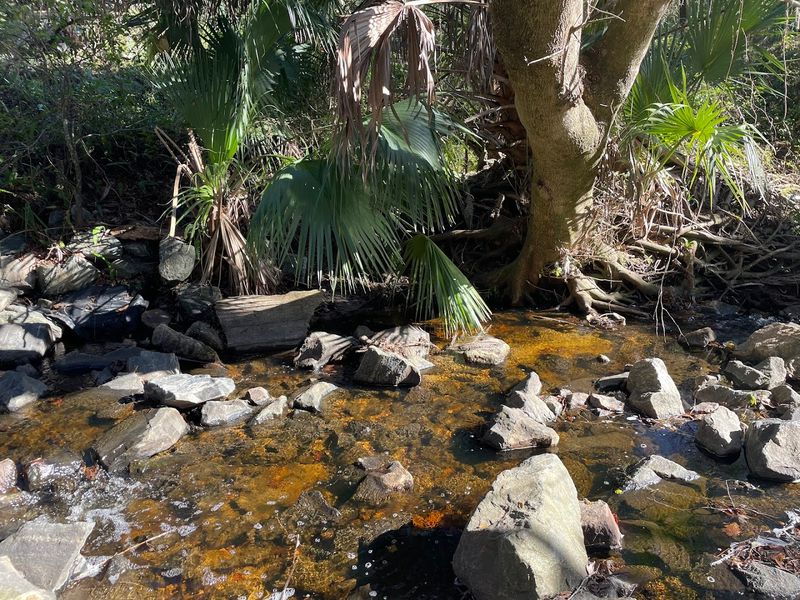
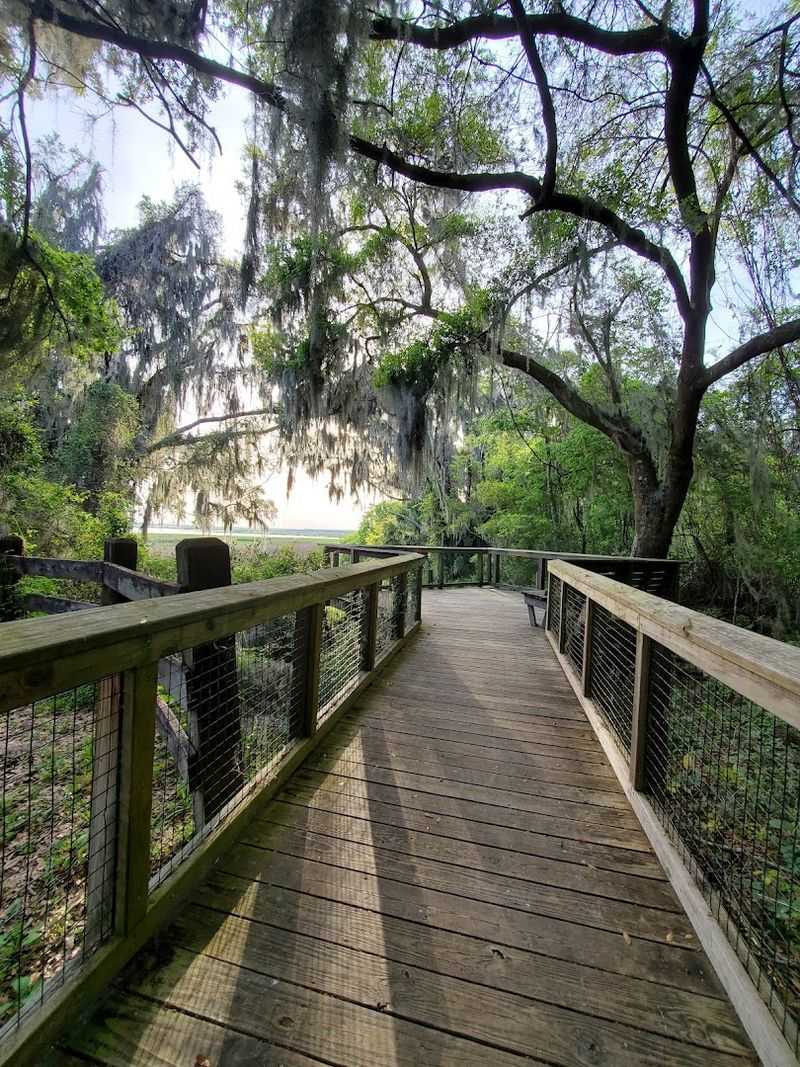
Breaks feel better when the view carries them. The prairie overlooks give you long sightlines across sawgrass and water, with distant shapes that might become bison as your eyes adjust.
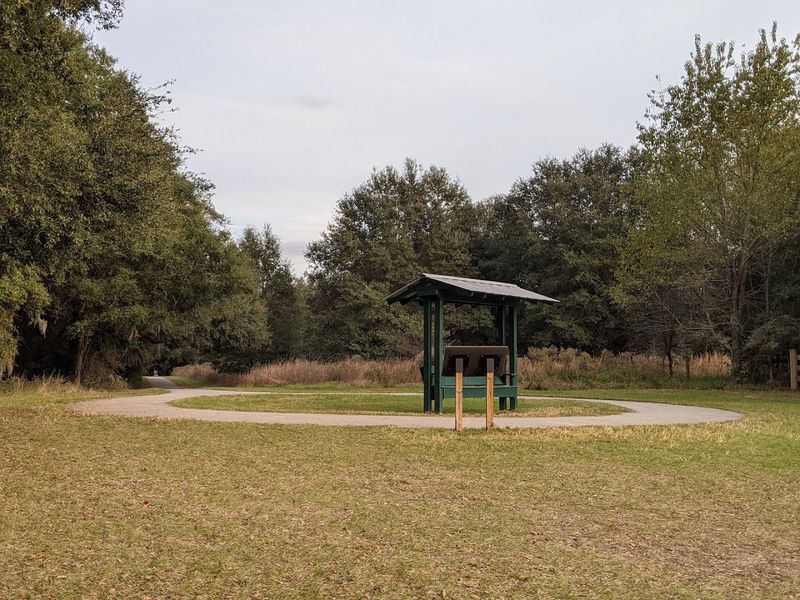
Benches appear at smart intervals, so you can sip, stretch calves, and reset shoulders.
Shadier pullouts under live oaks work for hotter days. Park the bike safely off the path, then step to the railing for photos.
Phones hate glare, so angle the lens slightly and let exposure settle before tapping the shutter.
On quieter weekdays, you may catch full minutes of silence except wind and wingbeats. That is your cue to breathe deeper and check posture before rolling again.
A tiny bit of quad release against the railing pays off late in the ride.
Keep snacks tidy to avoid feeding wildlife accidentally. Use sealable bags and pocket trash until the next bin.
Quick, intentional pauses can turn a good ride into a memorable one, and this trail hands you several that land perfectly between Gainesville’s curves and Hawthorne’s straightaways.