
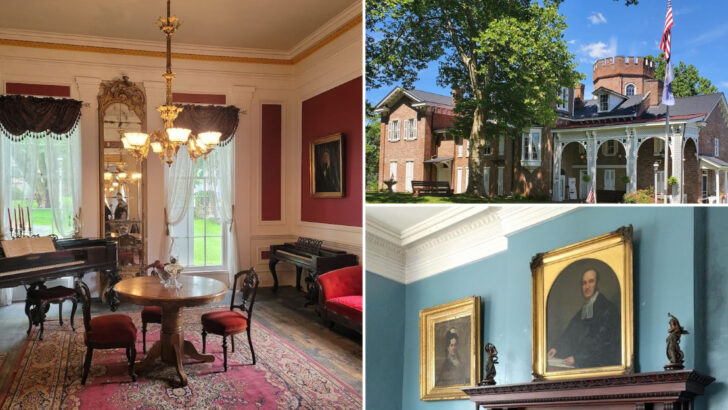
A real castle rises above the Monongahela River in Pennsylvania—and most people drive past without realizing what they’re seeing.
Perched high above the water in Brownsville, the legendary Nemacolin Castle looks like something pulled straight from a European storybook. Stone walls, dramatic towers, and sweeping river views give the place a presence that feels far older than the quiet town around it.
The castle dates back to the early 1800s, growing over time from a simple frontier home into the striking structure visitors see today. Generations of the Bowman family left their mark on the property, filling it with antiques, unusual architecture, and stories that refuse to fade.
Step onto the grounds and the past starts whispering. Hidden passages, old portraits, and creaking staircases hint at centuries of life along the river.
Some visitors come for the history. Others arrive hoping to experience the legends and ghostly tales tied to the castle.
One thing becomes clear quickly—this place holds far more stories than most people expect.
The Castle’s Trading Post Origins and Native American Connection
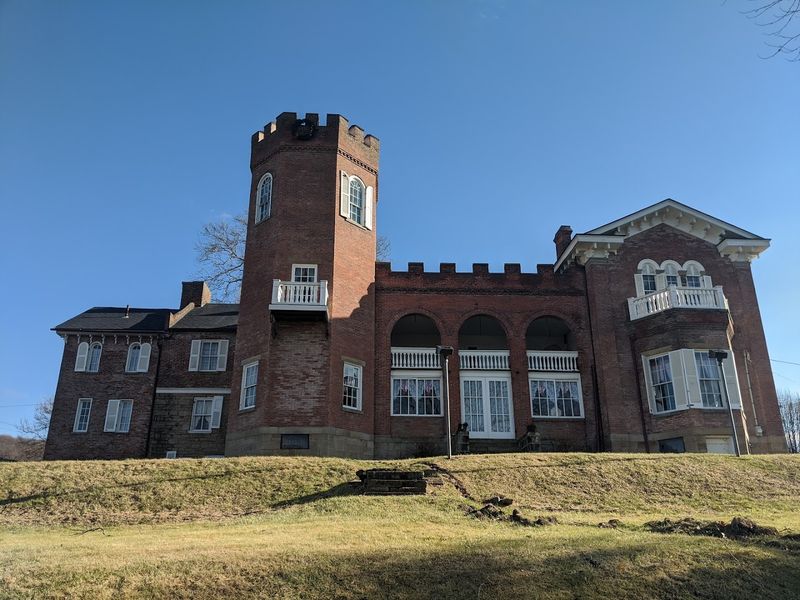
Long before the castle took its current form, this site served as a crucial frontier trading post in the 1780s. The property gets its name from Chief Nemacolin, a respected Delaware Indian leader who helped create a vital wilderness path through the Allegheny Mountains.
This trail connected the Potomac River to the Monongahela River and became essential for westward expansion.
The original trading post structure still forms part of the castle’s foundation today. Traders exchanged goods with Native Americans and early settlers passing through this strategic river location.
The area buzzed with activity as people stocked up on supplies before heading west into unknown territories.
Understanding this trading post history helps visitors appreciate how the castle connects to the French and Indian War era. The location witnessed countless historical figures pass through during America’s frontier days.
Chief Nemacolin’s legacy lives on through the castle’s name and the preserved trail routes nearby.
Today’s visitors can still sense that frontier spirit when they explore the castle’s oldest sections. The thick stone walls and strategic hilltop position reflect the practical needs of that dangerous era.
This foundation story sets the stage for all the fascinating history that followed.
Jacob Bowman’s Architectural Vision and Castle Construction
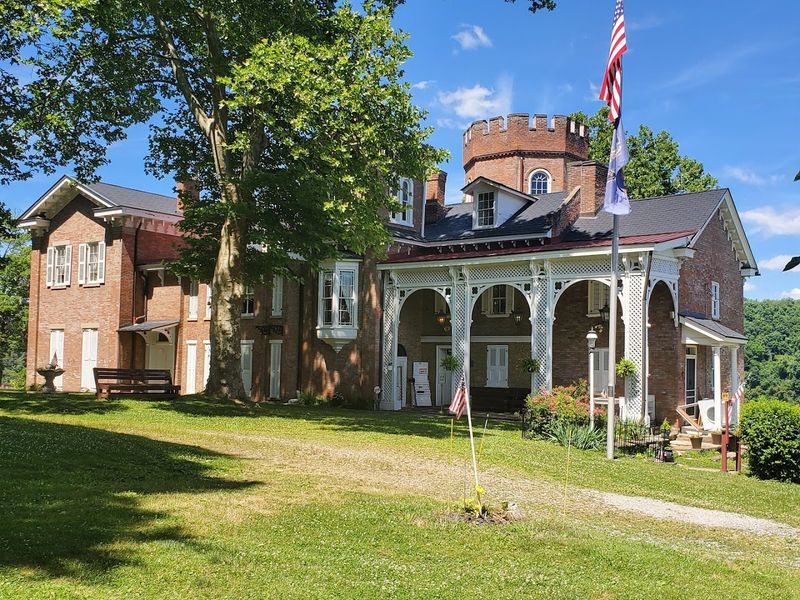
Jacob Bowman transformed a simple trading post into an impressive castle starting in the early 1800s. As a successful businessman who made his fortune through various local enterprises, Bowman wanted a home that reflected his wealth and status.
He chose a design inspired by European castles, unusual for rural Pennsylvania at that time.
The construction showcased incredible craftsmanship that still amazes visitors today. Skilled stonemasons carefully fitted each stone by hand, creating walls that have stood strong for over two centuries.
The attention to architectural details, from decorative elements to structural design, demonstrates the high standards Bowman demanded.
Bowman’s castle features multiple towers, thick stone walls, and strategic windows that provide stunning river views. The building process took years to complete as workers imported materials and employed techniques rarely seen in American frontier construction.
Every room received careful planning to balance elegance with the fortress-like exterior.
This architectural achievement became known locally as Bowman’s Castle, though it officially carries Chief Nemacolin’s name. The structure stands as testament to one man’s determination to create something extraordinary.
His vision resulted in what’s considered the third largest castle in the United States.
The Spectacular Monongahela River Valley Views
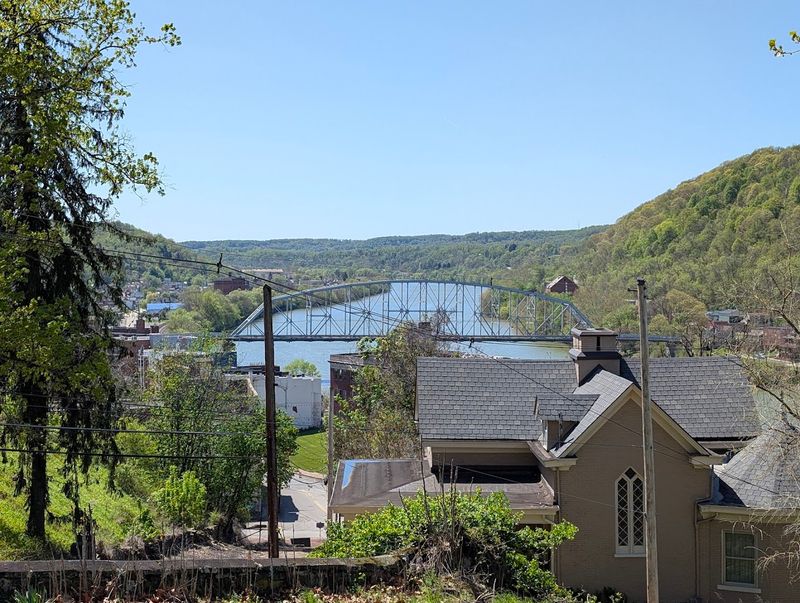
Standing on the castle grounds offers one of the most breathtaking vistas in southwestern Pennsylvania. The elevated position provides sweeping views across the Monongahela River valley that stretch for miles in every direction.
Visitors consistently mention these views as a highlight of their experience, whether they tour the interior or simply walk the grounds.
The strategic hilltop location wasn’t chosen randomly but for practical frontier reasons. Early inhabitants needed to spot approaching travelers, trading parties, or potential threats from a distance.
This defensive advantage transformed into an aesthetic treasure as the castle developed into a grand residence.
Photographers find endless opportunities to capture the changing seasons reflected in the river below. Spring brings lush green hillsides, autumn paints the valley in brilliant colors, and winter creates stark, dramatic landscapes.
The river itself winds through the scene like a silver ribbon connecting past and present.
Many visitors report that the view alone justifies the trip to Brownsville. The combination of natural beauty and historical significance creates a powerful sense of place.
Looking out from where generations of residents gazed across the same valley connects you directly to Pennsylvania’s rich heritage.
Period Furnishings and Original Artifacts Throughout
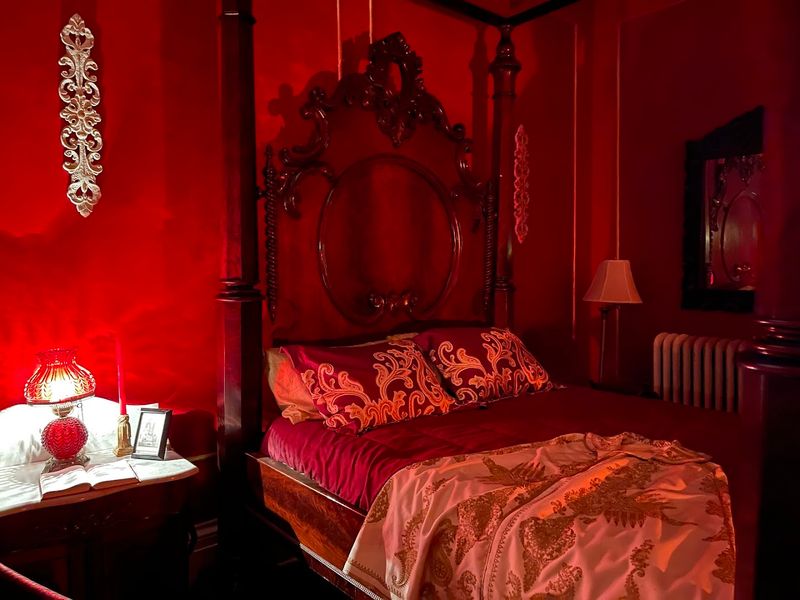
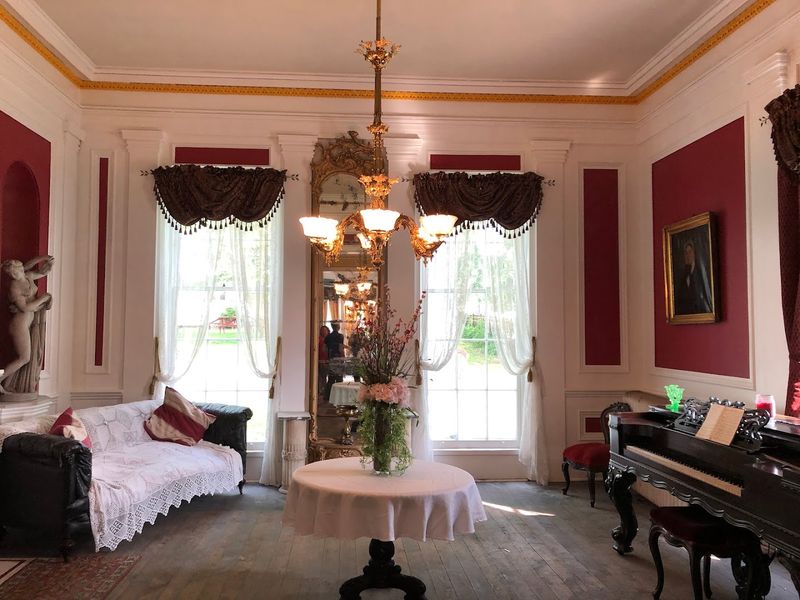
Walking through Nemacolin Castle feels like stepping directly into the 1800s because everything you see is authentic. Unlike many historic sites that display reproductions, this castle proudly showcases original furnishings that belonged to the families who lived there.
Each piece of furniture, every decorative item, and all the household objects are genuine artifacts from the period.
The collection includes intricately carved wooden furniture that demonstrates the exceptional skill of 19th-century craftsmen. Visitors marvel at the detailed workmanship visible in chair backs, table legs, and cabinet doors.
These pieces survived because successive owners recognized their value and maintained them carefully through the generations.
Room after room reveals how wealthy Pennsylvanians lived during the Victorian era. You’ll see original dishes, clothing, books, and personal items that tell intimate stories about daily life.
The historical society has documented the provenance of many items, connecting specific objects to particular family members.
This authenticity makes the castle invaluable for understanding American history beyond what textbooks can teach. Touching the same bannister that Jacob Bowman touched creates a tangible connection across centuries.
Preservationists work constantly to maintain these irreplaceable treasures for future generations to experience and appreciate.
The Bowman Family Business Empire and Local Impact
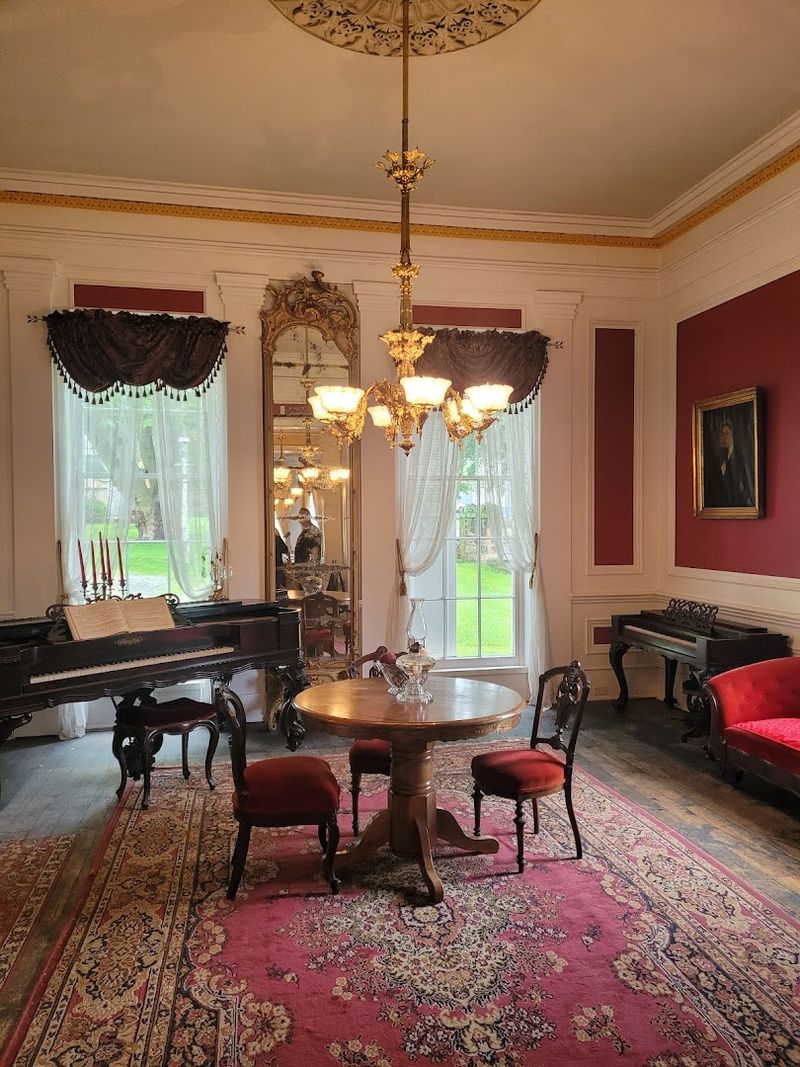
Jacob Bowman didn’t just build an impressive home; he created a business empire that shaped Brownsville’s economy for decades. His enterprises included iron foundries, flour mills, and various manufacturing operations that employed many local residents.
The family’s success story represents the American dream of the industrial revolution era.
Understanding the Bowman business interests helps explain how they afforded such an elaborate residence. Their companies produced goods that traveled up and down the Monongahela River to markets throughout the region.
The strategic riverside location of their castle provided convenient access to monitor their commercial shipping activities.
Successive generations of Bowmans expanded the family holdings and maintained their prominent position in local society. They contributed to community development, supported civic improvements, and employed hundreds of workers over the years.
The castle served as both family home and symbol of their economic influence.
Tour guides share fascinating details about specific business ventures and how they connected to broader American economic history. Learning about the Bowman enterprises adds depth to understanding why this castle exists in rural Pennsylvania.
Their story illustrates how industrialization transformed small river towns into thriving commercial centers during the 1800s.
Ghost Tours and Paranormal Activity Reports
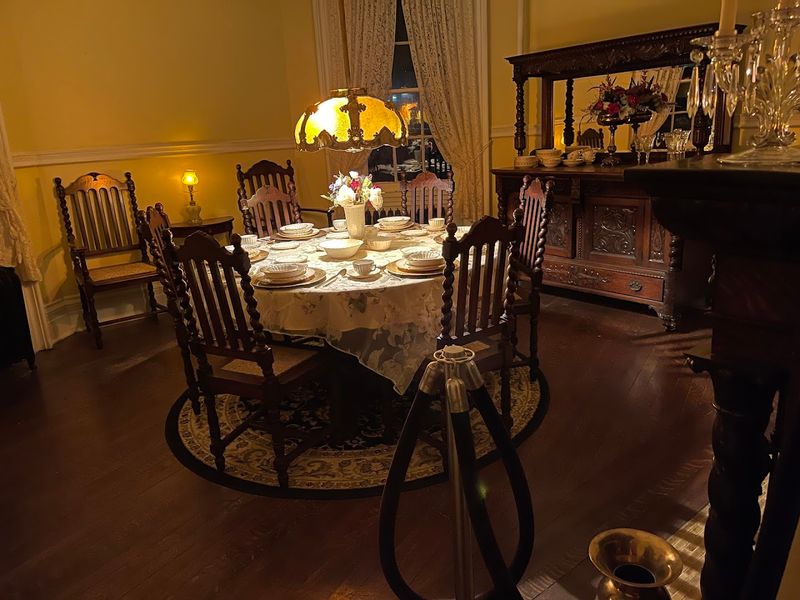
Nemacolin Castle has earned a reputation as one of Pennsylvania’s most actively haunted locations, though visitors consistently describe the spirits as friendly. The castle offers special candlelight ghost tours during Halloween season that sell out quickly every year.
These popular events combine historical storytelling with reports of unexplained phenomena that both skeptics and believers find entertaining.
Tour guides share detailed accounts of paranormal experiences reported in specific rooms throughout the castle. Visitors frequently capture mysterious images in their photographs, including unexplained orbs, shadows, and occasional figures that weren’t visible to the naked eye.
The guides encourage everyone to take plenty of pictures because you never know what might appear later.
Staff members and regular visitors have their own collection of strange experiences accumulated over years. Some report hearing footsteps in empty rooms, feeling sudden cold spots, or sensing unseen presences watching them.
Despite these spooky occurrences, the atmosphere remains welcoming rather than frightening, as the spirits seem protective of their historic home.
The ghost tours last over an hour and provide excellent value for the admission price. Guides balance paranormal stories with solid historical facts about the families who lived there.
Whether you believe in ghosts or not, these tours offer a unique and memorable way to experience the castle after dark.
Seasonal Tours and Special Holiday Events
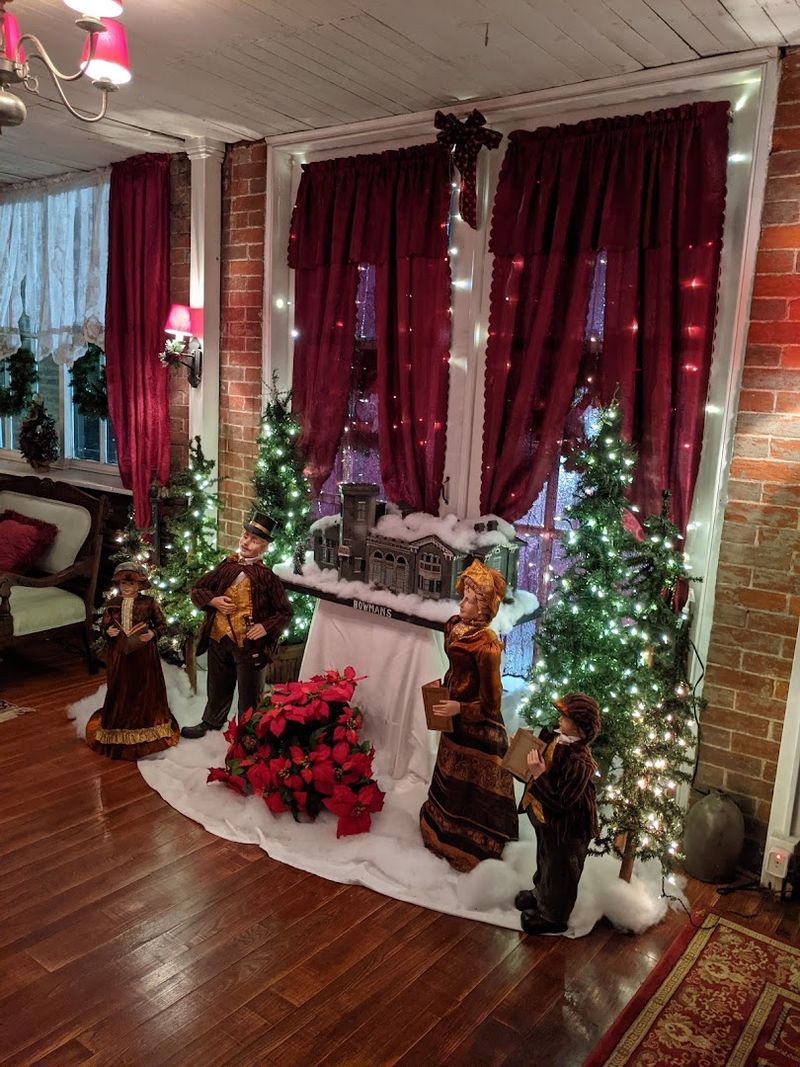
Beyond regular historical tours, Nemacolin Castle transforms throughout the year to celebrate different seasons and holidays. The Christmas tours have become particularly beloved traditions, with every room decorated in period-appropriate Victorian holiday splendor.
Beautiful Christmas trees, twinkling lights, garlands, and vintage ornaments create a magical atmosphere that transports visitors to holidays past.
Each decorated room tells its own story about how 19th-century families celebrated the season. The historical society researches authentic Victorian Christmas traditions to ensure accuracy in their displays.
Visitors appreciate seeing how people decorated before modern conveniences, using natural materials, handmade ornaments, and creative approaches to holiday cheer.
The castle also hosts wine tastings, tea parties, and other special events that provide different ways to experience the historic setting. These gatherings often sell out, so purchasing tickets in advance is highly recommended.
The intimate nature of the castle makes these events feel like you’re attending a party at a friend’s historic home.
Regular historical tours run on weekends when the castle is open to the public. Knowledgeable docents lead groups through the rooms, sharing stories and answering questions about the artifacts and architecture.
The tour schedule varies seasonally, so checking the website before visiting ensures you don’t miss the opportunity to explore this remarkable place.
Preservation Efforts and Community Support
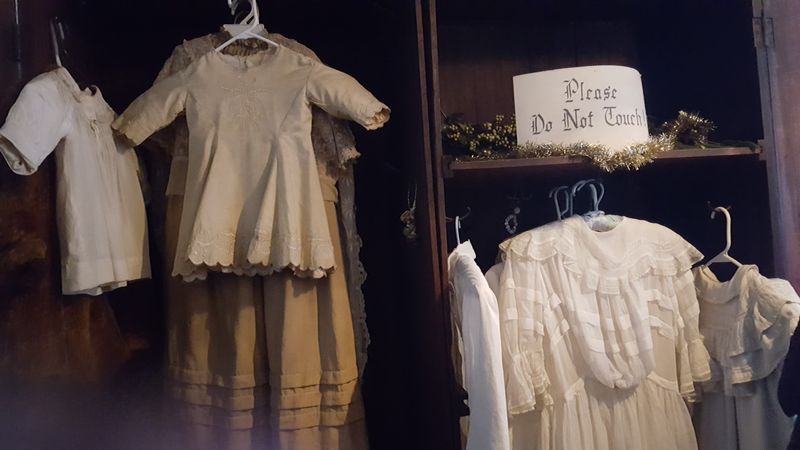
Maintaining a 200-year-old castle requires constant effort, significant funding, and dedicated volunteers who care deeply about preservation. The Brownsville Area Historical Society operates Nemacolin Castle and works tirelessly to protect this irreplaceable piece of American history.
Every admission ticket purchased directly supports ongoing restoration and maintenance projects that keep the castle accessible for future generations.
Preservationists face unique challenges when working with such an old structure. They must use historically accurate materials and techniques while meeting modern safety codes and accessibility requirements.
Finding craftspeople with traditional skills to repair original features becomes increasingly difficult as these specialized trades become rare.
The community has rallied around the castle as a source of local pride and historical identity. Volunteers donate countless hours leading tours, organizing events, researching history, and maintaining the grounds.
Their passion for sharing this treasure with visitors makes every tour personal and engaging rather than merely reciting facts.
Financial support comes primarily from tour admissions, special event tickets, and generous donations from people who recognize the castle’s importance. Visitors often leave additional contributions after experiencing the castle firsthand and understanding preservation needs.
Your visit and support help ensure this architectural marvel survives for many more generations to discover and enjoy.
French and Indian War Era Connections
The land where Nemacolin Castle stands witnessed pivotal events during the French and Indian War that shaped American history. Chief Nemacolin’s trail served as a crucial route for British General Edward Braddock’s expedition in 1755.
This military road, later improved by a young George Washington, connected Fort Cumberland to the French Fort Duquesne at present-day Pittsburgh.
Understanding this military history adds another fascinating layer to the castle’s story. The strategic importance of this river crossing and the trail through the mountains cannot be overstated.
Countless soldiers, supplies, and settlers passed through this exact location during the conflict that determined whether French or English culture would dominate North America.
The trading post that preceded the castle likely provided supplies to military expeditions and frontier militias. Local historians have documented connections between early property owners and various military campaigns.
These links to such significant historical events make the site important beyond its architectural merits.
Tour guides share these war-era connections alongside stories about the castle’s later history. Learning how the peaceful residential castle stands on ground that once saw military activity creates thought-provoking contrasts.
This layered history spanning from frontier warfare to Victorian elegance demonstrates how dramatically America transformed over just a few generations.
Architectural Details and Construction Craftsmanship
Examining the construction details of Nemacolin Castle reveals extraordinary craftsmanship that modern builders struggle to replicate. Every stone was individually selected, shaped, and fitted by skilled masons who learned their trade through years of apprenticeship.
The precision of the stonework, visible both inside and outside, demonstrates standards of quality that prioritized permanence over speed.
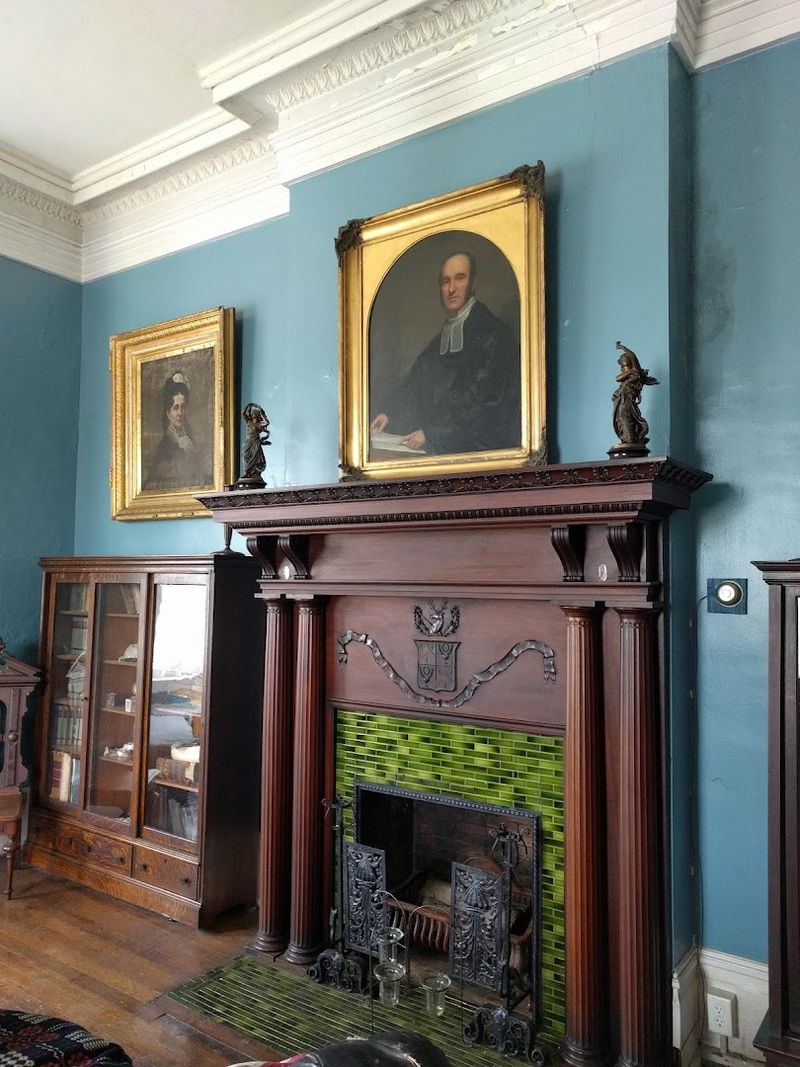
Architectural features throughout the castle showcase decorative elements uncommon in frontier construction. Hand-carved woodwork, ornate plasterwork, and carefully designed proportions reflect European building traditions adapted to American materials.
The tower structures, window placements, and roofline create visual interest while serving practical purposes for the residents.
Interior details include original flooring, decorative moldings, and hardware that survived because of their superior quality. Doorknobs, hinges, locks, and other metal fixtures were individually crafted rather than mass-produced.
These small details accumulated create the overall impression of exceptional workmanship throughout the entire structure.
Visitors with interests in architecture or construction find endless fascinating details to observe and photograph. The building serves as an educational resource for understanding pre-industrial building methods and materials.
Preservation specialists continue discovering new details about construction techniques as they work to maintain the castle, adding to our knowledge of 19th-century American architecture and craftsmanship traditions.