

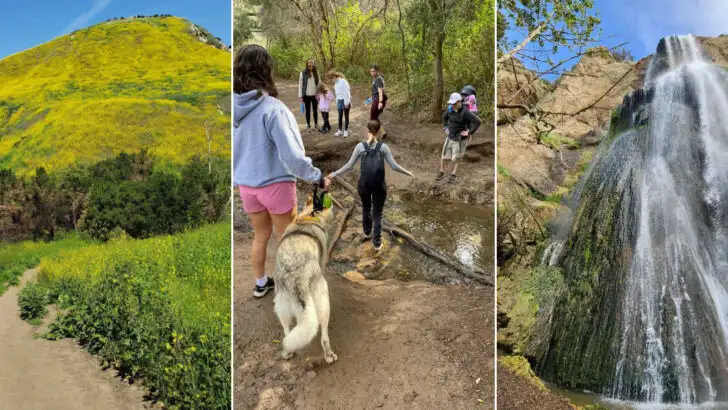
Escondido Falls Trail is a hidden jewel of Malibu, where every step builds anticipation.
Start along the winding path beneath grand coastal homes, and soon the asphalt gives way to shaded dirt trails lined with oaks and sycamores. A gentle creek whispers alongside, guiding hikers toward something spectacular.
The trail teases with twists and turns, but the real magic waits at the end. The waterfall bursts into view in cascading tiers, echoing off travertine walls and filling the canyon with rushing water and mist.
Most hikers pause at the lower falls, but those who venture higher are rewarded with a serene, less-crowded scene.
Crossing streams, spotting wildlife, and breathing in California’s coastal air make the journey as memorable as the destination. At just 3.5 miles round trip, this hike proves that short adventures can deliver epic rewards — especially when the payoff is a waterfall that feels like your own private discovery.
Trail Overview and Quick Stats
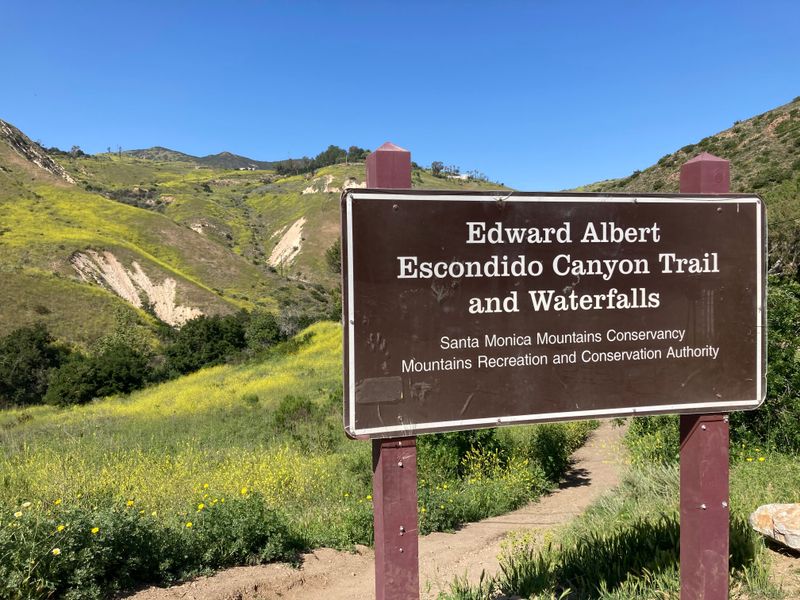
Escondido Falls is a 3.5 to 4 mile out and back hike in Malibu with roughly 400 to 500 feet of gain. The trail begins on Winding Way, a paved private road, then drops into Escondido Canyon Park where shade and streams take over.
Rated easy to moderate, it is friendly for families, but creek crossings and mud can add challenge after storms.
You will pass gated mansions before the dirt path narrows under sycamores and oaks. Expect five or so shallow crossings in wet seasons, usually rock hops or logs.
The lower falls appear first, a fern and moss draped amphitheater that makes a perfect snack stop.
After winter rains, the lower tier gushes and the mist cools the alcove. In dry summer months, it may trickle, so set expectations accordingly.
Upper Escondido Falls requires a steep, unofficial scramble many visitors skip.
Plan 1.5 to 2 hours moving time, longer with photos or kids. Dogs are allowed on leash.
Bring water, traction minded shoes, and a sense of adventure because conditions change with every storm cycle.
Best Seasons and Water Flow
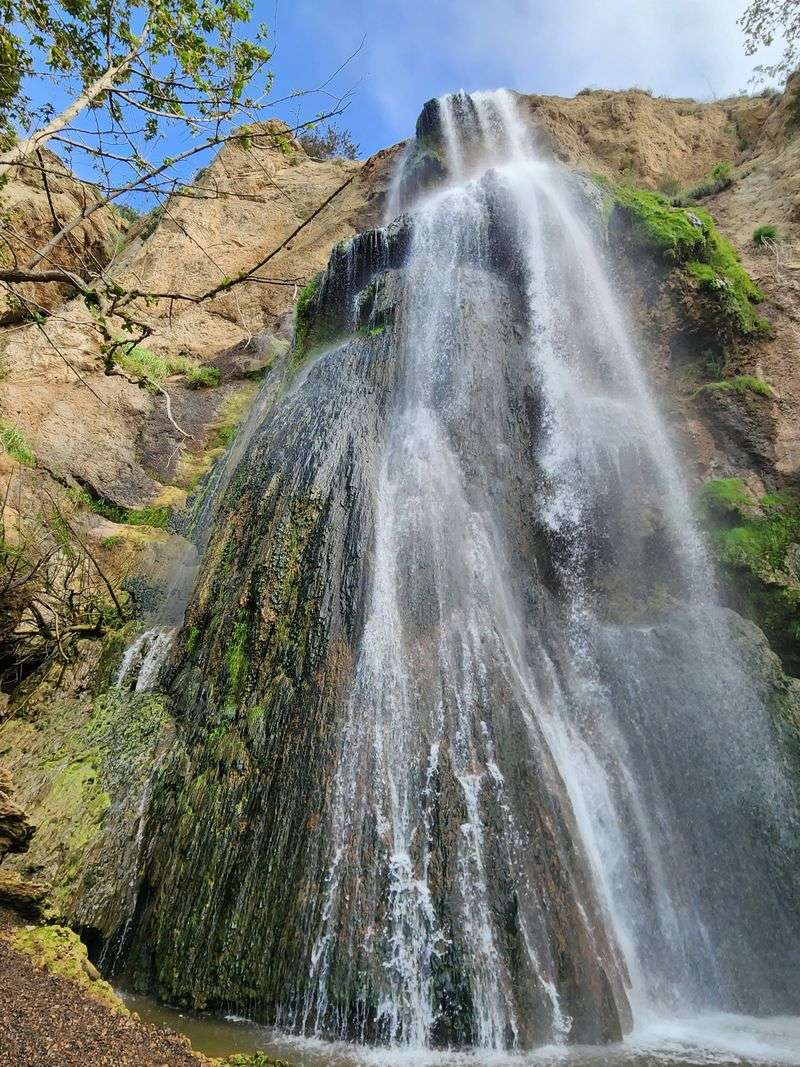
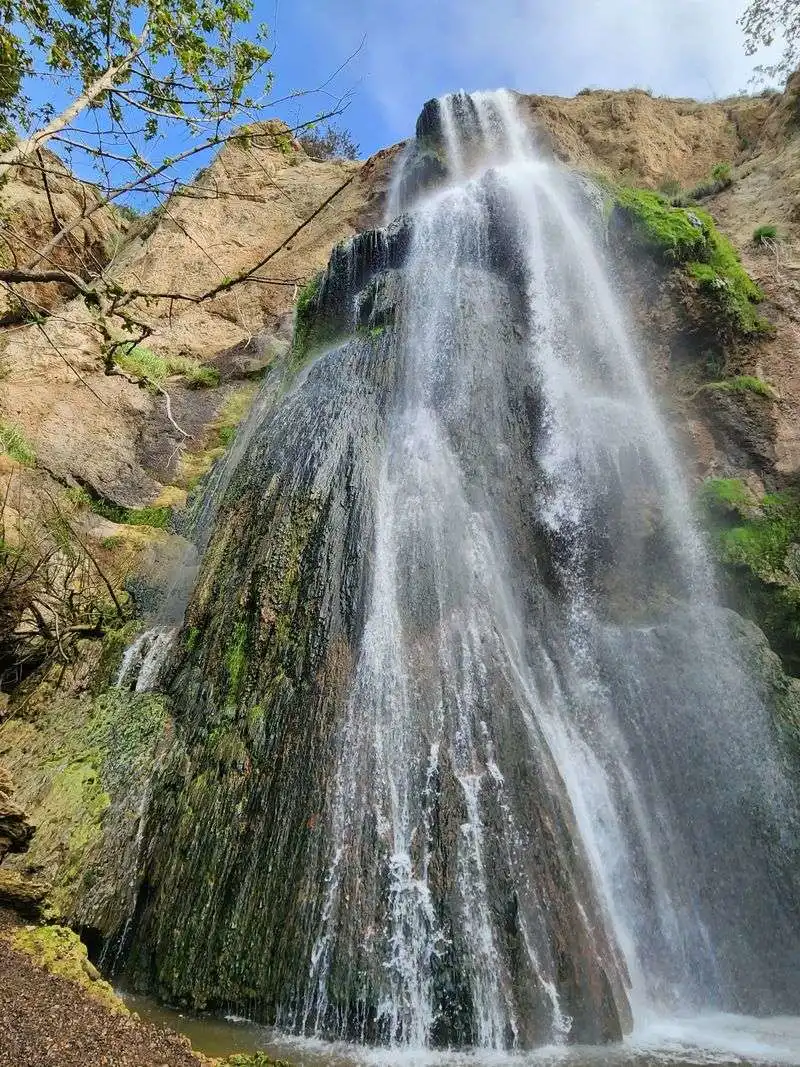
Waterfall payoff depends on recent rain, so timing is everything. Late fall through early spring brings the best flow, with dramatic cascades after big winter storms.
Summer often drops to a gentle trickle, still pretty but not the roaring curtain you see in viral photos.
Check local rainfall and trail reports a few days before you go. Even 24 to 48 hours can transform a dry wall into a photogenic veil.
After heavy rain, expect mud, deeper crossings, and slippery rock.
Arrive early to catch soft light filtering through the canyon and to avoid crowds. Foggy mornings add atmosphere and keep temperatures comfortable.
Afternoon visits can be warmer and busier, especially on weekends.
Do not scramble to the upper falls during or immediately after storms because of rockfall. If you only have summer to visit, go for the shaded canyon, streams, and a peaceful walk.
The lower falls still charms with hanging moss and echoing drip.
Route Breakdown: From Pavement to Falls
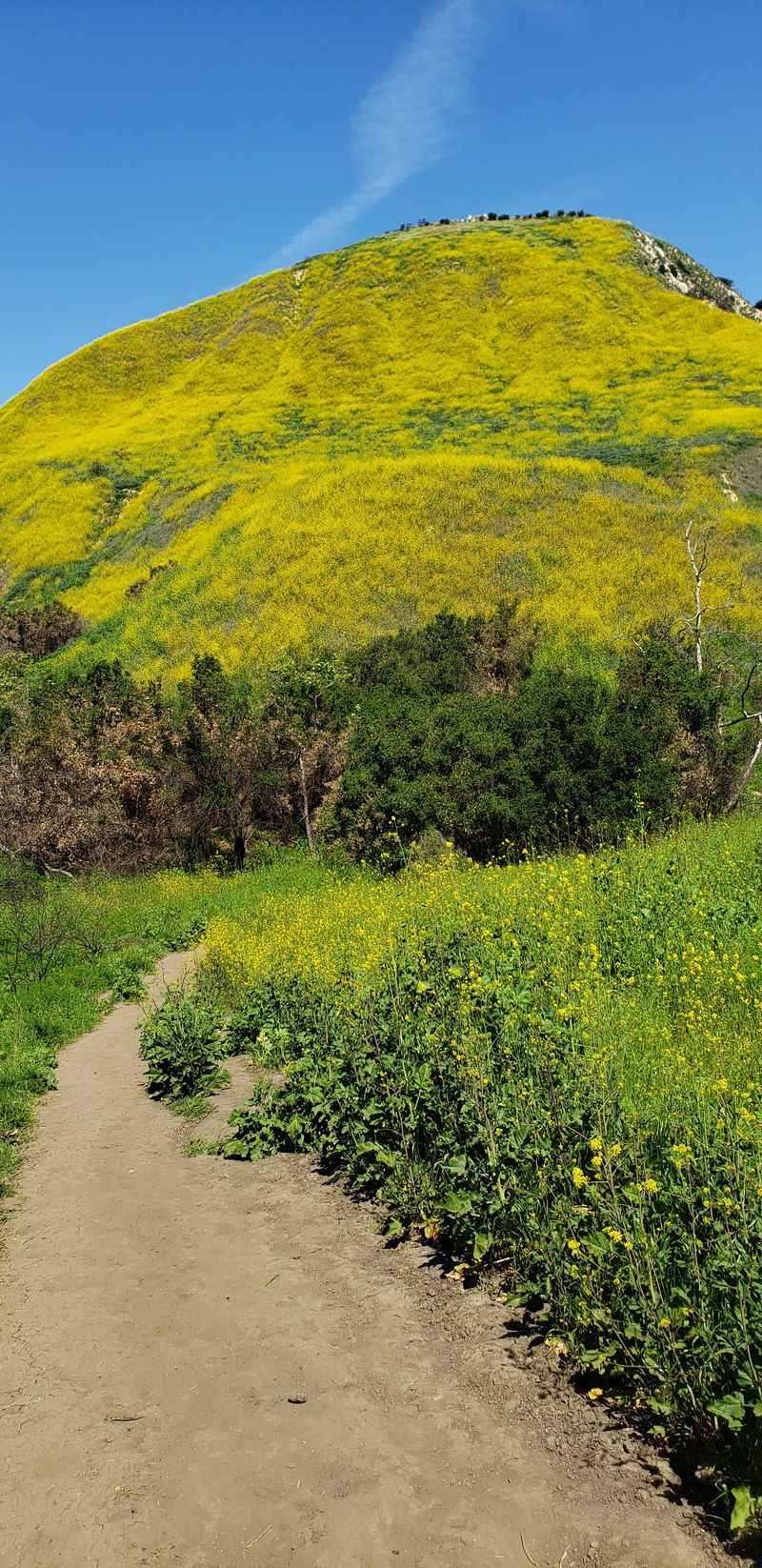
Start up Winding Way’s paved incline past grand homes, then follow signs left into Escondido Canyon Park. The pavement yields to packed dirt beneath oaks and sycamores, with the creek guiding the way.
In wet months, you will cross water several times using logs and stable rocks.
The trail meanders gently, gaining elevation subtly before tightening near the waterfall amphitheater. You will hear the falls before you see them, echoing off travertine walls.
Most hikers stop at the lower tier for photos and snacks.
If conditions are dry and you are experienced, a steep, user created path continues to the upper tier. It involves loose dirt, roots, and exposure, so many choose not to continue.
No ropes are provided, and traction matters.
On the return, backtrack the same path, keeping right at junctions to regain the paved road. Save some energy for the final downhill on concrete.
Scan for wildlife and tread lightly to keep the canyon healthy.
Safety, Scrambling, and When to Turn Around
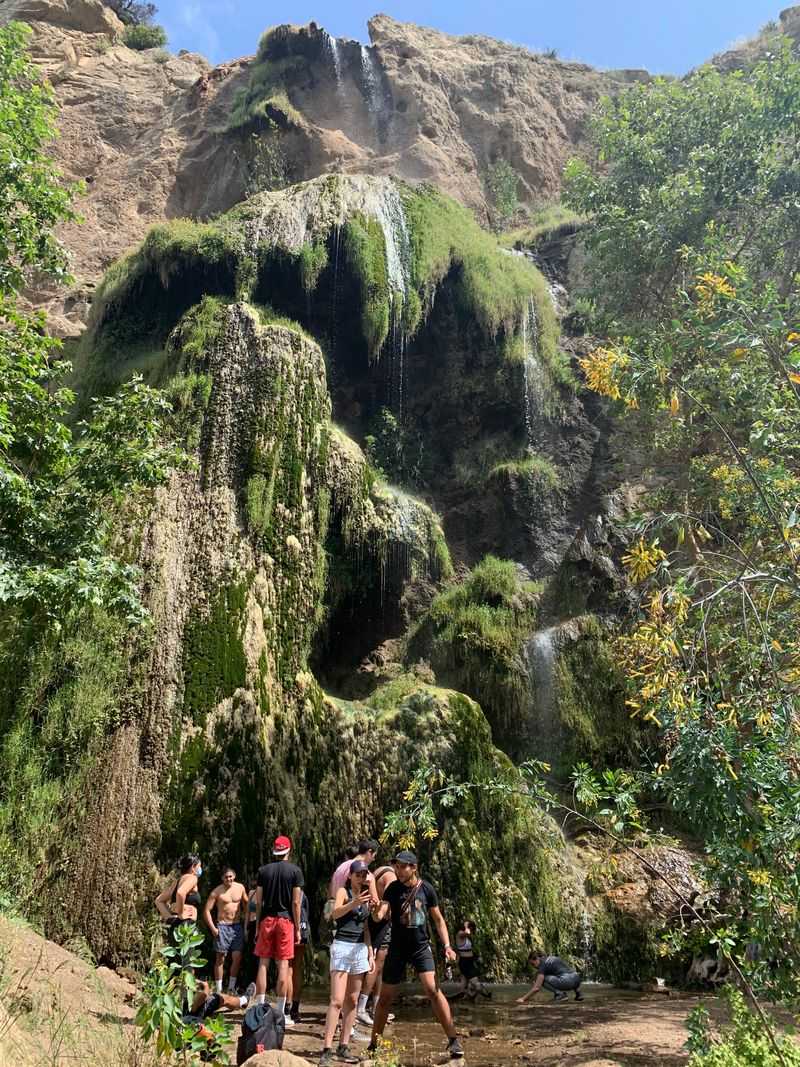
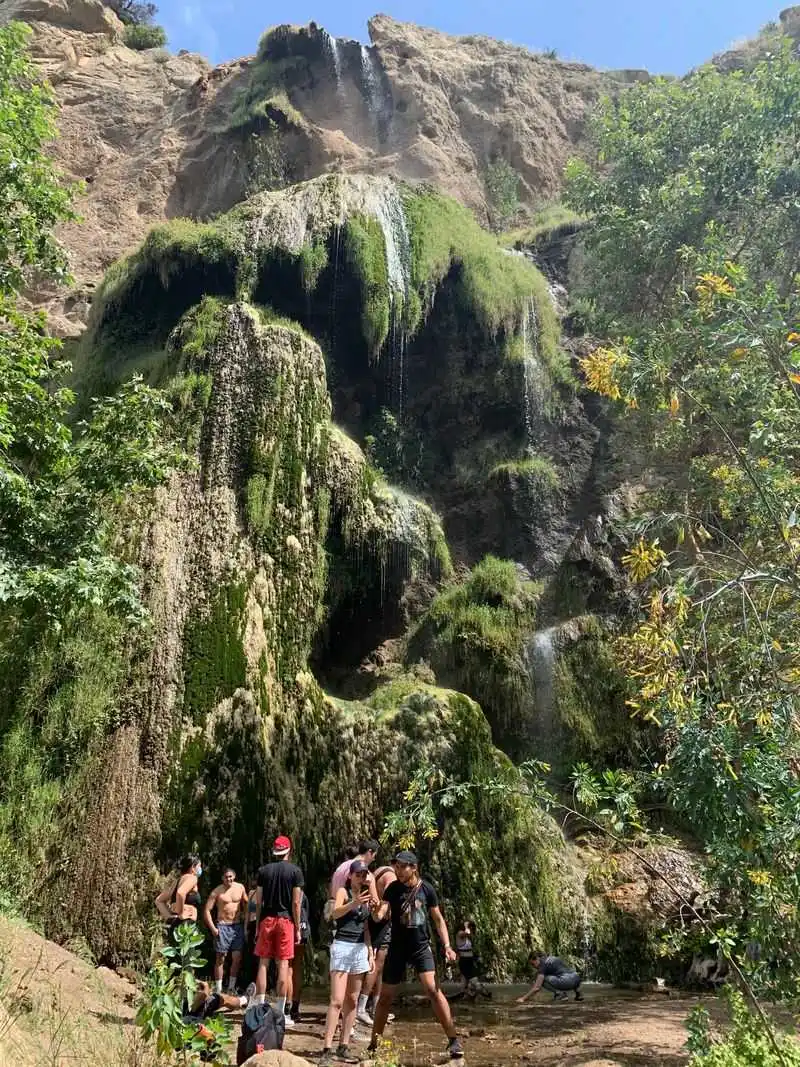
Escondido Falls is easy to moderate until you consider wet logs, slick rocks, and mud. Wear shoes with grippy soles, and keep dogs leashed near crossings to avoid slips.
If the creek is running high, wait for a safer line or call it.
The steep scramble to the upper falls is not maintained and can be hazardous. Expect loose dirt, roots, and exposure that challenge balance and comfort.
If it feels sketchy, the lower tier is already a fantastic destination.
After storms, rockfall and slippery ledges increase risk. Avoid pulling on dead branches for support, and test each foothold.
Do not climb the falls or surrounding cliffs, and keep kids close at the amphitheater.
Turn around if daylight, weather, or group morale dips. A confident, unhurried descent beats pushing into danger.
You will enjoy the canyon more when everyone stays upright and dry.
What to Pack for a Comfortable Hike
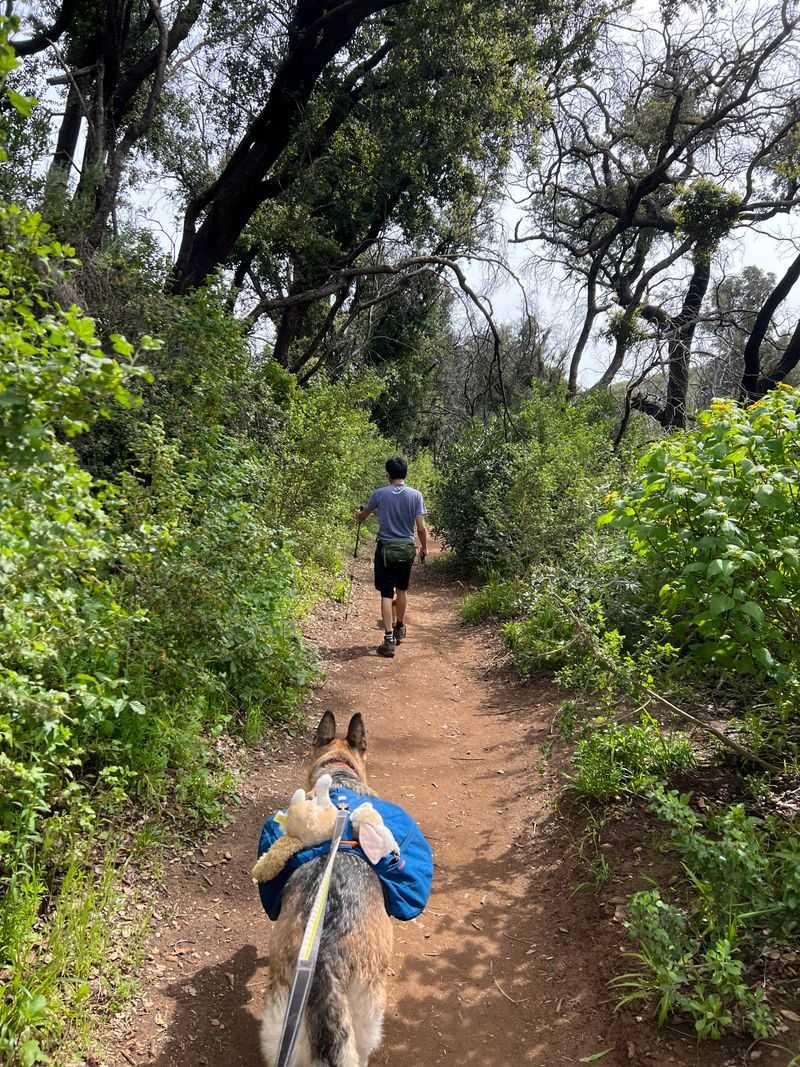
Bring one to two liters of water per person, a small snack, and a lightweight layer for shady canyon temps. Shoes that grip on wet rock make a huge difference, and many pack sandals or water shoes for crossings.
Toss a small towel and dry socks in the car for the ride home.
Sun protection matters on the paved approach, so carry a hat and sunscreen. Bug spray helps near standing water after rain.
A phone in a waterproof pouch keeps photos and maps safe during splashes.
Trekking poles are optional but helpful on slippery creek hops and the paved descent. A compact first aid kit covers scrapes and blisters.
Pack out all trash, including snack wrappers and dog bags.
There are no restrooms at the trailhead or along the route. Go beforehand on PCH and plan your timing.
Keep your load light, your hands free, and your camera ready when the canyon opens to the falls.
Creek Crossings and Shoes Strategy
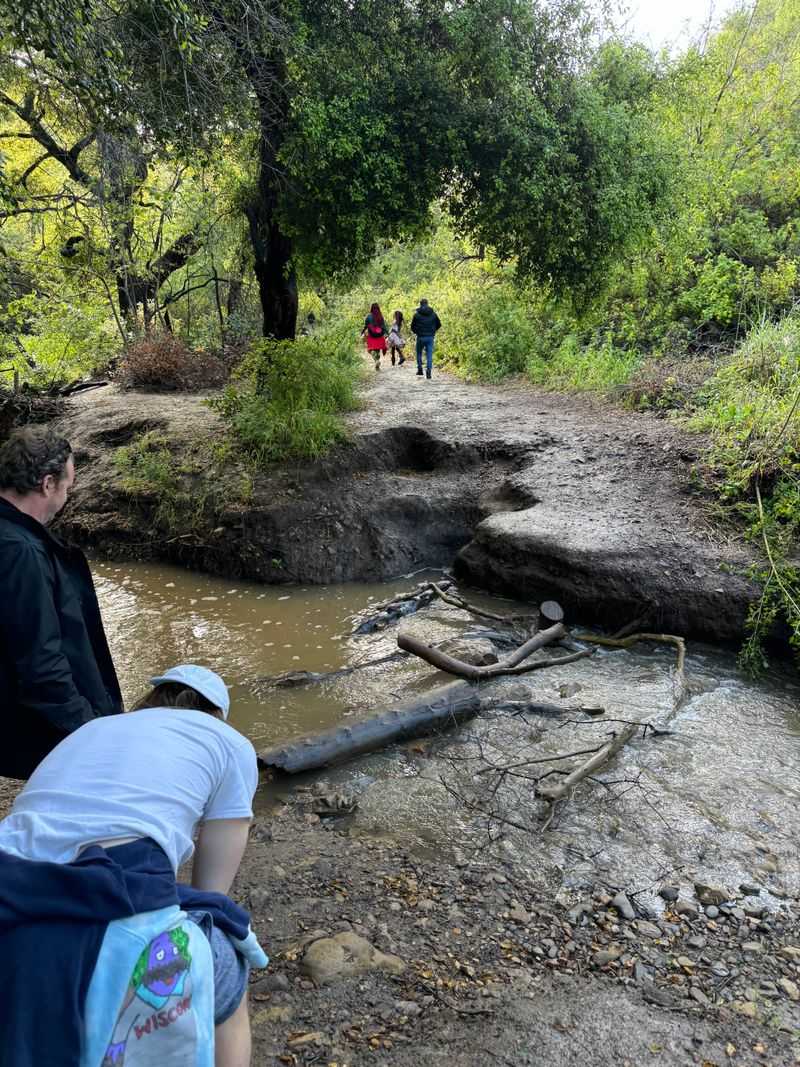
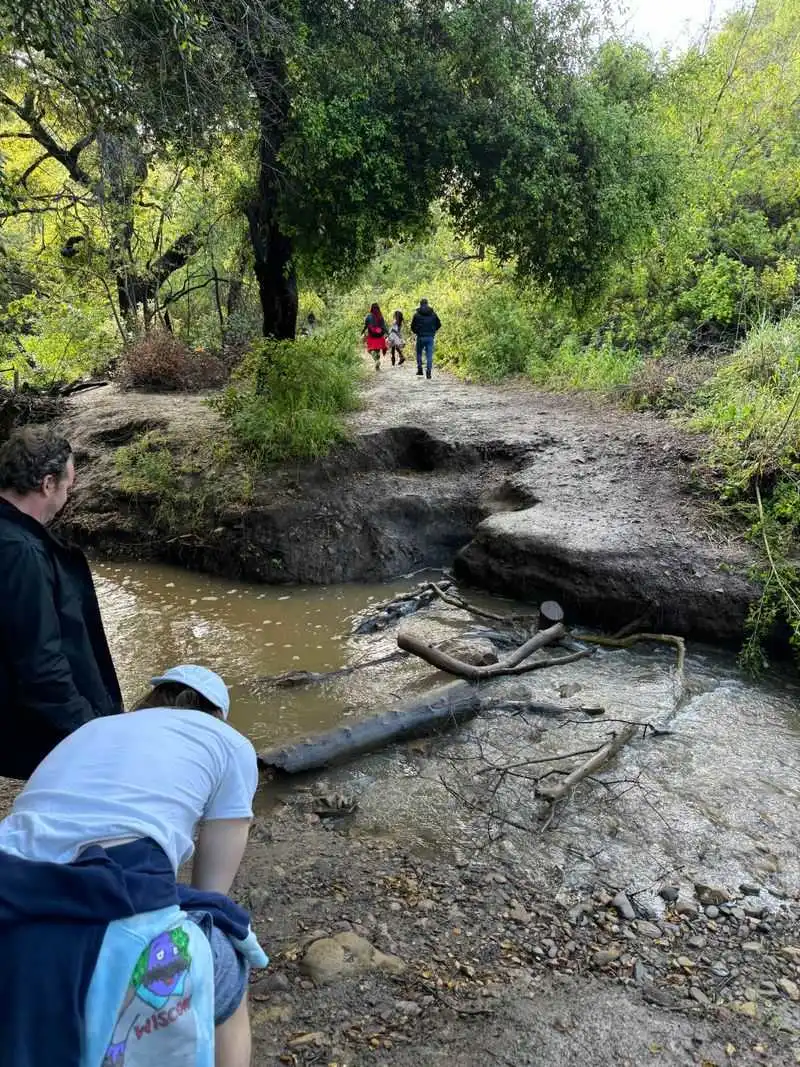
Expect up to five crossings in wetter months, with variable depth from ankle to mid calf after storms. Rocks and logs usually create dry lines, but they can be slick or unstable.
Step deliberately, keep knees soft, and use a pole or stick for balance.
Trail runners with grippy soles are ideal, and some hikers carry water shoes for crossings. After rain, accept you will probably get wet feet at least once.
Double knot laces and loosen them slightly to prevent heel lift on wet rock.
Face upstream when side stepping and keep three points of contact. If a crossing looks sketchy for kids or dogs, scout up or downstream for a safer spot.
Hop barefoot only if you are sure of footing and temperature.
Pack dry socks for comfort on the way back to the car. In summer, expect dry crossings and dusty shoes.
In winter, bring a small microfiber towel to warm chilly toes after the last splash.
Crowds, Etiquette, and Preserving the Canyon
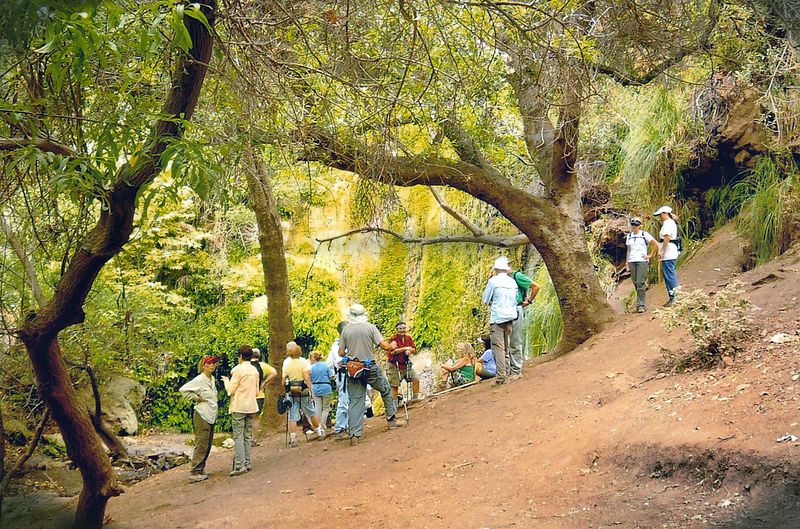
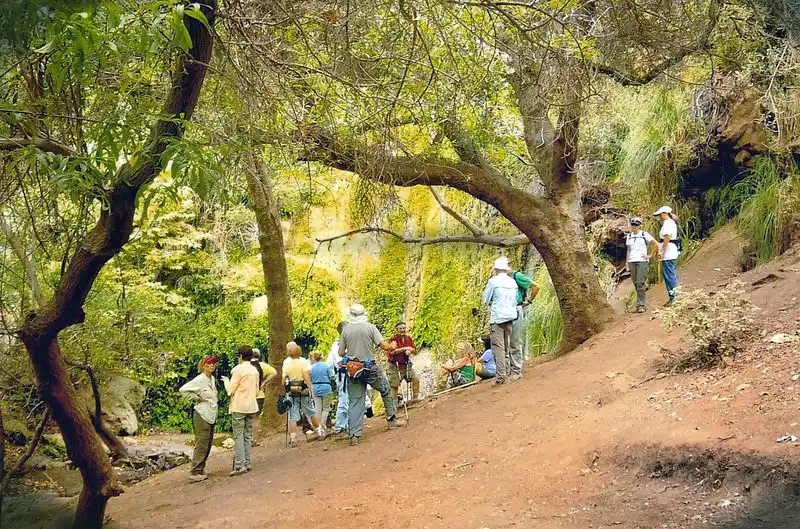
This scenic spot is popular, and crowds spike on weekends. Start early, keep voices low near the falls, and skip speakers so the amphitheater stays peaceful.
Leash dogs, pack out waste, and leave logs and rocks where they stabilize crossings.
Tagging signs or carving bark damages a fragile place and carries fines. Stay on trail to protect native plants and reduce erosion on soft canyon slopes.
If the lower pool is busy, step back, wait your turn, and share the view.
Yield to uphill hikers and give space at narrow bridges. Help kids learn good trail manners by modeling patience at crossings.
If you see trash, a quick pickup keeps the grotto photogenic for the next visitor.
Visit on weekdays or after sunrise to dodge peak foot traffic. Spread out along the alcove and avoid blocking photo angles for long.
The canyon feels magical when human noise drops to a whisper.
Family Friendly Game Plan
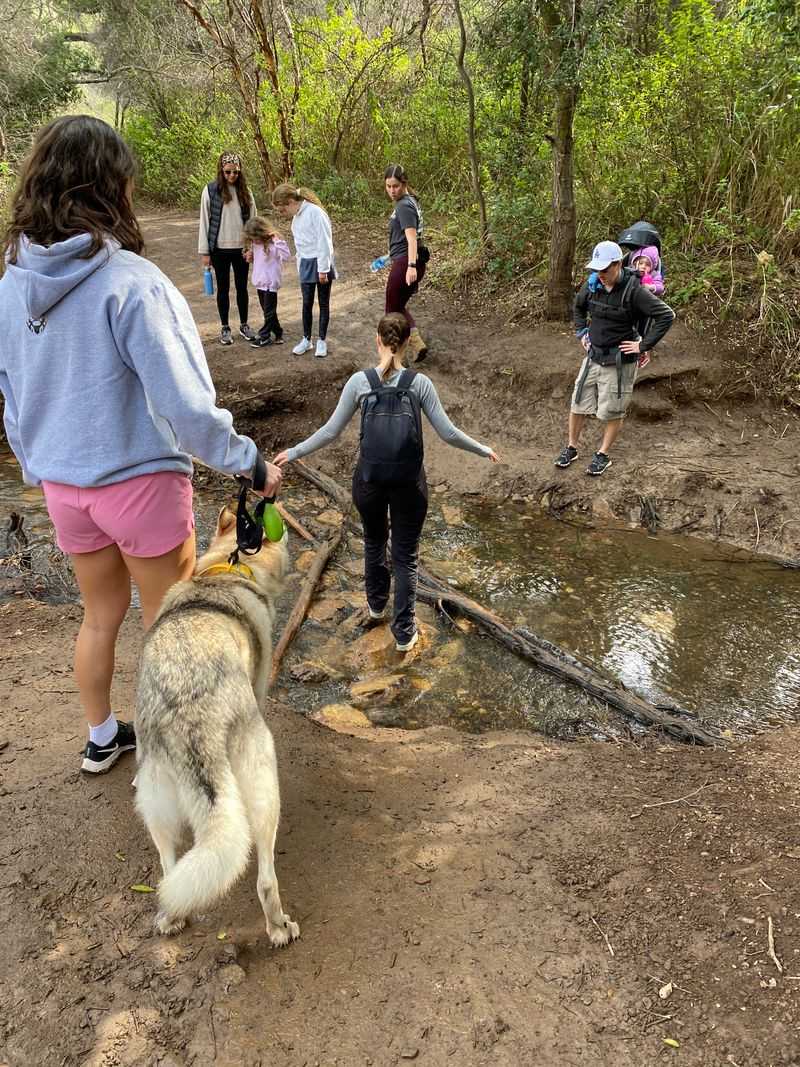
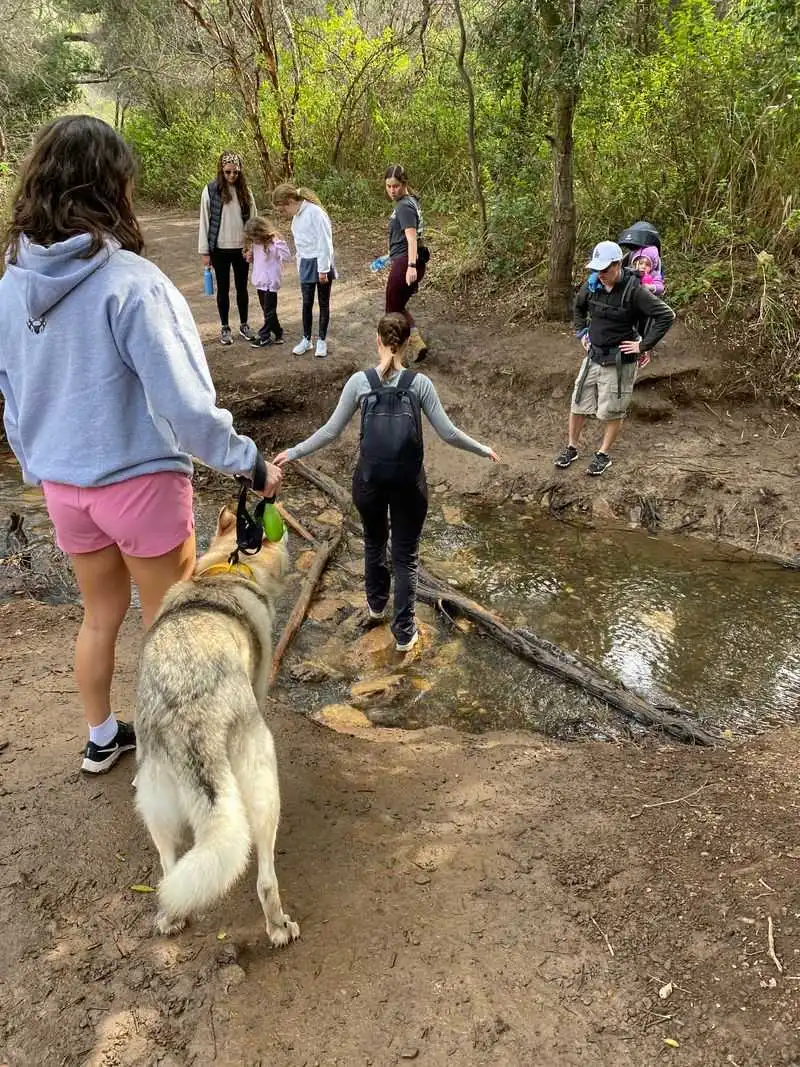
With kids, frame the paved start as a warm up and celebrate reaching dirt. Set mini goals between creek crossings and let little hikers help scout safe stepping stones.
Pack extra snacks, a change of socks, and a small towel for cold toes.
Keep an eye on footing near the amphitheater where mud gathers. The lower falls area is mesmerizing, but slippery edges demand hand holding and patience.
Skip the upper scramble with young children or nervous adults.
Plan 2 to 3 hours round trip to allow playtime and photos. Make a game of wildlife spotting under oaks and sycamores, from birds to frogs after rain.
Teach leave no trace by counting how many tiny bits of litter you can remove safely.
End with a picnic on a flat patch away from the splash zone. Dry shoes and a warm layer keep post hike moods high.
Kids remember the crossings, the echoing sound, and the mist more than mileage.
Photography and Filming Angles
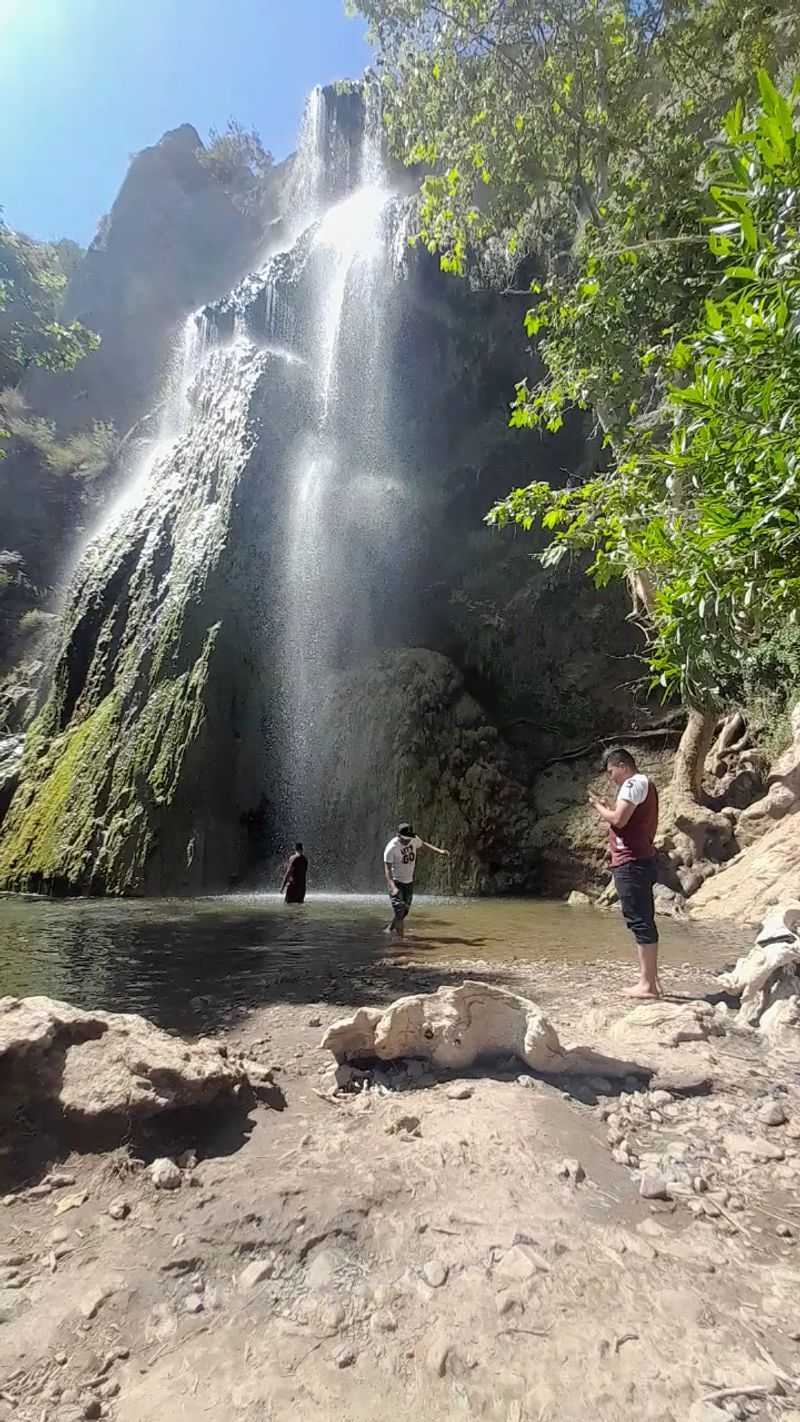
Arrive early for soft, directional light on mossy walls and the water curtain. Compose wide frames from the center of the alcove, then shift left to capture cascading tiers through overhanging branches.
A polarizing filter cuts glare on wet rock and enhances green moss.
Stabilize your phone against a rock for 1 to 2 second exposures and silky water. Shoot slow motion at crossings for playful b roll.
Keep gear minimal because humidity and spray condense on lenses quickly.
Mind tripods in busy periods and yield prime spots. Step back to include hikers for scale and avoid blocking the path.
After rain, capture reflections in creek pools on the approach for storytelling.
Respect closures and do not climb the falls for a shot. Drones are not advised in tight canyons and can bother wildlife.
Pack a microfiber cloth to wipe lenses between misty takes so your footage stays crisp.
Upper vs Lower Falls: Should You Go Higher
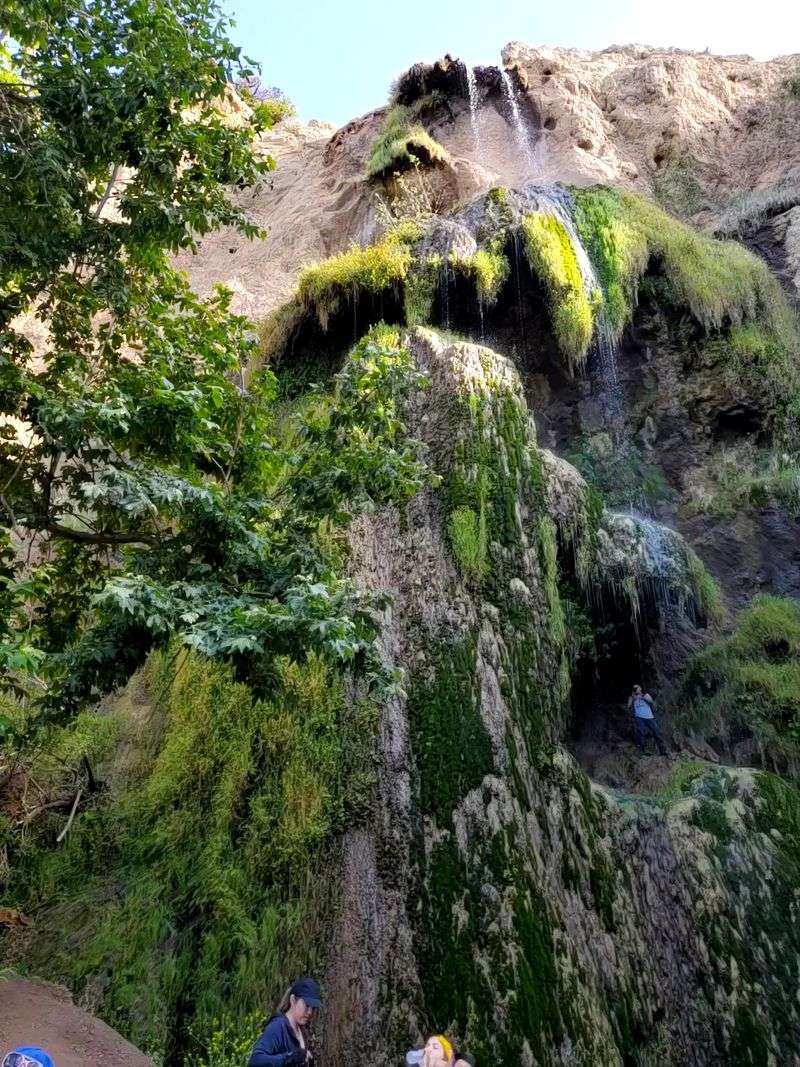
The lower falls are the headline view, accessible by the main trail and perfect for most hikers. You get a moss carpeted wall and cool spray, especially in winter.
For many, this is the turnaround and the day feels complete.
The upper falls requires a steep, unofficial scramble with exposure. Loose soil, roots, and slick rock make it risky after rain.
If you feel any doubt, skip it and enjoy the lower tier longer.
Confident scramblers with proper shoes and dry conditions may continue, but there is no guarantee of safety. Expect to use hands and choose steps carefully.
Passing other hikers on narrow ledges can add stress.
Either way, allocate time for the return to navigate crossings calmly. The lower amphitheater offers better seating and photo options.
You are not missing out by choosing the safer, scenic stop.
Nearby Essentials and After Hike Eats

Since there are no restrooms at the trailhead, plan a bathroom stop along PCH before you park. Convenience stores and cafes nearby make quick pre hike fuel simple.
Keep small bills or a card handy for parking if you use the lot.
After the hike, cruise to Malibu seafood spots or grab sandwiches to eat on the beach. A change of socks and sandals feels amazing after creek hops.
If it is chilly, bring a dry layer and linger for sunset.
Check traffic before you pull back onto PCH, especially on sunny weekends. If the lot was jammed on arrival, expect the coastal pullouts to be busy too.
Hydrate and refuel so you do not bonk on the drive home.
Consider pairing the hike with a short beach walk for a full Malibu day. You earned it with each careful step across those streams.
Waterfall mist and ocean breeze make a perfect California combo.