
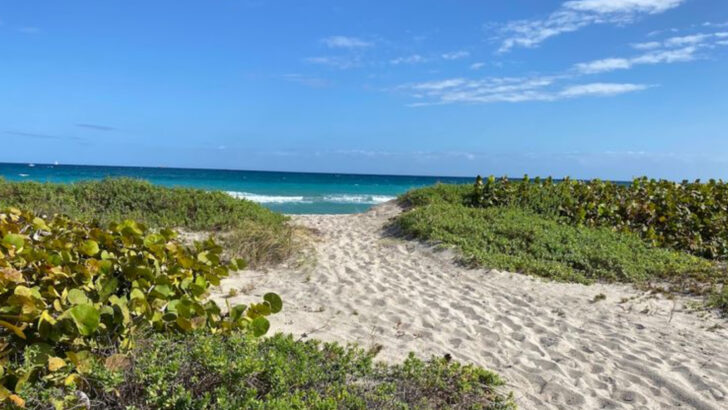
Tucked along the Atlantic coast in Dania Beach, Dr. Von D. Mizell-Eula Johnson State Park is one of South Florida’s most remarkable hidden gems.
Spanning 310 acres, this coastal treasure protects mangroves, sandy dunes, and nearly three miles of shoreline that remain wild in one of the most built-up counties in the country.
Beyond its natural beauty, the park carries a powerful story of civil rights history that forever changed Broward County.
Whether you love wildlife, history, fishing, or simply a peaceful beach day, this park has something that will genuinely surprise you.
A Barrier Island Park With One of Broward County’s Last Natural Shorelines
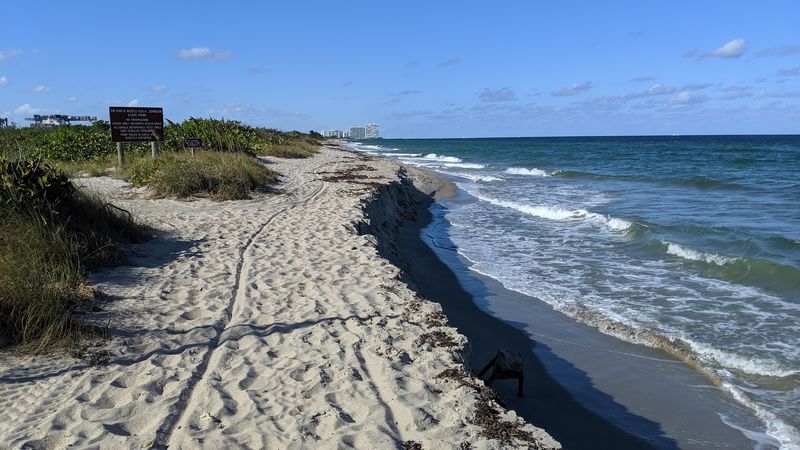
Most of Broward County’s coastline has been swallowed up by condos, hotels, and parking lots. That makes Dr. Von D.
Mizell-Eula Johnson State Park something genuinely rare — a stretch of South Florida shoreline that still looks the way nature intended it to look.
Located just south of Port Everglades in Dania Beach, this 310-acre park protects nearly three miles of Atlantic beachfront, along with mangrove forests, coastal dunes, and hammock vegetation that have mostly disappeared elsewhere in the county. Walking the shoreline here, you almost forget that Fort Lauderdale is only minutes away.
The park sits on a barrier island, which means it acts as a natural buffer between the open ocean and the calmer Intracoastal Waterway. That geography supports an incredible variety of wildlife and plant life packed into a relatively small space.
Rangers and conservationists work hard to keep invasive plants out and native species thriving. For anyone who wants to see what South Florida’s coast looked like before the development boom, this park offers one of the clearest windows still available.
A Beach That Played a Key Role in the Civil Rights Movement
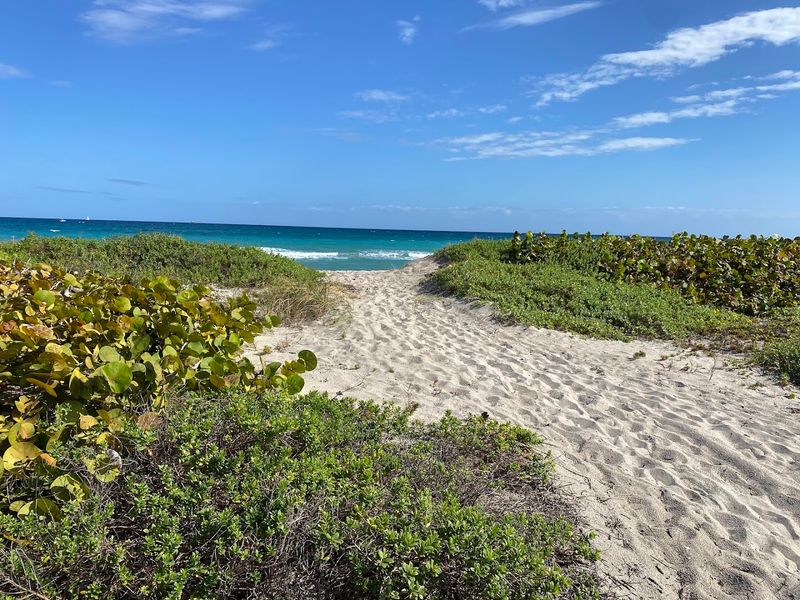
Long before it became a state park, this shoreline held a painful and powerful place in Florida history. During the era of racial segregation, Broward County’s beaches were closed to Black residents — all except this one stretch of sand, which became known simply as “Colored Beach.”
In the summer of 1961, a group of courageous civil rights activists organized “wade-ins” here, wading into the water at segregated white beaches nearby to demand equal access. The protests drew national attention and put enormous pressure on local officials.
Within a short time, Broward County’s beaches were desegregated — a direct result of the bravery shown at this very shoreline.
Standing on this beach today carries a weight that most Florida beaches simply don’t have. The waves look the same as they always have, but the ground beneath your feet is historically significant.
Schools, historians, and civil rights organizations visit regularly to honor what happened here. Knowing this history before your visit makes every moment at the park feel more meaningful and more connected to something much larger than a day at the beach.
Honoring Two Local Civil Rights Leaders
Not every park name tells a story, but this one absolutely does. In 2016, Florida officially renamed the park to honor two people whose courage helped change life in Broward County for generations of residents.
Dr. Von D. Mizell was a physician and prominent civil rights leader who worked tirelessly to dismantle segregation in South Florida.
He organized legal efforts and community actions that pushed for equal access to public spaces, including beaches. Eula Johnson was a determined community activist who helped coordinate the wade-in protests that made national headlines and forced local officials to act.
Together, they represent a movement that was as much about everyday dignity as it was about legal rights.
Renaming the park in their honor was a long-overdue acknowledgment of what they accomplished. Visitors can find informational signage near the park entrance that shares more about their lives and legacies.
Taking a few minutes to read about them before heading to the beach adds real depth to the experience. Their names on the park sign are a reminder that the land you’re standing on was fought for — and won — by real people with extraordinary conviction.
A Prime Nesting Ground for Sea Turtles
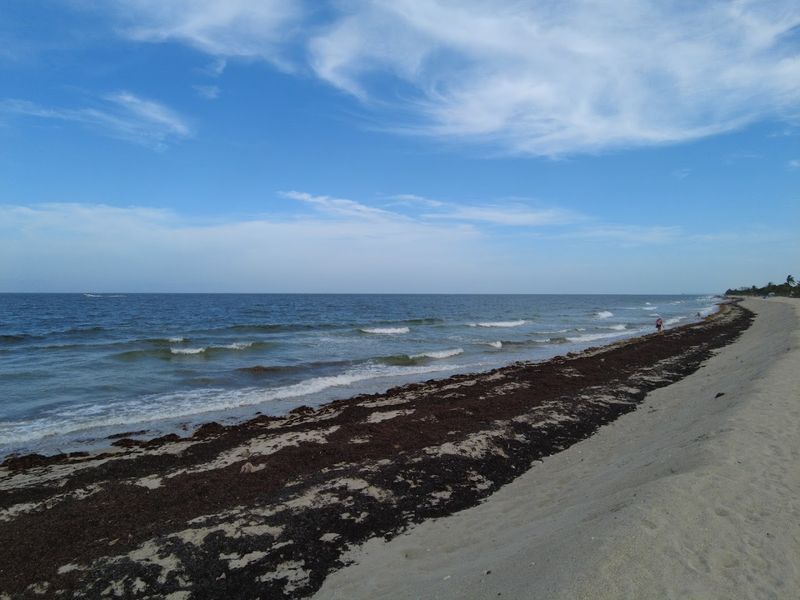
Few wildlife experiences match watching a sea turtle haul herself up a beach in the darkness to lay her eggs. From March through October, the shoreline at Mizell-Johnson State Park becomes one of the most important nesting grounds in the region for three species of sea turtles.
Loggerhead turtles nest here most frequently, but green turtles also use this beach regularly, and leatherback turtles — the largest sea turtles in the world — occasionally make an appearance. The park’s relatively undeveloped and dark shoreline is a big part of why turtles choose it.
Artificial lighting disorients nesting females and hatchlings, so the park’s natural setting gives these animals a real advantage over more developed stretches of coast.
Park rangers and trained volunteers monitor nests throughout the nesting season, counting eggs and protecting clutches from predators and human disturbance. If you visit during nesting season, you may spot nest markers along the beach.
Some years, the park records over a hundred nests on its shoreline. Guided turtle walks are occasionally offered during peak season — check with park staff ahead of your visit for availability, since those programs tend to fill up fast.
A Coastal Waterway Where Manatees Frequently Appear
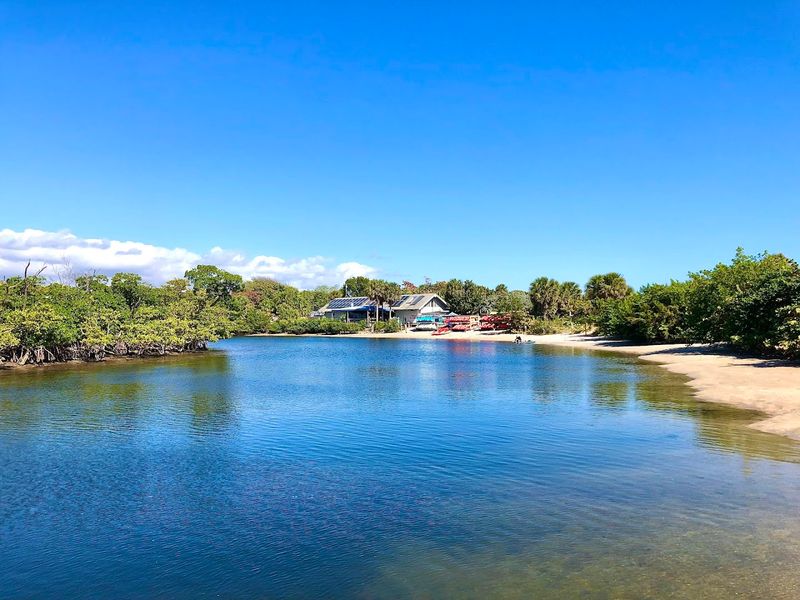
Manatees have a way of appearing when you least expect them — a massive, slow-moving shadow beneath the surface that suddenly reveals itself as one of Florida’s most beloved marine mammals. At Mizell-Johnson State Park, sightings are surprisingly common.
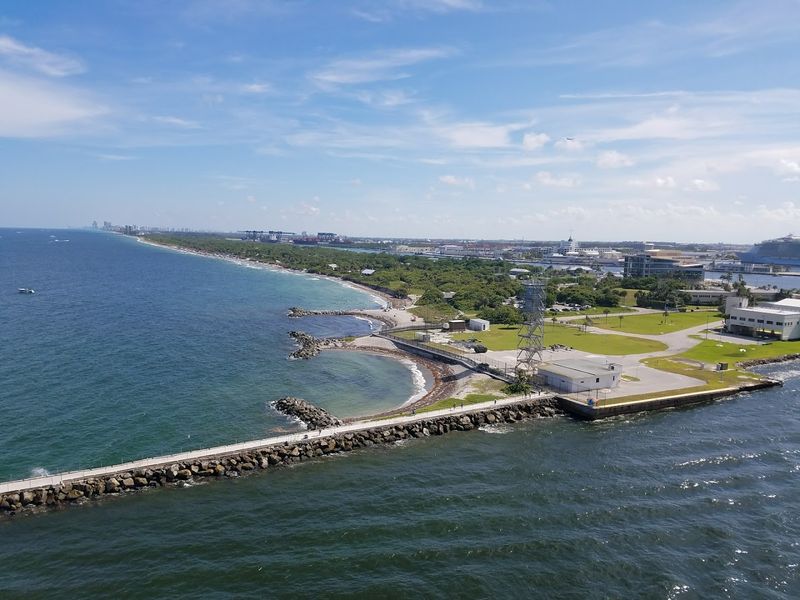
The park borders the Port Everglades Inlet and the Intracoastal Waterway, two busy but wildlife-rich waterways where West Indian manatees frequently travel. During cooler months, typically from November through March, manatees move into South Florida’s coastal channels searching for warm water.
The inlet area near the park becomes a reliable spot to scan the water from shore or from a kayak.
Manatees are protected under both federal and state law, so if you spot one, the rules are clear: look but don’t touch, and keep your distance. Even so, watching one surface for air just a few feet from the jetty is an unforgettable moment.
Bring binoculars for a better view from shore. Early morning visits tend to offer calmer water conditions, which makes spotting manatees easier since their large outlines are more visible when the surface isn’t choppy.
Patience is the best tool you can bring.
Mangrove Forests Full of Coastal Wildlife
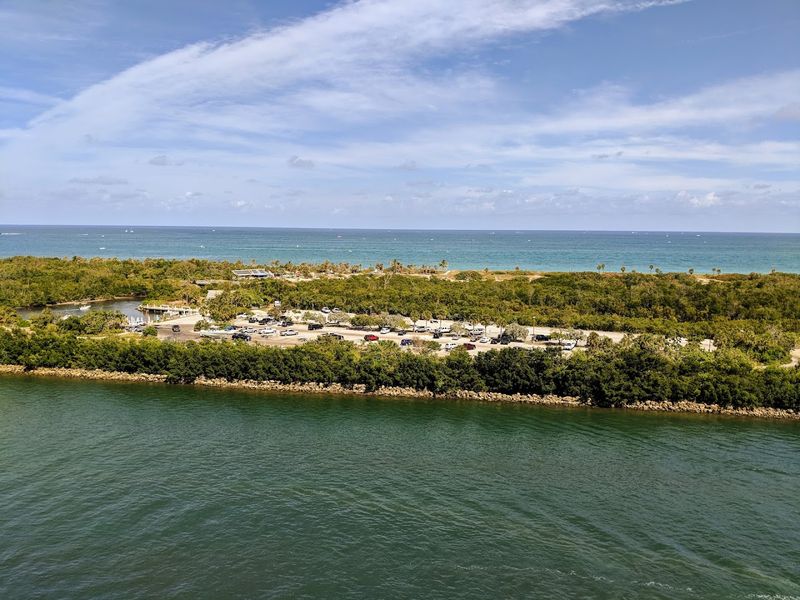
Mangroves might not get the same attention as a white sandy beach, but anyone who has paddled quietly through a mangrove tunnel knows they hold a kind of magic that’s hard to describe. The interior waterways of Mizell-Johnson State Park are lined with thick stands of red and black mangroves that teem with life year-round.
Look up and you’ll likely spot ospreys circling overhead or brown pelicans perched on low branches. Great blue herons stand motionless in the shallows, waiting for the perfect moment to strike.
Tricolored herons, roseate spoonbills, and anhingas are also regular visitors. Below the waterline, the tangled mangrove roots serve as nurseries for juvenile fish, crabs, and shrimp — which is exactly why the waters here stay so productive for anglers and wildlife watchers alike.
Mangrove ecosystems also play a critical role in protecting the coastline from storm surge and erosion. They filter pollutants from runoff before it reaches the ocean and store large amounts of carbon.
Visiting the mangroves at this park isn’t just a pleasant nature walk — it’s a chance to see one of the planet’s most valuable ecosystems up close. A slow kayak or paddleboard trip through these channels is the best way to experience it.
One of the Area’s Best Spots for Shoreline Fishing
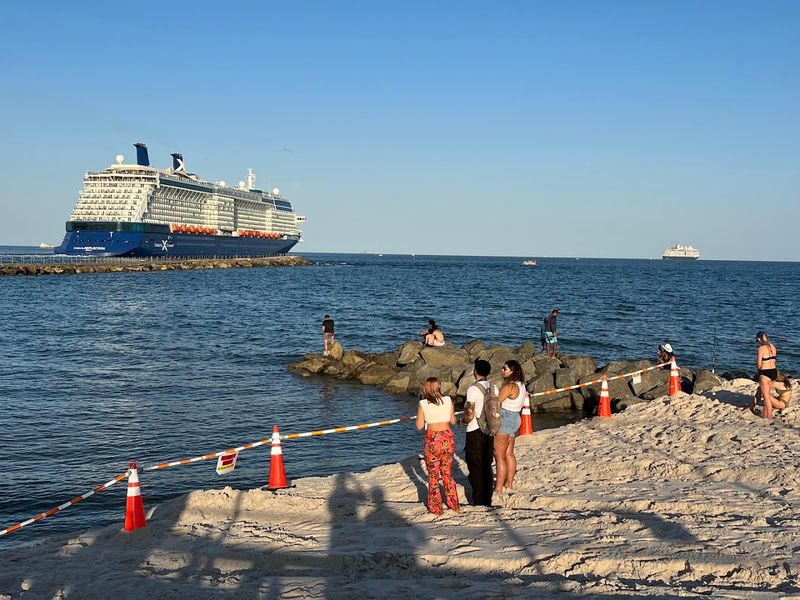
Ask any serious angler in Broward County where to fish without a boat, and there’s a good chance Mizell-Johnson State Park comes up quickly. The jetty and shoreline here are genuinely productive, and the variety of species you can catch is impressive for a spot you can reach on foot.
The park sits right next to Port Everglades Inlet, where nutrient-rich ocean water flows in and out with the tides. That constant movement concentrates baitfish, which in turn attracts bigger predators.
Snook are probably the most prized catch here, especially around the jetty rocks during incoming tides. Tarpon roll through the inlet seasonally, offering heart-pounding action for those lucky enough to hook one.
Snapper, jack crevalle, and ladyfish round out a healthy list of species that keep anglers coming back regularly.
A Florida saltwater fishing license is required for anglers 16 and older — make sure you have one before casting. The jetty can get slippery, so wear shoes with good grip.
Early morning and late afternoon are generally the most productive windows, especially on moving tides. Even if the fish aren’t biting, the views from the jetty looking out toward the Atlantic and back toward the inlet are worth the trip on their own.
Quiet Kayaking Through Coastal Waters
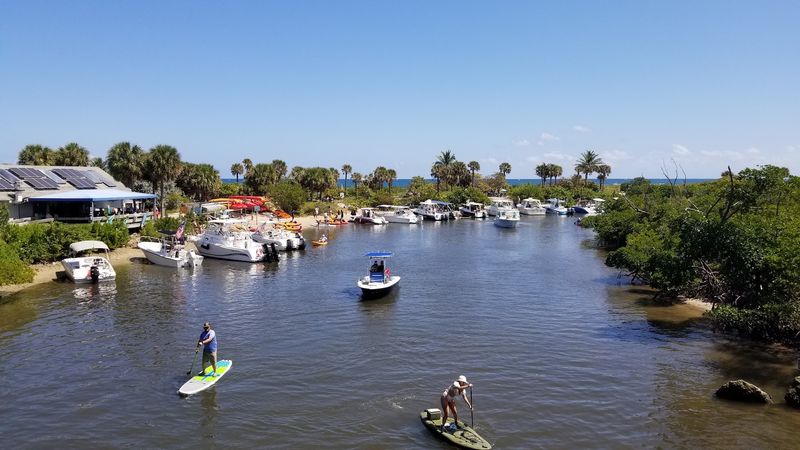
There aren’t many places in South Florida where you can paddle a kayak through a peaceful mangrove channel and watch a massive container ship pass by at the same time — but that’s exactly the kind of experience Mizell-Johnson State Park delivers.
The park’s protected waterways make it a popular launch spot for kayakers and paddleboarders of all skill levels. Beginners appreciate the calm, sheltered channels where wind and waves are minimal.
More experienced paddlers can explore further, hugging the mangrove edges and watching for wildlife around every bend. The contrast between the quiet natural channels and the industrial activity of Port Everglades just nearby is genuinely striking — and oddly beautiful.
You can bring your own kayak or paddleboard, or check with local outfitters near the park about rental options. Always wear a life jacket and check wind and tide conditions before heading out, since the open waters near the inlet can get choppy without much warning.
Morning paddles are typically the calmest and offer the best wildlife activity. Dolphins occasionally follow kayakers through the inlet area, which turns an already enjoyable outing into something you’ll be talking about for a long time afterward.
Scenic Picnic Areas Beneath Coastal Hammocks
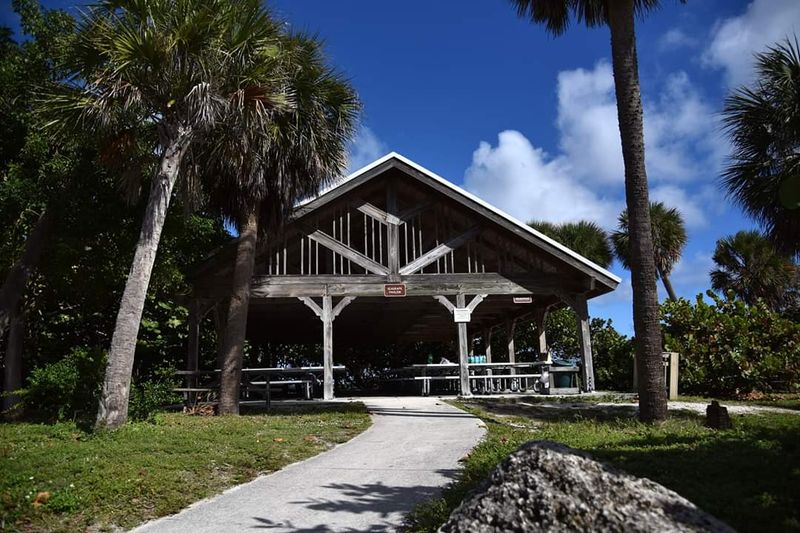
Sometimes the best part of a park visit is simply sitting still and letting the surroundings do the work. At Mizell-Johnson, the picnic areas manage to feel genuinely relaxing even though you’re just minutes from one of the busiest airports in Florida.
Shaded pavilions sit tucked among sea grape trees and native coastal hammock plants that block the sun and funnel the ocean breeze in the most satisfying way. The sound of waves is never far off.
On a clear day, you can see the Atlantic from the picnic areas, which adds a kind of effortless beauty to an otherwise ordinary activity like eating lunch. Families, couples, and solo visitors all seem to slow down once they settle in under the canopy.
Sea grape trees are native to Florida’s coast and produce clusters of edible fruit in late summer, so keep an eye out for those if you visit in August or September. The hammock vegetation also provides excellent bird habitat, making the picnic areas a surprisingly good spot for casual birdwatching without any extra effort.
Pack a cooler, bring a blanket, and plan to stay longer than you originally intended — this park has a way of making time feel less urgent than it did when you arrived.
Essential Visitor Information for Planning Your Trip
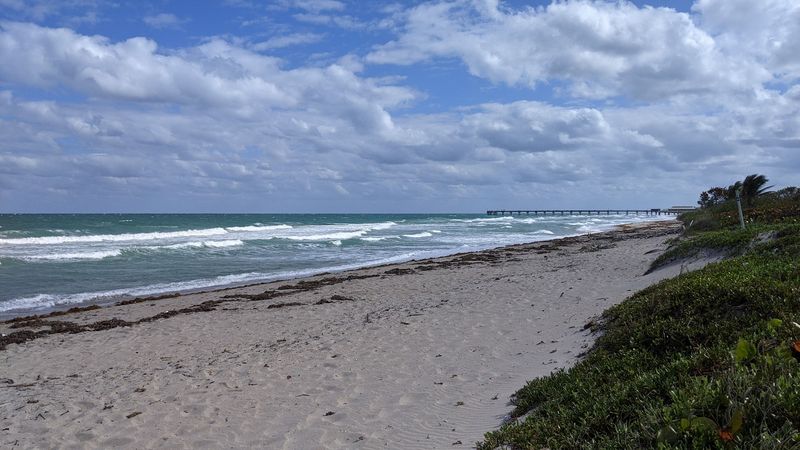
Planning ahead makes any park visit smoother, and Mizell-Johnson State Park has a few details worth knowing before you go. The park is located at 6503 N Ocean Drive in Dania Beach, Florida — easy to find and well-signed from US-1 and A1A.
The park is open year-round from 8 a.m. to sunset. The entrance fee is approximately $6 per vehicle, which is a genuine bargain for everything the park offers.
Activities include swimming, wildlife watching, shoreline fishing, kayaking, and picnicking. Restrooms and outdoor showers are available near the beach area.
The park does not currently have a concession stand, so bring your own food, drinks, and sunscreen.
From downtown Fort Lauderdale, the drive takes about 10 to 15 minutes, making this one of the most accessible natural escapes in all of South Florida. Parking can fill up on busy weekend mornings during summer, so arriving early is a smart move.
Cell service is generally good throughout the park if you need to look anything up. Dogs are not permitted on the beach but may be allowed in certain areas on a leash — confirm current rules with park staff before bringing your pet.
The Florida State Parks website has updated hours and any seasonal program information.