

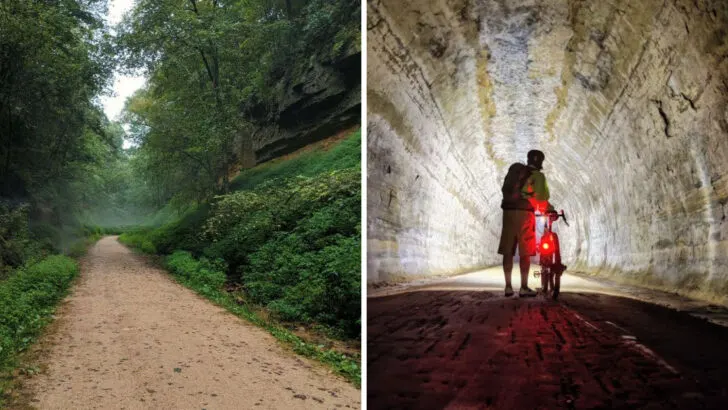
Ready for a ride that feels part time travel, part Midwest daydream?
The Elroy-Sparta State Trail stretches 32.5 miles across southwest Wisconsin, linking Elroy and Sparta on an easygoing, crushed-limestone path.
It is celebrated as one of the oldest and most iconic rail-to-trails in the country, with three eerie-cool railroad tunnels you actually walk your bike through.
If you crave gentle grades, farm views, and a dash of adventure, this one delivers.
Elroy-Sparta State Trail: The Big Picture
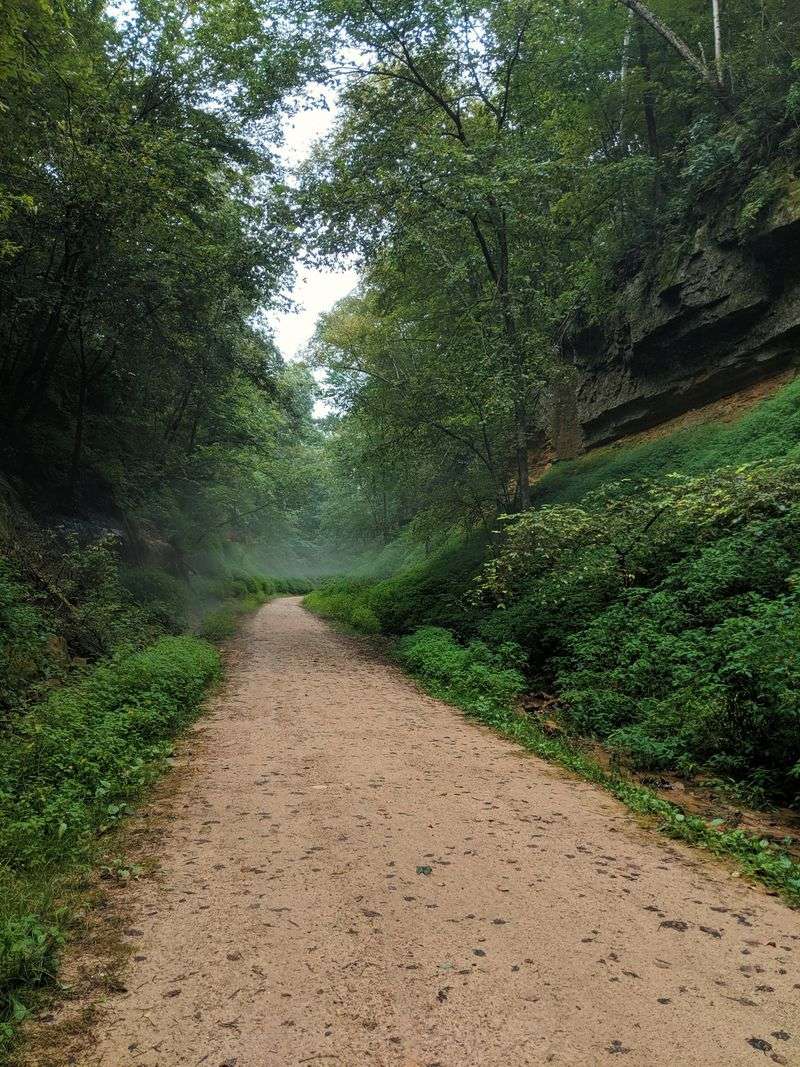
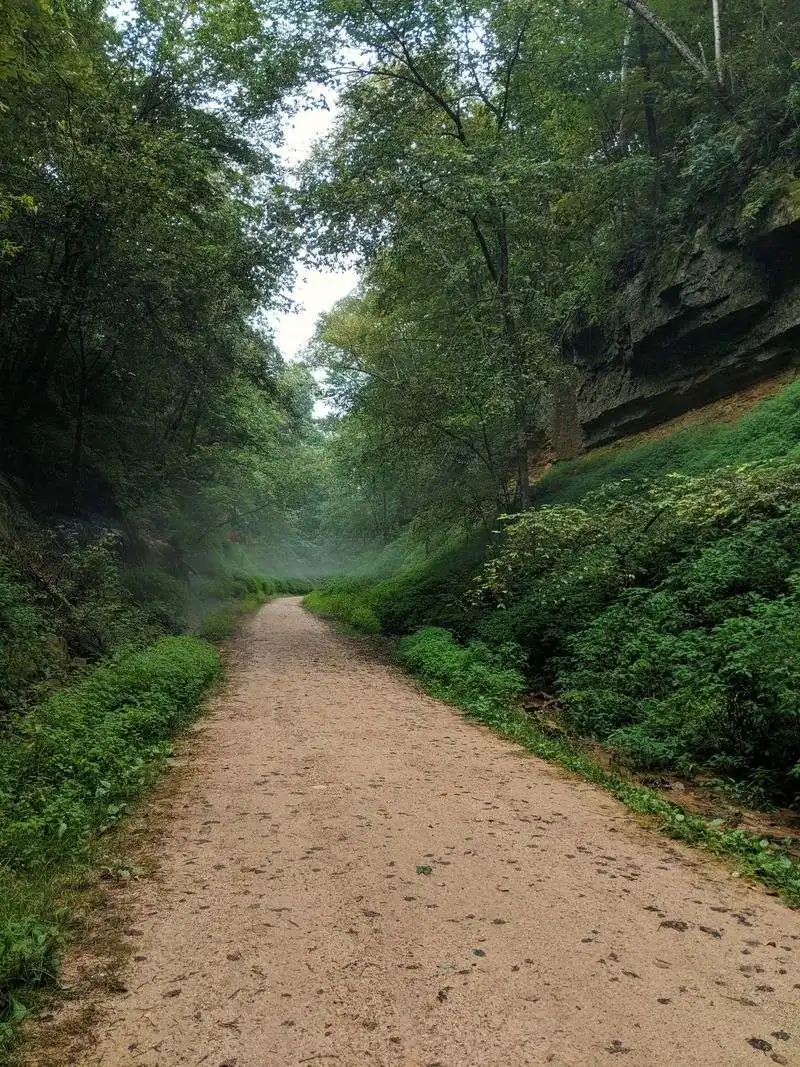
The Elroy-Sparta State Trail is a 32.5-mile rail-to-trail linking the towns of Elroy and Sparta across southwest Wisconsin. You roll along a crushed-limestone surface with gentle grades, passing barns, wetlands, and wooded cuttings where the old railroad once ran.
It feels welcoming for families, first-time riders, and anyone who likes wide-open countryside without big climbs.
What sets this trail apart are three historic railroad tunnels from the 1870s, each one an experience you will remember. Lights are essential, and you will walk your bike through, soaking up the cool air and echoes.
Between tunnels, expect quiet farm lanes, prairie blooms in summer, and bird calls that carry across the valley.
Because this is among the earliest rail-trail conversions in the nation, riding it feels like a small pilgrimage. Wayfinding is straightforward, with town stops offering snacks, water, and photo-worthy depots.
Whether you ride a short segment or the entire length, you get a calm, linear adventure that trades traffic for scenery, history, and a rhythm that helps you breathe deeper.
Historical Origins: From Railroad to Trail
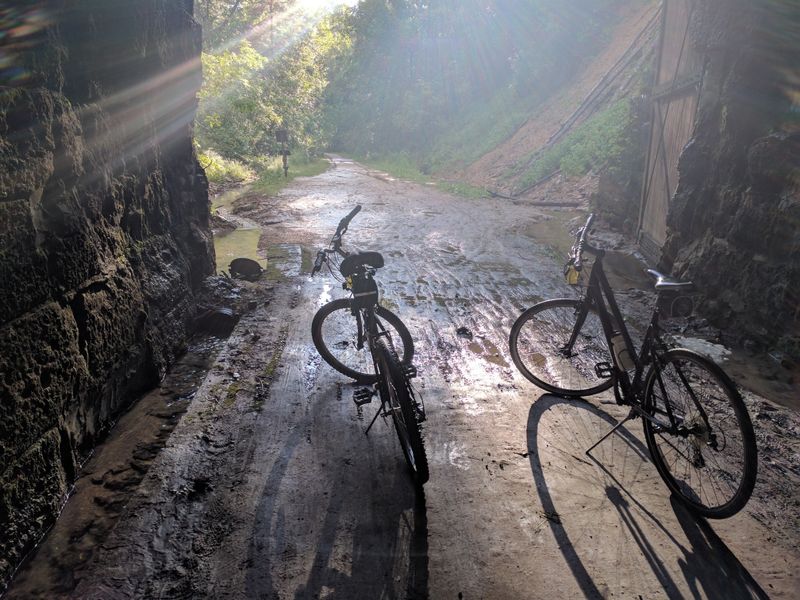
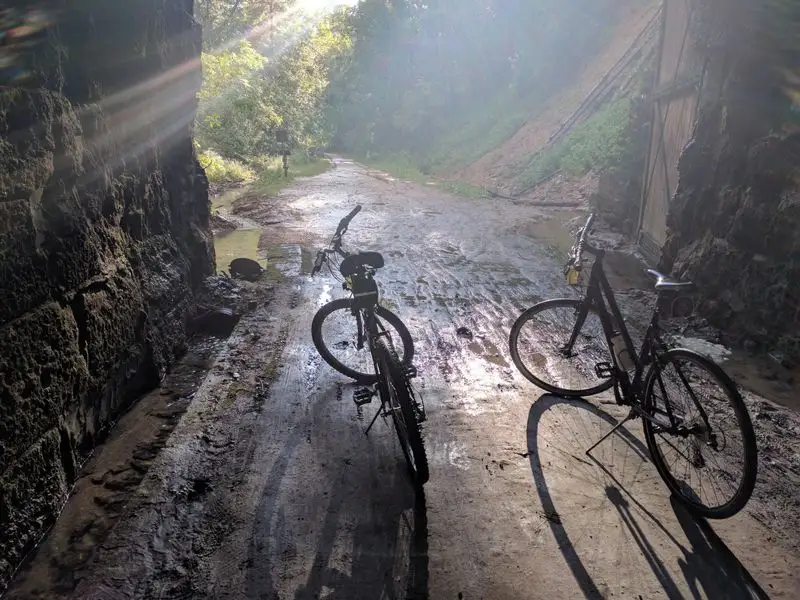
This corridor began as a Chicago & North Western Railroad line carved through ridges in the 1870s, stitching small farm towns to larger markets. When rail service ended decades later, Wisconsin stepped in during the 1960s to preserve the right-of-way for public use.
In 1967, the Elroy-Sparta opened, widely hailed as one of America’s earliest rail-trail conversions.
You can feel that lineage under your tires. The gentle grade is not an accident but a hallmark of railroad design, meant to keep steam locomotives happy.
Those three tunnels exist because the railroad needed straight, steady passage through steep sandstone ridges, and today they serve as time capsules you actually enter.
Riding here becomes a living history lesson. Waypoints, depots, and interpretive signs help you picture locomotives thundering by where warblers now sing.
You trade whistles and cinders for bike bells and limestone dust, yet the route’s purpose remains: connecting communities with a corridor that moves people, stories, and everyday life forward.
Trail Surface, Grade, and Scenery
The Elroy-Sparta’s crushed-limestone surface is firm and rideable for most bikes, especially those with wider tires. After rains, it can be soft or slightly tacky, so plan accordingly.
Grades remain gentle thanks to railroad engineering, letting you settle into an easy cadence while the countryside unfolds around you.
You pass hayfields, red barns, and pockets of wetlands with frogs chirping and cattails swaying. Woods offer dappled shade, and prairies open suddenly to big-sky horizons.
The scenery shifts in a pleasant rhythm, with ridgelines ahead hinting at tunnels that once funneled smoke and steam.
Because the route feels peaceful, it suits leisurely exploration. You can ride a stretch, pause for photos of sandstones and sumac, then continue without feeling pressed.
Expect a soundtrack of tires on grit, distant tractors, and wind moving through grasses, a calming mix that turns the miles into something meditative and memorable.
The Three Historic Railroad Tunnels
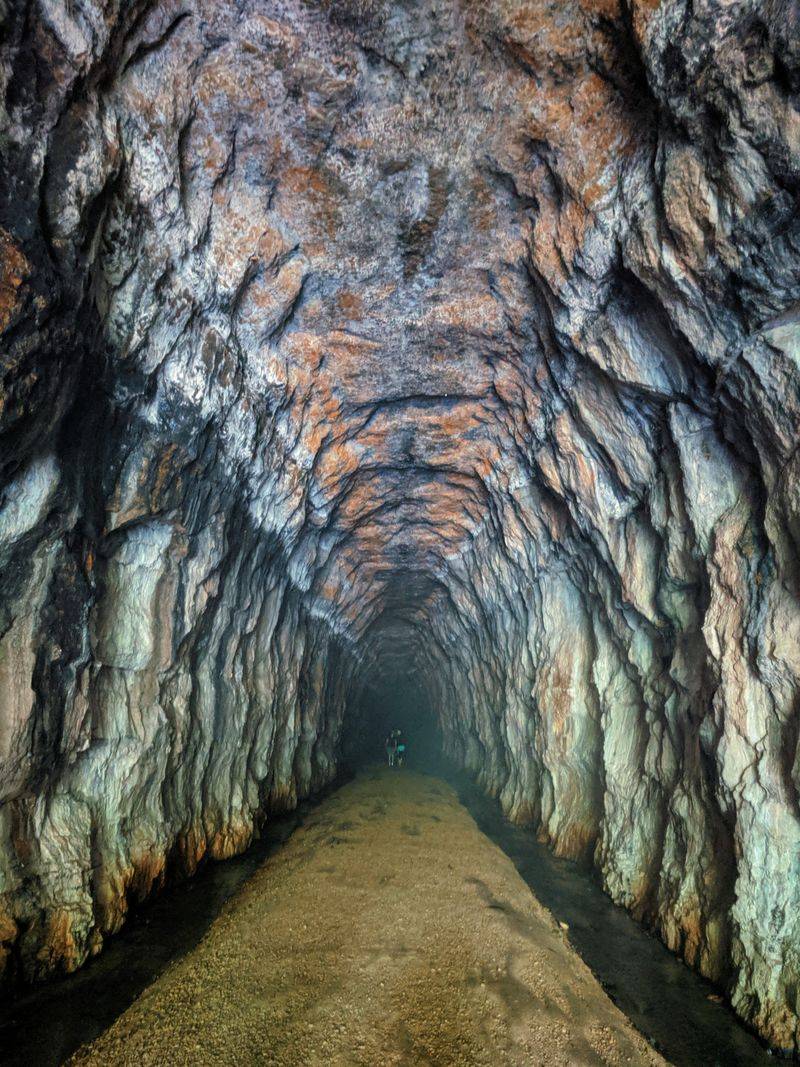
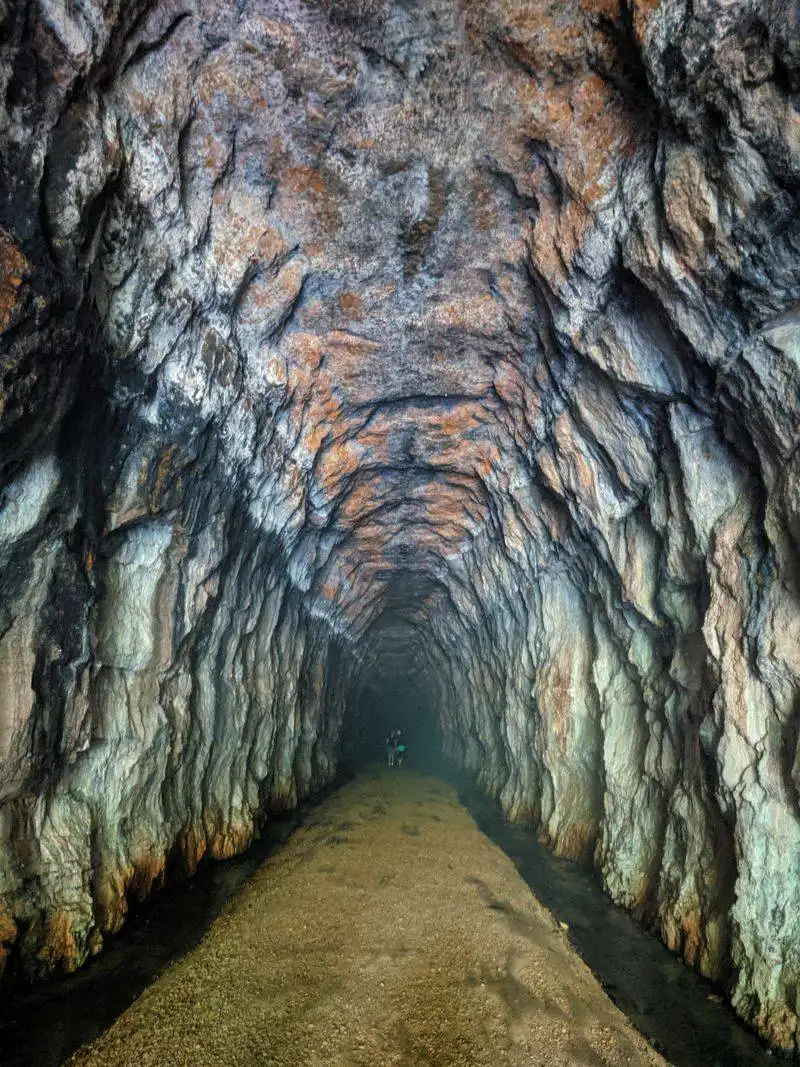
Three hand-hewn tunnels from the 1870s are the trail’s crown jewels, each pierced through sandstone ridges for the old railroad alignment. They vary in length, dripping with cool condensation even on summer days.
You must walk bikes inside, which slows the moment and lets you soak in echoes, lantern light, and the crunch of gravel underfoot.
Approaching a portal feels cinematic: a dark arch swallowing daylight, then the temperature drops and the air goes still. Voices bounce, water taps from above, and you become acutely aware of history close around you.
The rockwork, doors, and cut-stone details hint at the engineering ambition of a booming railroad age.
Stepping back into sunlight after each passage is a small celebration. Colors seem brighter, and the next stretch of prairie or farm field feels new.
Doing all three tunnels in one ride links the landscape together, turning the trail into a stitched narrative of geology, industry, and today’s quiet recreation.
Tunnel #1 near Kendall
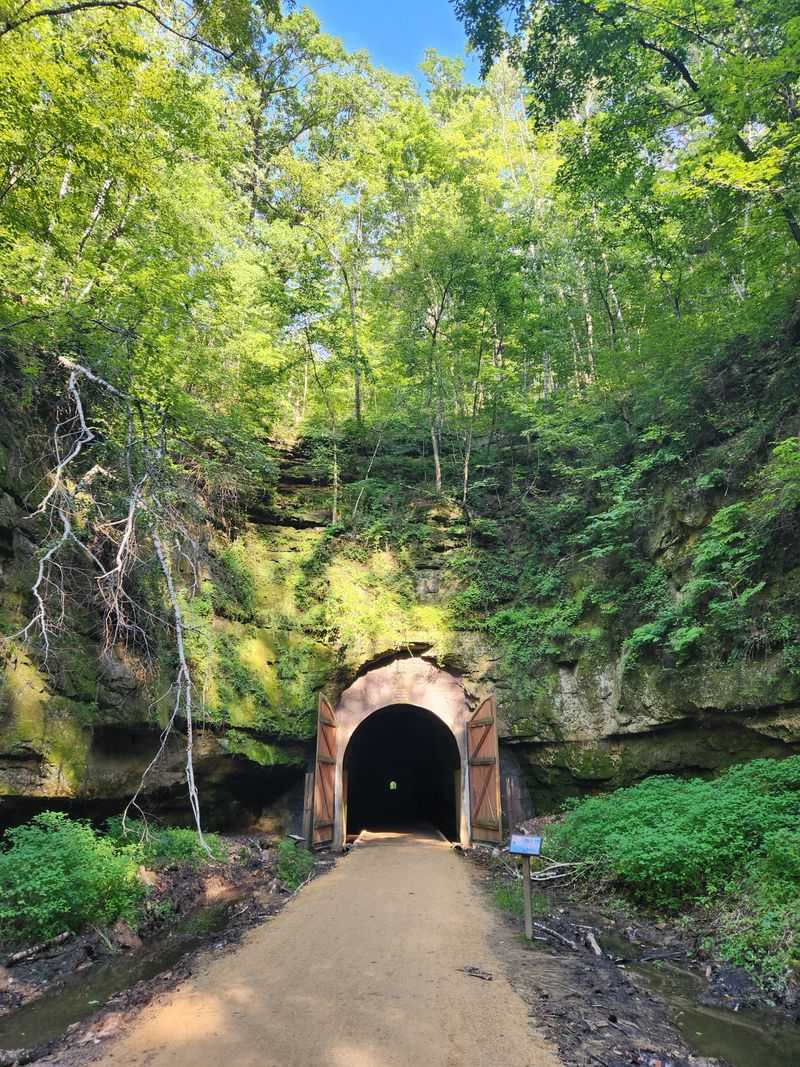
Tunnel 1 sits near Kendall and runs roughly a quarter mile, short enough to feel approachable yet long enough to turn fully dark inside. The entry is framed by lush greenery, and the stonework shows its age in seams, stains, and mineral streaks.
It is often a bit less damp than the others, but water underfoot still appears in places.
You will walk your bike, light in hand or mounted, moving steadily and watching your step on the gravel. Breath fogs lightly on cool mornings, and conversations become hushed as the tunnel swallows sound.
The far portal appears as a coin of light that grows with each careful stride.
Once outside, you get rolling almost immediately across quiet countryside. The contrast between darkness and farm-bright sunlight resets your senses.
If this is your first tunnel, it is the perfect warm-up for the deeper adventures ahead, building confidence while keeping the experience accessible.
Tunnel #2 near Wilton
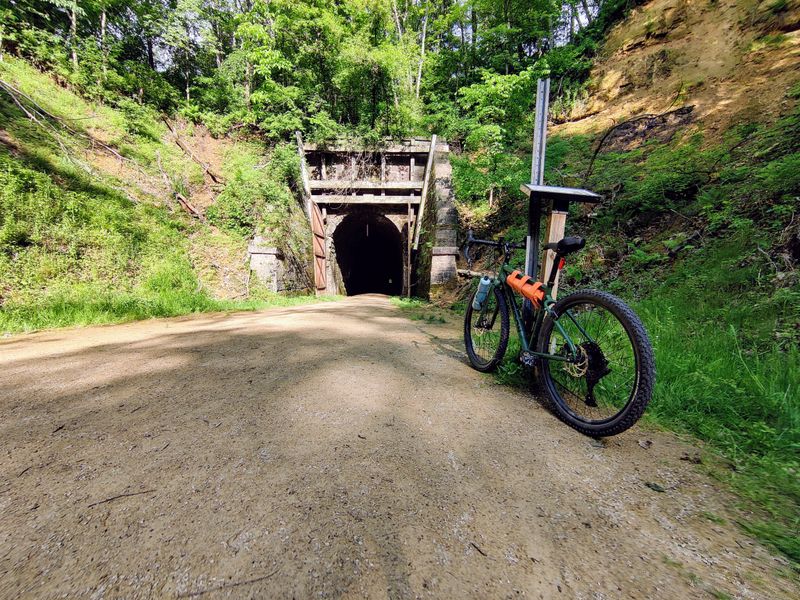
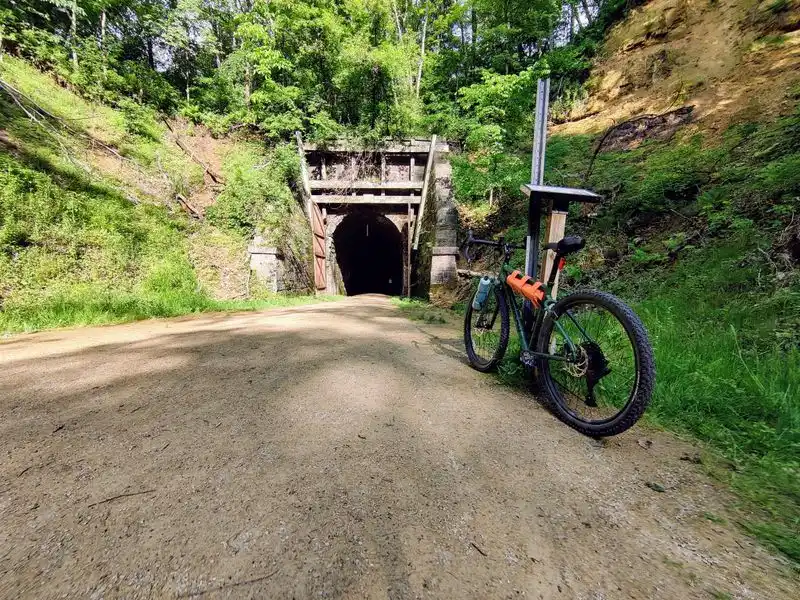
Tunnel 2 near Wilton offers a similar length to Tunnel 1 but carries a distinct historic aura. Its wooden doors, sometimes closed in off-seasons, instantly connect you to railroad heritage.
The stone walls feel older somehow, with layered textures and trickles of water creating rhythmic taps as you move through.
Walking your bike here feels almost ceremonial. Headlamps sweep across curved rock, catching names and dates from past visitors etched in memory more than stone.
When the breeze moves, the doors creak softly, and you picture locomotives and lanterns cutting this same darkness a century ago.
On the Wilton side, you emerge into a welcoming small-town scene. It is a smart place to refuel, top off bottles, or grab a bite before continuing.
If you like photographing portals and symmetry, this tunnel’s geometry and doors deliver satisfying frames that tell a clear story of time, travel, and continuity.
Tunnel #3 between Norwalk and Sparta
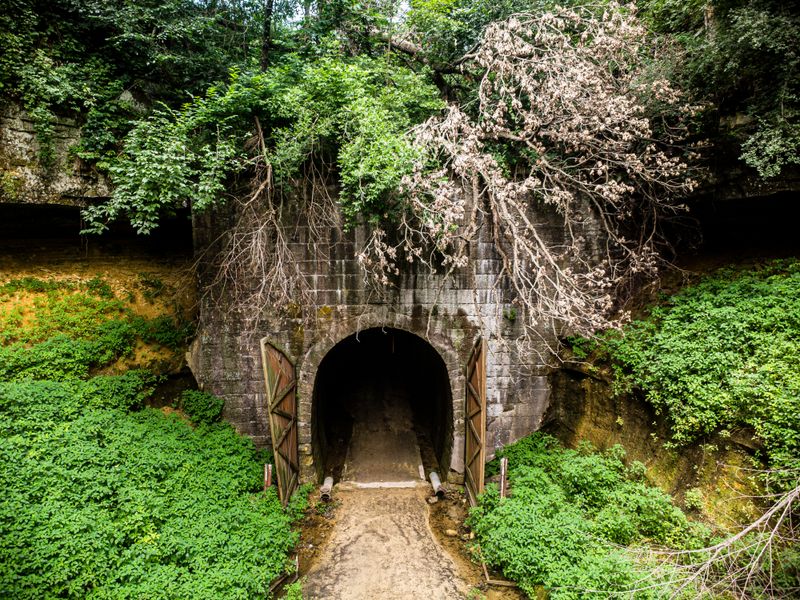
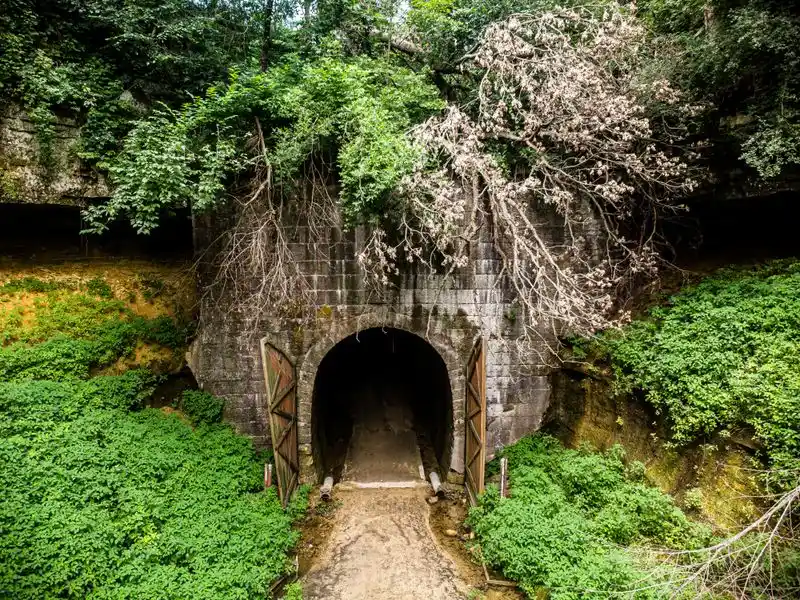
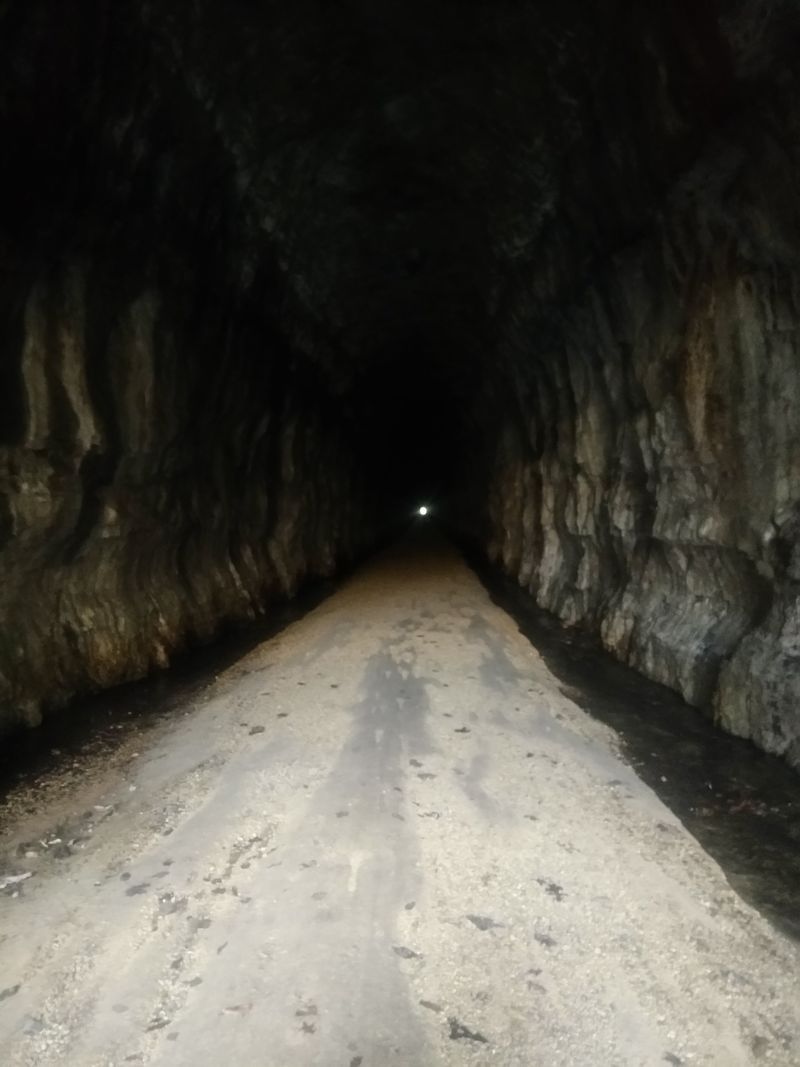
Tunnel 3 is the epic one, stretching roughly three-quarters of a mile between Norwalk and Sparta. It is profoundly dark inside, often near pitch black in the middle, and the temperature drops sharply.
Water drips steadily from the ceiling, collecting into shallow rills that crisscross the gravel path under your shoes.
You must bring a reliable light and be ready to walk patiently. Voices echo so completely that distance becomes hard to judge, and the glow ahead can feel stubbornly far.
That sensory shift is part of the magic, a pure encounter with geology and engineering layered over a living, breathing landscape.
Stepping back into daylight feels triumphant. The cool damp air gives way to sun, scents of hay or pine, and the simple joy of pedaling again.
Many riders say this tunnel defines the Elroy-Sparta experience, a moment when you slow down, listen closely, and let the trail teach you patience.
Practical Tips: Walking Bikes Through Tunnels
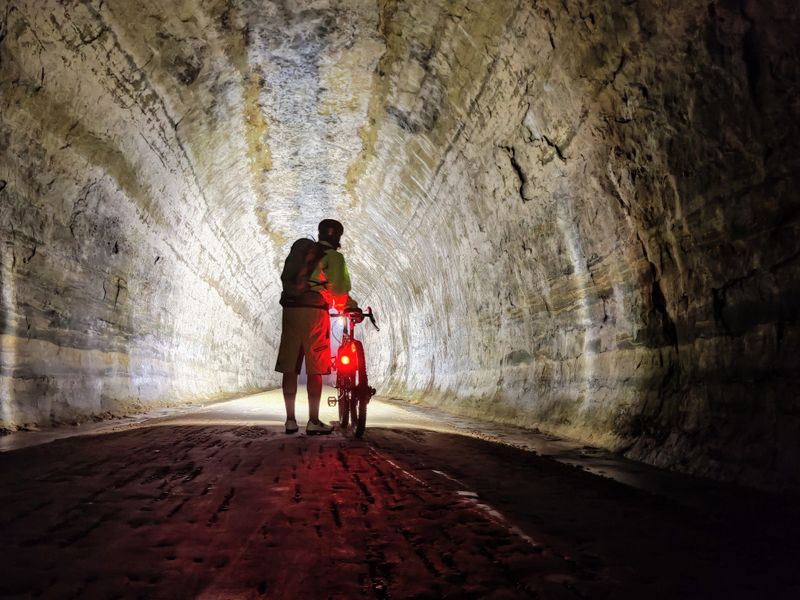
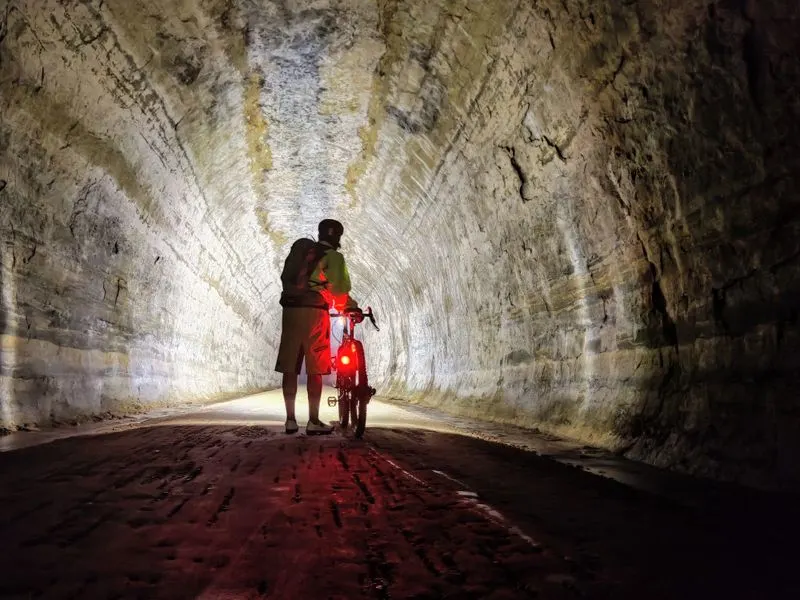
All three tunnels require walking bikes due to darkness, slick spots, and narrow confines. Bring a bright headlamp or handlebar light plus a backup, and consider a reflective vest.
A light rain jacket helps in the cool, damp interiors, even on hot days, and shoes with grippy soles make the steps steadier.
Keep voices calm so others can hear and pass safely. If traveling in a group, space out to avoid blinding each other with overlapping beams.
When exiting, pause to let eyes adjust, then ease back onto the limestone surface, checking for oncoming riders who might be entering the shade.
Pack extra batteries, a small towel, and maybe a snack for energy after Tunnel 3. If you are new to rail-trails, this is a friendly classroom for trail etiquette and preparedness.
Walking does not slow the day much, and it adds texture to the ride, turning a simple route into an immersive, memorable adventure.
Connectivity: Linking to Other Trails
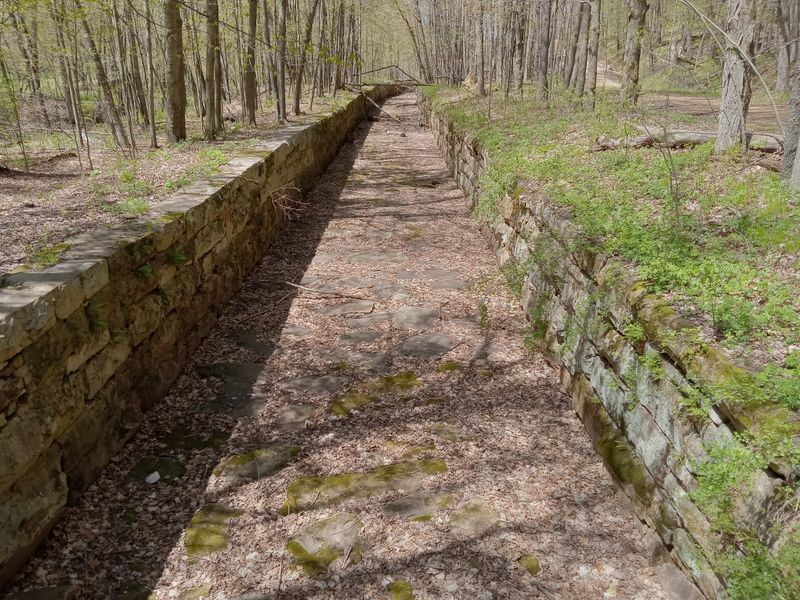
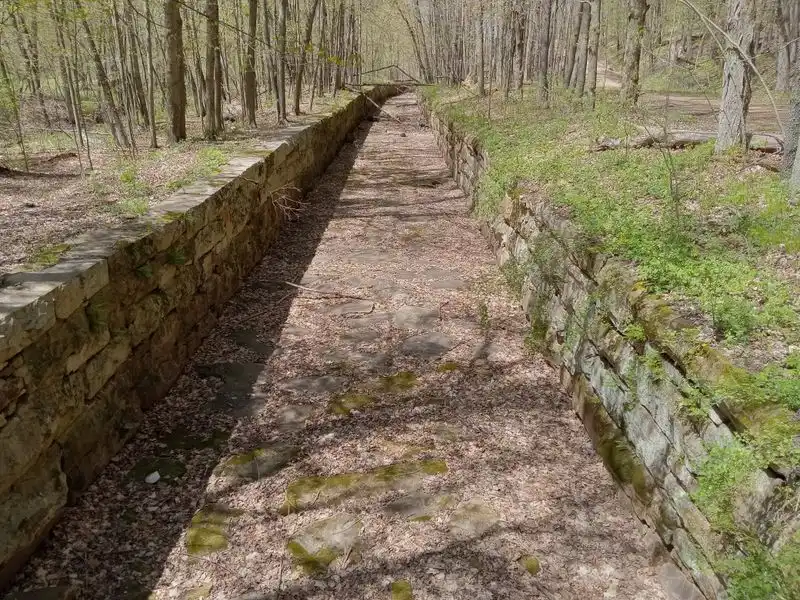
The Elroy-Sparta connects into a broader regional network, making it easy to extend your adventure. On the western end, you can link with the La Crosse River State Trail toward Onalaska and La Crosse.
To the east, the 400 State Trail picks up in Reedsburg, offering more miles of gentle, scenic riding.
This connectivity invites creative itineraries. You can craft loops, plan overnight trips with small-town stays, or piece together a multi-day ride that showcases prairies, rivers, and coulees.
Wayfinding is generally clear, and tourist offices along the route happily point you to maps and current conditions.
Because grades remain mellow, longer distances feel surprisingly approachable. Consider a shuttle or car drop if you prefer one-way travel with prevailing winds.
The network turns a single trail day into a flexible canvas, perfect for riders who enjoy mixing exploration with comfort and small discoveries.
Seasonal Access and Conservation
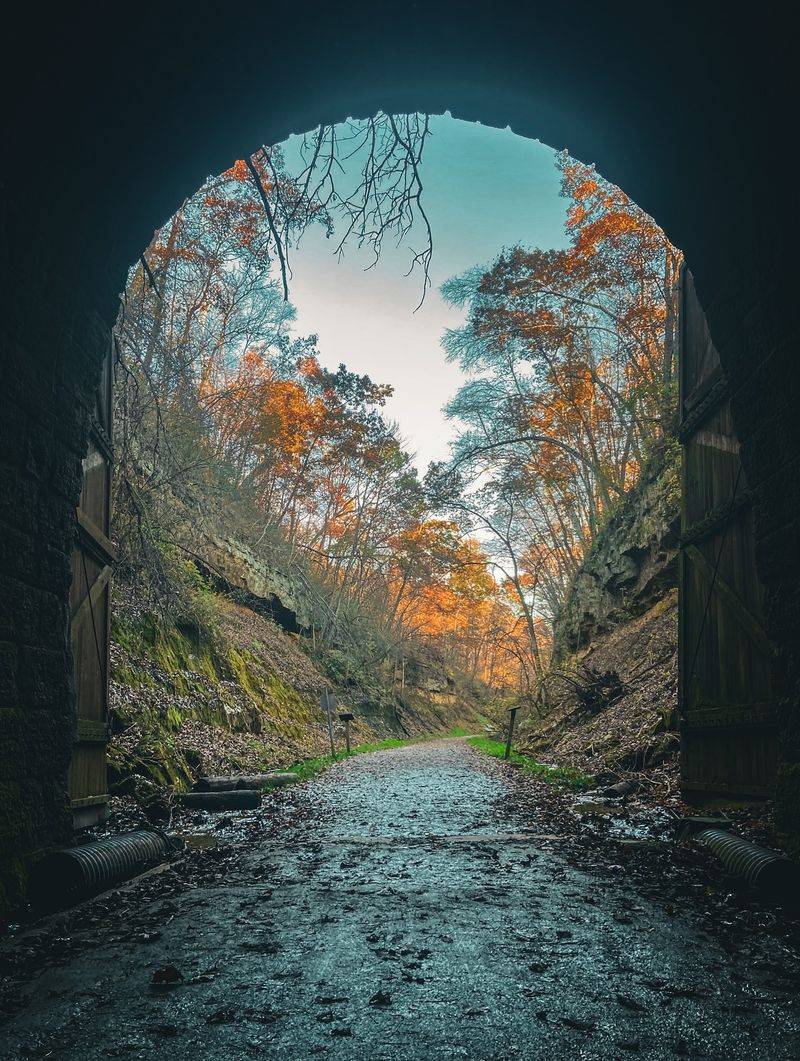
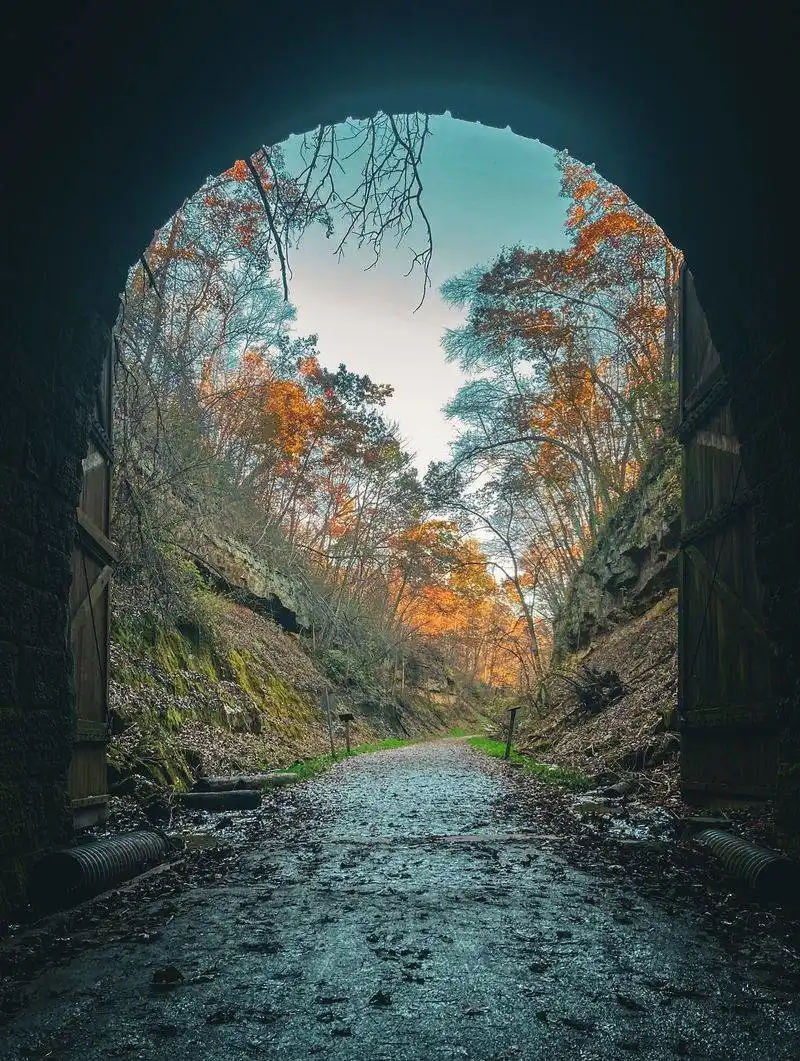
Tunnel access typically runs May through October, with closures in winter to protect infrastructure and wildlife like hibernating bats. Respecting these closures keeps the ecosystem healthy and the stonework stable.
Snowmobile routes exist as alternates where permitted, so winter fun carries on without disturbing sensitive habitats.
During shoulder seasons, check local updates for opening dates, rain impacts, and any maintenance advisories. After heavy storms, expect wetter tunnel floors and occasional debris on the limestone.
A quick call to a trail office or visitor center can save you surprises and help you pack the right layers.
Conservation is part of the ride’s promise. Staying on the path, packing out trash, and slowing down near wildlife all add up.
When you walk your bike through the tunnels, you are honoring both history and habitat, keeping this place special for future riders who will chase the same echoing footsteps.
Planning Your 32.5-Mile Day
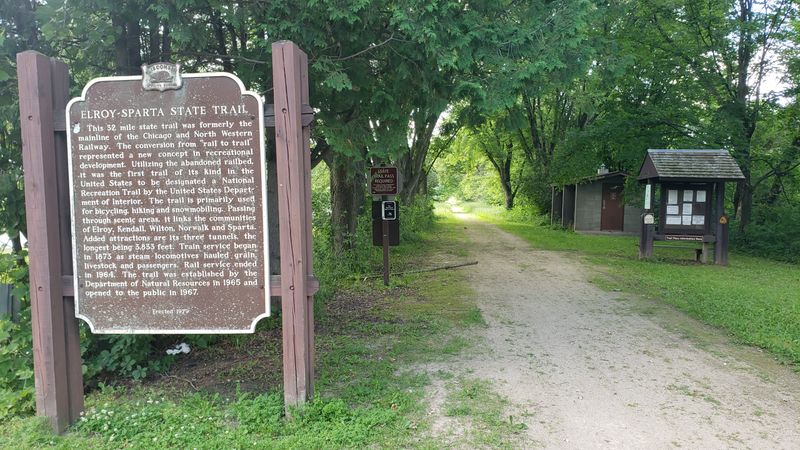
Thirty-two and a half miles is a satisfying day that feels approachable with a few smart choices. Start early to enjoy cooler air and quieter paths, especially on weekends.
Pack two bottles, snacks, a lightweight jacket for tunnels, and reliable lights with backups.
Decide your direction based on wind and where you want to linger. A one-way ride with a shuttle or friend pickup maximizes variety, while an out-and-back lets you turn around anytime.
Plan longer breaks in Kendall, Wilton, or Norwalk, and budget extra minutes for walking each tunnel safely.
Tires in the 32 to 45 millimeter range feel great on crushed limestone, though wider mountain or hybrid tires are fine. Keep a gentle cadence, settle into conversation, and let the terrain set the tempo.
By sunset, you will have a pocketful of moments: lantern glow, farm scents, and the quiet confidence that comes from moving steadily through time.