Forget everything you thought you knew about Florida road trips. State Road A1A isn’t just a highway—it’s a front-row seat to crashing Atlantic waves, charming beach towns, and some of the oldest history in the Sunshine State.
Around nearly every curve, there’s another stretch of sand, another fishing pier, or another reason to pull over and soak it all in.
Some roads are made for getting somewhere. A1A is made for slowing down.
One minute you’re strolling through centuries-old streets in St. Augustine, and the next you’re watching surfers catch waves or spotting sea turtles along a quiet shoreline. Every stop feels a little different from the last.
The route weaves together Florida’s past and present in a way few drives can match. Historic forts, colorful boardwalks, oceanfront cafés, towering lighthouses, and postcard-worthy beaches all share the same ribbon of pavement.
If you’re looking for a road trip filled with unforgettable views, hidden gems, and plenty of places worth lingering, this 338-mile coastal drive belongs at the top of your Florida bucket list.
The Story Behind Florida State Road A1A: A Legendary Coastal Highway
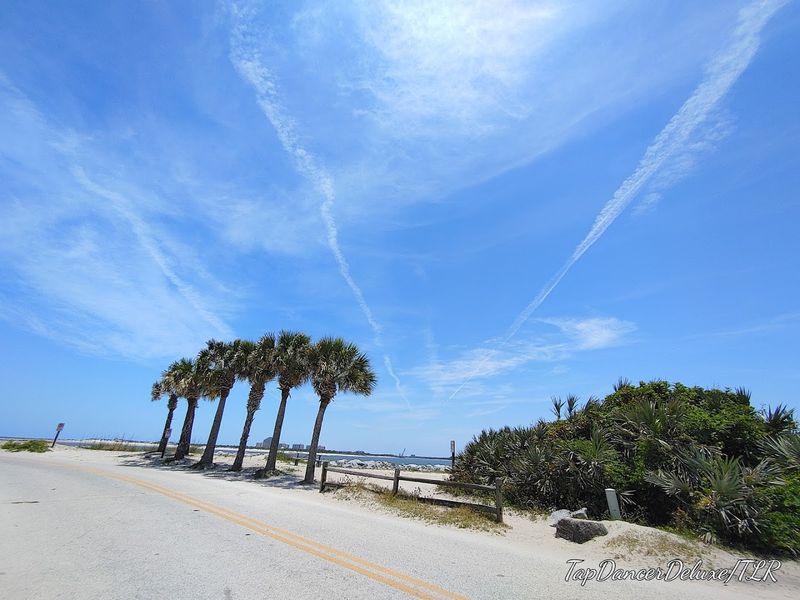
A1A isn’t just one continuous road—it’s actually a collection of connected coastal segments that together form one of America’s most famous oceanfront drives. The route was designated in the 1930s and has since become synonymous with Florida beach culture.
Spanning approximately 338 miles, it links barrier islands, historic communities, and pristine coastlines along the state’s Atlantic side.
What makes A1A special is its ability to capture both natural beauty and human history. You’ll pass through areas where Spanish explorers once landed, towns that survived hurricanes and rebuilding, and beaches that have welcomed generations of families.
The highway earned legendary status not just for its views but for the diverse experiences it offers.
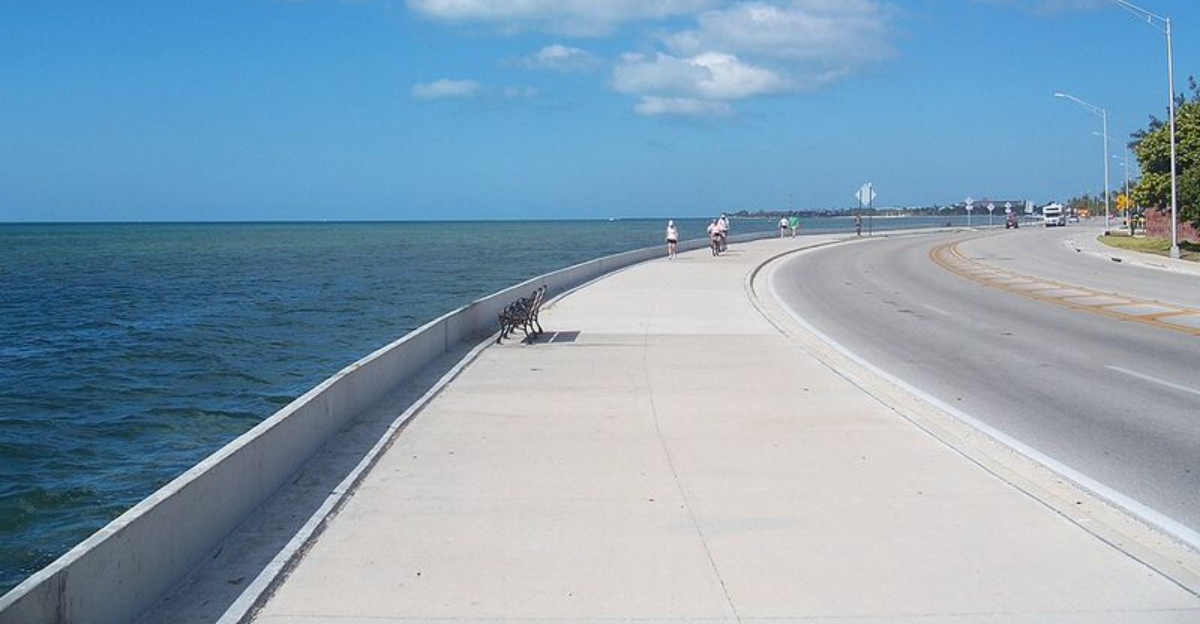
From quiet fishing villages to bustling beach cities, A1A shows you multiple sides of Florida in a single journey. Some stretches hug the coastline so closely you can hear waves from your car.
Other sections wind through maritime forests and protected wildlife areas. This variety makes the drive feel like several trips rolled into one, each mile revealing something new and memorable.
Fernandina Beach and Amelia Island: The Historic Northern Gateway
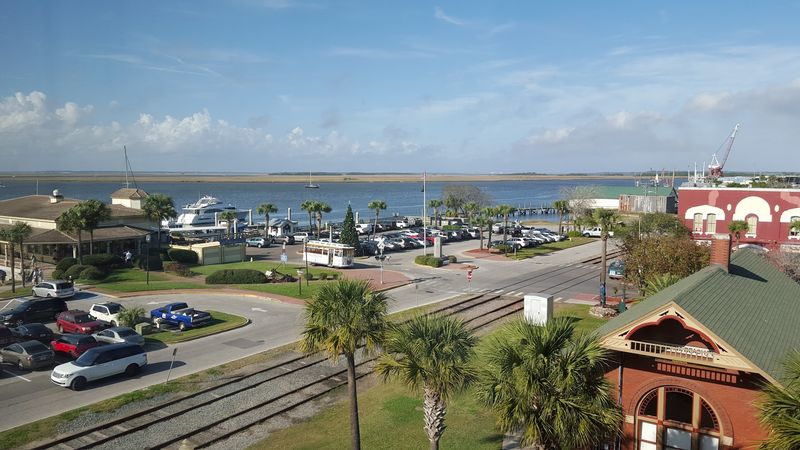
Starting your A1A adventure at the northern end brings you to Fernandina Beach, where Victorian buildings line historic streets just blocks from the ocean. This charming town on Amelia Island feels like stepping back to an earlier Florida.
The downtown district has been lovingly preserved, with locally-owned shops and restaurants housed in structures dating back over a century.
Fort Clinch State Park sits at the island’s northern tip, offering both Civil War history and excellent coastal hiking trails. The fort itself hosts living history demonstrations where actors in period costume bring the past to life.
Beyond the fort, pristine beaches stretch for miles with far fewer crowds than you’ll find further south.
Amelia Island’s beaches are known for wide, firm sand perfect for morning walks and shell collecting. The island also has a thriving shrimping industry, so fresh seafood is always available.
Centre Street, the main downtown thoroughfare, hosts art galleries, antique shops, and cozy cafes. Plan to spend at least a full day exploring before continuing your journey southward along the coast.
St. Augustine: A Drive Through America’s Oldest City
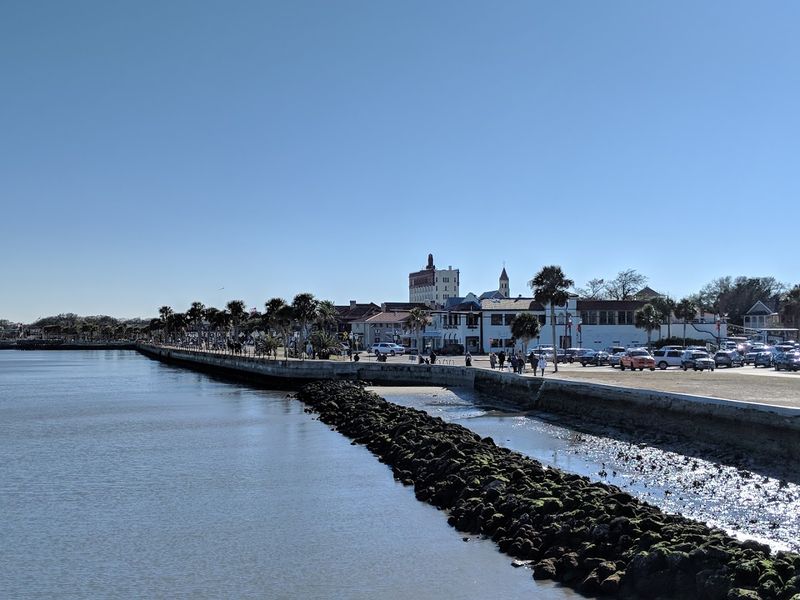
Few places along A1A can match the historical weight of St. Augustine, continuously occupied since 1565. As you drive through, the massive stone walls of Castillo de San Marcos National Monument rise dramatically near the waterfront.
This Spanish fort has defended the city for over three centuries and stands as one of the oldest masonry structures in the continental United States.
The A1A route through St. Augustine takes you past cobblestone streets in the historic district before crossing the Bridge of Lions toward Anastasia Island. Once across, the landscape shifts to coastal beauty with beach parks and natural dunes.
St. Augustine Beach offers a more laid-back atmosphere than the downtown area, with local surf shops and seafood restaurants.
Anastasia State Park provides 1,600 acres of protected coastal habitat where visitors can kayak through tidal marshes or camp steps from the ocean. The beaches here remain less developed, giving you a sense of what Florida’s coastline looked like before modern development.
History and nature blend seamlessly in this section of your A1A journey.
Daytona Beach and Ormond Beach: Classic Florida Beach Culture
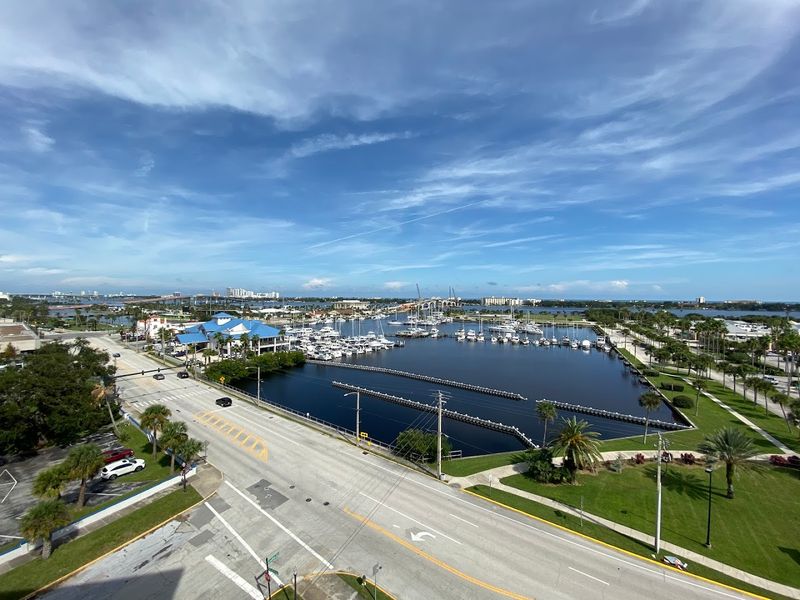
Daytona Beach represents something unique along the A1A corridor—it’s one of the few places in America where you can legally drive your vehicle right onto the sand. This tradition dates back to the early 1900s when racers tested their machines on the hard-packed beach.
Today, visitors still cruise along designated sections of shoreline, creating a distinctly Floridian experience.
The famous Daytona Beach Boardwalk area buzzes with activity year-round. Arcades, restaurants, and amusement rides line the oceanfront, while the iconic pier stretches far into the Atlantic.
Spring break crowds and motorcycle events bring intense energy at certain times, but the beaches remain expansive enough to find your own space.
North of Daytona, Ormond Beach offers a quieter alternative while maintaining easy beach access. The Tomoka Basin area features beautiful waterways perfect for kayaking and fishing.
Historic sites like the Ormond Memorial Art Museum add cultural depth to your visit. Both communities capture traditional beach town vibes that have defined Florida vacations for generations.
Flagler Beach: A Relaxed Coastal Escape Without the Crowds
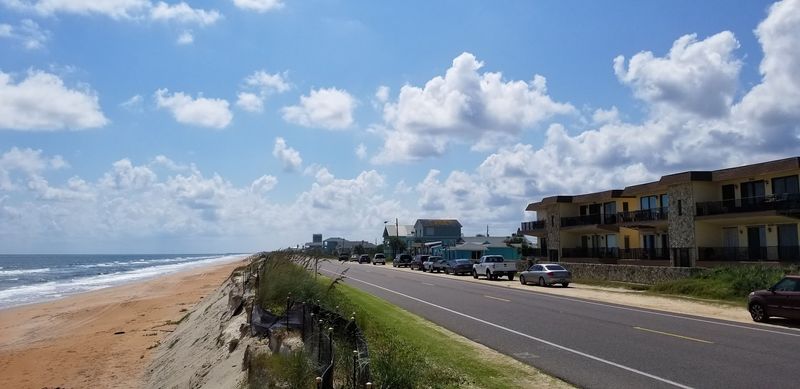
Small-town authenticity defines Flagler Beach, where A1A runs right along the ocean and local character hasn’t been erased by overdevelopment. The main attraction is the Flagler Beach Municipal Pier, painted in cheerful colors that match the town’s friendly personality.
Anglers line the pier rails while surfers paddle out on either side, creating a timeless coastal scene.
Restaurants here lean toward family-owned establishments serving fresh catches and cold drinks with ocean views. You won’t find many chain hotels or massive resorts cluttering the skyline.
Instead, small motels, vacation rentals, and beach cottages maintain the Old Florida atmosphere that has become increasingly rare. Parking directly along A1A gives you instant beach access.
Washington Oaks Gardens State Park sits just north of town, offering formal gardens and unique coquina rock formations along the shore. The contrast between manicured gardens and wild coastal landscape makes for excellent photography.
Flagler Beach proves you don’t need fancy attractions or tourist crowds to enjoy a perfect beach day. Sometimes the simple pleasures matter most.
Cocoa Beach and Cape Canaveral: Where Surfing Meets Space Exploration
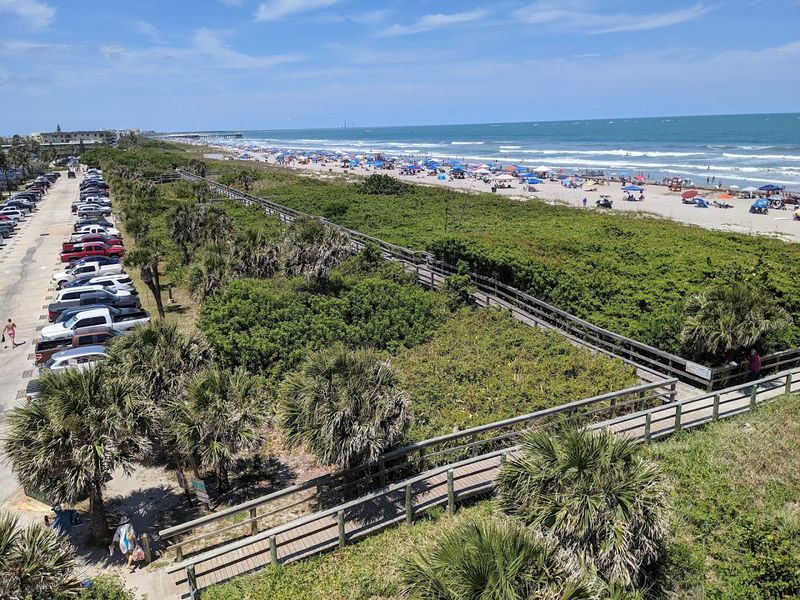
Cocoa Beach brings together two seemingly opposite worlds—the laid-back surf culture and cutting-edge space technology. The famous Cocoa Beach Pier has welcomed wave riders since 1962, and the area remains one of Florida’s top surfing destinations.
Ron Jon Surf Shop, a massive store open 24 hours, has become a landmark as recognizable as any attraction in the area.
Just minutes away, Kennedy Space Center Visitor Complex offers an entirely different kind of thrill. You can tour launch facilities, meet astronauts, and view actual spacecraft that traveled to the moon.
If your timing is right, witnessing a rocket launch from nearby beaches creates an unforgettable experience. The ground literally rumbles beneath your feet as rockets climb toward space.
Beyond surfing and space, this section of A1A provides access to the Banana River and Indian River Lagoon systems. These shallow waters host manatees, dolphins, and hundreds of bird species.
Kayaking tours let you explore protected areas where wildlife thrives. The combination of attractions makes this stretch of coastline appeal to incredibly diverse interests and age groups.
Vero Beach, Sebastian, and the Treasure Coast: Florida’s Natural Side
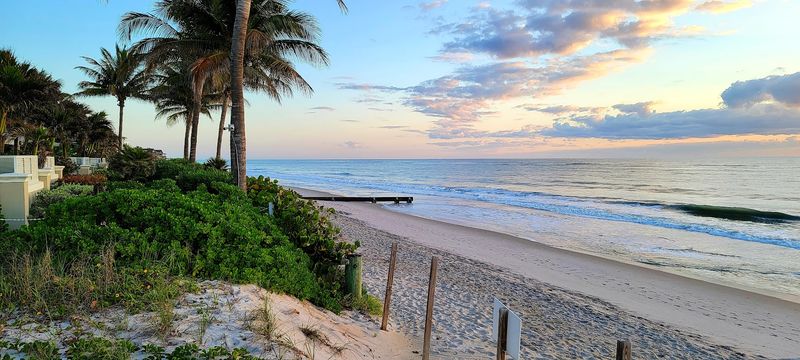
This quieter section of A1A earned the name Treasure Coast because Spanish ships carrying gold and silver sank offshore during a 1715 hurricane. Modern treasure hunters still search the waters, though most visitors today seek natural riches instead.
The pace slows noticeably here as development gives way to protected parks and wildlife areas.
Sebastian Inlet State Park stands out as a crown jewel along this route. The inlet itself attracts serious anglers who fish from shore, the jetties, or boats navigating the swift currents.
Surfers favor the waves near the inlet mouth, while kayakers explore calmer waters on the Indian River side. The park’s camping facilities let you fall asleep to the sound of waves and wake to stunning sunrises.
Vero Beach maintains an upscale yet relaxed atmosphere with beautiful residential areas, excellent restaurants, and art galleries. The town’s ocean-side parks provide easy beach access without commercial chaos.
Pelican Island National Wildlife Refuge, America’s first national wildlife refuge, sits just offshore. Bird watchers flock here year-round to observe wading birds, seabirds, and migrating species.
Jupiter and Palm Beach: Lighthouses, Luxury, and Coastal Beauty
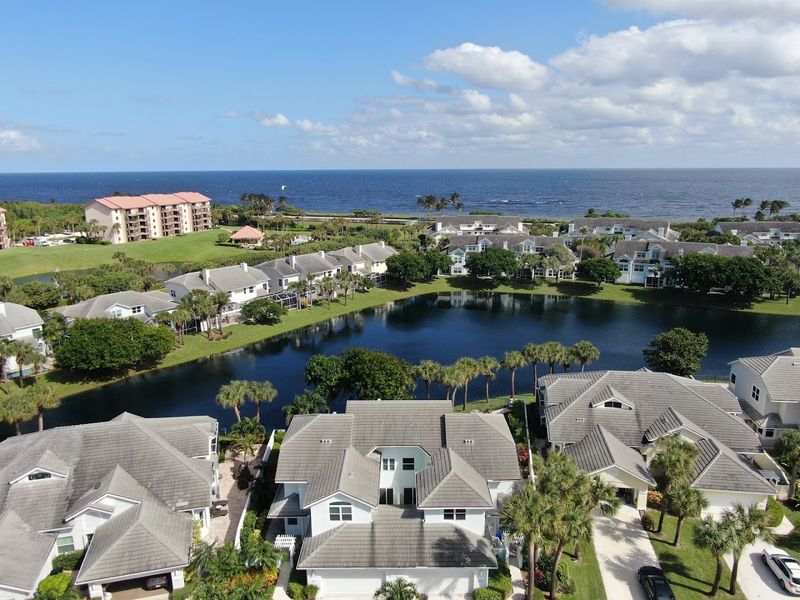
Jupiter introduces a different character to your A1A journey as Southeast Florida’s wealth and natural beauty intersect. The striking red Jupiter Inlet Lighthouse has guided mariners since 1860 and still operates today.
Climbing its 105 feet rewards visitors with panoramic views of the coastline, inlet, and surrounding nature preserves. The adjacent museum shares fascinating maritime history and local ecology.
Waterfront parks along Jupiter’s shore offer excellent wildlife viewing opportunities where manatees, sea turtles, and tropical fish congregate. The area maintains a surprising amount of preserved land despite its valuable real estate.
Kitesurfers and paddleboarders glide across the calm waters on windy days, adding colorful movement to the seascape.
Continuing south, Palm Beach represents one of Florida’s most famous addresses. While known for luxury estates and high-end shopping along Worth Avenue, the town also features stunning beaches open to all visitors.
A1A becomes a scenic drive past elegant architecture, perfectly manicured landscapes, and glimpses of oceanfront mansions. Even if opulent living isn’t your style, the coastal beauty and historic atmosphere make this section memorable.
Fort Lauderdale and Miami Beach: The Most Iconic Urban Sections of A1A
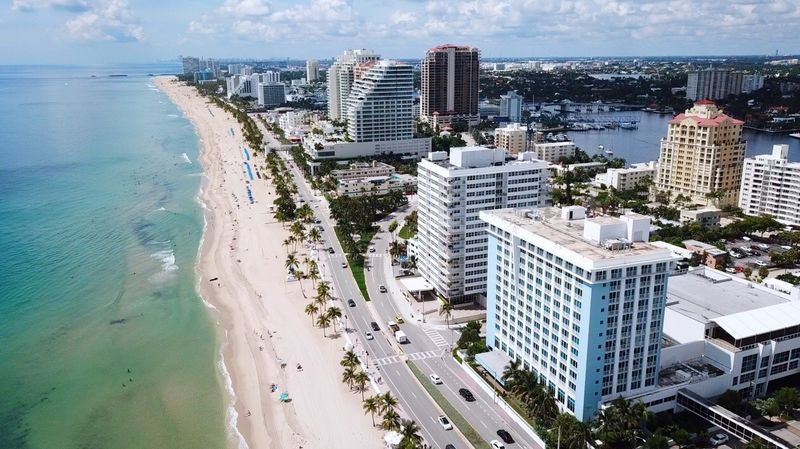
A1A transforms into an internationally famous boulevard as it passes through Fort Lauderdale and Miami Beach. Fort Lauderdale’s beachfront stretches for miles with a wide promenade perfect for jogging, cycling, or people-watching.
Beach volleyball courts, outdoor cafes, and waterfront restaurants create constant activity. The nearby Las Olas Boulevard area adds shopping, dining, and nightlife to your visit.
Miami Beach represents the grand finale of your A1A adventure. The Art Deco Historic District preserves over 800 buildings from the 1930s and 1940s, painted in cheerful pastels that have become iconic.
Ocean Drive buzzes with energy as outdoor diners, street performers, and cruising cars create a perpetual party atmosphere. South Beach’s fame brings both excitement and heavy crowds, especially on weekends.
Beyond the famous beaches, cultural attractions include world-class museums, performing arts centers, and diverse neighborhoods showcasing international influences. The urban energy here contrasts sharply with the quiet beach towns you passed earlier.
This dramatic shift reminds you how much diversity exists along A1A’s 338-mile journey from Victorian Fernandina Beach to cosmopolitan Miami.
Planning Your Florida A1A Road Trip: Best Stops, Timing, and Visitor Tips
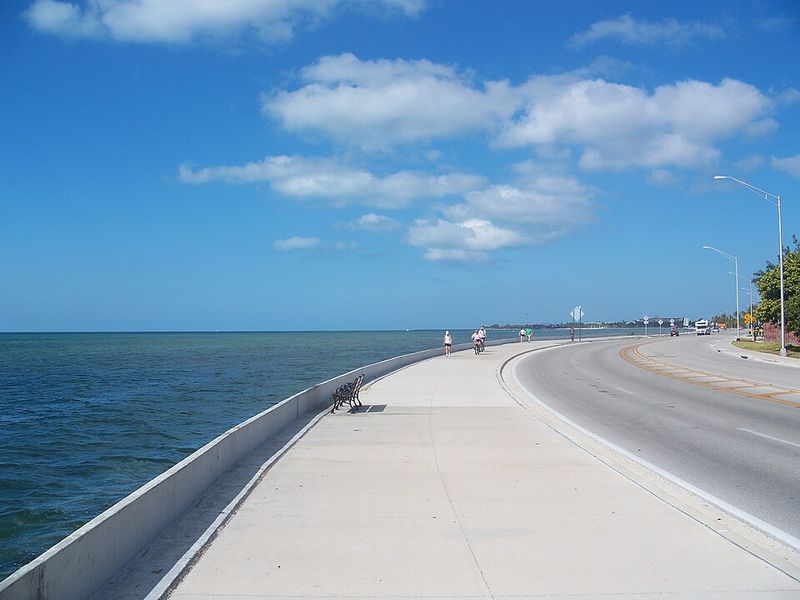
Driving the entire 338-mile A1A route requires several days to truly appreciate each destination. Most travelers choose either a full week to explore thoroughly or select specific sections matching their interests.
Spring and fall offer ideal weather with fewer crowds than summer. Winter attracts snowbirds and holiday visitors, while summer brings afternoon thunderstorms and peak tourist numbers.
Hurricane season runs June through November, with September and October presenting the highest risk. Check weather forecasts before your trip and remain flexible with plans.
Many coastal areas suffer parking challenges during busy periods, so arrive early at popular beaches. Some towns charge for beach parking while others offer free access.
Research each destination’s specific parking rules beforehand.
Fuel stations become less frequent between major towns, so fill up regularly. Budget hotels and chain motels line most of A1A, but booking ahead ensures better rates and availability.
Beach towns often have minimum stay requirements during holidays. Sunrise views along A1A are spectacular—the Atlantic coast faces east, making dawn particularly beautiful.
Pack beach essentials, but remember most communities have shops for anything forgotten.