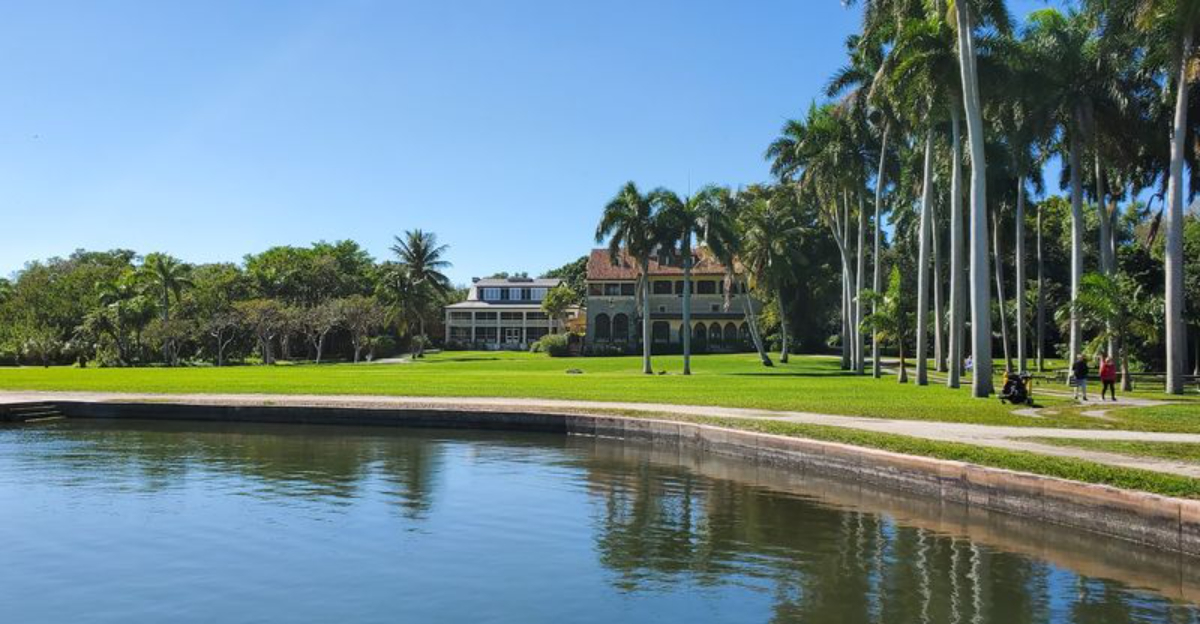
Tucked along the edge of Biscayne Bay in Miami, the Deering Estate is one of South Florida’s most fascinating hidden treasures. Spread across 444 acres, this remarkable property combines breathtaking natural landscapes with two stunning historic mansions built in the early 1900s.
What makes it even more extraordinary is that archaeologists have uncovered prehistoric human remains and ancient animal bones right on the grounds. Whether you love history, nature, or just a peaceful escape from the city, Deering Estate has something truly special waiting for you.
The Richmond Cottage: Miami’s Oldest Surviving Frame Structure
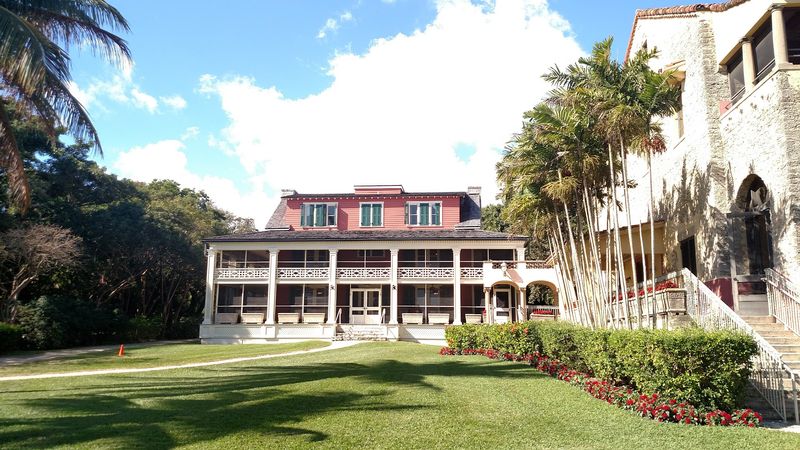
Standing quietly on the grounds of the Deering Estate is a building that outlasted storms, developers, and more than a century of Florida history — the Richmond Cottage. Built around 1896, it holds the distinction of being the oldest surviving frame structure in Miami-Dade County, which is pretty remarkable when you think about how much this region has changed over the past hundred years.
When Charles Deering purchased the property in 1916, this humble wooden building was already on the land. Rather than tearing it down, he kept it and incorporated it into his growing estate.
The cottage served as a hotel of sorts during South Florida’s early pioneering days, welcoming travelers along the shoreline before Miami became the bustling city it is today.
Visitors who tour the Richmond Cottage today can step inside rooms decorated with period-appropriate furnishings that reflect late 19th-century Florida life. The wooden floors, simple architecture, and old-fashioned details make the experience feel genuinely immersive.
Guides share fascinating stories about who passed through these walls and what daily life looked like back then.
If you are planning a visit to Deering Estate, 16701 SW 72nd Ave, Miami, FL, make the Richmond Cottage your first stop. Its quiet charm sets the perfect tone for everything else you will discover on the property.
The Stone House: A Mediterranean Revival Masterpiece on the Bay
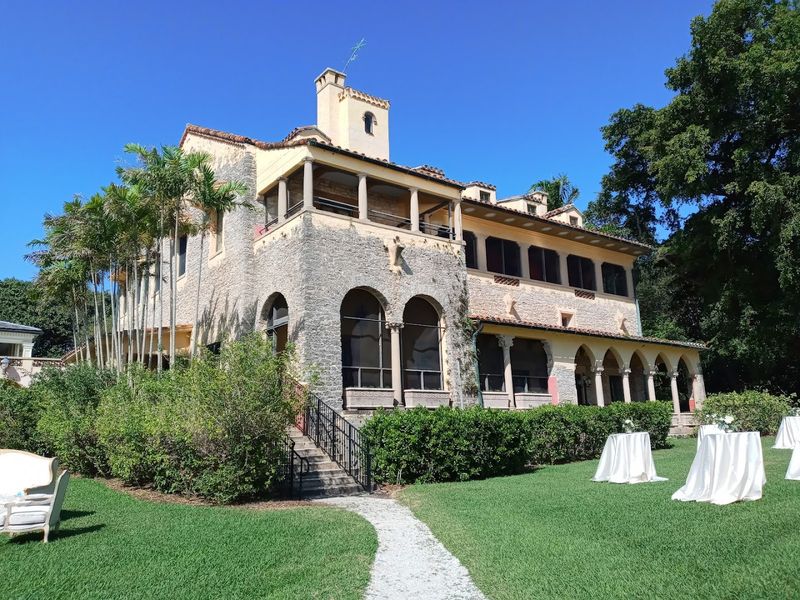
Few buildings in Miami carry the visual drama of the Stone House at Deering Estate. Completed in 1922, this Mediterranean Revival mansion was designed by Phineas Paist, a respected architect of the era, and constructed using oolitic limestone — a porous, honey-colored rock quarried right from South Florida’s landscape.
The result is a structure that feels as though it literally grew out of the earth beneath it.
Charles Deering spared no expense when commissioning this grand home. The interior features a wine cellar, a grand dance hall with soaring ceilings, and rooms filled with antique furnishings that reflect the taste of a wealthy art collector.
Deering was passionate about European art and culture, and the Stone House was his way of bringing that world to the Florida wilderness.
The building sits right at the edge of Biscayne Bay, giving it sweeping water views that still take visitors’ breath away. During special holiday events, the rooms are decorated with elaborate themed displays that make exploring each space feel like unwrapping a gift.
Note that the Stone House has been undergoing renovation, so interior access may be limited during your visit to Deering Estate, 16701 SW 72nd Ave, Miami, FL. Always check their website before heading out.
The Mangrove Boardwalk: A Hidden Trail Through Florida’s Coastal Wilderness
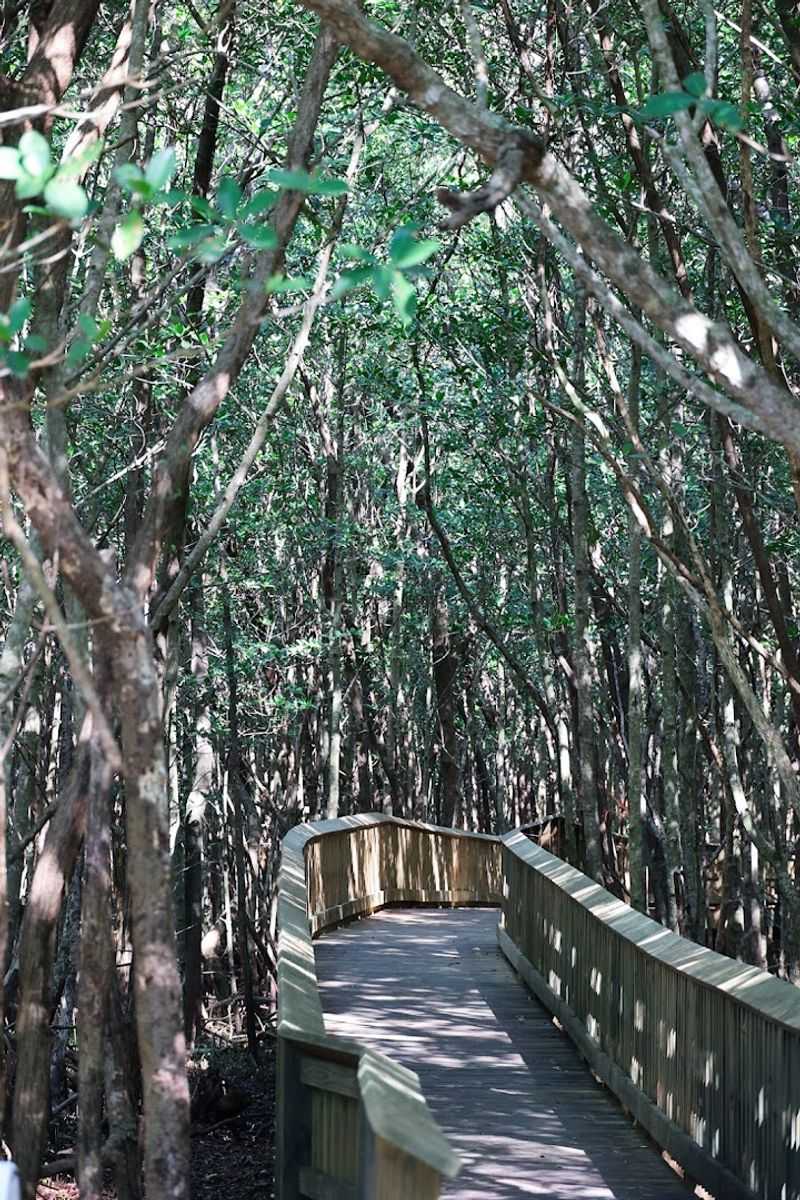
Hidden at the edge of the Deering Estate property is one of Miami’s most peaceful walking experiences — a wooden boardwalk that winds through a dense mangrove forest right along the shoreline. Many visitors walk past the historic buildings without realizing this trail even exists, which makes stumbling upon it feel like a genuine discovery.
Mangroves are remarkable trees. Their tangled roots reach down into saltwater, creating sheltered nurseries for fish, crabs, and other marine life.
Walking above them on the elevated boardwalk, you get a bird’s-eye view of this underwater world without disturbing it. The sounds of the city completely disappear here, replaced by rustling leaves, lapping water, and the occasional splash of something moving just below the surface.
Birdwatchers absolutely love this trail. Herons, egrets, anhingas, and roseate spoonbills have all been spotted along the mangrove walk, and the canopy provides welcome shade during Miami’s famously hot afternoons.
Multiple reviewers have called it a hidden gem within an already hidden gem.
Pack comfortable walking shoes and bring water when exploring the mangrove boardwalk at Deering Estate, 16701 SW 72nd Ave, Miami, FL. There are no food or drink vendors on the property, so coming prepared makes the experience much more enjoyable and lets you linger as long as you like.
444 Acres of Diverse Ecosystems: From Hardwood Hammocks to Pine Rocklands
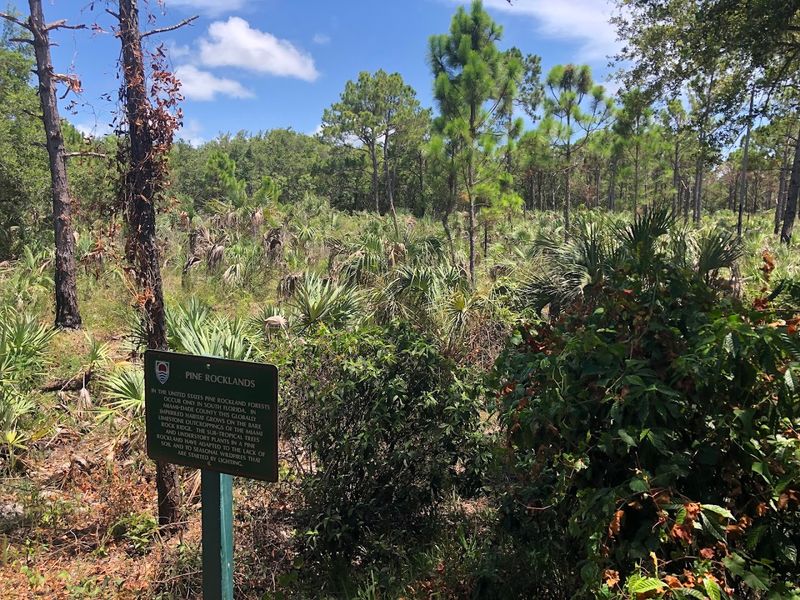
Most people think of Miami as a concrete jungle, but Deering Estate flips that idea completely upside down. Stretching across 444 acres, the property contains a remarkable variety of South Florida ecosystems packed into one continuous preserve.
Hardwood hammocks, pine rocklands, coastal wetlands, mangrove forests, and open bay shoreline all coexist here within walking distance of each other.
Each ecosystem supports its own community of plants and animals. The hardwood hammock — a dense tropical forest of gumbo limbo, mahogany, and strangler fig trees — provides habitat for dozens of bird species and small mammals.
Pine rocklands, one of the rarest plant communities in the world, grow in thin soil over exposed limestone and support wildflowers found almost nowhere else on Earth.
Nature trails crisscross the property, allowing visitors to move between ecosystems and experience the full range of what South Florida’s natural landscape has to offer. Guided tours led by knowledgeable staff bring these environments to life with stories about ecology, conservation, and the challenges of preserving wild land in an urban setting.
Spending time in these ecosystems at Deering Estate, 16701 SW 72nd Ave, Miami, FL feels restorative in a way that is hard to describe. The sheer variety of life packed into this one property reminds you why natural preservation matters so deeply for communities and future generations alike.
Charles Deering: The Wealthy Art Collector Who Built a Legacy in the Wild
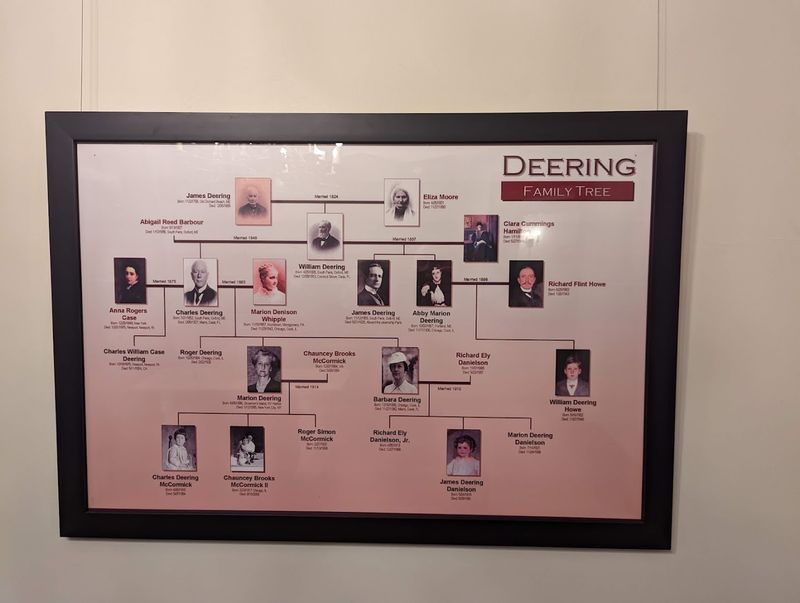
Behind every great estate is a fascinating person, and Charles Deering is no exception. Born in 1852 into one of America’s most prominent industrial families, Deering was heir to the International Harvester fortune.
But unlike many wealthy men of his era who collected status symbols, Charles had a genuine passion for art, nature, and preservation that shaped everything he built at this Miami property.
He purchased the land in 1916 and immediately began transforming it into a personal paradise that blended cultural refinement with Florida’s wild beauty. Deering was an accomplished art collector who amassed an impressive collection of European paintings and decorative arts, many of which were displayed inside the Stone House.
He also had a deep respect for the natural landscape, choosing to preserve large portions of the property rather than develop them.
What makes Charles Deering especially interesting is that he was not just a passive owner. He was hands-on, involved in the design of the Stone House, the layout of the gardens, and the care of the land.
His vision of a private sanctuary that honored both culture and nature was decades ahead of its time.
Learning about Charles Deering during a visit to Deering Estate, 16701 SW 72nd Ave, Miami, FL adds enormous depth to everything you see. His story transforms the buildings and grounds from mere structures into a living portrait of one extraordinary man’s dream.
Ghost Tours and Sunrise Events: Unique Experiences Beyond the Daytime Visit
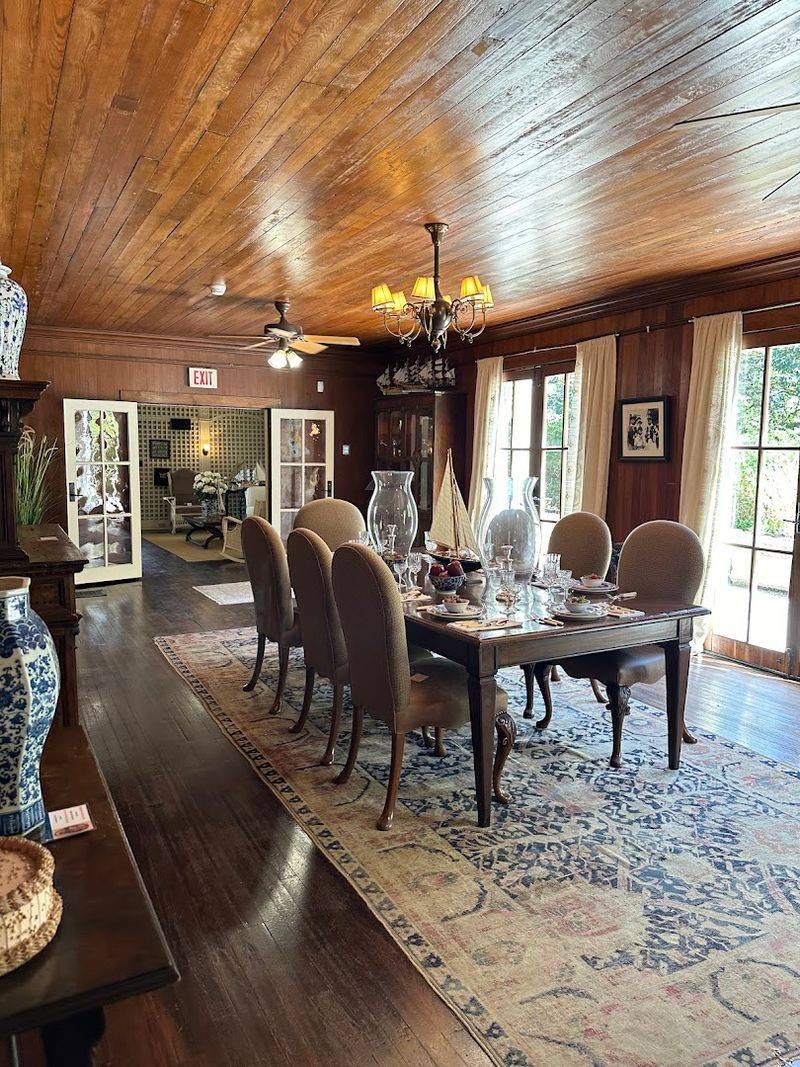
Not every historic estate offers ghost tours, but Deering Estate leans into its mysterious reputation with enthusiasm. Every September and October, the property hosts evening ghost tours that run from 7:30 PM to 9:30 PM, taking small groups through the darkened grounds and buildings while guides share spine-tingling stories rooted in the estate’s long and layered history.
Reviewers consistently call these tours a highlight of Miami’s fall calendar.
On the opposite end of the mood spectrum, the sunrise events are pure magic. Held roughly six times a year, these early-morning gatherings invite visitors to watch the sun rise over Biscayne Bay from one of the most scenic vantage points in all of South Florida.
Birds fill the trees, the air is cool, and the golden light reflecting off the water creates a scene that feels almost impossibly beautiful for a major metropolitan area.
Both experiences require advance registration and sell out quickly, so joining the estate’s membership or mailing list is highly recommended to catch notifications early. The sunrise events in particular have developed a devoted following among Miami locals who return year after year.
Planning a special outing to Deering Estate, 16701 SW 72nd Ave, Miami, FL around one of these events transforms a standard museum visit into something genuinely memorable. Check their official website at deeringestate.org for upcoming dates and ticket availability.
Biscayne Bay Views and Waterfront Grounds: A Shoreline Like No Other in Miami
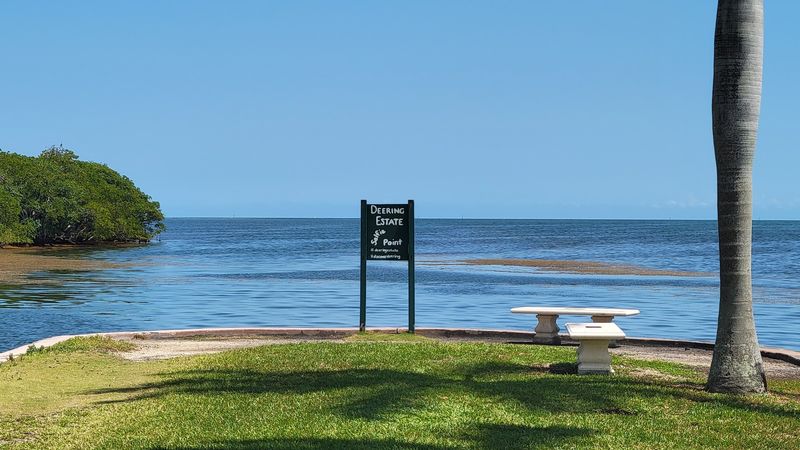
Standing at the edge of the Deering Estate’s waterfront and gazing out over Biscayne Bay is one of those experiences that quietly reminds you why people fall in love with South Florida. The bay stretches wide and glittering to the horizon, framed by tropical vegetation and the stone facade of the historic mansion.
It is the kind of view that makes you want to sit down, breathe slowly, and just take it all in.
The estate’s position directly on the bay is not accidental. Charles Deering chose this location specifically for its waterfront access and natural beauty, and the grounds were designed to maximize those views from multiple vantage points.
Picnic tables are scattered across the waterfront lawn, and visitors are welcome to bring their own food and enjoy a meal with one of the finest bay views in all of Miami-Dade County.
Weddings, vow renewals, and private events are regularly held here, taking advantage of the dramatic combination of historic architecture and open water. One reviewer described watching friends renew their vows with the ocean as a backdrop as a truly unforgettable afternoon.
When visiting Deering Estate, 16701 SW 72nd Ave, Miami, FL, carve out time to simply sit by the water. No tour guide, no agenda — just the bay, the breeze, and the beautiful sense of being somewhere genuinely special in the heart of Miami.
The Deering Estate’s Art Collection: Fine Works Displayed in a Historic Setting
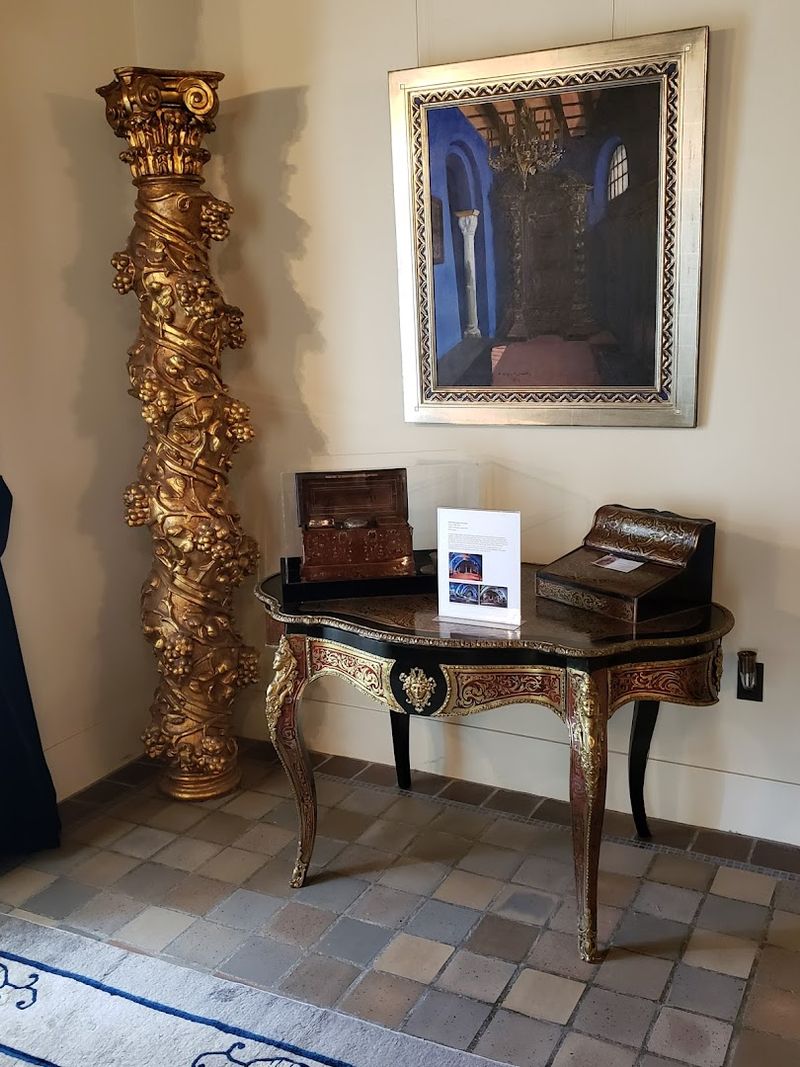
Charles Deering wasn’t just a businessman — he was a passionate art collector with a sharp eye for quality. Throughout his lifetime, he assembled an impressive collection of paintings, sculptures, and decorative objects, many of which are connected to the estate’s history and restoration efforts today.
Walking through the Stone House feels like stepping into a private museum. The artworks on display reflect Deering’s travels, relationships with European artists, and deep appreciation for beauty.
His friendship with painter John Singer Sargent is particularly well-documented. Seeing fine art displayed in its original historic context, rather than a sterile gallery, makes the experience feel personal and alive.
Native Wildlife Beyond Manatees: Birds, Deer, and Rare Species Roaming the Estate
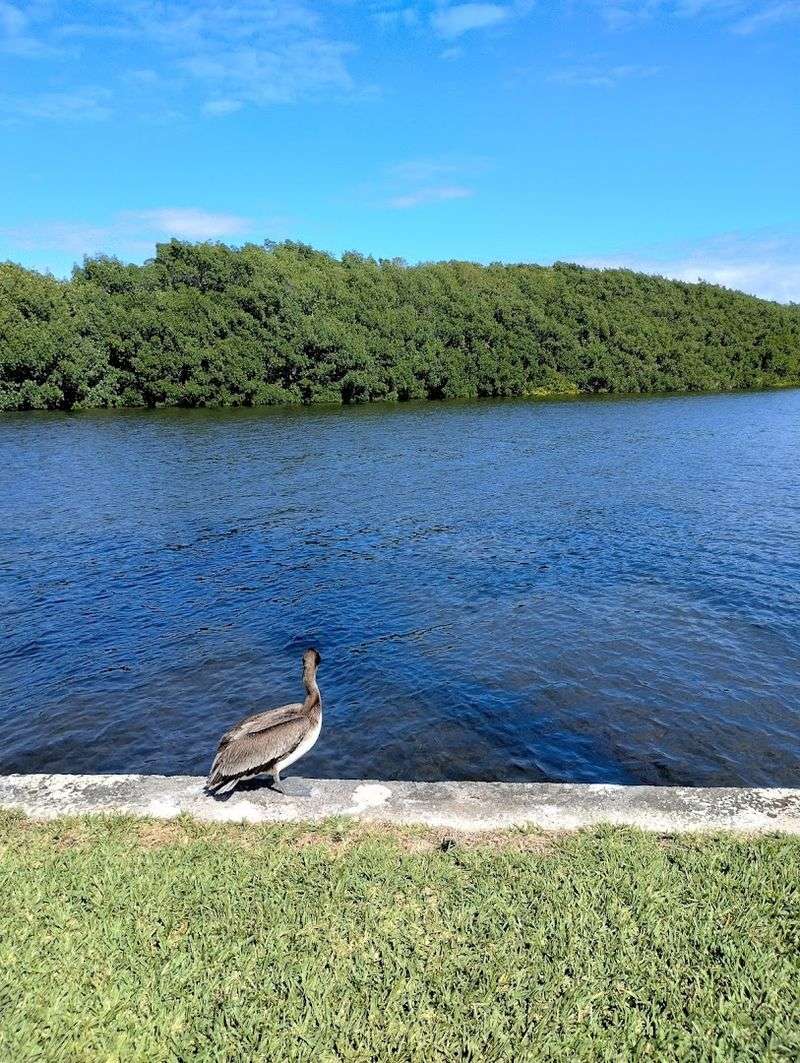
Most visitors come hoping to spot a manatee, but the Deering Estate quietly shelters an entire cast of wild neighbors that many people never expect to find this close to Miami. White-tailed deer wander through the hammocks at dawn, barely noticing the humans nearby.
Birdwatchers have logged over 150 species on the property, including roseate spoonbills, ospreys, and the occasional peregrine falcon passing through during migration season. The estate sits along a key flyway, making autumn visits especially rewarding.
Gopher tortoises, listed as a threatened species in Florida, also make their burrows here. Spotting one slowly crossing a trail is a genuinely memorable moment.
Photography Opportunities at the Estate: Where History and Nature Frame Every Shot
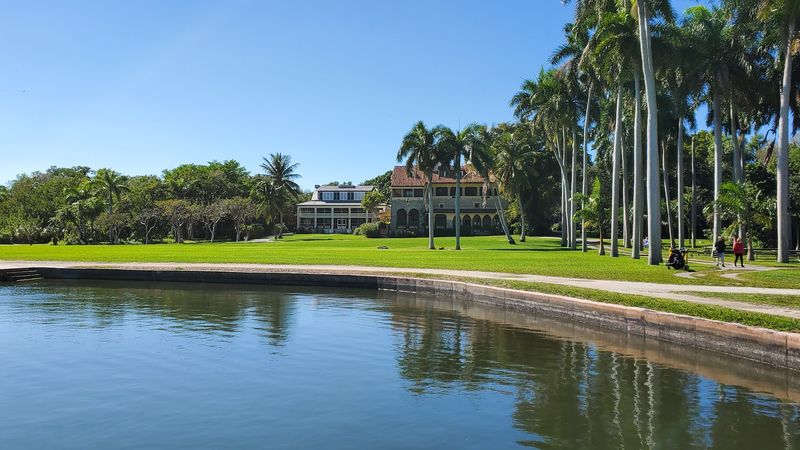
Few places in Miami offer photographers such a rich variety of subjects within a single property. From the ornate arches of the Stone House catching the golden hour light to great blue herons standing motionless along the shoreline, nearly every corner of the estate rewards a patient eye.
The contrast between the weathered wood of the Richmond Cottage and the surrounding tropical greenery creates a naturally cinematic backdrop. Film photographers especially love the warm, diffused light that filters through the hammock canopy in the early morning.
Permit requirements apply for professional shoots, so check the estate’s website before arriving with commercial equipment. Casual photography is always welcome.