
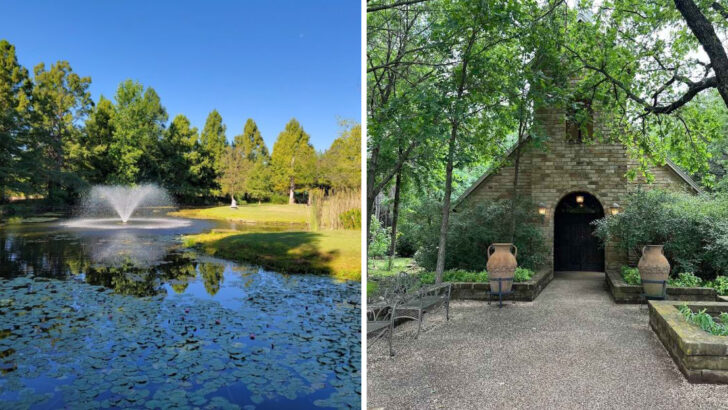
Nestled just west of Fort Worth, Clark Gardens Botanical Park is one of Texas’s best-kept secrets — a sprawling 50-acre wonderland filled with blooming flowers, peaceful lakes, and some truly unexpected surprises.
From cascading waterfalls and a sandstone chapel to a miniature train that winds through the landscape, this place offers something magical for every visitor.
Whether you love nature, history, or just need a quiet escape from city life, Clark Gardens delivers an unforgettable experience.
Read on to discover what makes this North Texas gem so special.
A Hidden Botanical Oasis in North Texas
Some places feel like they exist in their own little world, completely removed from the noise and rush of everyday life. Clark Gardens Botanical Park is exactly that kind of place.
Tucked between the small towns of Weatherford and Mineral Wells, this 50-acre park sits about 20 minutes west of Fort Worth, making it an easy getaway from the Dallas–Fort Worth metro area.
The gardens were designed to showcase plants that actually thrive in North Texas’s climate — no tropical exotics that wilt in the summer heat. Instead, visitors find hardy trees, native wildflowers, and carefully maintained landscapes that look stunning year-round.
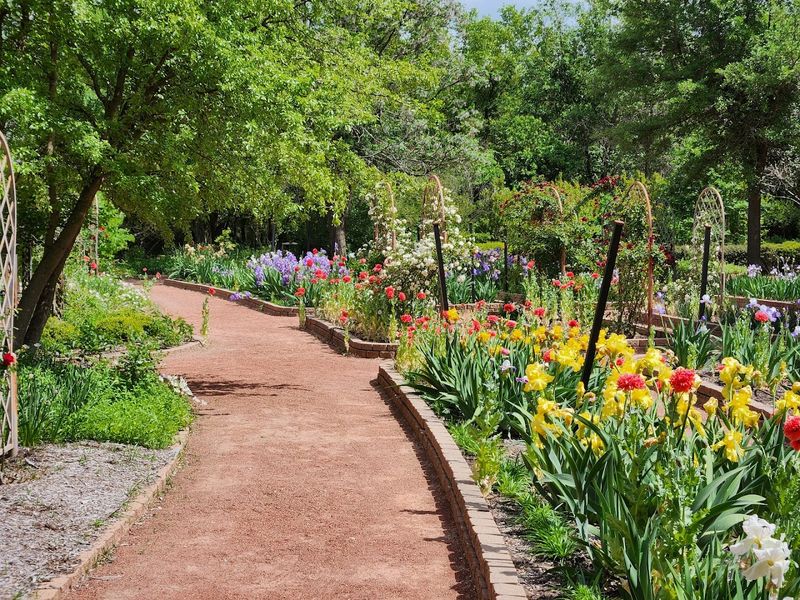
Wide, well-maintained walking paths connect different sections of the park, making exploration feel effortless.
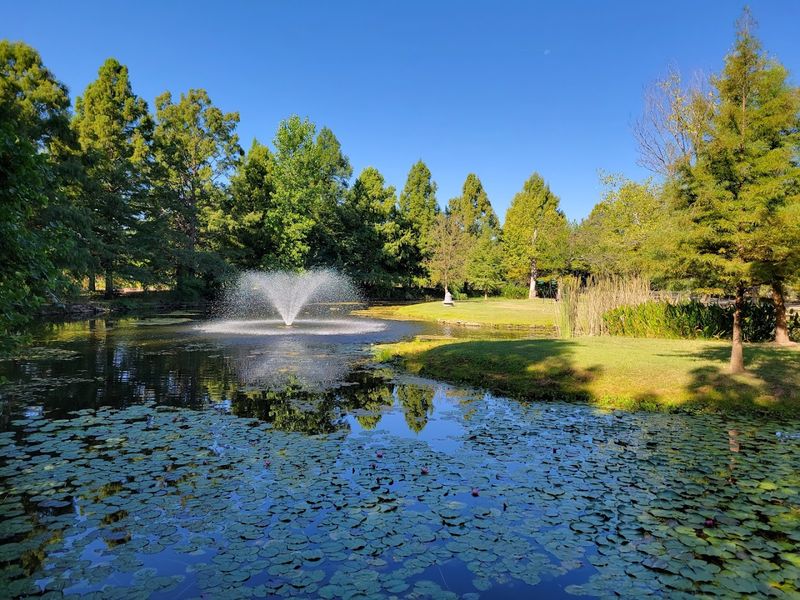
What really sets Clark Gardens apart is how much there is to discover across its grounds. Lakes shimmer in the sunlight, garden beds burst with seasonal color, and quiet corners invite visitors to slow down and breathe.
For anyone living in the DFW area who has never visited, this park is a genuine surprise waiting to happen. It proves that world-class beauty does not always require a long road trip — sometimes it is just down the highway.
The Vision of Founders Max and Billie Clark
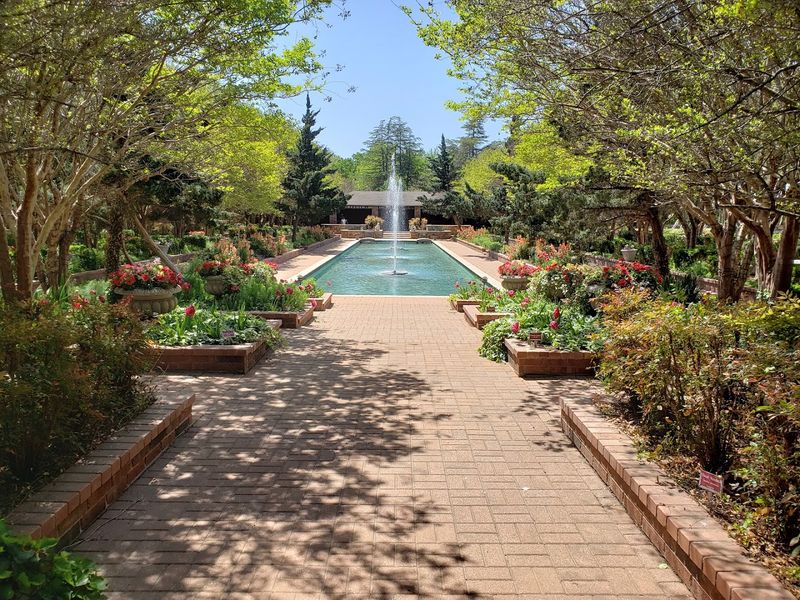
Back in the late 1960s, Max and Billie Clark looked out at a rough, scrubby mesquite pasture and saw something most people would never imagine — a botanical paradise. That vision took decades of backbreaking work, unwavering dedication, and a whole lot of soil to bring to life.
The Clarks did not just plant a garden; they essentially built an entirely new landscape from the ground up.
Mesquite pastureland is not exactly prime gardening territory. The Clarks had to import massive amounts of soil, haul in rocks, and plant thousands of trees, shrubs, and flowers over the years.
What started as a personal passion project slowly transformed into something far larger than either of them had originally planned.
By the year 2000, the gardens had grown impressive enough to open to the public, welcoming visitors from across Texas and beyond. The Clarks’ story is a reminder that great things are built slowly, with patience and love.
Every winding path and blooming flower bed at Clark Gardens carries a piece of their original dream. Visiting the park today feels like walking through a living tribute to two people who refused to see limits where others saw only dirt and thorns.
Waterfalls, Lakes, and Serene Garden Landscapes
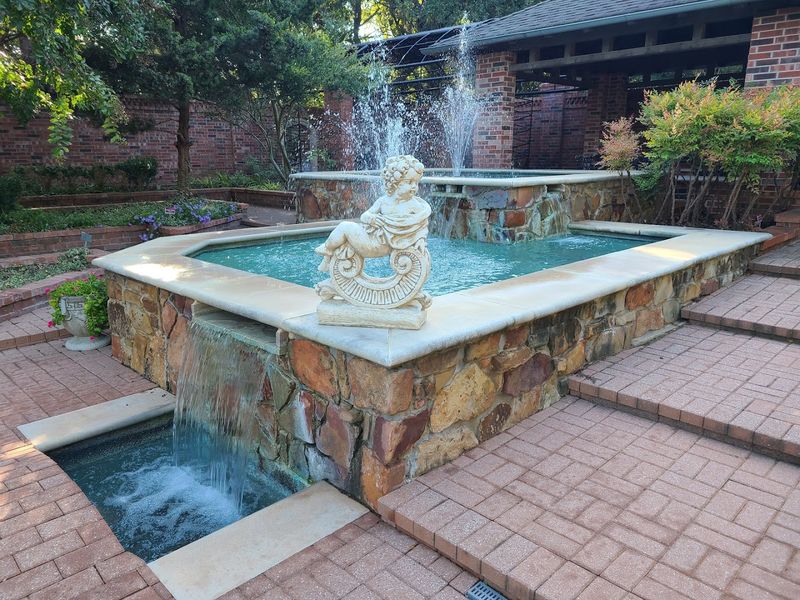
There is something almost hypnotic about the sound of moving water in the middle of a garden. At Clark Gardens, that sound is never far away.
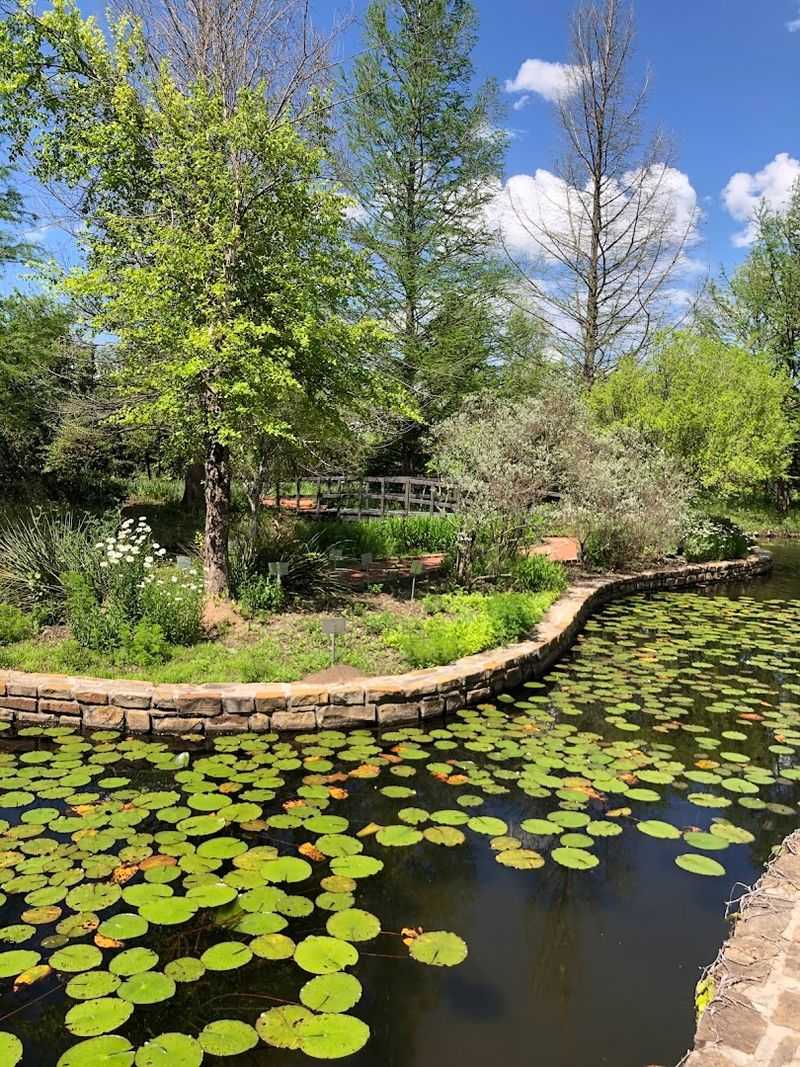
A series of waterfalls tumbles into ponds and small lakes throughout the property, creating a calm, almost meditative atmosphere that visitors immediately notice when they step onto the grounds.
The water features are not just decorative — they attract real wildlife. Swans glide gracefully across the lakes, ducks paddle near the shoreline, and herons stand perfectly still in the shallows waiting for fish.
Watching these animals in a setting this beautiful feels like stumbling into a nature documentary.
Stone pathways wind alongside the water, giving visitors a chance to pause and take in the reflections of sky and trees on the surface of the ponds. Seasonal plantings around the lakes ensure that something new is always blooming nearby, from spring irises to summer perennials to fall foliage.
The combination of flowing water, wildlife, and carefully chosen plants creates a layered sensory experience that photographs beautifully but feels even better in person. Honestly, just sitting on a bench beside one of these lakes for ten minutes can feel more refreshing than a whole weekend of scrolling through social media.
The Iconic Sandstone Chapel
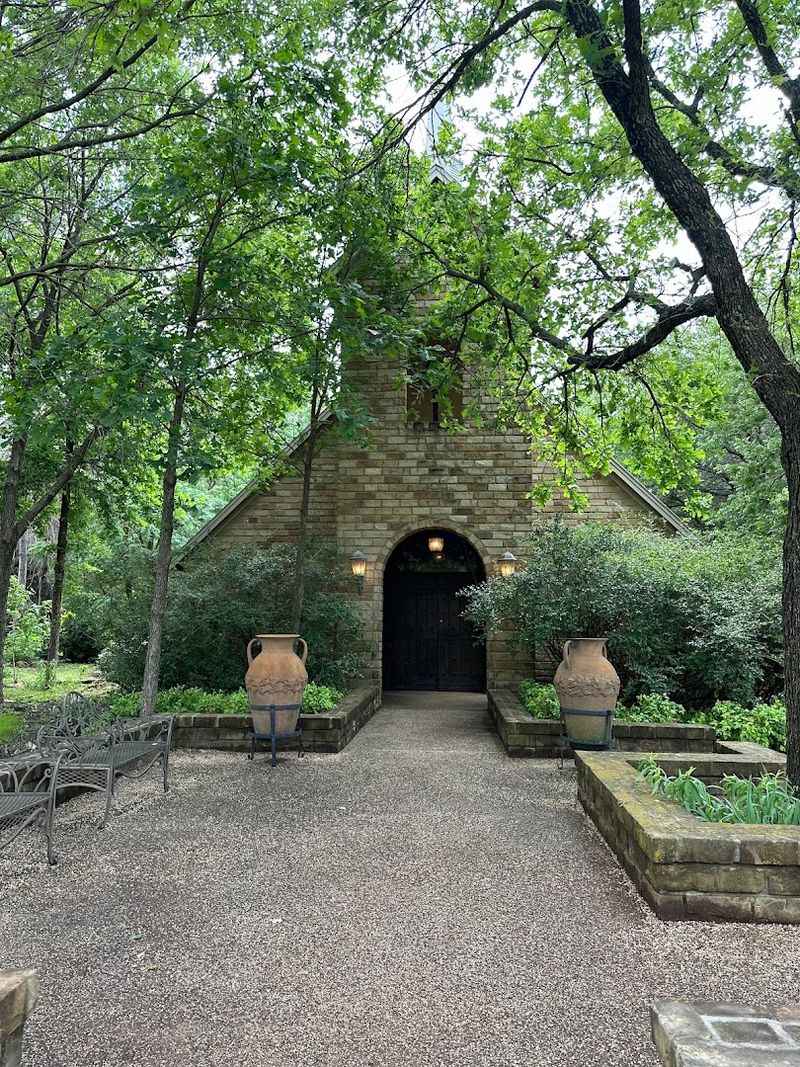
Few spots at Clark Gardens stop visitors in their tracks quite like the sandstone chapel. Perched among the gardens with blooming flowers on all sides and the gentle sound of nearby fountains, this small chapel looks like something straight out of a fairy tale.
It is no surprise that couples travel from across Texas to get married here.
The chapel was built using warm-toned sandstone that blends naturally into the surrounding landscape, giving it a timeless, almost ancient feel. Whether bathed in morning light or glowing softly at dusk, the structure photographs beautifully from nearly every angle.
Photographers love it, wedding planners recommend it, and first-time visitors almost always stop to snap a picture.
Beyond weddings, the chapel serves as a peaceful spot for quiet reflection. Visitors often pause here during their walks through the garden, taking a moment to sit and appreciate the surroundings.
The gardens immediately around the chapel are among the most meticulously maintained on the property, featuring flowering plants chosen to complement the chapel’s warm stone tones throughout the seasons. If there is one spot at Clark Gardens that captures the spirit of the entire park — beautiful, carefully crafted, and genuinely moving — the sandstone chapel is probably it.
The Miniature G-Scale Garden Railroad
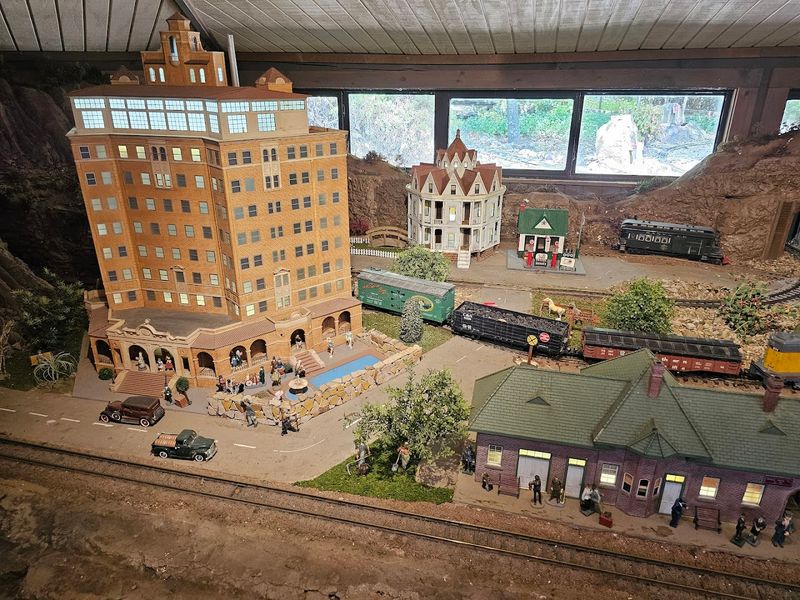
Ask any kid what their favorite part of Clark Gardens is, and there is a very good chance the answer involves a train. The G-scale garden railroad at Clark Gardens is one of the most charming and unexpected attractions in the entire park, and honestly, adults love it just as much as children do.
G-scale trains are the largest common model train size, which means these miniature locomotives are substantial enough to really appreciate up close. The tracks stretch hundreds of feet through the garden, winding past tiny towns, crossing miniature bridges, and disappearing into small tunnels before emerging again on the other side.
The scenes along the route are designed to recreate historic moments and settings from the region, giving the display both entertainment value and a touch of local history.
Train enthusiasts will especially appreciate the level of detail that goes into maintaining and operating the railway. The landscaping around the tracks is kept tidy and purposeful, with small plantings scaled to complement the miniature world rolling through them.
The railroad runs during select times of the year, so checking the schedule before visiting is a smart move. Whether you are a lifelong model train fan or just someone who appreciates clever craftsmanship, this display is genuinely worth seeking out.
A Nationally Recognized Iris Garden
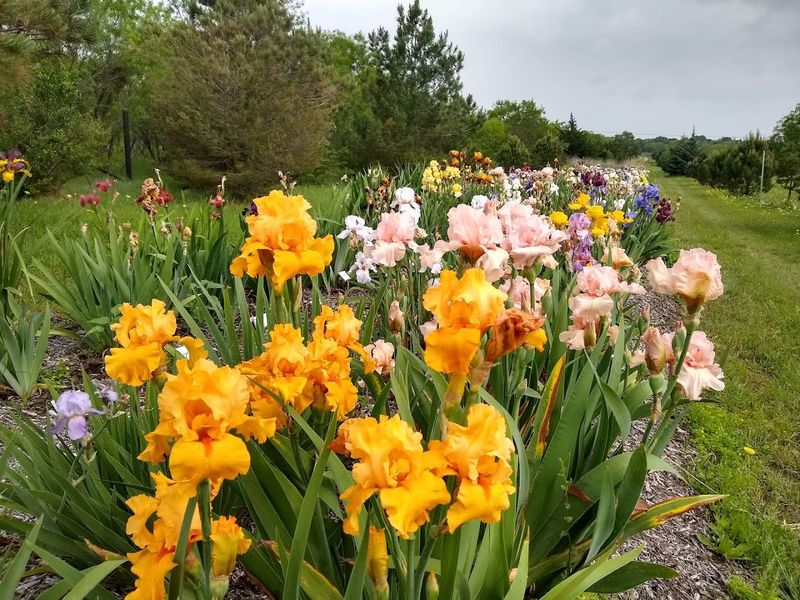
Every spring, something remarkable happens at Clark Gardens. Thousands of iris plants burst into bloom simultaneously, transforming entire sections of the park into a breathtaking tapestry of purple, yellow, white, and deep burgundy.
For a few glorious weeks, the iris garden becomes the undisputed star of the property.
Clark Gardens has built a reputation as one of the top iris destinations in the country, and horticultural groups have taken notice. The collection includes an impressive range of varieties, from classic tall bearded irises to smaller species types, giving visitors a chance to see just how diverse this flower family truly is.
Serious gardeners often visit specifically to take notes and find new varieties they want to grow at home.
Timing a visit to catch peak iris season is worth the effort. The bloom period can vary slightly depending on weather, but late March through April is generally the sweet spot for North Texas.
Arriving on a clear morning when the light is soft and the colors are vivid makes for an almost unreal experience. Even visitors who have never given irises much thought before tend to leave the garden with a newfound appreciation for this elegant, surprisingly tough flower that thrives beautifully in the Texas climate.
The Historic Tree Trail
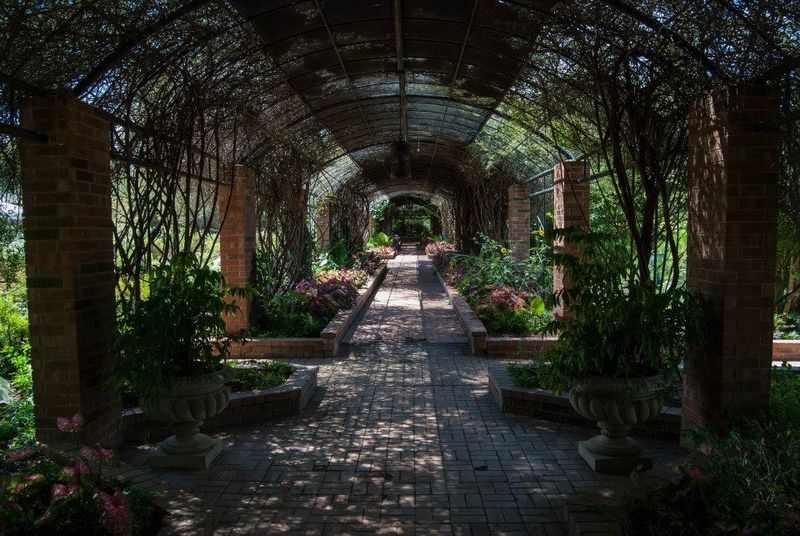
What if you could stand in the shade of a tree descended from one growing at the Alamo? At Clark Gardens, that is not a hypothetical — it is a real experience waiting along the Historic Tree Trail.
This fascinating section of the park features dozens of trees grown from seeds or cuttings taken from some of the most famous trees in American history.
The trail reads almost like a living history textbook. Visitors can find trees connected to Gettysburg, the Alamo, and even a willow tree with ties to Napoleon Bonaparte.
Each tree comes with information about its historical connection, turning a simple walk through the park into an unexpectedly educational adventure. It is the kind of exhibit that makes you stop and think about how much history a single tree can carry.
For school groups and history lovers, the Historic Tree Trail is a genuine highlight. Children who might not normally get excited about trees suddenly become curious when they learn about the stories attached to them.
There is something quietly powerful about touching bark that shares DNA with trees that witnessed pivotal moments in history. The trail is well-marked and easy to navigate, making it one of the most rewarding and thought-provoking walks in the entire garden.
Wildlife, Walking Paths, and Seasonal Beauty
Peacocks wandering freely through a botanical garden is not something most people expect to encounter on a Tuesday afternoon, but at Clark Gardens, it is just part of the experience. These magnificent birds roam the property with impressive confidence, occasionally fanning their feathers in a display that stops passersby dead in their tracks.
Beyond peacocks, the gardens support a rich variety of wildlife throughout the year. Swans and ducks inhabit the lakes, butterflies drift between flower beds, and migratory birds use the park as a stopover during their seasonal journeys.
Birdwatchers regularly visit with binoculars in hand, hoping to spot something new on the property’s growing species list.
The walking paths at Clark Gardens are designed to be accessible to a wide range of visitors, including those using wheelchairs or strollers. Smooth, well-maintained surfaces connect different sections of the park without requiring any serious physical effort.
Seasonal changes keep the experience fresh no matter when you visit — spring brings explosions of color, summer reveals lush green canopies, autumn offers warm foliage tones, and even winter has its own quiet charm. Planning multiple visits across different seasons is genuinely rewarding, because Clark Gardens looks and feels like an entirely different place depending on the time of year.
Festivals, Tours, and Events Throughout the Year
Clark Gardens is not just a place to walk quietly through flower beds — it is a full-fledged event destination that stays busy throughout the calendar year. Seasonal festivals celebrate the park’s most spectacular bloom periods, drawing crowds who come specifically to experience the gardens at their peak.
These events often feature live music, vendors, and educational activities that make the visit feel like a proper celebration.
Guided cart tours are a popular option for visitors who want a more structured experience. Knowledgeable guides lead groups through the property, sharing stories about the garden’s history, the plants on display, and the wildlife that calls the park home.
For first-time visitors especially, a guided tour can provide context that makes the self-guided walk afterward feel much richer.
The park also serves as a venue for private events, including weddings, corporate gatherings, and school field trips. Multiple pavilions and outdoor spaces can accommodate groups of varying sizes, and the staff is experienced at helping event planners make the most of the stunning natural setting.
If you are looking for a unique and memorable location for a special occasion in the DFW area, Clark Gardens offers something that a hotel ballroom simply cannot replicate. Checking the events calendar before visiting is always a good idea.
Essential Visitor Information for Clark Gardens
Planning a trip to Clark Gardens does not require much effort, but a little preparation goes a long way toward making the visit smooth and enjoyable. The park is located at 567 Maddux Road in Weatherford, Texas, roughly 20 minutes west of Fort Worth via Interstate 20.
The drive is straightforward and parking on site is available for visitors.
Admission fees apply, and the gardens operate on seasonal hours that can vary throughout the year. Checking the official Clark Gardens website before heading out is the smartest first step — it will confirm current hours, upcoming events, and whether the model trains are running on the day you plan to visit.
The G-scale railroad operates during select periods, so timing your trip accordingly is worth the extra planning.
Comfortable walking shoes are strongly recommended, along with sunscreen and water during the warmer months. The park is largely outdoors, and Texas summers can be intense.
Mornings tend to be cooler and less crowded, making them the ideal time to arrive. Photography enthusiasts should bring their cameras, because nearly every corner of the property offers a compelling shot.
Whether you are visiting solo, with a partner, or bringing the whole family, Clark Gardens rewards every type of visitor with something genuinely worth remembering.