
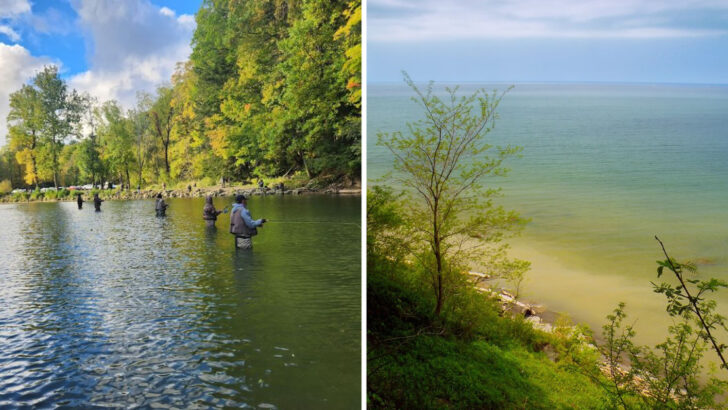
You can still find a slice of Lake Erie that feels wild, quiet, and shaped by wind instead of crowds. Erie Bluffs State Park keeps amenities minimal and the views unforgettable, with bluff-top overlooks and a pebbled shoreline that changes by the hour.
Trails roll through meadows and hardwoods until the lake suddenly appears like a silver stage. If you want solitude, big skies, and the kind of calm that sticks, this is your place.
Bluff-Top Views on the Bluffs Trail
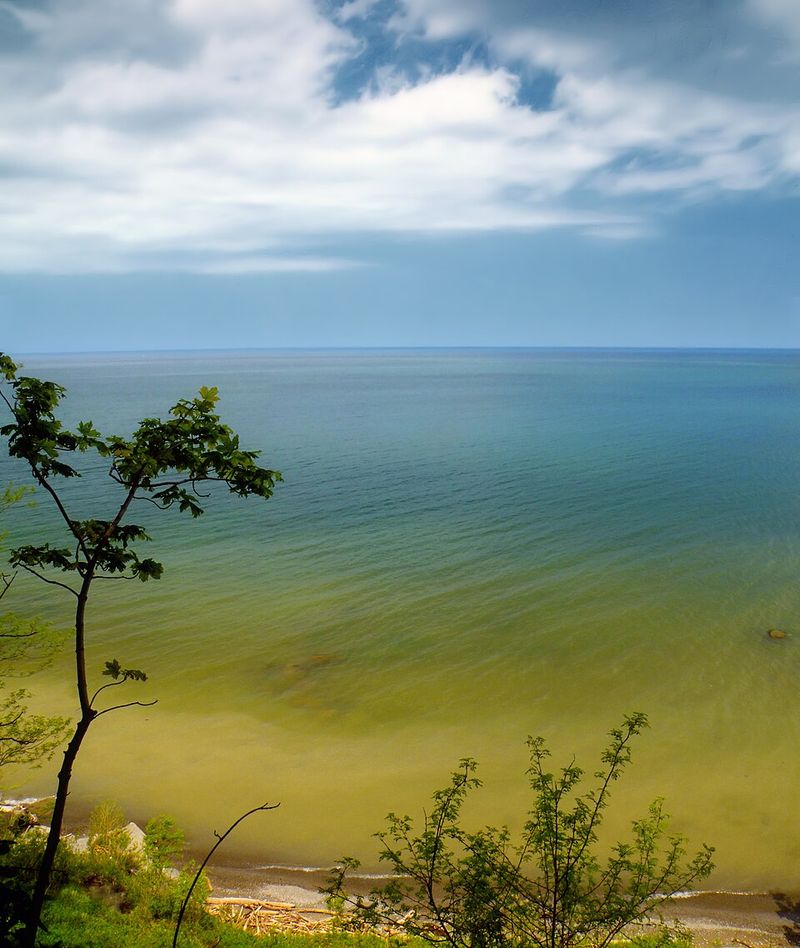
Stand near the edge and Lake Erie fills your whole horizon, textured with whitecaps and shifting light. That feeling is why the Bluffs Trail gets all the buzz from hikers who crave big scenery without technical terrain.
You walk through grasses and open woods, then step onto overlooks where gulls ride the wind and freighters inch along the distant shipping lane.
Footing stays mostly gentle, yet a few short rises remind you these bluffs command respect, especially after rain. Bring shoes that grip, a wind layer even in July, and a camera strap because gusts can nudge careless hands.
If you prefer solitude, start early and you will likely share the overlook only with sparrows and the rhythmic crash below.
Families appreciate that trail markers are clear, parking is straightforward, and the payoff arrives quickly despite a relatively modest hike. Give kids a simple goal like spotting a barge or counting swallows, and the miles pass without complaints.
Stay behind posted fences, skip the cliff-edge selfies, and enjoy a snack while the lake rewrites its color every minute.
Elk Creek Access and Shore Walks

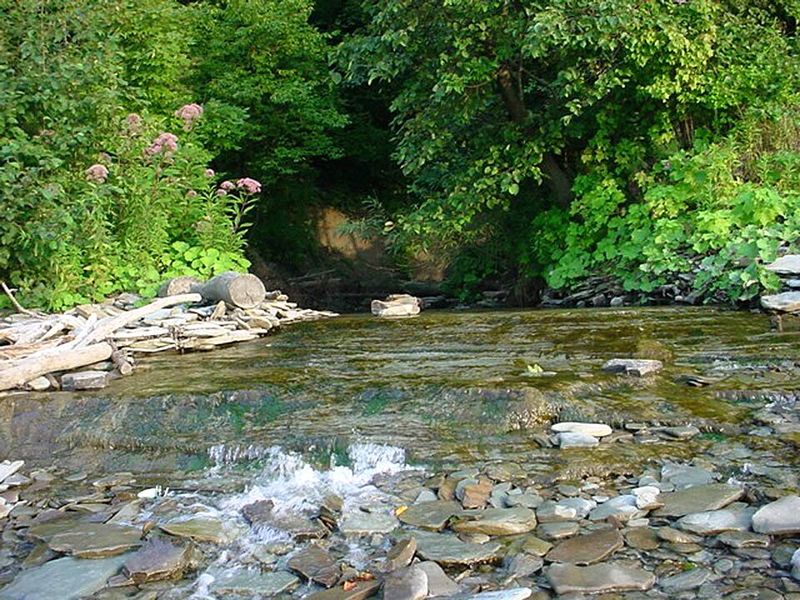
Down at Elk Creek Access, the soundscape changes from wind to water as the creek braids into the lake. Pebbles click underfoot and the beach rearranges itself daily, sometimes narrow, sometimes broad, always scattered with driftwood sculptures.
You can trace the waterline and watch how the current sorts stones by size and color.
Plan for a longer walk than your map suggests because the shoreline invites lingering. Waterproof shoes help when the creek braids force shallow crossings, and trekking poles steady those slick cobbles.
Keep an eye on lake levels, since higher water shrinks dry footing and makes certain sections slower.
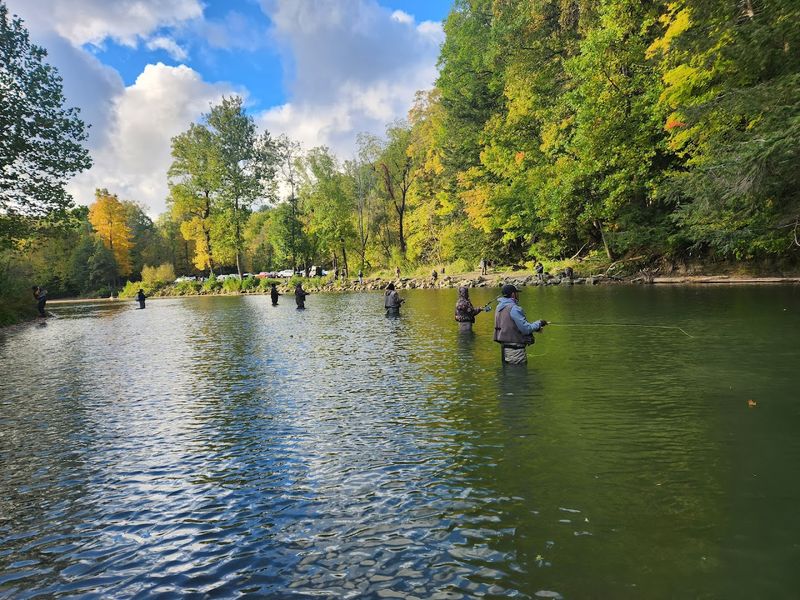
Anglers wade patiently near the mouth, while birders scan for terns and swallows working the seam where fresh water meets waves. Kids love building driftwood forts, then racing the foam as sets roll in.
Pack snacks, a small trash bag to carry out litter you find, and extra time for the kind of wandering that leaves you sun-tired and content.
Rockhounding and Beach Glass After Sunset
Stay past dusk and the shoreline becomes a quiet treasure hunt. With a small UV flashlight, certain stones reveal unexpected glows, while frosted beach glass throws back soft highlights under headlamp beams.
The key is patience, slow scanning, and pockets for sorting interesting finds from ordinary gravel.
Go with a buddy, mark your access point on a map app, and keep a safe distance from the waterline in case waves surge. Knee pads or a folded seat pad make crouching more comfortable when you are inspecting stones.
Respect the resource by taking only modest keepsakes and leaving the place as you found it.
Gloves help when sifting through drift piles, and a red-light setting preserves night vision without blinding companions. You might not score a rare piece every visit, but the experience itself feels meditative and memorable.
As the lake breathes in the dark, you hear each wave place and replace stones, a reminder that the shoreline writes a new story nightly.
Easy Loops for Families and New Hikers
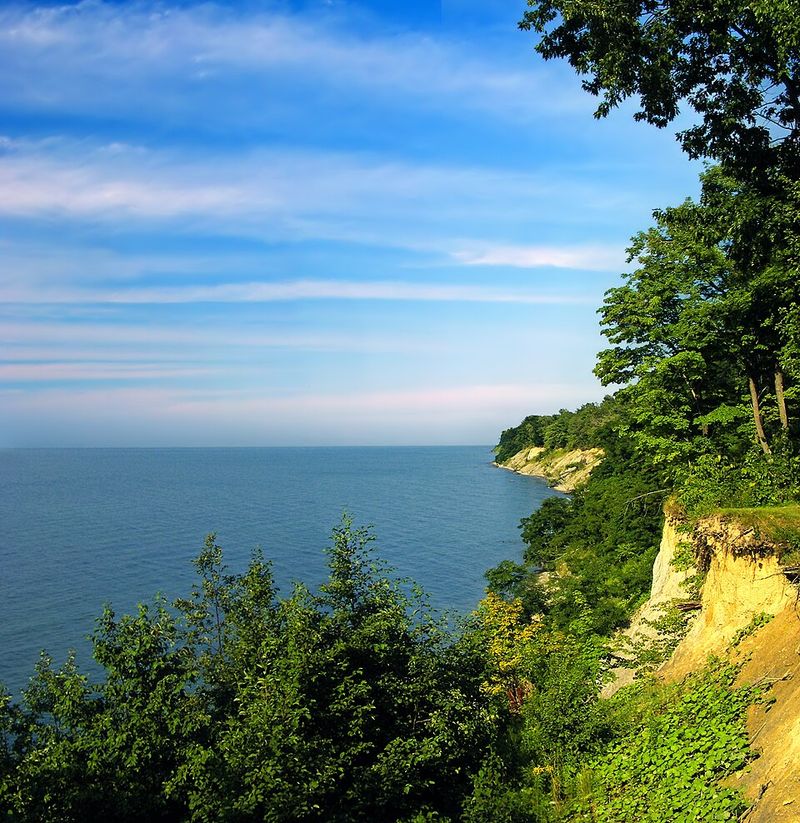
Your crew does not need to be ultra-fit to enjoy a full morning here. Several connected paths create gentle loops through meadows and woods, keeping elevation gains short and views frequent.
Wayfinding signs appear at sensible intervals, so you can focus on conversation rather than constantly checking a map.
Make the outing feel special with simple goals. Try a sound scavenger hunt for waves, woodpeckers, and wind in grass, or challenge kids to spot three different leaf shapes.
Plan breaks at shaded clearings where snacks and water come out and morale rises quickly.
Strollers with big tires can handle some sections, though roots and soft patches still appear. If mobility is a concern, preview routes on recent trail reports and choose the flattest connectors.
You get that satisfying sense of being far from town, yet your car remains close enough to bail out if naps suddenly become urgent.
Mountain Biking Rhythm and Trail Etiquette
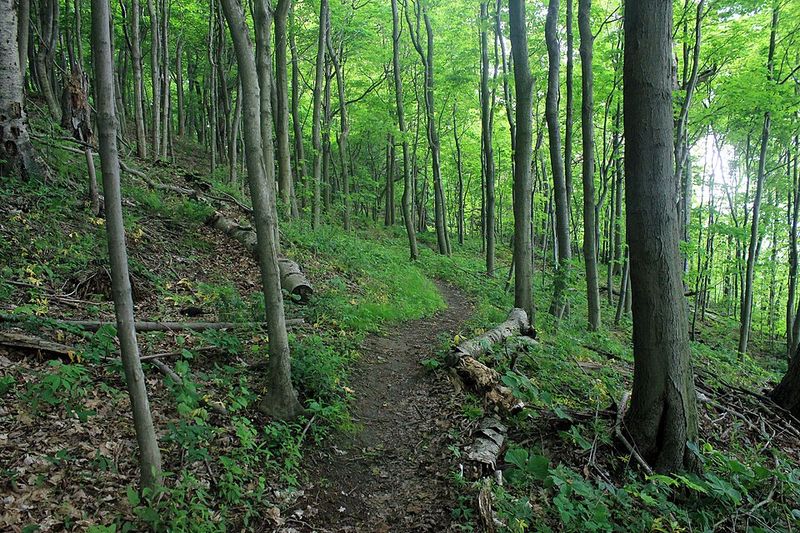
Rolling terrain and open sightlines make these woods feel built for cadence. You find that sweet gear where the bike hums, corners stay predictable, and the breeze cools without chilling.
Riders who appreciate natural surfaces over sculpted features will feel right at home.
Keep bells handy for blind turns, yield to foot traffic, and dismount where signage requests it. After rain, wait for trails to dry to preserve the tread that everyone enjoys.
A small brush knocks off seed heads and reduces hitchhiking ticks after you finish.
Pack a multitool, a spare tube, and a simple first-aid kit because services are limited and the park prioritizes a wild feel. If you ride at sunrise, deer often graze near the edges, so moderate speed and enjoy the sighting.
Finish with a slow roll to the overlooks, where that last sip from your bottle pairs perfectly with open water and wide sky.
Birding in Changing Seasons

Listen first and the park introduces itself by sound. Spring mornings carry sparrow trills, woodpecker taps, and the gentle shush of waves below the bluffs.
Meadows brighten with asters and goldenrod later in the year, painting warm bands that frame the lake.
A pocket guide or app turns background flutter into names and stories. Stop at meadow edges where insects work the blooms, and you will spot swallows scissoring the air.
Calm patience beats fancy gear, though binoculars make distant IDs much more satisfying.
Stay on paths to protect fragile plants, and avoid trampling wet edges where new growth anchors the soil. Overcast days often deliver richer color for photos and keep birds more active.
Bring water, a hat, and the mindset that unhurried attention reveals more than miles ever do.
Photography Guide for Light, Weather, and Water
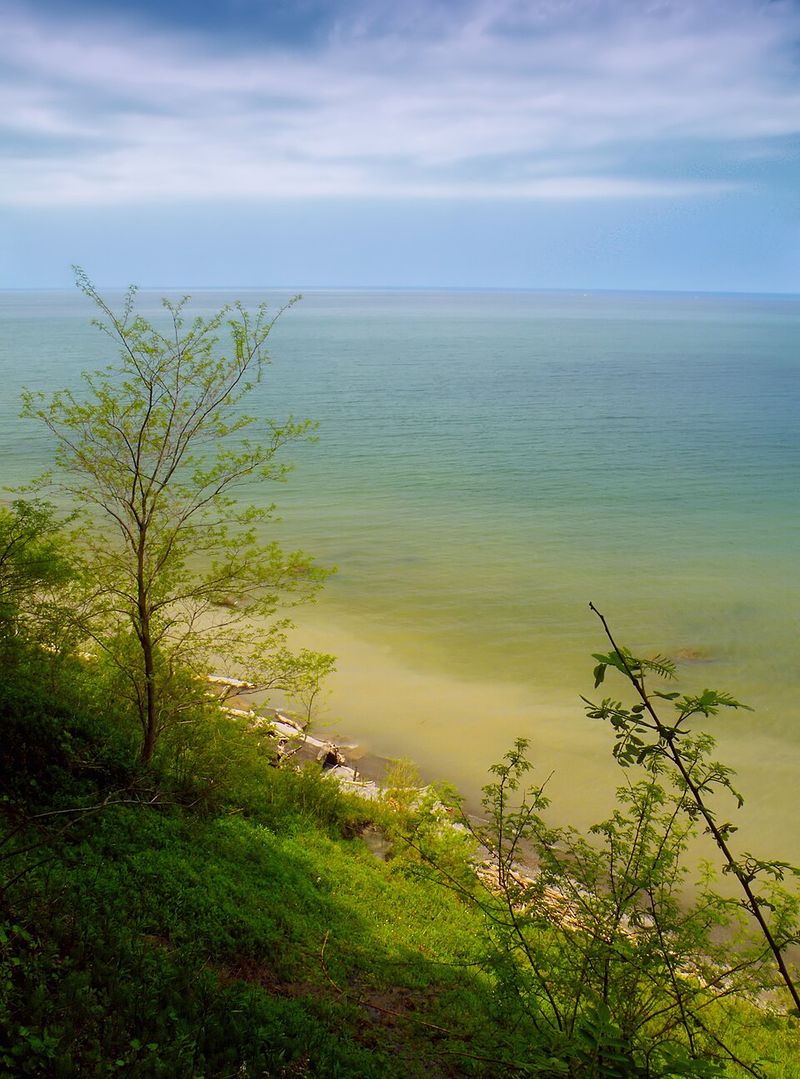
Chase edges of the day and the lake rewards you. Sunrise carves pastel gradients, while late golden hour shapes grasses and tree lines with satisfying contrast.
Cloudy afternoons compress dynamic range, which is perfect for capturing detail in both sky and water.
Pack a polarizer to cut glare, and use a microfiber cloth because wind-driven spray sneaks onto glass. A lightweight tripod helps with long exposures that soften chop without blurring foliage.
Step back from the cliff edge, choose a stable stance, and let leading lines guide the viewer toward the horizon.
Shoot sequences as weather shifts rapidly, then stitch later to tell a truer story of changing color. For wildlife moments, keep shutter priority ready and pre-focus at likely perches.
Walk away with fewer frames and better intention by building one strong composition per stop instead of spraying every view.
Finding Quiet and Practicing Trail Courtesy
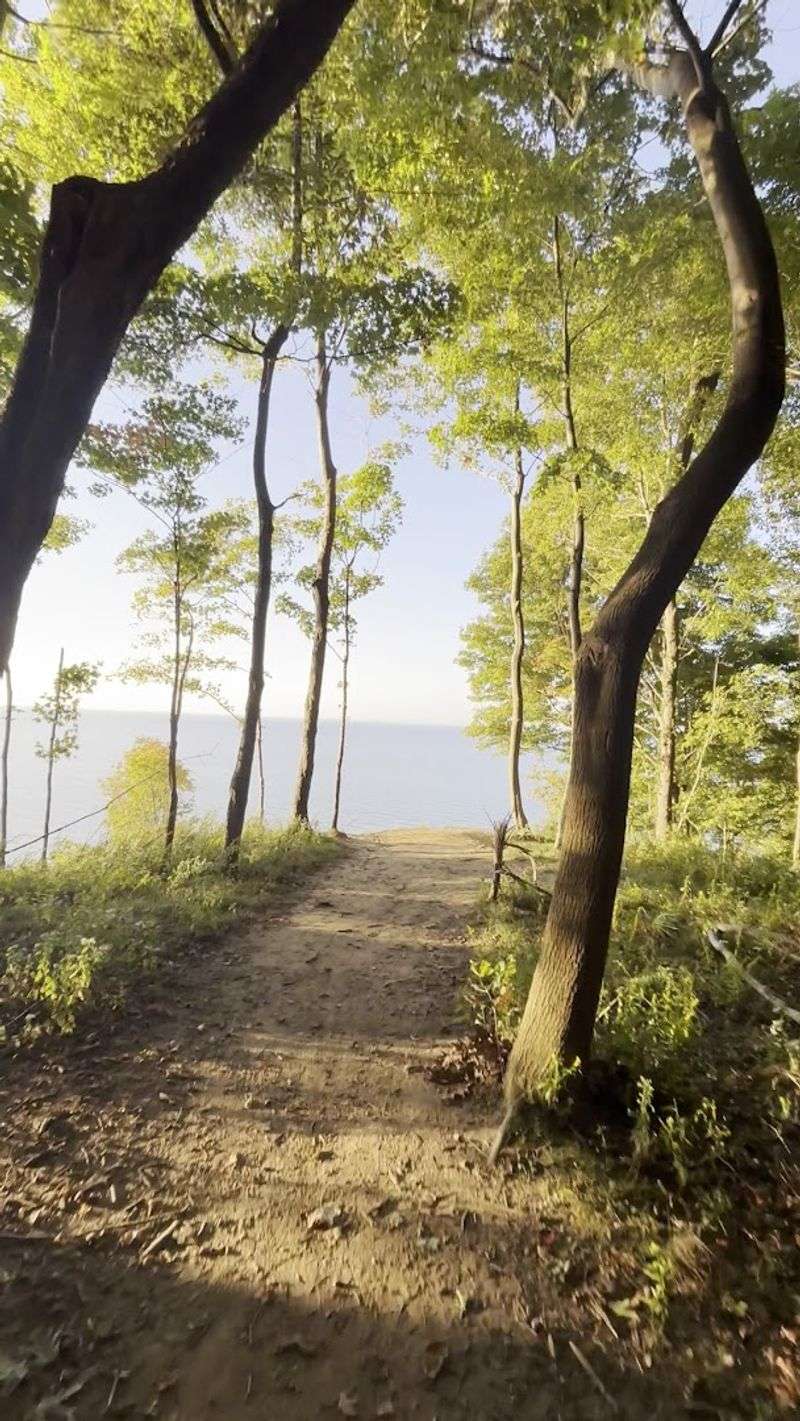
The park’s magic hides in the quiet you carry. Voices drop, birds resume singing, and small details like spider silk in sunlight suddenly appear.
Give others the same gift by stepping aside on narrow sections and letting families or bikers pass smoothly.
Earbuds out, phone on silent, and eyes up to catch trail markers before you wander onto a closed spur. If a bench presents itself, treat it like a viewpoint library book and keep visits short when others wait.
Pack a small trash bag and lift litter as if it were your own.
Group leaders can set an easy pace, keeping conversation low enough to hear waves below. Dogs stay leashed, yielding right of way, and water breaks happen off the main tread.
You leave with more energy than you brought because courtesy protects the very calm you came to find.
Safety, Ticks, and Trail Conditions
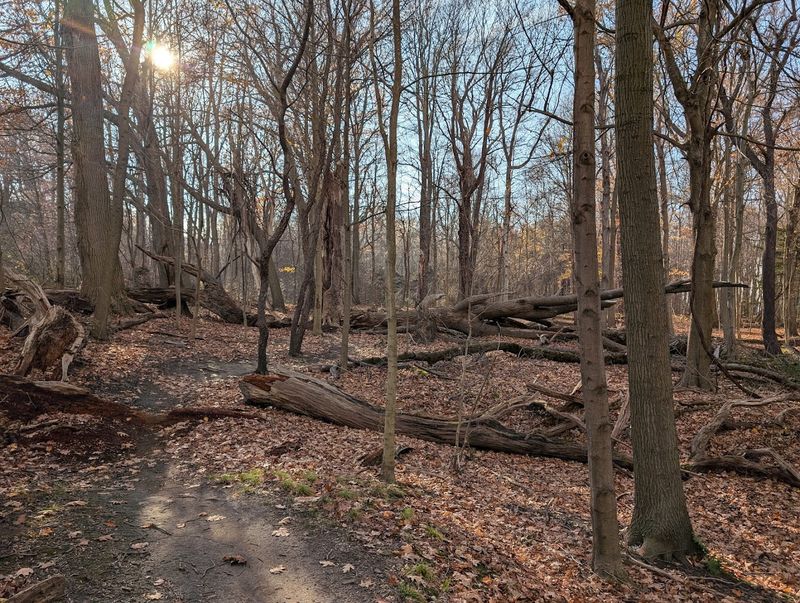
Preparation here is simple and worth the few minutes it takes. Apply repellent at the car, tuck socks over pants if grasses brush your shins, and do a full tick check when you return.
Trails can hold mud in shaded pockets, so gaiters or older shoes save headaches.
Carry a paper map or download one since reception can flicker under the canopy. Benches are limited, water is not available on trail, and restrooms are located off-site at nearby access points.
A compact first-aid kit handles blisters and small scrapes so the day stays pleasant.
After storms, expect branches down and softer footing near the lake’s edge. Respect closures and reroutes that protect eroding sections of bluff.
By packing light layers, hydration, and a realistic timeline, you swap guesswork for confidence and keep the focus on those wide horizons.
Planning Your Visit: Parking, Hours, Maps
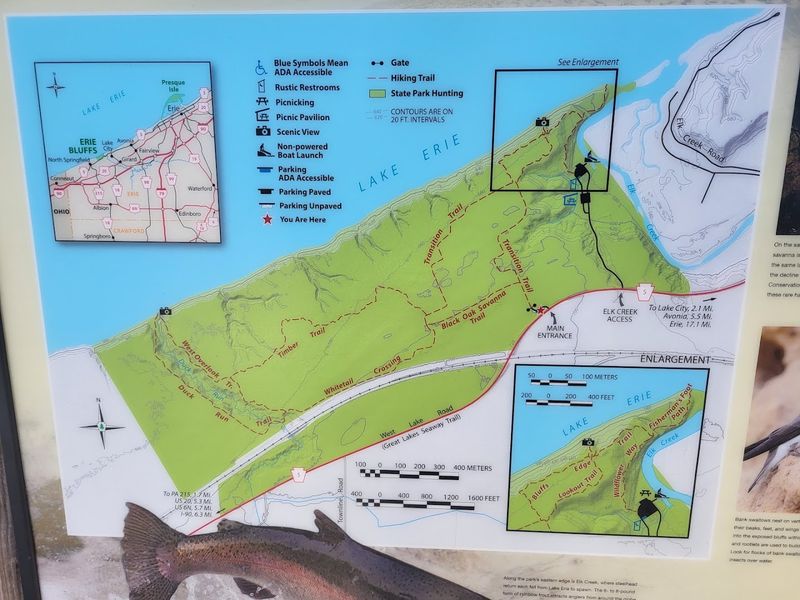
Start at the main lot on West Lake Road and you will see straightforward signage pointing toward the primary trails. Hours are generous, typically sunrise to evening closure, giving you plenty of time to chase changing light.
Because amenities are minimal, arriving organized pays dividends all day.
Download an offline map, photograph the trailboard, and text your route to a friend before heading out. Bring all water you need and a small picnic since concessions are not part of this park’s charm.
If the lot looks busy, remember trails disperse people quickly and quiet arrives within minutes.
Weekday mornings offer maximum solitude, while late afternoons trade quiet for gorgeous color across the lake. Seasonal conditions can shift access to certain paths, so check recent reports before committing to a big loop.
With a simple plan and flexible expectations, your day flows easily from meadow to overlook to creek mouth.
Seasonal Strategies: Winter Calm to Summer Breeze
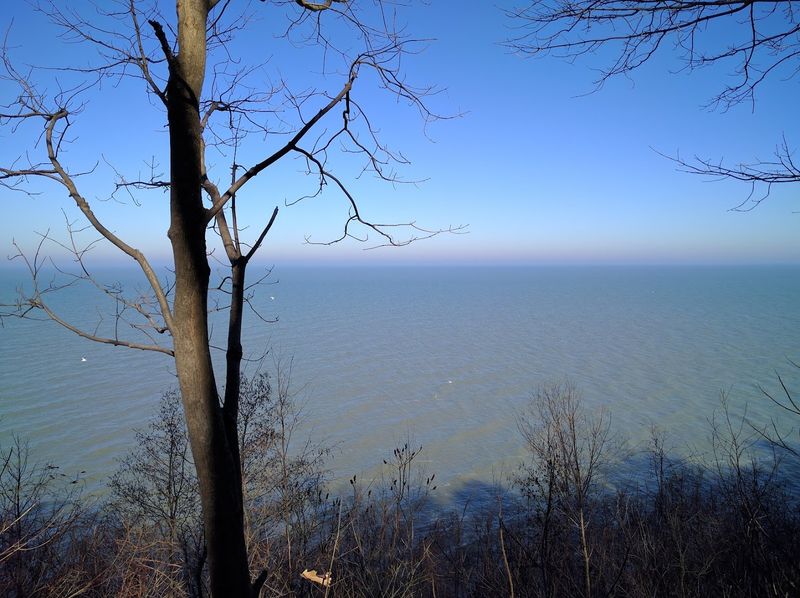
This park wears each season honestly. Winter brings crystalline air and long views through leafless trees, along with the need for traction and insulated layers.
Spring answers with wildflower pops and puddled trails that reward waterproof footwear.
Summer favors early starts, steady breezes, and wide-open picnics with shade breaks in the hardwoods. Autumn paints the corridors gold and copper, inviting slower paces and more photographs than you planned.
In every season, wind is a companion, so pack layers that adapt without weighing you down.
Light shifts quickly near the lake, making even familiar overlooks feel new from month to month. Keep a simple checklist by the door for footwear, water, and a charged phone, and spontaneous visits become easy.
You will start timing errands around sunset once you see how this shoreline catches the day’s last color.
Why Erie Bluffs Feels Wilder Than Nearby Hotspots
You notice the difference as soon as the pavement ends and the grass takes over. Amenities are intentionally lean, which keeps attention on wind, water, and the steady work of time along the bluffs.
Trails feel like threads through a real landscape rather than roads to attractions.
That design choice rewards visitors who want space rather than signage. Fewer facilities mean packing your own water, managing snacks, and pacing the day without a visitor center clock.
In return, you get rooms of quiet big enough to reset a week’s worth of noise.
Bring curiosity, patience, and a willingness to let small moments stand as highlights. On most days you will share long stretches with only birds and the lake’s voice below.
The result is a park that still looks the way nature intended, and it invites you to meet it on those terms.