
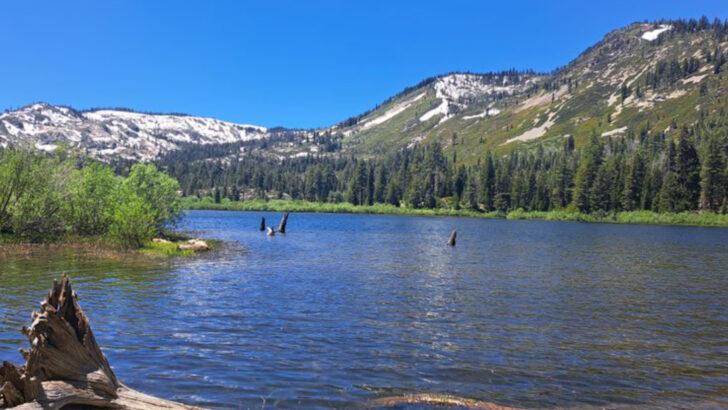
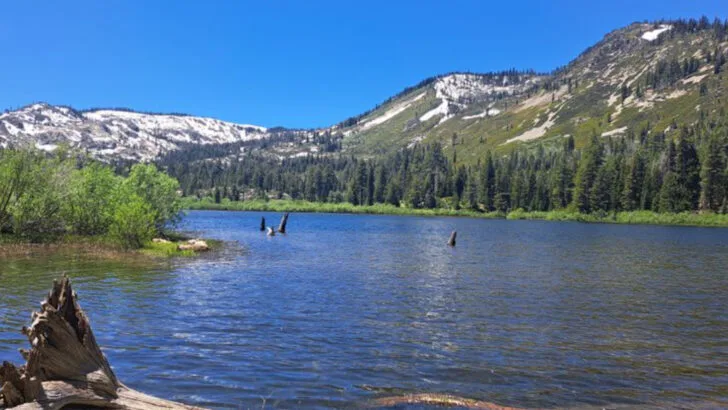
Tucked in the Northern Sierra, Plumas-Eureka State Park is the kind of place you almost want to keep secret. With gold rush relics, clear creeks, and quiet alpine forests, it offers classic California beauty without the crowds. Trails climb to sweeping granite views while the museum opens a surprising window into mining life.
If you have been craving stillness, history, and reliable summer sunshine, this underestimated 6,000-acre escape delivers.
Overview and Why This Park Feels Under-the-Radar
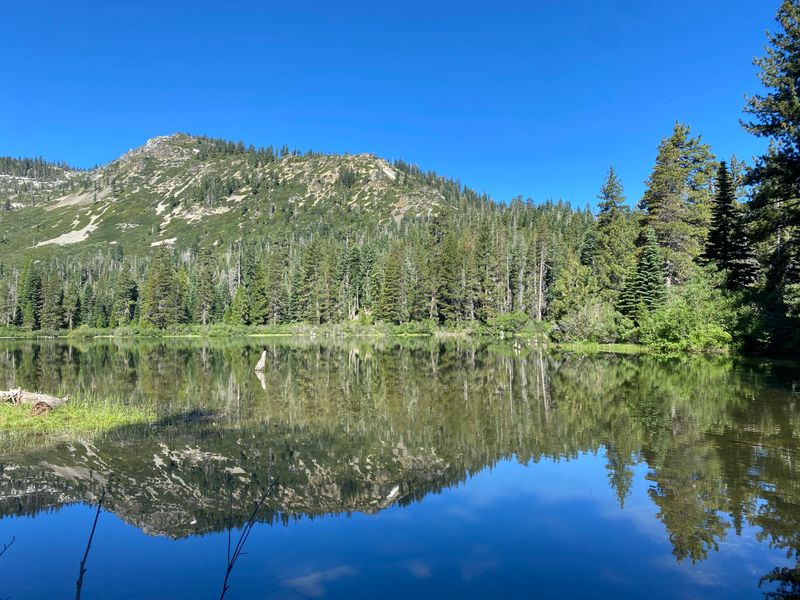
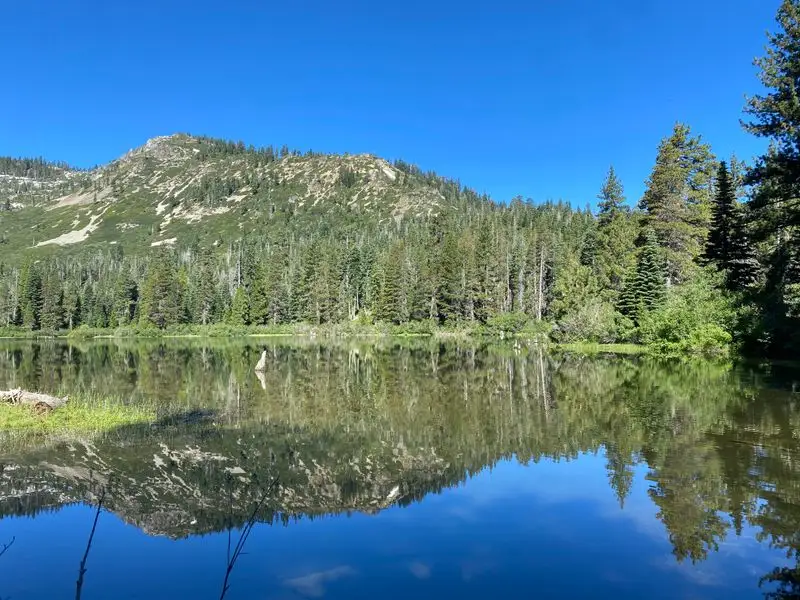
Plumas-Eureka State Park sits on the quiet side of the Sierra, where the crowds thin and the mountains breathe. You will find a 6,000-acre landscape stitched with lodgepole pine, granite outcrops, and crisp creeks that chatter even in late summer. The feeling here is unhurried, like you have stepped into a slower chapter of California that never left.
Part of its low profile comes from location. It is an easy drive from Reno or Truckee yet feels a world apart from high-traffic destinations. Parking is manageable, trailheads are friendly, and rangers are happy to share tips without a rush of people behind you.
Expect hiking, fishing, historic sites, and a seasonal museum that ties everything together. The park’s story reaches back to the gold rush, yet its modern draw is serenity and unpolished beauty. You can build a weekend around shady picnics, creekside naps, and evening strolls.
Hours are typically 9 AM to 4 PM, so plan museum time accordingly. Summer brings the most services, while shoulder seasons reward solitude. Bring layers for mountain weather and a willingness to explore beyond the obvious. This park rewards curiosity generously.
Getting There and Practical Essentials
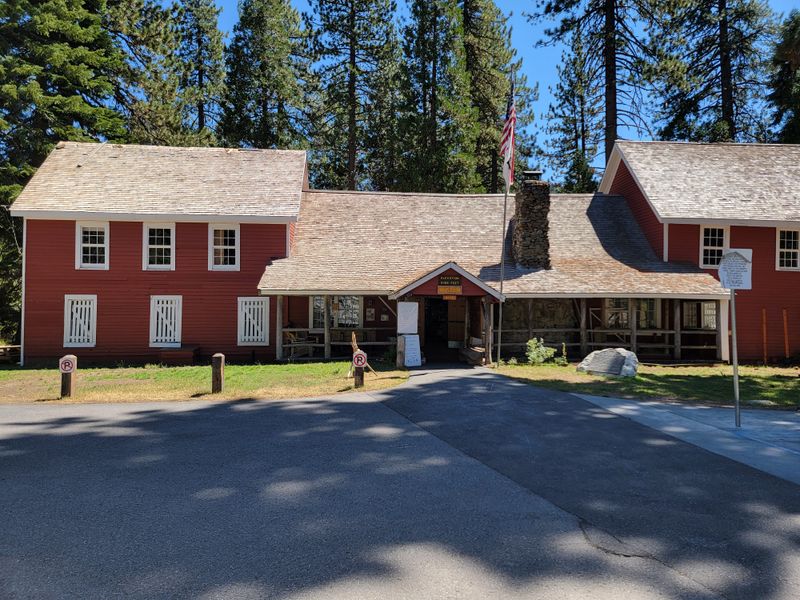
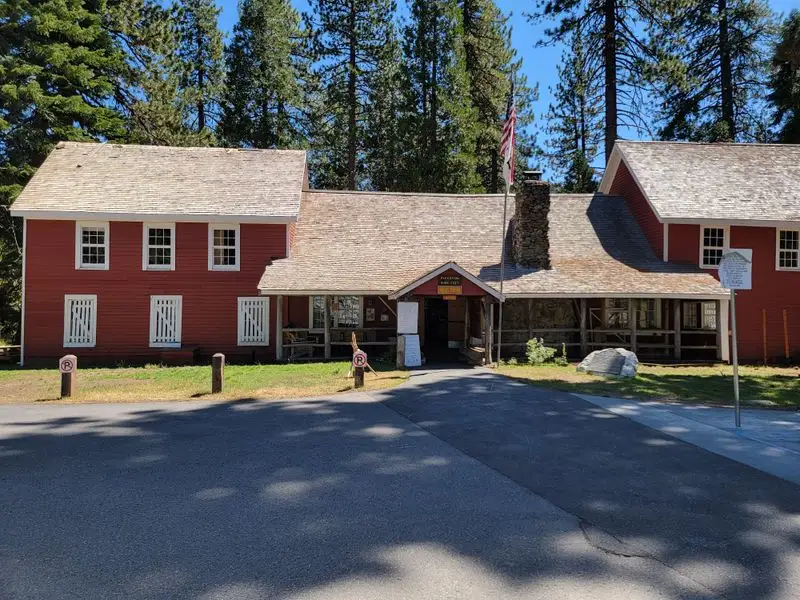
Reaching Plumas-Eureka State Park feels simple and scenic. From Truckee or Reno, you weave through pine corridors and emerge into Graeagle and Johnsville’s calm welcome. The main entrance sits at 310 Graeagle Johnsville Road in Blairsden, with clear signage that keeps guesswork low.
Hours run 9 AM to 4 PM most days, so arrive early if you want museum time and ranger advice. Cell service is spotty, so download maps beforehand and photograph trailhead boards. Restrooms are available at key day-use spots, and parking is typically straightforward except on peak summer weekends.
Bring layers, sun protection, plenty of water, and a simple first-aid kit. Elevations and afternoon breezes can surprise you, and nearby services are limited compared to larger hubs. A cooler, snacks, and a paper map add comfort and confidence.
If you plan to fish, confirm regulations and licenses ahead of time. Leashed dogs are allowed in some developed areas but not on all trails. Call the park line at +1 530-836-2380 to confirm seasonal offerings. You will appreciate a tidy trunk, extra trash bags, and a flexible mindset.
The Museum and Historic Mining District

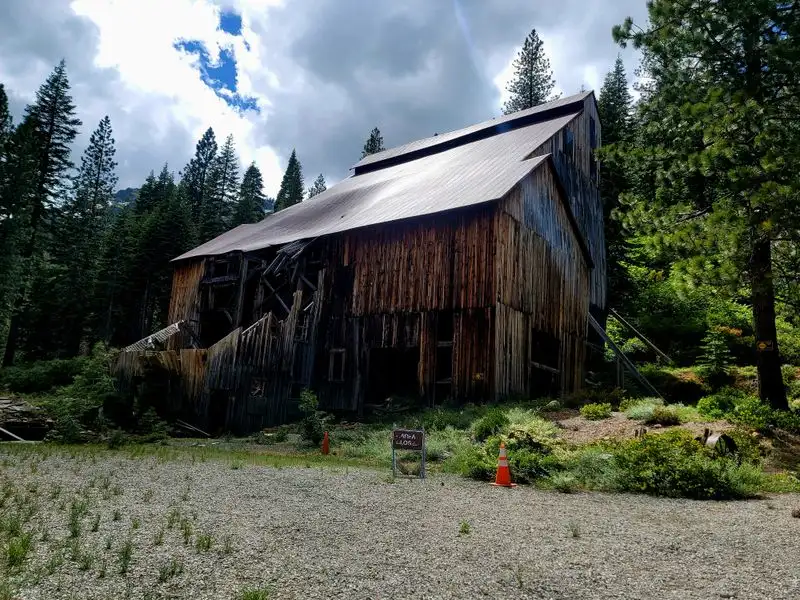
History is the heartbeat here, and the museum makes it tangible. Inside, you will find artifacts, photographs, and stories that connect Eureka Peak’s ore to the people who chased it. The exhibits feel intimate, with docents who love sharing the human side of mining life.
Step outside and the historic district becomes your open-air classroom. Stamp mill foundations, old equipment, and preserved structures show the grit behind the gold. It is easy to imagine the clang, dust, and sweat that defined this mountainside economy.
The mining town’s footprint frames the landscape differently. You see trails as old supply lines and creeks as lifelines for camps. Interpreters often host seasonal demonstrations that bring the machinery and methods back to life.
Hours vary, generally 9 AM to 4 PM in summer, so time your visit. Read the interpretive panels and ask questions, because local nuance makes the narrative vivid. If you love hidden history, this is where it unfolds. You leave with a deeper sense of California’s stakes, sacrifices, and stubborn hope.
Best Hiking Trails and Viewpoints
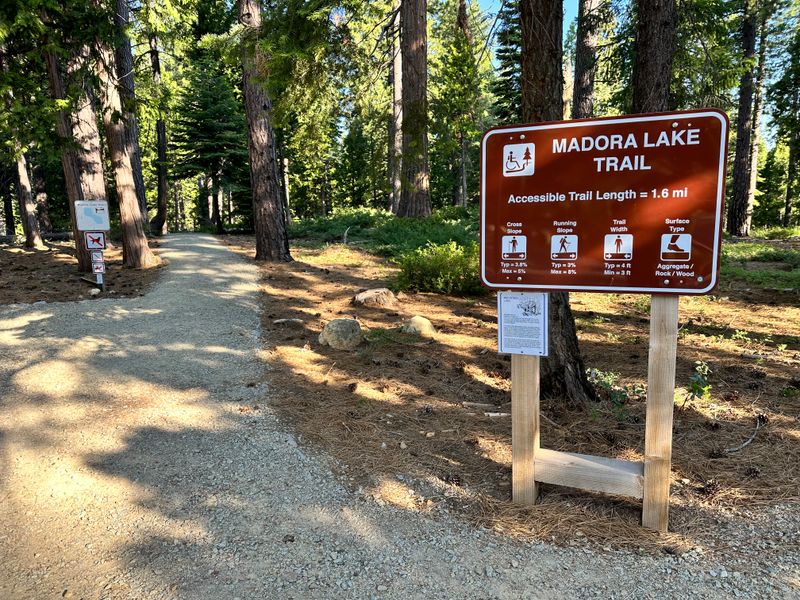
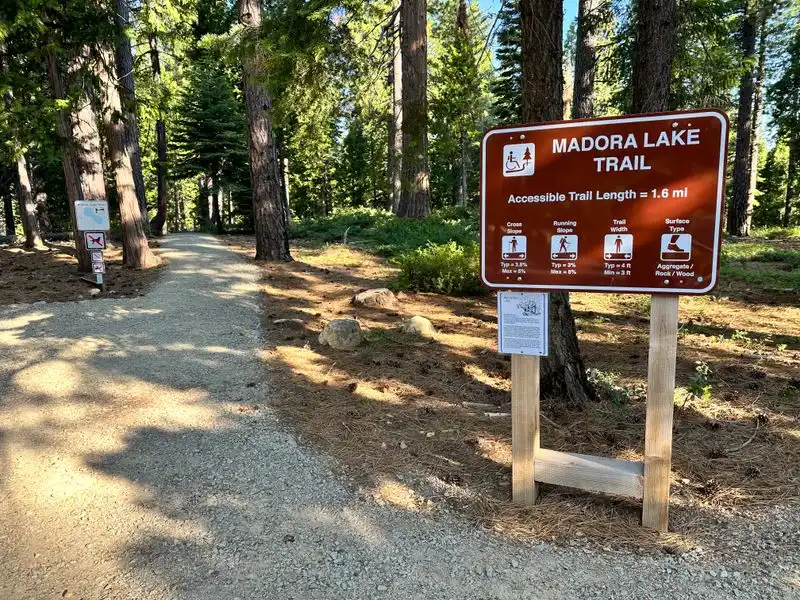
Trails fan out from the museum and beyond, offering easy family strolls and thigh-burners to big views. The hallmark is Eureka Peak, a climb that rewards with a deep Sierra panorama and a tangible sense of place. You feel the range stretching, villages tucked into meadows, and light sliding over ridgelines.
Lower trails shelter you under pines and firs. Creekside paths keep things cool on hot days, and wildflowers light up early summer. Switchbacks are fair and well-graded, making mileage enjoyable rather than punishing.
Carry water, a map or photo of the trail kiosk, and a light layer for breezes at the top. Footing is mostly stable granite and packed dirt, with occasional loose sections that call for attention. Keep an eye on afternoon thunderstorms in shoulder seasons.
Start early for quiet and wildlife, then linger at viewpoints for snacks and photos. You can turn many routes into loops with a little planning. Even short walks here feel restorative and surprisingly empty. The sky seems larger than it should.
Fishing and Waterside Relaxation
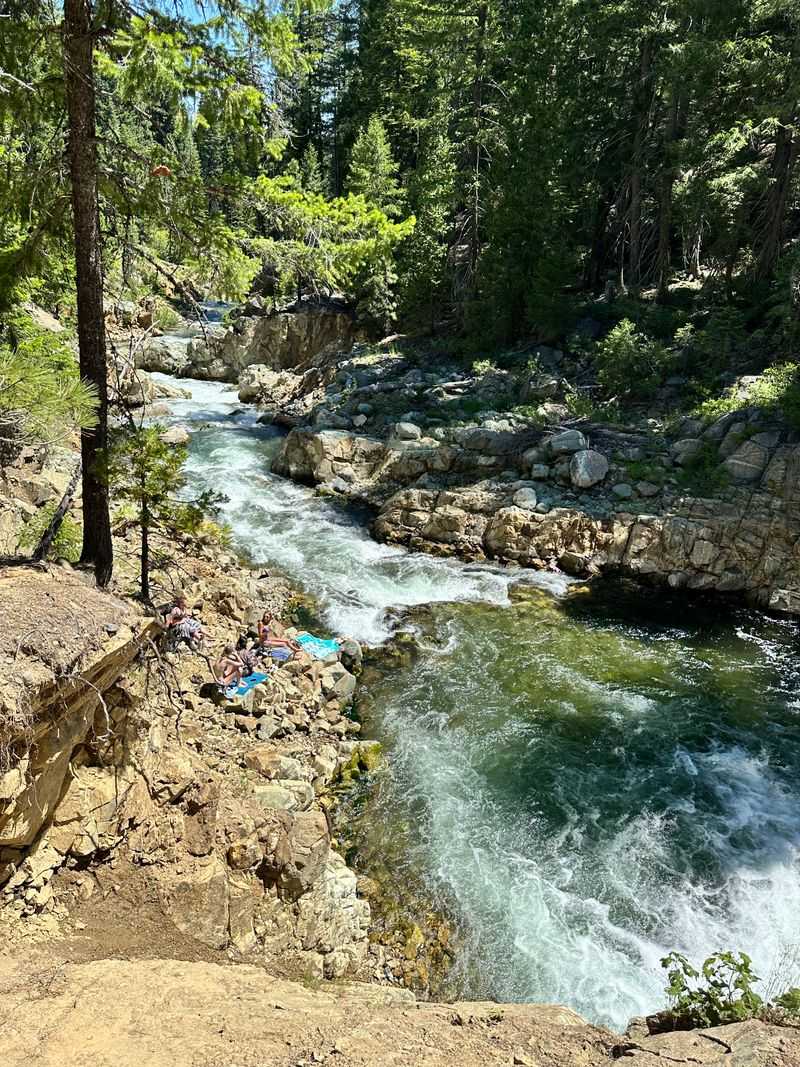
Water threads softly through the park, inviting a slower pace. You can post up on a sun-warmed boulder, listen to the creek’s quiet percussion, and let time loosen. It is a great spot for a casual picnic or a midday reset between hikes.
Anglers appreciate the clarity and gentle runs. Always check current regulations and have your California fishing license sorted before casting. Early mornings and evenings tend to fish best, especially on warm days.
Even if you do not fish, the riparian ribbons offer shade and a place to breathe. Bring a camp chair or sit pad, keep snacks handy, and tuck a light jacket in your pack. The air cools quickly once the sun slips behind the ridge.
Leave no trace around water, packing out micro trash like tippet ends and snack wrappers. Keep voices low to preserve the park’s hush. You will leave feeling rinsed by the soundscape alone. The simple ritual of creek time lingers.
Wildlife, Seasons, and When to Visit

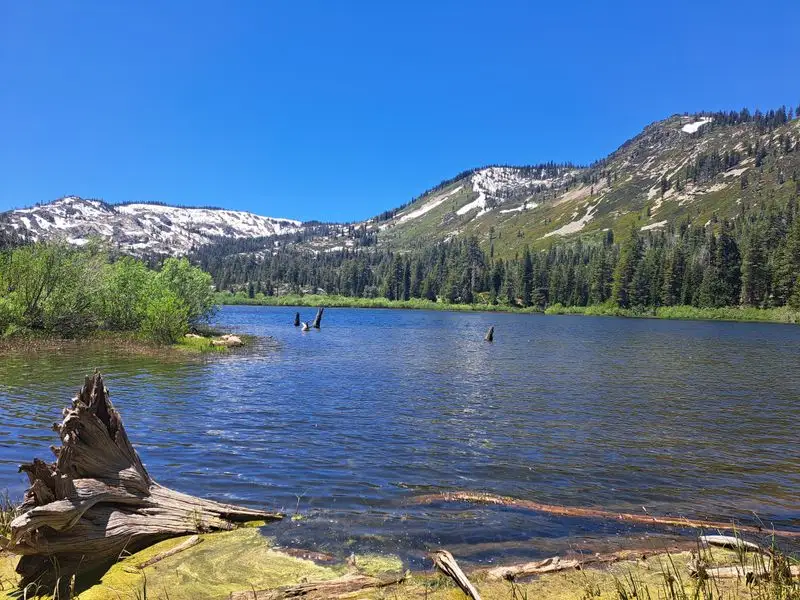
Wildlife here reveals itself to patient visitors. Mule deer browse at meadow edges, while chipmunks skitter along logs and birds stitch the canopy with chatter. Early mornings reward quiet steps and wide eyes along shaded trails.
Summer brings full services, open museums, and warm afternoons that pair well with creek time. Spring can be crisp, with snow lingering on higher routes and wildflowers dotting lower slopes. Fall glows with golds and long shadows, offering the best photography light.
Winter access can be limited, and facilities scale back. Always confirm hours, especially outside peak season, since the park typically operates 9 AM to 4 PM. Layering is smart year round because mountain conditions shift quickly.
Pack binoculars and a lightweight field guide if birding calls to you. Keep food sealed and give wildlife respectful distance. With a little patience, this quieter park feels wonderfully alive. Timing your visit around light and weather pays off.
Family-Friendly Activities and Easy Walks
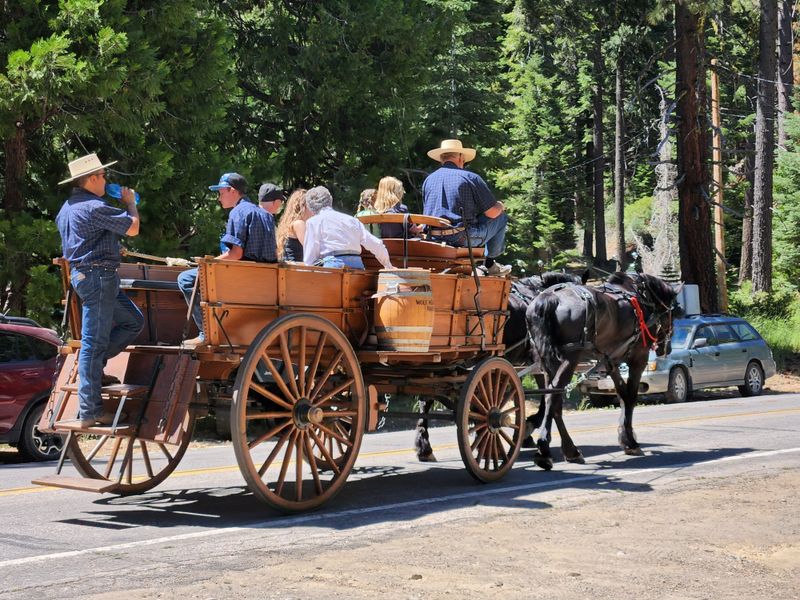
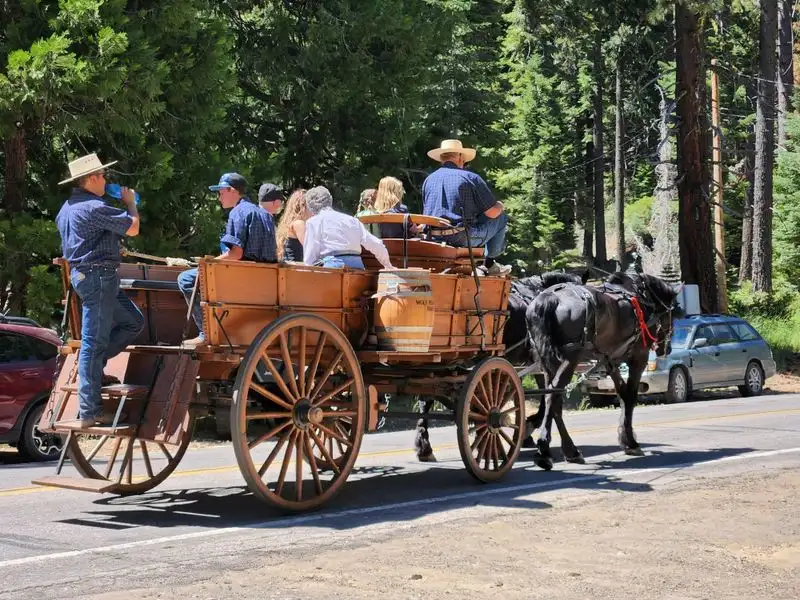
Families settle in quickly here because everything feels approachable. Short paths weave from picnic areas to creek banks and historic structures, keeping attention engaged. Kids love spotting old machinery, cone piles, and lizards sunning on rocks.
Try a gentle loop near the museum for easy terrain and interpretive signs. These quick wins build confidence and let you gauge energy before committing to longer hikes. You can layer in a snack stop without breaking momentum.
Shade is generous, and breezes move through the pines. Bring water, simple trail games, and a promise to look for “golden” granite sparkles. Scavenger lists turn curiosity into a shared mission, and rest stops become part of the fun.
Mind the 9 AM to 4 PM window for museum visits so kids can touch history, not just read it. Keep expectations flexible and celebrate small discoveries. The park rewards attention more than speed. You will head home with happy legs and calmer minds.
Camping, Picnics, and Nearby Amenities
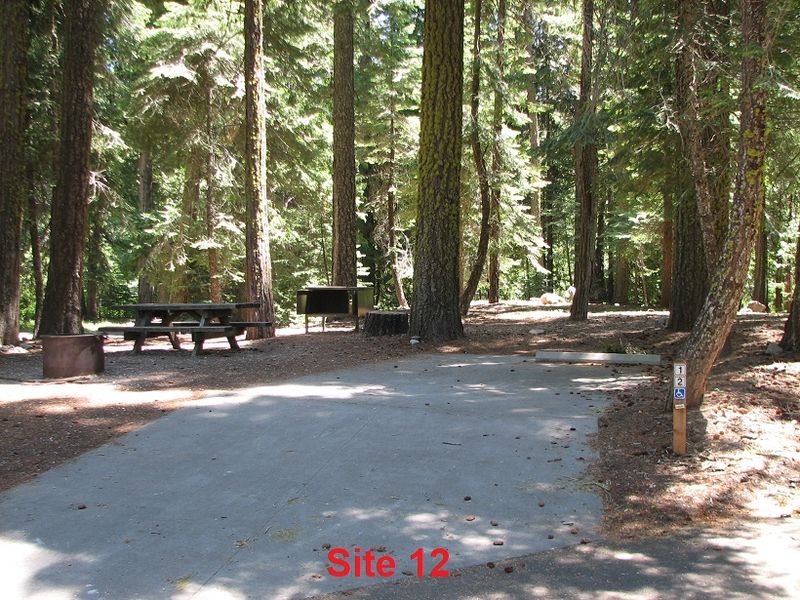
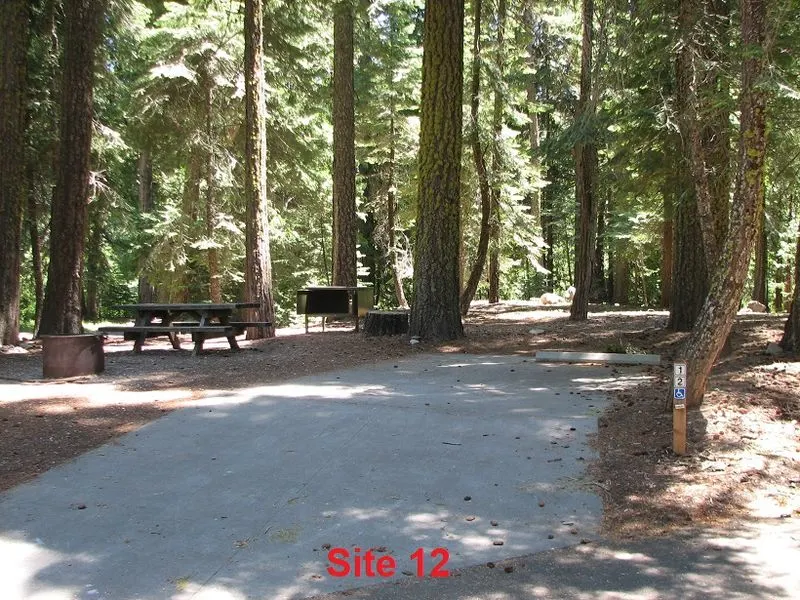
Camping here leans toward peaceful rather than party, with tall pines muffling sound and stars spilling through branches. Sites feel tucked-in and practical, with picnic tables and bear boxes where provided. Reservations are wise in summer, and shoulder seasons can be delightfully quiet.
Picnic areas anchor easy meetups. You can stage a midday feast, wander to a creek, and return to pack up without fuss. Keep food secured, follow posted fire rules, and expect cool evenings that invite an extra layer.
Nearby Graeagle and Blairsden round out logistics with markets, coffee, and simple meals. It is nice to have civilization close while still feeling removed. You can refuel, then slide right back into the forest without losing the spell.
Quiet hours help preserve the park’s restorative tone. Bring headlamps, a compact camp kitchen, and a plan for gray water. If camping is full, day use still shines for slow afternoons. The pines do the rest.
Photography Tips and Iconic Angles
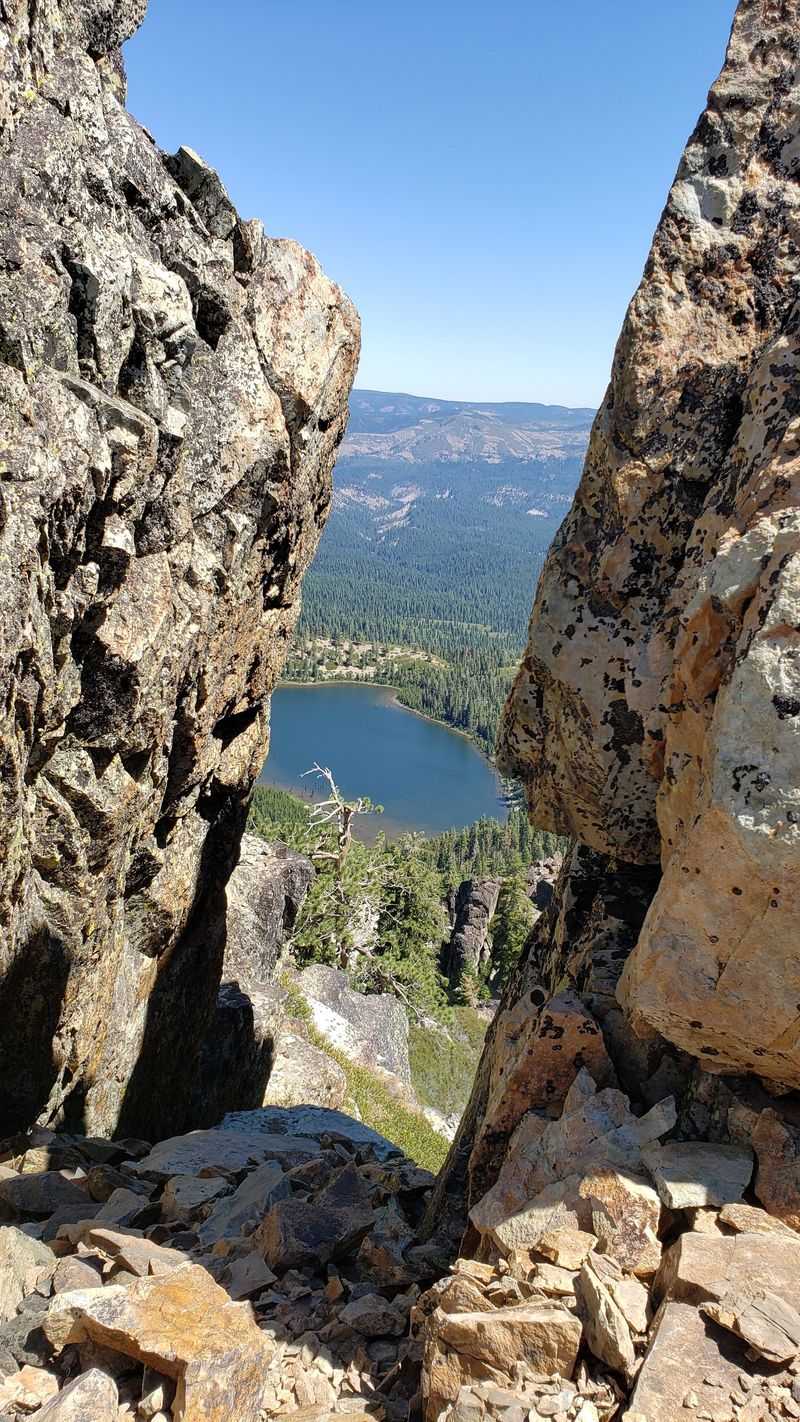
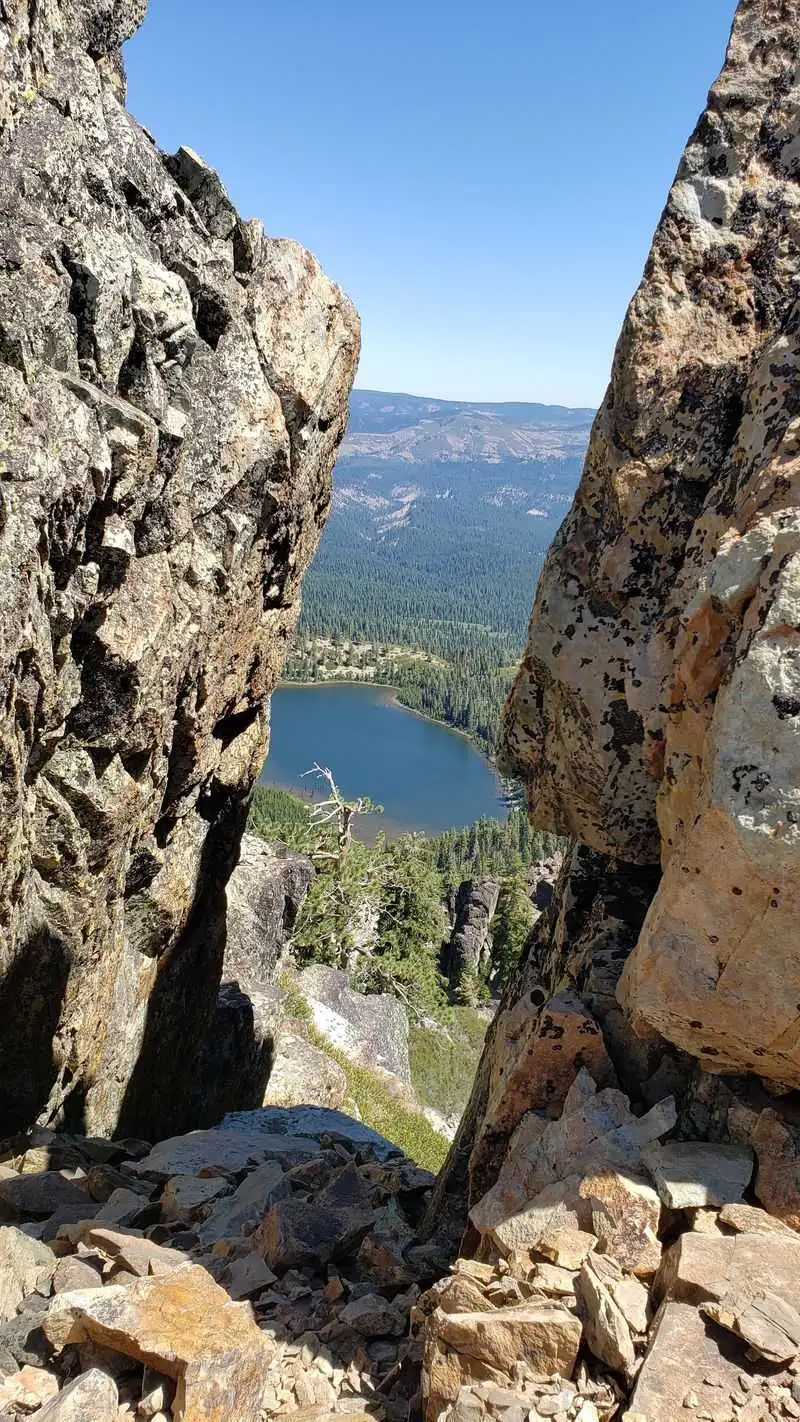
Light rules this park. Morning cuts clean across meadows and creek bends, while late day warms granite and turns the forest into layered silhouettes. Aim for golden hours to shape depth and keep highlights gentle.
Look for leading lines: trails threading toward Eureka Peak, fence rails near historic buildings, and creek curves that guide the eye. A polarizer helps tame glare on water and saturate greens without overcooking. Keep ISO low and shutter steady on shaded paths.
Historic structures read beautifully in side light. Step back to include context and use a small aperture for crisp corners. When clouds build, embrace mood and lean into textures and close-ups.
Pack a lightweight tripod, microfiber cloth, and extra batteries since temps can dip. Respect boundaries around buildings and wildlife distance. You will leave with frames that feel quieter than most Sierra galleries. That understatement suits this place.
Sample One-Day and Weekend Itineraries
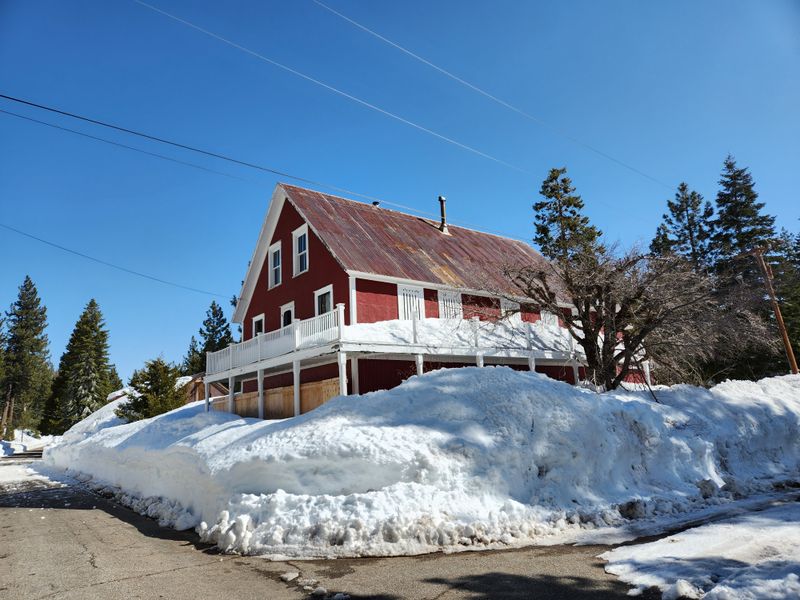
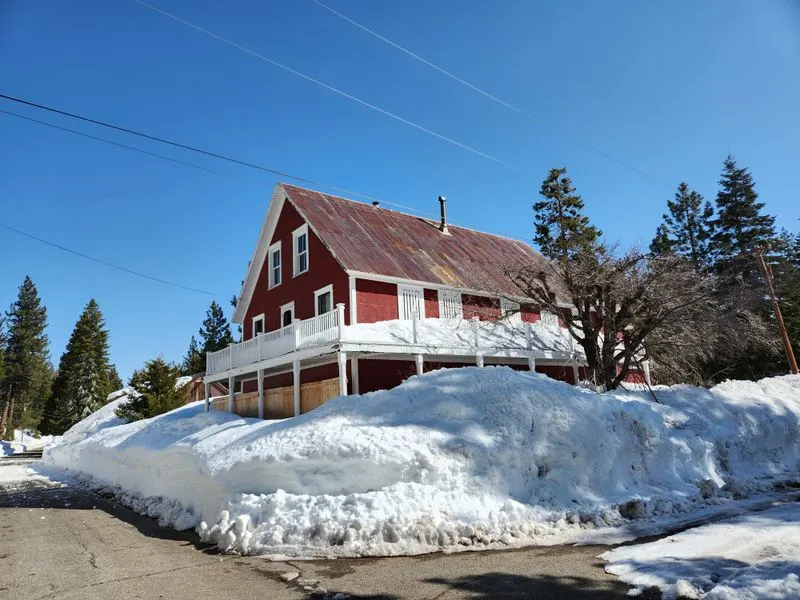
For a one-day hit, arrive early, grab museum time at opening, then hike a mid-length trail to a viewpoint. Break for a creekside lunch and a slow afternoon loop, finishing with golden hour near historic buildings. You will feel both grounded and refreshed.
For a weekend, blend layers. Day one covers the museum, a moderate hike, and a relaxed evening picnic. Day two aims higher for Eureka Peak, then winds down with fishing or reading by the water.
Build in flexibility. If weather shifts, swap peak time for forest walks and photography. Reserve camping if you want stars and dawn light without an early drive.
Keep hours in mind since facilities generally run 9 AM to 4 PM. Pack smart, move slow, and let curiosity steer. The park is generous to those who linger. You will leave wishing you had discovered it sooner.