
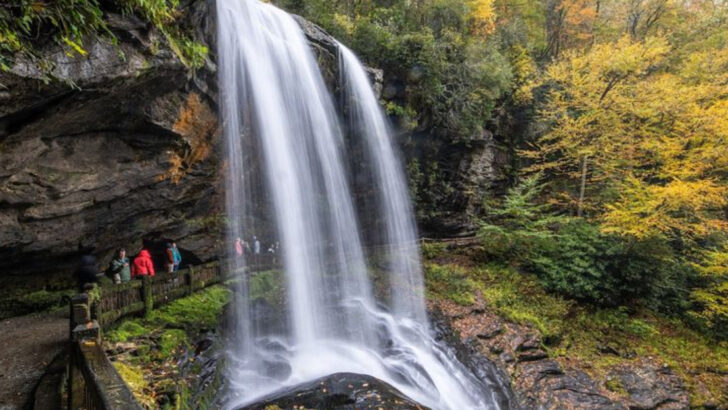
Tucked inside the Nantahala National Forest near Highlands, North Carolina, Dry Falls is one of the most unusual waterfalls you will ever visit. Standing 65 feet tall, this stunning cascade lets you walk along a paved path directly behind the rushing water without getting soaked.
Whether you are a seasoned hiker or just looking for a quick nature stop, Dry Falls delivers a jaw-dropping experience that is hard to forget. Here are 10 things you need to know before you visit this remarkable natural wonder.
The Unique Behind-the-Falls Experience
Most waterfalls give you one view: from the front. Dry Falls flips that idea completely on its head.
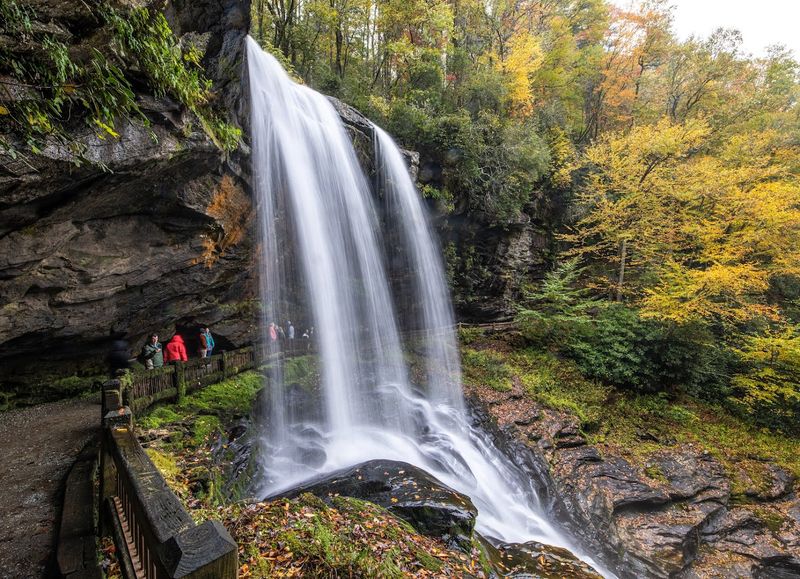
A carved-out path runs directly behind the cascading water, letting you stand in a cool, misty alcove while thousands of gallons rush past just inches away. It feels like stepping behind a giant curtain into a secret room that nature built just for you.
The path is paved and maintained, so you do not need hiking boots or special gear to enjoy it. Families with young kids, older adults, and first-time visitors all make the walk without much trouble.
The experience is genuinely one of a kind in the entire Southeast.
Standing behind the falls, the roar of the water is thunderous and thrilling. You can look out through the cascading sheet of water and see the forest and sky beyond it, which creates a picture-perfect frame that photographers absolutely love.
Many visitors say this single moment makes the whole trip worth it, and it is easy to understand why once you are standing there yourself.
The 65-Foot Drop That Makes It So Dramatic
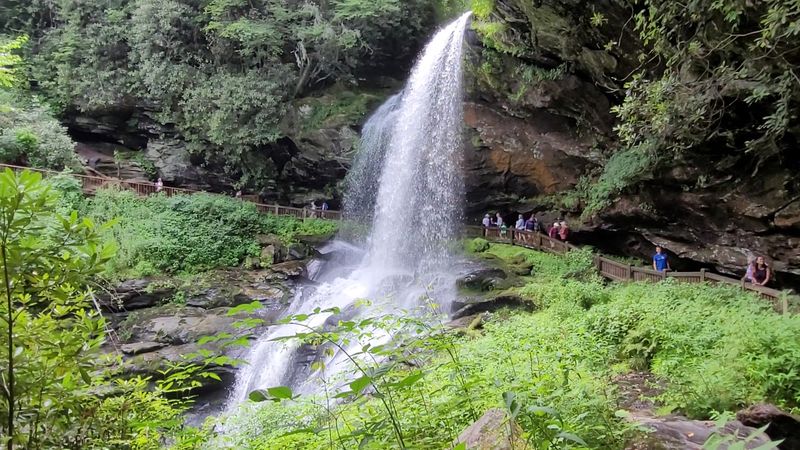
Sixty-five feet is roughly the height of a six-story building. When you picture that much water free-falling over a rocky ledge and crashing to the pool below, you start to understand why Dry Falls leaves people speechless.
The sheer volume and power of the water in motion is something photos simply cannot capture the way standing there in person does.
The Cullasaja River feeds the falls year-round, meaning the flow stays strong across all four seasons. In spring, snowmelt and rain push the volume even higher, creating a roaring wall of white water that vibrates the ground beneath your feet.
In summer, the cool mist from the falls offers welcome relief from the mountain heat.
What makes the height especially impressive is the geology around it. The water drops over an overhanging ledge, which is exactly what creates the hollow space behind the falls where visitors can walk.
Without that natural overhang, the whole behind-the-falls experience would not be possible. Geology and geography combined to create something truly special here, and the result has been drawing visitors to this corner of western North Carolina for generations.
Location Inside Nantahala National Forest
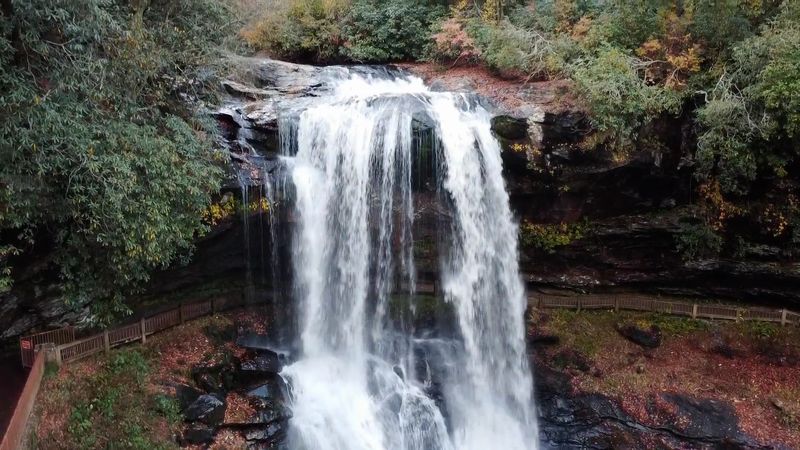
Dry Falls sits within the Nantahala National Forest, one of the largest national forests in the eastern United States. The forest covers over half a million acres across western North Carolina, and it is packed with trails, rivers, wildlife, and waterfalls.
Dry Falls is one of its most visited attractions, and for good reason.
The surrounding forest adds a magical layer to the visit. Towering hardwoods and hemlocks line the path down to the falls, creating a shaded canopy that keeps things cool even on warm days.
In autumn, the foliage turns brilliant shades of orange, red, and gold, making the hike down feel like walking through a painting.
Being inside a national forest also means the land is protected, so the area stays clean and well-preserved. You will not find commercial development crowding the experience.
The closest town is Highlands, NC, which is just a short drive away and offers restaurants, shops, and lodging for visitors who want to make a full day or weekend out of the trip. The combination of a world-class waterfall and pristine national forest setting makes Dry Falls a destination worth planning around.
The Short and Easy Paved Trail
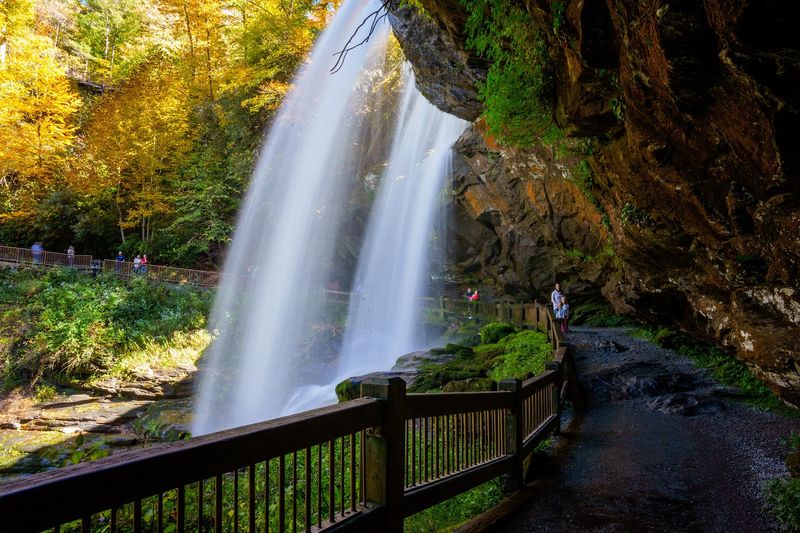
One of the best things about Dry Falls is that you do not have to be an experienced hiker to enjoy it. The trail from the parking area to the falls is paved the entire way, with stone steps, handrails, and multiple rest stops built in along the route.
The walk down takes most people less than five minutes, and the total distance is roughly a quarter mile round trip.
Along the way, there are overlook platforms where you can pause and take in different angles of the falls. These spots are perfect for photos and give you a moment to catch your breath before continuing down.
Visitors with young children, seniors, and people with moderate mobility challenges have all successfully made the walk based on real visitor reviews.
The only thing to keep in mind is that the path back up is all uphill. After the excitement of being behind the falls, the return climb can feel a little steeper than expected.
A few rest spots along the way help break it up. Wear comfortable shoes with decent grip, especially in wet weather, since the path near the base of the falls can get slick from the mist and spray.
Parking Tips and What to Expect on Arrival
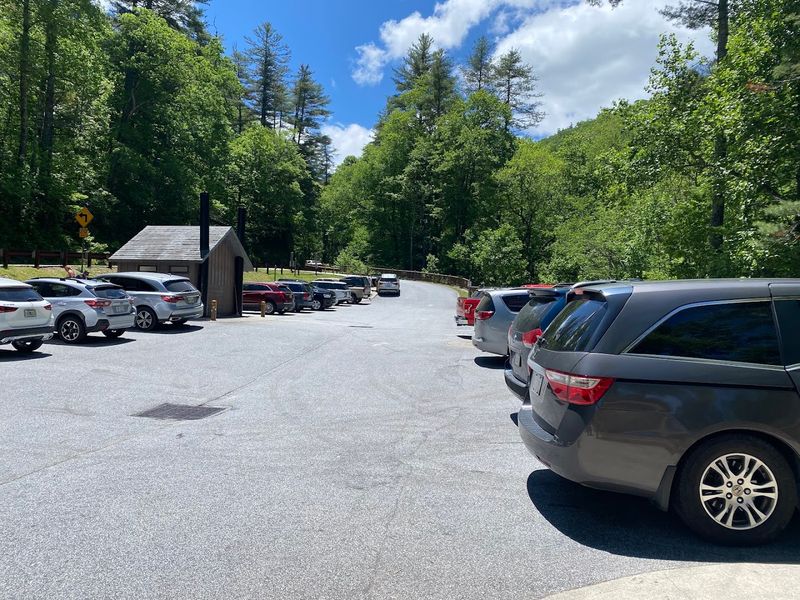
Parking at Dry Falls is the one part of the experience that gets mixed reviews. The lot is small, and on busy summer weekends, it fills up fast.
Visitors who arrive around midday on a sunny Saturday are almost guaranteed to wait. The good news is that turnover is quick since the walk itself takes only 15 to 20 minutes for most people.
There is a small parking fee, currently around three dollars per visit. A year-round pass is also available for those who plan to visit multiple times or explore other sites in the area.
The fee helps fund maintenance of the trail, restrooms, and facilities, so it is money well spent.
Arriving early in the morning or later in the afternoon on weekdays gives you the best chance of finding a spot without much wait. Patience goes a long way here.
Locals and repeat visitors all say the same thing: the experience at the falls is absolutely worth a short wait in the parking area. There are composting restrooms on-site, which is a nice touch for a site this accessible.
Smile at your fellow visitors, enjoy the mountain air, and the spot will open up before you know it.
Visiting in Winter: Ice, Beauty, and Caution
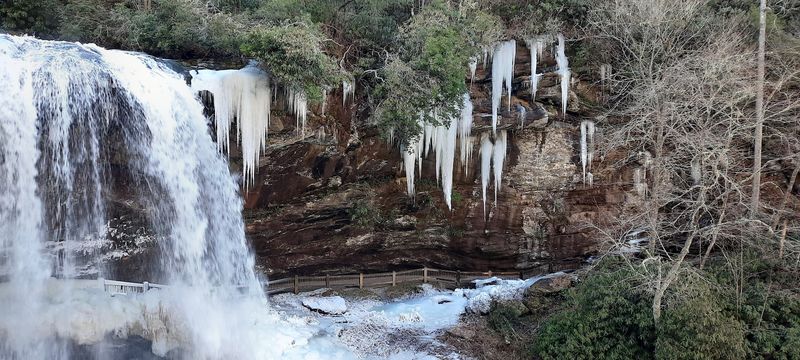
Winter transforms Dry Falls into a completely different kind of spectacle. Ice formations cling to the rocks around the falls, and the spray from the water freezes into delicate crystal shapes along the path and vegetation nearby.
The contrast between the rushing water and the frozen surroundings creates one of the most visually striking scenes in all of western North Carolina.
That said, winter visits come with real safety considerations. The path near the base of the falls can become icy and dangerously slick.
Multiple visitor reviews specifically warn about this, noting that the paved steps can feel like walking on glass when temperatures drop. Waterproof boots with good traction are strongly recommended for cold-weather visits.
Bringing a rain jacket or light waterproof layer is also smart in winter, since the mist from the falls can dampen your clothes even when it is cold outside. Despite the extra precautions needed, many visitors say winter is actually their favorite season at Dry Falls because the crowds are smaller and the scenery is breathtaking in a completely unique way.
If you can handle the chill and dress appropriately, a winter visit here is an unforgettable adventure that most tourists never even consider.
Photography Opportunities That Are Hard to Beat
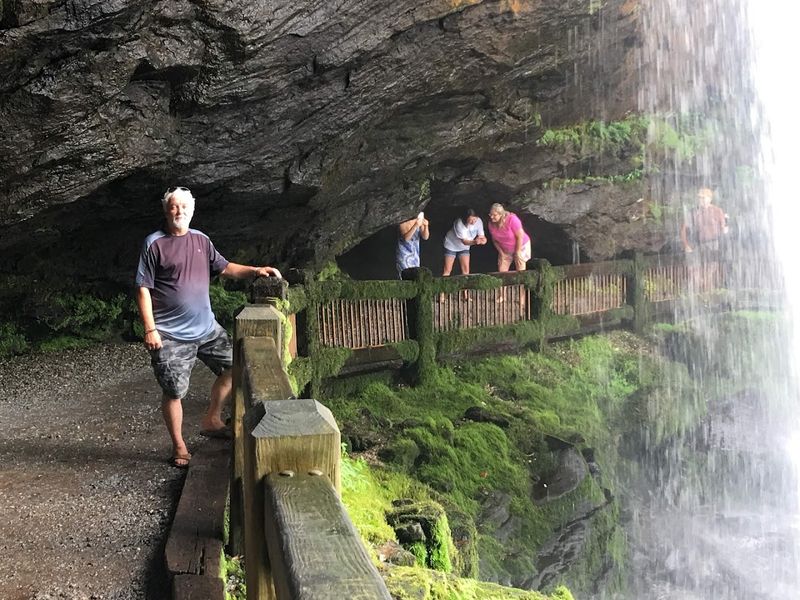
Few natural settings hand photographers such a ready-made composition as Dry Falls. Standing behind the curtain of water and shooting outward gives you a natural frame around the forest, sky, and any other visitors standing at the overlook.
The light filtering through the falling water creates a soft, almost glowing effect that looks stunning in both color and black-and-white shots.
The overlook platforms along the trail offer wide-angle views of the full 65-foot drop, which are ideal for landscape shots. Getting close to the base lets you capture the power and volume of the water, with dramatic spray and motion blur if you slow your shutter speed down.
Golden hour visits in the morning or evening add warm light to the already gorgeous scene.
A waterproof camera bag or a dry pouch for your phone is a smart idea since the mist behind the falls can reach your gear even when you stay on the path. Many photographers also bring a small tripod for long-exposure shots of the flowing water, which creates that silky waterfall effect popular in nature photography.
Whether you are shooting with a smartphone or a professional camera, Dry Falls gives you material that stands out in any photo collection.
The History and Name Behind Dry Falls
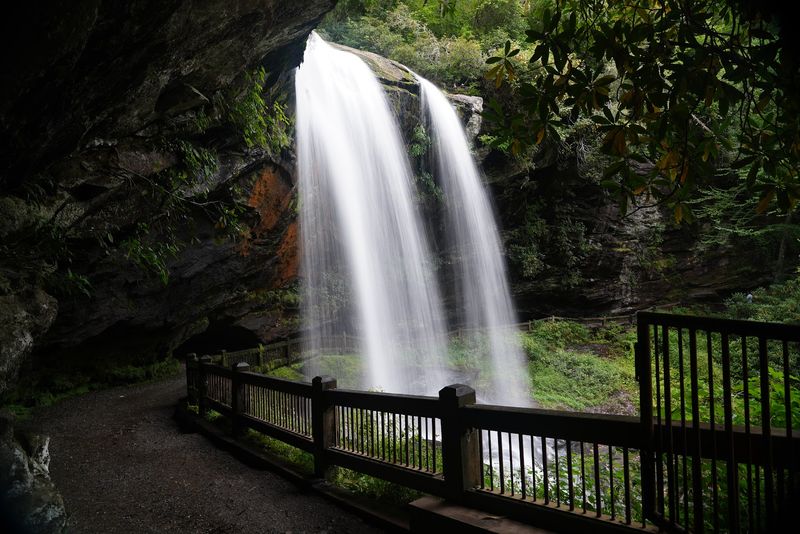
The name Dry Falls sounds like a contradiction. How can a 65-foot waterfall be called dry?
The answer lies in the unique overhang that makes this place so special. Because the water shoots outward over a ledge before dropping, the path directly behind the falls stays relatively sheltered from the main flow.
You can walk through without getting drenched, which is where the name comes from.
The falls have been a recognized attraction in the Highlands area for well over a century. Early visitors to the mountain resort town of Highlands discovered the falls as part of the natural beauty that made the area famous.
Over time, the trail was formalized, paved, and made accessible to the general public as part of the Nantahala National Forest system.
The Cullasaja River, which feeds the falls, has carved the surrounding gorge over thousands of years of erosion. The name Cullasaja comes from the Cherokee language and is often translated to mean honey locust place, reflecting the deep Indigenous history of this region.
The land around Dry Falls was long part of Cherokee territory before European settlers arrived, adding a layer of cultural and historical significance to an already remarkable natural site.
What to Bring for the Perfect Visit
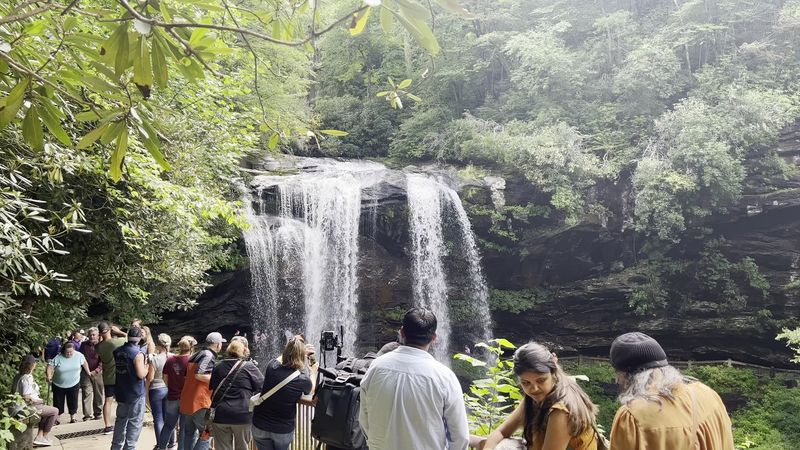
Packing smart makes a huge difference at Dry Falls, even though the walk is short. Comfortable shoes with non-slip soles are the single most important item on your list.
The path near the base of the falls stays wet from mist year-round, and a smooth-soled shoe on damp stone is a recipe for a stumble. Sneakers or light hiking shoes with rubber grip work well for most visitors.
A light rain jacket or packable windbreaker is worth tossing in your bag no matter the season. Behind the falls, you will feel cool mist on your skin and clothes, and while it is refreshing in summer, it can feel chilly in spring or fall.
Layering gives you the flexibility to adjust as you move from the warm parking lot to the cool hollow behind the water.
Bringing a reusable water bottle, sunscreen for the exposed overlook areas, and a small snack for after the walk rounds out a solid packing list. If you plan to photograph the falls, a waterproof case or dry bag for your phone or camera is a worthwhile addition.
The visit itself is short, but being prepared means you can focus entirely on enjoying one of North Carolina’s most spectacular natural attractions without any distractions.
Nearby Attractions to Pair With Your Visit
Dry Falls is a quick visit by design, which makes it a perfect anchor for a longer day of exploration in western North Carolina. The town of Highlands is just a few minutes away and offers charming boutique shops, excellent restaurants, and a lively small-town atmosphere that feels worlds away from the city.
It is one of the highest-elevation towns in the eastern United States and has a cool, refreshing climate even in midsummer.
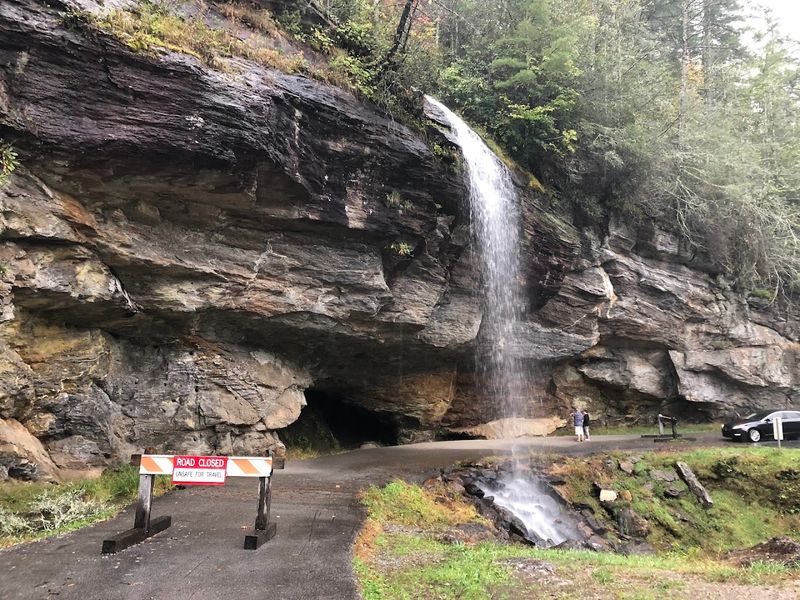
Just down the road along US Route 64, you can find Bridal Veil Falls, another waterfall where you can actually drive a car directly behind the cascade. Quarry Falls and Lower Cullasaja Falls are also nearby, making it easy to build a waterfall-hopping itinerary along the Cullasaja Gorge Scenic Byway in a single afternoon.
For those who want a longer adventure, the Appalachian Trail and numerous other hiking routes in Nantahala National Forest are within easy reach. Whitewater rafting on the Nantahala River and visits to nearby Cashiers and Franklin offer even more options for outdoor enthusiasts.
Whether you spend two hours or two days in the area, Dry Falls fits naturally into a broader exploration of one of the most scenic corners of the entire Appalachian Mountain region.