
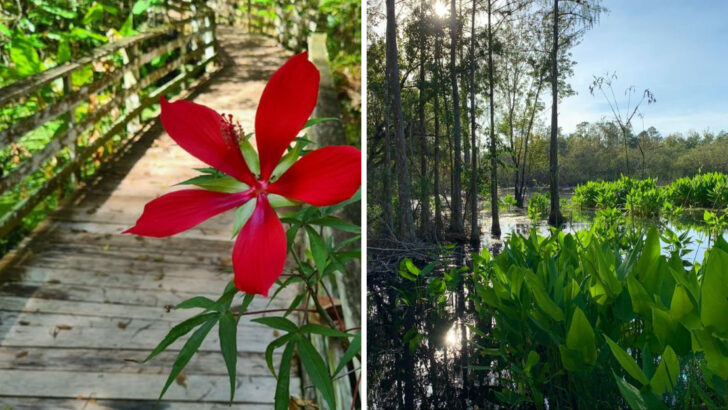
Tucked away in Southwest Florida, the Audubon Corkscrew Swamp Sanctuary is one of the most extraordinary natural places in the entire world.
A 2.25-mile elevated boardwalk carries you through towering bald cypress trees that have stood for hundreds of years, forming the largest old-growth cypress forest still left on Earth.
This is not just a nature walk — it is a journey back in time through a living, breathing ecosystem that has survived logging threats, development pressures, and the test of centuries.
Whether you are a birder, a family looking for adventure, or simply someone who loves the outdoors, Corkscrew will leave you speechless.
A Boardwalk Through Time and Wilderness
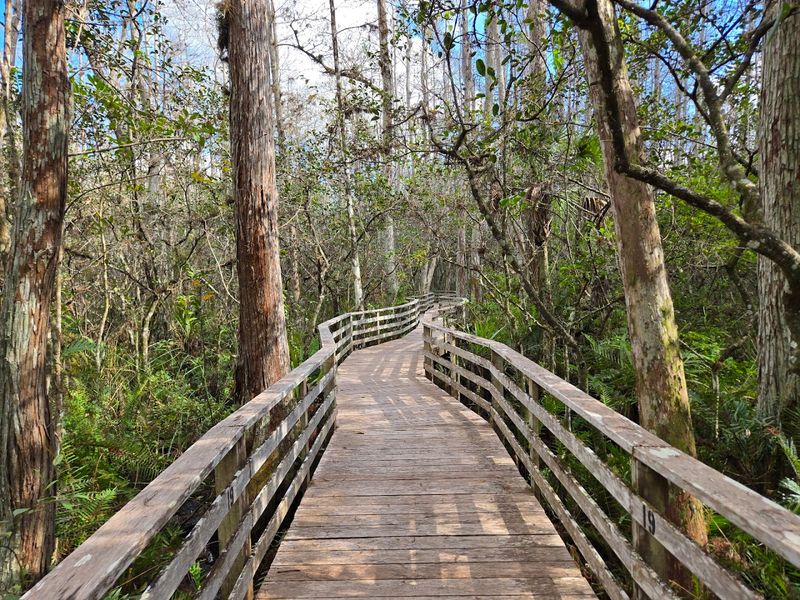
Imagine walking through a forest so old that some of its trees were already ancient when the United States was founded. That is exactly what you experience the moment you step onto the boardwalk at Corkscrew Swamp Sanctuary in Naples, Florida.
The 2.25-mile elevated wooden path carries you above the waterline and deep into one of the last intact old-growth ecosystems on the planet.
Bald cypress trees rise around you like cathedral columns, some stretching 130 feet into the sky and living for more than 500 years. The air smells earthy and fresh, and the sounds of birds echo through the canopy above.
Sunlight filters down through the leaves in golden beams, giving the forest an almost spiritual feeling that is hard to describe but impossible to forget.
The boardwalk was designed to be gentle and accessible, meaning almost anyone can experience this wild, ancient world without a strenuous hike. It is one of those rare places where nature still feels completely untouched.
Visiting Corkscrew is not just a walk in the woods — it is a chance to stand inside a living piece of Earth’s natural history and feel genuinely humbled by it.
What Makes Corkscrew Special: A Global Natural Treasure
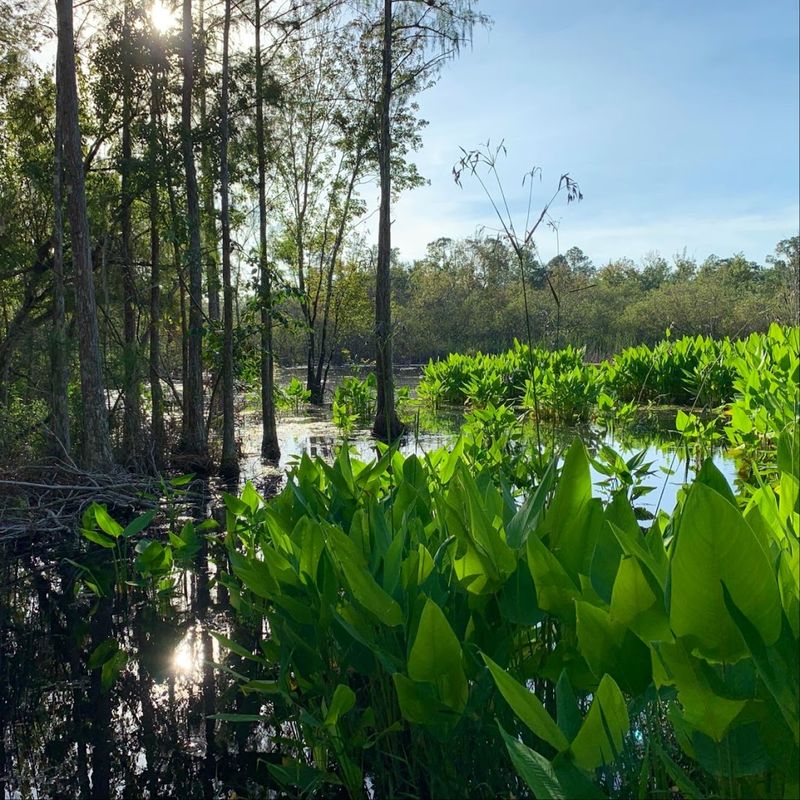
Not every forest gets to carry the title of “largest on Earth,” but Corkscrew Swamp Sanctuary earns it honestly. Spanning more than 13,000 acres of protected wetland in Collier County, Florida, the sanctuary contains over 700 acres of old-growth bald cypress — a forest type so rare that almost nothing like it remains anywhere else in the world.
The bald cypress trees here are genuinely massive. Some reach heights of 130 feet and have trunk diameters wide enough to make a grown adult feel tiny standing next to them.
Many of these trees were alive during the 1500s, making them older than most nations on the modern map. Scientists and conservationists from around the globe travel to Corkscrew specifically to study these trees and the delicate ecosystem they support.
What makes this place even more remarkable is how complete the ecosystem still is. The forest has its original soil structure, its native understory plants, and its full range of wildlife.
Most old-growth forests around the world have been fragmented or degraded, but Corkscrew remains largely whole. That wholeness is exactly what makes it a global treasure — and a destination worth protecting for every future generation that comes after us.
History of Conservation: From Logging Threat to Preservation
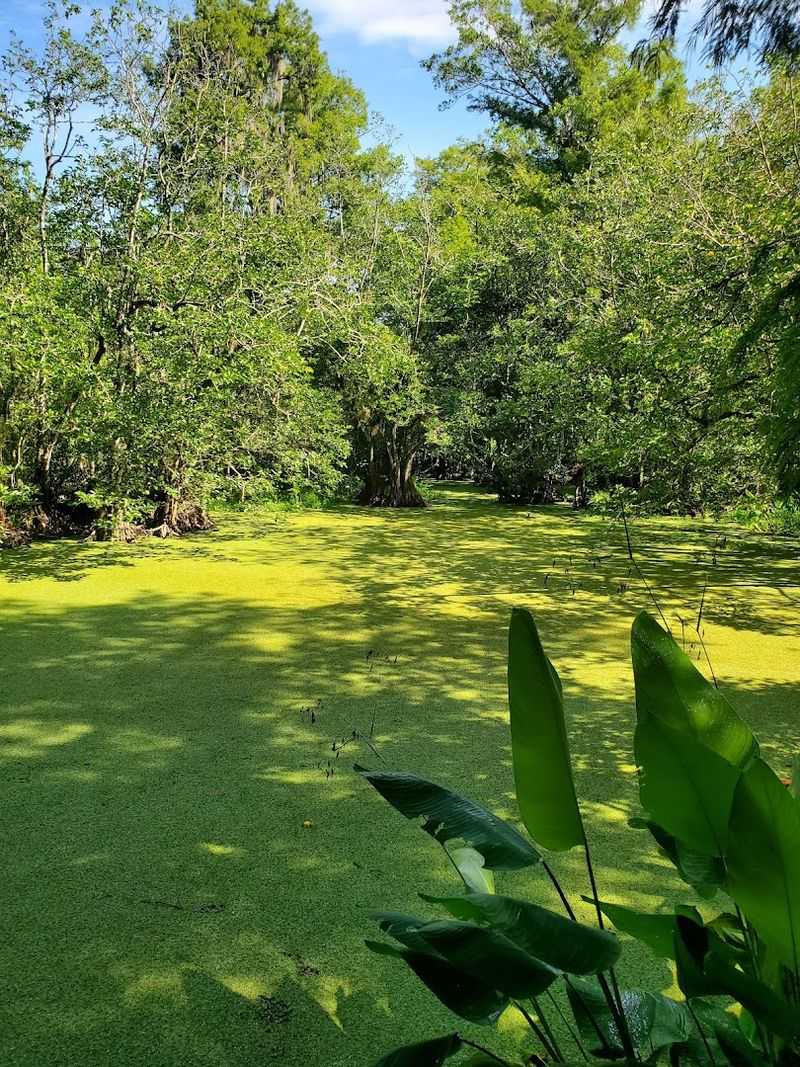
Back in the early 1950s, Corkscrew Swamp came terrifyingly close to disappearing forever. Logging companies had already cleared vast stretches of cypress forest across Florida, and Corkscrew was next on the list.
The ancient trees that had stood for centuries were about to be cut down for lumber in a matter of years.
A group of passionate local conservationists and ornithologists sounded the alarm, drawing attention to the massive wood stork nesting colony living in the swamp. Their advocacy caught the attention of the National Audubon Society, which launched a campaign to save the forest.
Through fundraising, negotiation, and public awareness efforts, the Audubon Society purchased the land and officially established the sanctuary in 1954 — just in time to stop the chainsaws.
That story of last-minute rescue is one of the great conservation victories of the twentieth century. Without those early advocates, this irreplaceable ecosystem would be gone today, replaced by timber yards and empty wetlands.
The sanctuary stands as living proof that organized, determined conservation efforts can genuinely change the course of history. Every visitor who walks the boardwalk today is walking through a forest that almost did not survive — and that knowledge makes every step feel a little more meaningful.
The Iconic 2.25-Mile Boardwalk Experience
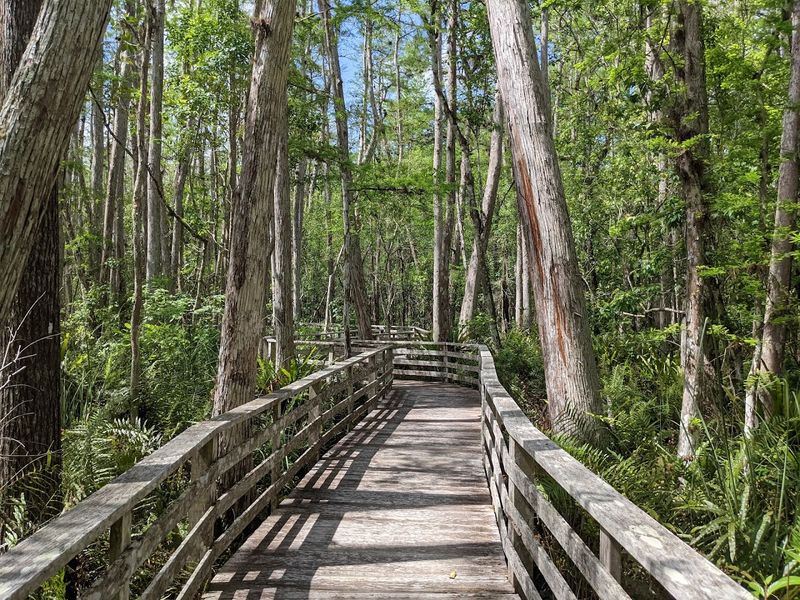
The boardwalk at Corkscrew Swamp Sanctuary is not just a path — it is the experience itself. Stretching 2.25 miles in a loop, the elevated wooden walkway takes you through four distinct natural habitats, each with its own character, sounds, and wildlife.
You begin in open pine flatwoods, where scrubby trees and wildflowers line the trail. From there, the landscape shifts into wet prairie, then open marsh, and finally into the deep, shadowy cathedral of the old-growth cypress forest.
Each transition feels like turning a page in a book. The light changes, the sounds change, and the plants and animals around you shift completely.
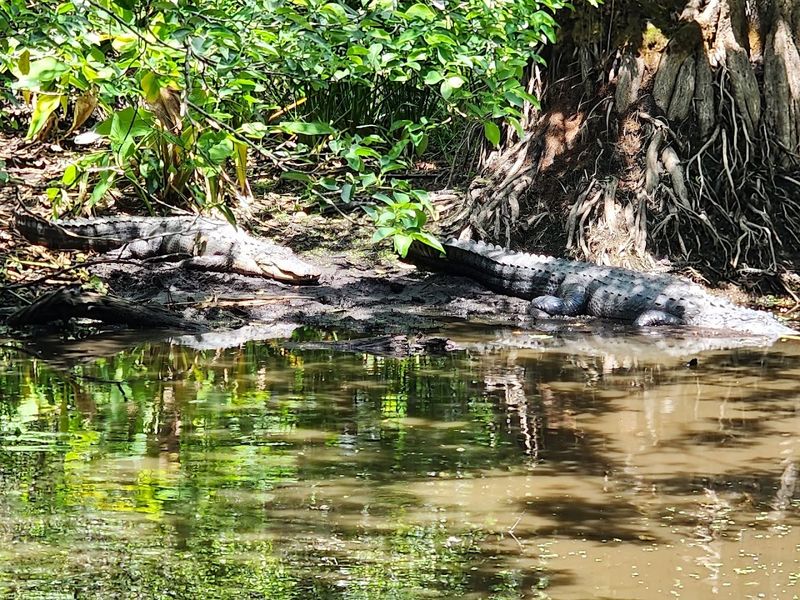
Alligators rest near the water’s edge in the marsh section, while wood storks and herons wade through shallow pools. Inside the cypress forest, the world feels ancient and hushed, like stepping into a place that time forgot.
The boardwalk is wide enough to be comfortable and is built to minimize impact on the fragile wetland below. The loop design means you never have to backtrack, and the pace is entirely your own — most visitors take between one and three hours to complete it.
Bring your camera, because almost every corner of this trail offers something worth photographing.
Ecology and Biodiversity: Wildlife and Plant Life Along the Trail
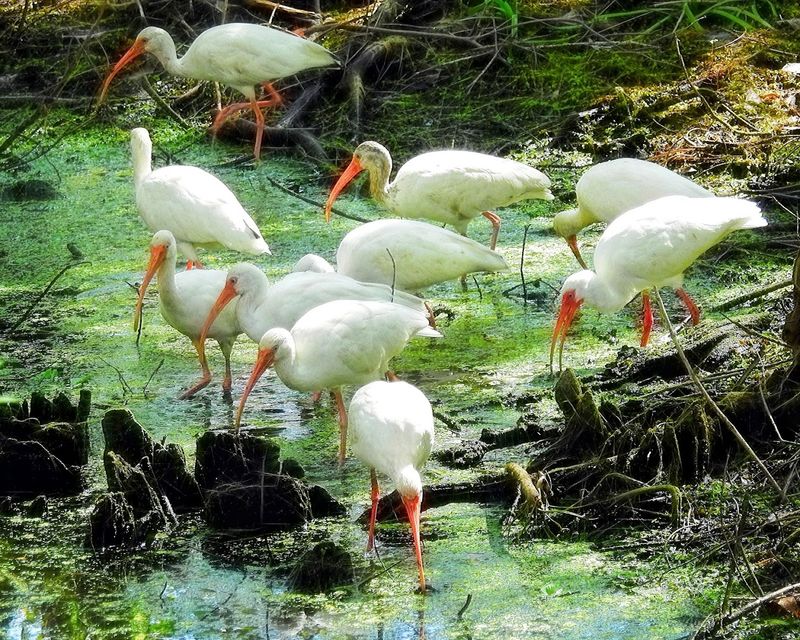
Few places in North America pack as much biodiversity into a single walk as Corkscrew Swamp Sanctuary. The boardwalk puts you within arm’s reach of an astonishing variety of life — from massive alligators floating motionless in dark water to tiny, jewel-colored Painted Buntings flashing through the understory like living confetti.
Over 265 species of birds have been recorded at the sanctuary, making it a legendary destination for birdwatchers. Wood storks, one of North America’s few native stork species and a federally listed bird, nest here in large colonies during winter months.
Barred owls call from the treetops, anhingas spread their wings to dry on cypress branches, and during spring migration, warblers fill the canopy with color and song. River otters occasionally splash through the water below the boardwalk, and white-tailed deer move quietly through the forest edges.
Plant life is equally spectacular. Rare ghost orchids and butterfly orchids cling to cypress bark high above the trail.
Bromeliads, ferns, and air plants create layered green tapestries on every trunk and branch. The ecosystem functions like a perfectly tuned machine, with every species playing a role.
Walking through it feels less like tourism and more like witnessing something genuinely sacred.
Interpretive Signage and Visitor Engagement
One of the best upgrades at Corkscrew in recent years has been a major investment in interpretive signage along the boardwalk. These are not dry, boring plaques — they are thoughtfully designed panels that tell the story of the swamp in an engaging, accessible way.
Topics range from fire ecology and water hydrology to bird identification and the life cycle of the bald cypress tree.
Many signs now include QR codes that link to audio content, videos, and extended information on your smartphone. This means you can go as deep into the science as you want, or simply enjoy the visuals and short summaries if you prefer a lighter experience.
Families with kids especially appreciate the interactive elements, which turn the boardwalk into an outdoor classroom that never feels like homework.
Rangers and trained volunteers are also stationed at key points along the trail during peak hours, ready to answer questions and point out wildlife you might otherwise miss. They know the swamp intimately and can share stories about specific trees, nesting behaviors, and seasonal changes that no sign could fully capture.
That human connection — a knowledgeable person sharing genuine enthusiasm for a place — adds a layer of depth to the visit that makes Corkscrew feel truly special.
Seasonal and Special Programs
Corkscrew Swamp Sanctuary is the kind of place that rewards repeat visits because it genuinely transforms with the seasons. The wood stork nesting season peaks between December and April, drawing birders from across the country who come specifically to watch the colonies raise their chicks high in the cypress canopy.
Summer brings lush greenery and dramatic afternoon thunderstorms that light up the swamp with a moody, cinematic beauty.
Throughout the year, the sanctuary offers special programs that go well beyond a solo boardwalk walk. The Ancient Forest Tour is a fan favorite — a guided experience led by expert naturalists who share the deep history of the old-growth trees, explain the ecological relationships at play, and help visitors spot wildlife they might walk right past on their own.
Photography workshops, family nature programs, and school field trips are also regularly scheduled.
Evening programs occasionally run during cooler months, offering a completely different perspective on the swamp as nocturnal creatures come to life. Owls, frogs, and night herons take center stage after dark.
Checking the sanctuary’s event calendar before your visit is strongly recommended, since these programs fill up quickly. Attending a guided event can easily turn a good visit into an unforgettable one.
Accessibility and Family-Friendly Features
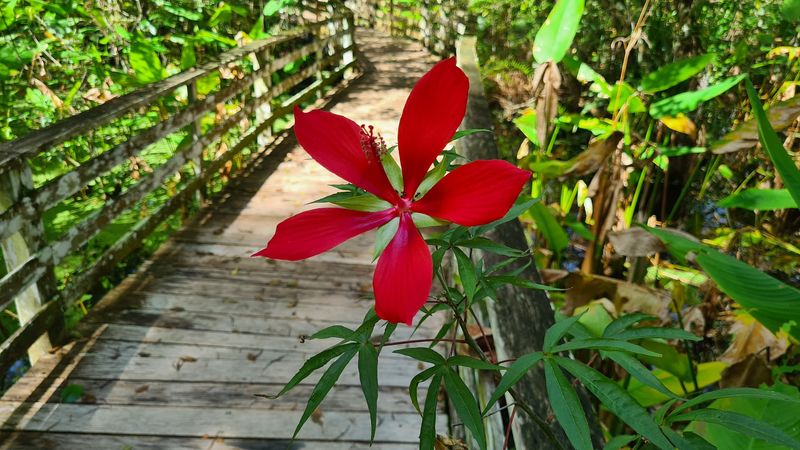
One of the most thoughtful things about Corkscrew Swamp Sanctuary is how hard it works to welcome every kind of visitor. The entire 2.25-mile boardwalk is flat and smooth, making it fully wheelchair accessible.
The visitor center is also ADA-compliant, with accessible restrooms, wide doorways, and ramp access throughout. Wheelchair loaners are available free of charge for visitors who need them — just ask at the front desk when you arrive.
Families with young children will find the sanctuary genuinely kid-friendly. The wildlife sightings are frequent and exciting enough to hold a child’s attention for the full loop, and the interpretive signs are written at multiple reading levels so both kids and adults can engage.
Binocular rentals are available at the nature store, which is a great option for younger visitors who want to feel like real wildlife explorers.
After the walk, a shaded picnic area near the visitor center provides a relaxing spot to refuel and share highlights from the trail. A seasonal cafe offers snacks and drinks when open, and the nature store carries field guides, gifts, and educational materials perfect for curious young naturalists.
With so many amenities in one place, Corkscrew truly removes the barriers that sometimes make nature feel inaccessible to certain groups.
Conservation Impact Beyond the Boardwalk
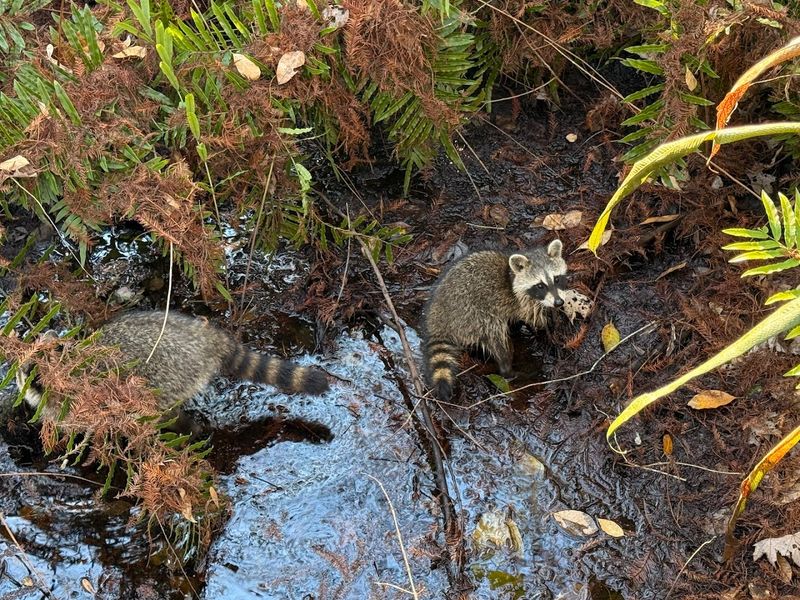
The work happening at Corkscrew Swamp Sanctuary extends far beyond what any visitor can see from the boardwalk. The wetlands here play a critical role in the environmental health of all of Southwest Florida.
As rainwater flows through the swamp, the plants and soil act as a massive natural filter, removing pollutants and recharging the underground aquifers that millions of Floridians depend on for drinking water.
The sanctuary also serves as a buffer zone against the kind of catastrophic flooding that increasingly threatens coastal communities in Florida. Healthy wetlands absorb enormous amounts of stormwater during hurricanes and heavy rain events, slowing the flow and reducing flood damage downstream.
Corkscrew’s 13,000 acres of protected land provide that service for free, year after year, simply by existing.
Fire management is another critical part of the sanctuary’s conservation work. Controlled burns are conducted periodically to mimic the natural fire cycles that Florida’s pine flatwoods and wet prairies evolved with over thousands of years.
Without these burns, invasive plants would take over and the native ecosystem would slowly collapse. The Audubon Society’s ongoing stewardship ensures that Corkscrew remains not just a beautiful destination, but a fully functioning ecological engine supporting life far beyond its own borders.
Essential Visitor Information for Planning Your Trip
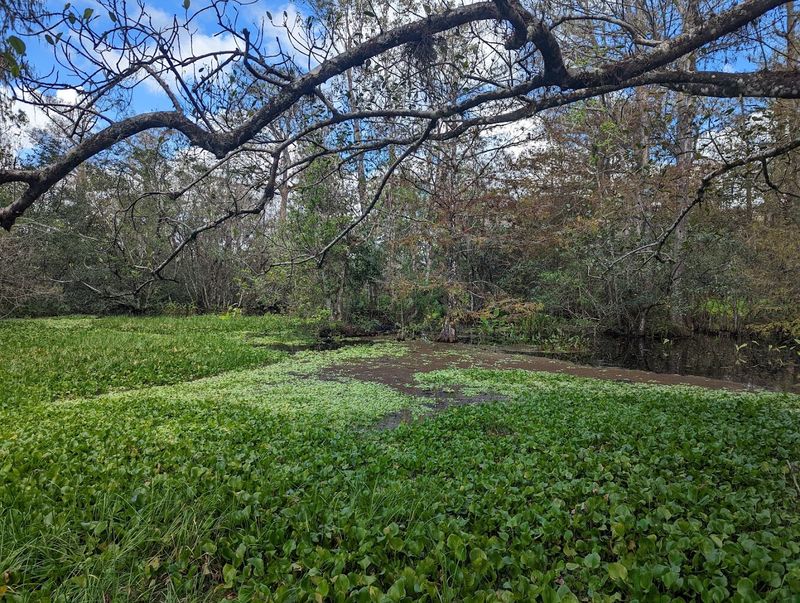
Planning your visit to Corkscrew Swamp Sanctuary takes just a little preparation, and it is absolutely worth doing right. The sanctuary is located at 375 Sanctuary Road West, Naples, FL 34120 — roughly 30 minutes northeast of downtown Naples.
The drive takes you through classic Florida countryside, and GPS navigation works reliably to the entrance. Parking is free and plentiful, with shaded spots available near the visitor center.
The sanctuary is open daily, with hours that shift seasonally. Generally, the boardwalk is accessible from early morning through mid-afternoon, with the last entry occurring before closing time.
Checking the official Audubon Corkscrew website before your visit is the smartest move, since hours can change during nesting season and special events. Online ticketing is strongly recommended to guarantee entry, especially during peak winter months when crowds are largest.
Admission prices vary by age and membership status, with discounts available for children, students, military personnel, and Audubon members. Pack water, sunscreen, and insect repellent regardless of the season — Florida heat and mosquitoes are real.
Wear closed-toe shoes with good traction, since the boardwalk can be slippery after rain. Binoculars, a field guide, and a fully charged camera will complete your kit for an extraordinary day in one of Florida’s most irreplaceable wild places.