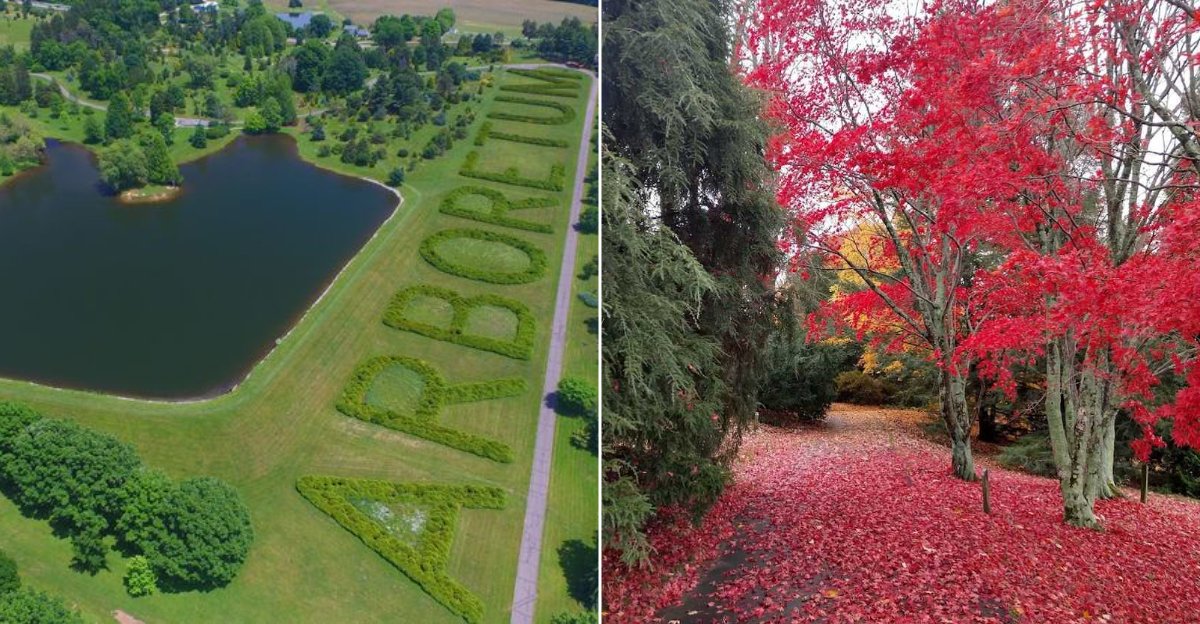
Tucked just outside of Newark, Ohio, The Dawes Arboretum is one of the Midwest’s most beloved natural treasures, spanning nearly 2,000 acres of breathtaking landscapes. Founded in 1929 by Beman and Bertie Dawes, this century-old arboretum has welcomed generations of nature lovers, families, and curious explorers.
From flowering trees and tranquil lake views to miles of winding trails, there is always something new to discover here. Whether you are planning your first visit or your tenth, this guide highlights the best features that make The Dawes Arboretum a truly unforgettable Ohio destination.
The Iconic Dawes Hedge Lettering
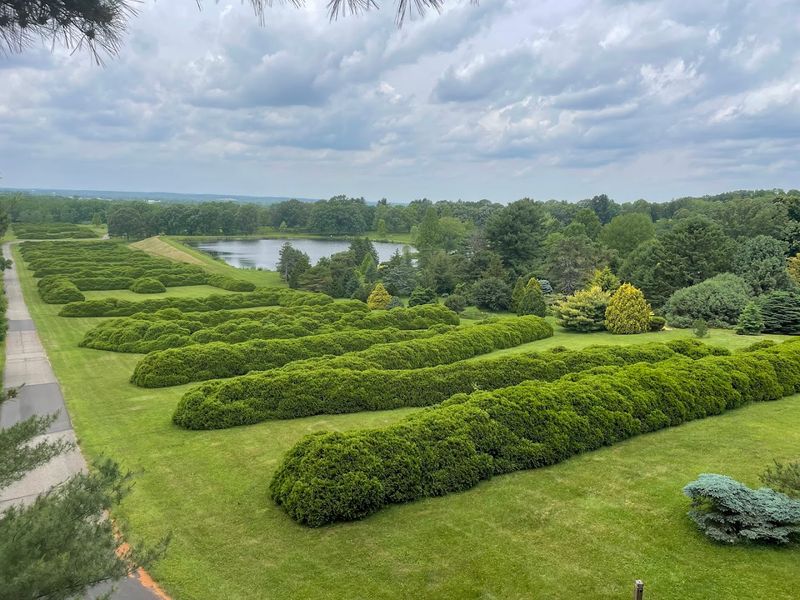
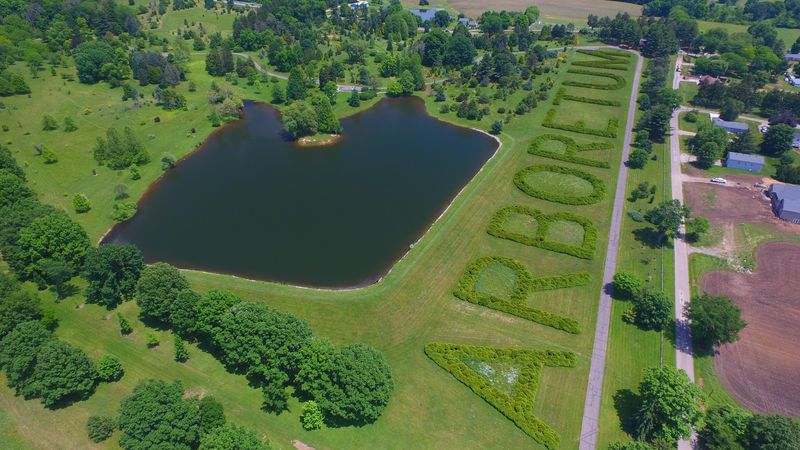
Few things at The Dawes Arboretum are as jaw-dropping as the famous hedge letters that spell out “DAWES ARBORETUM” across a sweeping green hillside. Planted decades ago using carefully shaped Japanese yew hedges, these massive letters stretch nearly 2,000 feet in length and are best viewed from the observation tower nearby.
It is one of those sights that makes you stop and say, “I have never seen anything like this before.”
The hedge lettering has become a signature symbol of the arboretum, appearing on postcards, photos, and travel guides across Ohio. Visitors often make the short climb up the observation tower just to get that classic overhead view.
On a clear day, the contrast between the dark green hedges and the surrounding landscape is truly stunning.
Maintaining these hedges requires serious dedication. The grounds crew trims and shapes the letters throughout the season to keep them crisp and clean.
If you are visiting for the first time, do not skip the tower — the view from the top is one of the most photographed moments at the entire arboretum. Bring your camera and enjoy the panoramic scenery that stretches far beyond the letters themselves.
The Japanese Garden
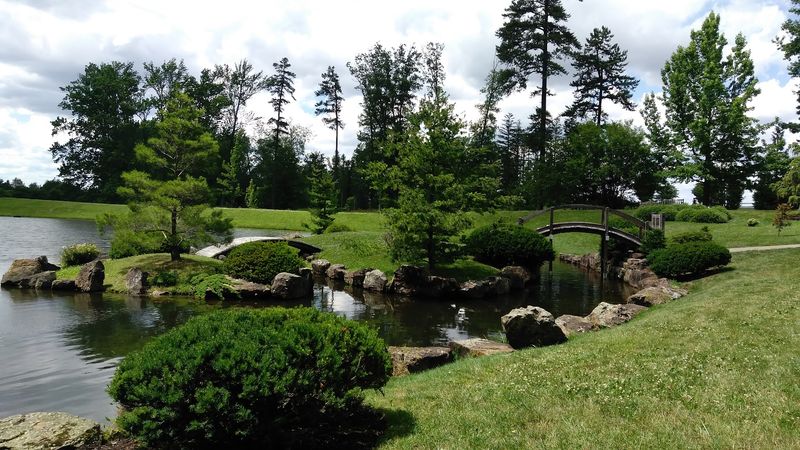
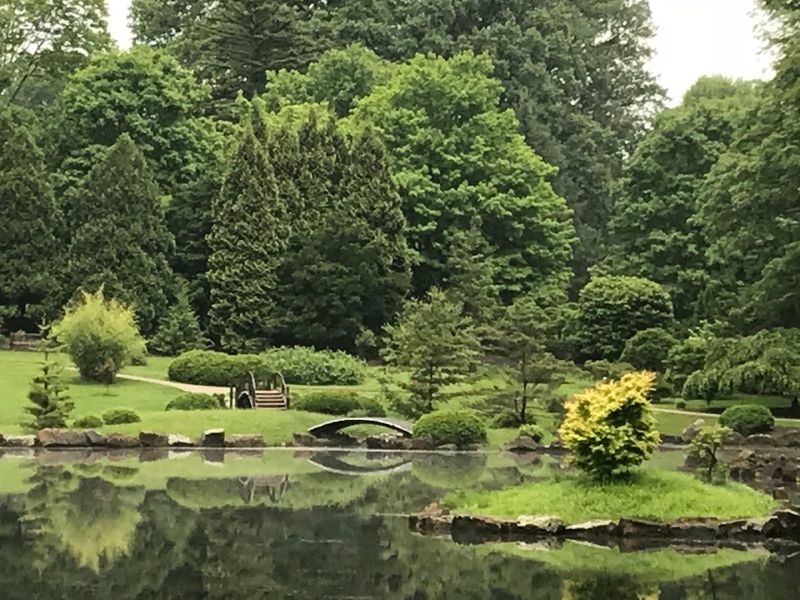
Stepping into the Japanese Garden at The Dawes Arboretum feels like being transported to an entirely different world. Inspired by traditional Japanese garden design, this peaceful oasis features a serene koi pond, stone lanterns, arched bridges, and meticulously pruned trees that reflect centuries of horticultural artistry.
It is easily one of the most photographed spots on the entire property.
The garden was designed to encourage quiet reflection and mindful observation. Visitors are asked to walk slowly and respectfully, which naturally encourages you to notice every detail — the ripple of water, the texture of moss on stone, and the way sunlight filters through the canopy overhead.
Even on busy days, the Japanese Garden manages to feel calm and unhurried.
Bicycles are not permitted inside the garden, which helps preserve its peaceful atmosphere. Spring is especially magical here, when cherry blossoms and other flowering trees burst into color around the pond.
Fall transforms the space with warm amber and gold tones that feel like something out of a painting. No matter the season, the Japanese Garden offers a genuinely restorative experience that visitors consistently describe as a highlight of their trip to The Dawes Arboretum.
Miles of Scenic Hiking Trails
With somewhere between 12 and 14 miles of trails weaving through the property, The Dawes Arboretum is a hiker’s paradise hiding in plain sight just outside Columbus. Trails range from easy, flat paved paths to more rugged dirt routes that roll across the arboretum’s natural terrain.
Whether you are out for a casual morning stroll or aiming to rack up your daily step count, there is a trail here that fits your pace.
One of the best things about hiking at Dawes is how the scenery shifts as you move through different sections. You might pass through a dense forest one moment and emerge beside a glassy lake the next.
Most trees and shrubs along the trails are labeled with informational tags, turning every walk into an informal botany lesson.
Practical tips make a big difference here. Wear comfortable, supportive shoes since some sections involve uneven ground.
Bring plenty of water, especially on warm days when the paved sections can get hot underfoot. Pets are welcome on leashes, and designated parking areas are scattered throughout the grounds so you can drive to different trailheads.
Exploring the full trail system in a single visit is ambitious, but that just gives you a great reason to come back again.
The Dawes Lake and Water Views
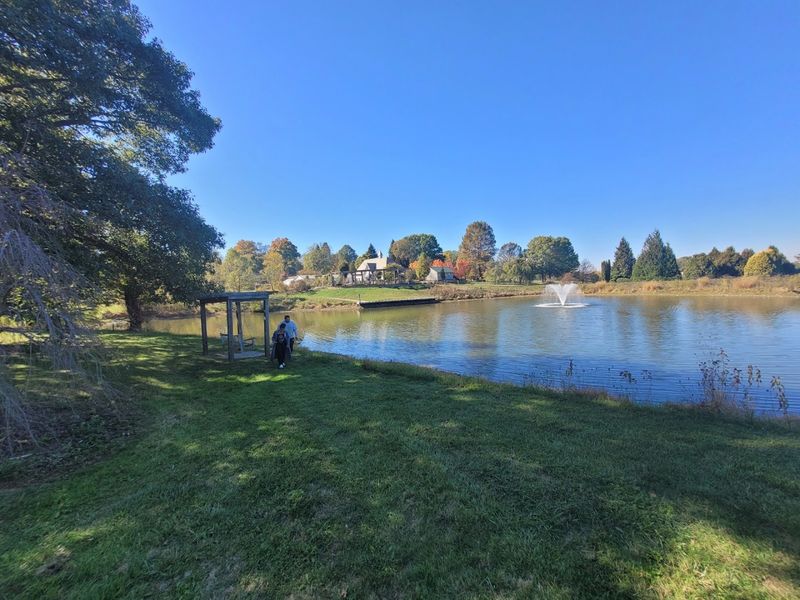
There is something quietly magical about stumbling upon a still, glassy lake in the middle of a forested arboretum. The lake at The Dawes Arboretum is one of those unexpected rewards that makes a long trail walk feel completely worth it.
Framed by mature trees that change dramatically with each season, the water views here are genuinely breathtaking at any time of year.
In spring and summer, the lake reflects the lush green canopy above, creating mirror-like images that are perfect for photography. Come autumn, the surrounding trees ignite in shades of orange, red, and gold, making the lake one of the most spectacular spots on the property for fall foliage viewing.
Even in winter, the bare branches and quiet water carry a certain stark, peaceful beauty.
Wildlife also gathers near the water, so keep your eyes open for ducks, herons, and other birds that frequent the shoreline. Families with young children especially enjoy pausing at the lake to watch the natural activity on and around the water.
Bring a pair of binoculars if you enjoy birdwatching, as the lake area attracts a surprising variety of species throughout the year. It is a spot that invites you to slow down and simply breathe.
Flowering Trees and Seasonal Blooms
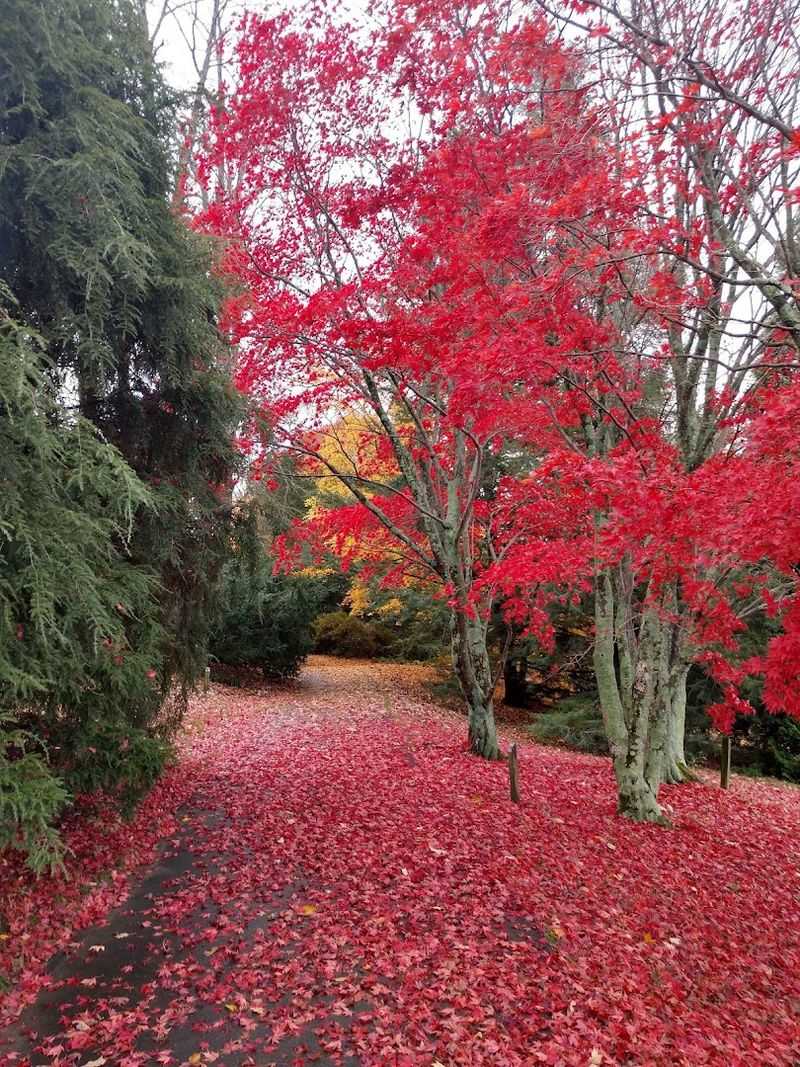
Every spring, The Dawes Arboretum transforms into a living canvas of color as hundreds of flowering trees burst into bloom across the grounds. Cherry blossoms, dogwoods, magnolias, and crabapples all take turns painting the landscape in shades of pink, white, and lavender.
For anyone who has ever wanted to experience a true flowering tree display, this is the place to be in April and May.
The arboretum’s curators have spent decades carefully selecting and planting tree varieties that offer multi-season visual interest. Spring blooms are followed by summer foliage, then the fiery autumn color show, and finally the sculptural beauty of bare winter branches.
There is genuinely no bad time to visit if you appreciate trees in all their seasonal expressions.
Photographers and casual visitors alike tend to gravitate toward the flowering tree sections during peak bloom. Weekday mornings offer the quietest experience if you want unobstructed views and fewer crowds.
The arboretum’s website and social media channels often post bloom updates, so checking ahead of your visit helps you time your trip for the most spectacular display. Few things in central Ohio match the sheer visual joy of walking beneath a canopy of flowering trees in full spring glory.
The Auto Tour Experience

Not everyone can cover 12 to 14 miles on foot, and The Dawes Arboretum has a brilliant solution for that — the auto tour. Visitors can drive their vehicles along a designated route that winds through the arboretum’s most scenic sections, with clearly marked pull-off areas where you can park, step out, and explore on foot at your own pace.
It is a wonderfully flexible way to experience the grounds.
The auto tour is especially popular with older visitors, families with young children in strollers, or anyone who simply wants a relaxed, unhurried experience. Pulling off beside a grove of towering dawn redwoods or pausing near the lake for a few quiet minutes adds a spontaneous quality to the visit that many guests find deeply enjoyable.
You set the pace, and the arboretum rewards you at every stop.
First-time visitors often find it helpful to do a quick drive-through before deciding where to spend most of their time on foot. This gives you a mental map of the property and helps you prioritize the areas that interest you most.
The combination of driving and walking options makes The Dawes Arboretum genuinely accessible to a wide range of visitors, regardless of physical ability or available time.
The Cypress Swamp
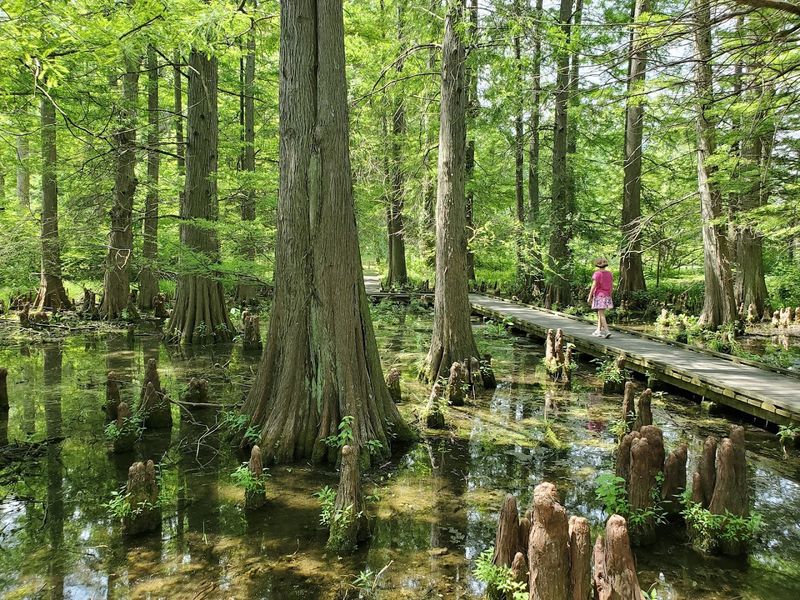
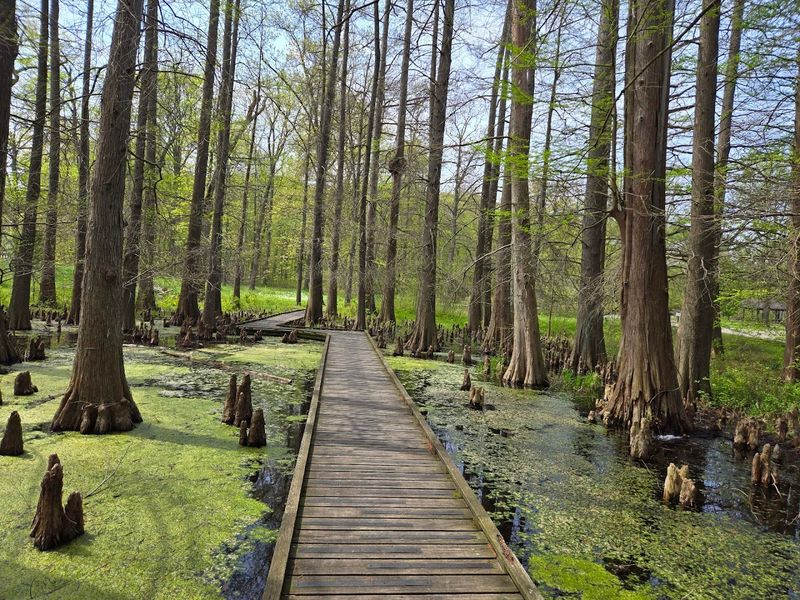
One of the most unusual and fascinating corners of The Dawes Arboretum is its cypress swamp, a hauntingly beautiful wetland habitat that feels completely unlike anything else on the property. Bald cypress trees rise from the shallow water on their distinctive knobby root structures called knees, creating an almost prehistoric atmosphere that surprises even seasoned arboretum visitors.
The cypress swamp offers a glimpse into a plant community rarely seen this far north. Bald cypresses are native to the southeastern United States, so finding a healthy grove of them in central Ohio is genuinely remarkable.
The arboretum’s founders and horticulturists worked deliberately to establish this collection, and it has matured into one of the most talked-about features on the property.
Visiting the swamp in early morning or on an overcast day adds an extra layer of atmosphere, with mist sometimes hovering over the water between the tree trunks. Birdwatchers will want to spend extra time here, as the wetland habitat attracts species not commonly found in the drier sections of the arboretum.
Children are often fascinated by the strange-looking cypress knees poking up from the water. It is one of those spots that sticks in your memory long after you have left the grounds.
The Historic Dawes Home and House Tours
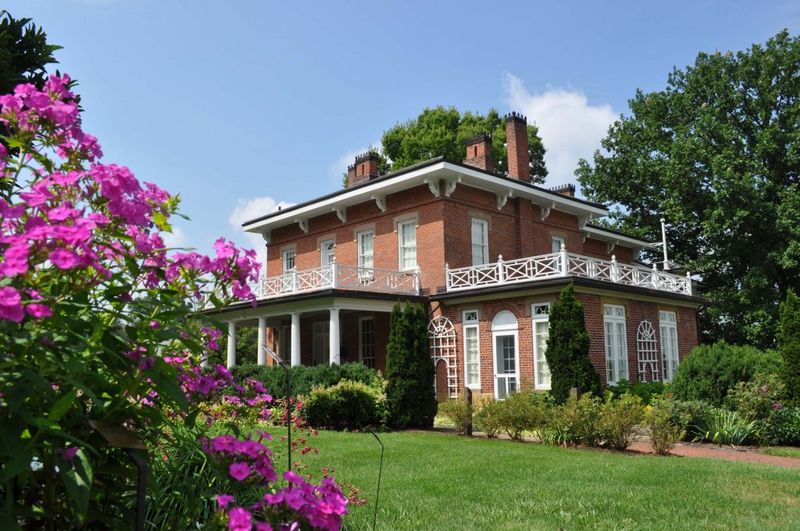
Behind the arboretum’s natural splendor lies a rich human story, and the historic Dawes home is where that story comes alive. Beman Gates Dawes and his wife Bertie built this property in the early twentieth century with a vision of creating a lasting sanctuary for trees, plants, and education.
The home has been preserved and is open for guided tours that offer a fascinating look into the family’s life and legacy.
Visitors who have taken the house tour consistently rave about the depth of knowledge their guides bring to the experience. The tour covers the home’s history, architecture, and the personal stories of the Dawes family, including some genuinely surprising details — like a remarkable feature in the basement that guides reveal during the tour.
It is the kind of storytelling that makes history feel vivid and personal rather than dry and distant.
Booking the house tour in advance is recommended, especially during peak spring and fall seasons when visitor numbers are highest. The tour adds meaningful historical context to the arboretum experience, helping you understand why this place was created and how it has evolved over a century.
Pairing a trail walk with a house tour makes for a wonderfully full and satisfying day at The Dawes Arboretum.
Guided Nature Programs and Seasonal Events
The Dawes Arboretum is far more than a place to walk and look at trees — it is an active center for nature education and community engagement. Throughout the year, the arboretum hosts a wide range of guided programs and seasonal events that draw visitors back again and again.
From maple syrup tours in late winter to mushroom walks in the fall, there is always something interesting on the calendar.
Naturalist-led programs are a standout feature of the arboretum’s event schedule. Guides bring genuine expertise and infectious enthusiasm to every walk, answering questions, pointing out hidden details, and making the natural world feel accessible to participants of all ages and backgrounds.
Past visitors have specifically praised guides for handling tricky questions honestly and thoughtfully rather than just guessing at answers.
Seasonal highlights include fall foliage tours, family nature programs, and special exhibits that rotate throughout the year. Checking the arboretum’s website at dawesarb.org before your visit is the best way to see what programs are currently scheduled.
Members and season pass holders often get early or discounted access to popular events. For families, school groups, or anyone who learns best through guided experiences, these programs transform a simple arboretum visit into something genuinely memorable and enriching.
The Conifer Collection
Walking through the conifer section of The Dawes Arboretum feels like stepping into a completely different world. Towering pines, spruces, and firs line the paths in impressive rows, their evergreen canopies blocking out the noise of everyday life.
Even in the middle of winter, this part of the arboretum stays lush and alive.
The collection includes dozens of species gathered from different parts of the world, making it a fascinating stop for anyone curious about trees. Kids especially love how dramatically the scale changes as you move deeper into the grove.
The air smells clean and faintly piney, which makes the experience even more refreshing.
The Bald Cypress Area
Not many people expect to find bald cypress trees thriving in the middle of Ohio, but The Dawes Arboretum surprises you at every turn. These ancient-looking trees, known for their distinctive knobby roots called knees, grow near water and create one of the most atmospheric spots on the entire property.
Autumn turns this area into something almost magical.
Bald cypresses are native to southeastern swamps, so seeing them flourish this far north is a testament to the arboretum’s careful horticultural work. Standing quietly near the water here, you might spot frogs, turtles, or herons going about their day without a care in the world.