
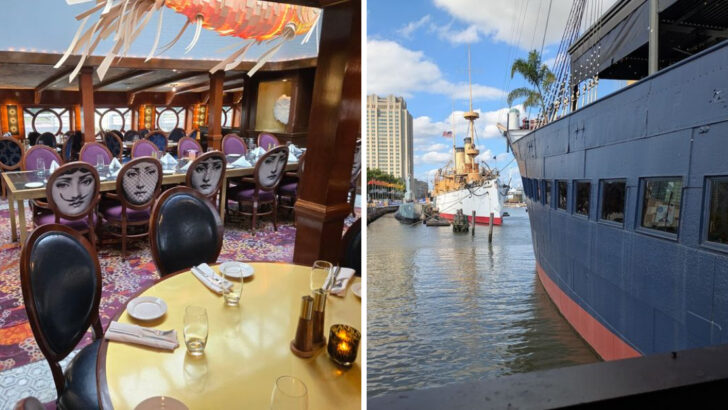
Imagine sitting down to dinner inside a real sailing ship that has crossed oceans, survived wars, and carried cargo around the world.
That is exactly what you can do aboard the Moshulu, a historic four-masted sailing vessel permanently docked along the Delaware River in Philadelphia, Pennsylvania.
Built over 100 years ago in Scotland, this incredible ship has been transformed into one of the most unique dining experiences in the entire country.
Whether you love history, great food, or just want a meal with an unforgettable view, the Moshulu delivers something truly special.
The Historic Ship Behind the Restaurant
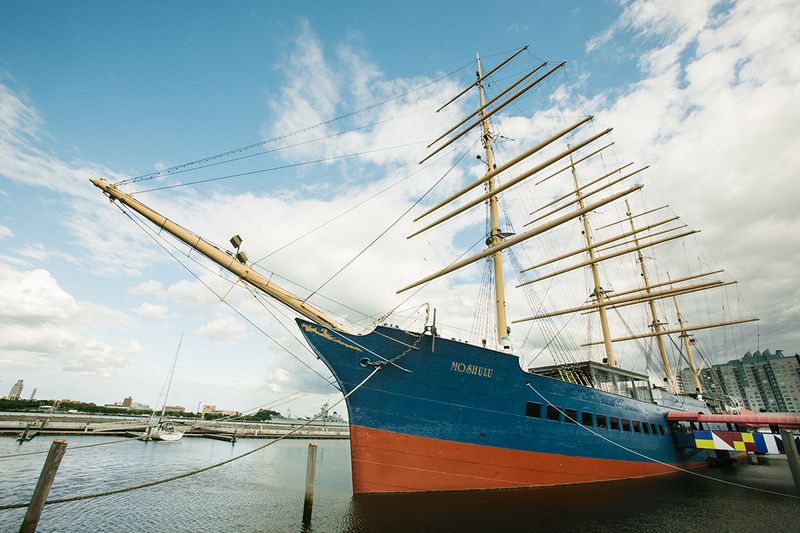
Some restaurants have a nice view. The Moshulu has a story that spans more than a century of global seafaring history.
Built in Port Glasgow, Scotland in 1904, this four-masted steel barque is one of the largest surviving windjammers anywhere in the world — and you can have dinner inside it.
The ship stretches over 300 feet in length and features four towering masts that still rise dramatically above Penn’s Landing today. Walking up the gangway feels less like entering a restaurant and more like stepping into a living museum.
Every rivet, mast, and timber has a tale attached to it.
Originally built for commercial cargo trade, the Moshulu was designed to haul heavy loads across long ocean routes efficiently and reliably. Steel construction made it stronger than older wooden ships, allowing it to handle brutal weather conditions that would have destroyed lesser vessels.
Today, those same sturdy bones support dining rooms full of guests enjoying seafood and cocktails on the Delaware River.
A Global Sailing Legacy Before Its Restaurant Days
Before the Moshulu ever hosted a single dinner guest, it spent decades doing something far more dangerous — sailing across some of the most treacherous ocean routes on the planet. Built during the final golden age of commercial sailing ships, the vessel regularly tackled routes that modern sailors still respect deeply.
Cape Horn, located at the southern tip of South America, is legendary among seafarers for its violent storms, freezing temperatures, and unpredictable winds. The Moshulu rounded the Horn multiple times during its working years, carrying cargo between continents when steam-powered ships were slowly beginning to replace sail-driven vessels worldwide.
The ship hauled loads of grain, coal, and other bulk goods across the Atlantic and Pacific Oceans throughout the early 1900s. It competed in the famous Grain Race, a series of annual sailing competitions between cargo ships traveling from Australia to Europe.
The Moshulu actually won the last Grain Race ever held in 1939, cementing its place in maritime history long before Philadelphia ever entered the picture.
A New Name With a Fearless Meaning
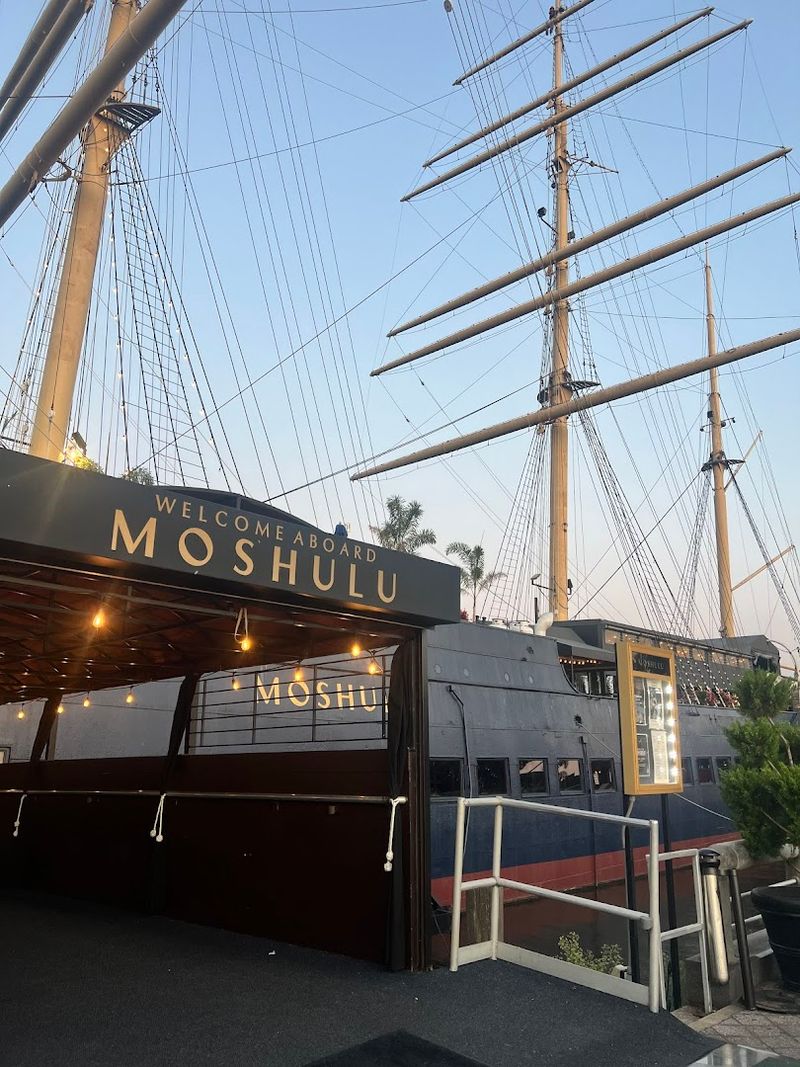
Every ship has a name, but few carry a meaning as bold as this one. When the United States seized the vessel from German ownership during World War I, American officials gave it a new identity — and they chose a name that matched its reputation for surviving the worst conditions at sea.
“Moshulu” reportedly comes from the Seneca language, spoken by one of the nations of the Haudenosaunee Confederacy in the northeastern United States. The word is said to translate roughly to “one who fears nothing,” a fitting tribute for a ship that had already survived Cape Horn crossings and brutal Atlantic crossings.
The original name, Kurt, reflected its German origins under the Hamburg shipping company that first operated it. Renaming the ship under American control during wartime was both a practical decision and a symbolic one.
Carrying a name rooted in Indigenous American language gave the vessel a distinctly new identity on this side of the Atlantic. That fearless spirit still feels alive today when you stand on its deck and look out at the river stretching toward the horizon.
From Cargo Ship to Floating Landmark
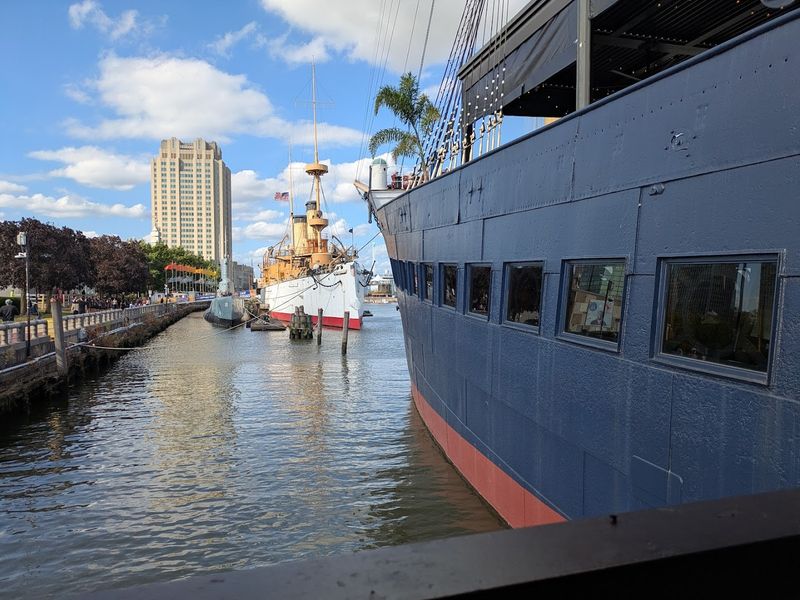
After decades of ocean crossings, the Moshulu’s sailing career eventually wound down. Like many aging vessels, it faced an uncertain future — spending years as a floating grain storage warehouse in Europe rather than cutting through open water.
The possibility of being scrapped loomed over it for some time.
Fortunately, a group of enthusiasts recognized the ship’s historical value and stepped in. In the early 1970s, the Moshulu was purchased and brought to the United States, where an ambitious restoration project began.
Workers carefully preserved the ship’s structural integrity while adapting its interior spaces for a completely different kind of voyage — one focused on hospitality rather than cargo hauling.
The transformation took years of detailed work. Steel compartments that once held grain were converted into elegant dining rooms.
The deck areas were adapted to welcome guests rather than dock workers. By 1975, the Moshulu officially opened as a floating restaurant in Philadelphia, introducing diners to one of the most unconventional meal settings imaginable.
Turning a working cargo ship into a thriving restaurant without stripping away its soul was no small achievement, and the result remains a landmark that draws visitors from across the country.
Permanently Docked at Penn’s Landing
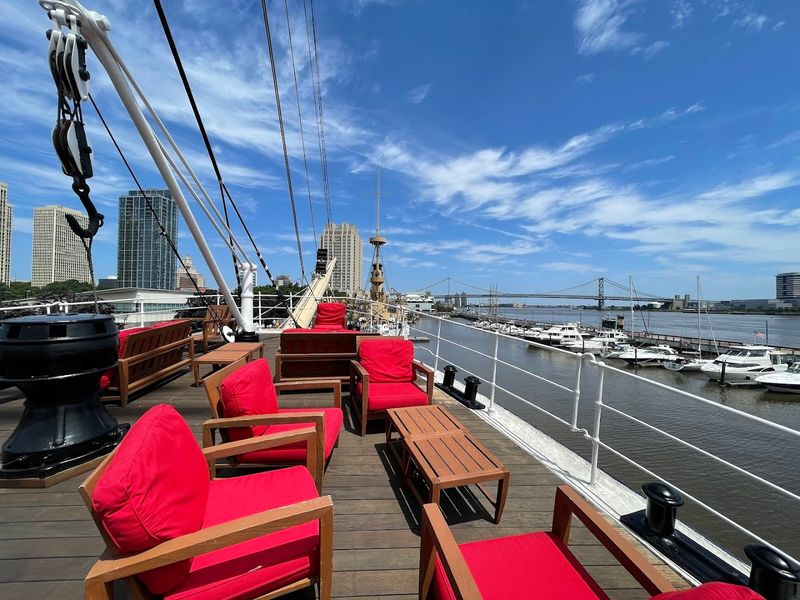
Location matters enormously in the restaurant world, and the Moshulu’s spot on the Delaware River is hard to beat. Permanently moored at Penn’s Landing — Philadelphia’s historic waterfront district — the ship sits at the edge of a neighborhood rich with maritime heritage and American history.
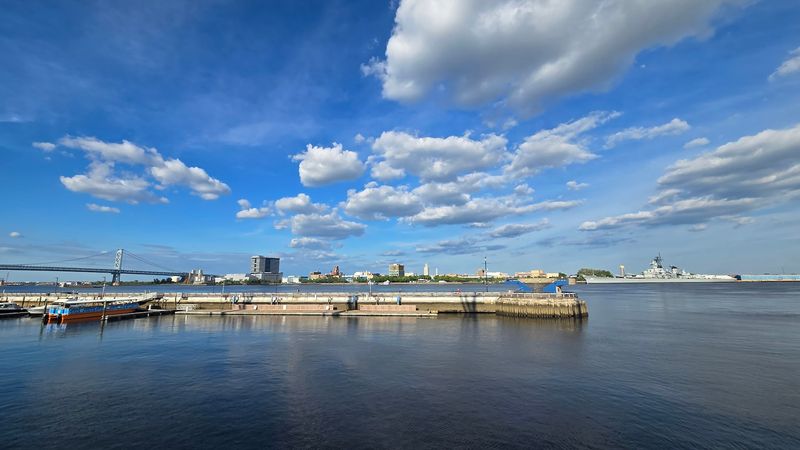
Penn’s Landing stretches along the Delaware River and serves as one of Philadelphia’s most visited public spaces. The area is home to maritime museums, outdoor concert venues, a seasonal ice skating rink, and sweeping views of the Ben Franklin Bridge.
Having dinner here means you are surrounded by layers of history both on and off the ship.
The waterfront location also means the views from the deck are genuinely spectacular. Across the river sits Camden, New Jersey, and on clear evenings the bridge lights reflect beautifully on the water’s surface.
Whether you arrive at sunset or after dark, the atmosphere at Penn’s Landing adds something extra to the dining experience that no landlocked restaurant can replicate. The ship’s permanent presence has made it a neighborhood fixture that locals and tourists alike return to again and again throughout the seasons.
Dining Inside a Real Tall Ship
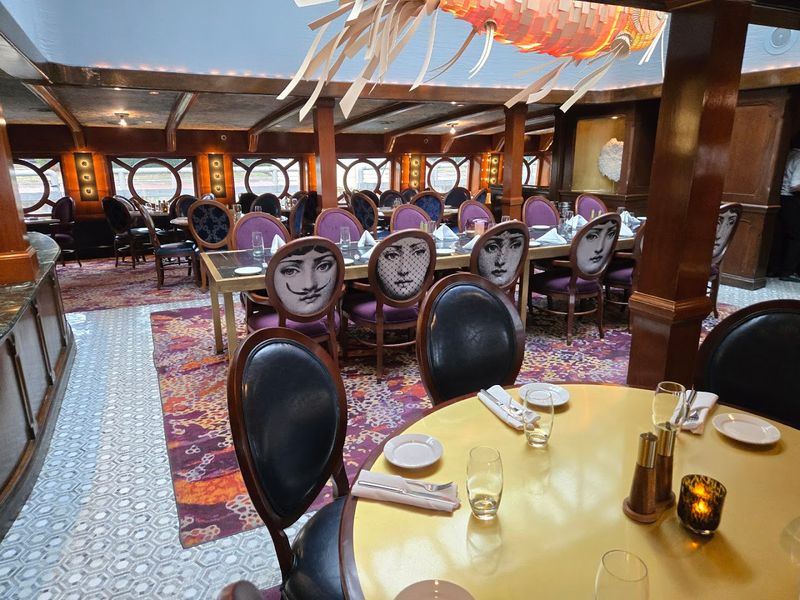
Plenty of restaurants call themselves unique, but very few can back that claim up with actual ship rigging overhead. Dining aboard the Moshulu means eating inside restored spaces that were once part of a working vessel, surrounded by authentic maritime details that no decorator could convincingly fake.
The interior dining rooms feature warm lighting, polished wood, and subtle nautical touches throughout. Masts rise through the ship’s decks, and the structural bones of the original vessel remain visible in ways that remind you constantly of where you actually are.
It creates an atmosphere that feels both elegant and genuinely adventurous at the same time.
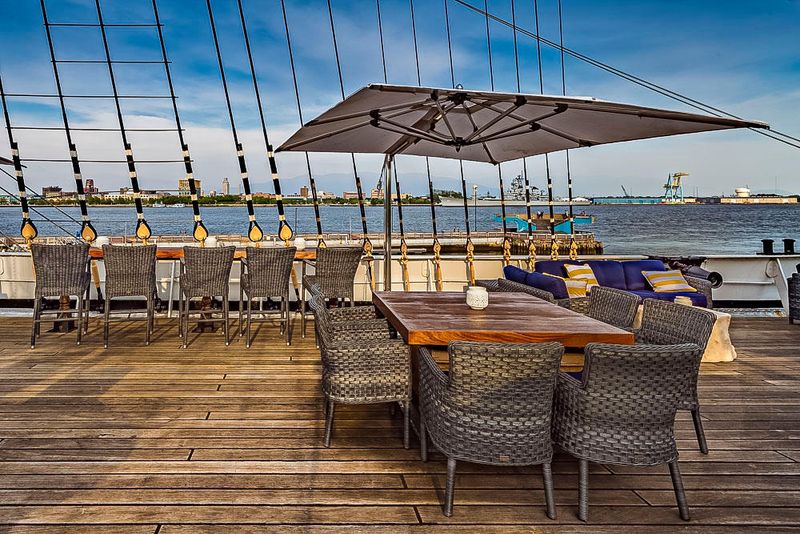
Upper deck seating brings guests even closer to the ship’s character, with open-air views of the masts, rigging, and the river beyond. Whether you choose a table below deck in the main dining room or grab a spot outside to feel the river breeze, the setting itself becomes part of the meal.
Restaurants spend enormous amounts of money trying to create memorable atmospheres — the Moshulu simply opens its doors and lets 120 years of seafaring history do all the work for them.
Contemporary American Cuisine With a Nautical Twist
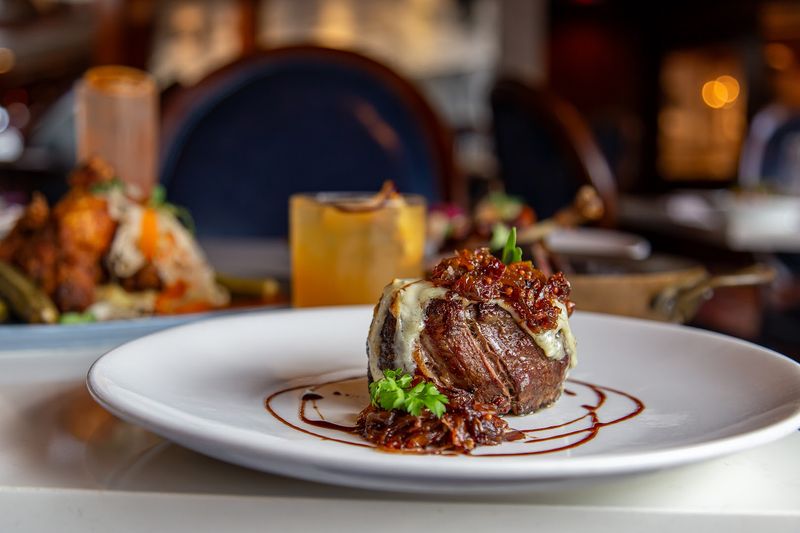
A spectacular setting deserves food that can hold its own against the atmosphere, and the Moshulu’s kitchen takes that challenge seriously. The menu focuses on contemporary American cuisine with a clear emphasis on seafood — a natural fit for a restaurant floating on a river with deep ties to maritime culture.
Guests can expect dishes like fresh oysters on the half shell, lobster preparations, and creative seafood plates that change with the seasons. The kitchen also offers well-crafted meat and poultry options for those who prefer to stay on dry culinary ground.
Seasonal ingredients keep the menu feeling fresh rather than static throughout the year.
The bar program matches the food’s ambition. Craft cocktails with nautical-inspired names line the drink menu alongside an impressive wine list and classic options for every preference.
Happy hour brings its own rotating selection of discounted drinks and small bites, making the ship accessible for guests who want a lighter experience. Whether you come for a full multi-course dinner or just a glass of wine on the deck as the sun goes down over the Delaware, the Moshulu makes sure the flavors match the scenery.
Brunch, Deck Dining, and Seasonal Experiences
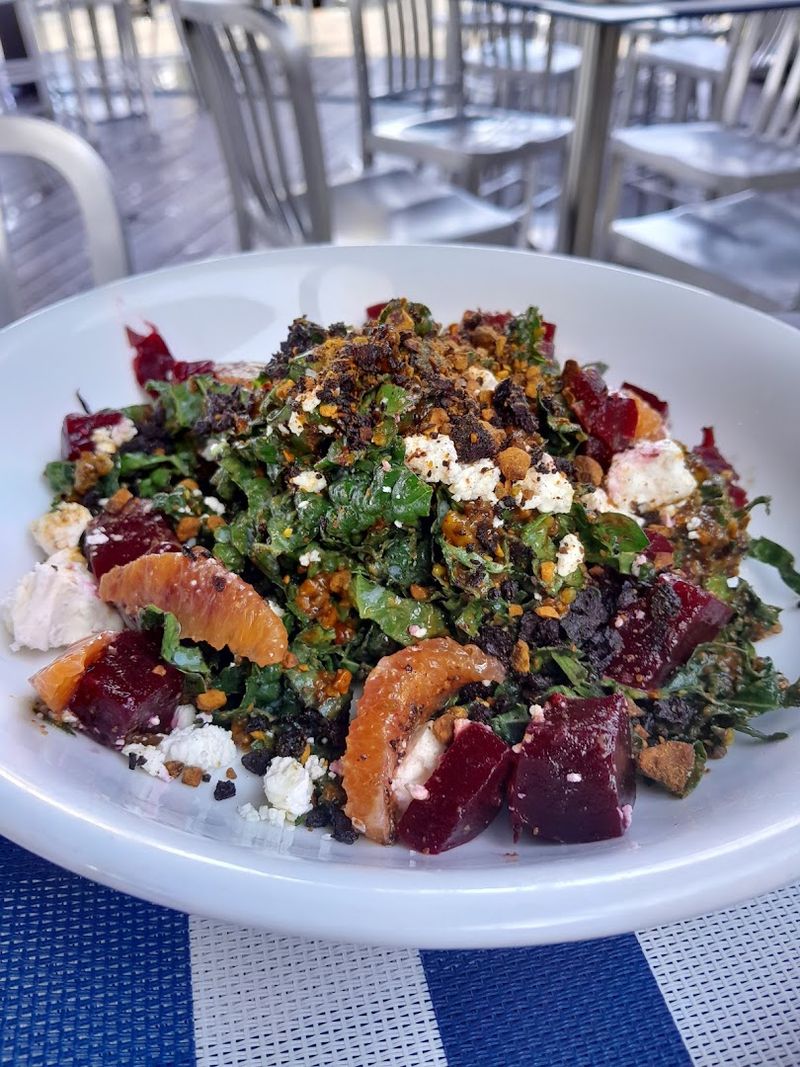
Weekend mornings aboard the Moshulu have developed a loyal following over the years, thanks largely to the ship’s famous Sunday jazz brunch. This isn’t a simple eggs-and-coffee situation — it’s an expansive buffet spread featuring dozens of breakfast and lunch options, all served while live musicians fill the air with jazz standards.
The brunch experience captures something genuinely festive about dining on the water. Families, couples, and groups of friends gather on weekend mornings to enjoy the combination of good food, live music, and river views in a way that feels celebratory even on an ordinary Sunday.
It has become one of Philadelphia’s most talked-about weekend traditions among food lovers.
Warmer months unlock additional seating on the upper decks, where guests can enjoy cocktails and meals with panoramic views of the Delaware River and the Philadelphia skyline. The seasonal outdoor experience transforms the ship into something resembling a floating rooftop bar, with the added bonus that your “rooftop” is actually a historic 120-year-old sailing vessel.
As temperatures drop in fall and winter, the enclosed dining rooms take over, offering a cozy warmth that contrasts beautifully with the cold river just outside the portholes.
A Ship That Even Appeared in Movies
Not many restaurants can claim a spot in Hollywood history, but the Moshulu earned its screen time long before it became a dining destination. The ship’s dramatic presence and unmistakable silhouette made it a natural choice for filmmakers looking for authentic maritime backdrops in the Philadelphia area.
Movie fans might recognize the vessel from The Godfather Part II, Francis Ford Coppola’s acclaimed 1974 sequel, where the ship appeared as part of a pivotal immigration scene. Rocky, the beloved 1976 boxing drama starring Sylvester Stallone, also featured the Moshulu in its Philadelphia waterfront sequences.
Both films are considered classics, and the ship’s cameo appearances add an unexpected layer to its already rich history.
Knowing that the same decks where you enjoy your dinner once hosted film crews and iconic actors gives the experience an extra dimension that goes beyond the usual restaurant visit. The Moshulu’s cinematic history is a fun conversation starter at the table, and it highlights just how deeply embedded this ship has become in Philadelphia’s cultural identity.
From cargo holds to silver screen appearances to Sunday brunch buffets — few vessels anywhere in the world have packed that much variety into a single lifespan.
Essential Visitor Information
Planning a visit to the Moshulu is straightforward, but a little preparation goes a long way toward making the experience as smooth as possible. The restaurant is located at 401 S Christopher Columbus Boulevard, Philadelphia, PA 19106, right on the waterfront at Penn’s Landing along the Delaware River.
Dinner service runs most evenings throughout the week, while brunch is offered on weekends and happy hour specials are available on weekday afternoons and evenings. Hours can shift seasonally, so checking the restaurant’s official website before heading out is always a smart move.
Reservations are strongly recommended — the ship’s interior has limited capacity, and popular time slots fill up quickly, especially on weekends and holidays.
Getting there is flexible depending on your preference. Waterfront parking is available nearby for those driving in, and rideshare drop-off works smoothly right at the gangway.
Public transit options connect the historic district to the broader Philadelphia network for those who prefer to skip the parking situation entirely. Dress code leans toward smart casual, though the atmosphere accommodates a range of styles.
Whether it’s a date night, a family celebration, or simply a curious first visit, the Moshulu rewards every guest who makes the trip down to the river.