Sometimes the most extraordinary restaurants show up in the most unexpected places.
In Kinston, North Carolina — a small town that most people drive through without a second glance — a classically trained chef named Vivian Howard came home and built something truly remarkable.
Chef & the Farmer turned a humble downtown building into one of the South’s most celebrated dining destinations.
It’s a story about food, community, and what happens when someone believes a small town deserves something great.
A Big-City Dream Returns Home

Vivian Howard had everything going for her in New York City. She was working in some of the most competitive kitchens in the country, sharpening skills that most chefs spend years chasing.
Then her parents made her an offer she couldn’t refuse — they would help fund a restaurant if she came back to eastern North Carolina.
Leaving behind the bright lights of the big city wasn’t easy. Kinston, her hometown, was a place many young people were leaving, not returning to.
But Howard saw something others didn’t: a community hungry for good food and a reason to feel proud again.
Her culinary training from New York gave her the technical foundation, while her roots in the South gave her the soul. That rare combination turned out to be exactly what Kinston needed.
Howard didn’t just bring recipes home — she brought a vision. And that vision would eventually put a small tobacco town on the national culinary map in a way no one could have predicted.
The Humble Beginnings of Chef & the Farmer
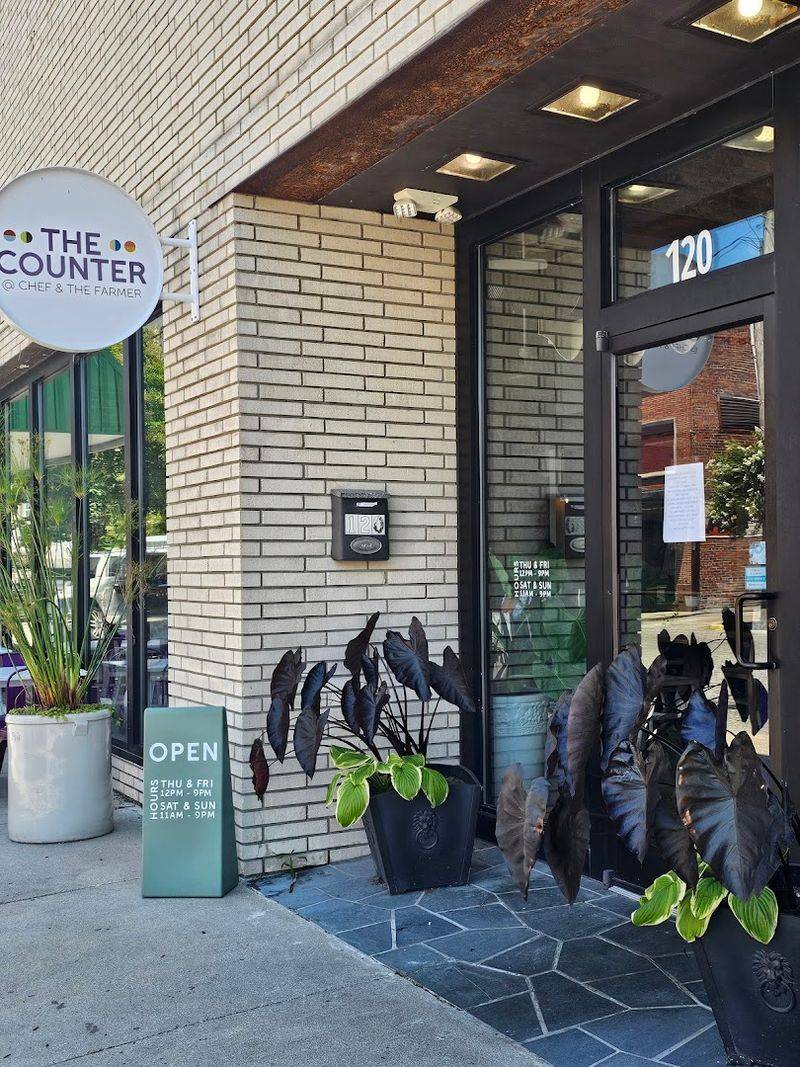
When Chef & the Farmer opened its doors in 2006, the building it called home had already lived many lives. Located in downtown Kinston, the structure had served as a mule stable and later a general storefront before Howard and her husband Ben Knight transformed it into a full-service restaurant.
The bones of the building told a story all on their own.
Starting a high-end restaurant in a small, economically struggling town was a bold gamble. Critics and locals alike weren’t sure it would work.
But Howard was committed to proving that great food didn’t need to exist only in major metropolitan areas.
The early days were scrappy. The team worked long hours, sourced ingredients creatively, and built a menu that reflected the land around them.
Word spread slowly at first, then faster. Diners began making special trips from Raleigh, Wilmington, and beyond just to eat there.
What started as a leap of faith became the anchor of a downtown revival — and a model for what one determined chef could do for an entire community.
From Small-Town Spot to National Spotlight
Everything changed when cameras arrived. The PBS documentary series A Chef’s Life followed Vivian Howard through the kitchens, farms, and food traditions of eastern North Carolina, giving viewers an intimate look at a region often overlooked in American food culture.
The show premiered in 2013 and quickly became a critical darling, earning multiple James Beard Awards for television food journalism.
Suddenly, people across the country knew the name Kinston. Food travelers started planning road trips to eastern North Carolina specifically to eat at Chef & the Farmer.
The town went from a quiet blip on the map to a genuine culinary destination — all because a TV show told its story honestly and beautifully.
What made A Chef’s Life so powerful wasn’t just the food — it was the people. Howard introduced audiences to the farmers, fishermen, and home cooks who shaped the region’s edible identity.
Viewers felt connected to a place they’d never visited. That emotional pull turned casual viewers into loyal customers and transformed a local restaurant into a nationally recognized institution.
Fame, it turned out, tasted a lot like collard greens and sweet potatoes.
A True Farm-to-Table Philosophy
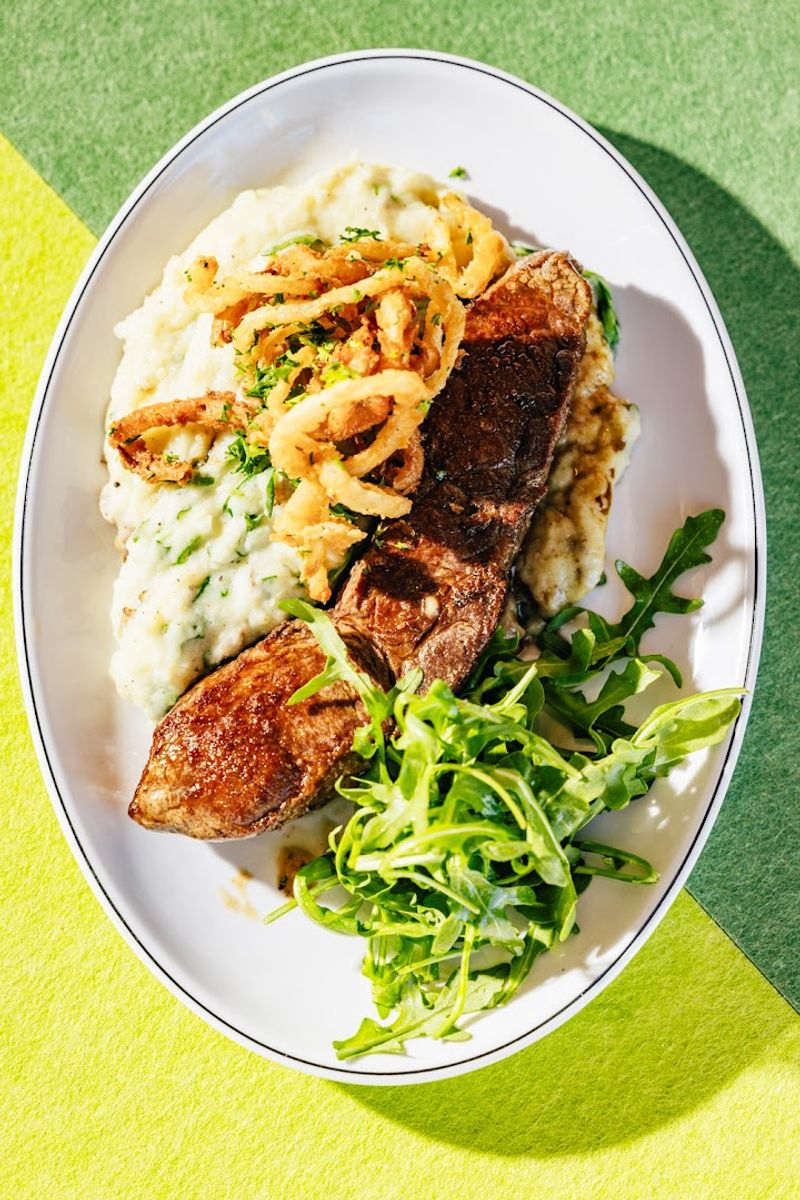
Long before farm-to-table became a trendy buzzword on big-city menus, Vivian Howard was building real, lasting relationships with the farmers just down the road from her restaurant. She didn’t just buy local produce as a marketing strategy — she made it the entire foundation of how Chef & the Farmer operates.
Sourcing ingredients from within a tight geographic radius wasn’t just an ideal; it was the plan from day one.
Working with local growers means the menu changes constantly. What’s ripe in July looks completely different from what’s available in November, and that’s exactly the point.
Guests who visit multiple times throughout the year get a genuinely different experience each time, shaped by the season and the land.
This commitment to hyper-local sourcing also strengthens the regional economy. When Howard buys sweet potatoes from a neighboring farm or orders heirloom tomatoes from a small grower, that money stays in the community.
It’s a cycle of support that benefits everyone involved. The plate in front of you isn’t just delicious — it tells a story about the soil, the people, and the place that produced every single ingredient on it.
Elevating Eastern North Carolina Cuisine
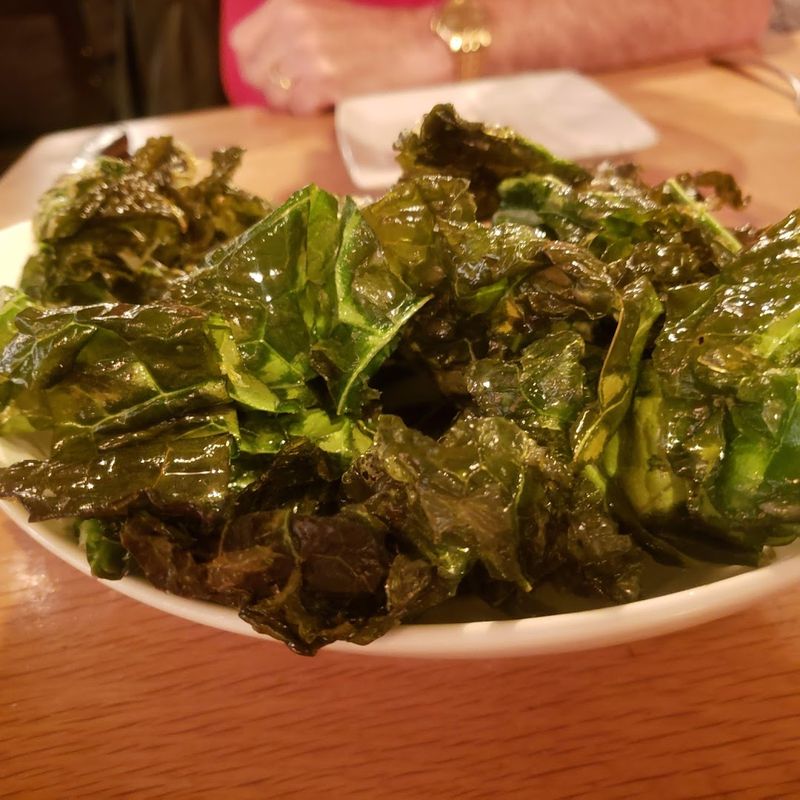
Collard greens, butterbeans, pork — these are the building blocks of eastern North Carolina cooking. For generations, they’ve been considered humble, everyday food.
Vivian Howard looked at those same ingredients and saw endless possibility. Her approach at Chef & the Farmer isn’t about replacing tradition; it’s about honoring it with more technique and intention.
Take something as simple as a butterbean. In most Southern homes, it gets boiled with a ham hock and served as a side dish.
Howard might transform it into a silky hummus, layered with unexpected spices and textures that make you rethink everything you assumed about a legume your grandmother grew in her garden. The dish is familiar and surprising at the same time.
That balance between comfort and creativity is what sets the restaurant apart from both classic Southern diners and trendy New American spots. Howard refuses to let Eastern NC food be seen as lesser than French cuisine or New York fine dining.
Every plate is an argument — made with flavor rather than words — that this region’s culinary heritage deserves a seat at the table alongside any cuisine in the world. And honestly, it’s a pretty convincing argument.
A Restaurant That Helped Revive a Town
Kinston wasn’t always struggling. For decades, the tobacco industry kept the local economy humming.
But as that industry declined, so did the town’s downtown district. Empty storefronts and shuttered businesses became a familiar sight.
By the time Howard opened Chef & the Farmer, Kinston needed more than a good restaurant — it needed a reason to believe in itself again.
The ripple effect of one successful restaurant is hard to overstate. Tourism dollars started flowing in from across the state and beyond.
Other entrepreneurs noticed the foot traffic and began opening their own shops, galleries, and eateries nearby. A craft brewery followed.
An arts scene began to grow. The energy that Howard helped spark didn’t stay contained to one building on Gordon Street.
Local residents, many of whom had watched their downtown hollow out over the years, started to feel a new sense of pride. Kinston wasn’t just surviving — it was becoming a destination.
City officials, business owners, and community groups began working together with fresh momentum. One chef’s decision to come home turned out to be a catalyst for something much bigger than a meal.
It became a blueprint for how food can anchor a community’s comeback story.
Signature Dishes That Keep Guests Coming Back
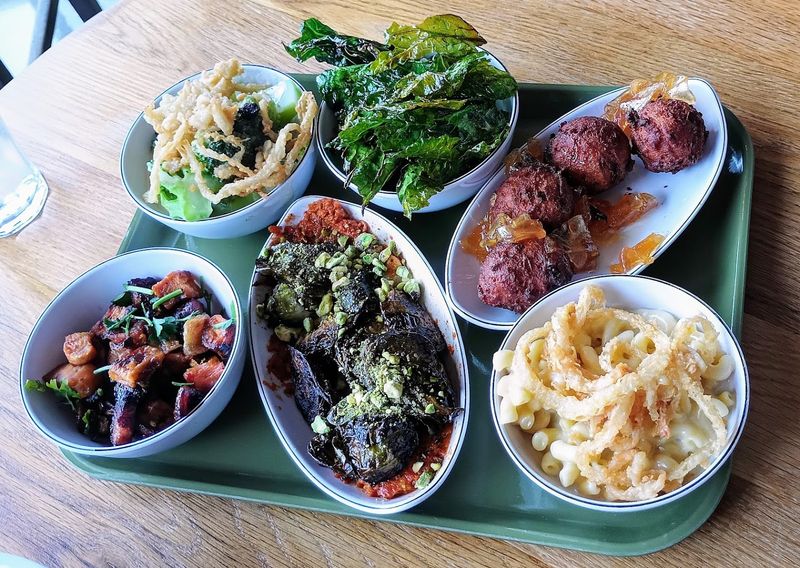
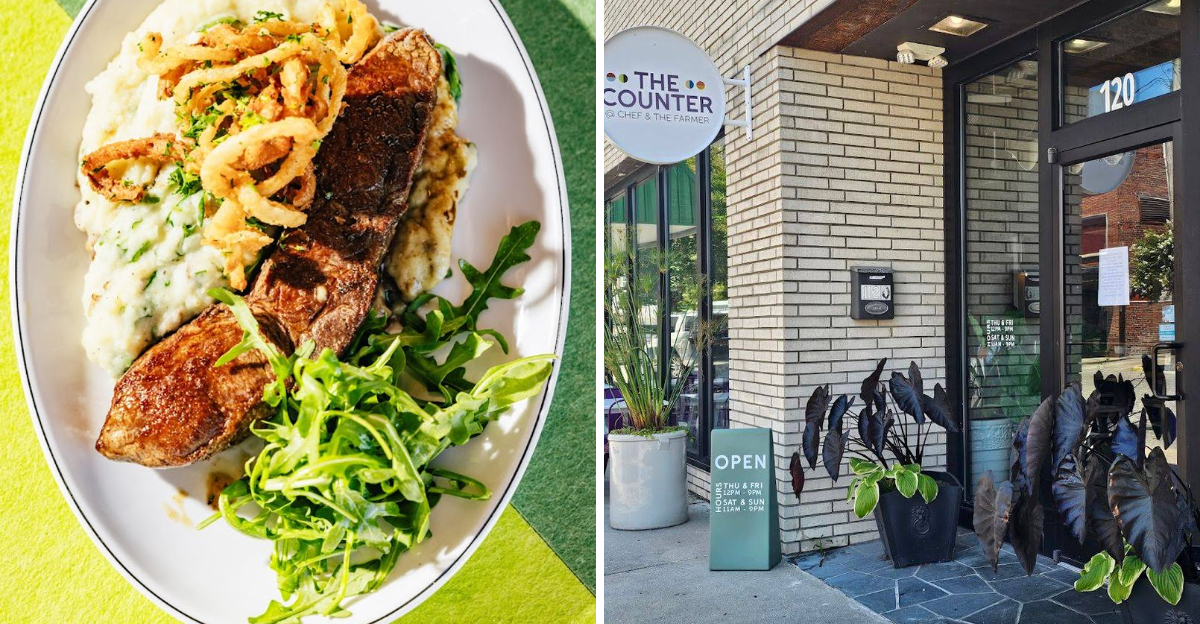
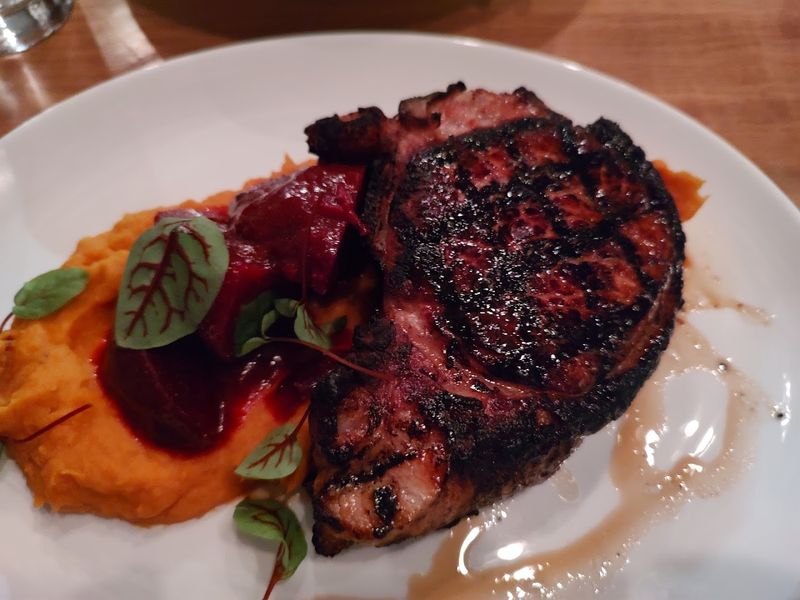
Ask anyone who has eaten at Chef & the Farmer which dish they still think about, and you’ll get a passionate answer. The menu is built around creativity and seasonality, which means it shifts regularly, but certain standout preparations have taken on almost legendary status among repeat visitors.
Blueberry BBQ chicken is one of those dishes — sweet, smoky, and completely unexpected in the best possible way.
Butterbean hummus has become a signature that perfectly captures Howard’s philosophy: take a humble Southern staple and reimagine it with enough skill that it feels both nostalgic and brand new. Seasonal vegetable plates showcase whatever the nearby farms are producing at peak ripeness, often turning side-dish ingredients into the most memorable part of the meal.
What keeps people driving two or three hours to eat here isn’t just the food itself — it’s the feeling that every dish was made with genuine intention. Nothing on the plate is accidental.
Each component reflects a decision rooted in place, season, and story. First-time visitors often leave already planning their return trip, mentally rehearsing which dishes they’ll order next time and which seasonal specials they hope will still be on the menu when they come back.
Rustic Meets Refined Atmosphere
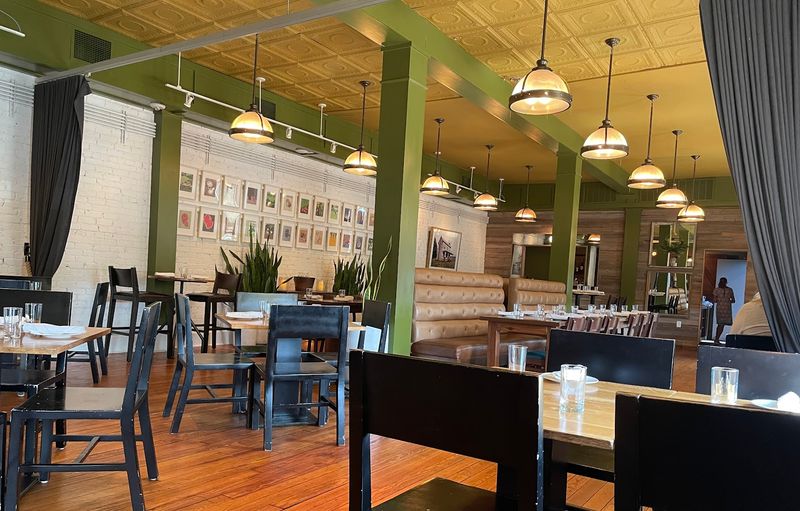
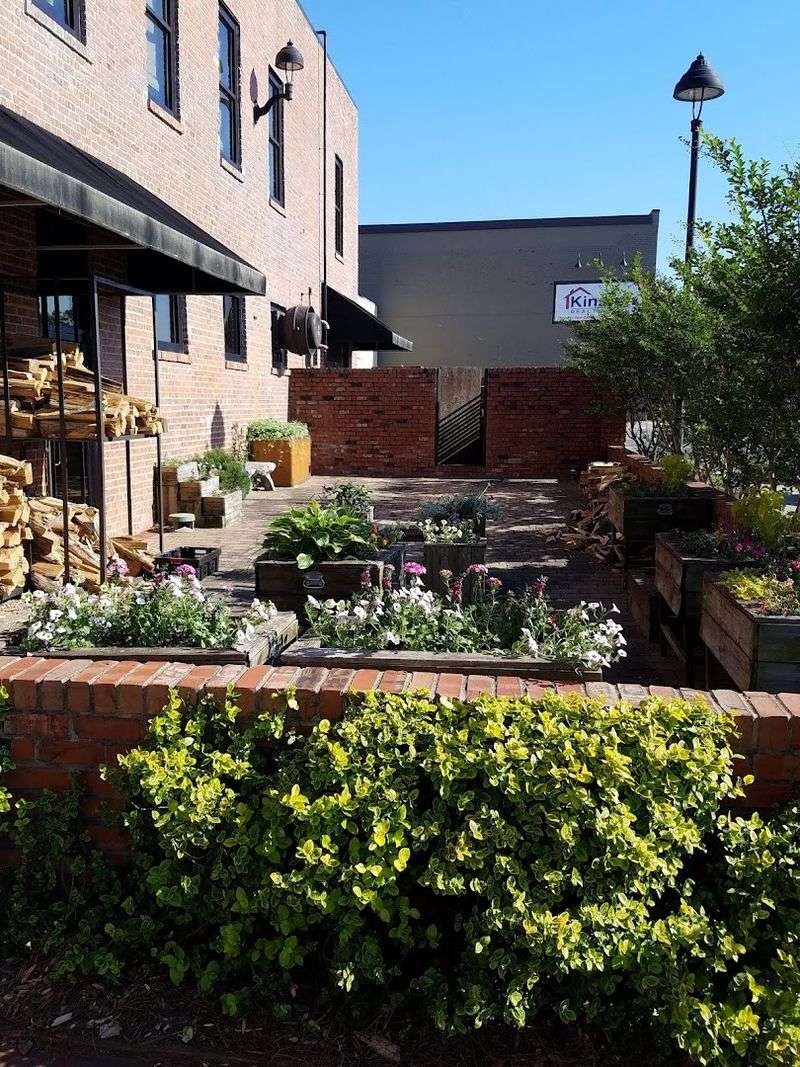
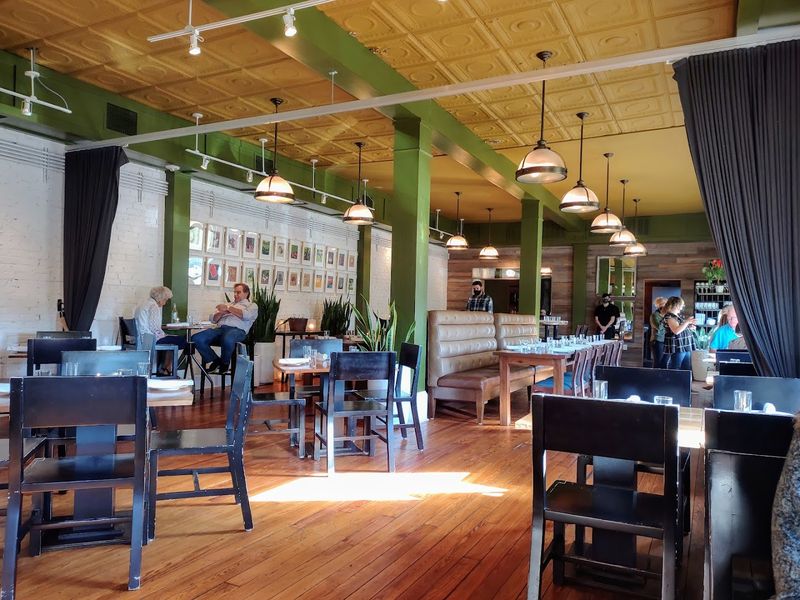
Walking into Chef & the Farmer feels like stepping into a space that was designed by someone who truly understood both where they came from and where they wanted to go. Exposed brick walls carry the weight of the building’s long history, while warm lighting and thoughtful artistic details signal that this is no ordinary small-town eatery.
The atmosphere strikes a balance that’s genuinely hard to achieve.
Big-city restaurants sometimes feel intimidating — all minimalist design and hushed reverence that makes you afraid to laugh too loud. Country diners swing the other direction, all fluorescent lights and laminated menus.
Chef & the Farmer sits comfortably between those two worlds, welcoming everyone from first-time fine diners to seasoned food critics without making either group feel out of place.
The room itself becomes part of the dining experience. Conversations flow easily, the noise level feels alive rather than overwhelming, and the overall vibe communicates something important: good food is meant to be enjoyed, not performed.
Guests tend to linger longer than they planned, ordering one more glass of wine or dessert because leaving feels like a shame. That’s the mark of a space that was designed with genuine hospitality in mind from the very start.
Reinvention and Continued Evolution
Few things test a restaurant’s character like a global pandemic. When COVID-19 forced dining rooms across the country to shut down in 2020, Chef & the Farmer faced the same brutal uncertainty that threatened thousands of beloved restaurants.
But Howard and her team didn’t just wait for things to return to normal — they started rethinking what normal could look like.
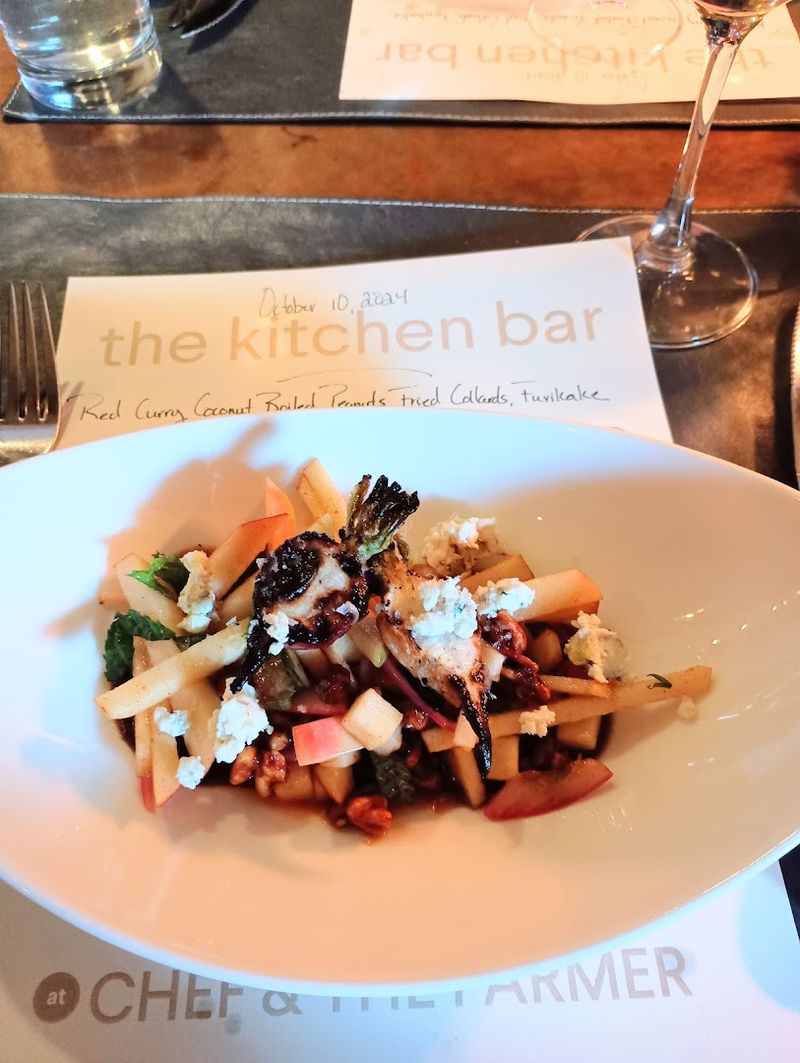
The restaurant experimented with new formats, including intimate tasting-menu experiences that gave guests a more curated and narrative-driven evening. Related culinary concepts and retail ventures expanded the brand beyond the single dining room, creating new ways for fans near and far to connect with Howard’s food and philosophy.
Adaptability, it turned out, was baked into the restaurant’s DNA from the beginning.
Reinvention isn’t just a survival tactic here — it’s part of the restaurant’s ongoing story. Howard has always been someone who asks what’s next, who pushes the menu and the mission forward rather than resting on past accolades.
That restless creative energy is what keeps Chef & the Farmer feeling current and exciting even as it enters its third decade of operation. The restaurant that helped save a town is still finding new ways to surprise the people who love it most.
Visitor Info & Tips for Planning Your Trip
Planning a visit to Chef & the Farmer takes a little preparation, but it’s absolutely worth the effort. The restaurant is located at 120 W Gordon St, Kinston, NC 28501, and can be reached at +1 252-208-2433.
You can explore the menu at vivianhoward.com and lock in your reservation through resy.com. Kinston sits about 1.5 hours east of Raleigh, making it a very manageable day trip or weekend getaway from the Triangle area.
Reservations are strongly recommended — this place fills up fast, especially on weekends. If you prefer a quieter, more relaxed meal, a weekday visit might suit you better.
Either way, expect a seasonal menu that changes based on what local farms are producing, so no two visits are ever quite the same. That unpredictability is part of the charm.
Pro tip: don’t rush in and out just for dinner. Kinston’s food and arts scene has grown significantly thanks in large part to the energy Howard helped generate.
Spend time exploring nearby breweries, galleries, and local spots that have popped up as part of the town’s ongoing revival. A meal at Chef & the Farmer is a highlight, but the full Kinston experience turns a dinner into a genuinely memorable small-town culinary adventure.