
Florida’s coastline stretches for hundreds of miles, and its lighthouses quietly mark some of the state’s most memorable places. Rather than rushing between beaches, this road trip slows things down and follows towers that have guided ships, shaped towns, and become landmarks in their own right.
Each stop offers a different perspective on the coast. Historic structures, changing shorelines, and ocean-facing views turn the drive into something more immersive than a typical beach itinerary.
For travelers who enjoy structure mixed with scenery, these lighthouses create a coastal route that feels both grounded and unforgettable.
St. Augustine Lighthouse & Maritime Museum
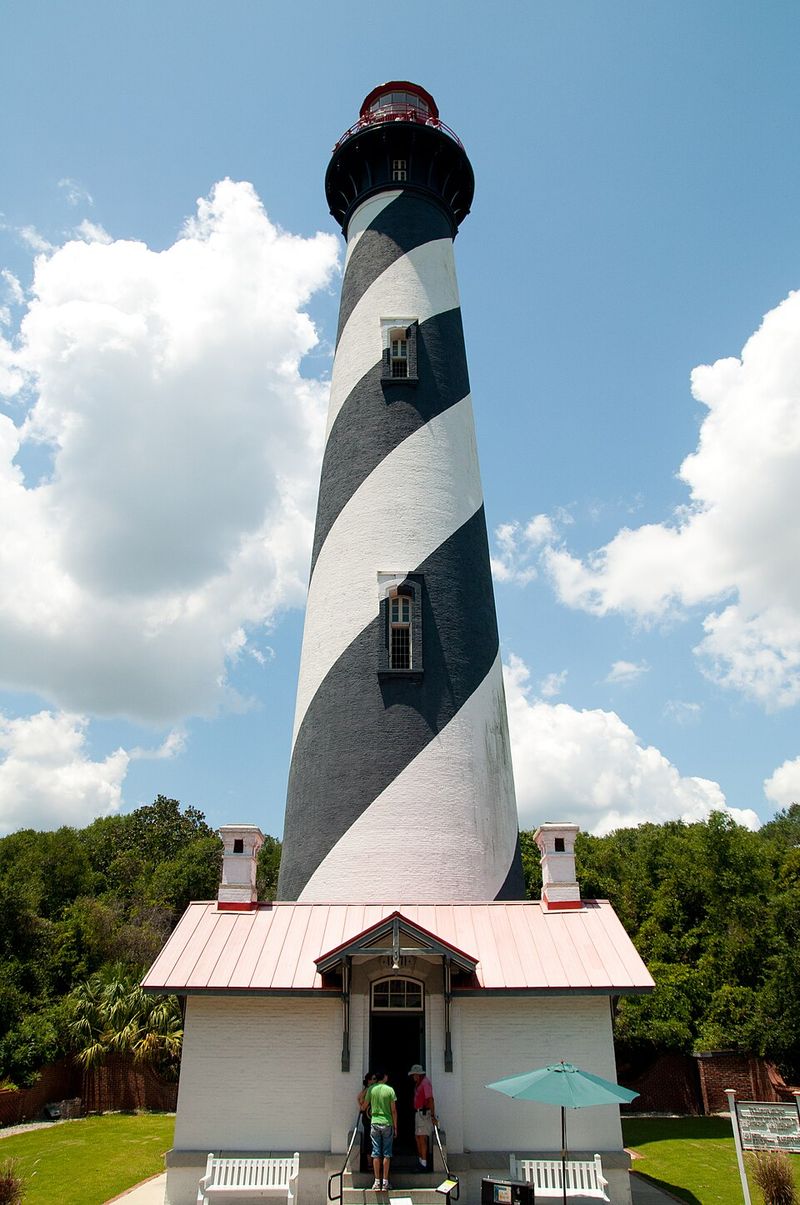
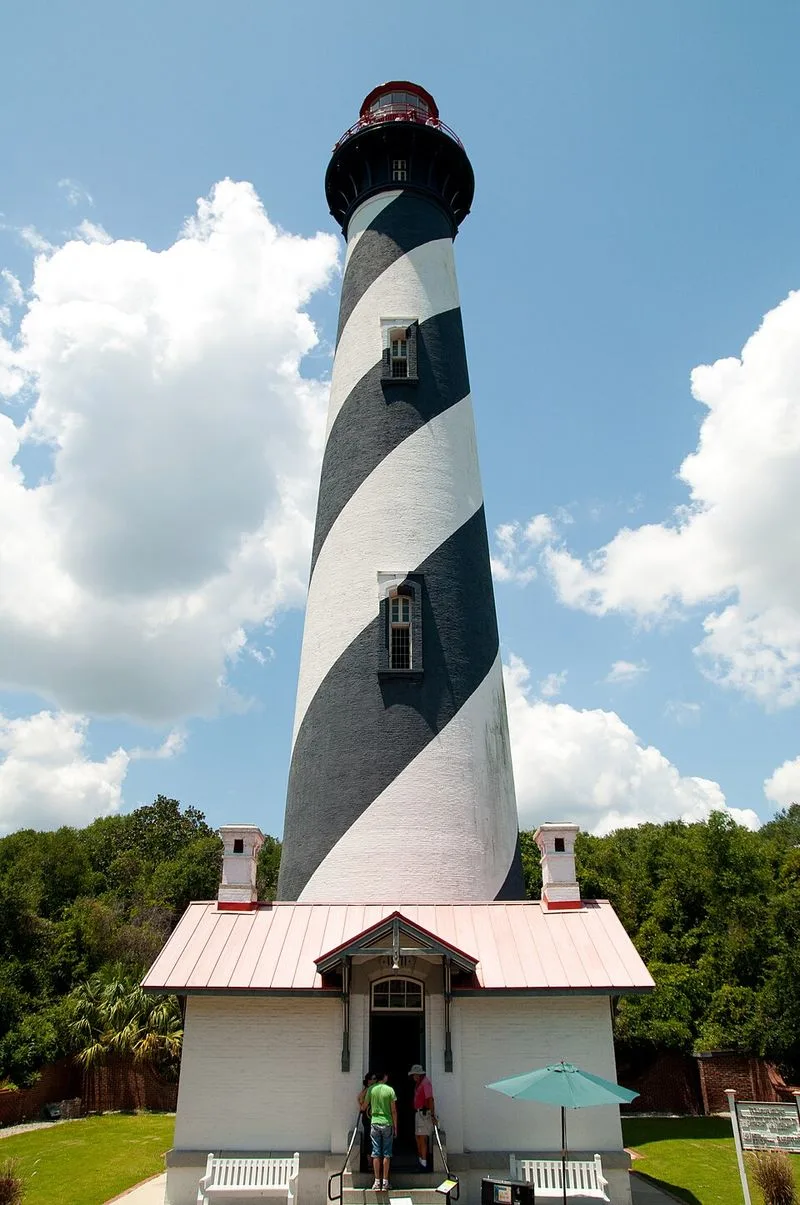
With its striking black and white spiral and bright red top, the St. Augustine Lighthouse stands as a beacon of history and beauty. It’s not just the oldest brick structure of its kind in Florida; it’s a gateway to the state’s rich maritime past.
Wander through the museum and uncover stories of shipwrecks and coastal life. Climbing its spiral staircase rewards you with panoramic views of the nation’s oldest city, a sight as captivating as the tales woven into its walls. Tales of ghostly apparitions add an eerie allure to the lighthouse.
Many claim to have seen the spirits of former keepers and their families wandering the grounds. Explore the keeper’s house, where the past feels hauntingly present.
This lighthouse is not just a visual delight; it’s a narrative, waiting to be explored through each exhibit and shadowy corner. The grounds host various events, from ghost tours to educational programs, ensuring there’s always something happening. Whether you’re a history buff or a thrill-seeker, the St. Augustine Lighthouse offers a captivating stop on this Floridian journey.
Ponce de Leon Inlet Lighthouse
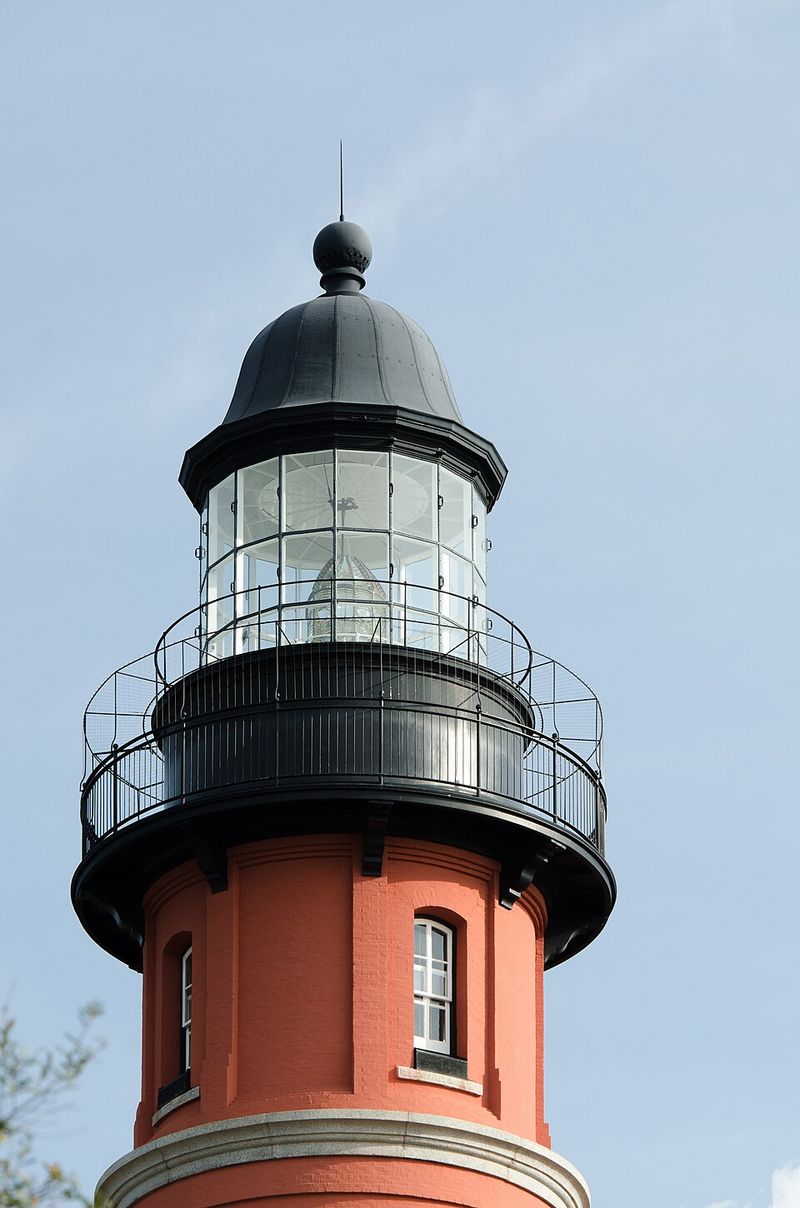
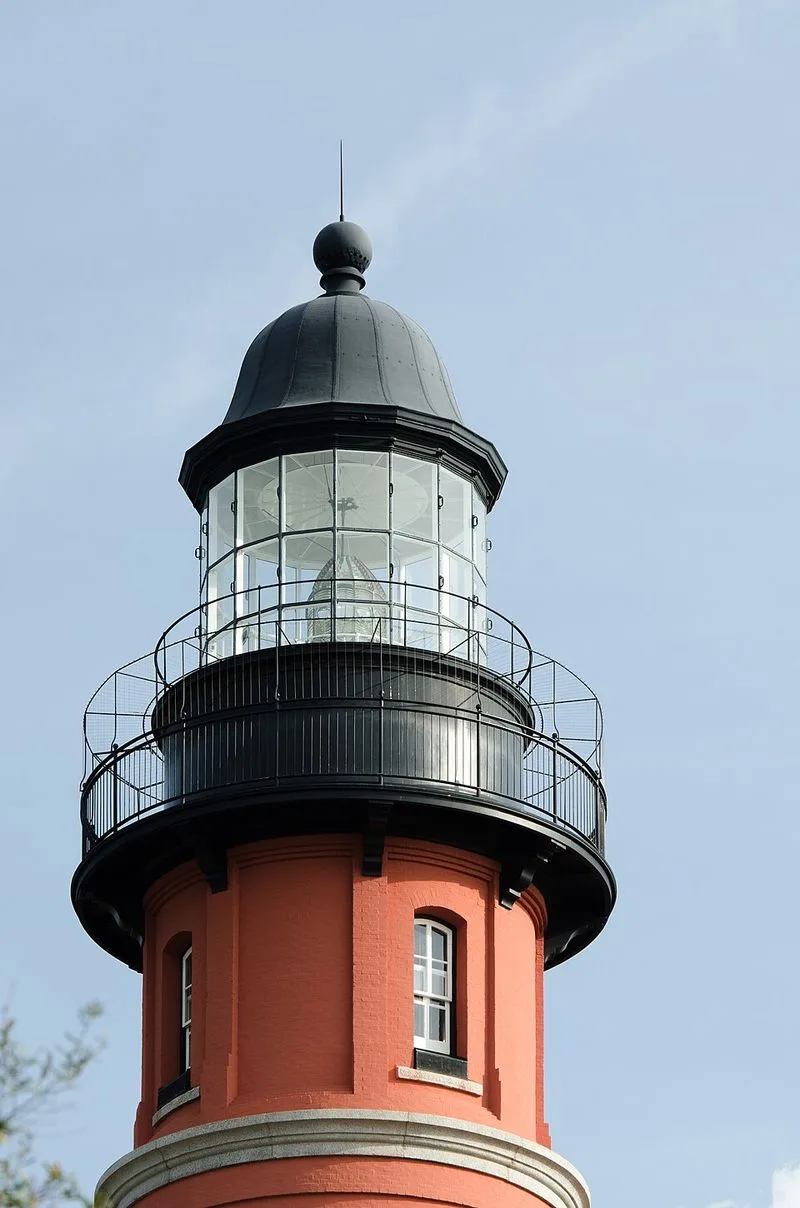
Towering at 175 feet, the Ponce de Leon Inlet Lighthouse is one of the tallest in the nation, offering breathtaking views to those who brave its 203-step climb. The lighthouse’s rich brick color contrasts beautifully with the surrounding blue skies and ocean, making it a photographer’s dream.
This majestic structure has been guiding sailors since 1887, a testament to its enduring importance. Inside, the museum displays an impressive collection of Fresnel lenses, each more intricate than the last. These lenses have played a crucial role in guiding ships safely to shore, and seeing them up close showcases the fascinating blend of art and engineering.
The lighthouse also offers insight into the lives of the keepers, who faced isolation and challenges to keep the light burning. The grounds boast several historic buildings, including the keeper’s quarters, which provide a glimpse into 19th-century coastal living. Whether you’re scaling its heights or exploring its base, the Ponce de Leon Inlet Lighthouse promises an enriching experience.
Cape Canaveral Lighthouse
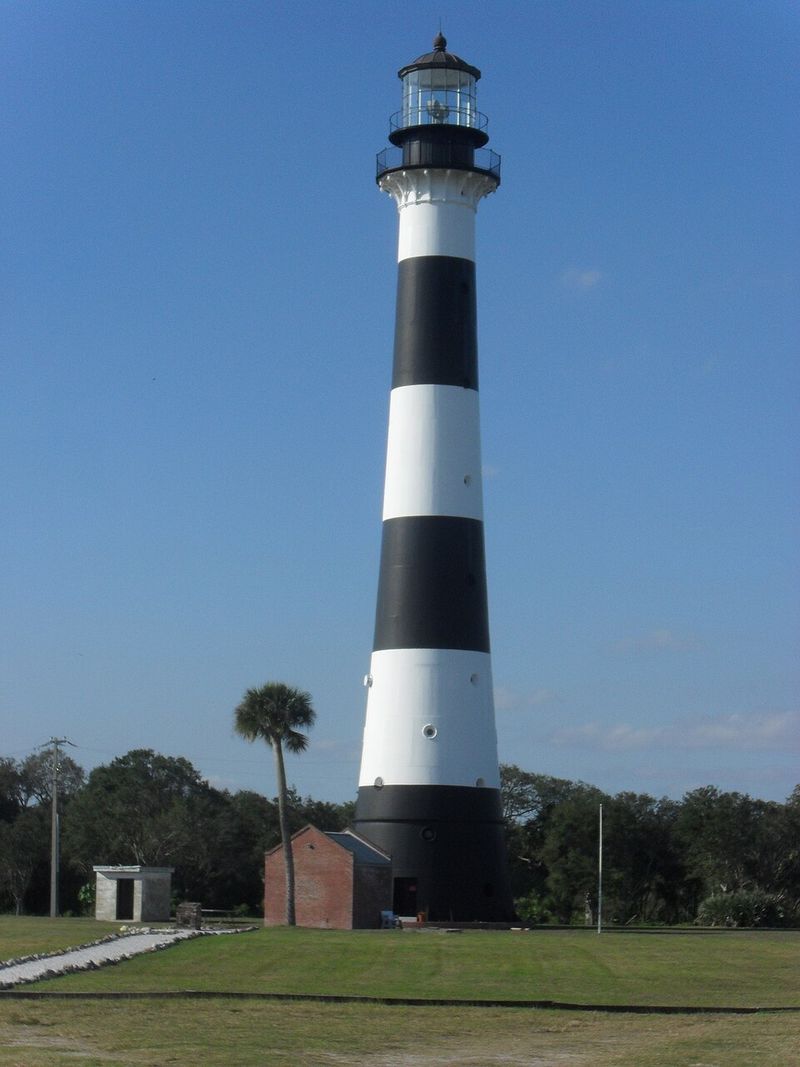
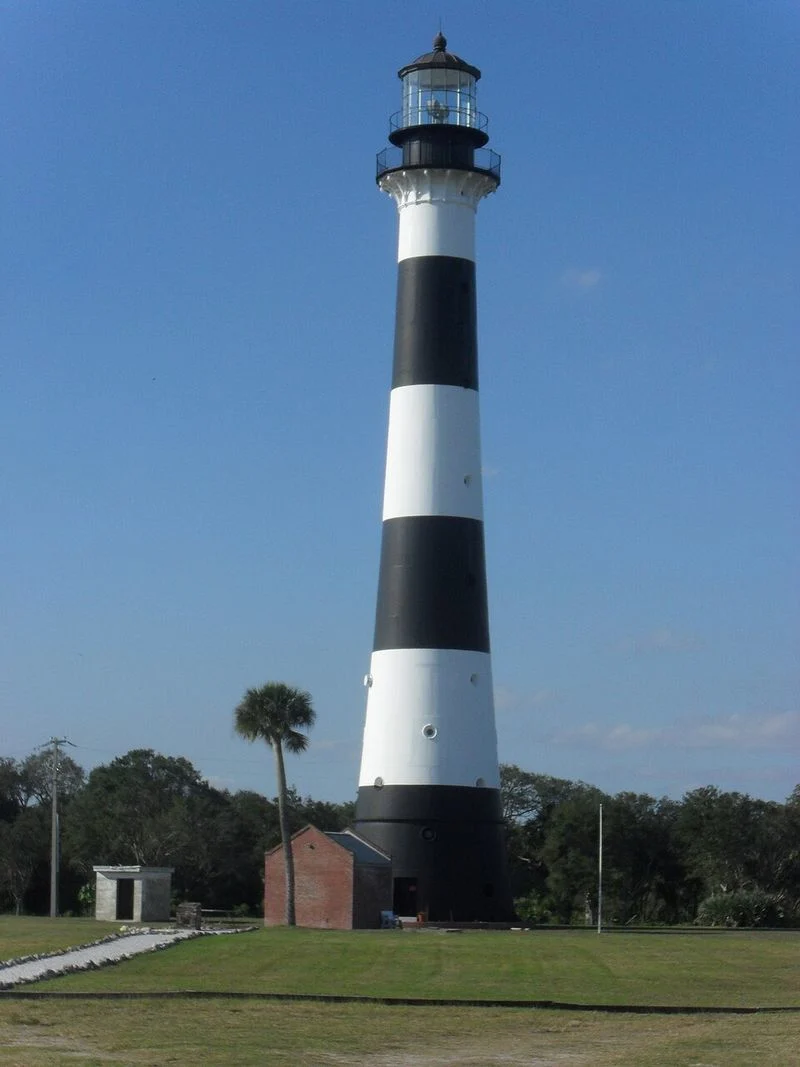
Situated amidst the bustling space launches of Cape Canaveral, the lighthouse offers an intriguing contrast between past and future. Its black and white horizontal stripes make it a unique landmark, guiding mariners since the late 19th century.
The lighthouse’s proximity to the space center adds a layer of modern history, blending the nautical with the astronautical. The structure has been relocated several times, a testament to its resilience and importance. Tours offer a detailed narrative of its storied past, including tales of hurricanes and technological shifts.
As you walk its grounds, you can almost hear the echoes of history mingling with the distant rumble of rocket launches. The lighthouse now stands as a symbol of guidance and exploration, fitting for its location. Whether you’re interested in maritime history or space exploration, Cape Canaveral Lighthouse offers a fascinating pitstop on Florida’s coast.
Jupiter Inlet Lighthouse
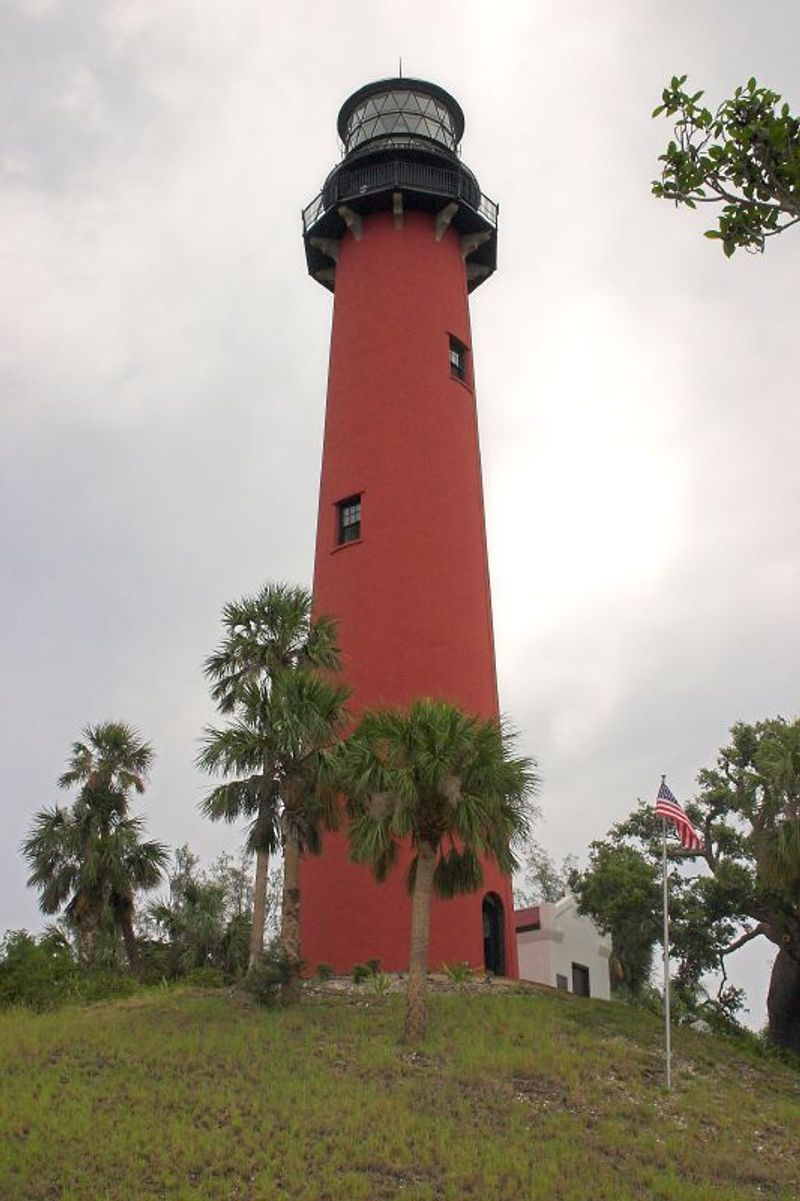
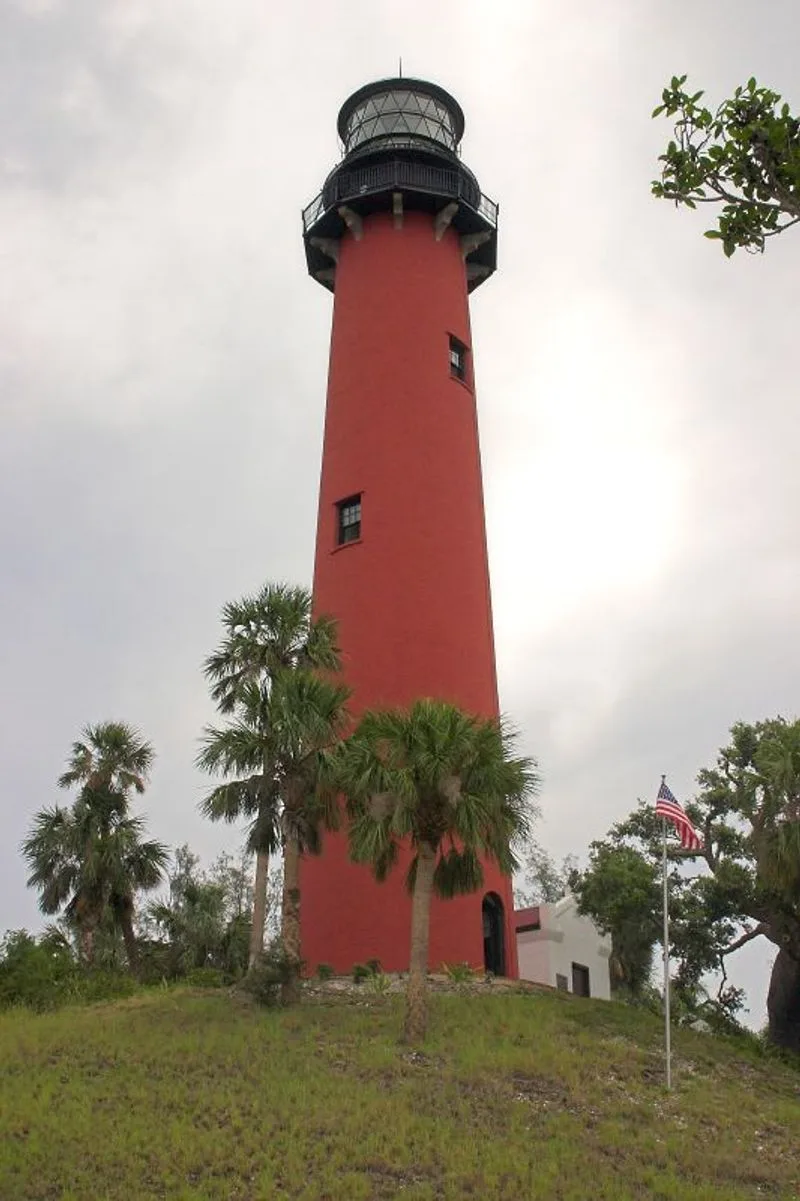
The vibrant red of the Jupiter Inlet Lighthouse stands boldly against the lush greenery and clear blue skies. This lighthouse isn’t just a striking visual; it’s a pivotal part of Florida’s navigational history.
Constructed in 1860, it has weathered wars and storms, continuing to guide sailors through the shifting sands of Jupiter Inlet. The surrounding natural area is a treasure trove of biodiversity, offering trails and wildlife viewing opportunities. This makes the site as much a nature reserve as a historical landmark.
The lighthouse grounds also host a museum, where exhibits delve into the region’s Native American history and the lighthouse’s construction. Climbing to the top provides stunning views of the Atlantic and the inlet. As you breathe in the salty air, it’s easy to understand why this spot has been cherished for centuries.
For those interested in both history and nature, Jupiter Inlet offers a perfect blend of both.
Hillsboro Inlet Lighthouse
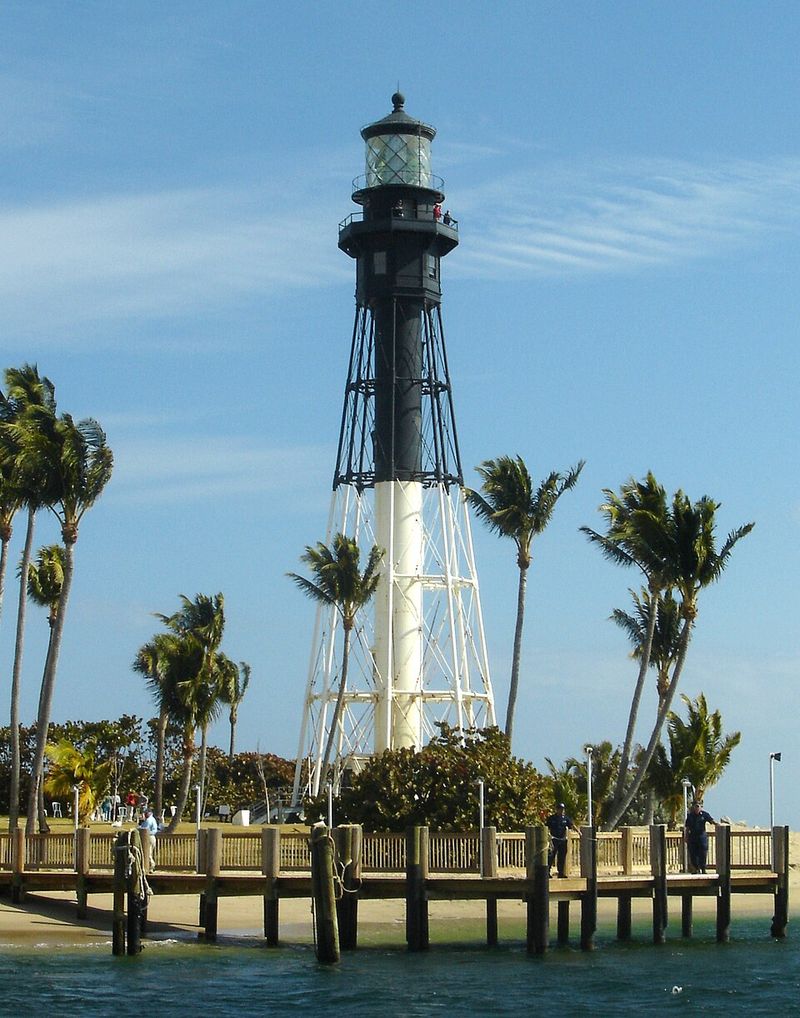
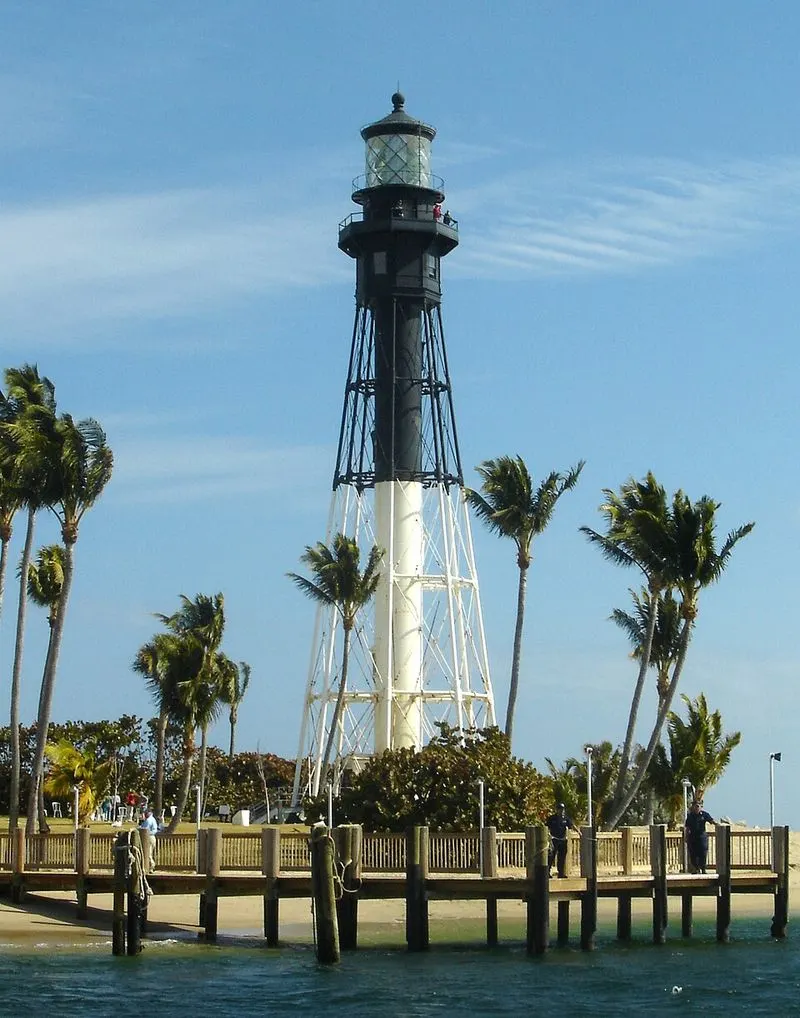
Hillsboro Inlet Lighthouse, with its iconic black and white design, is a sentinel at the edge of the Atlantic. It’s not just its striking appearance that draws visitors; it’s the stories of shipwrecks and rescues that surround it.
This lighthouse has been a guiding light since 1907, ensuring safe passage for countless vessels. Accessible by boat, the journey to Hillsboro is part of the allure, offering views of Florida’s coastline from a unique vantage point. Tours often include a climb to the top, where panoramic views of the sea and sand await.
It’s a peaceful spot, where the ocean’s rhythm seems to slow time itself.The lighthouse is managed by a dedicated preservation society, ensuring its stories and structure remain for future generations. Whether you’re a seasoned sailor or an eager explorer, Hillsboro Inlet Lighthouse offers a glimpse into the maritime world that is both educational and inspiring.
Cape Florida Lighthouse
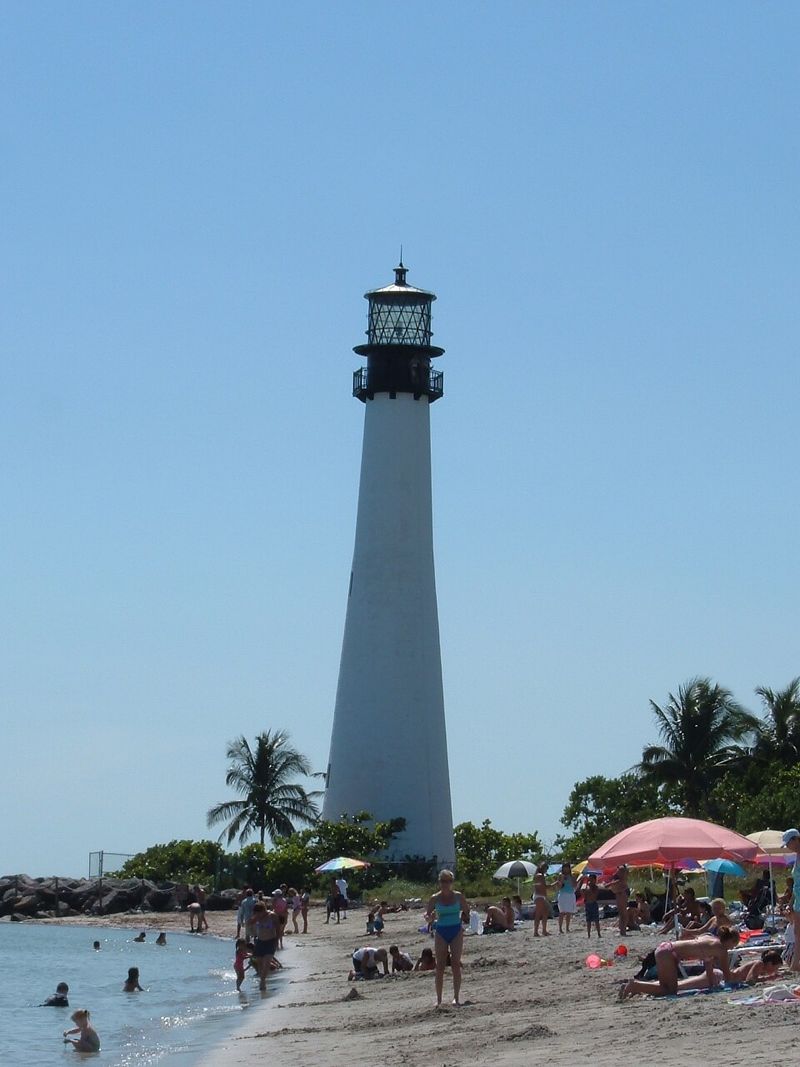
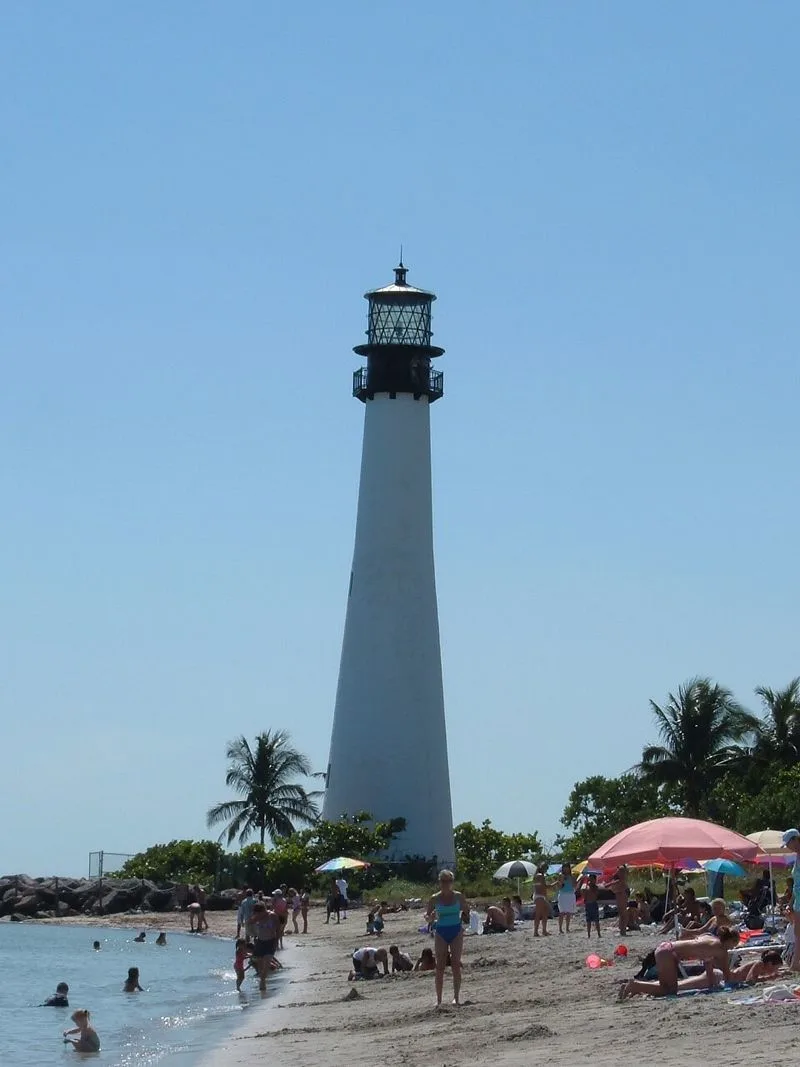
The Cape Florida Lighthouse stands as a testament to survival and rebirth. Originally built in 1825, it was destroyed during the Seminole Wars and rebuilt in 1846.
Its white tower looks out over Biscayne Bay, a serene yet powerful reminder of Florida’s turbulent history. Visitors can climb the lighthouse for breathtaking views of Key Biscayne and the Miami skyline. The surrounding state park offers beautiful beaches, hiking trails, and picnic areas, making it a perfect day trip for families and nature lovers alike.
The gentle waves and swaying palms create a tranquil escape from the busy city nearby. The lighthouse’s tumultuous past is shared during guided tours, offering tales of bravery and resilience. It’s more than just a lighthouse; it’s a symbol of the enduring spirit of Florida’s early pioneers.
A visit here is both enlightening and relaxing.
Key West Lighthouse
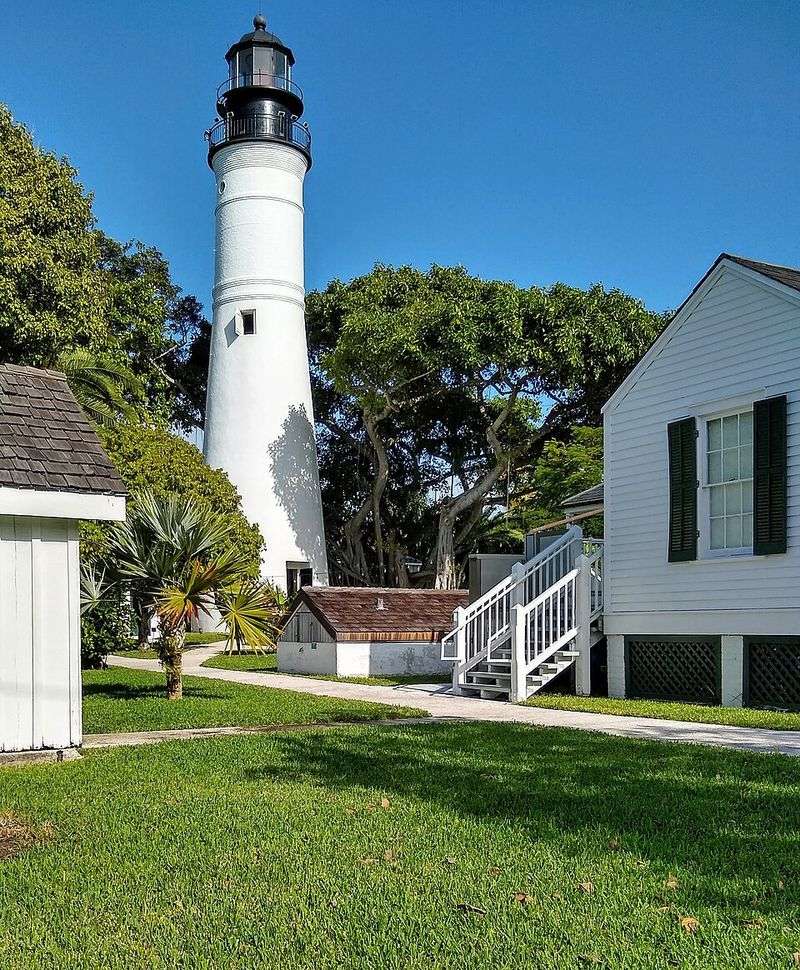
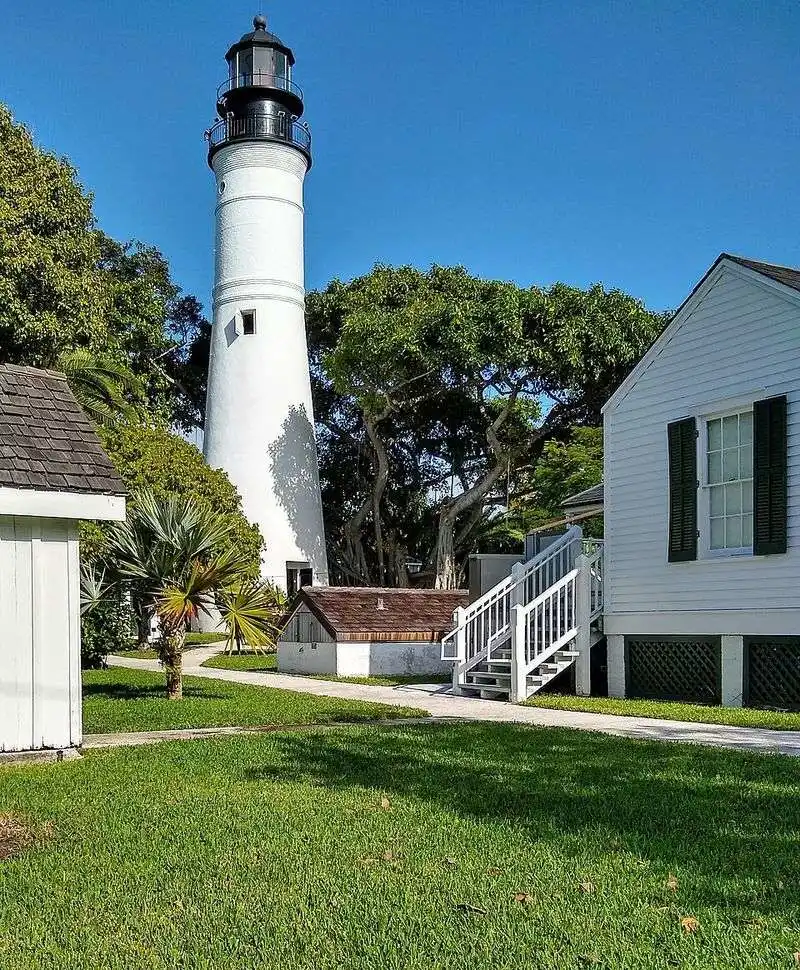
Nestled in the heart of Key West, this lighthouse offers more than just a beacon of light; it’s a window into the island’s past. The surrounding gardens are lush and vibrant, creating a picturesque setting for one of the oldest structures in the area.
Since 1848, it has been guiding ships through the treacherous waters around the Keys. The lighthouse keeper’s quarters have been transformed into a museum, showcasing artifacts and stories of those who tended the light. The climb to its top is rewarded with panoramic views of the island and the azure waters beyond.
It’s a view that captures the quirky and colorful spirit of Key West itself. The Key West Lighthouse is not just about maritime history. It’s a celebration of the island’s unique culture, offering a blend of history, art, and nature.
A visit here enriches any trip to Key West.
Dry Tortugas Lighthouse (Loggerhead Key)
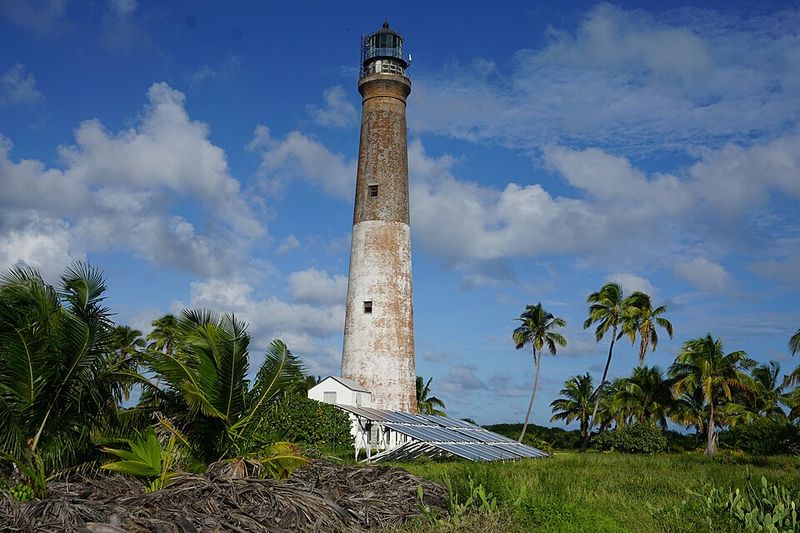
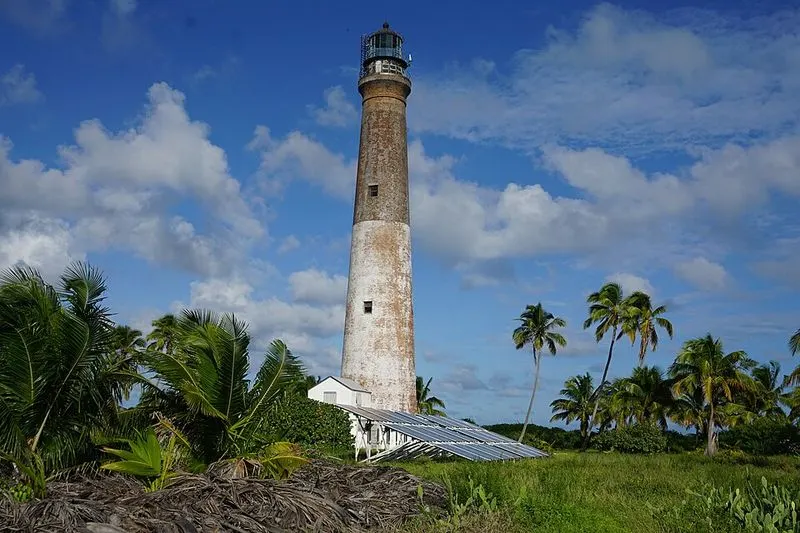
On the remote Loggerhead Key, the Dry Tortugas Lighthouse stands as a solitary sentinel amidst the turquoise waters of the Gulf. Its isolation is part of its charm, providing a peaceful retreat from the hustle and bustle.
This lighthouse has been a guiding light for ships navigating the treacherous waters since the late 1800s. The journey to Dry Tortugas National Park is an adventure in itself, often involving a boat or seaplane, making the destination even more unique. Once there, the pristine waters and rich marine life offer unparalleled snorkeling and diving opportunities.The stark beauty of the lighthouse against the backdrop of sea and sky is a reminder of nature’s majesty and the challenges faced by maritime navigators.
It’s a place where history and nature coexist in harmony, providing a unique experience for those willing to venture off the beaten path.
Sanibel Island Lighthouse
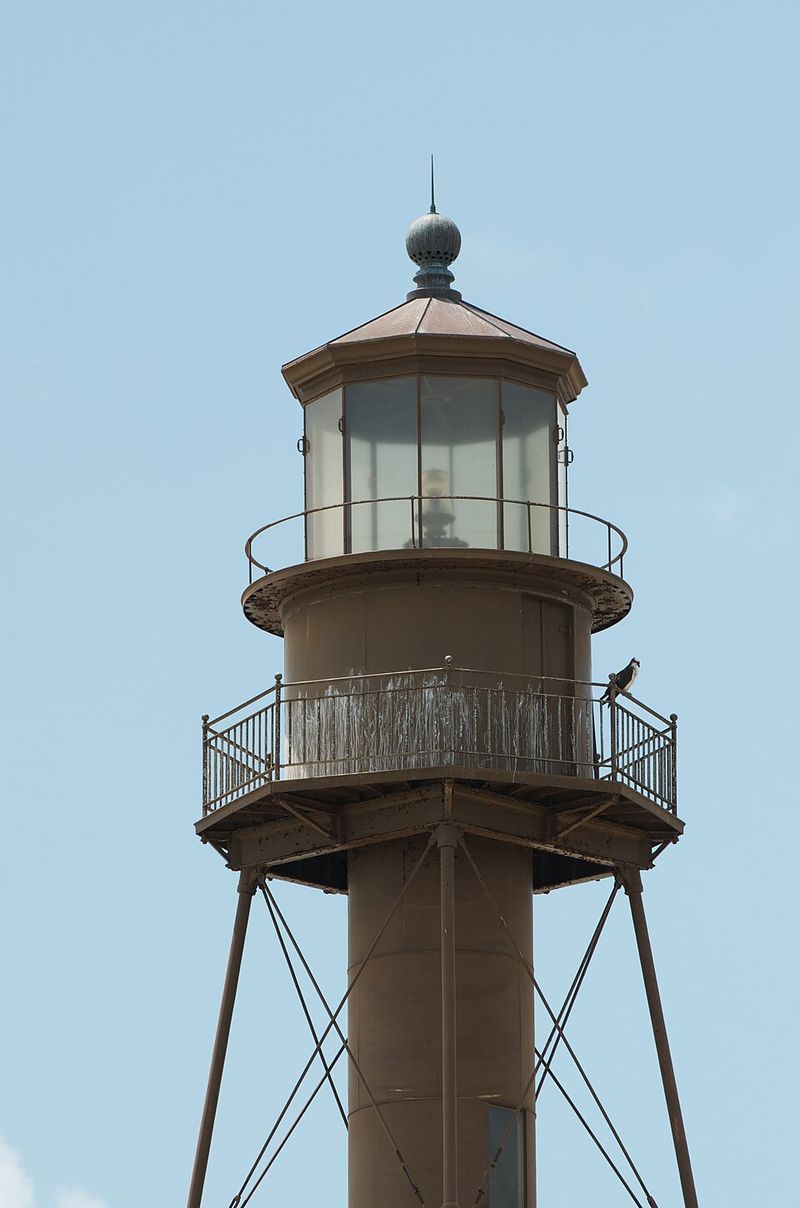
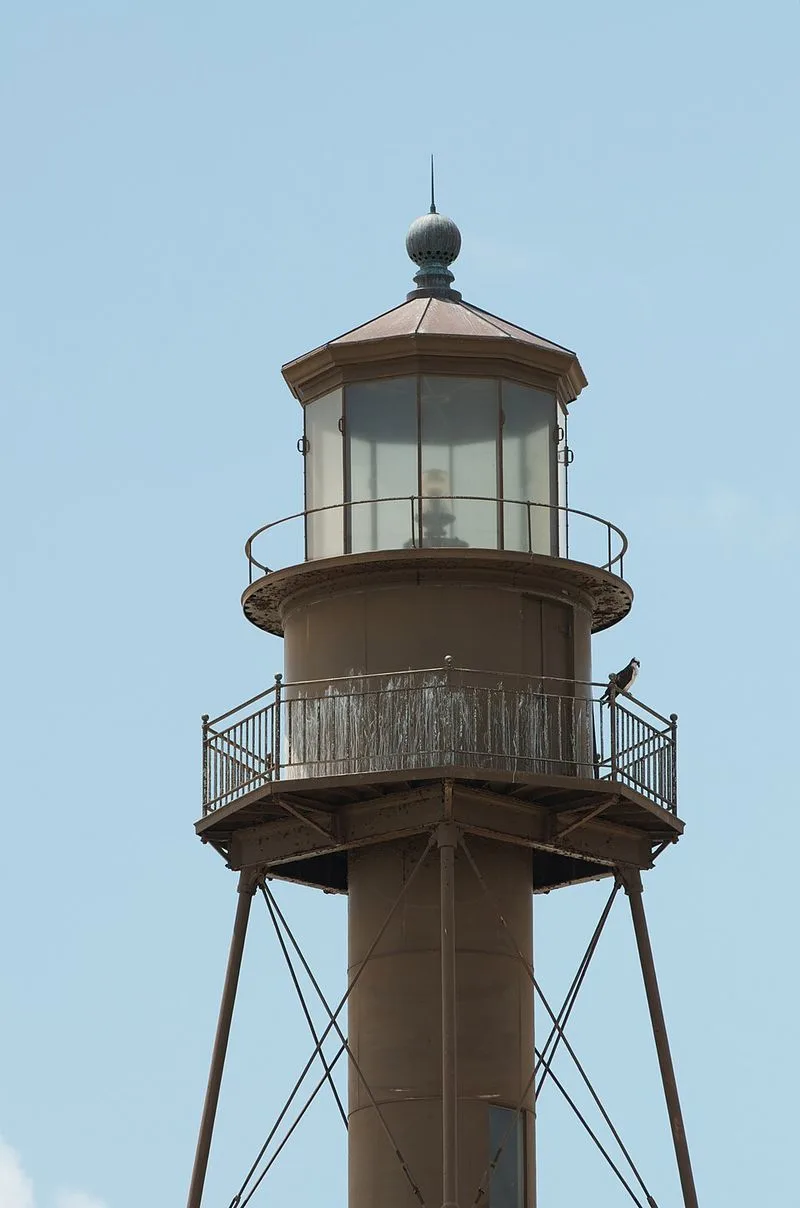
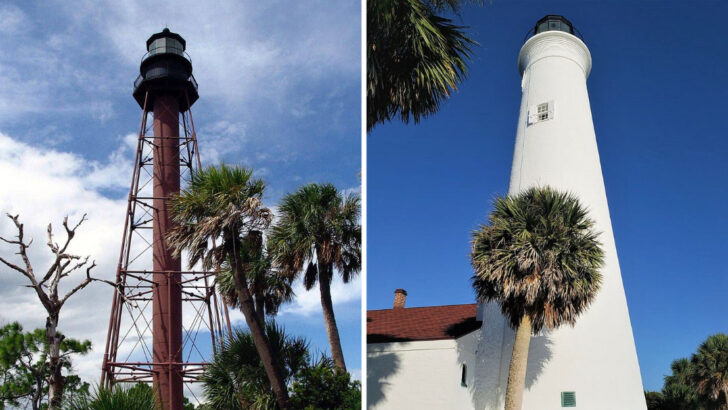
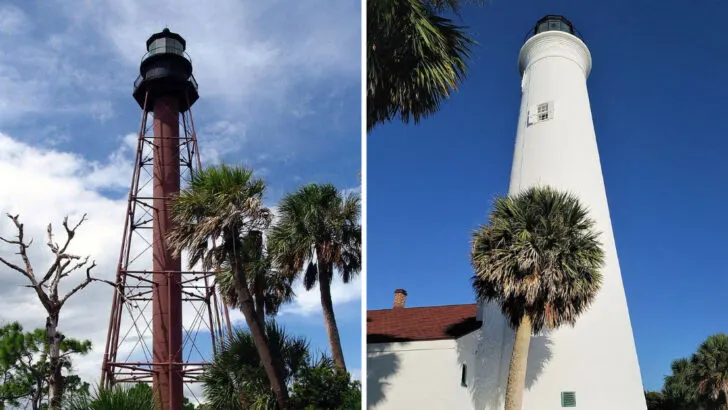
Sanibel Island is famous for its shell-strewn beaches, but the lighthouse offers a different kind of allure. This skeletal structure is unlike any other, rising gracefully above the sand dunes since 1884.
It’s a lighthouse that blends seamlessly with its natural surroundings, offering both history and scenery. Visitors can explore the grounds, which are home to a variety of wildlife, including sea turtles and migratory birds. The nearby beaches are perfect for shell collectors, providing a treasure trove of marine finds.The lighthouse is a beloved landmark for locals and visitors alike, symbolizing the charm and tranquility of Sanibel Island.
Whether you’re seeking a piece of maritime history or simply a quiet place to reflect, this lighthouse is a must-see on Florida’s west coast.
Gasparilla Island Lighthouse
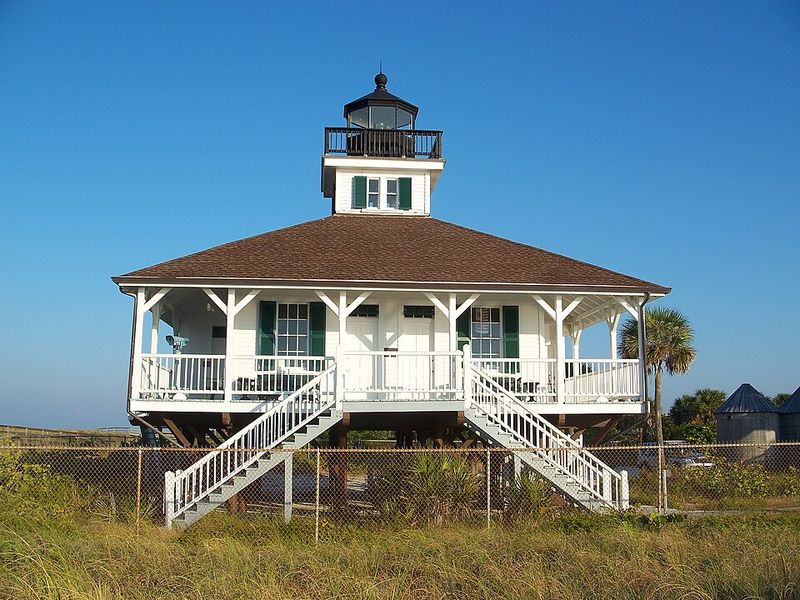
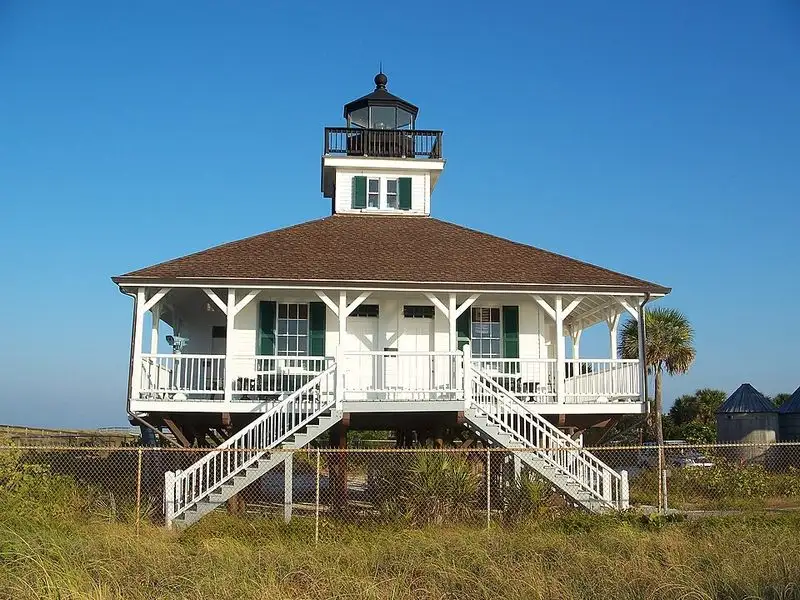
On the sandy shores of Boca Grande, the Gasparilla Island Lighthouse stands as a slender beacon against the Gulf’s azure backdrop. Its elegant simplicity has been guiding ships since 1890, a testament to its enduring role in maritime safety.The lighthouse is part of a vibrant community, where history and leisure coexist.
Nearby, shops and restaurants offer a taste of local culture, while the beaches beckon with their warm sands and gentle waves. It’s a spot where visitors can unwind and enjoy the slower pace of island life. Preservation efforts have maintained the lighthouse’s pristine condition, allowing visitors to appreciate its historical significance.
Whether you’re a history enthusiast or just in search of a quiet coastal retreat, Gasparilla Island Lighthouse provides a serene escape.
Egmont Key Lighthouse
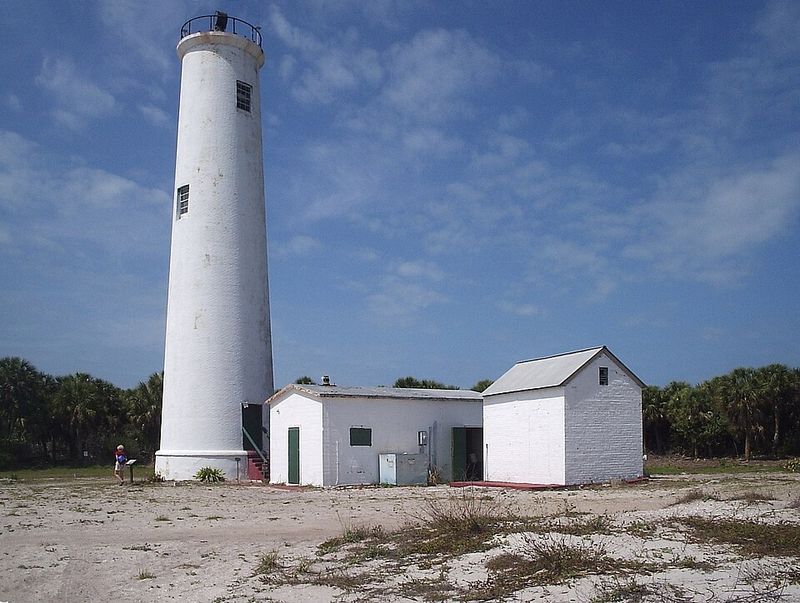
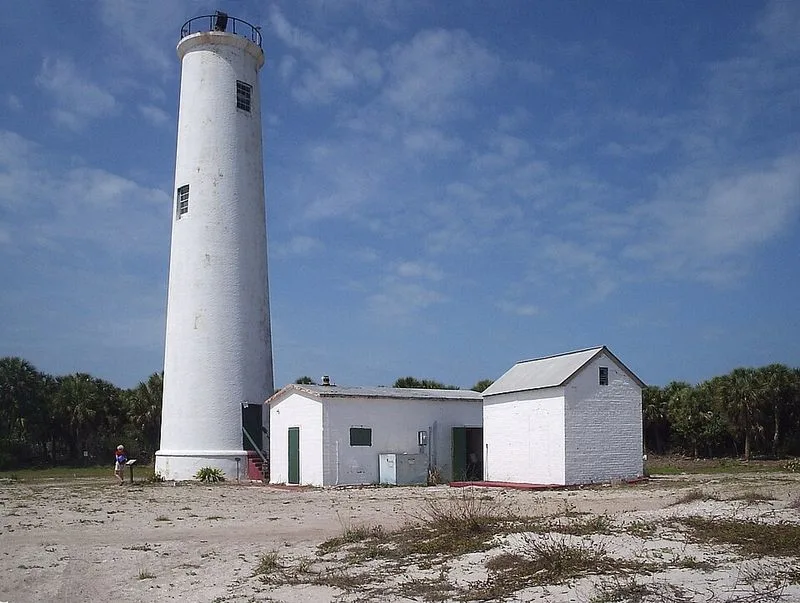
Egmont Key Lighthouse is more than just a navigational aid; it’s a step back in time. The island is home to the remnants of Fort Dade, offering a fascinating glimpse into Florida’s military history.
The lighthouse itself, with its classic white design, has been a guiding light since 1858, standing watch over the entrance to Tampa Bay.Accessible only by boat, the journey to Egmont Key is part of the adventure. Once there, visitors can explore the fort ruins, walk along the pristine beaches, or snorkel in the clear waters surrounding the island. The lighthouse stands as a solitary figure amidst the historical ruins and natural beauty, providing a unique blend of history and recreation.
It’s a destination that promises both reflection and exploration, offering something for every traveler.
Anclote Key Lighthouse
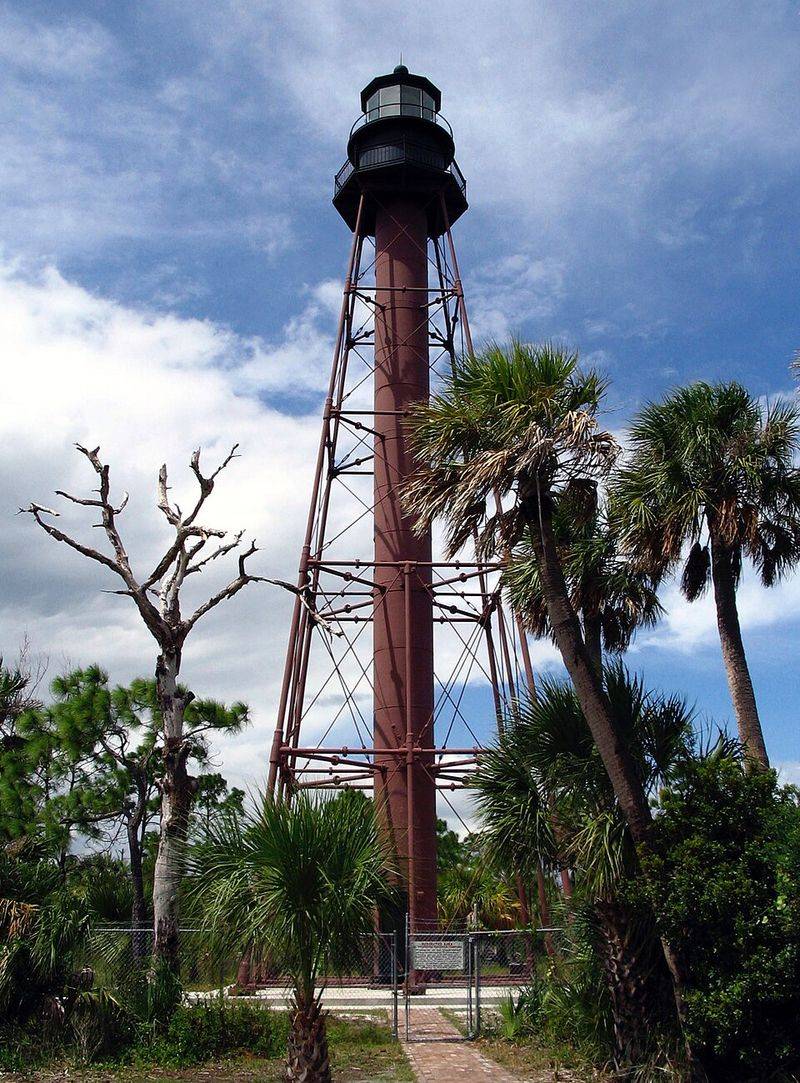
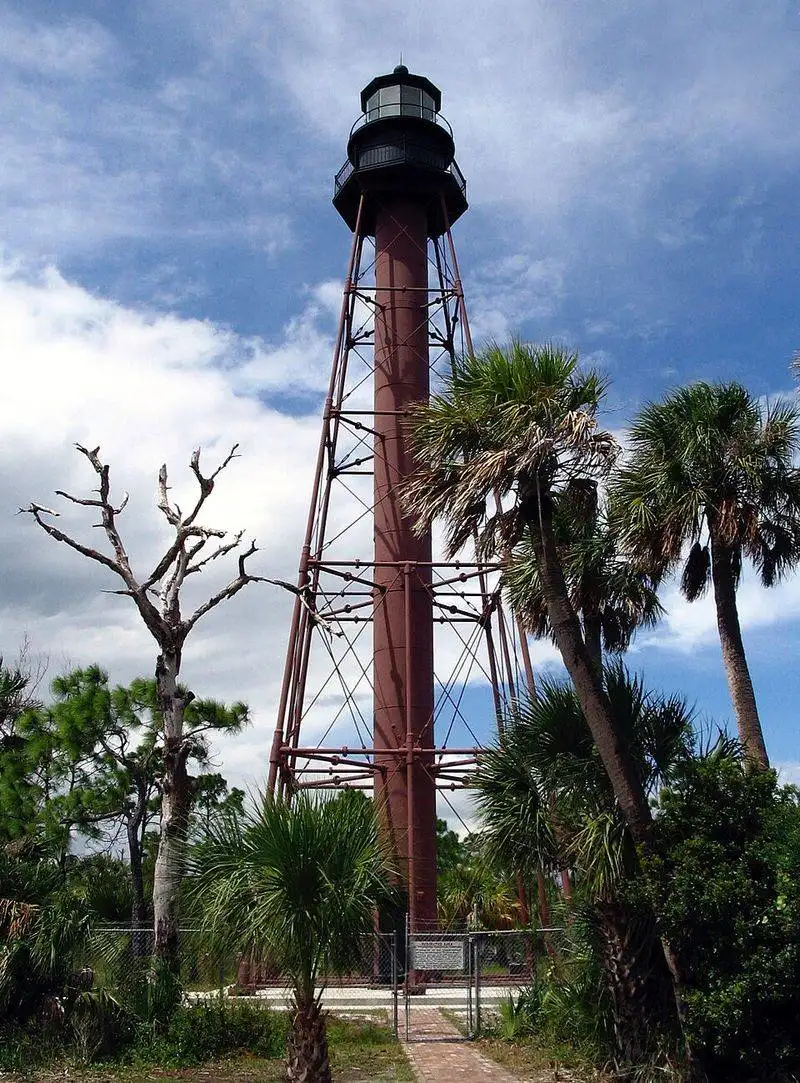
Perched on the unspoiled Anclote Key, this lighthouse is a testament to the untouched beauty of Florida’s natural coastline. It’s a remote sanctuary, accessible only by boat, where the hustle and bustle of everyday life seem worlds away.
The lighthouse itself, a tall white structure, has been guiding sailors since 1887.The island offers a range of outdoor activities, from kayaking through mangrove channels to bird-watching and beachcombing. Its beaches are a haven for nesting sea turtles and migratory birds, adding to the area’s ecological importance.The lighthouse and its surroundings provide a serene escape, perfect for those seeking solitude and a connection with nature.
It’s a place where one can truly appreciate the interplay between land and sea, making it a memorable stop on Florida’s lighthouse trail.
St. Marks Lighthouse
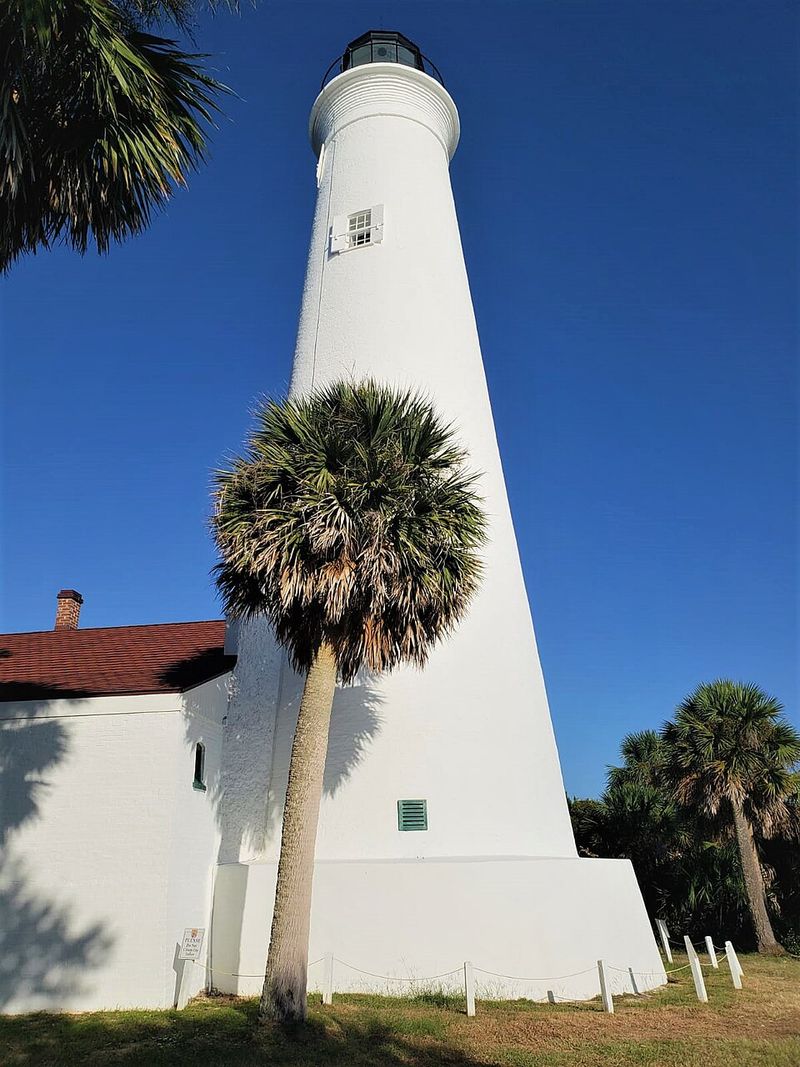
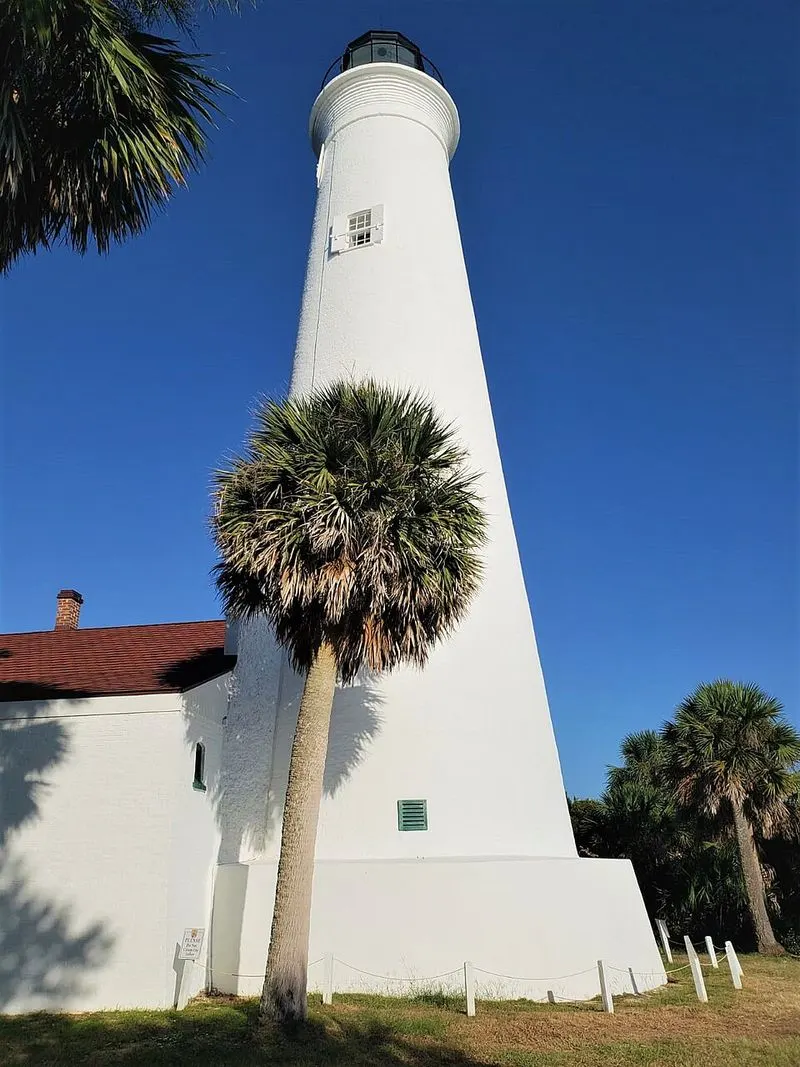
St. Marks Lighthouse is a piece of living history, having stood watch over the Gulf of Mexico since 1831. Its traditional white tower and black lantern remain iconic, representing a time when lighthouses were crucial for maritime navigation.Located within the St. Marks National Wildlife Refuge, the area around the lighthouse is teeming with wildlife, from alligators to a variety of bird species.
This makes it a perfect destination for nature lovers and photographers, offering a blend of history and natural beauty.The lighthouse itself provides insights into the life of its keepers, who faced isolation and the elements to ensure the safety of passing ships. It’s a place where stories of the past meet the vibrant life of the present, creating a unique atmosphere where every visitor can find something to treasure.
Pensacola Lighthouse
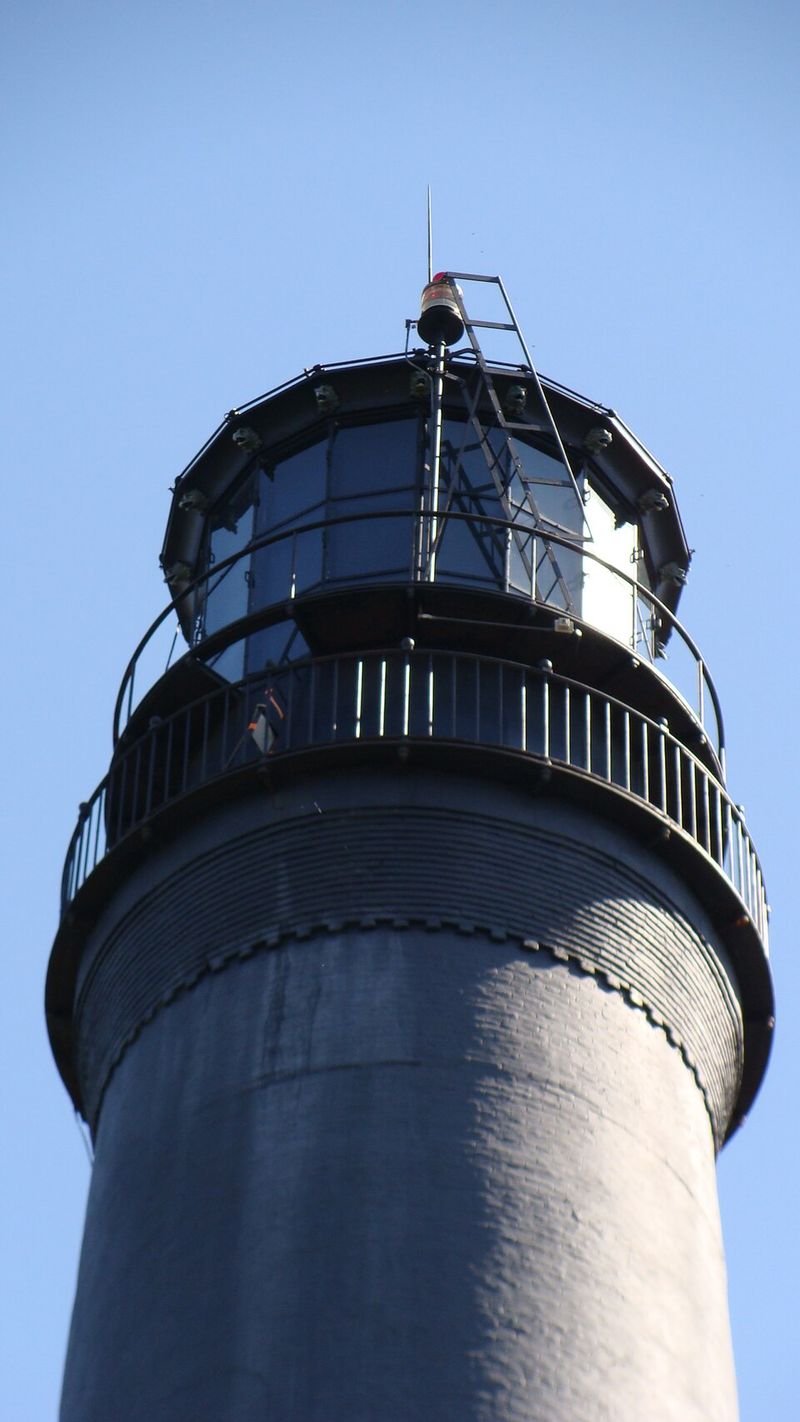
The Pensacola Lighthouse, located within the boundaries of the Naval Air Station, offers a unique vantage point over the Gulf. Its striking black and white design stands tall on a bluff, inviting visitors to climb its heights for a stunning coastal view.
Since 1859, it has been a guiding light for sailors navigating these waters.The lighthouse is also home to a maritime museum, where visitors can dive into the history of the region’s naval and maritime heritage. The stories of those who maintained the light and the ships it guided to safety are vividly brought to life.As a bonus, the lighthouse offers a front-row seat to the Navy’s Blue Angels practice sessions, making it a thrilling spot for aviation enthusiasts.
It’s a blend of history, natural beauty, and modern excitement, ensuring an unforgettable visit.
Cape St. George Lighthouse
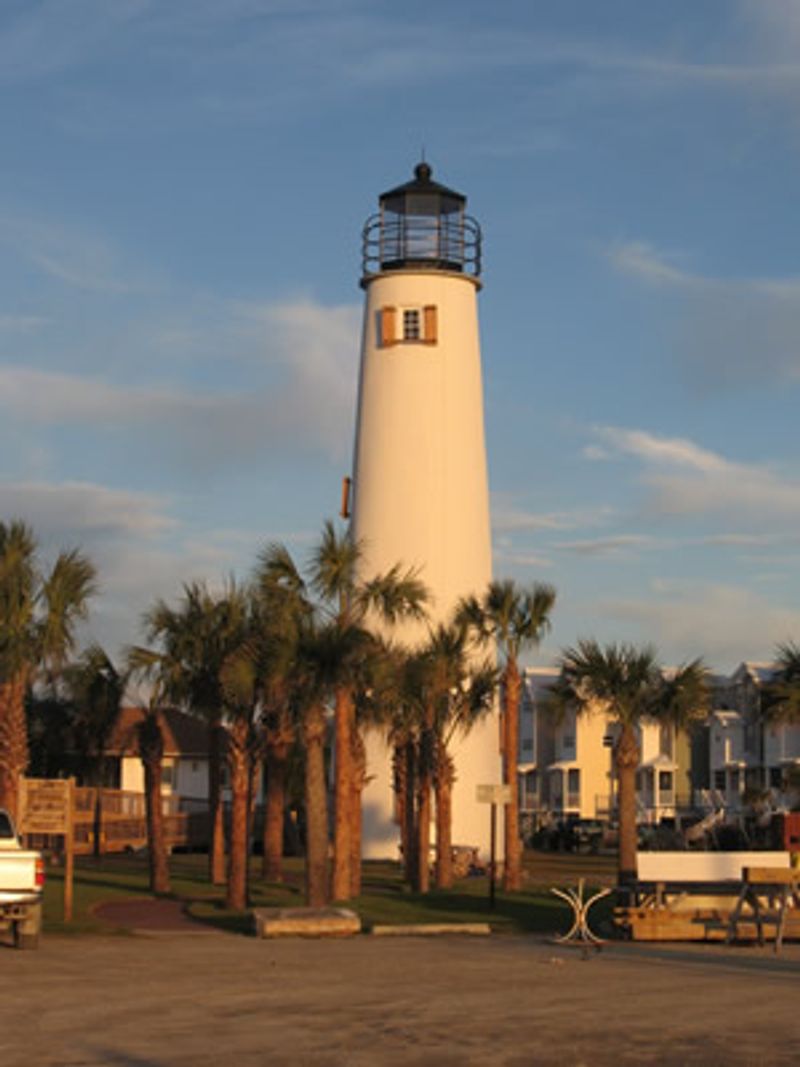
Cape St. George Lighthouse stands proudly on St. George Island, a testament to resilience and community spirit. Originally built in 1833, it has been reconstructed after hurricanes and erosion took their toll.
The current structure is a faithful replica, embodying the island’s dedication to preserving its history.The island itself is a paradise of pristine beaches and natural beauty, offering visitors a chance to relax and unwind. The lighthouse provides panoramic views of the Gulf and the surrounding islands, a reward for those who make the climb to the top.Managed by a local historical society, the lighthouse is more than just a beacon; it’s a celebration of the island’s history and community.
It’s a place where the past meets the present, offering a unique insight into Florida’s coastal legacy.