
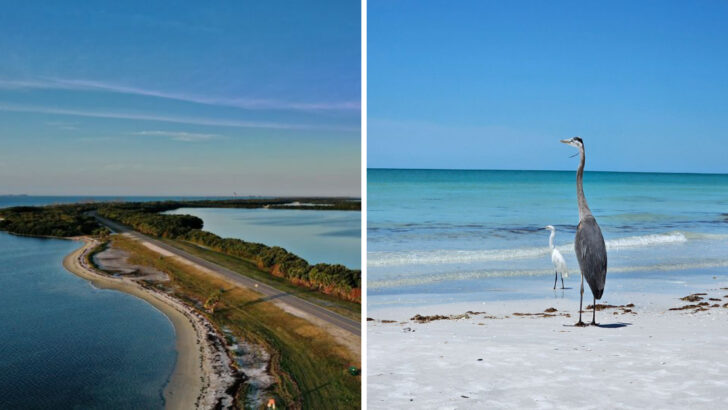
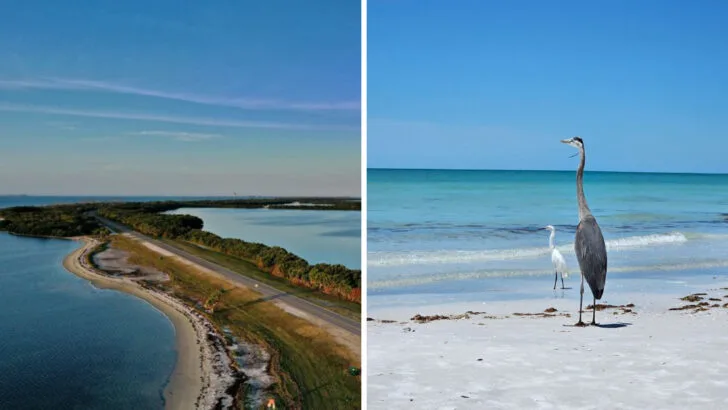
This park doesn’t whisper Florida history—it stands guard over it.
At Fort De Soto, concrete gun batteries stare straight out at the Gulf, built for war yet now framed by salt air and open sky. These forts once protected Tampa Bay. Today, they feel like coastal time machines with million-dollar views.
Water rules every direction here.
The Gulf rolls in on one side, Tampa Bay glimmers on the other, and fishing piers stretch into deep blue like invitations. Dolphins cruise past. Pelicans patrol overhead. Sunset steals the show nightly.
Then come the trails.
Long, flat, and endlessly scenic, they thread beaches, mangroves, and military ruins into one flowing route. Walking or biking here feels expansive, coastal, and a little unreal—Florida at full volume.
Historic Fort De Soto
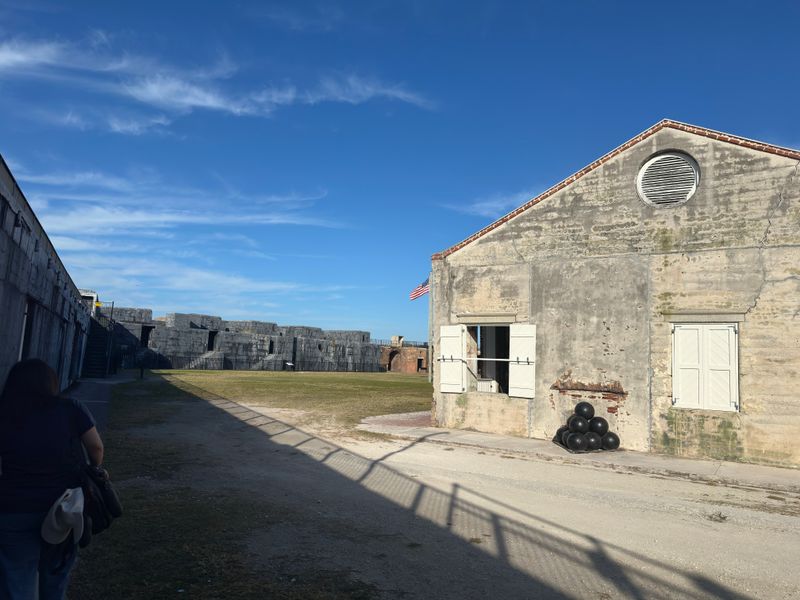
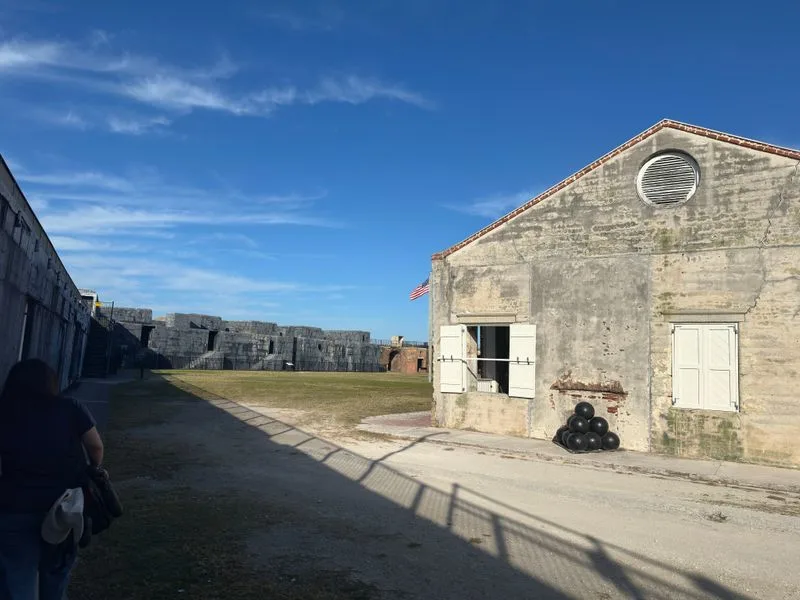
Step into the old batteries and you feel the cool air change, a hint of salt and rust leading down shadowy corridors. These concrete walls were built to guard Tampa Bay during the Spanish American War, and the scale is still startling.
Climb the ramps and rooftops and the Gulf opens like a map, while the bay glints to the east, reminding you why these guns once mattered.
Bring a small flashlight for the darker passages and take time with the interpretive signs. You can run your hand across pitted concrete and imagine watch rotations, storm seasons, and signal lamps cutting through fog.
The views from above are the real prize, with pelicans skimming the waves and sandbars shifting like pale ribbons.
From here, trails radiate to beaches, piers, and mangroves, so it feels like a hub of past and present. Kids love the echoes and hidden nooks, while history buffs linger over engineering details.
You leave with grit on your shoes and a sense that the coastline still keeps watch.
North Beach
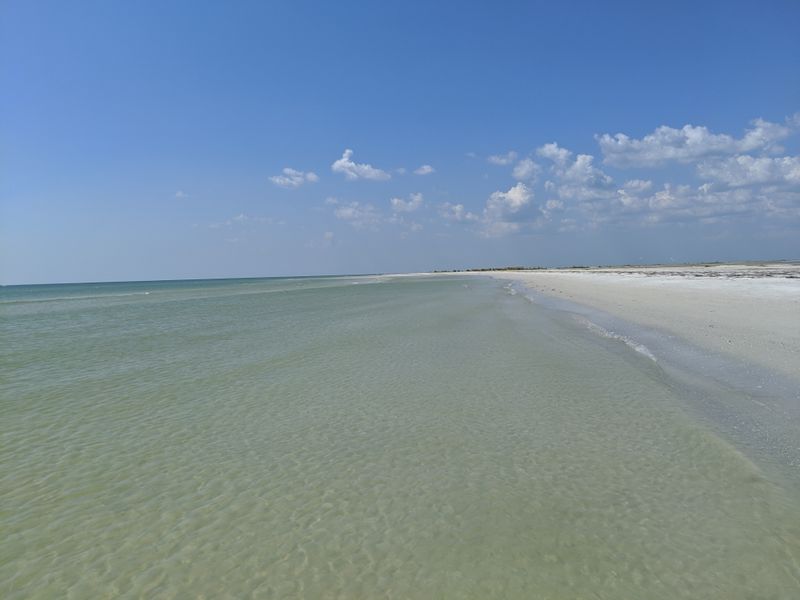
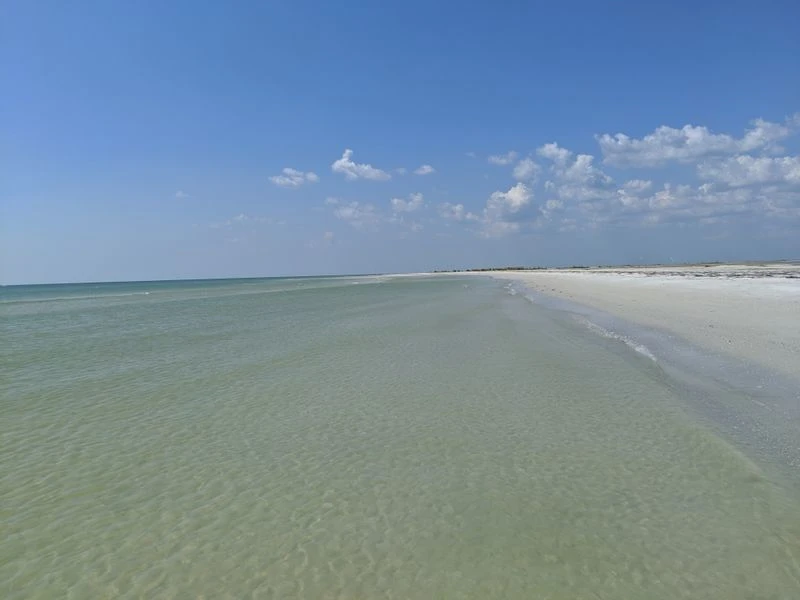
North Beach feels like the Gulf remembered how to whisper. The sand is broad and pale, the water calm enough that ankles become mirrors, and the breeze seems to arrive on schedule.
Walk slowly and you will spot tiny olive shells, scuttling ghost crabs, and shorebirds tracing delicate lines along the edge.
It is a favorite for families and photographers chasing that soft, honeyed sunset. Wade out on a sandbar and you are still close to shore, watching rays and minnows flicker over ripples.
When the sky turns peach and lavender, the whole shoreline glows, and conversations drop to a hush.
Pack light: water, sun protection, and a simple chair are all you need. Arrive early for easier parking and wander until the dunes frame the horizon just right.
This is where the day slows down and the Gulf writes gentle, repeating lines at your feet.
East Beach and Tampa Bay Views
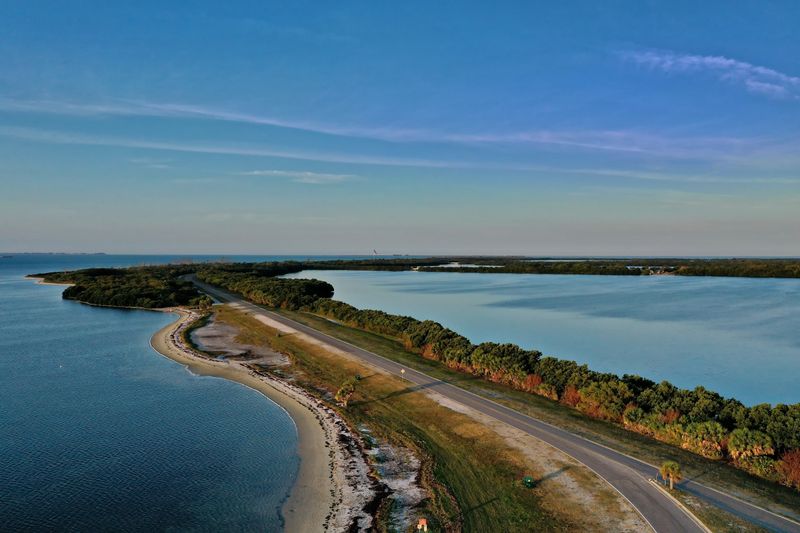
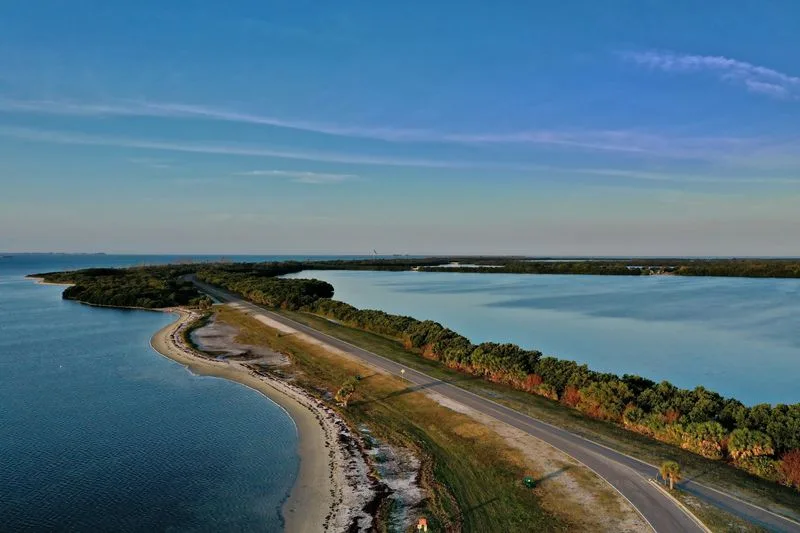
East Beach trades surf for a glassy bay that slips quietly along the shore. Look up and the skyline sits distant, a clean outline beyond shimmering water.
Kayakers and paddleboarders slide past as if the bay were oiled, while anglers work the edges for sea trout and snook.
It is perfect when you crave calm. Wind usually runs softer here, and the water clarity makes small fish and stingrays easy to spot.
Launch a board, or just stand ankle deep watching bait schools flash like quicksilver under the morning sun.
Settle at a picnic shelter and breathe in the blend of mangrove and salt. The arc of the Howard Frankland and Sunshine Skyway sometimes silhouette against afternoon light, adding drama without noise.
East Beach is where you choose stillness and collect it like a keepsake.
The Paved Multi-Use Trail Loop
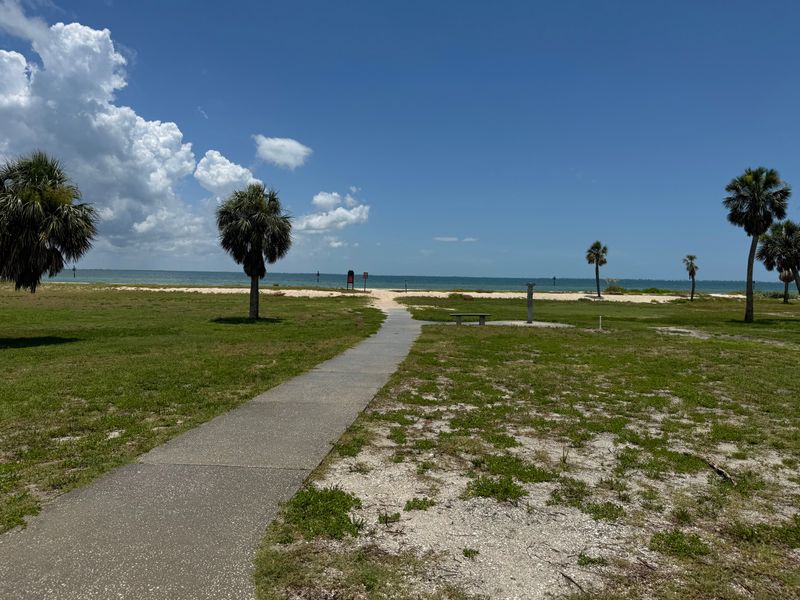
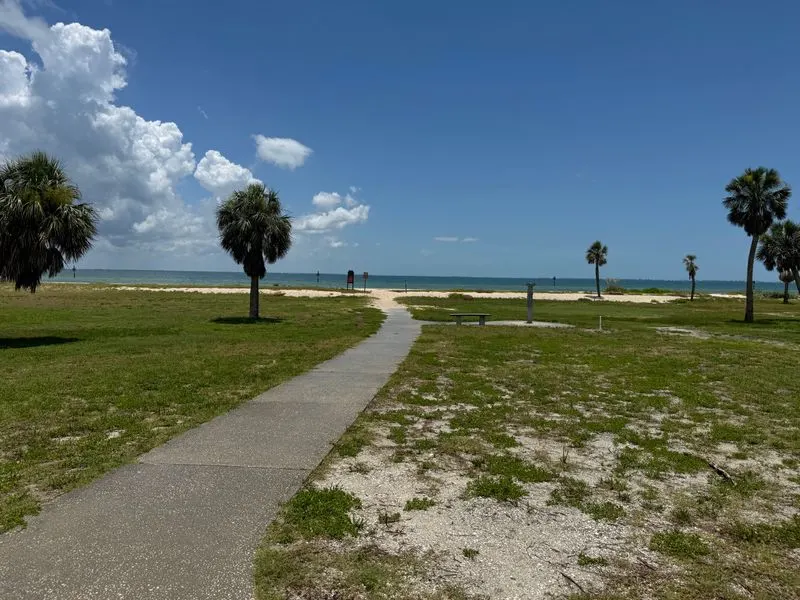
This long, flat loop ties the whole park together so you can keep water in sight while you move. Pedal from fort to beach, past wetlands and picnic lawns, watching ospreys rotate above like patient kites.
The pavement is smooth, the grades easy, and the scenery changes just often enough to feel fresh.
Bring a bike or lace up for a long walk, then fall into that rhythm only coastal trails create. You will pass mangroves, dune breaks, and side spurs that tempt quick detours to piers and overlooks.
Benches appear right when you want a drink and a view.
Mornings run cooler and quieter, with dolphin splashes sometimes audible from the bay. Even on busy days, the loop feels generous, a ribbon that welcomes strollers, kids, and distance riders alike.
You finish wind salted, legs pleasantly used, and ready for one more beach stop.
Arrowhead Picnic Area and Coastal Greens
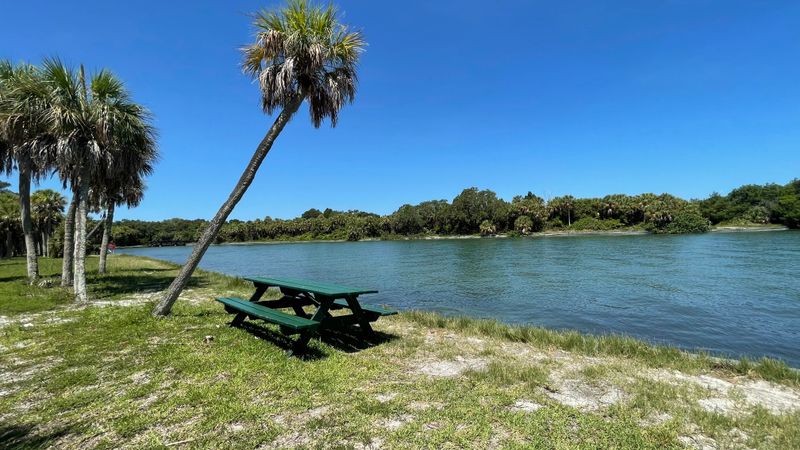
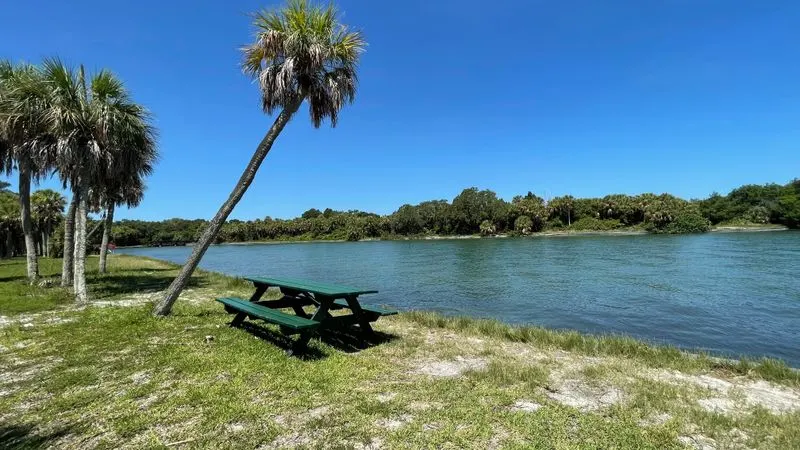
Arrowhead spreads a lawn right to the water, so your picnic blanket shares the breeze with passing gulls. Palms frame the shoreline and the fort ruins hover nearby, a reminder that this pretty corner has a long backstory.
It is the kind of spot where kids run figure eights while someone fires up a small grill.
Find shade under a pavilion or sit in the open and watch the bay flash silver. Kites fly easily here, and the sight lines make it feel safe and open.
On calm days, you will see rays ghost by, and on windy ones, whitecaps tap the seawall.
Pack simple, fresh picnic fare and leave room for beach wandering after lunch. The mix of grass, palms, and concrete history gives Arrowhead a personality all its own.
Stay long enough and sunset turns the greens into a soft, luminous stage.
Fishing Piers and Rock Jetties
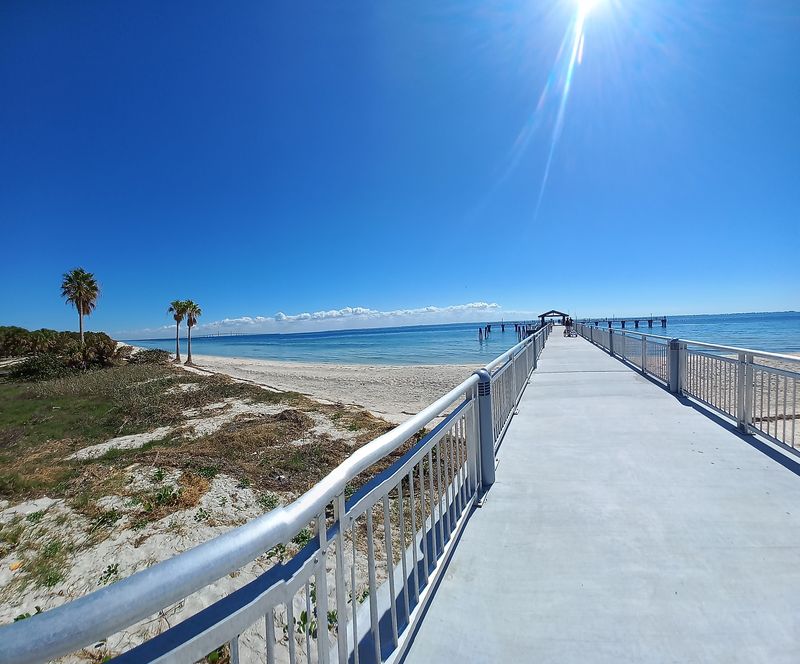
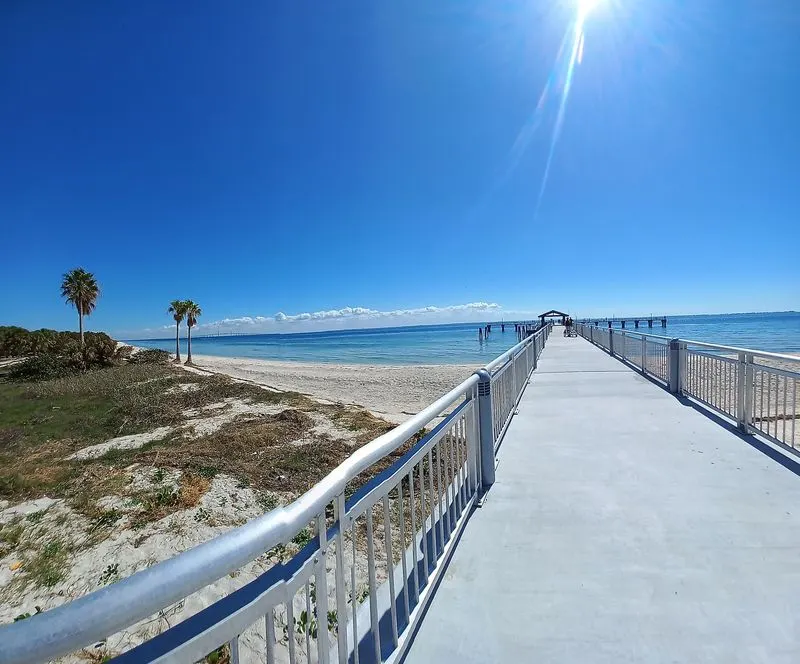
The piers run straight into deeper water, giving you reach without a boat. Anglers work sabiki rigs for bait, then switch to spoons or live shrimp for mackerel, trout, and snook.
Pelicans study every move, and dolphins patrol like friendly supervisors just off the rails.
Rock jetties add drama and spray, plus another angle on current and baitflow. If you are not fishing, the people watching and passing boats make hours vanish.
Bring polarized sunglasses to read the water, and you will start spotting schools, shadows, and tide lines.
Sunset here feels cinematic, masts and lines sketching the sky as the horizon drops into gold. Keep a respectful distance from birds and fellow anglers and you will fit right in.
Whether you catch or just cast, the ritual becomes its own reward.
Mangrove Trails and Backcountry Edges
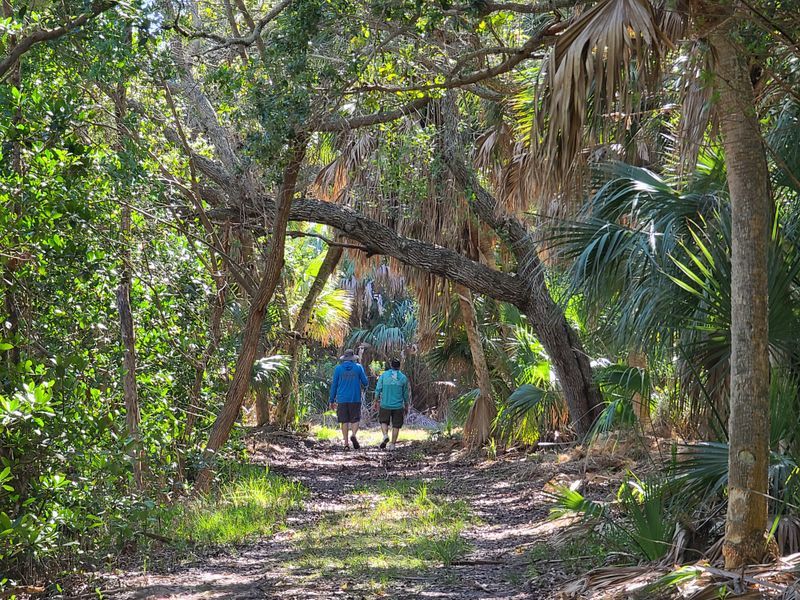
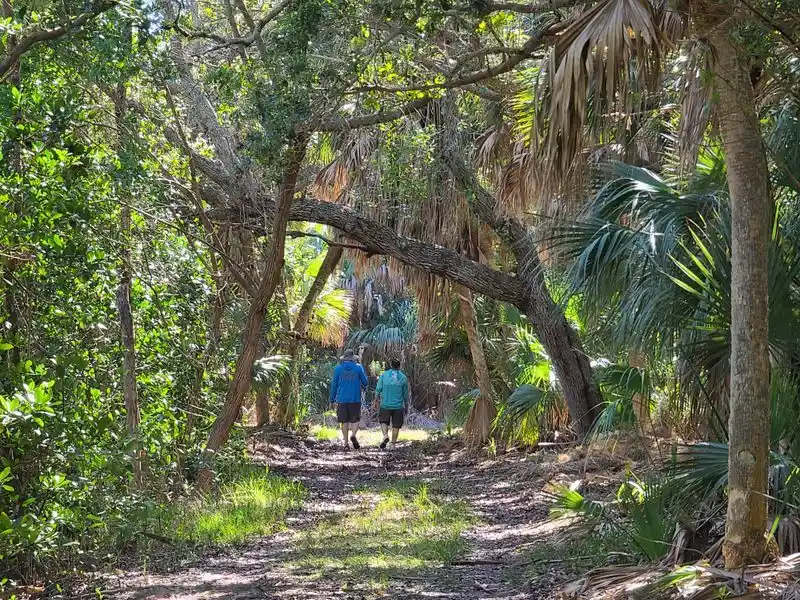
Slip into the mangroves and the park gets quiet in a different way. Roots arch like sculptures, fiddler crabs wave, and herons pick their way across flats stitched with tiny channels.
The air smells like brine and leaf tannin, and your footsteps soften on packed sand and boardwalk.
These backcountry edges feel softer than open beach, with patience rewarded. Pause and the scene fills with life you might miss in motion: mullet jumping, a clapper rail calling, needlefish sketching silver lines.
On higher tides, the reflections turn the world upside down.
Bug spray helps, and a slow pace helps more. Watch for interpretive signs that decode mangrove types and tidal timing.
By the time you emerge, the wind sounds different and you carry a little of that hush with you.
Egmont Key Ferry Connection
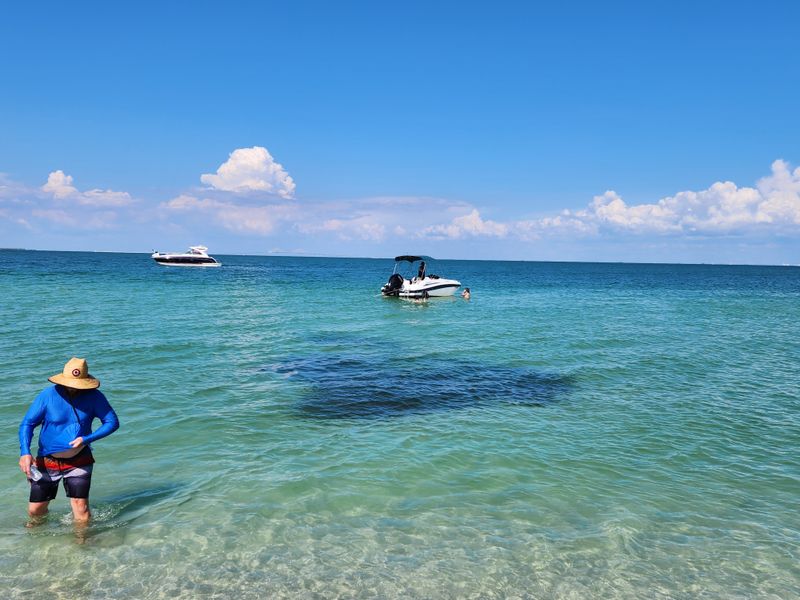
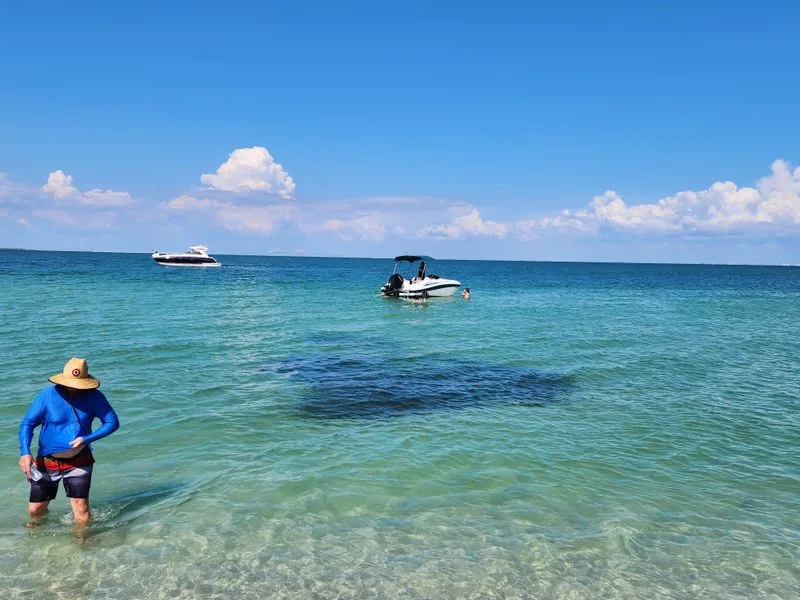
The ferry to Egmont Key feels like opening a secret door farther into the bay. In minutes you are skimming green water toward another island with its own forts and a tidy white lighthouse.
Dolphins often escort the ride, and seabirds mark the channel like floating signposts.
On Egmont, paths thread through scrub and ruins, with beaches that feel wilder and quieter. Bring water, a hat, and a simple plan because shade is limited and time moves quickly.
Snorkel near the shore when conditions are clear to spot fish edging along old foundations.
This connection underscores how Fort De Soto once watched the whole gateway. Standing between islands, you feel the geography click.
It is a quick trip that stretches your day into something bigger than one park.
Fort De Soto Campground
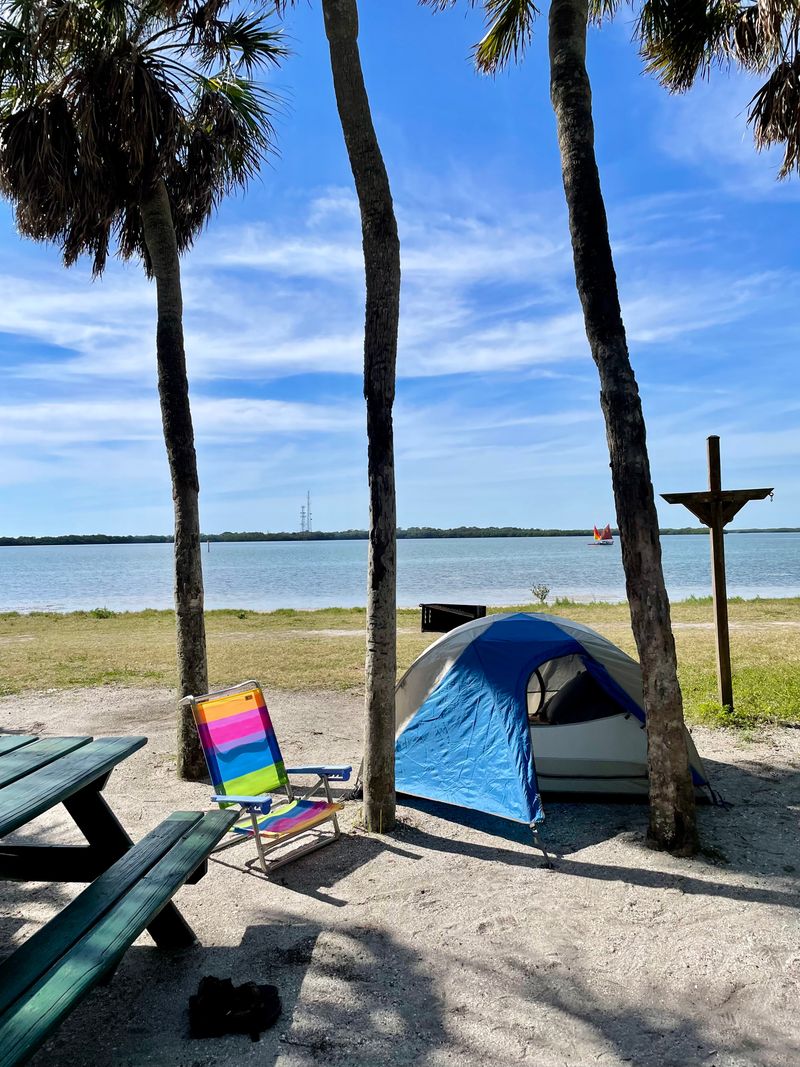
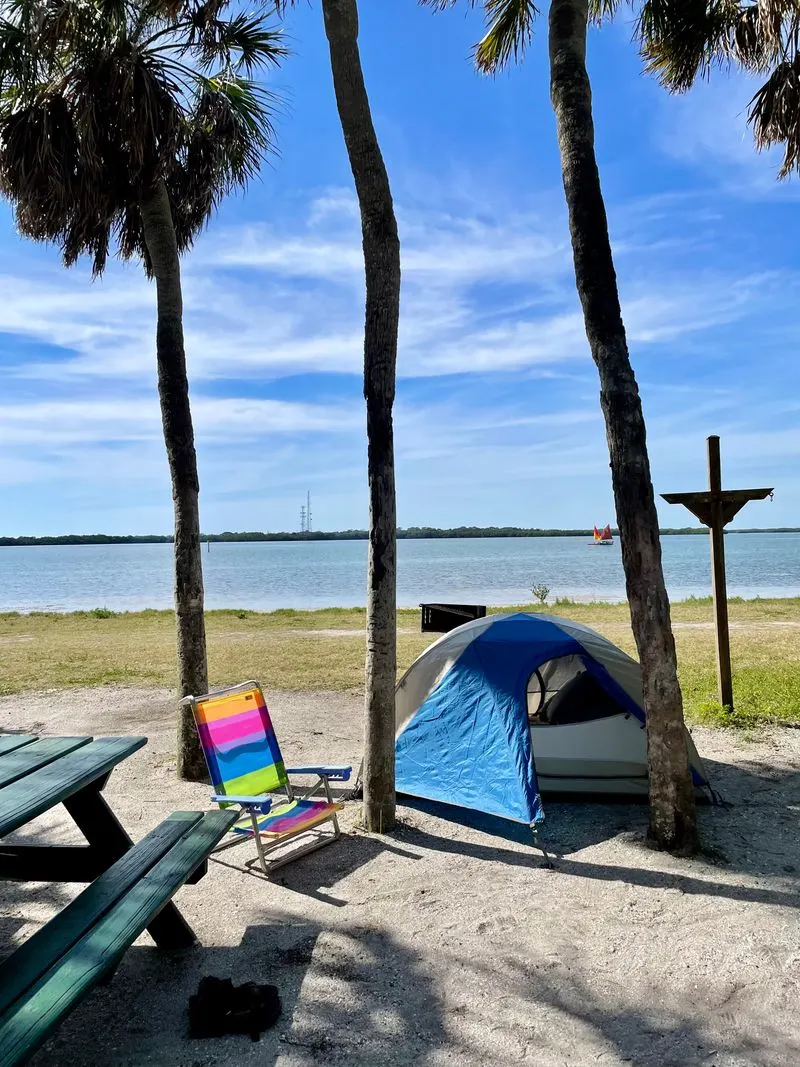
Camping here pulls the bay right to your doorstep. Some sites sit just steps from water that glows under moonlight, with wind moving through sea grass like quiet applause.
At night you hear distant horns and, sometimes, lighthouse flashes wink across the channel.
Morning arrives with osprey calls and a soft, salt taste in the air. Bring a bug screen, extra lines for windy nights, and a light footprint to keep sand out of your tent.
The campground is popular, so reservations help and neighbors usually share tips about best sunrise angles.
Walk the loop after dinner to feel the temperature drop and watch stars switch on. You will sleep closer to the tides than usual, and wake eager for coffee with a view.
Few campgrounds stitch comfort and coastline this neatly.
Wildlife Viewing and Birding Hotspots
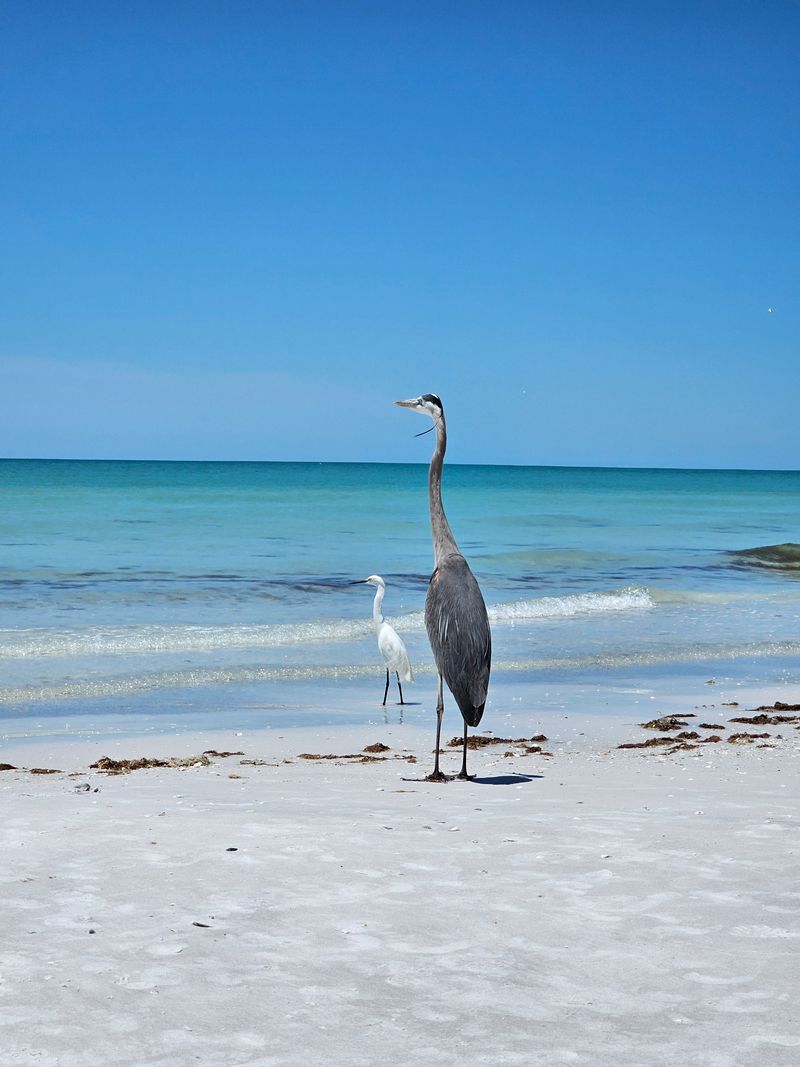
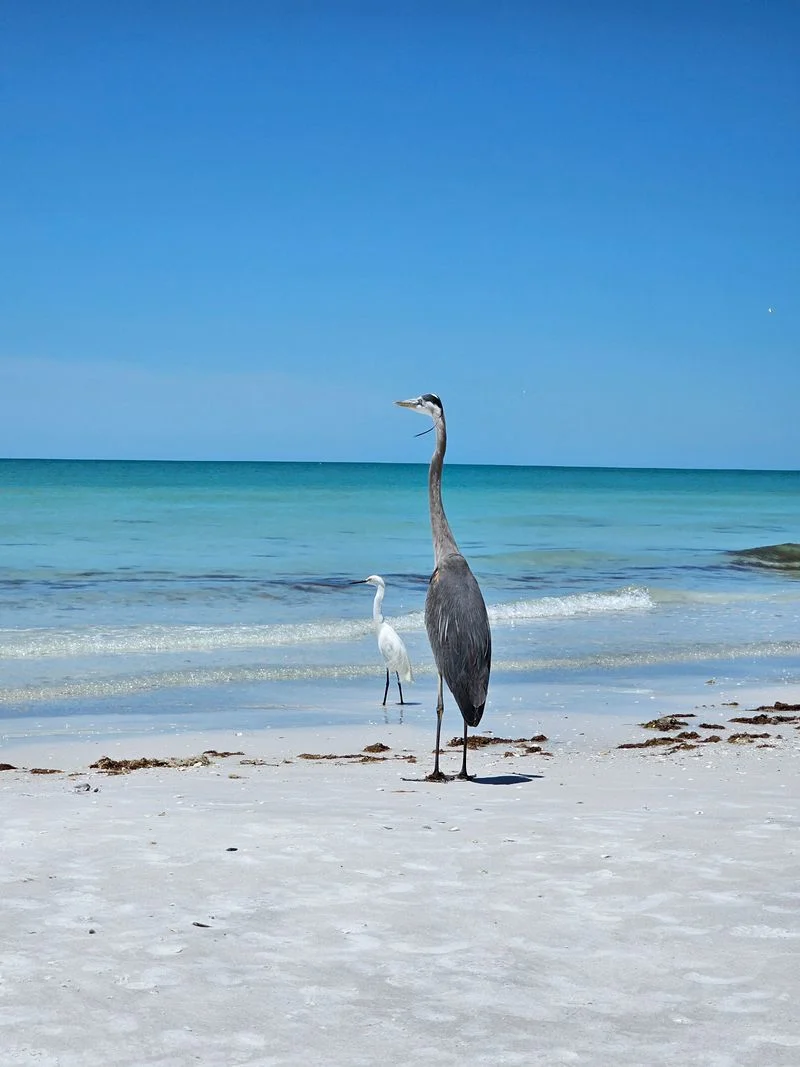
Fort De Soto sits on a migratory highway, so even casual visits turn into birding wins. Herons stalk the shallows, ospreys hover with that fierce patience, and terns write white slashes across blue air.
In season, warblers flicker through coastal hammocks while sandpipers stitch the tideline.
Bring binoculars and a small field guide or app, then wander between wetland edges and open beach. Look for posted closures around nesting sites and give everyone space, especially during spring.
Dolphins, manatees, and rays add surprise cameos that make any checklist feel alive.
Best light hits early and late when colors soften and birds feed. Stand still long enough and the show comes to you, a moving loop of wings, calls, and water.
You leave with sand on your shoes and a head full of sightings.