
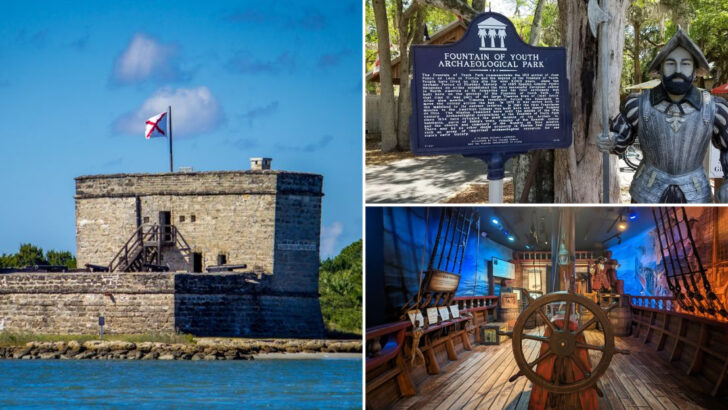
Florida’s coast hides more pirate stories than most people realize. Cannons once roared, treasure ships sank, and shadowy captains searched these waters for fortune.
Today, you can follow those legendary trails yourself.
This road trip winds through historic ports, mysterious shipwreck sites, and museums filled with real treasure pulled from the sea. From the old streets of St. Augustine to the tropical harbors of Key West, every stop carries a story that feels straight out of a pirate legend.
Grab your map and your sense of adventure. This Florida road trip isn’t just about sunshine and palm trees—it’s a journey into a swashbuckling past filled with hidden treasures waiting to be discovered.
St. Augustine Pirate & Treasure Museum
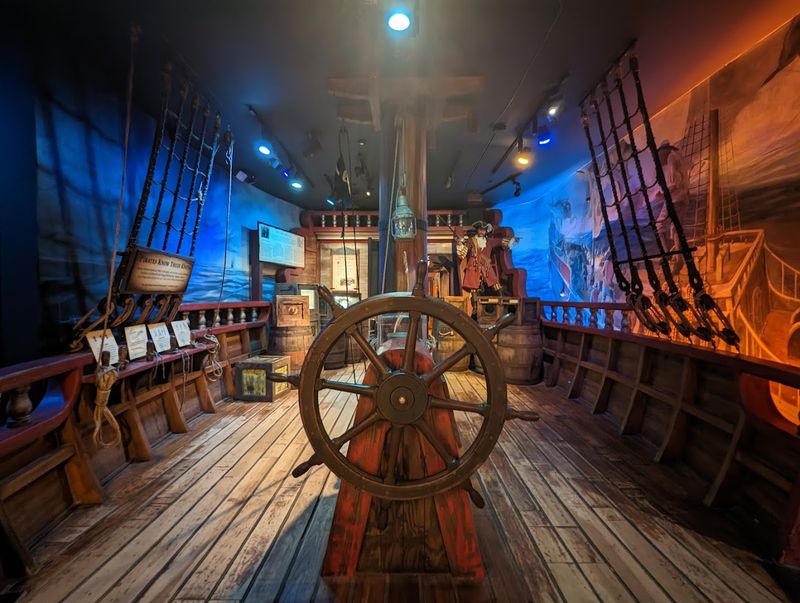
I would start this pirate road trip here because the St. Augustine Pirate & Treasure Museum sets the mood instantly. Right near Castillo de San Marcos, it places you in America’s oldest city, where imperial rivalries, treasure fleets, and raiders shaped everyday life.
You are not just looking at props here, either, because the collection includes authentic artifacts tied to the Golden Age of Piracy.
The museum is especially strong at connecting legendary names to real objects, from weaponry to navigation tools and recovered coins. Highlights often include one of the few surviving Jolly Roger flags associated with pirate lore, plus exhibits linked to Blackbeard and other notorious figures.
If you like immersive stops, the staging, sound design, and storytelling make the visit feel energetic without becoming cheesy.
What makes this stop useful for a road trip outline is how efficiently it introduces the bigger Florida story. You get context for Spanish shipping lanes, Caribbean plunder, and why coastal strongholds mattered so much.
After an hour or two here, the rest of the itinerary makes more sense, and every fort or harbor feels richer.
I would arrive early, then walk the surrounding historic district afterward. That lets you pair museum artifacts with the actual streets, waterfront views, and defensive landmarks pirates once feared.
It is a smart first stop because it gives your whole journey a dramatic, well-informed opening.
Castillo de San Marcos National Monument
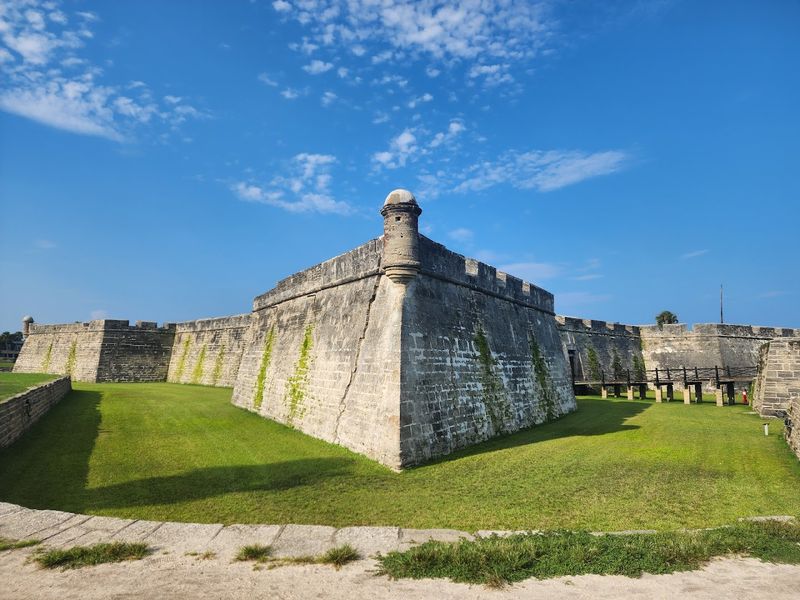
Castillo de San Marcos is the place where Florida’s pirate history becomes physically massive. Built by the Spanish from coquina stone, this fortress guarded St. Augustine against enemy ships, privateers, and repeated attacks for centuries.
When you stand on the gun deck and look over Matanzas Bay, it is easy to imagine sails on the horizon and alarms rising through the garrison.
This is the oldest masonry fort in the continental United States, and that alone makes it worth prioritizing. Its star-shaped layout, thick walls, and waterfront position explain why St. Augustine survived so many threats.
Pirate stories can sometimes feel exaggerated, but this monument reminds you that imperial powers invested heavily in coastal defense because maritime raids were a real danger.
I like this stop because it is both scenic and interpretive. You can walk the interior rooms, see cannon placements, and understand how soldiers lived while protecting treasure routes and colonial supply chains.
It also pairs perfectly with the pirate museum nearby, since one gives you artifacts and the other gives you military scale.
Try to budget enough time to circle the exterior and photograph the fort from several angles. The best experience comes from reading the exhibits, then stepping outside to watch the water itself.
That view helps you grasp why control of this harbor mattered to pirates, smugglers, traders, and empires alike.
Fort Matanzas National Monument
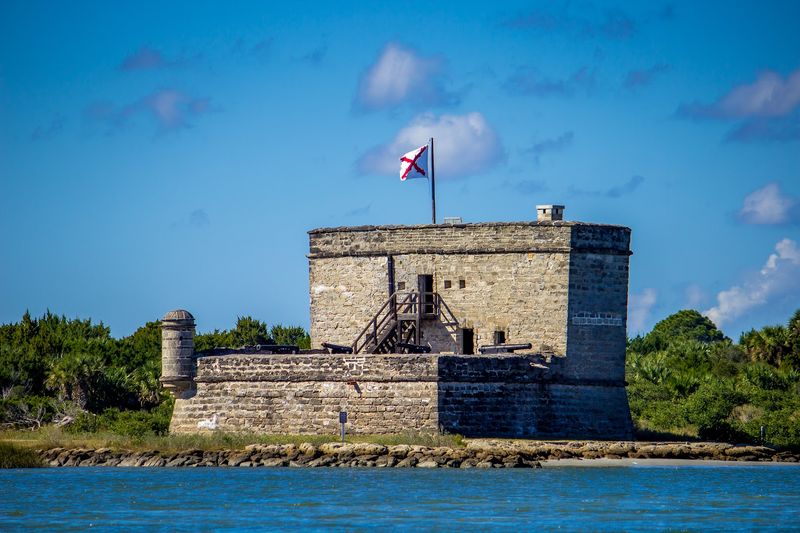
Fort Matanzas feels quieter than St. Augustine’s main landmarks, but that is exactly why I would include it. This small coquina fort defended the southern approach to St. Augustine, guarding a vulnerable inlet where enemy ships could bypass stronger northern defenses.
If you want a hidden-treasure stop that rewards curiosity, this one delivers a lot of atmosphere without huge crowds.
The setting matters as much as the fort itself. Salt marshes, tidal water, and shifting coastal light make the whole visit feel like a frontier outpost still waiting for approaching sails.
Spanish soldiers stationed here watched for hostile vessels, including raiders and smugglers, and their isolated position helps you understand how tense early warning duty must have been.
I like that reaching the fort usually involves a short boat ride from the visitor area, which adds a little adventure. Once there, the scale tells an important story: not every anti-pirate defense was a giant citadel.
Sometimes a small, strategically placed guard post was enough to control a key channel and protect a much larger settlement.
This stop works best if you slow down and absorb the landscape. Bring water, check ferry schedules, and plan for weather because the experience depends on conditions.
It is less flashy than major museums, but it gives your road trip a deeper sense of how Florida’s waterways were monitored, defended, and feared.
Fountain of Youth Archaeological Park
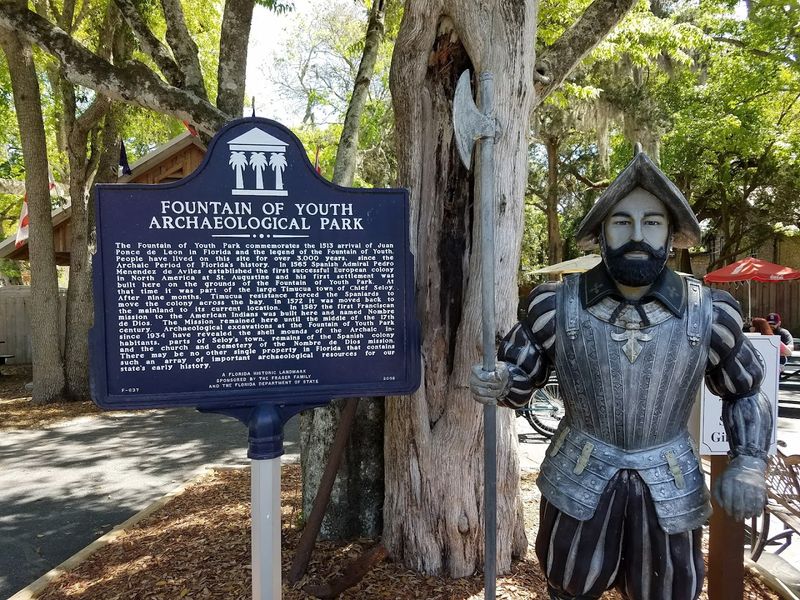
The Fountain of Youth Archaeological Park is often framed around Ponce de León, but I think it also belongs on a pirate history route. This site reaches back to the earliest Spanish presence in Florida, long before the state’s pirate legends became famous.
When you visit, you are stepping into the beginnings of the colonial world that later attracted raiders, rival empires, and treasure traffic.
The appeal here is layered rather than purely pirate themed. You can explore waterfront grounds, archaeological exhibits, and interpretation focused on Native history, Spanish settlement, and the strategic importance of St. Augustine’s location.
That broader context matters because piracy did not happen in a vacuum, and places like this show how imperial footholds created targets.
I would treat this as a scene-setting stop that helps explain why Florida became contested territory. Early settlements were vulnerable, resupply was uncertain, and valuable ships moved through nearby waters.
Once you understand those pressures, later attacks and defensive projects around the region feel more logical and less like isolated legends.
This park also has a more reflective pace than some bigger attractions. It gives you room to connect exploration myths with the harsher realities of colonial survival, conflict, and maritime danger.
If your road trip aims to be well researched rather than gimmicky, this stop adds the long historical timeline that pirate stories usually leave out.
Ximenez-Fatio House Museum
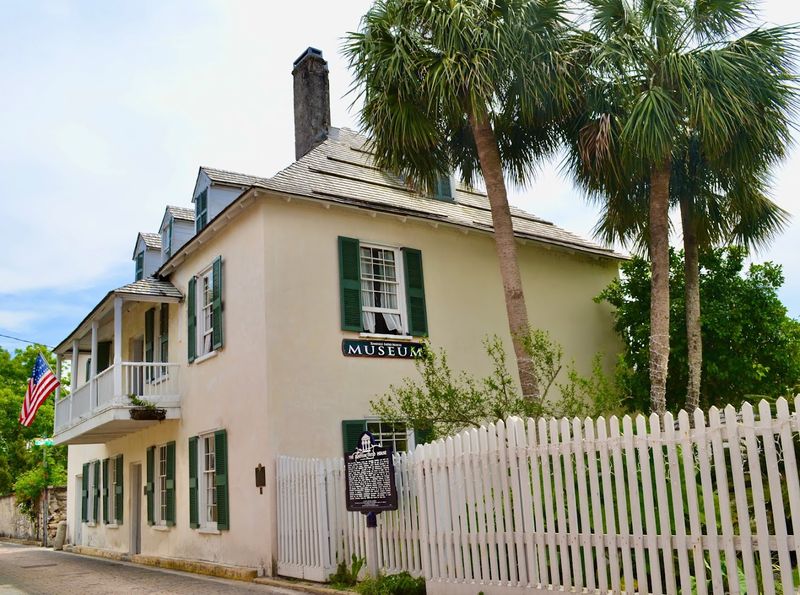
The Ximenez-Fatio House Museum gives your pirate road trip a more intimate, street-level perspective. Instead of cannons and shipwreck treasure, this stop shows the domestic side of a port city shaped by maritime trade.
Located on Aviles Street, one of the oldest streets in the country, it places you inside the kind of urban environment where sailors, merchants, and travelers once crossed paths.
This preserved boarding house dates to the early 1800s, which is later than the classic Golden Age of Piracy, but still deeply connected to seaborne commerce. Ports do not just operate at docks, and places like this reveal how shipping economies influenced lodging, food, labor, and social life inland from the waterfront.
If you want a fuller picture of pirate-era Florida, these supporting spaces matter.
I like this museum because it keeps the road trip from becoming repetitive. Not every stop needs a fortress wall or a chest of coins to be relevant.
By exploring the house, its architecture, and its role in the life of St. Augustine, you better understand the communities that benefited from, suffered from, and adapted to maritime instability.
Visit this stop as a change of pace between major attractions. It works especially well after seeing defensive sites, because it shows the civilian world those fortifications were meant to protect.
That contrast makes the broader story of piracy, trade, and coastal survival feel much more human.
Gasparilla Pirate Festival
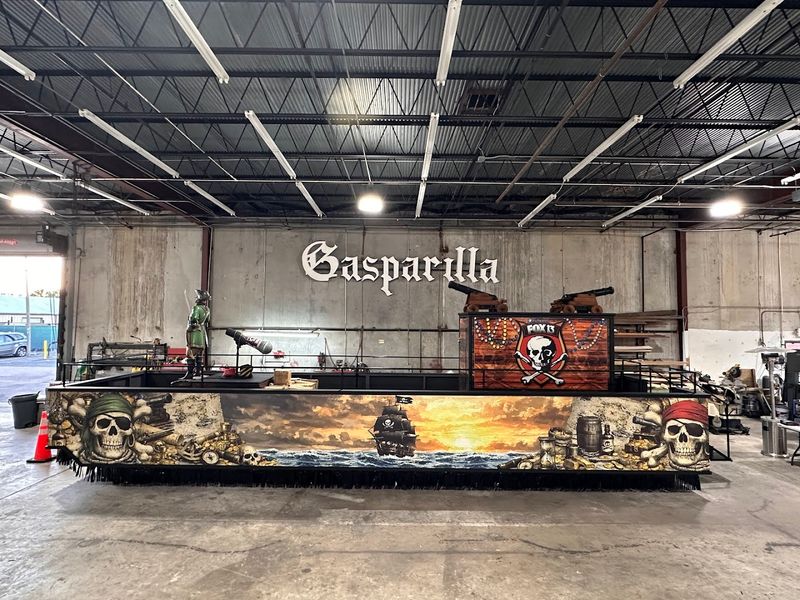
The Gasparilla Pirate Festival is the most theatrical stop on this route, and honestly, that is part of the fun. Tampa’s annual celebration is built around the legend of José Gaspar, a figure whose historical basis is debated but whose cultural impact is undeniable.
If you want to see how pirate mythology still shapes Florida identity, this event is impossible to ignore.
The headline spectacle is the mock pirate invasion, when a pirate ship arrives and the city theatrically surrenders. It is loud, crowded, and highly photogenic, with parades, costumes, and waterfront energy that turns pirate folklore into a civic ritual.
Even if you usually prefer quieter history stops, this one helps explain why pirate stories remain so commercially and emotionally powerful.
I would include Gasparilla in a well-researched outline with one important note: approach it as folklore and public memory, not proven pirate biography. That perspective actually makes it more interesting.
You can enjoy the pageantry while asking how cities build legends, why they choose certain symbols, and how those stories influence tourism and local pride.
Plan carefully if you want to visit during the main event because crowds and parking can be intense. If your schedule does not align with festival dates, the Tampa waterfront still helps you connect the story to place.
Either way, Gasparilla adds a lively modern chapter to a road trip rooted in old maritime danger.
Mel Fisher’s Treasure Museum
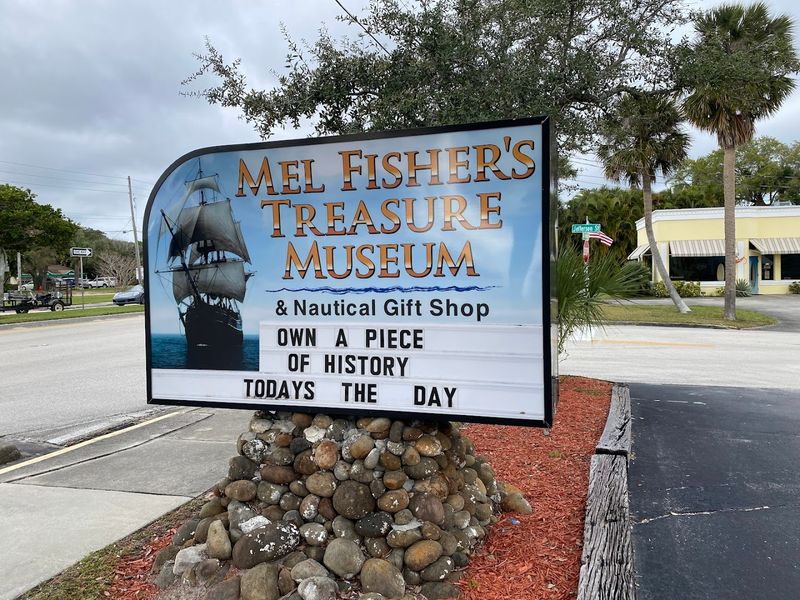
Mel Fisher’s Treasure Museum in Sebastian is one of the most direct treasure stops on this entire route. If you have been waiting for gold, silver, and shipwreck drama, this is where the road trip really pays off.
The museum focuses heavily on the famous 1715 Spanish Treasure Fleet, whose loss off Florida’s Atlantic coast helped define the Treasure Coast’s identity.
The recovered artifacts are the real draw. Seeing coins, chains, and salvaged objects up close turns abstract history into something almost shockingly tangible.
These were not fictional pirate riches invented for postcards, but pieces of actual cargo scattered by disaster, then pursued for generations by salvors, treasure hunters, and dreamers.
I like this stop because it captures the overlap between piracy, shipwreck history, and modern treasure hunting. The 1715 fleet was not lost to pirates alone, of course, but once valuable cargo spread across reefs and shoreline, it created the kind of legend that always attracts opportunists.
Florida’s treasure mythology makes much more sense after you spend time here.
This museum works best if you read the background carefully instead of just admiring shiny objects. The human effort behind discovery, recovery, and interpretation is part of the story.
For a road trip built around hidden treasure you can actually visit, this is one of the most satisfying and memorable stops in the state.
McLarty Treasure Museum
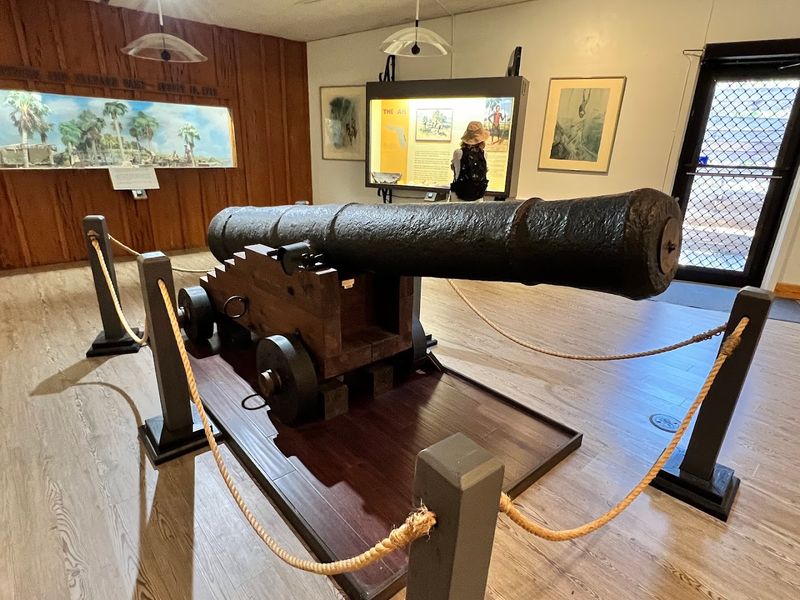
McLarty Treasure Museum complements Mel Fisher’s museum perfectly because it anchors the 1715 fleet story to the actual shoreline. Located near where wreckage and treasure washed ashore, it gives you that rare feeling of standing almost inside the event’s geography.
You are not just learning what was found, but where disaster, salvage, and legend collided.
The museum interprets the hurricane that destroyed the fleet and explains how cargo, survivors, and recovery efforts spread along this coast. That physical context matters because Florida treasure stories are inseparable from reefs, surf, and weather.
Once you look out over the Atlantic here, the scale of the catastrophe becomes easier to imagine.
I would call this one of the route’s strongest hidden treasure stops because it feels both modest and meaningful. It is not flashy, yet the combination of exhibits and beachfront location makes it memorable in a deeper way.
You can study artifacts and historical panels, then step outside and face the same ocean that still gives up pieces of the story.
Visit with realistic expectations and a little patience, because the power of this stop is cumulative rather than theatrical. It rewards people who like place-based history and want more than a quick selfie.
For me, that mix of coastal landscape, shipwreck narrative, and authentic Treasure Coast identity makes it essential.
Key West Shipwreck Museum
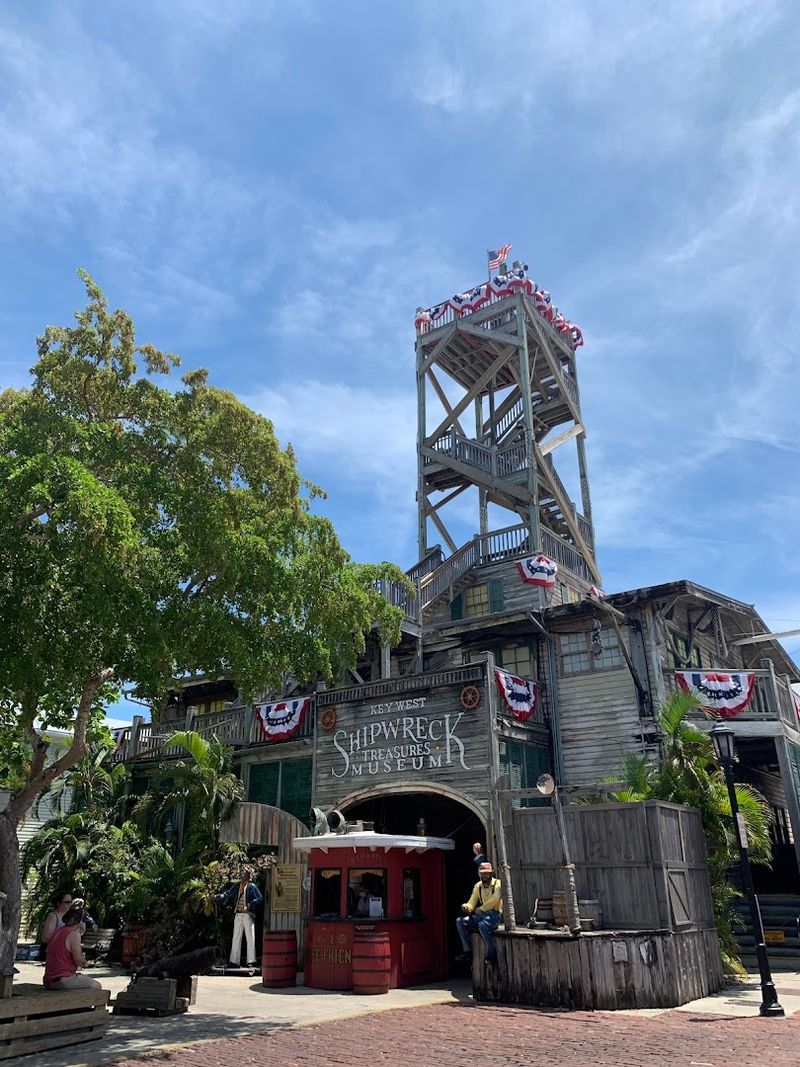
The Key West Shipwreck Museum is one of the most entertaining ways to understand how maritime disaster became local business. Key West built much of its early wealth on wrecking, the salvage trade that recovered cargo from ships lost on nearby reefs.
It is not strictly a pirate museum, but the overlap with danger, opportunism, and valuable goods drifting into reach is impossible to miss.
This stop does a good job of bringing that world to life through artifacts, storytelling, and recreated period atmosphere. You get a sense of how quickly news of a wreck could mobilize crews eager to claim and recover goods before competitors did.
For anyone interested in treasure history, that urgency feels very close to the pirate mindset, even when the work was legal.
I like this museum because it explains why the Florida Keys became synonymous with shipwreck lore. The surrounding waters were both commercially vital and notoriously hazardous, which created a steady stream of salvage opportunities.
Once you understand the wrecking economy, the Keys stop feeling like a decorative finale and start feeling like a crucial chapter in Florida’s maritime story.
Climb the tower if it is open and take time with the interpretive displays. The harbor views help connect the exhibits to real geography, which is always the key to a strong road trip stop.
If your itinerary needs a vivid, accessible introduction to wrecking culture, this museum absolutely delivers.
Mel Fisher Maritime Heritage Museum
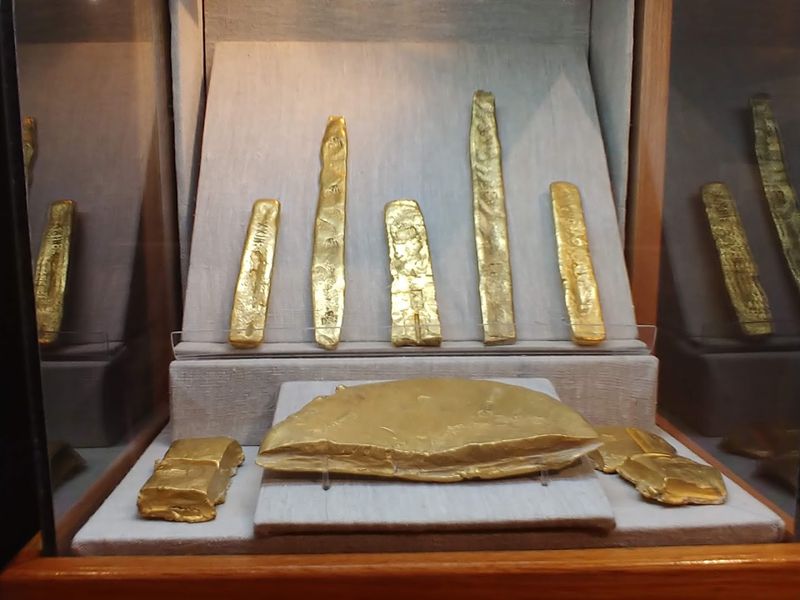
The Mel Fisher Maritime Heritage Museum in Key West is the place to go when you want treasure presented with archaeological depth. Best known for artifacts connected to the Nuestra Señora de Atocha and other shipwrecks, the museum brings together recovered wealth, research, and maritime science in a way that feels serious as well as thrilling.
If you only visit one treasure museum in the Keys, I would choose this one.
The exhibits are rich in both beauty and context. Gold, silver, and personal items from wrecks are impressive on their own, but the interpretive material explains where they came from, how they were recovered, and why preservation matters.
That helps keep the experience from becoming simple treasure worship, which is easy to slip into with cargo this spectacular.
I appreciate how this stop connects treasure hunting to broader history across the Caribbean and Spanish empire. These ships carried wealth, yes, but also technology, religion, labor systems, and imperial ambitions.
Seen that way, the museum becomes about more than lost riches and starts telling a much larger story about the movement of power through water.
Give yourself enough time here because the details reward close attention. If you have visited Sebastian earlier in the trip, this museum provides a satisfying echo and expansion of those themes.
It is polished, fascinating, and one of the best places in Florida to see why shipwreck treasure still captures people so completely.
Fort Zachary Taylor Historic State Park
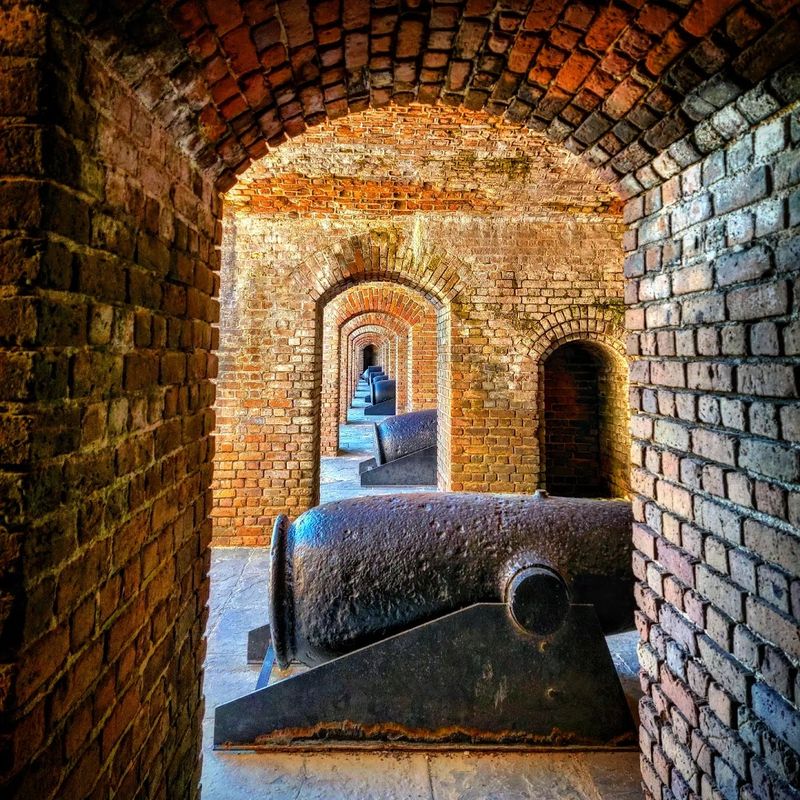
Fort Zachary Taylor Historic State Park adds a military finish to the Key West portion of this route. Although the fort dates to the Civil War era rather than the classic pirate age, its purpose was tied to protecting strategic shipping lanes in waters long associated with raiding, salvage, and smuggling.
That continuity makes it more relevant than it may appear at first glance.
The fort itself is impressive, with heavy masonry, artillery history, and a commanding position near the harbor approaches. Walking through it reminds you that Florida’s southern waters stayed geopolitically important long after the most famous pirate stories ended.
Valuable cargo kept moving, channels still needed protection, and coastal defense remained central to controlling trade.
I like pairing this stop with Key West’s shipwreck museums because it shifts your attention from loss and recovery to deterrence and control. It shows the government side of maritime history, where order is imposed on seas that had long rewarded risk-taking.
That contrast helps the final days of the road trip feel broader and more complete.
This is also a good practical stop if you want some outdoor time without leaving history behind. You can tour the fort, then enjoy shoreline views and the park setting afterward.
For a pirate-themed itinerary, it works as a reminder that every romantic tale of plunder produced an equal and opposite effort to secure the coast.