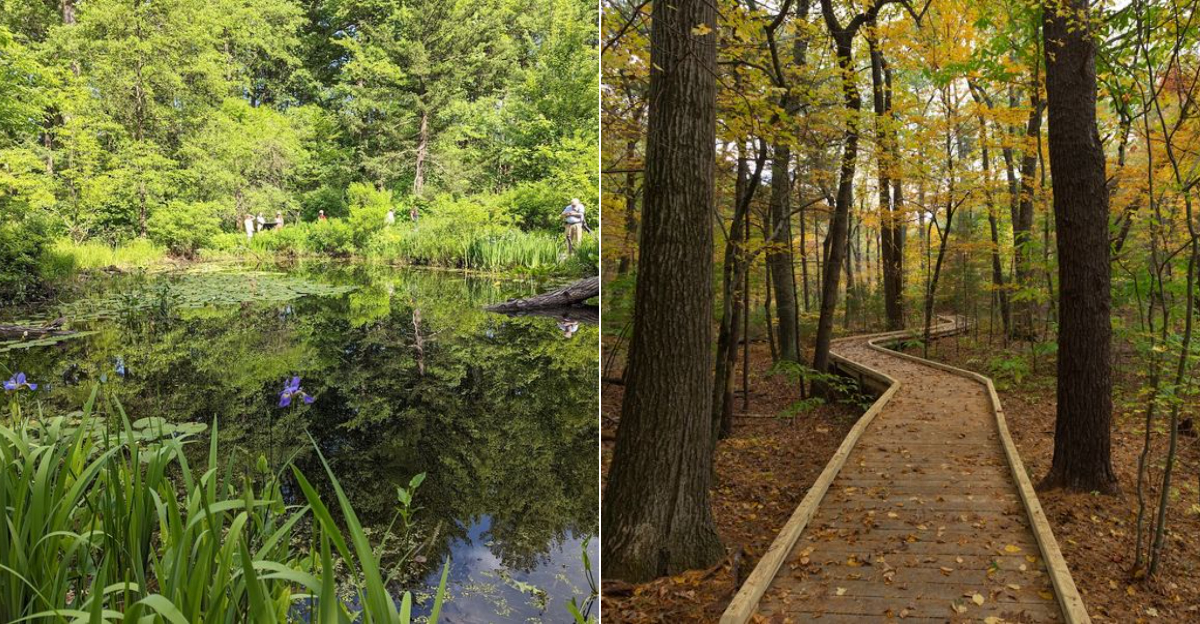
Hidden deep within a quiet suburb lies a magical, forty-five-acre wonderland where the wild beauty of New England is on full display.
This enchanting sanctuary in Framingham serves as a living museum for thousands of native plants and rare wildflowers.
You can wander along winding glacial ridges and through lush, green valleys that feel worlds away from the city.
It is a peaceful escape designed to show off the spectacular diversity of our local landscape throughout the seasons.
Whether you are looking for a quiet morning stroll or a masterclass in gardening, this spot is a breath of fresh air.
Pack your camera and get ready to get lost in the most beautiful backyard in Massachusetts!
A Gentle Arrival
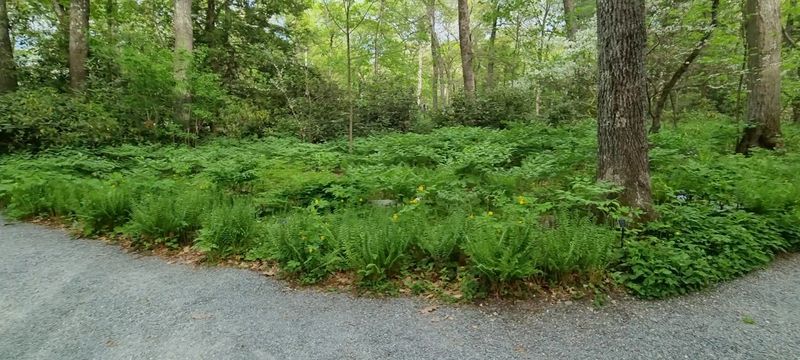
The first few minutes set the tone better than any brochure could.
Garden in the Woods sits at 180 Hemenway Rd in Framingham, Massachusetts, and the approach immediately feels hushed, green, and thoughtfully cared for.
I like arriving close to opening time because the paths feel especially calm, and the light through the trees makes even the welcome area feel like part of the experience.
There is no need to brace for a rugged hike here.
Garden in the Woods is a botanical garden with a mostly easy gravel route, so comfortable walking shoes are enough for most visitors, though a few slopes can remind your legs they are still on duty.
A free map is worth grabbing right away because the side trails and detours are part of the fun, and they help you pace the visit instead of rushing through it.
Right away, the garden makes a clear point without sounding preachy.
Native plants are the stars, and the setting shows how beautiful local landscapes can be when they are given room to speak for themselves.
The Main Woodland Loop
Some walks feel like chores, but this one moves with an easy rhythm.
The main loop at Garden in the Woods is broad, well kept, and simple to follow, which makes it welcoming for casual walkers, plant lovers, and anyone who prefers scenery over steep scrambling.
I appreciated that the trail feels curated without feeling stiff, as if the woods agreed to tidy up just enough for visitors.
The route is roughly a mile, with extra side paths that let you stretch the visit if something catches your eye. Garden in the Woods also mixes woodland, meadow, and wetter areas along the way, so the landscape changes often enough to keep you attentive without asking for serious mileage.
Benches appear in useful spots, and they are not wasted real estate because this is the kind of place where sitting still actually reveals more, from birdsong to leaf movement.
If you want the quietest experience, a weekday visit is a smart move.
I found the loop easy to enjoy at an unhurried pace, and that pace suits the garden far better than a brisk march.
Boardwalks and Wet Ground
Dry shoes are a small luxury until a wetland proves otherwise.
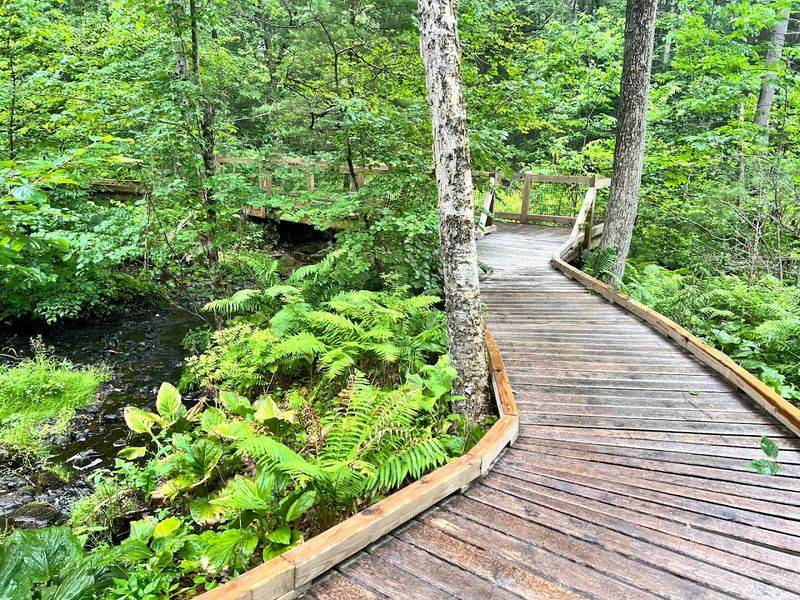
The boardwalk sections at Garden in the Woods turn boggy ground and marshy edges into one of the most memorable parts of the visit, letting you step into delicate habitat without trampling what makes it special.
I always slow down here because the change in texture, sound, and plant life is immediate.
These stretches are not just practical.
Garden in the Woods uses them to bring visitors close to moisture-loving species, streamside growth, and low, layered greenery that can be easy to miss from a standard trail.
The wooden paths also create great photo angles, especially when reflections gather in still water or when fresh leaves brighten the darker understory.
A simple tip makes this stop better.
If you hear people approaching, pause and let the moment reset, because the quiet returns quickly and the area feels more alive once footsteps fade.
I also found that overcast days work especially well here, since soft light makes greens richer and reduces glare on water.
The Pond and Its Regulars
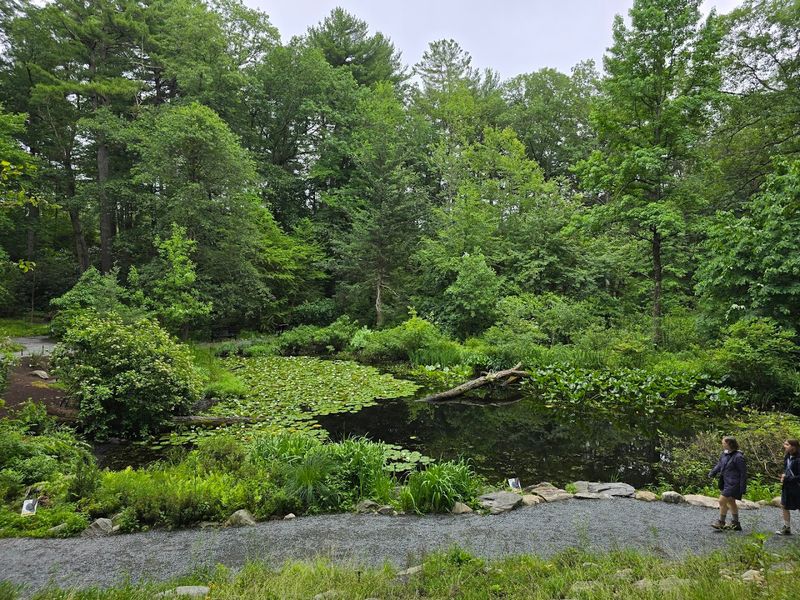
Still water has a way of stealing attention without making a fuss.
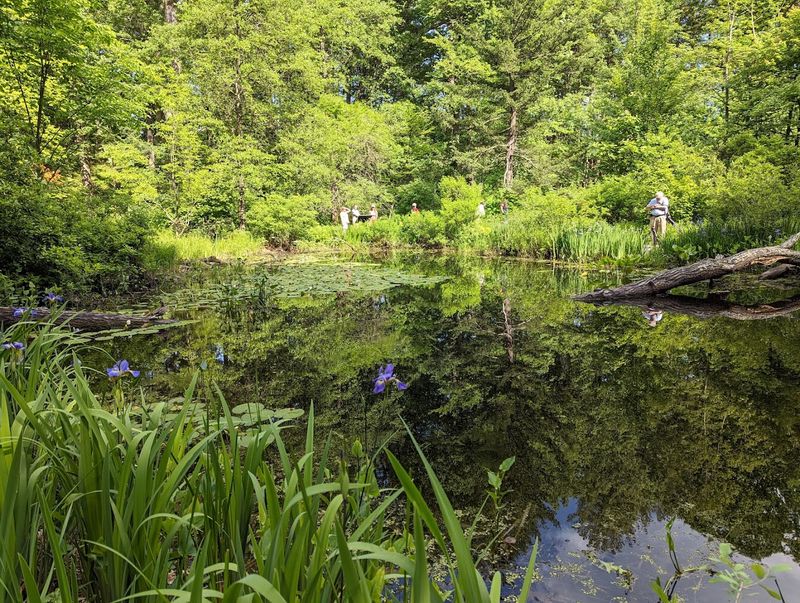
The pond at Garden in the Woods is one of those spots where visitors naturally gather, not because it is loud or flashy, but because turtles, frogs, and ripples keep the scene quietly active.
I ended up lingering longer than planned, which seems to happen to plenty of people here.
Wildlife adds a playful edge to an already thoughtful garden.
Garden in the Woods gives aquatic plants and pondside species a setting where they feel like part of a functioning habitat rather than decorative extras, and that makes every small movement more interesting. On warmer days, sunning turtles can feel like unofficial greeters, while frog calls add a soundtrack that no speaker system could improve.
This is a good place to practice patience instead of chasing the next viewpoint.
If you stand still for a minute, you notice details you would otherwise miss, like shifting shadows on lily pads or tiny rings spreading across the surface.
I would also keep a phone camera ready but held low, since sudden movements tend to end the show early. The pond proves that quiet entertainment usually has the best timing.
Labels That Actually Help
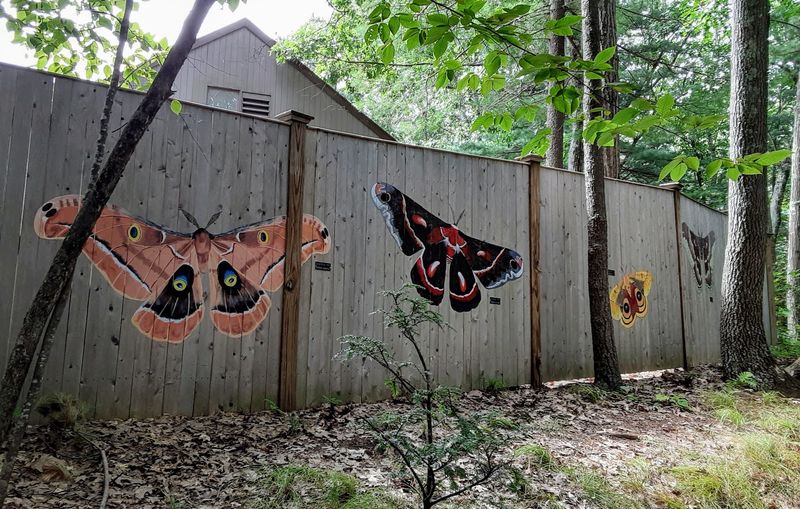
Plenty of gardens look nice, but not all of them teach you much.
The plant labeling at Garden in the Woods makes the visit more rewarding because names, groupings, and careful placement turn a casual stroll into a low-pressure lesson on New England ecology.
I liked that I could learn something specific without feeling trapped in a lecture.
The educational value works because it stays grounded in what you are seeing in front of you.
Garden in the Woods highlights native trees, shrubs, wildflowers, ferns, and wetland species in ways that help you understand why these plants belong together and how they support regional habitats.
If you are planning your own yard, this is especially useful, since the garden offers ideas that feel realistic rather than purely ornamental.
A little curiosity goes a long way here.
I found it fun to stop at labels, then look around for neighboring species and notice the subtle contrasts in leaf shape, height, texture, and bloom time.
That habit turns the path into a kind of scavenger hunt for adults, minus the prize table and sticky name tags.
A Garden for Every Season
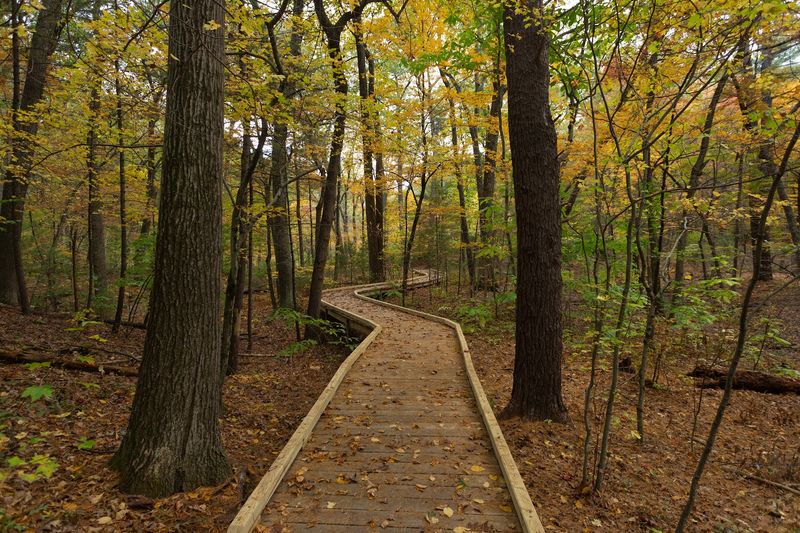
Timing matters here, but there is no single perfect month to visit.
The seasonal changes at Garden in the Woods are part of the appeal, with spring ephemerals, summer growth, early fall color, and even quieter shoulder-season visits offering different rewards.
I have learned that expecting a constant flower show misses the point a little.
Each season shifts the garden’s personality.
Garden in the Woods can feel bright and fresh in spring, lush and layered in summer, and especially satisfying in fall when foliage, seed heads, and cooler air change the pace of the walk.
Even when blooms are fewer, the structure of the landscape, the labels, and the varied habitats keep the visit interesting, so it never feels empty if you arrive with realistic expectations.
Planning ahead helps more than luck does.
I would also aim for a return trip in a different month if possible, since the same path can feel surprisingly new once the plant cast changes.
Around here, repeat visits are not redundant, they are research with prettier scenery.
Visitors Info
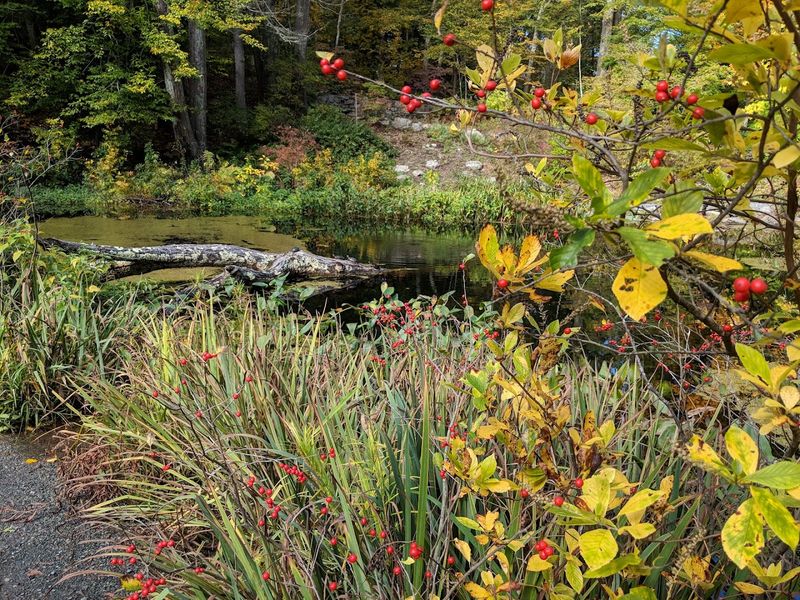
Not every good walk starts or ends at the paved parking lot.
The parking lot at Garden in the Woods is unpaved and accommodates 42 cars, including two handicapped-accessible spaces.
If the parking lot is full, visitors may park on public streets, being careful not to block driveways or park on lawns.
The garden generally opens daily from 10 AM to 5 PM during the season, and checking current details before visiting is wise because hours, ticketing, or access can change.
The Garden extends the experience by giving you a chance to browse native plants, ask questions, and carry some inspiration home instead of leaving it all on the trail.
I always enjoy places that make the final stop feel useful rather than obligatory.
Garden in the Woods often offers native plants for sale, and staff can help point you toward species better suited to local conditions than the usual garden center defaults.
That practical angle is refreshing because the visit does not stop at admiration, it nudges you toward action in a manageable way.
Why the Experience Stays With You
Some places entertain you for an hour, then fade by dinner.
The overall experience at Garden in the Woods lasts longer because it combines ease, beauty, and substance in a way that feels genuinely restorative without becoming precious about it.
I left feeling refreshed, but also slightly better informed, which is a nice two-for-one deal.
What makes the garden memorable is how many kinds of visitors it quietly accommodates.
Garden in the Woods works for photographers, families, solo walkers, curious kids, plant nerds, and anyone craving a calm afternoon that does not require extreme planning or athletic ambition.
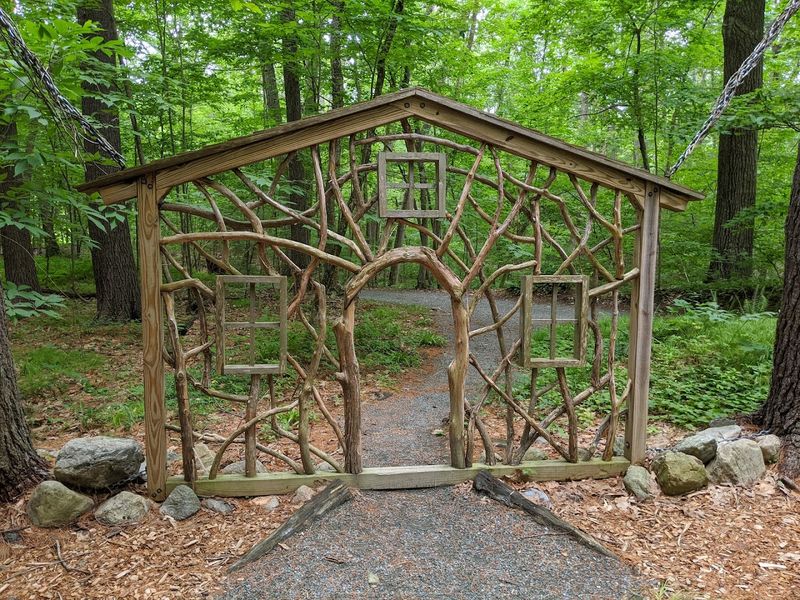
There is even a natural play area mentioned by visitors, and that detail fits the larger mood, since the whole place invites exploration without forcing a strict script.
If you go, give yourself at least an hour and resist the urge to hurry.
The trail is manageable, but the value comes from noticing small shifts in habitat, reading a few signs, and occasionally standing still long enough for the garden to stop being scenery and start feeling like a conversation.
That is the quiet trick this place pulls off.
It does not shout for attention, and somehow that is exactly why you keep paying it.