Imagine sipping Michigan wine inside a former psychiatric hospital while historic tunnels run beneath your feet.
That strange-sounding experience is completely real at The Village at Grand Traverse Commons in Traverse City, where a sprawling 19th-century hospital has taken on an entirely new life.
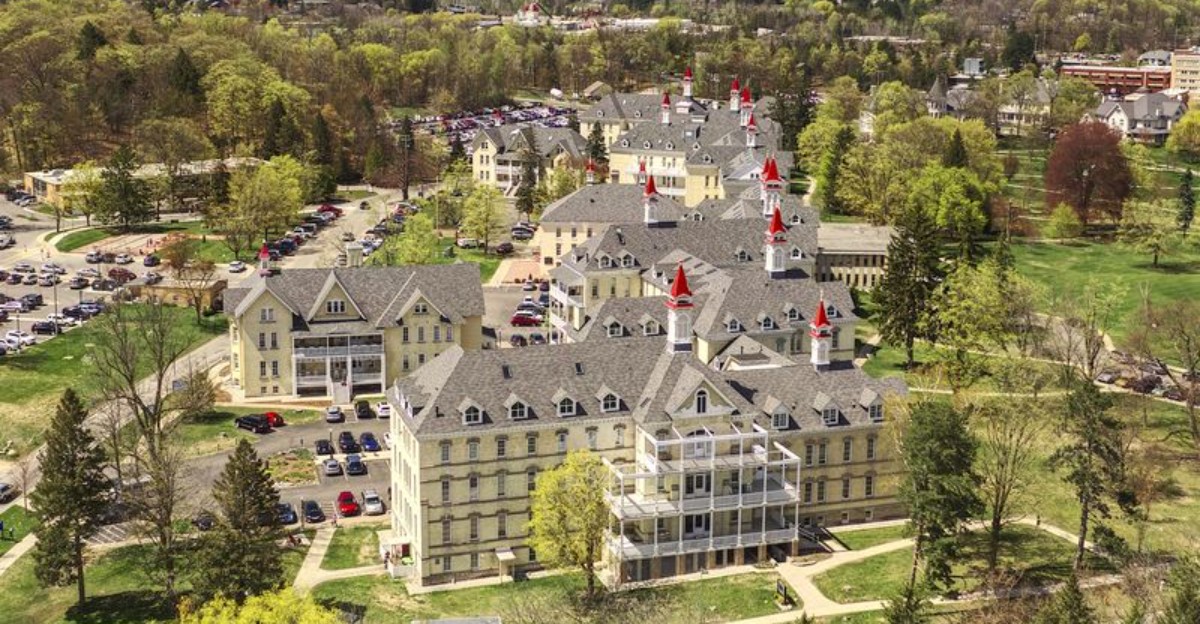
Once known as the Northern Michigan Asylum, the property opened in 1885 and grew into a massive campus filled with historic buildings, gardens, and underground steam tunnels.
Today, those same spaces are home to local shops, restaurants, tasting rooms, and businesses.
You can browse boutiques in a former hospital building, sample regional wines, wander the grounds, or join a tour that takes you below ground into the old tunnels.
It’s history, shopping, food, and mystery rolled into one unforgettable Michigan destination.
Step Into the Former Traverse City State Hospital
Walking onto the grounds of The Village at Grand Traverse Commons feels like stepping back in time, except the people around you are carrying shopping bags instead of medical charts. This massive complex started life in 1885 as the Northern Michigan Asylum, a state hospital designed to care for patients with mental illness.
At its peak, the facility sprawled across hundreds of acres and housed thousands of patients.
Today, the transformation is almost unbelievable. Where doctors once made their rounds, you’ll find coffee shops and art galleries.
Patient rooms have become apartments and office spaces. The very buildings that once isolated people from society now draw thousands of visitors each year who come to shop, eat, and explore.
The shift from hospital to village didn’t happen overnight. After the state hospital closed, developers saw potential in these historic structures.
Rather than tearing them down, they reimagined the entire campus as a mixed-use destination where past and present exist side by side.
Marvel at the Kirkbride Architecture of Building 50
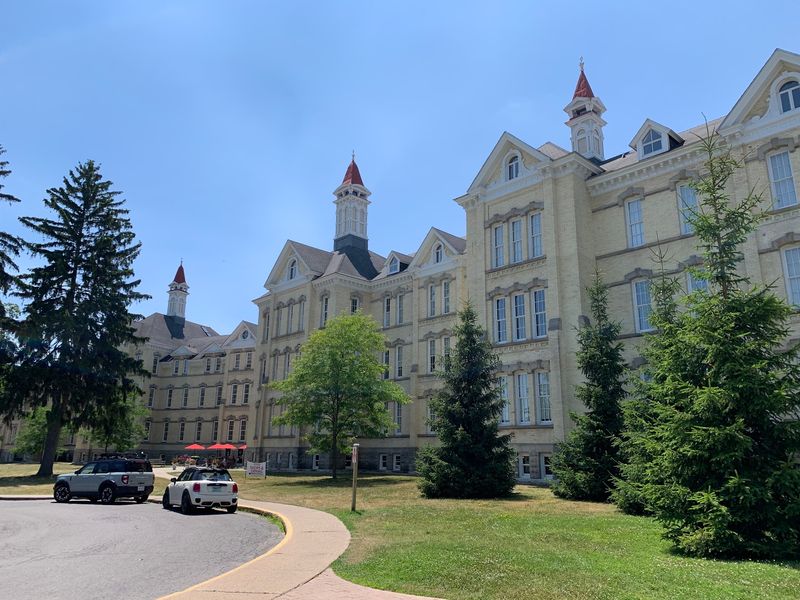
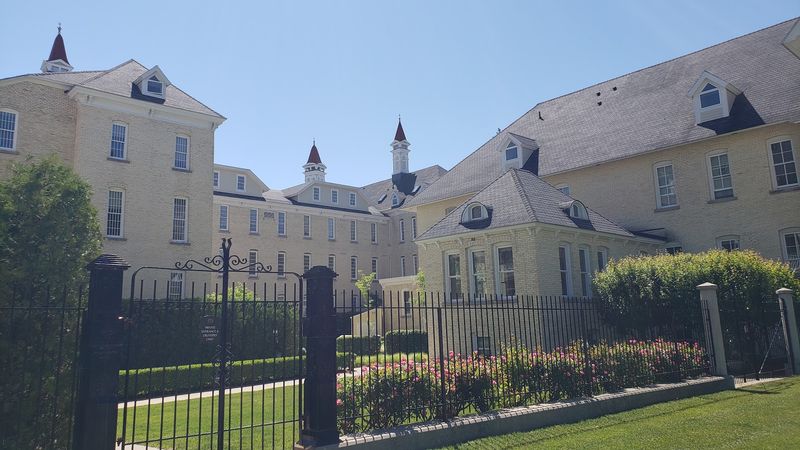
Building 50 towers over the property like a massive Victorian fortress, and with good reason. This imposing structure was designed following the Kirkbride plan, a specific architectural style created by Dr. Thomas Story Kirkbride in the mid-1800s.
His design philosophy believed that the building itself could help heal patients through abundant natural light, fresh air, and thoughtful layout.
The building stretches out with long, symmetrical wings that once separated patients by gender and condition. Each wing features rows of tall windows that flood the interior with sunlight.
Walking along the exterior, you can count the windows and imagine just how many rooms once filled this enormous complex.
Even if you never step inside, the building’s scale and distinctive architecture make it worth circling on foot. The central tower, decorative brickwork, and carefully planned proportions represent 19th-century ideas about healthcare that seem almost foreign today.
Yet somehow, the building’s beauty has outlasted its original purpose.
Wander Through the Mercato for Local Shops and Treasures
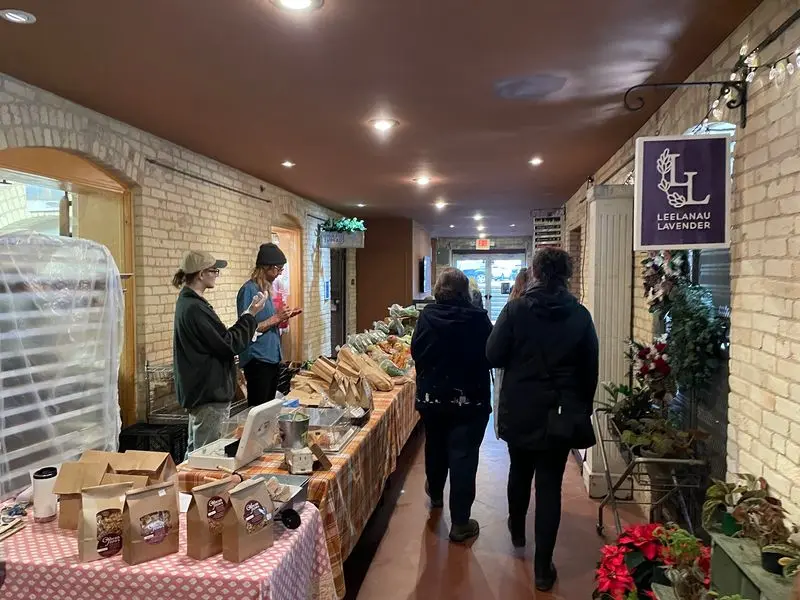
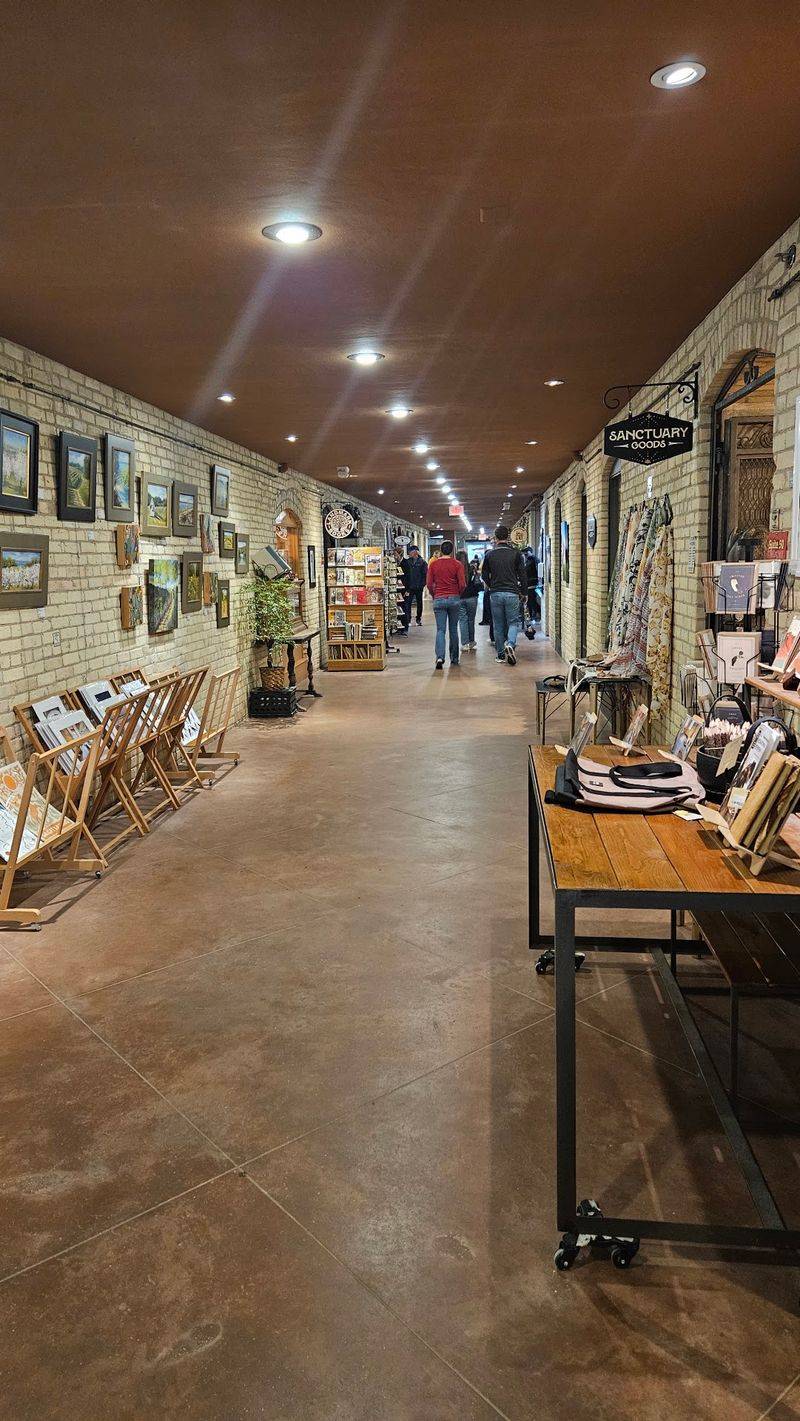
Picture long hospital corridors transformed into charming shopping streets, and you’ll start to understand what the Mercato offers. These former institutional hallways now buzz with local businesses selling everything from handmade jewelry to Michigan-made gifts.
The exposed brick and original architectural details remind you where you are, while the colorful storefronts and welcoming displays feel completely contemporary.
Local artisans and entrepreneurs have set up shop throughout the renovated interior spaces. You might find pottery in one room, vintage clothing in another, and specialty foods down the hall.
B50 The Village Store serves as both a shopping destination and information hub where you can pick up merchandise and ask questions about tours.
What makes shopping here different from any mall or downtown district is the unexpected setting. You’re browsing boutiques inside a building where patients once lived.
That contrast between past and present adds an extra layer of interest to every purchase and makes even window-shopping feel like a historical adventure.
Sip Michigan Wine and Local Beer Inside the Historic Complex
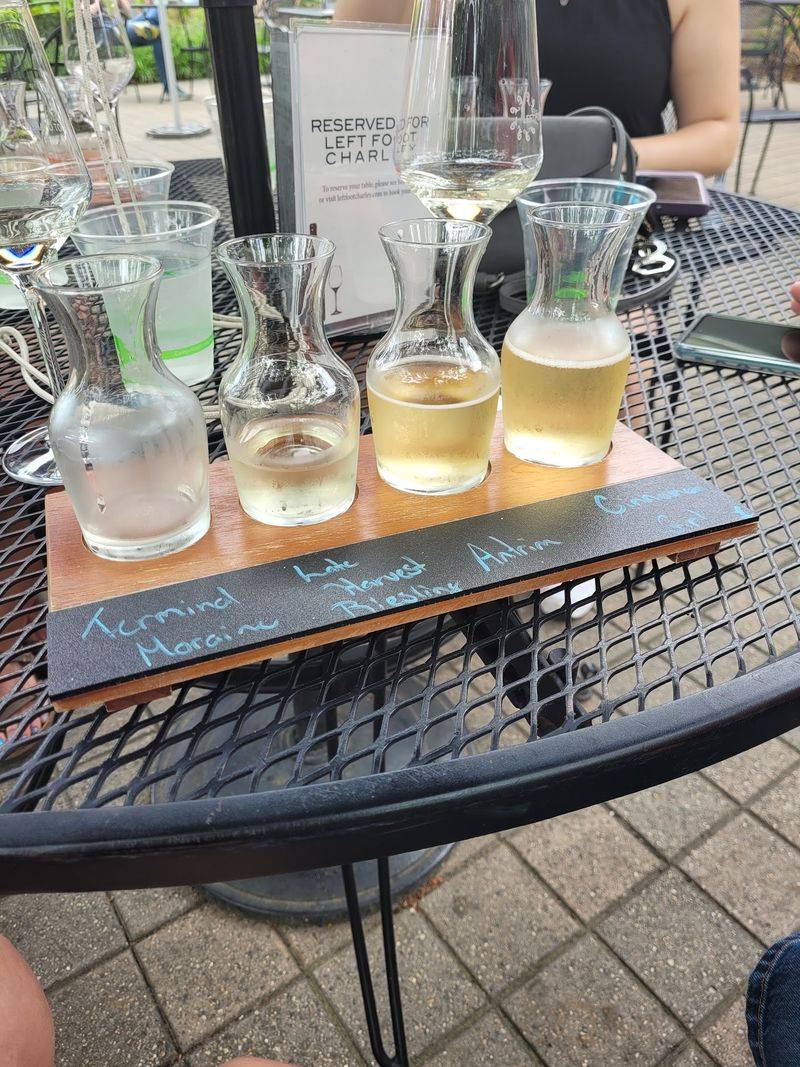
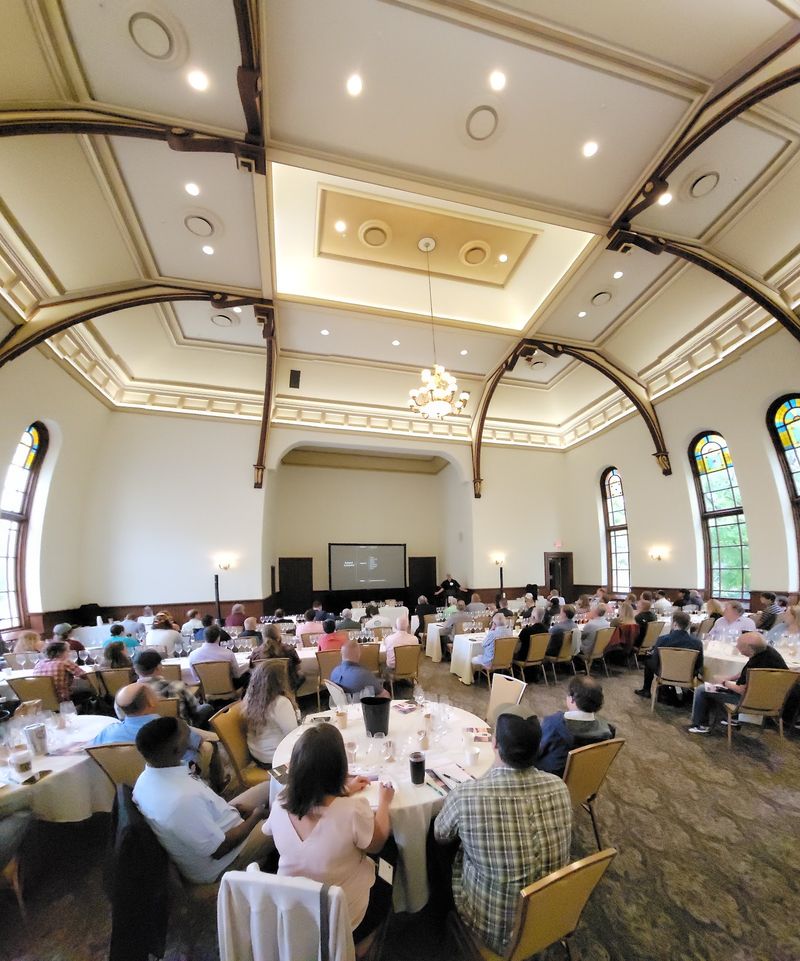
Nothing quite compares to sipping local wine in a building where patients once recovered from illness. The Village has embraced its role as an unexpected destination for Michigan-made beverages through the Taste of the Village experience.
This guided tour combines historical context with stops at three distinct tasting locations scattered throughout the complex.
Your journey includes Earthen Ales Brewery, where craft beer flows in a space that once served very different purposes. Next comes O’Brien Vineyards, offering wines made from grapes grown in the surrounding region.
The Barrel Room rounds out the experience with additional local selections.
What elevates this beyond a simple bar crawl is how the historic setting enhances every sip. You’re tasting Michigan terroir while surrounded by Victorian architecture and stories from the past.
The tour guides connect the dots between the building’s transformation and the local food and beverage movement that has helped revitalize Traverse City. It’s part history lesson, part tasting experience, and completely unique to this location.
Explore the Backyard, Piazza and Outdoor Gathering Spaces

Step outside Building 50 and you’ll discover that this destination extends well beyond its historic walls. The Backyard and Piazza function as outdoor living rooms where the community gathers year-round.
These thoughtfully designed spaces blend the historic architecture with modern amenities like outdoor seating, fire pits, and seasonal landscaping.
Restaurants and cafes ring these outdoor areas, creating natural gathering spots for meals, coffee, or just people-watching. You might see families playing lawn games, couples enjoying wine on a patio, or friends meeting up after browsing the Mercato.
The spaces work equally well for quiet moments and larger events.
The front lawn deserves special mention as both a functional event space and a historic arboretum. Mature trees planted decades ago now provide shade and beauty, connecting today’s visitors with landscape decisions made generations earlier.
Throughout the year, the lawn hosts concerts, markets, and festivals that draw crowds from across the region. It’s proof that this redevelopment isn’t just about preserving buildings but creating vibrant public spaces.
Walk the Grounds and Discover the Historic Arboretum
Beyond the buildings and tunnels lies something unexpected: a peaceful arboretum that makes this complex feel more like a park than a redeveloped hospital. Mature trees tower overhead, many planted when the facility first opened.
Walking paths wind through the wooded areas behind the main buildings, offering quiet spots to decompress after shopping or touring.
The grounds tell their own story about how institutions once operated. Victorian-era hospitals believed in the healing power of nature, so they planted extensive gardens and tree collections.
Those same trees now provide shade for modern visitors who might not realize they’re walking through a carefully planned landscape from the 1800s.
Trails extend beyond the immediate campus, connecting to wider trail systems. You could easily spend an hour or more just exploring the outdoor spaces, especially during fall when the foliage puts on a show.
The mix of historic architecture, mature landscaping, and open space creates an atmosphere unlike typical shopping or dining destinations. It’s a reminder that this place was designed to provide respite, a purpose that continues today.
See How an Abandoned Hospital Became a Living Village
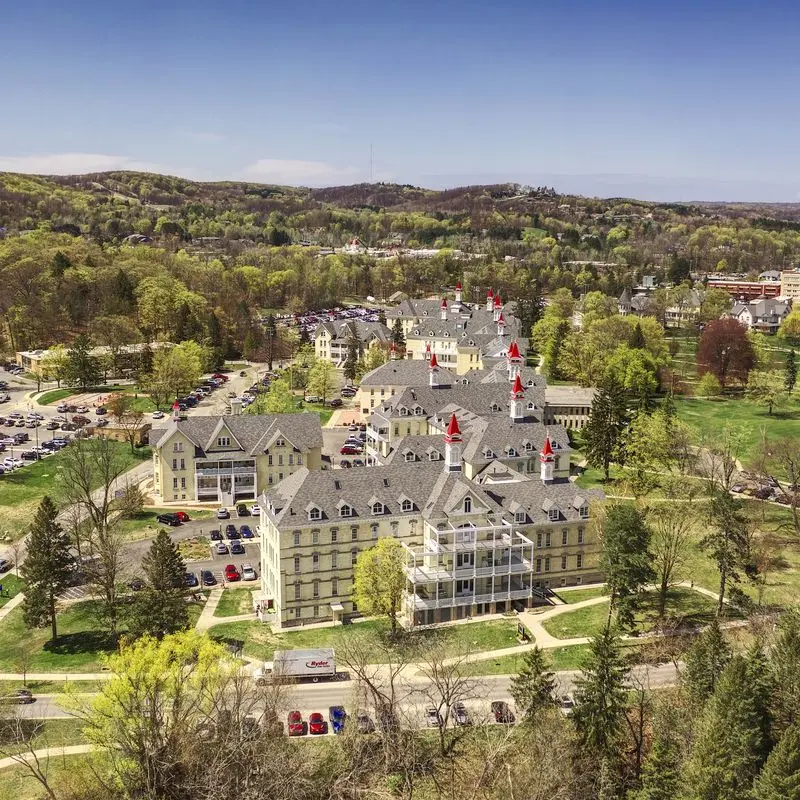
Most historic preservation projects turn old buildings into museums where you look but don’t touch. Grand Traverse Commons took a radically different approach, transforming a shuttered state hospital into a working village where people live, work, shop, and gather.
That distinction makes all the difference between a preserved monument and a thriving community.
The redevelopment continues to evolve, with new businesses opening and renovations revealing more of the complex each year. What once stood empty and deteriorating now pulses with activity.
Apartments fill the upper floors while ground-level spaces house businesses. The same building that once kept people separate from society now brings them together.
This transformation required vision, investment, and patience. Developers had to balance historic preservation requirements with modern building codes and market demands.
The result demonstrates how adaptive reuse can breathe new life into even the most challenging structures. Walking through the complex today, you witness creative problem-solving in action where history wasn’t erased but rather given new purpose and new stories to tell.
Plan Your Visit to The Village at Grand Traverse Commons
Before you head to 1200 W Eleventh St, Traverse City, MI 49684, know that different parts of the complex operate on different schedules. The Mercato currently welcomes shoppers Monday through Saturday from 10 a.m. to 5 p.m., with Sunday hours running 10 a.m. to 3 p.m.
However, individual shops may vary, so checking ahead prevents disappointment.
Guided tours require advance reservations and carry separate fees and age restrictions. The standard two-hour historic walking tour covers about one mile and involves stairs, uneven surfaces, and the underground tunnels.
Unfortunately, the tour is not wheelchair accessible. Weather matters here since much of the experience happens outdoors or in unheated historic spaces, so dress appropriately.
Parking is available on-site, though events can fill lots quickly on weekends. For tour reservations, current prices, special events, and wine tour requirements, call +1 231-941-1900 or check their official website before visiting.
The property welcomes casual browsers and serious history buffs alike, whether you’re here for shopping, tours, or simply experiencing this remarkable transformation of one of Michigan’s most unusual historic sites.