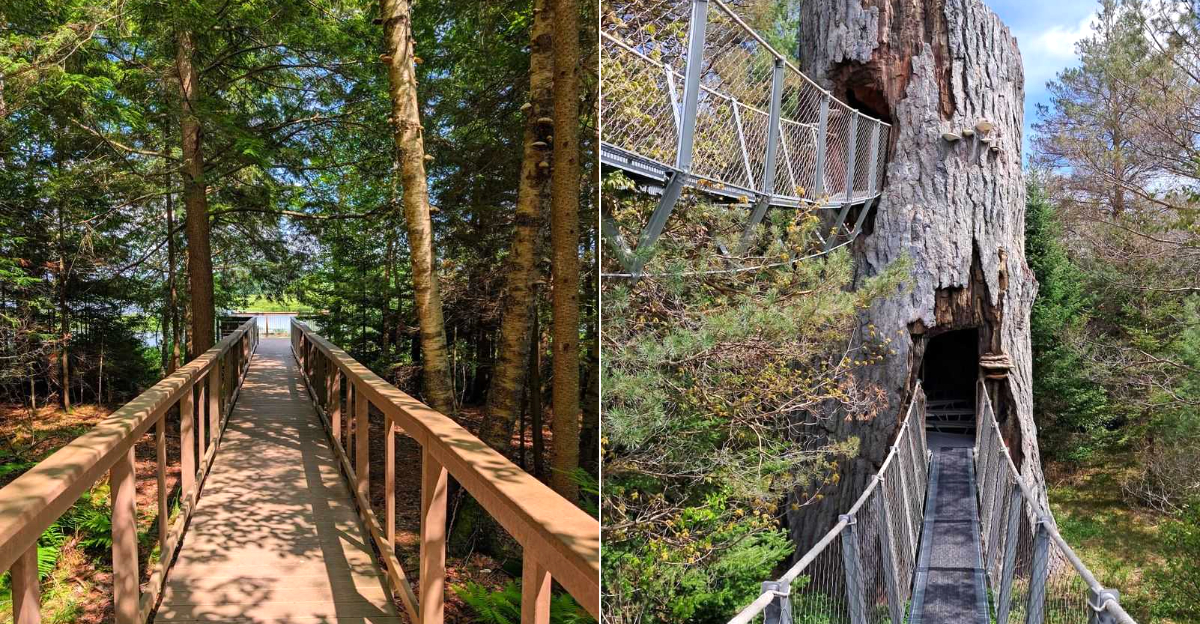
High above the forest floor of the Adirondacks, there’s an experience waiting that most visitors to New York State never even know exists.
A nature center tucked into the Tupper Lake area has built something genuinely extraordinary, a network of elevated walkways that carries you through the treetops and up into a four-story structure built entirely from living branches and twigs.
The Wild Center is one of the most thoughtfully designed natural history museums in the Northeast, where the building itself is just the beginning of what the campus has to offer.
The Wild Walk treetop trail connects a series of suspended bridges and platforms that give visitors a bird’s-eye view of the wetlands and woodland below.
For families, photographers, and anyone who wants to experience New York’s wild side from a truly elevated perspective, this is a place worth a long drive to reach.
Where the Adventure Begins
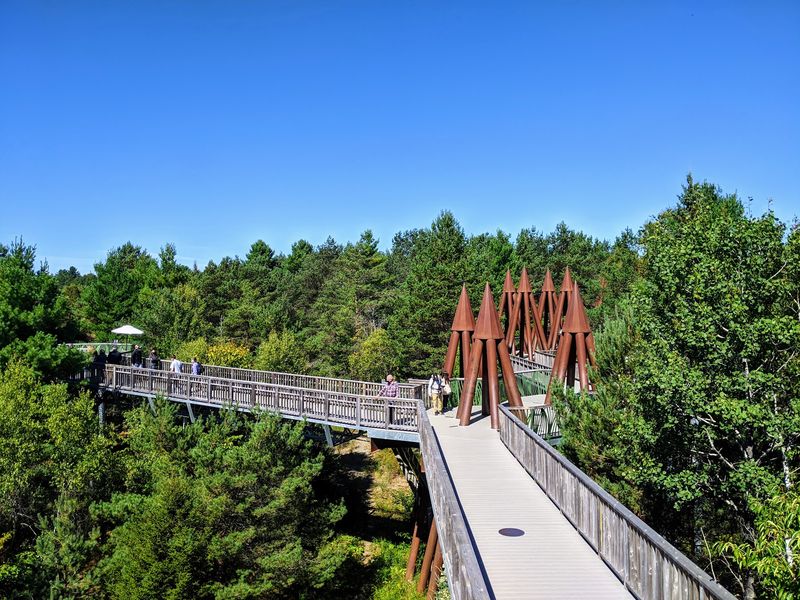
Morning feels different when a walkway lifts you from the ground and places you eye level with branches, birdsong, and the steady whisper of leaves.
At The Wild Center, the Wild Walk turns an ordinary museum visit into a small adventure, helping guests see the Adirondacks from a fresh angle.
Instead of rushing straight to exhibits, many travelers head outside first, because the raised path creates excitement before anyone even reaches the famous treehouse above.
The climb is gradual, so families can pause, look around, and notice details like bark textures, moving clouds, and changing light between tall trunks nearby.
That slower pace matters, since many kids learn better when they are moving, touching railings, and spotting real plants instead of only reading signs indoors.
Parents should wear comfortable shoes, bring water, and allow extra time, because the path invites lingering more than hurrying, especially on pleasant summer days outside.
Visitors who like easy outdoor fun often find this elevated walk ideal, since it mixes exercise, scenery, and learning without feeling like schoolwork at all.
Before the day unfolds, it sets the mood perfectly, showing that nature here is not something distant, but something close, playful, and memorable for everyone.
A Walk Through the Treetops
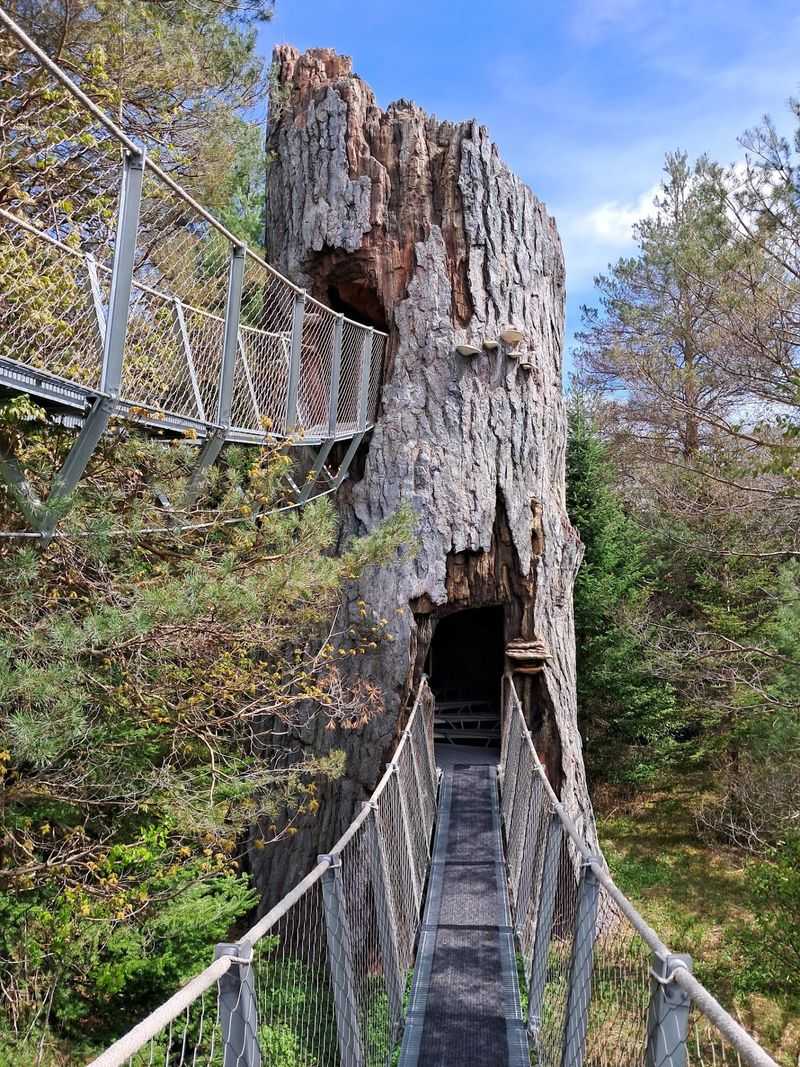
A little thrill shows up when the ground drops away below your feet, yet sturdy rails and wide platforms keep the experience comfortable for most.
Rather than feeling like a hard hike, the treetop walk works like a gentle climb, letting grandparents, kids, and curious adults share it together easily.
Each section reveals something new, from forest views to playful structures, so the route stays interesting even for children who usually dislike long walks outdoors.
That design is smart because small goals keep people going, and every bend feels like part of a story instead of simple exercise alone today.
If someone in your group worries about heights, move slowly, stop often, and focus on the trees nearby rather than the distance below first there.
Review after review mentions comfortable shoes, and that advice makes sense since the center is large enough to fill several hours of exploring for families.
Because the path blends engineering with woodland beauty, it gives visitors a safe way to feel adventurous without needing ropes, guides, or special skills either.
By the time you reach the highest parts, even a simple glance back can make you proud that you chose the climb for the day.
Why Four Stories Feels So Big
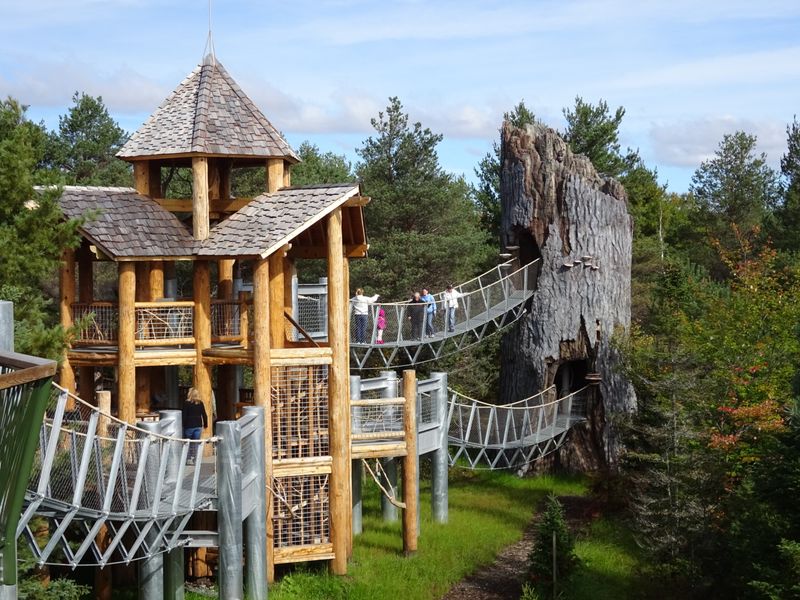
Height changes how people pay attention, and four stories above the ground is enough to make familiar trees seem huge and wonderfully alive again today.
From that level, trunks feel less like background scenery and more like giant neighbors, each holding nests, shadows, and quiet signs of forest life nearby.
Kids often love saying the number out loud, because four stories sounds dramatic, and the phrase alone makes the walk feel bigger somehow to them.
Adults may notice something else, which is how the extra height creates a calmer view, far from parking lots, phones, and daily chores below temporarily.
Anyone visiting with younger children can use the tall platforms as motivation, promising a big reward at the top instead of pushing them along constantly.
On clear days, the viewpoint also helps guests understand the scale of the Adirondacks, where forest stretches wide and human noise fades into distance softly.
Because the rise happens step by step, most visitors adjust naturally, making the final elevation feel exciting rather than sudden or overwhelming for many people.
That sense of height is the secret ingredient, turning a pleasant nature stop into a memory people talk about long after leaving with real enthusiasm.
The Twig Treehouse Surprise
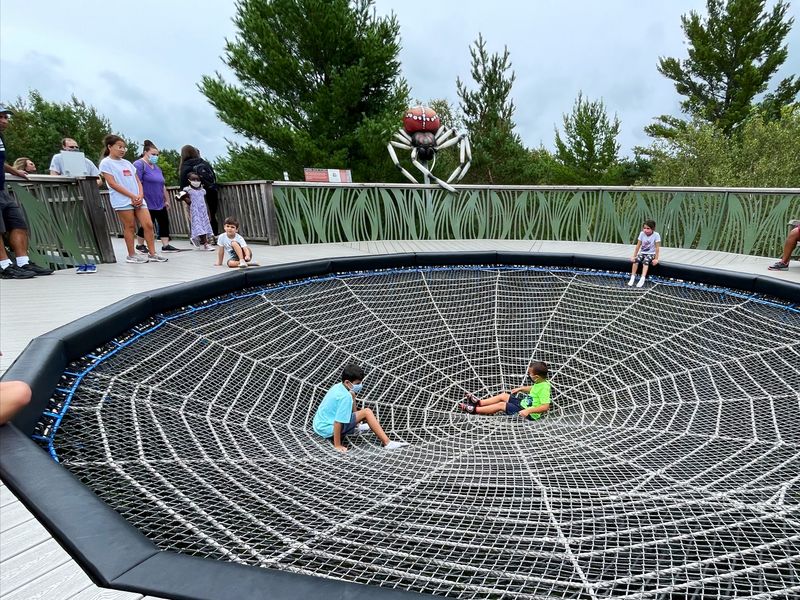
At the top, the treehouse looks like something a storybook illustrator might invent, built with twig inspired details that match the woods around it nicely.
Its appearance matters because children notice style before science, and a playful design can pull them toward learning without any lecture at all from adults.
Rather than standing apart from nature, the structure seems to belong there, which helps the whole walk feel imaginative instead of artificial or flashy somehow.
Many families use the treehouse as a photo stop, and that makes sense since it combines kid friendly fun with a striking shape overhead perfectly.
The best approach is to look closely at textures, curves, and small construction choices, because those details show how creativity can echo natural forms beautifully.
For students, it offers a handy lesson in design, proving buildings do not always need straight lines and plain surfaces to work well outdoors either.
For tired hikers, it feels like a prize waiting overhead, giving the final platform a sense of surprise and payoff after the climb there too.
Few attractions mix whimsy and setting so neatly, which is why the treehouse often becomes the image people remember most from their visit later on.
Views That Change the Forest
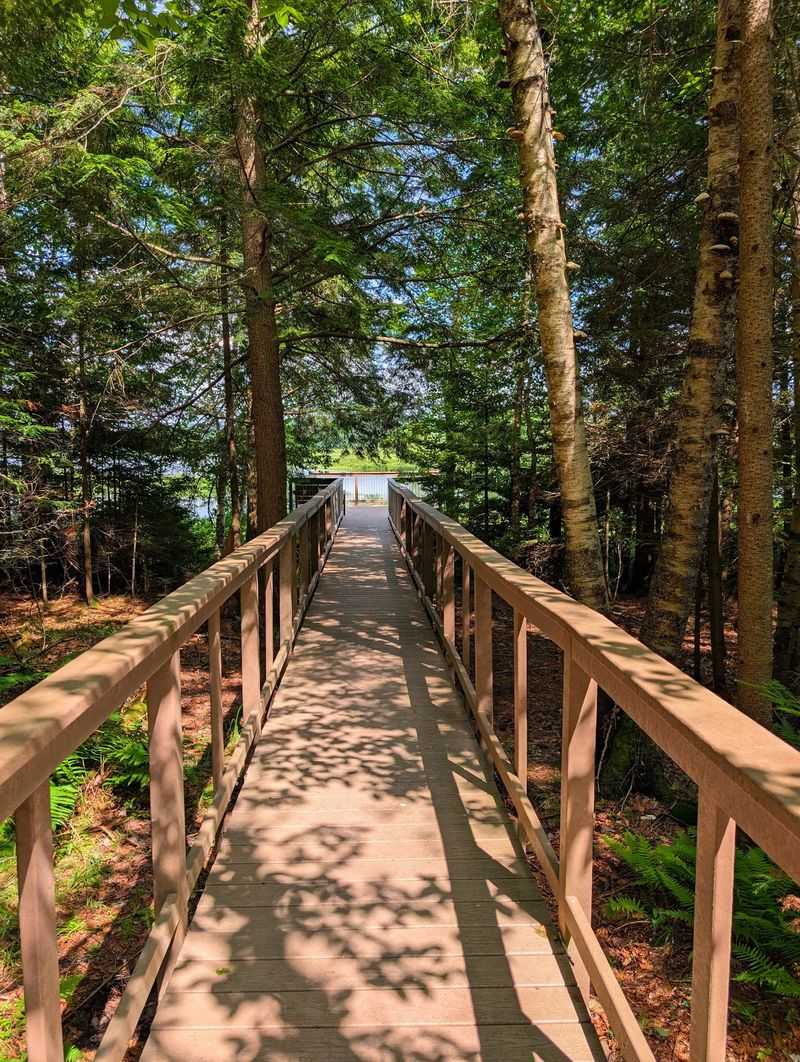
Wind, light, and distance come together above the trail, giving visitors a chance to see the forest as layers instead of a wall of green.
From the higher points, you can notice how treetops move in different directions, which is a simple but fascinating lesson about weather and airflow outside.
People who usually hurry through scenic stops may slow down here, because the view feels earned after the climb and easier to appreciate for longer.
A phone camera can capture part of the scene, but standing still for a minute often works better than snapping quick pictures again and again.
If bugs are active, bring spray, since warm months in wooded areas can distract from the lookout if you are unprepared during longer visits there.
Several reviews mention beautiful trails and strong views, which suggests the scenery stays one of the center’s biggest rewards across different seasons for visitors everywhere.
Cloudy skies can be lovely too, especially when soft light makes the greens deeper and the whole canopy look calm and almost painted above you.
Best of all, the overlook reminds guests that nature is not only something to study, but also something to enjoy quietly for a while there.
A Better Nature Trip for Families
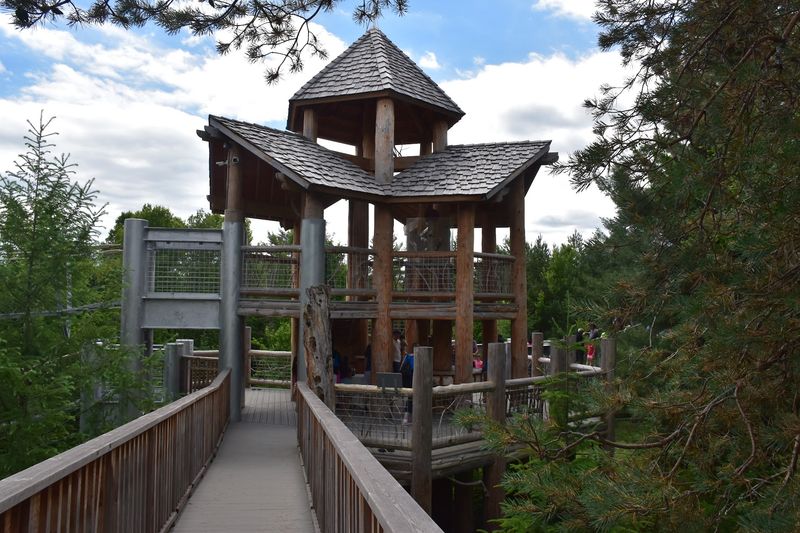
Not every nature outing keeps kids interested, but playful features along the walk give them reasons to stay curious from start to finish each time.
Families often do best here when they let children lead a little, pointing out shapes, choosing pauses, and asking their own questions along the way.
That freedom turns the visit into shared discovery, which feels more fun than a strict lesson and usually leads to better memories for everyone involved.
Reviews talk about giant play structures, ball runs, and animal exhibits, showing there is enough variety for different ages and energy levels in one place.
When attention starts to fade, switching from viewing to doing can reset the mood, so save time for hands on parts of the day too.
Snack breaks help, especially because the grounds are big and many visitors end up walking farther than they first expect during busy family trips there.
Parents can make the trip smoother by packing water, checking the weather, and reminding kids that comfortable shoes beat fancy ones on these trails easily.
Because fun and learning stay mixed together, the experience works well for families who want fresh air without hearing anyone complain too much all day.
More Than Just an Outdoor Walk
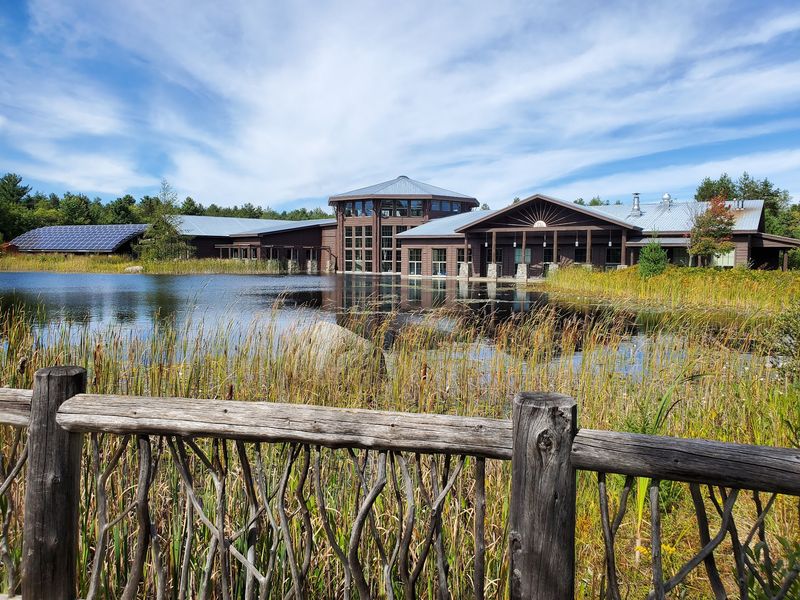
Rainy weather does not ruin the trip, since indoor exhibits add another layer of discovery after time spent among the trees outside earlier that day.
Inside, live animals and hands on displays help visitors connect big ideas like climate, rivers, and wildlife to things they can actually see up close today.
That mix is useful for children who learn differently, because some remember a sign, while others remember an otter splashing nearby with real excitement later.
Several visitors praise the otters, ducks, porcupine, and rescued birds, which suggests the animal areas leave strong impressions across many age groups who visit often.
The learning feels less like homework because you can move between building and forest, giving everyone a break before attention gets tired and restless indoors.
If you have limited time, choose one outdoor loop and one indoor exhibit zone instead of trying to race through everything in a rush there.
That plan usually makes the visit feel fuller, since you experience both the center’s playful side and its science based mission more clearly that way.
By blending active fun with solid information, the place shows how museums can be lively without losing depth or purpose for young minds today too.
How to Plan the Day Well
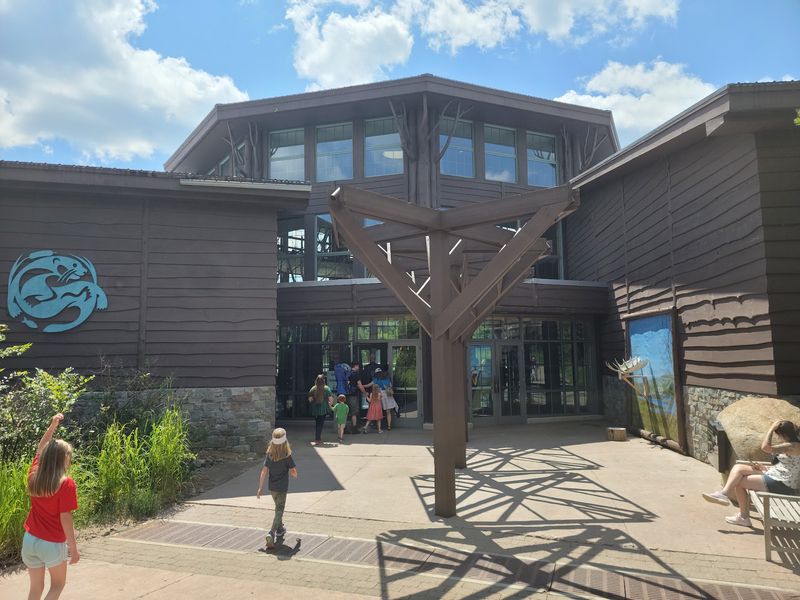
A full day goes better with a simple plan, especially at a center where trails, exhibits, and special features can easily stretch your schedule nicely.
The Wild Center, 45 Museum Dr, Tupper Lake, NY 12986 is open daily from 10 AM to 7 PM, which gives visitors solid flexibility there.
Because the grounds are large, arrive with good walking shoes, water bottles, and enough time to explore at an easy pace for your group comfortably.
Families can pack patience too, since kids often want extra minutes at overlooks, play spots, and animal exhibits once they get excited during visits there.
The center has a cafe and gift shop, according to reviews, so you have options if you prefer not to rush elsewhere after exploring everything.
Bug spray is smart in warmer months, and checking the weather ahead of time can make outdoor parts much more comfortable for the whole family.
Tickets are best enjoyed when you slow down, read some signs, and leave room for surprises instead of trying to complete everything in one sprint.
With a little planning, the visit becomes less stressful and far more memorable, which is exactly what a nature centered day should be for everyone.