
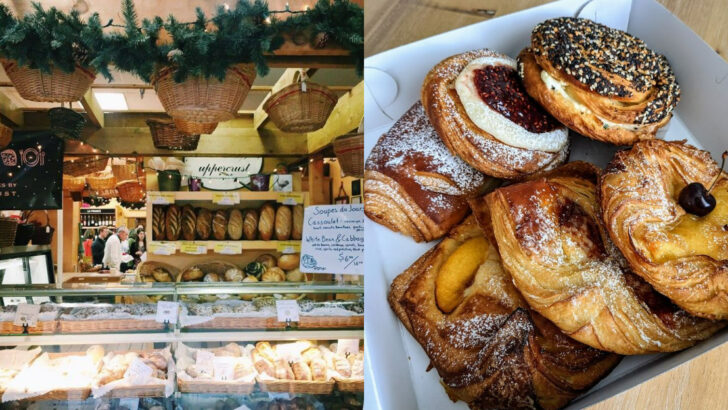
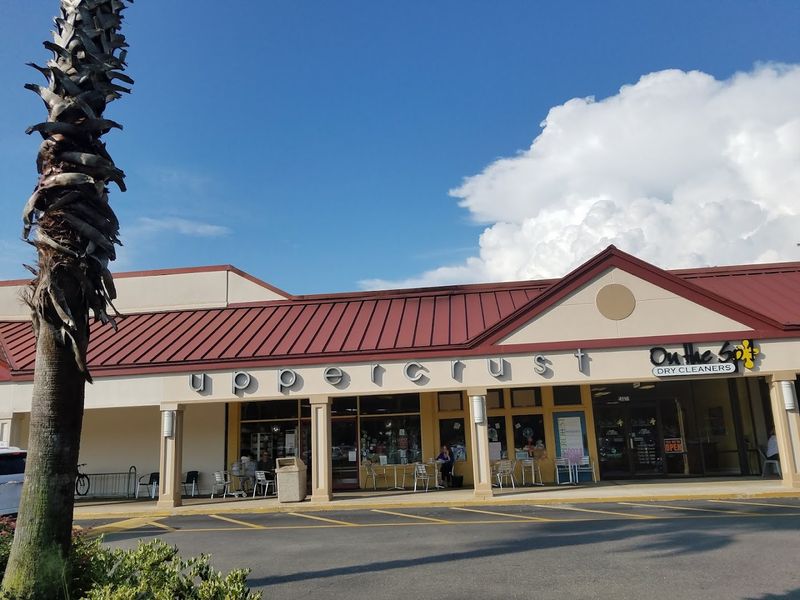
Tucked inside a small strip mall on NW 16th Boulevard in Gainesville, Florida, Uppercrust Productions has been making croissants the slow, honest way since 1981. While most bakeries have switched to machines and shortcuts, this place still folds cold butter into dough by hand, one careful layer at a time.
Every batch of croissants takes three full days to complete, and that timeline has never changed. For anyone who has ever bitten into a croissant and wondered why it tasted so different from the rest, this bakery has the answer.
A Bakery That Refuses to Rush
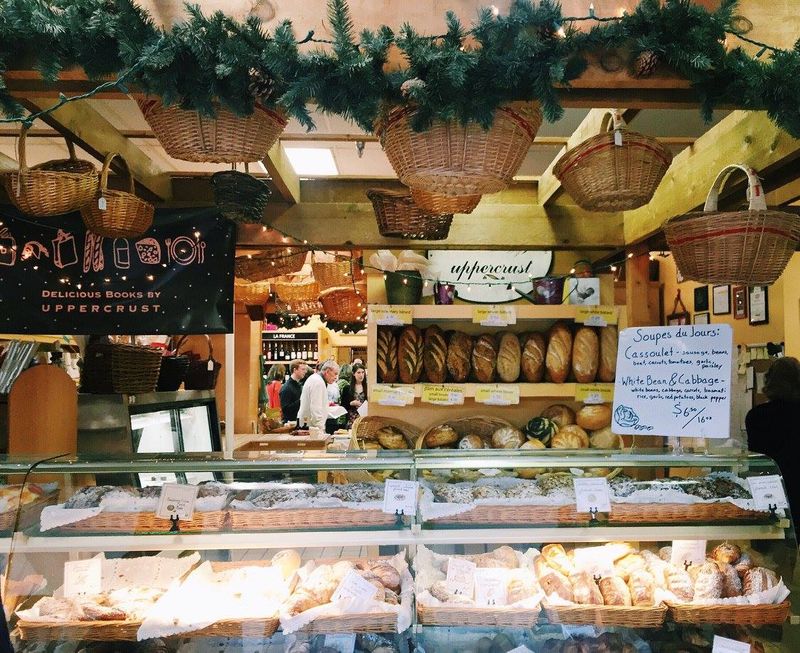
Some places earn their reputation not by being flashy, but by simply refusing to cut corners for four straight decades. Uppercrust Productions in Gainesville, Florida opened in 1981 with a founding belief that good pastry cannot be hurried, and that philosophy has never wavered.
When most of the food world was speeding up, this bakery stayed exactly where it was.
Owner Ben and his team operate out of a cozy spot at 4118 NW 16th Blvd, rated 4.7 stars across hundreds of reviews. Customers regularly describe walking in and feeling transported somewhere entirely different from Florida.
One reviewer called it “something made in heaven and stuffed into a tiny little strip mall shop.”
That kind of loyalty does not happen by accident. It happens because a bakery decides early on what it stands for and then shows up every single morning and proves it again.
Three days per batch is not a quirk here. It is the whole point.
What by Hand Actually Means
Laminating dough sounds technical, but the basic idea is surprisingly straightforward. A baker folds cold butter into pastry dough over and over again, creating dozens of thin alternating layers.
When those layers hit a hot oven, steam pushes them apart and you get that signature shatter when you bite in.
Doing this by hand means the baker is constantly reading the dough through touch. Too warm and the butter melts into the dough instead of staying in clean, separate sheets.
Too cold and the butter cracks and breaks the layers apart. The margin for error is narrow and unforgiving.
Uppercrust Productions has been navigating that margin since 1981. As one longtime customer put it, their croissants brought back “memories of France” with a single bite.
That reaction is not just nostalgia. It is the direct result of a lamination process done carefully, by human hands, every single time without exception.
Day One: The Dough Comes Together
Nothing about the first day looks impressive from the outside. Bakers at Uppercrust mix flour, water, yeast, salt, and a small amount of butter into a base dough, shape it into a smooth block, and slide it into cold storage overnight.
That is essentially it, at least visually.
What happens during that overnight rest is invisible but essential. Slowing down the yeast activity in a cold environment gives the dough time to develop flavor compounds that a quick room-temperature rise simply cannot produce.
The difference shows up later, in the finished croissant, as a depth of flavor that is hard to name but easy to notice.
Reviewers at Uppercrust frequently mention that their croissants taste layered in a way that goes beyond just texture. That complexity starts on day one, in an unremarkable pale rectangle sitting quietly in the cold.
Patience here is not a virtue. It is an ingredient with its own specific job to do.
Day Two: The Butter Block and the First Folds
Day two is where the real physical work begins. A separate slab of high-fat butter, called a butter block, gets pounded flat and then enclosed inside the base dough.
From that point, the baker folds and chills the dough in repeated intervals throughout the day, always watching the temperature, always working against the clock.
Uppercrust reportedly uses butter with a higher fat content than standard American varieties. That detail matters more than it might seem.
Higher-fat butter stays firmer at cold temperatures, which means it holds its shape between layers instead of smearing through the dough. The result is cleaner separation and a more pronounced flake in the final bake.
The rhythm of day two is fold, chill, fold, chill, repeated until the dough holds the right number of layers. It is repetitive, physically demanding work with no real shortcut available.
One reviewer described the finished croissant as “buttery” in a way that felt almost disorienting compared to what they expected from a Florida bakery.
Day Three: Shaping, Proofing, and the Oven
By the third morning, the laminated dough is finally ready to become something recognizable. Bakers at Uppercrust roll it out, cut it into triangles, and hand-shape each croissant before setting the trays aside for a long final proofing period.
That slow rise gives the layers room to expand and separate before they ever see heat.
Experienced bakers use what is sometimes called the jiggle test to know when a croissant is ready for the oven. A properly proofed croissant wobbles slightly when the tray is shaken, a small movement that signals the interior structure has developed enough air to bloom correctly under high heat.
Reading that wobble accurately takes years of practice.
Oven temperature then determines whether those layers open up dramatically or collapse into a dense interior. Customers who have visited Uppercrust describe croissants with a deep golden exterior and a soft, pull-apart crumb inside.
That outcome is the payoff of three full days of disciplined, unhurried work done entirely by hand.
Gainesville as an Unlikely Home for French Pastry
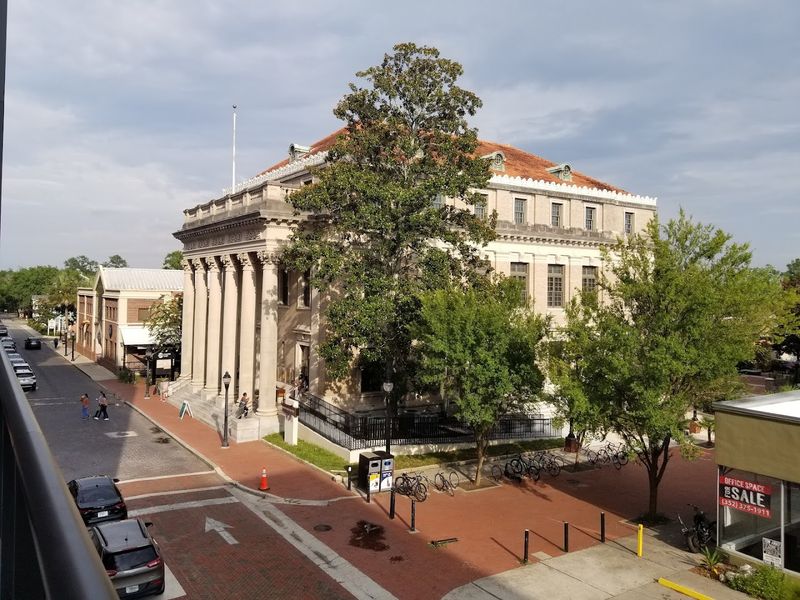
Gainesville is not the first city that comes to mind when someone mentions serious French pastry. It is a mid-sized university town in north-central Florida, known more for Gator football and summer thunderstorms than boulangeries.
And yet Uppercrust Productions has held its ground here for over four decades without moving to a bigger market.
The University of Florida plays a quiet but real role in that success. A rotating population of students, professors, and international visitors brings a broader palate to the local food scene than a city of Gainesville’s size might otherwise support.
People who have eaten croissants in Paris or Lyon arrive at Uppercrust and recognize what they are tasting.
One out-of-town reviewer drove 45 minutes from another county just for the croissants and admitted they would have called that idea ridiculous before trying them. Another drove from Orlando and left calculating whether it was worth spending another fourteen dollars right there in the parking lot.
Gainesville, it turns out, is exactly the right place for this bakery.
1981: What It Took to Open a Serious Bakery in Florida Back Then
Opening a French-style artisan bakery in the American South in 1981 was not a safe business decision. There were no food blogs to build buzz, no Instagram to show off laminated layers, and no established customer base that already understood what a properly made croissant was supposed to taste like.
The bakery had to educate its audience while simultaneously keeping the lights on.
Sourcing the right ingredients added another layer of difficulty. High-fat European-style butter, the kind needed for proper lamination, was not sitting on a shelf at the local restaurant supply warehouse.
Building reliable supply chains for specialty ingredients in that era required real effort and persistence that modern bakeries rarely have to replicate.
What Uppercrust built instead of a marketing strategy was a product that tasted unmistakably different from everything else available locally. Word of mouth did the rest.
Decades before “artisan” became a label on grocery store packaging, this bakery was simply making the real thing and trusting that people would eventually notice.
The People Behind the Dough
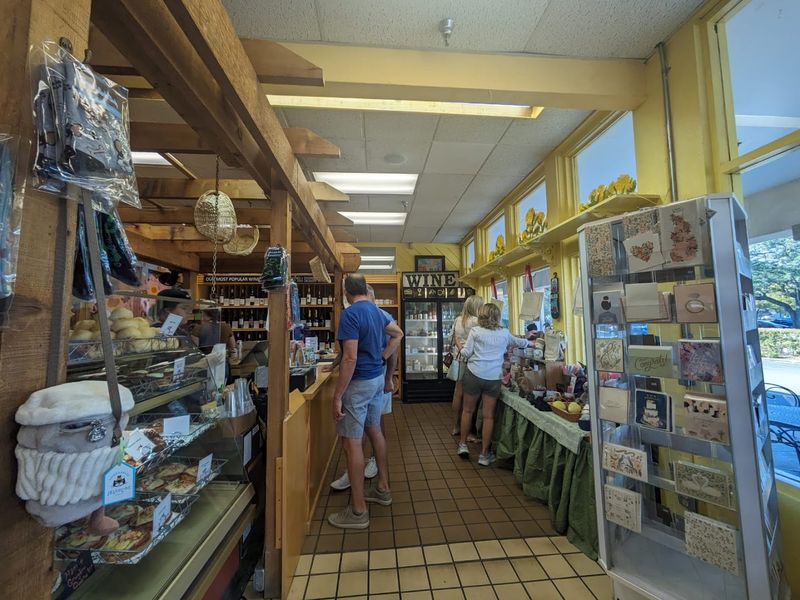
A bakery that has operated for over 40 years is not just a building and a recipe. It is a chain of people who learned a skill from someone else and then passed it forward.
At Uppercrust, the lamination process transfers from baker to baker through direct practice, not a manual or a training video.
Hand lamination requires reading dough through touch and temperature in ways that are genuinely difficult to describe in words. A baker learns to feel when the butter is at the right firmness, when the dough has relaxed enough to fold again, and when the layers are holding properly under pressure.
That kind of knowledge accumulates slowly, through repeated early mornings and plenty of batches that teach through failure.
Owner Ben is mentioned by name in multiple customer reviews as someone who makes guests feel genuinely welcomed. Staff members like Ace also earn specific shoutouts for their energy and warmth.
The product and the people at Uppercrust seem to have been shaped by the same unhurried standard.
What the Croissant Actually Tastes Like
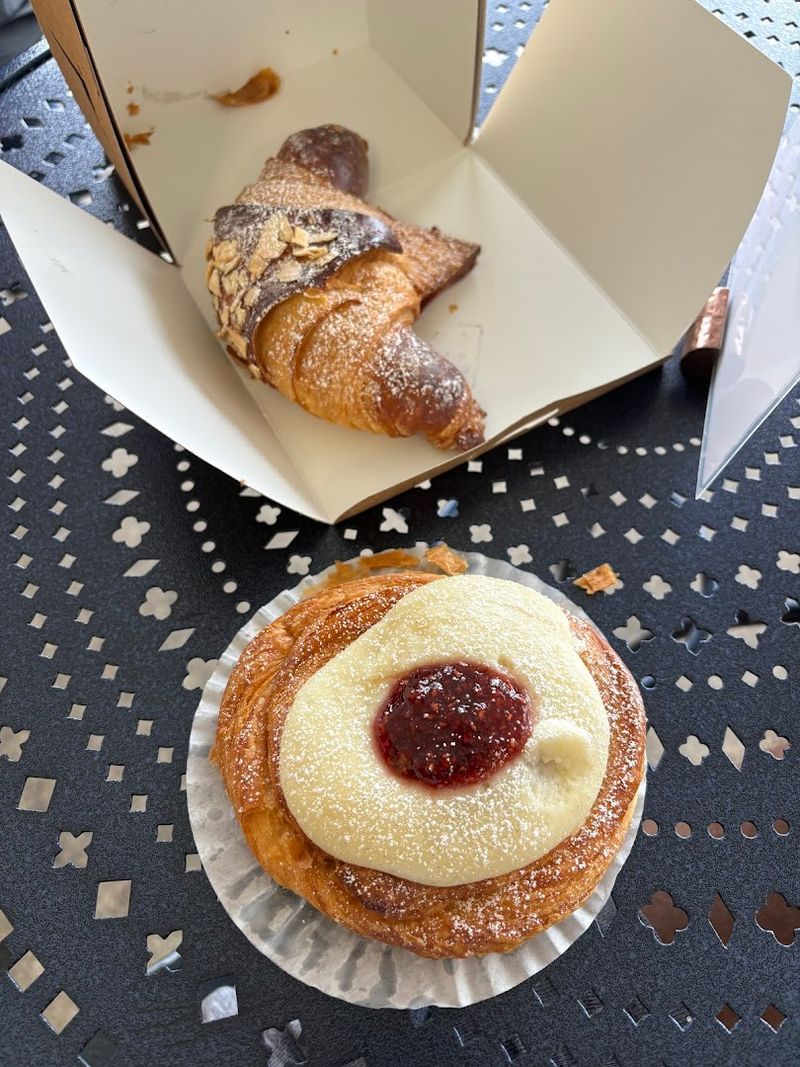
Forget the adjective pile for a moment. Here is what customers at Uppercrust actually report when they describe the croissant: a deep golden exterior with a slight crunch that gives way immediately to a soft, layered interior.
When you pull it apart, the crumb structure looks almost like a honeycomb, with visible air pockets separated by thin, buttery walls.
That interior structure is one of the clearest signs that the lamination worked and the dough proofed long enough. A croissant without it tends to be dense and bready, closer to a dinner roll than a pastry.
Uppercrust’s version consistently earns descriptions that reference France, which is a comparison most American bakeries do not come close to earning.
The owner has noted publicly that Uppercrust’s croissants include slightly more sugar than a strictly traditional French recipe and use a special lamination approach that produces a distinctly sweet, buttery exterior. That intentional variation gives the croissant its own identity while keeping the foundational technique completely intact and uncompromised.
Why This Model Is Increasingly Rare
Most commercial bakeries have moved away from hand lamination not because the results are worse, but because the economics are genuinely brutal. Three days of cold storage, skilled labor, and careful temperature management across every single batch adds up to a cost structure that is very difficult to justify when a machine-laminated croissant can be produced in a fraction of the time.
Par-baked croissants, which arrive at a bakery already partially cooked and ready to finish in the oven, have become standard across much of the industry. They are consistent, fast, and cheap to produce at scale.
What they lack is the depth of flavor and the specific crumb structure that comes from a properly laminated, slow-proofed dough made entirely from scratch.
Uppercrust Productions represents a shrinking group of bakeries that have decided the three-day model is worth maintaining regardless of the pressure to simplify. Customers seem to understand that choice implicitly.
Reviewers regularly note that the prices are not cheap and then immediately say the quality justifies every dollar spent without hesitation.
Coming to Gainesville for the Croissant
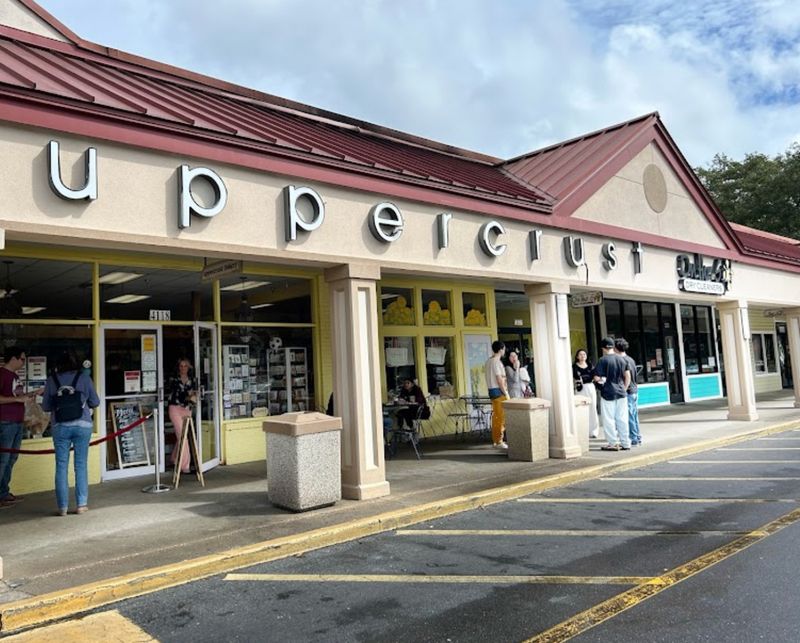
Uppercrust Productions is open seven days a week from 8 AM to 7 PM at 4118 NW 16th Blvd in Gainesville, Florida. The phone number is 352-376-7187, and the bakery also offers online ordering through uppercrustgnv.com for anyone who wants to pay ahead and skip the line during busy morning hours.
Going early is not just a suggestion here. Because every batch takes three full days to produce, the bakery cannot simply make more croissants on short notice when a busy Saturday clears out the case by noon.
One reviewer showed up after lunch and found only four croissants remaining. They took one, and it still brought them to tears of recognition.
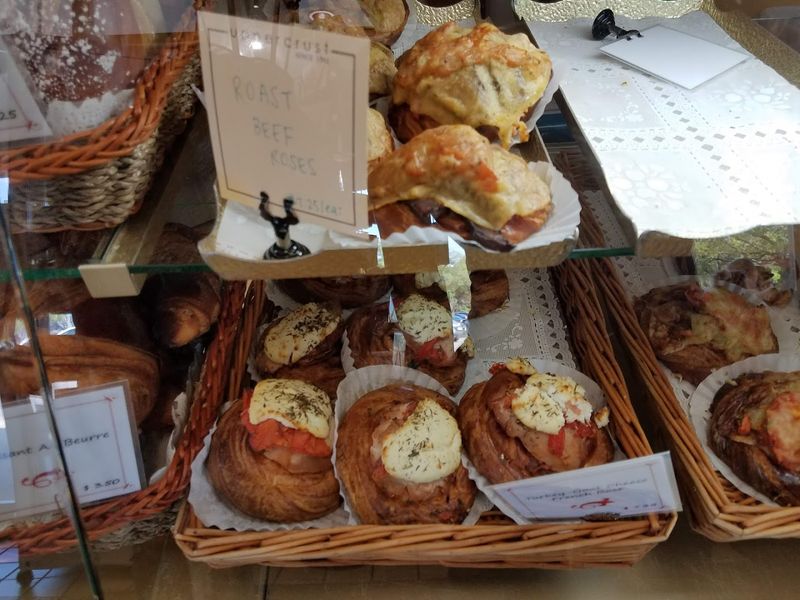
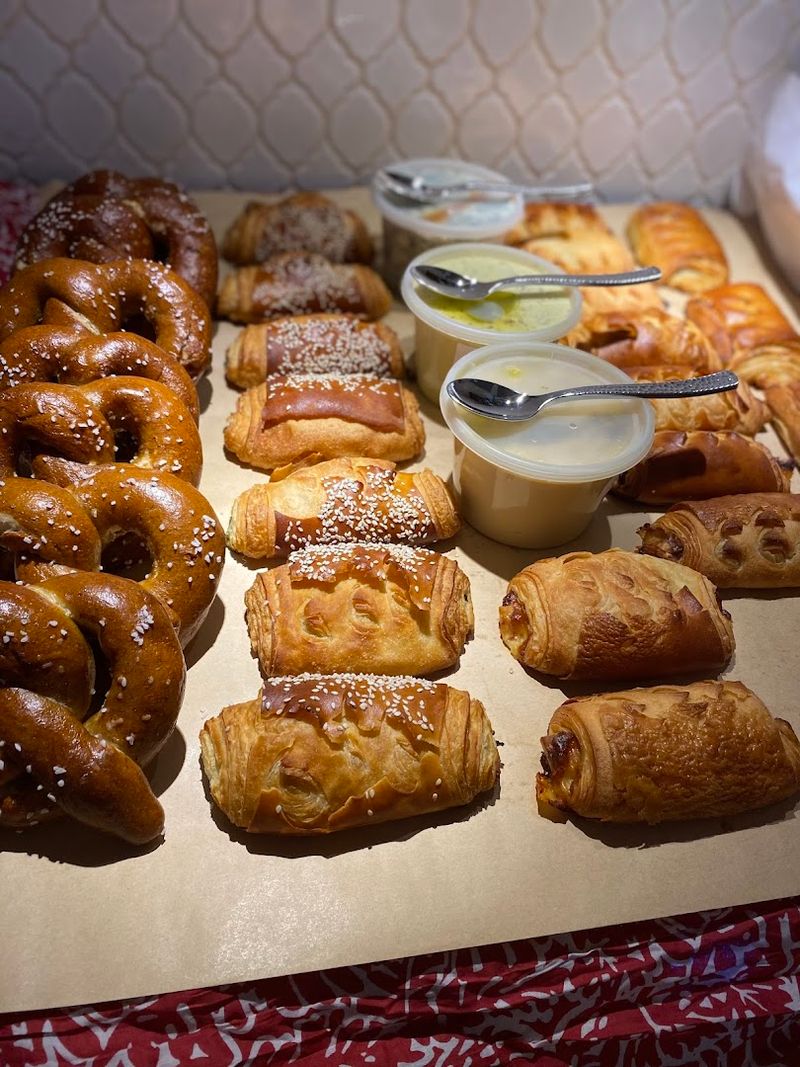
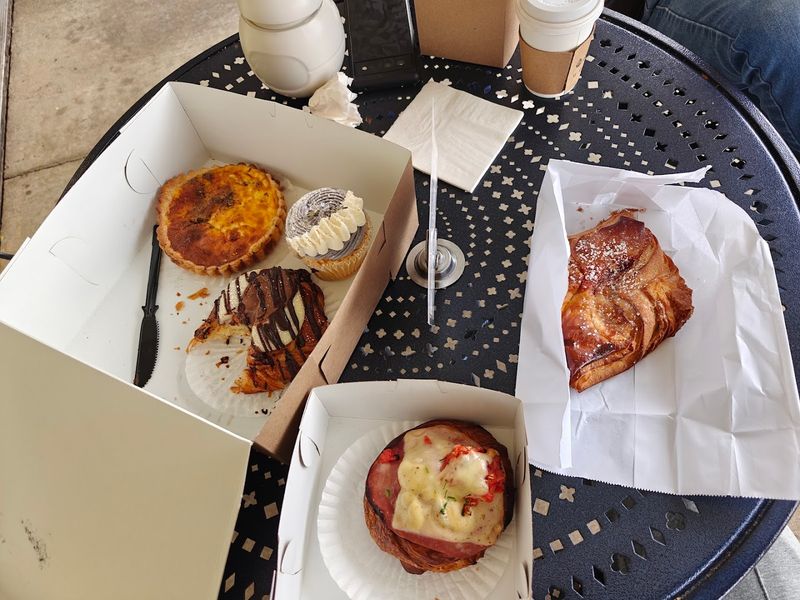
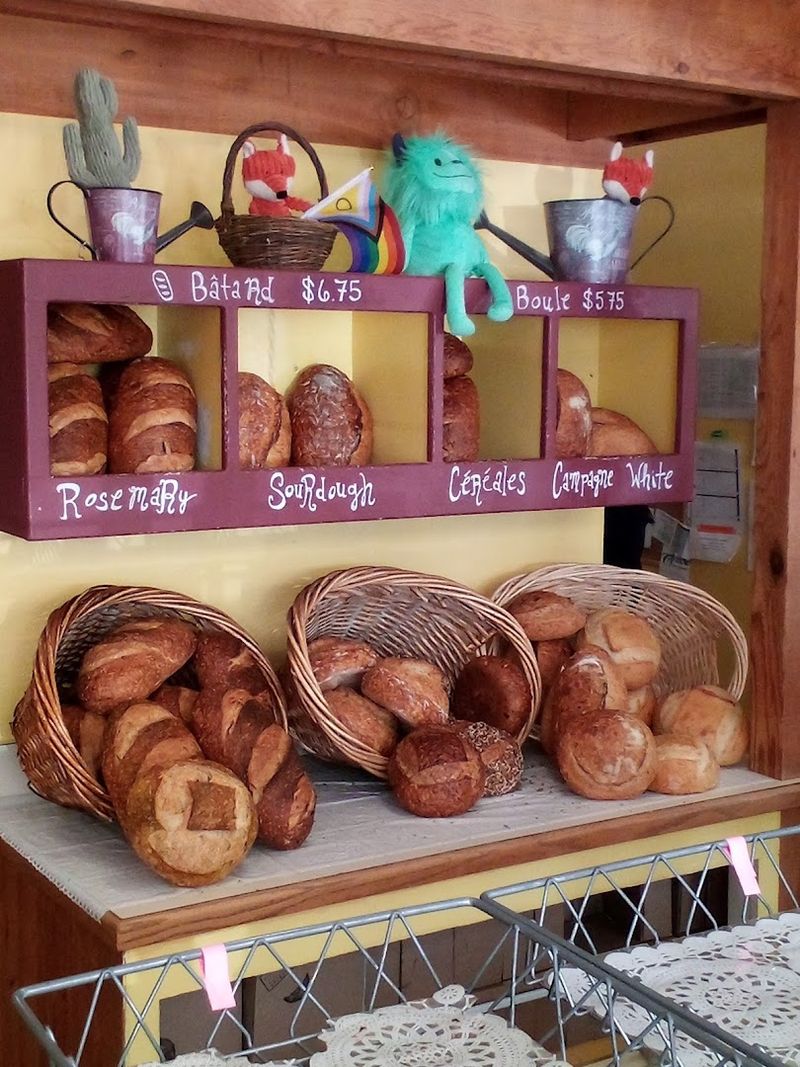
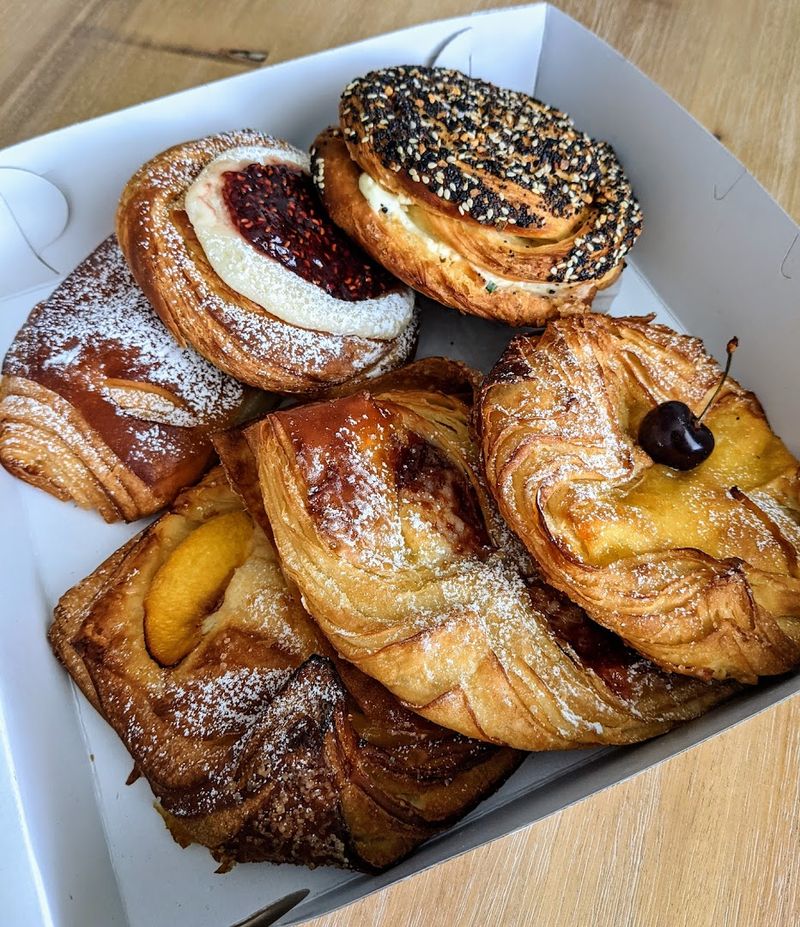
The bakery also carries sourdough batards, guava chaussons, walnut roses, pistachio pastries, quiche, vegetable soup, and a rotating selection of seasonal items. Wine tastings happen weekly.
For anyone making the trip specifically for croissants, the honest advice is simple: arrive before 10 AM and plan to stay a little longer than you intended.