There are botanical gardens, and then there are gardens that make you feel like you’ve stepped into a storybook you forgot you loved.
Bullington Gardens in Hendersonville, North Carolina, belongs firmly in that second category, thanks in large part to an enchanting gnome village tucked into its grounds.
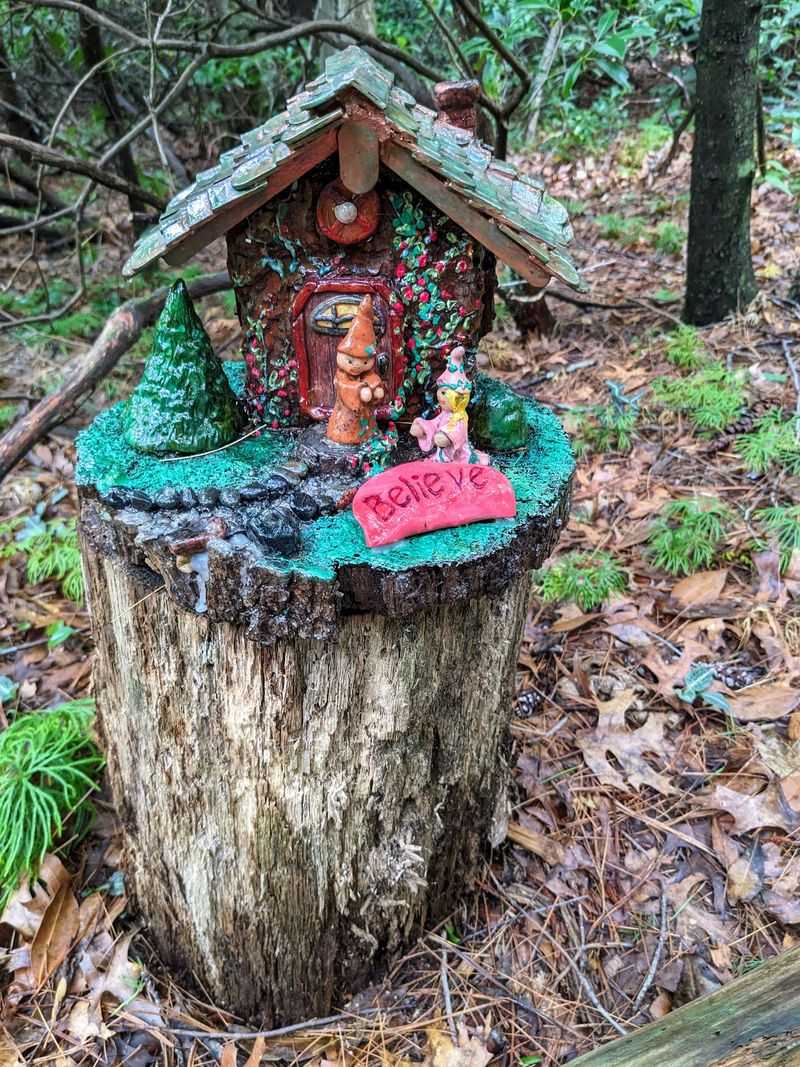
More than a hundred hand-painted gnome figurines are scattered throughout the garden paths, perched on logs, peeking from flower beds, and presiding over tiny woodland scenes.
It sounds whimsical, because it is, but the surrounding gardens are stunning in their own right, with carefully tended beds, native plantings, and sweeping mountain views.
Whether you’re visiting for the flowers, the scenery, or the unexpected magic of it all, Bullington Gardens earns a return visit every season.
A Storybook Trail Full of Hidden Gnomes
Small faces seem to peek from tree roots, flower beds, and quiet corners, turning an ordinary walk into a playful search.
The gnome hunt is one of the sweetest reasons families talk about Bullington Gardens · 95 Upper Red Oak Trail, Hendersonville, NC 28792, because it rewards careful eyes and slow steps.
Children can lead the way, while adults often find themselves smiling at details they almost missed.
Plan to move at a relaxed pace instead of rushing from one garden area to the next.
Look low near stones, around logs, beside planters, and close to handmade displays where tiny characters may be tucked into the scene.
A simple game, like counting how many gnomes everyone finds, can keep younger visitors excited without needing screens or extra supplies.
Good shoes help, since some paths can be narrow or slick after rain.
Bring a small notebook if your child likes drawing, because the gnomes can inspire funny names, short stories, or garden sketches.
The real magic comes from noticing how imagination and nature fit together in one friendly outdoor place.
Fairy Doors That Make Trees Feel Alive
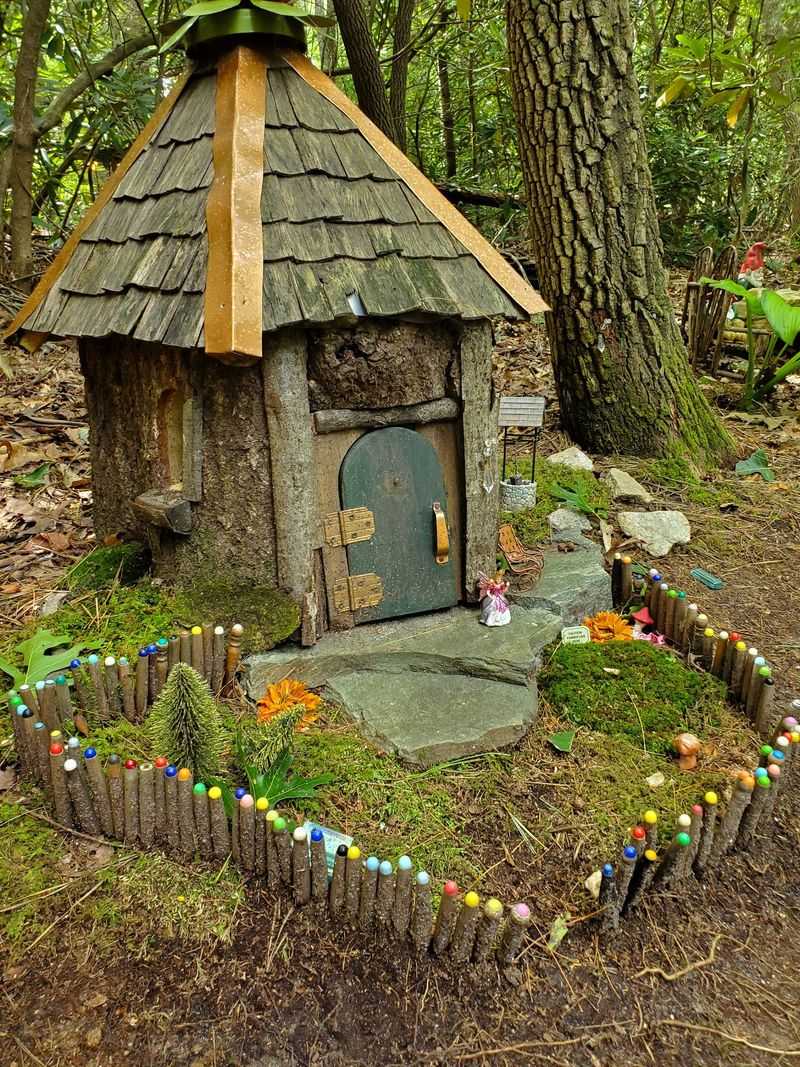
A tiny door on a tree can stop a child faster than a bright red sign.
Along the fairy trail, visitors find little openings, small scenes, and charming decorations that make the woods feel like someone very small just stepped away for tea.
Many guests say this is the part that brings out their inner kid.
Parents can turn the walk into a gentle lesson about observation.
Ask kids what materials they notice, which colors stand out, and how the artists used natural shapes instead of fighting them.
That kind of looking helps children pay closer attention to bark, leaves, roots, and insects without feeling like they are sitting in a classroom.
Photos are fun here, but patience matters.
Let other families enjoy each tiny scene before crowding in, and remind children to look with their eyes more than their hands.
The displays feel magical because many people care for them, so treating them kindly helps the next visitor feel the same spark of wonder.
A Fairy Post Office for Big Imaginations
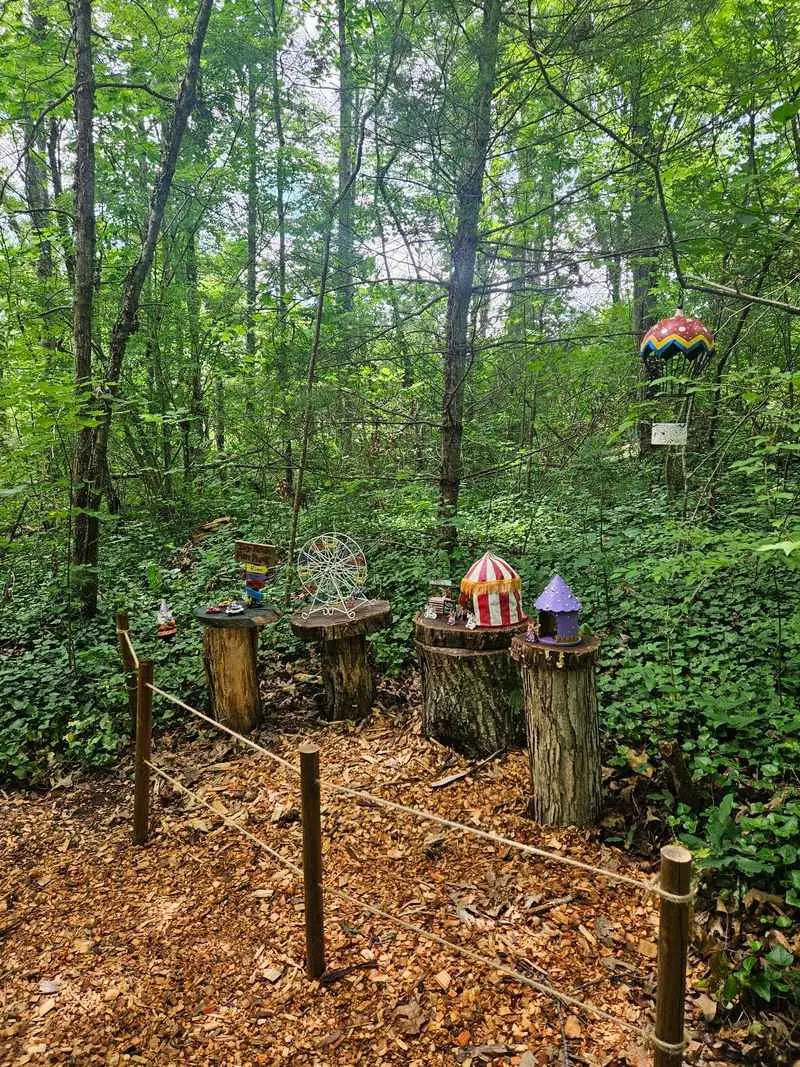
Few garden stops feel as personal as a place where kids can send a message to fairies.
The fairy post office gives young visitors a sweet ending to their trail adventure, especially after spotting doors, creatures, and tiny scenes along the way.
It turns a walk into a memory they can carry home.
Before visiting, invite children to think about what they might write.
They could ask a fairy about favorite flowers, thank the garden helpers, or describe the gnome they liked best.
A short note is enough, and younger kids can draw a picture if writing still feels hard.
This small activity also teaches care and creativity.
Children learn that outdoor spaces can be places for stories, not just places to burn energy.
Adults may enjoy the pause too, because it gives everyone a quiet moment before heading back into the wider garden.
If you bring paper from home, choose something small and easy to fold.
Keep markers capped, pick up scraps, and leave the area neat so the next young dreamer can feel invited.
Dahlias That Steal the Spotlight
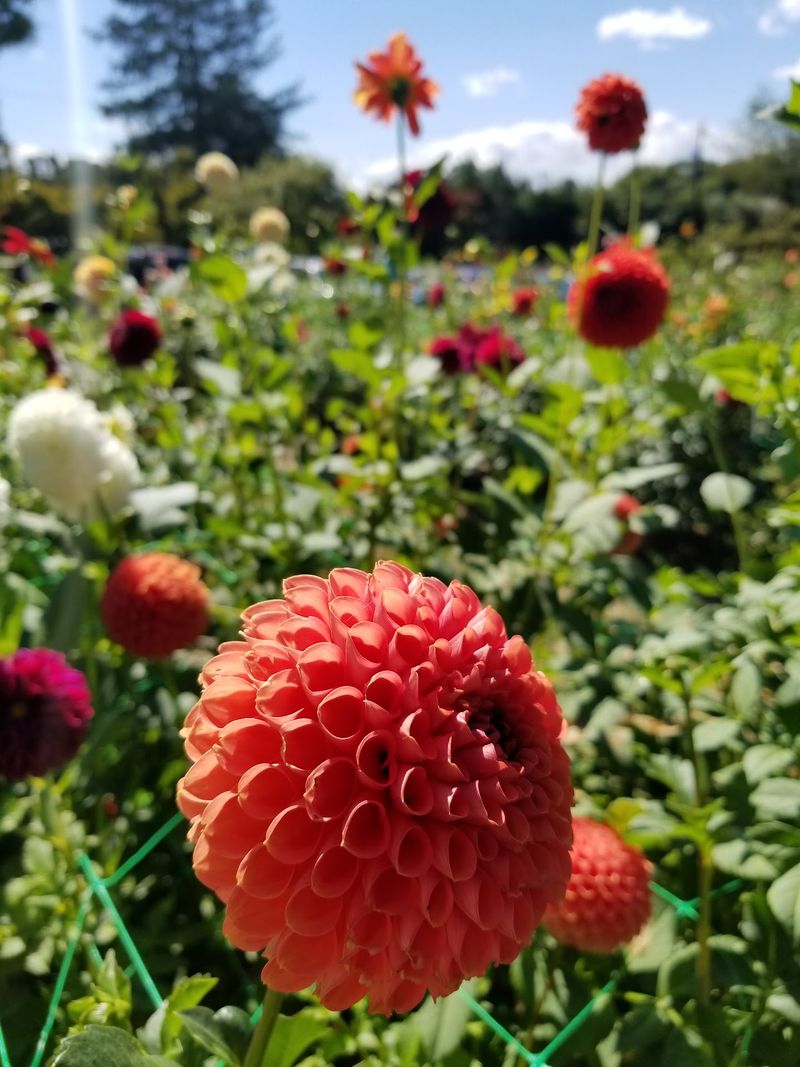
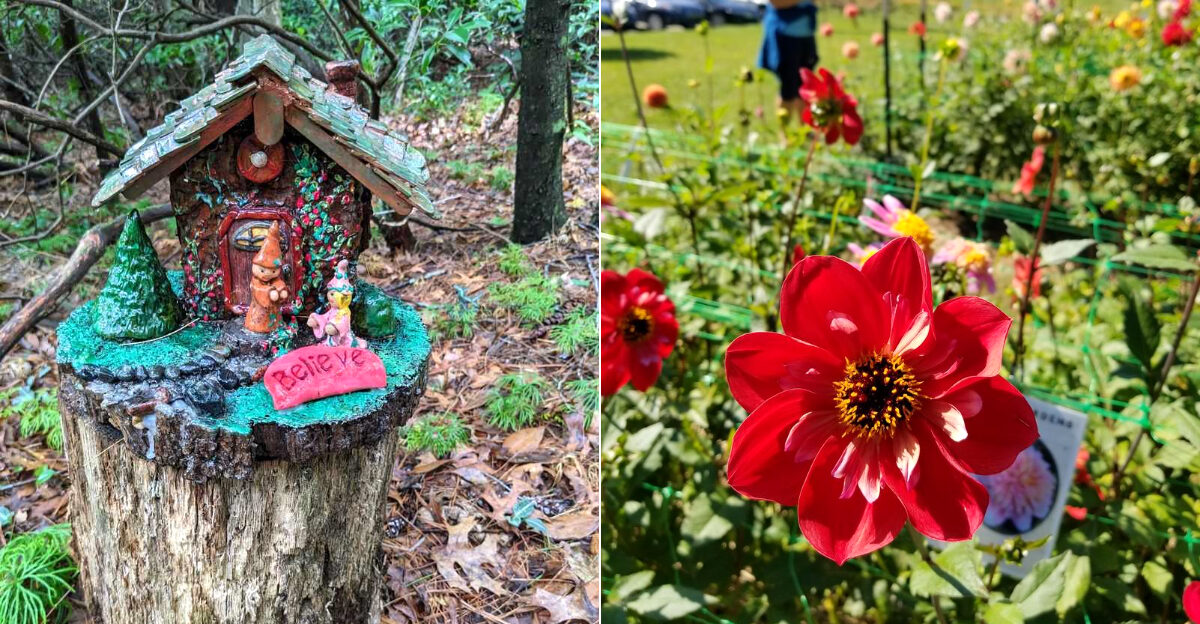
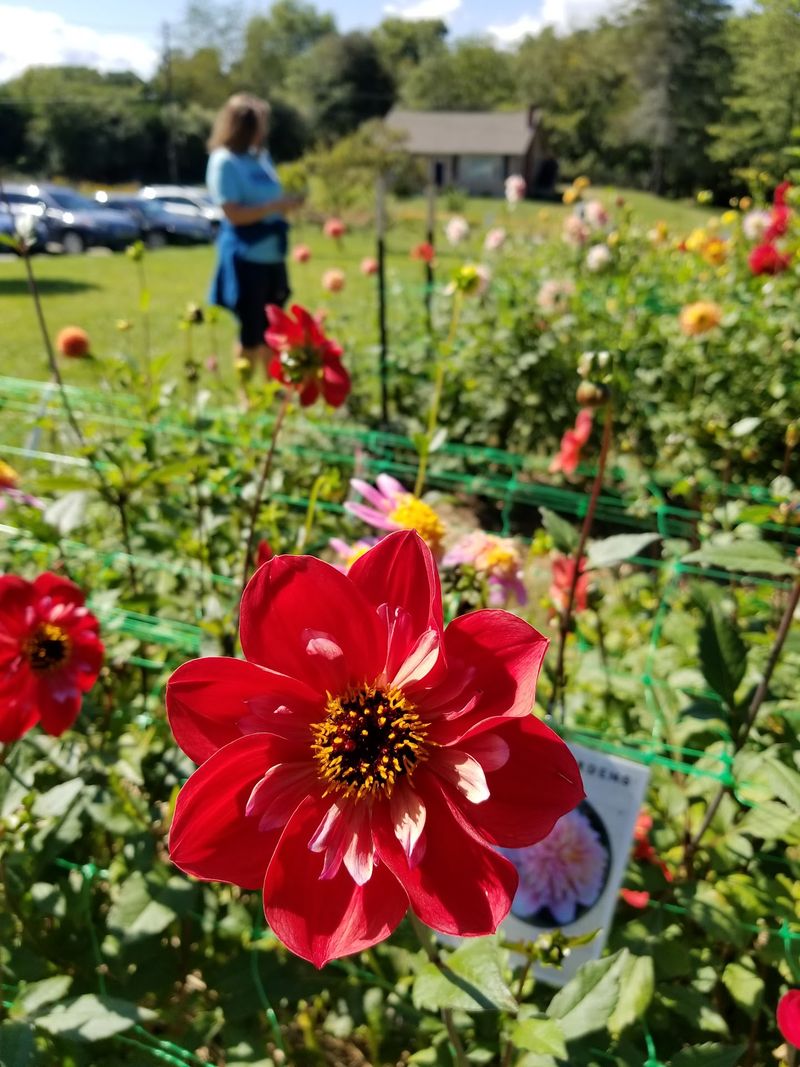
Color takes over when the dahlias are blooming, and even casual visitors tend to slow down for a closer look.
These flowers can look like fireworks, pinwheels, or soft pom-poms, depending on the variety.
For people who love bright garden photos, late summer and early fall can be especially rewarding.
Dahlias are more than pretty faces.
Their shapes show how plant breeding can create many forms from one flower family, which makes them a fun living lesson for curious kids and gardeners.
Look for differences in petal size, color blends, bloom height, and how the flowers stand above the leaves.
Bring a phone or camera with space for plenty of pictures, but take time to read plant labels when they are available.
Labels can help home gardeners remember favorites and learn names they may want to research later.
If butterflies are visiting, stand still for a minute and watch which blooms they choose.
The best viewing can change with weather, storms, and garden care, so checking the garden website or calling ahead is wise during peak bloom season.
Shady Paths for an Easy Nature Break
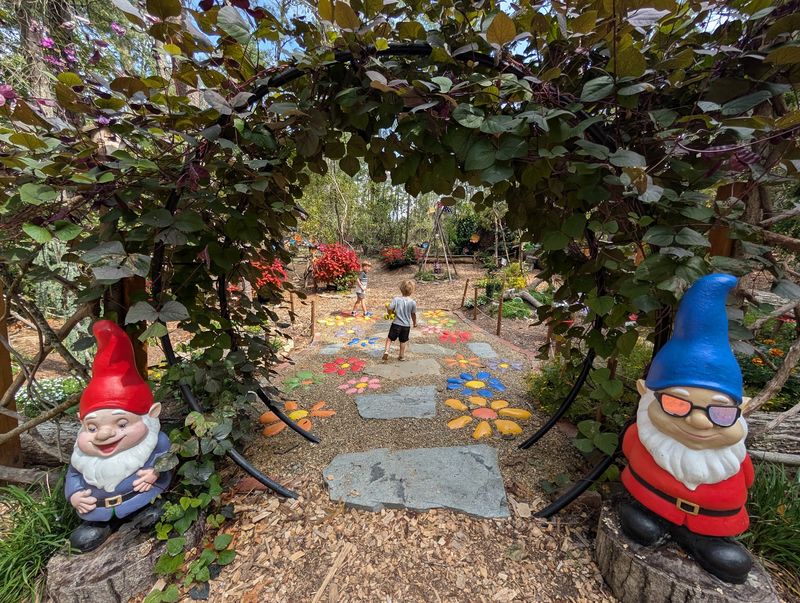
Hot afternoons feel kinder under a canopy of leaves.
The garden offers shaded paths where visitors can enjoy fresh air without feeling like they are crossing a parking lot in midsummer.
That cooler feeling makes the walk easier for children, grandparents, and anyone who wants a calm break.
Some trails are simple, while others may be narrower, steeper, or slippery after wet weather.
Wear sneakers or walking shoes with grip, and avoid rushing on damp leaves or uneven ground.
If you are visiting with young children, set a slow pace and use benches or open spots for short rests.
The nature trail adds a different mood from the fairy areas.
Here, the fun comes from listening for birds, noticing shade plants, and watching how the land changes as the path moves through the trees.
A small bottle of water is smart, even for a short visit.
Because the garden is peaceful, it is a good place to practice quiet trail manners.
Stay on marked routes, step aside for others, and leave flowers, rocks, and little habitats where they belong.
Plant Labels That Help Beginners Learn
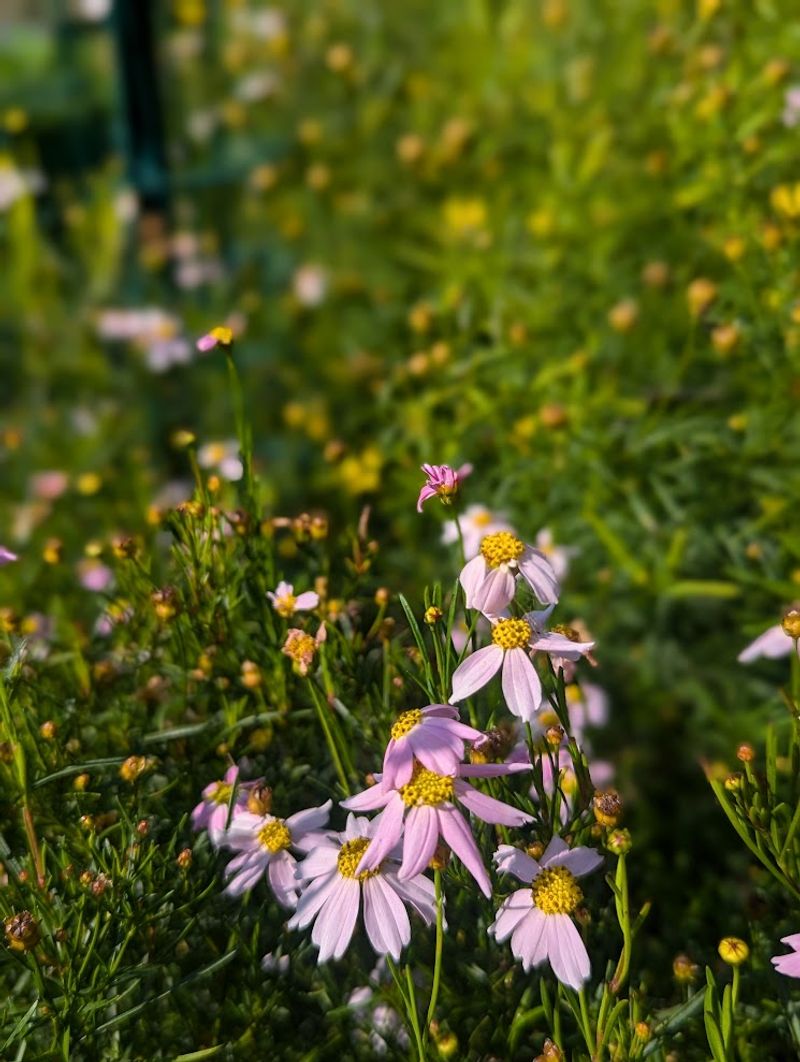
Names can turn green scenery into something you remember.
Plant labels around the garden help visitors connect leaves and flowers with real names, making the visit useful for beginners who want to learn without feeling overwhelmed.
A labeled bed is like a friendly cheat sheet for the outdoor world.
Home gardeners can use the labels as idea starters.
If a plant looks healthy in this mountain-area setting, it may be worth researching for a similar yard, especially when it appears in a native plant, herb, rain, or shade garden area.
Take photos of both the plant and its label so you do not forget which name belongs to which bloom.
Kids can turn labels into a scavenger hunt.
Ask them to find a plant with a color word, a strange leaf shape, or a name that sounds funny.
Simple challenges make reading part of the adventure.
Labels also remind visitors that gardens are planned, studied, and cared for over time.
Behind every pretty bed are choices about soil, light, water, and wildlife, which makes the garden a living classroom.
A Gift Shop and Plant Sale With Take-Home Charm
A visit feels even better when you can carry home a small piece of the day.
The garden shop and plant sale area often give guests a chance to browse potted plants, garden items, fairy-themed treasures, shirts, snacks, or simple gifts.
For families, it can be a fun reward after walking the trails.
Gardeners should look closely at the plants for sale because they may find choices suited to the local climate.
One visitor mentioned buying milkweed for a butterfly garden, which is a great example of how a small purchase can help pollinators at home.
Ask staff or volunteers questions if you are unsure where a plant should grow.
Set a budget before children enter the shop, since fairy wings and tiny garden pieces can be very tempting.
A small souvenir, like a marker or plant, may mean more than a toy that is forgotten in the car.
Purchases and donations help support the nonprofit garden.
That support matters because the grounds, displays, trails, and repairs rely heavily on caring hands and community help.
Volunteer Care That Keeps the Magic Going
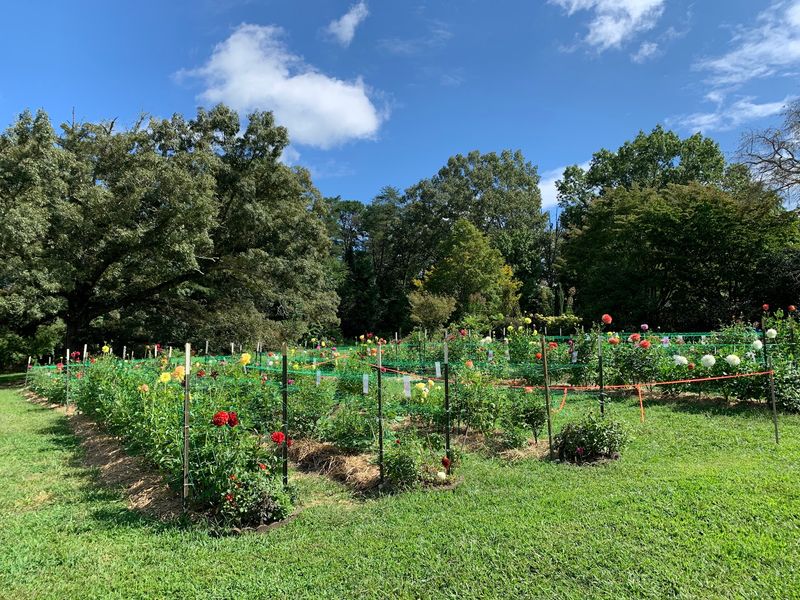
Behind the gnomes and flowers is a lot of quiet work.
Visitors often praise the garden for feeling clean, welcoming, and loved, and many reviews give credit to volunteers who maintain beds, rebuild areas, clear paths, and keep the imaginative displays fresh.
That human care is part of what makes the place special.
Storm recovery has also been part of the garden story.
Some guests have noticed damage from severe weather, yet they also point out the steady progress made by workers, volunteers, and community partners.
Seeing that effort can help children understand that public spaces do not stay beautiful by accident.
Admission is commonly described by visitors as free, with donations appreciated.
Before going, check current details on the official website or by phone, since hours, events, and access can change.
If you enjoy the visit, consider leaving a donation, shopping, attending an event, or sharing kind words with the people on site.
Respect is another way to help.
Pack out trash, keep displays intact, supervise children, and treat the garden like a shared backyard that belongs to everyone.