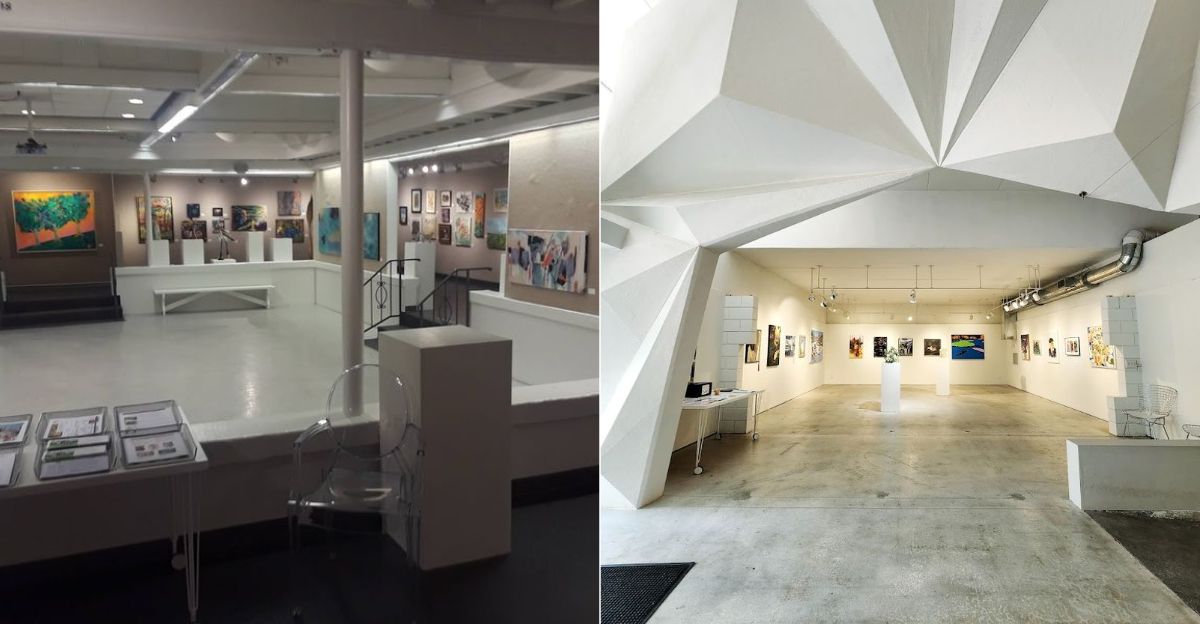
Some galleries create distance through cold walls and formal architecture, but Art Center Sarasota on Florida’s southwest coast does exactly the opposite.
Located in the heart of this coastal city’s cultural district, it feels less like a formal institution and more like a creative living room for the community, where color, quiet, and curiosity naturally blend in the air.
Inside, people do not come only to observe finished works, but to step into an ongoing conversation between local artists and their neighbors.
If you are looking for a side of Florida that offers inspiration instead of constant bustle, this is a place well worth starting with.
Where the Light Sets the Mood
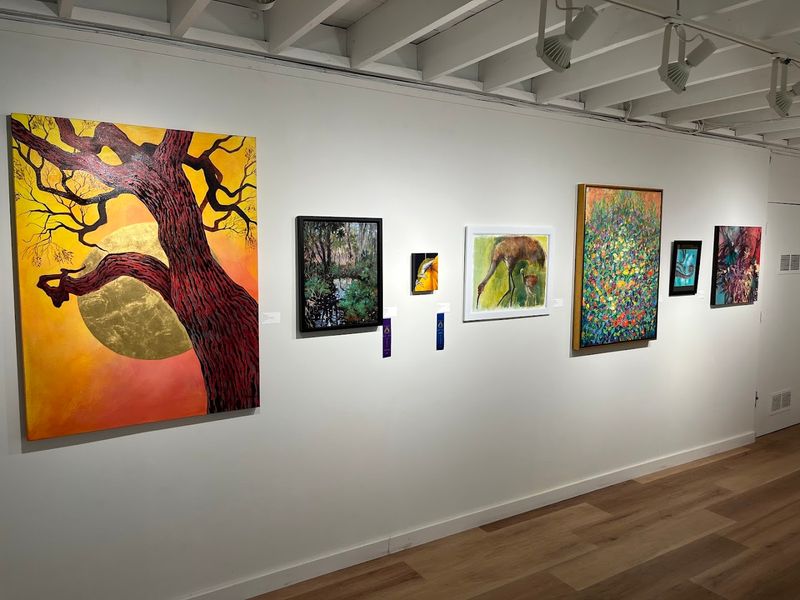
The first thing you notice is the light. It does not simply brighten the rooms, it settles over everything with a gentle clarity that makes color feel awake and texture feel close enough to touch.
Paintings seem to breathe differently in it, and even the quiet between footsteps carries a soft expectancy.
As you move from wall to wall, the building begins to shape your pace.
You stop longer than you meant to, not because anyone tells you to slow down, but because the space itself makes rushing feel almost impossible.
There is something deeply calming about that effect, especially when the outside day is bright and busy and your mind arrives scattered.
Inside, calm and stimulation meet without competing.
One piece sharpens your attention, another loosens it, and together they create that rare feeling of being both alert and at ease.
You leave the first gallery already sensing that the experience here is built as much from atmosphere as from art.
Studios That Invite You to Begin
What lingers here is not only what hangs on the walls, but what waits on the tables.
Classrooms carry the kind of practical promise that can steady a nervous beginner: paper stacked neatly, brushes within reach, clay tools ready, chairs arranged as if your place has already been considered.
That quiet readiness makes starting feel less intimidating.
Weekly classes and workshops give the center an energy that is different from a gallery alone.
You can feel the presence of process everywhere, as if unfinished ideas are just as valued as polished results.
For anyone who has ever wanted to make something but worried about doing it badly, that matters more than perfect instruction ever could.
Experienced artists seem to find room here too, not by being separated from newcomers, but by sharing the same current of attention.
Skill is respected, yet experimentation still feels welcome.
The result is a creative environment where learning is not treated as a ladder with winners at the top, but as an ongoing practice of looking, trying, adjusting, and returning.
The Pleasure of Seeing Local Hands at Work
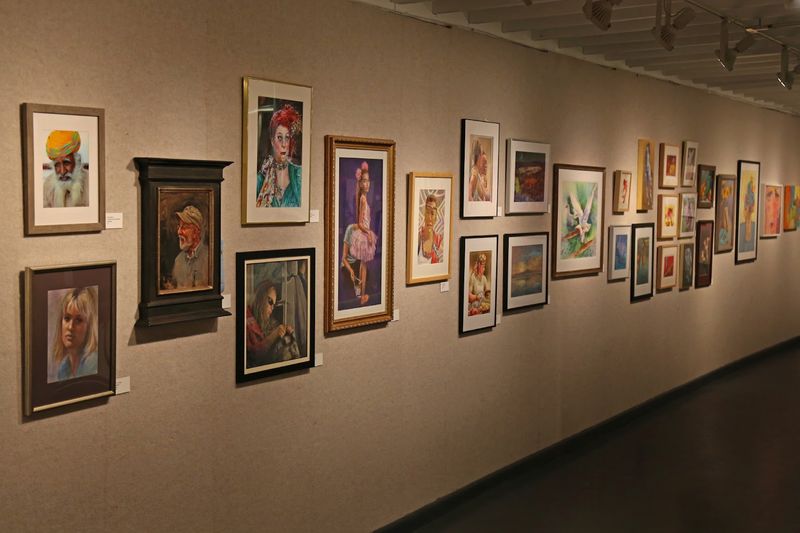
There is a distinct intimacy in seeing work shaped by people who live nearby.
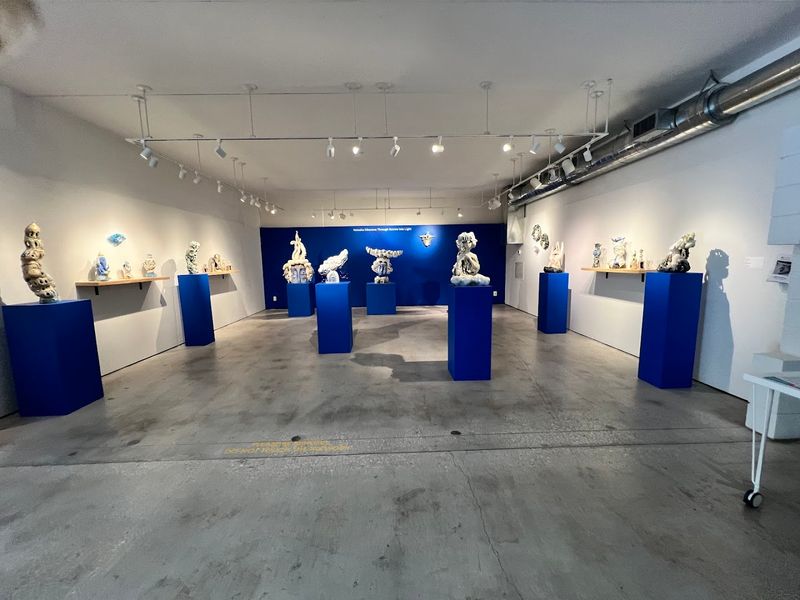
Landscapes, abstractions, sculpture, and unexpected materials all carry traces of local weather, local memory, and the particular visual language of a place close to the water.
Even when the styles differ wildly, that shared ground gives the rooms a sense of conversation rather than competition.
You feel it in the variety.
One wall may offer delicate observation, while the next introduces bold humor or restless experimentation, and neither cancels the other out.
Instead, the range suggests a community comfortable with difference, where artists are allowed to pursue their own voice without flattening themselves into a house style.
That local presence changes the experience for visitors too.
The art does not feel imported for effect or selected to impress from a distance.
It feels lived with, argued over, celebrated, and brought forward by people who care what their neighbors are making.
That makes every exhibit more personal, and it gives even a brief visit the texture of being welcomed into an ongoing creative life.
Walking Between Gallery and Workshop
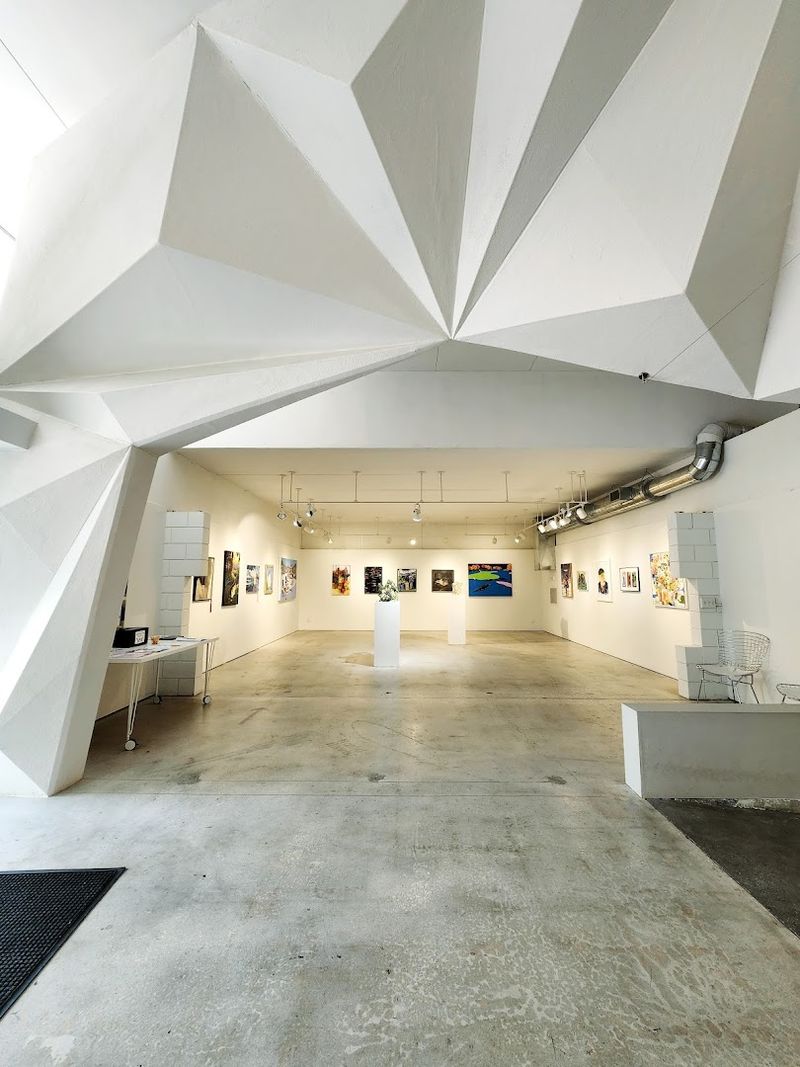
Part of the pleasure here comes from the way looking and making seem to exist side by side.
You can spend time with finished work in the galleries, then pass near studio spaces that suggest a very different stage of the same creative life.
That transition is subtle, but it changes how you understand what you are seeing.
Finished pieces stop feeling distant once you remember they began in uncertainty, in revisions, in moments of doubt and surprise.
A room of artwork can sometimes feel formal in other places, as if the objects arrived fully resolved from somewhere beyond ordinary effort.
Here, the nearby presence of classes and working artists gently returns art to human scale.
That is one reason the visit stays with you.
The center does not separate admiration from participation too sharply, so even if you come only to look, you leave feeling a little closer to the act of making.
There is an emotional generosity in that arrangement.
It suggests that creativity is not reserved for a gifted few, but offered as a practice anyone can approach with patience, openness, and time.
Small Kindnesses That Shape the Visit
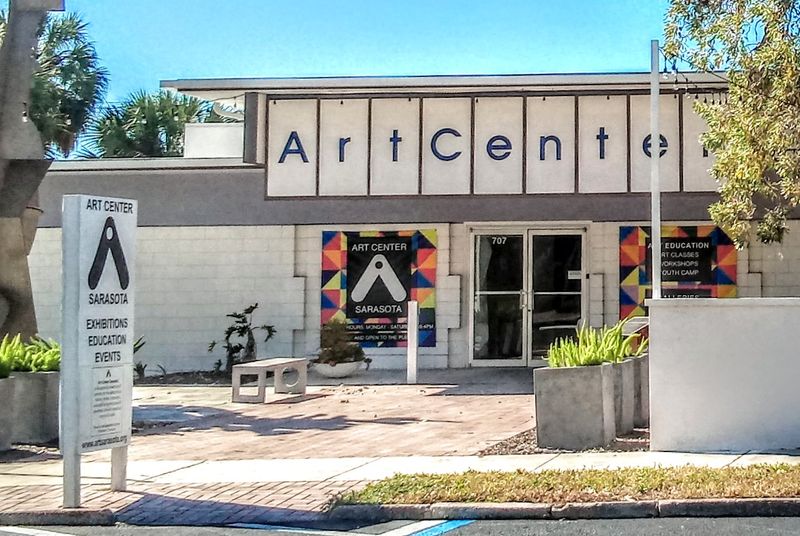
Not every memorable detail here is visual.
Some of what stays with you comes from the atmosphere created by the people holding the place together: a warm greeting at the front, an easy answer to a question, the sense that curiosity is welcome whether you know a lot about art or almost nothing at all.
That kind of ease can change a whole afternoon.
Reviews often mention kindness, and it makes sense once you are there.
A gallery can be beautiful and still feel cold, but this one tends to soften that distance.
You notice it when visitors pause to talk, when sketching groups are accommodated, when families and longtime regulars seem equally comfortable sharing the same rooms without self-consciousness.
Those small interactions matter because they support the larger purpose of the place.
Art asks people to pay attention, to risk interpretation, sometimes even to feel uncertain in public.
A welcoming environment makes that vulnerability easier to carry. Instead of performing sophistication, you get to simply respond.
That openness is part of why people return, not just for new exhibits, but for the feeling of being received with genuine warmth.
A Sculpture Garden and the Space to Breathe
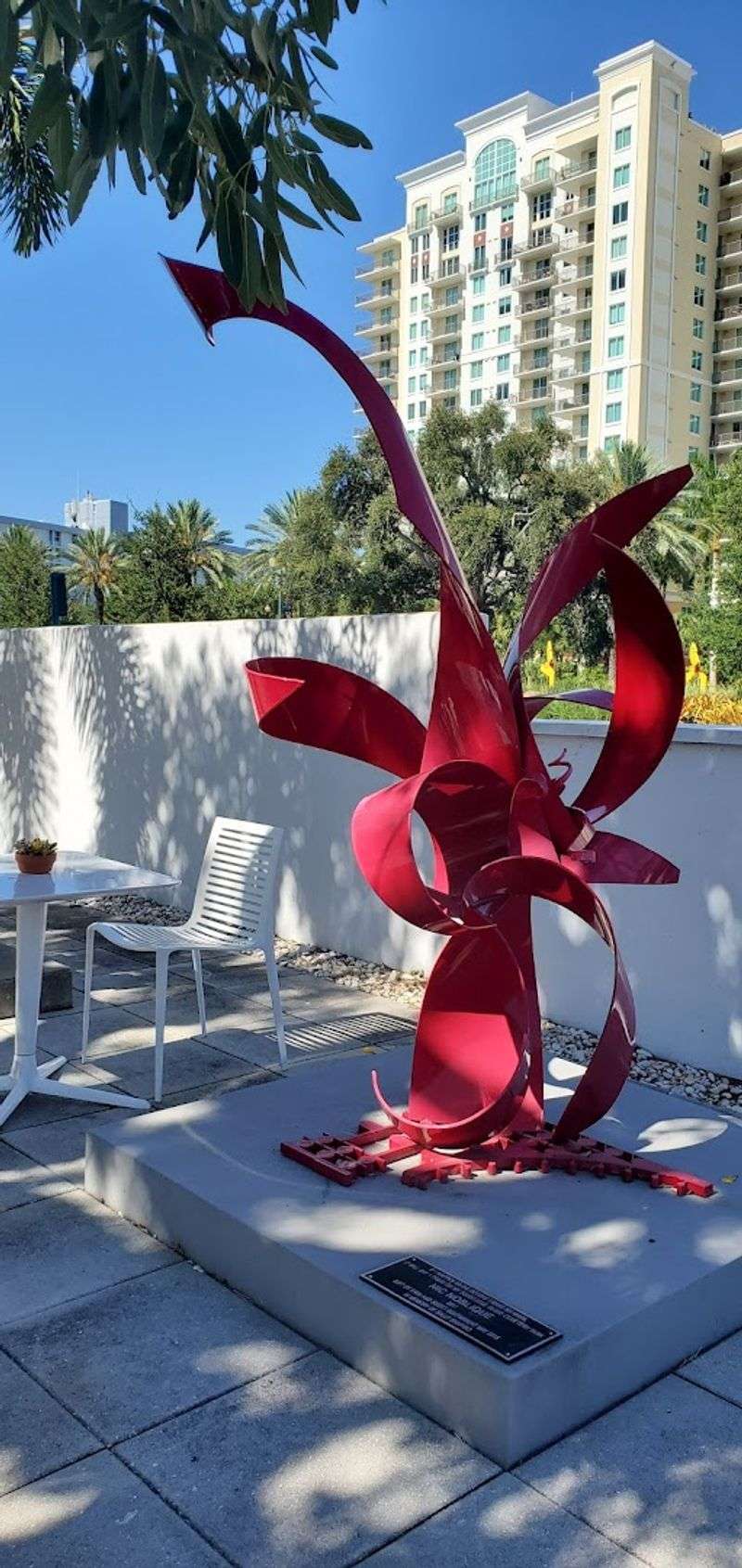
Stepping outdoors shifts the experience in a useful way.
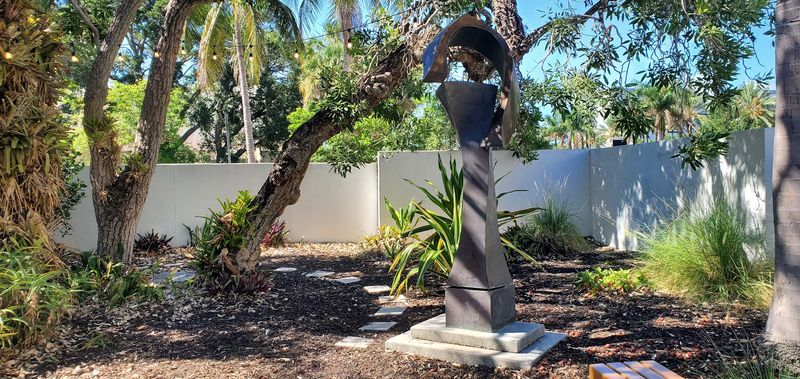
The sculpture garden offers a different tempo, one shaped by open air, shadows, plants, and the pleasure of seeing form against sky instead of against a white wall.
After the concentration of indoor viewing, that breath of space can feel almost medicinal.
Sculpture asks your body to participate.
You circle, lean, adjust your angle, notice how sunlight catches an edge or deepens a hollow, and suddenly looking becomes physical again.
The garden encourages that kind of attention without any fuss, letting pieces reveal themselves gradually as you move around them and through the landscape.
On a mild spring day, the whole setting feels especially generous.
Warm light settles on metal, stone, and leaves at once, and the boundary between art and environment grows pleasantly thin.
It becomes easy to linger longer than planned, not because you are trying to study everything, but because the outdoor quiet completes the visit.
What began as observation turns into rest, and that blend of stimulation and ease is rare enough to feel genuinely memorable.
Why Returning Feels Natural
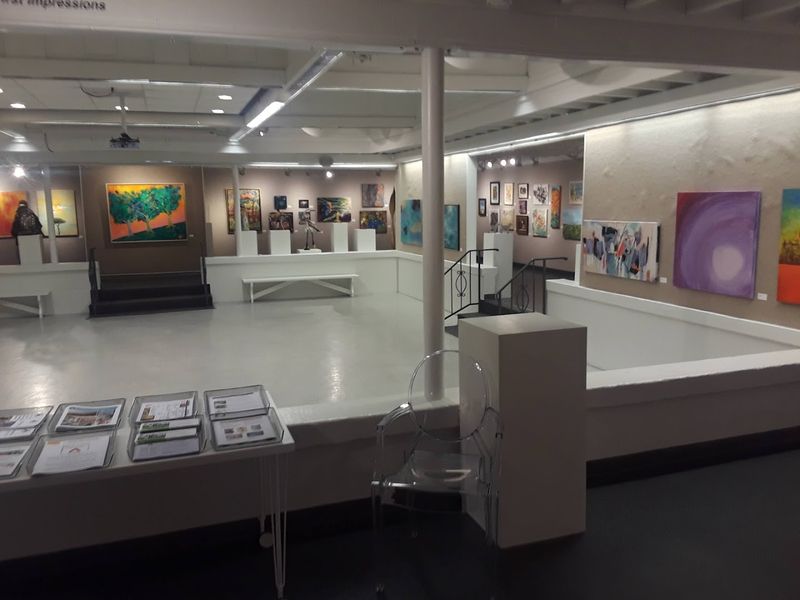
People keep coming back for a reason, and it is not hard to understand once you have spent time there. Exhibitions change often enough to keep the experience fresh, but the deeper draw is emotional rather than logistical.
You return because the place supports a state of mind that can be difficult to find elsewhere: attentive, unhurried, quietly receptive.
There is also pleasure in never quite knowing what will be on view next.
One visit may lean toward flora, fauna, or vivid regional imagery, while another opens into conceptual work, homage, photography, or fashion connected events.
That variety prevents the center from becoming predictable, and it respects the intelligence of repeat visitors by offering them something new to consider.
Over time, returning becomes less about novelty alone and more about relationship.
Familiar rooms gather new meanings as different exhibits pass through them, and your own responses change too.
A piece that might not have landed on a busy day can suddenly reach you months later when your attention is softer.
Places that allow that kind of evolving connection become part of a person’s rhythm, not just their weekend plans.
The Quiet After You Leave
The strongest impression often arrives after the visit is over.
You step back outside, and the world looks slightly rearranged, as if your eye has become more patient with color, shape, and detail.
Trees seem more deliberate, shadows more interesting, and even ordinary buildings carry lines you might not have noticed an hour earlier.
That aftereffect says something important about the center.
It does not overwhelm with spectacle or push emotion too hard. Instead, it works gradually, giving you space to notice your own reactions until they deepen almost without announcement.
The result can be surprisingly personal, whether you came to take a class, see a new exhibit, or simply spend time somewhere that feels thoughtful.
What stays with you is the sense that creativity here is not treated as decoration around life, but as one of the ways life becomes more livable.
Looking closely, making something with your hands, talking to others who care about form and feeling, sitting for a moment in quiet light, all of it adds up.
You leave with no grand performance, just a steadier inner hush and a renewed desire to pay attention.