

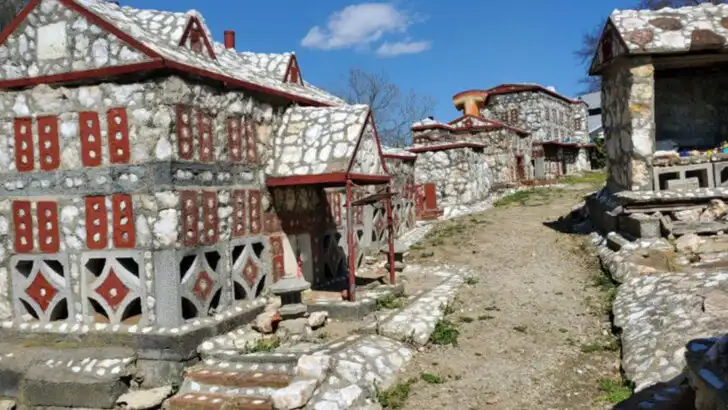
Step off the highway and into a storybook.
Nestled in the quiet hills of Prospect Hill, North Carolina, Shangri-La Stone Village is a tiny world carved from stone, imagination, and sheer determination. Each miniature building tells a story — a school, a church, a theater — all waiting for explorers to wander among them.
It’s the work of one man, Henry L. Warren, a retired farmer who spent years shaping his dream into reality, one stone at a time. The result? A whimsical village that feels plucked from the pages of a fairytale.
Every path, every sparkle of quartz, every hidden nook invites curiosity. Visiting isn’t just sightseeing — it’s stepping into a living piece of folk art, where wonder lingers around every corner.
Where This Fairy-Tale Village Is Hidden
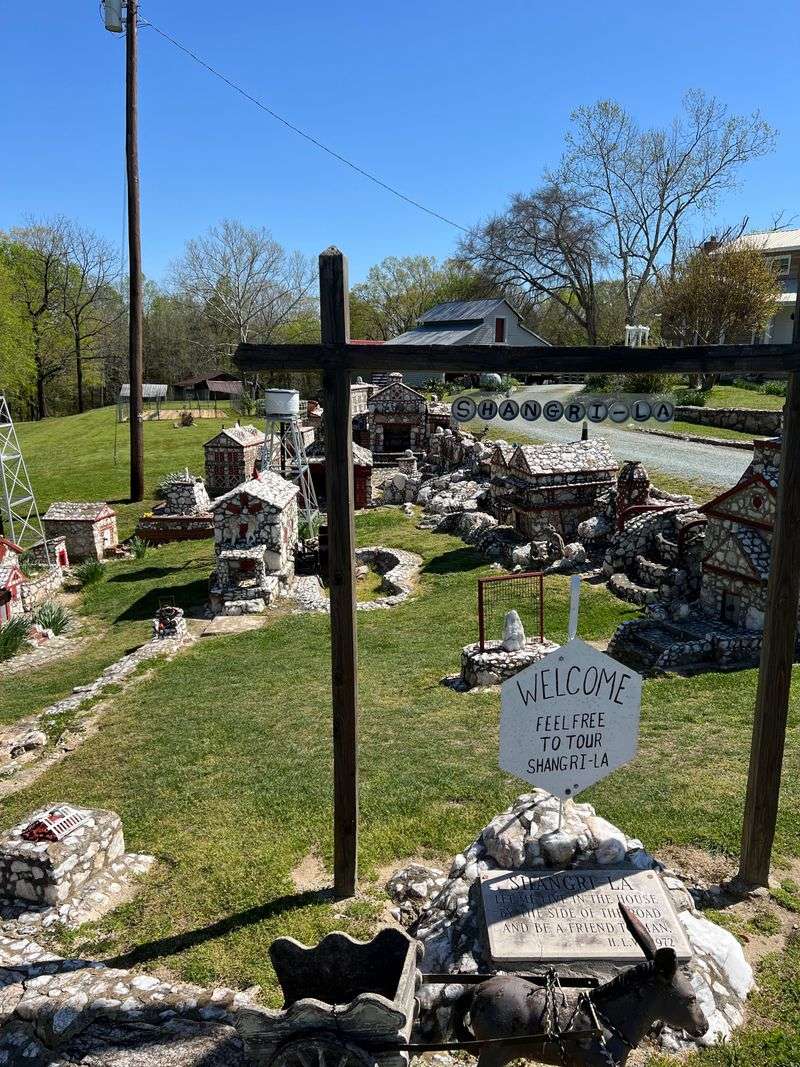
Shangri-La Stone Village sits quietly at 11535 NC-86 in Prospect Hill, North Carolina. It is the kind of place you stumble upon when you are not rushing, tucked beside a gentle curve where trees meet roadside grass.
The vibe feels inviting and unpretentious, like a neighbor waving you in for a quick hello.
This is an outdoor folk-art village that is free to visit and open year-round. There are no gates or kiosks, just an open invitation to step into a pocket-size town of imagination.
Arrive by day for the best light and safety, since the charm lies in the textures that sunlight brings alive.
Park thoughtfully off the road, watch your step, and move slowly so the details reveal themselves. You can wander freely, pause for photos, and listen to birdsong echo over the stonework.
It feels hidden, yet welcoming, a secret that rewards anyone who looks a little closer.
The Visionary Builder
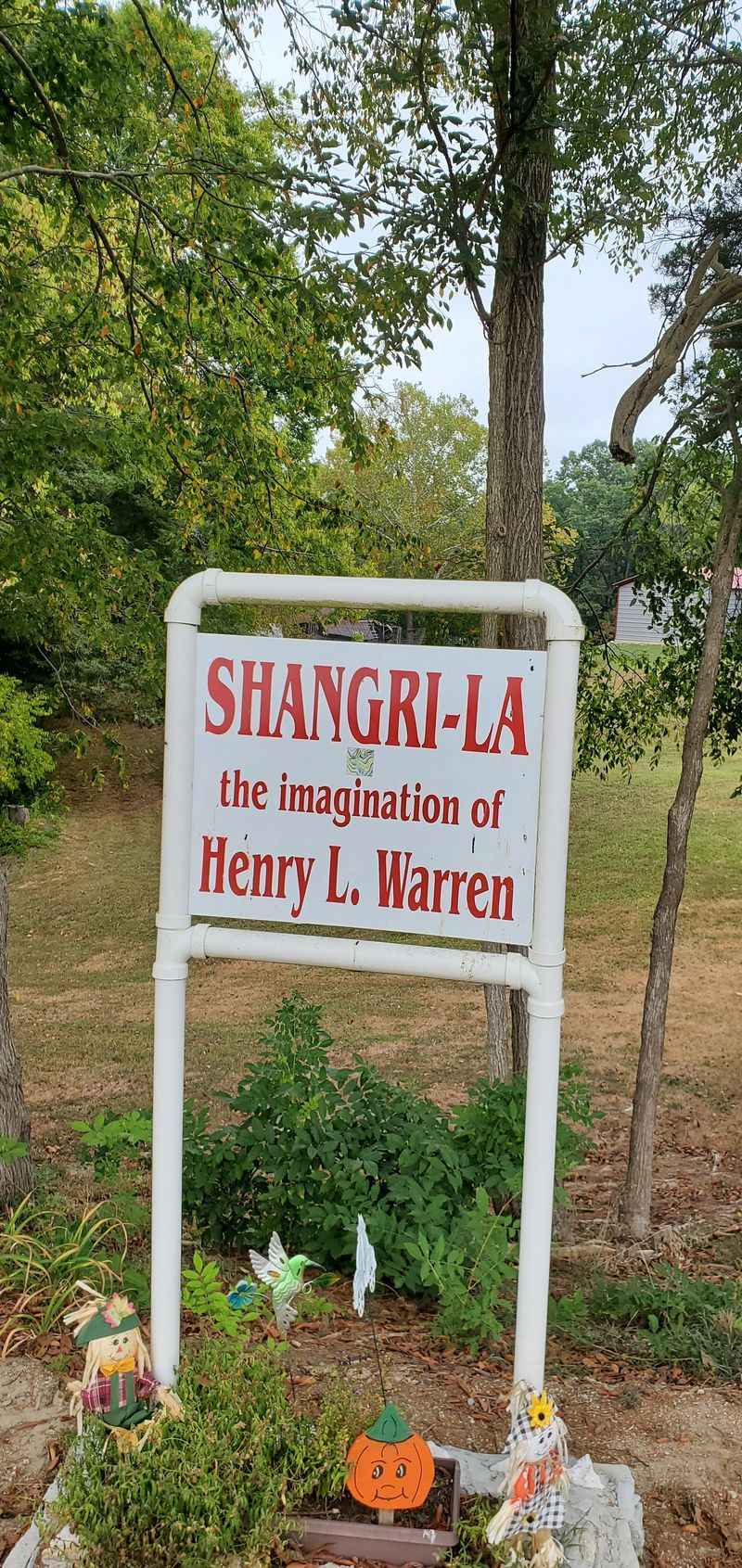
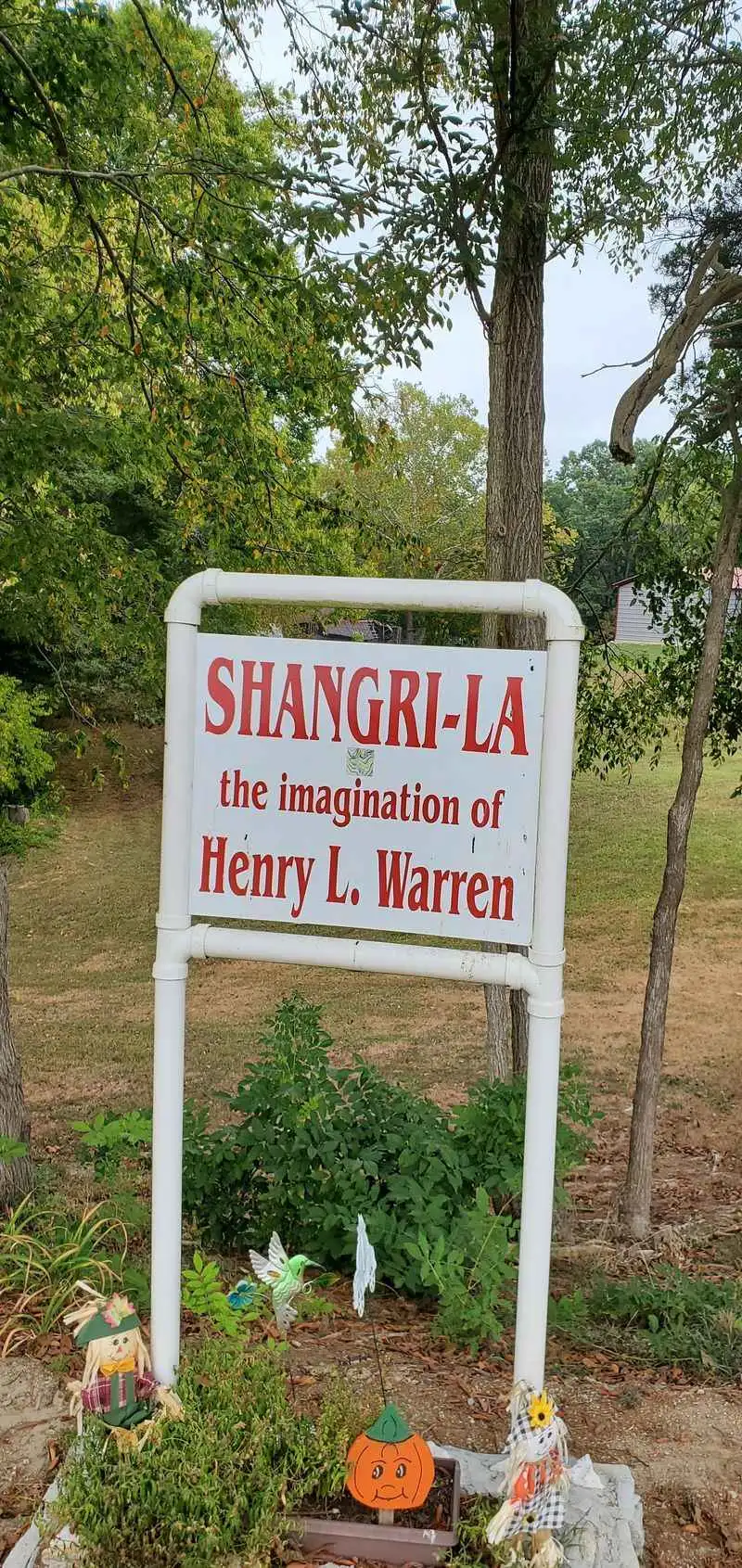
Henry L. Warren was a retired tobacco farmer who did not stop working when the fields grew quiet.
In the late 1960s, he began crafting a tiny village from stones gathered on his land, guided by memory and a spark of imagination. Each day added another bit of patience and purpose.
He shaped the buildings slowly, using simple tools and a steady eye. There was no blueprint beyond what he pictured in his mind, just dedication and a craftsman’s curiosity.
The result was not a model kit but a living idea in rock and mortar, formed by hand and habit.
Warren passed in 1977, yet his work remains, sturdy and heartfelt. You can almost trace his routine in the layouts and pathways, as if his footsteps still circle the place.
The village is not just a destination. It is a conversation with the maker who believed small things can carry big meaning.
A Miniature Town of Stone
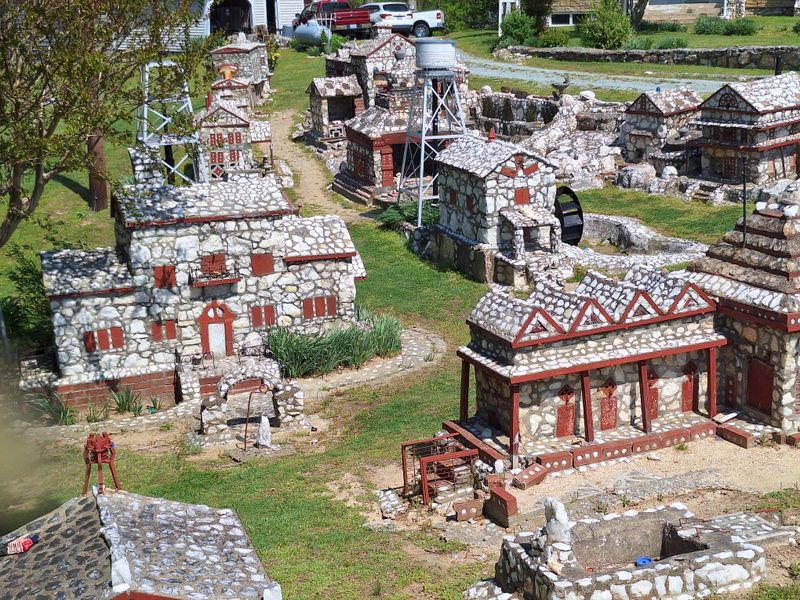
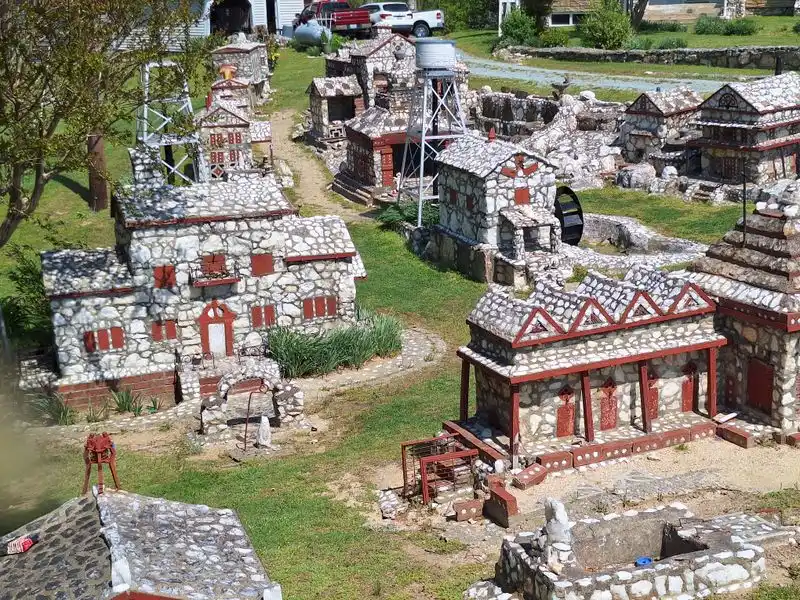
About 27 small stone buildings sit only a few feet high, inviting you to crouch down and look closer. There is a schoolhouse with a tiny entry, a church with a modest steeple, and a theater where a miniature marquee hints at shows.
A hotel, library, gym, bank, and little gas station round out the streetscape.
Each piece suggests a memory of a classic American town, compressed into a play-scale world. There are no moving parts or flashing lights, just quiet forms that nudge the imagination.
You supply the bustle and stories, and somehow the stones keep pace.
Walk the line like a child tracing a favorite book illustration. Notice how proportions shift from building to building, making the town feel organic rather than exact.
That irregularity is part of the charm, reminding you that handmade places carry warmth that perfect models rarely hold.
Unique Stonework and Details
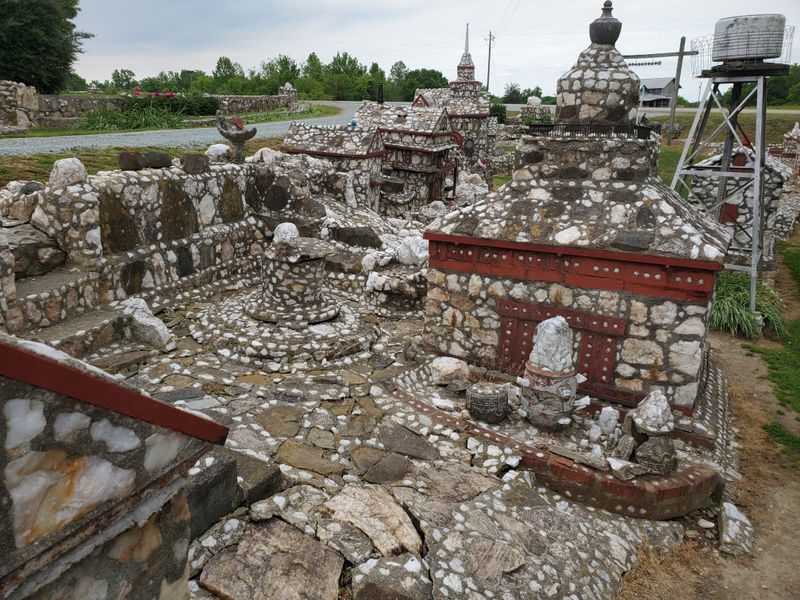
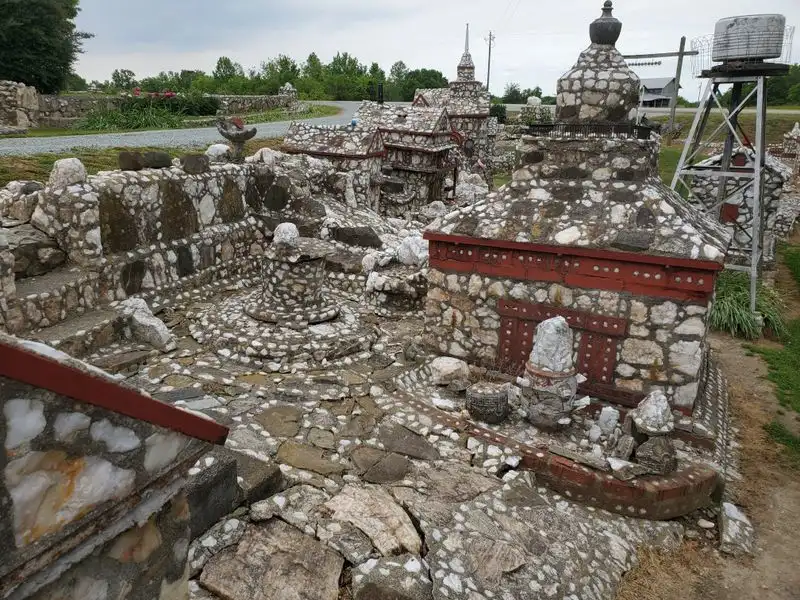
Lean in and the surface comes alive. Local fieldstones crowd together like puzzle pieces, each carrying its own color and grain.
Sunlight catches bits of quartz, and suddenly the walls shimmer as if dusted with stardust.
Look for arrowheads embedded along walkways, hints of history turned into decoration. Mortar lines weave like handwriting, revealing a rhythm to the builder’s hands.
Architectural quirks pop up everywhere, from slight arches to unexpected ledges that feel playful and sincere.
This is where photographs slow down, because every inch reveals another surprise. Let your fingers hover, tracing edges without disturbing anything.
The charm lives in the meeting of rough and careful, showing how ordinary stones can be arranged to speak in a new voice.
Hidden Corners and Surprises
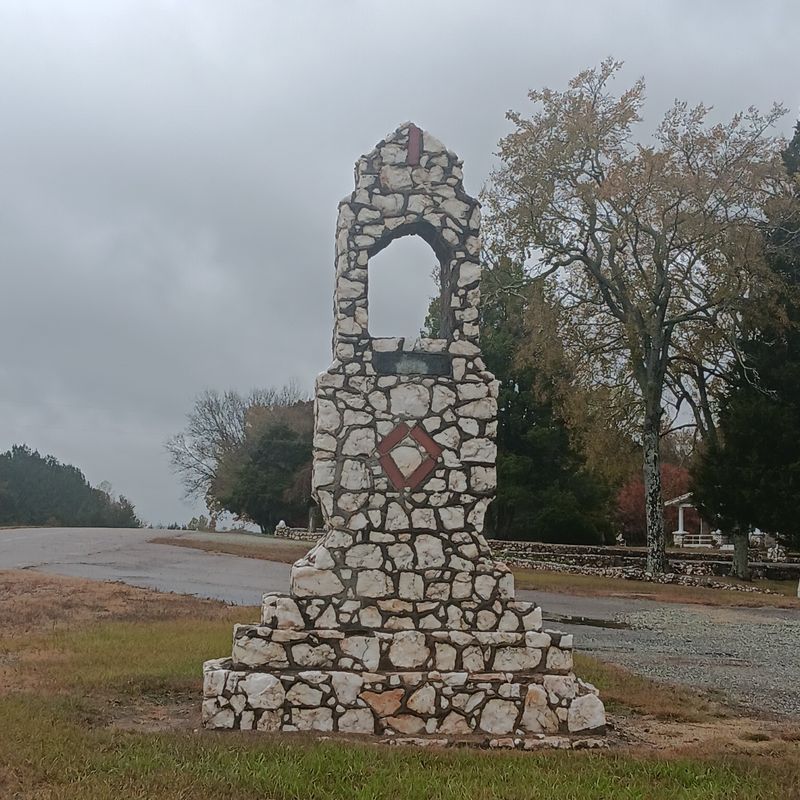
Beyond the main cluster, little corners invite detours. You might spot a tiny bridge arching over a shallow dip, or a small bench tucked where leaves gather.
These spaces feel like pauses in a sentence, giving room to breathe and wonder.
Visitors often leave small trinkets, notes, or toys, adding layers to the story. It is not curated like a museum, so offerings come and go with weather and time.
The result is a living collage of kindness and curiosity.
Take it slow and look under branches, along stone edges, and beside pathways. You will find patterns that do not shout, but whisper.
That gentle discovery is part of the magic, as if the place enjoys rewarding anyone who pays attention.
Visiting the Village
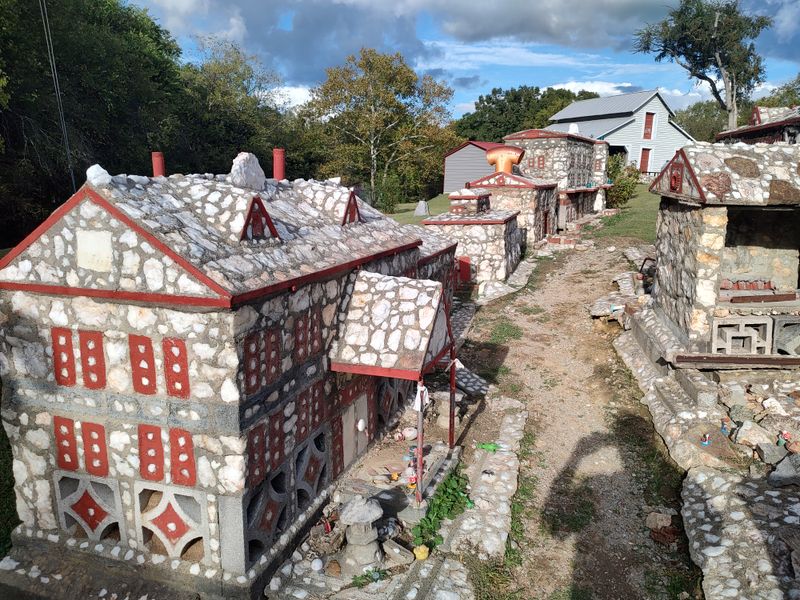
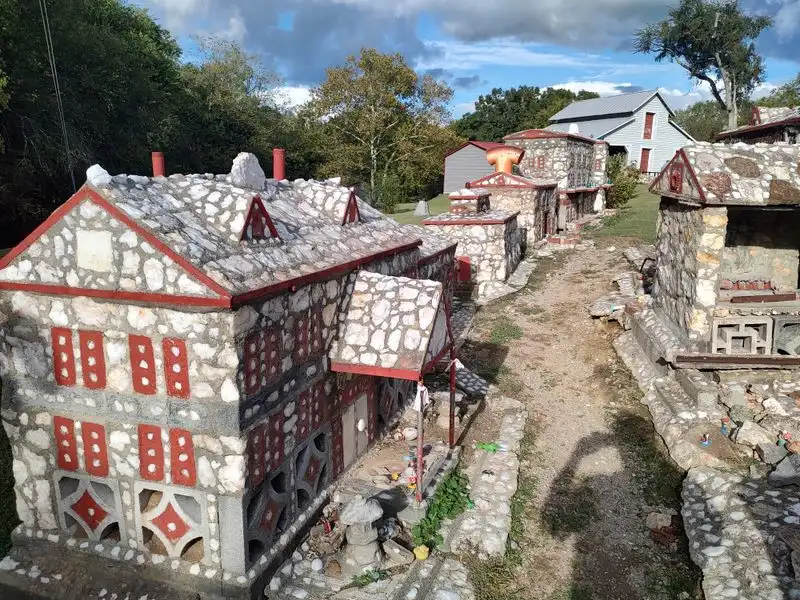
There are no tours, tickets, or schedules to juggle here. You simply arrive during daylight, park safely, and wander at your own pace.
The experience works best unrushed, letting light and shadow do their work on the stone textures.
Photographers will love morning and late afternoon when contrast softens. Keep gear light, mind your footing, and stay respectful of the grounds.
A careful step preserves the charm for the next traveler, and your photos will reflect that care.
Bring water, wear comfortable shoes, and expect to linger longer than planned. The village feels small at first glance, then expands as details unfold.
It is a place that rewards quiet curiosity and kind manners.
A Living Legacy
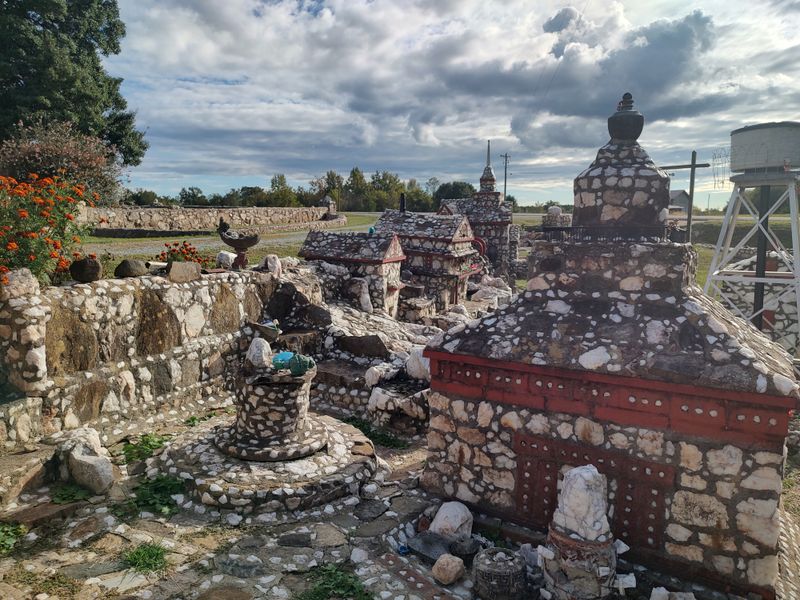
Henry Warren’s passing in 1977 did not end the story. Family and visitors continue to care for the village, quietly maintaining paths and keeping the buildings visible.
It is a shared stewardship, light but meaningful, that lets the place breathe and endure.
There is no heavy hand of restoration, only affection and attention. Weather leaves honest marks, yet the heart of the work remains strong.
You sense that the maker’s values persist here: patience, humility, and joy in making.
Folk art often fades when a maker is gone, but this village keeps gathering friends. Each careful step and gentle visit helps preserve the spirit of the builder’s dream.
That is how legacy lives, not in grand gestures, but in everyday kindness.
The Storybook Charm
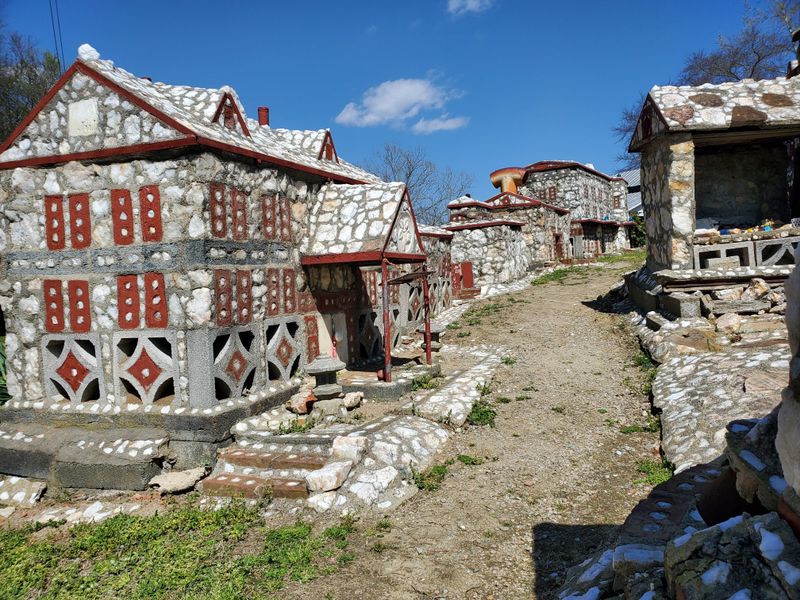
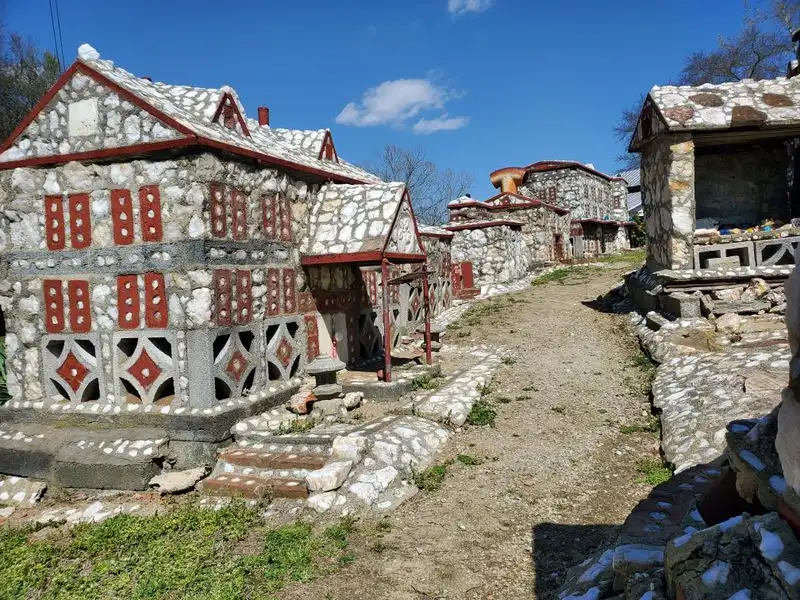
Walk the paths and it feels like a page has opened to a world you knew as a kid. The tiny buildings and winding routes invite make-believe, yet everything is solid and real.
That mix of imagination and stone grounds the day in wonder.
Small surprises pop out at every turn, from a shy doorway to a quirky roofline. Nothing is flashy, but the scene gathers warmth like a favorite bedtime story.
You are not simply observing art. You are playing inside it.
The charm is not perfection. It is the way human hands translate big ideas into small, sturdy forms.
When sunlight drifts across the roofs, it is hard not to smile at how simple materials can feel like magic.
Why It’s Worth the Trip
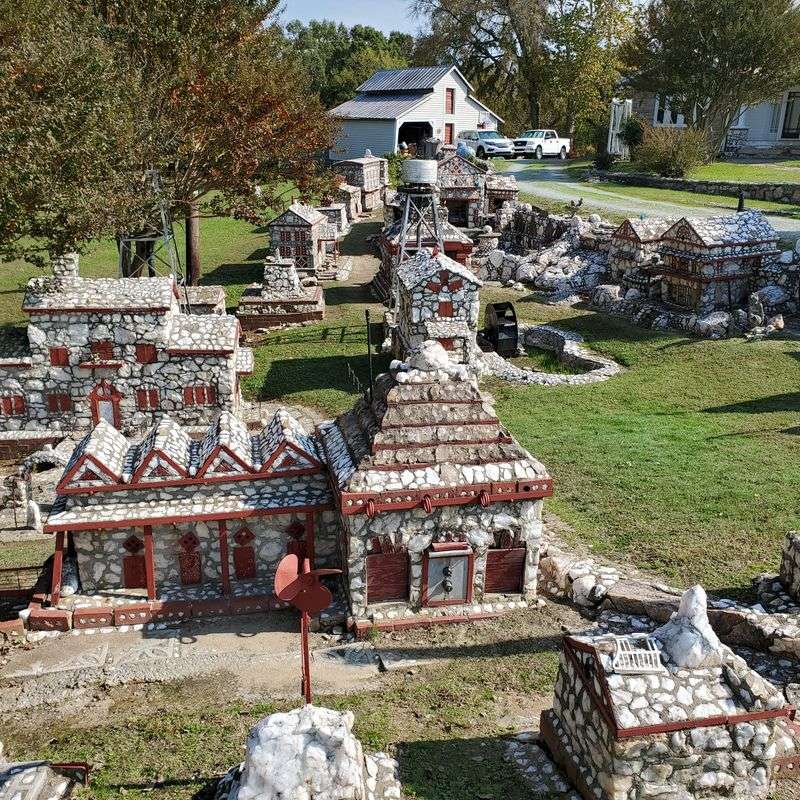
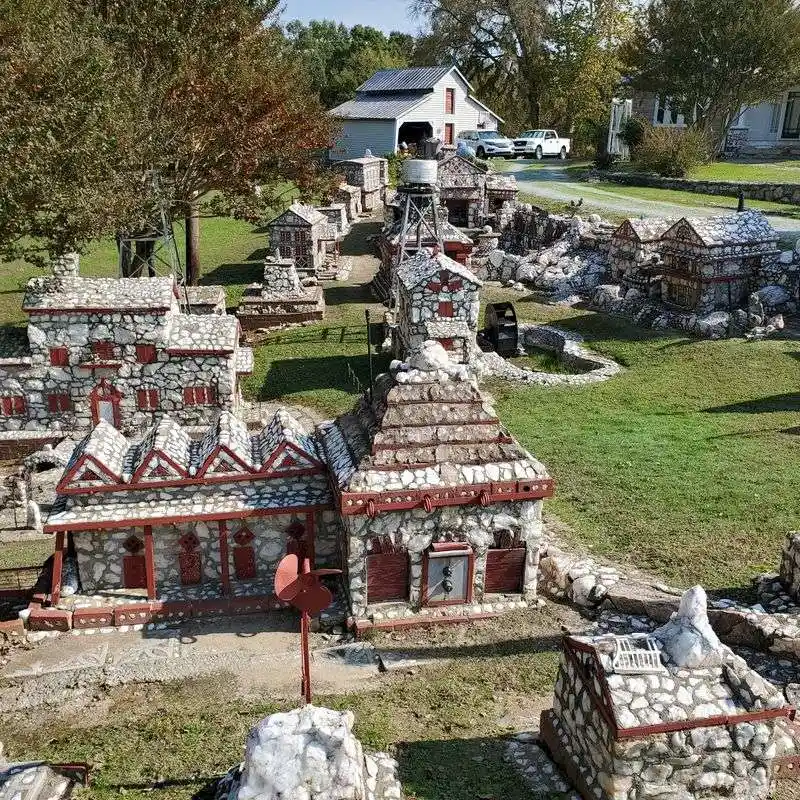
This is more than a roadside curiosity. It is a testament to creativity, patience, and how one person’s dream can shape a place.
If you love folk art, offbeat stops, or quiet beauty, this village feels like a promise kept.
The scale makes you slow down, and that is the gift. When you crouch to look closely, you also listen more carefully to your own sense of wonder.
The visit costs nothing but time, and it pays you back in presence.
North Carolina has grand landscapes, yet this tiny town of stone stands out by whispering. It reminds you that meaning does not require size, only care.
Make the detour. You will leave lighter, carrying a story that travels well.