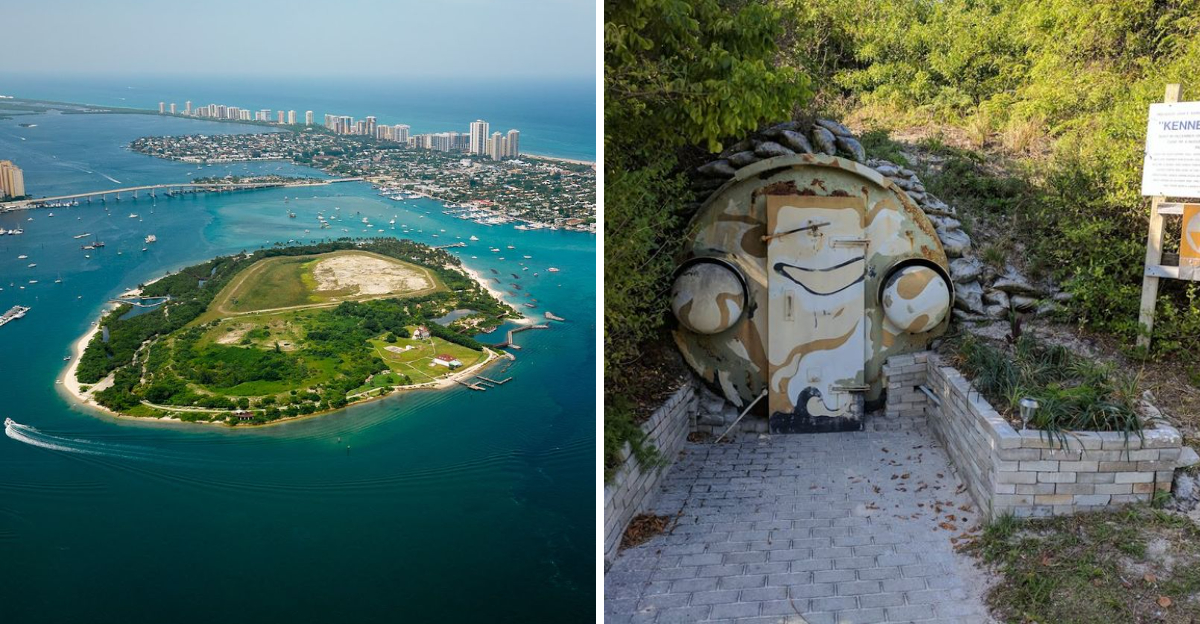
Hidden beneath the sunny beaches of Peanut Island lies one of Florida’s most fascinating Cold War secrets. Built in 1961 for President John F.
Kennedy, this underground bunker was designed to protect the nation’s leader during a nuclear attack.
While tourists now visit for snorkeling and kayaking, few realize they’re standing above a classified military shelter that once represented America’s deepest fears.
This small island near Palm Beach holds stories of espionage, emergency planning, and a time when nuclear war seemed terrifyingly possible.
The Unexpected History Behind Peanut Island
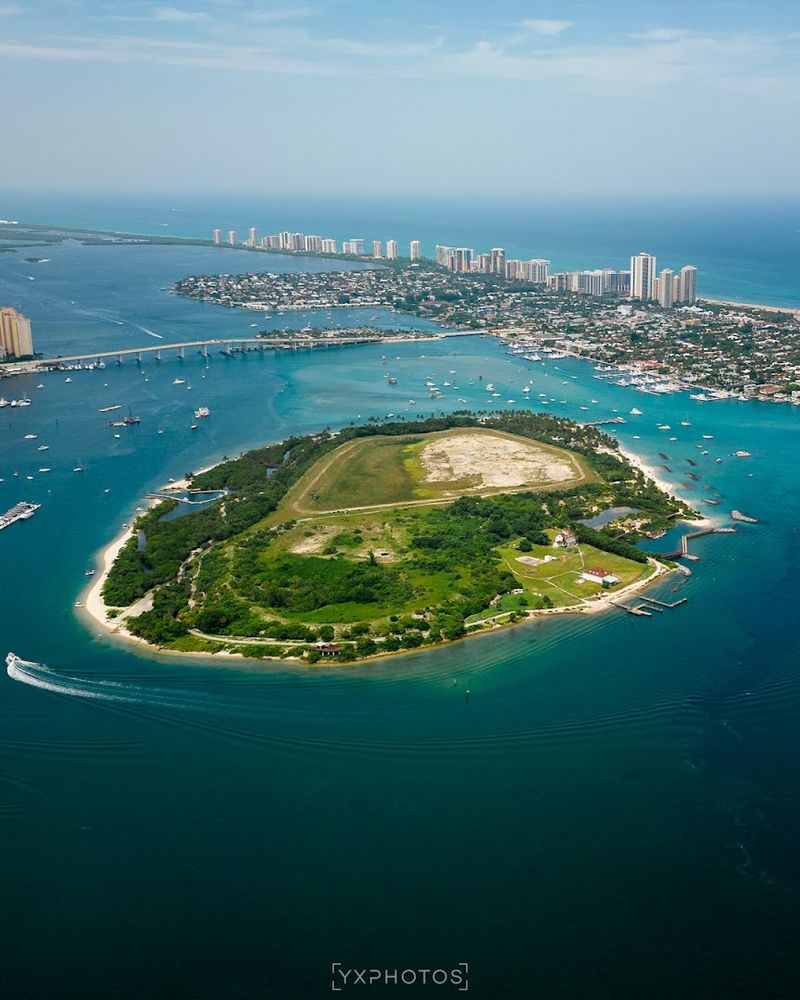
Long before nuclear bunkers and presidential secrets, Peanut Island didn’t even exist. Engineers created this 80-acre artificial island from dredged material during construction projects for the Port of Palm Beach starting in 1918.
The island got its quirky name from plans to store and ship peanut oil, though those plans never materialized.
Throughout the early 1900s, the island served various purposes including a quarantine station for arriving immigrants and a Coast Guard station. Families eventually began using it for weekend picnics and swimming trips.
By the 1950s, it had transformed into a beloved local recreation spot with a campground and beautiful beaches.
Nobody visiting for a relaxing beach day could have imagined what lay ahead. When Cold War tensions escalated in the early 1960s, government planners saw potential in this seemingly innocent island.
Its location near Kennedy’s Palm Beach winter home made it strategically valuable.
The island’s transformation from a simple leisure destination to a critical piece of national security infrastructure happened quietly. Today, that unexpected evolution makes Peanut Island one of South Florida’s most intriguing historical sites, blending tropical relaxation with Cold War intrigue.
Why President John F. Kennedy Needed A Hidden Bunker
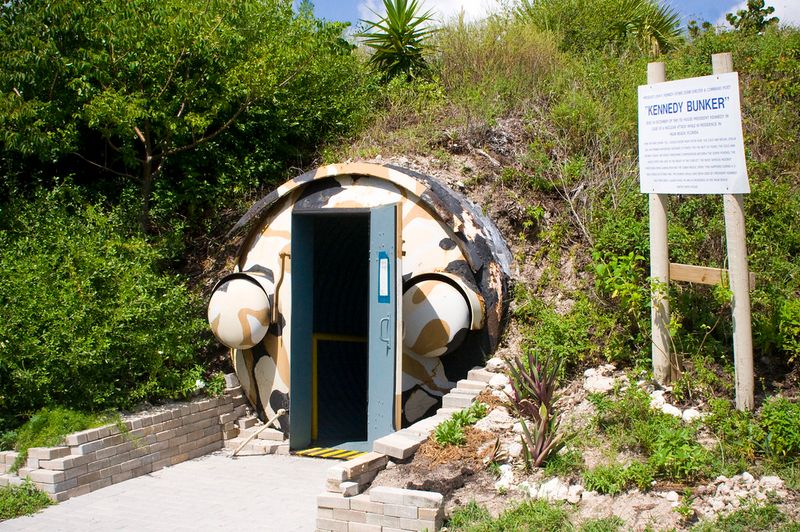
President Kennedy spent considerable time at his family’s Palm Beach estate during his presidency, making him vulnerable in a region dangerously close to Cuba. With Soviet missiles potentially minutes away from American soil, the Secret Service faced a terrifying challenge.
How could they protect the president if nuclear war erupted while he vacationed in Florida?
The answer came in the form of a classified underground shelter. Traditional evacuation plans seemed inadequate given the speed of potential missile strikes.
A secure bunker within boat distance of the Kennedy compound offered the fastest possible protection.
Consider the timing: Kennedy took office in January 1961, and construction began by December of that year. The urgency reflected genuine fear among military advisors and security personnel.
South Florida’s proximity to hostile territory transformed a vacation destination into a potential frontline.
The bunker represented more than just presidential protection—it symbolized America’s nuclear age anxieties. Families nationwide were building backyard fallout shelters, stocking canned goods, and practicing duck-and-cover drills.
If ordinary citizens needed protection, the president certainly required something far more substantial and secure for national continuity.
The Secret Construction Of “Detachment Hotel”
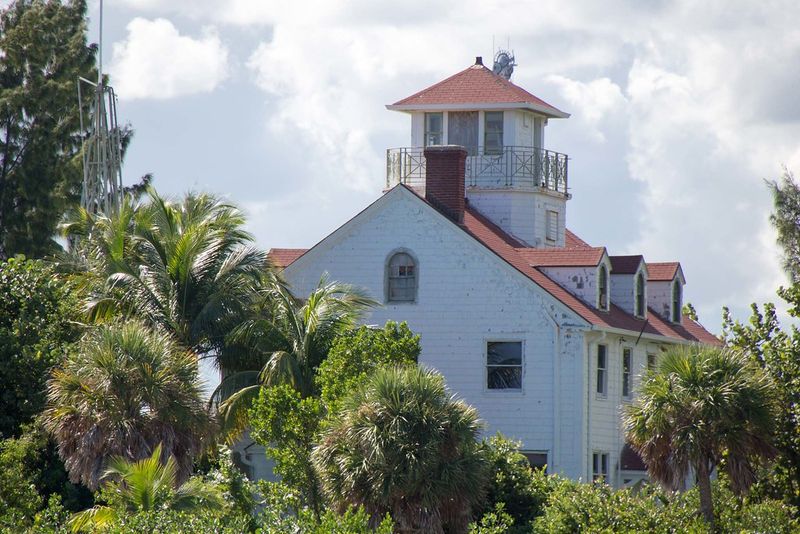
Navy Seabees arrived on Peanut Island in late 1961 with an unusual mission coded “Detachment Hotel.” Workers needed special security clearances just to participate in the construction project. Local residents noticed increased military activity but received no explanations about what was being built beneath the sand.
Construction teams worked efficiently, creating an underground facility designed to withstand nuclear blast effects. The project remained classified for years, with workers sworn to secrecy.
Even after Kennedy’s assassination in 1963, the bunker’s existence stayed hidden from public knowledge.
Engineers faced unique challenges building underground in Florida’s sandy, water-saturated soil. They constructed reinforced concrete walls and installed complex ventilation systems to prevent flooding.
The entire operation needed completion quickly while maintaining absolute secrecy.
Imagine the pressure on these construction crews—building a presidential shelter during one of history’s most dangerous periods. Every detail mattered because the president’s survival could depend on their work.
The codename “Detachment Hotel” seemed almost casual for such a critical national security project, perhaps intentionally mundane to avoid drawing attention from potential Soviet intelligence operations monitoring the area.
Inside The Underground Presidential Shelter
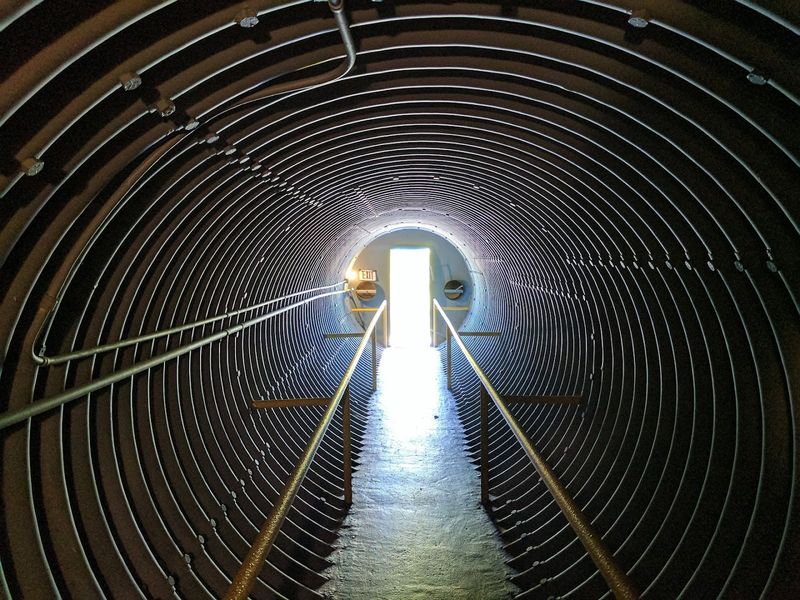
Descending into the bunker feels like entering a time capsule from America’s most paranoid era. Blast-resistant steel doors weighing hundreds of pounds guard the entrance, designed to seal out radiation and nuclear fallout.
Beyond these doors, a maze of concrete tunnels connects various rooms, each serving specific survival functions.
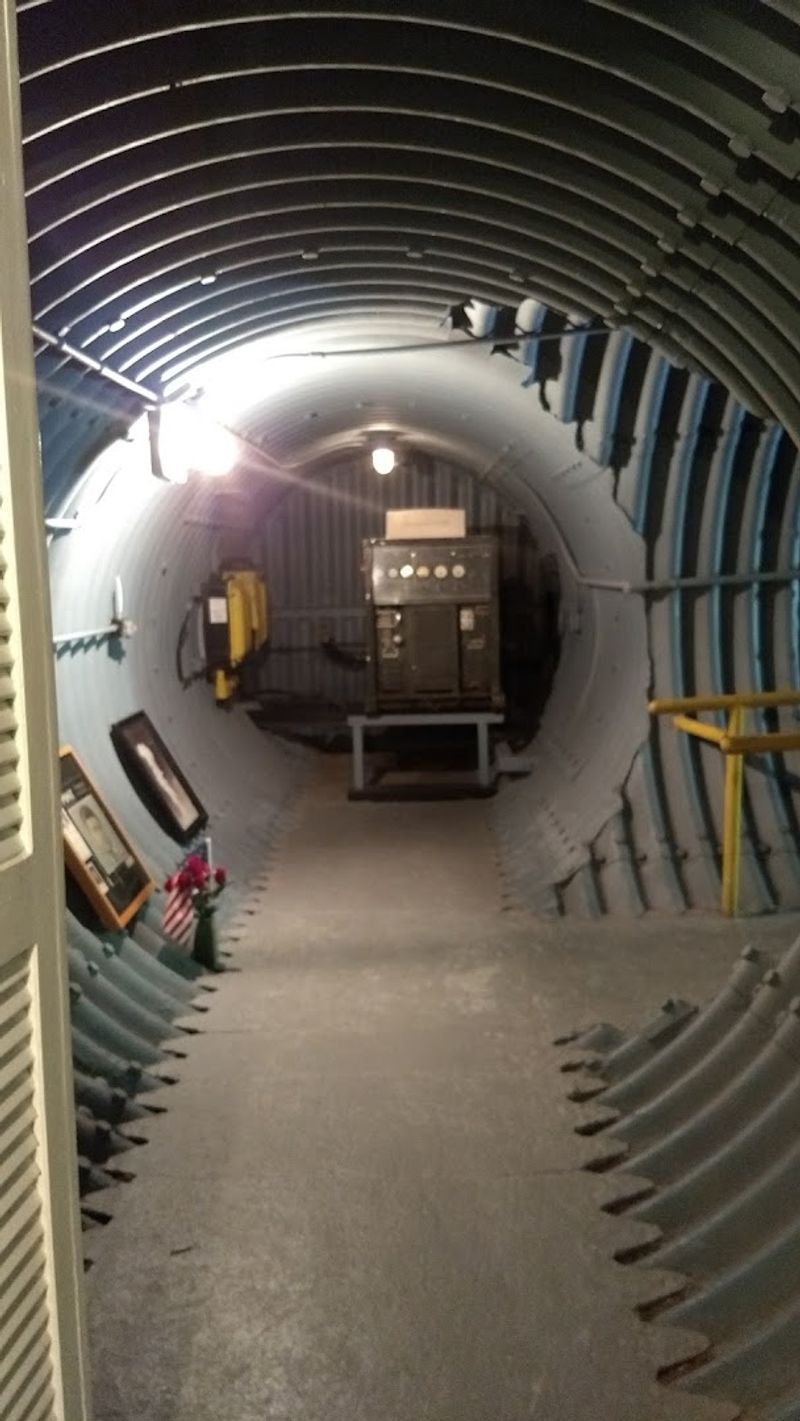
The decontamination area came first—essential for removing radioactive particles before entering living spaces. Communication equipment filled one room, allowing the president to maintain contact with military commanders even during nuclear attack.
Air filtration systems worked continuously to provide breathable air free from radiation.
Sleeping quarters offered sparse comfort with metal bunk beds and minimal personal space. Emergency supplies included food rations, water, medical equipment, and everything needed for extended underground stays.
The shelter could theoretically support the president and essential staff for up to 30 days.
Walking through these cramped spaces today, visitors struggle to imagine spending weeks underground during a nuclear crisis. The bunker feels claustrophobic and utilitarian—a stark reminder that survival, not comfort, drove every design decision.
These concrete walls represented the thin line between presidential protection and catastrophic national vulnerability.
How The Cuban Missile Crisis Shaped The Island’s History
October 1962 brought the world closer to nuclear war than ever before or since. Soviet missiles in Cuba, just 90 miles from Florida, could strike American cities within minutes.
President Kennedy confronted Soviet Premier Khrushchev in a terrifying standoff that had citizens building basement shelters and stocking emergency supplies.
The Peanut Island bunker suddenly transformed from theoretical precaution to potentially life-saving necessity. Kennedy was in Palm Beach when the crisis erupted, making the shelter immediately relevant.
Military personnel maintained constant readiness to evacuate the president to the underground facility if Soviet missiles launched.
For thirteen days in October, the entire nation held its breath. Children practiced hiding under school desks while adults watched news broadcasts with growing dread.
South Florida residents felt particularly vulnerable, knowing they’d be among the first targets if war began.
The crisis eventually ended through diplomatic negotiation, but it permanently changed how Americans viewed nuclear threats. Peanut Island’s bunker, completed just months before the crisis, represented prescient planning by security officials.
That close call with nuclear catastrophe justified every secret construction dollar spent, validating the bunker’s existence even though Kennedy never needed to use it.
The Contrast Between Paradise And Cold War Fear
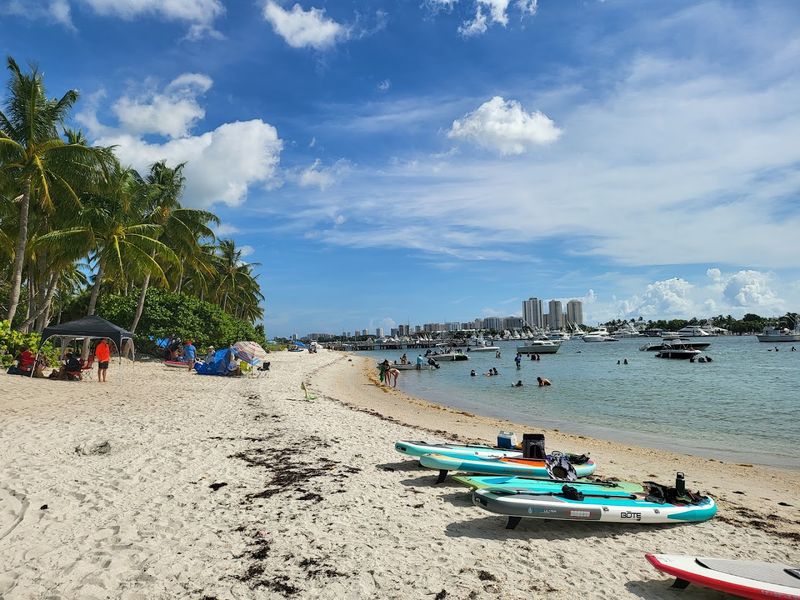
Few places on earth embody such jarring contradictions as Peanut Island today. Above ground, turquoise waters lap against white sand beaches while palm trees sway in tropical breezes.
Snorkelers explore artificial reefs teeming with colorful fish. Families spread picnic blankets under sunny skies, children building sandcastles and splashing in the shallows.
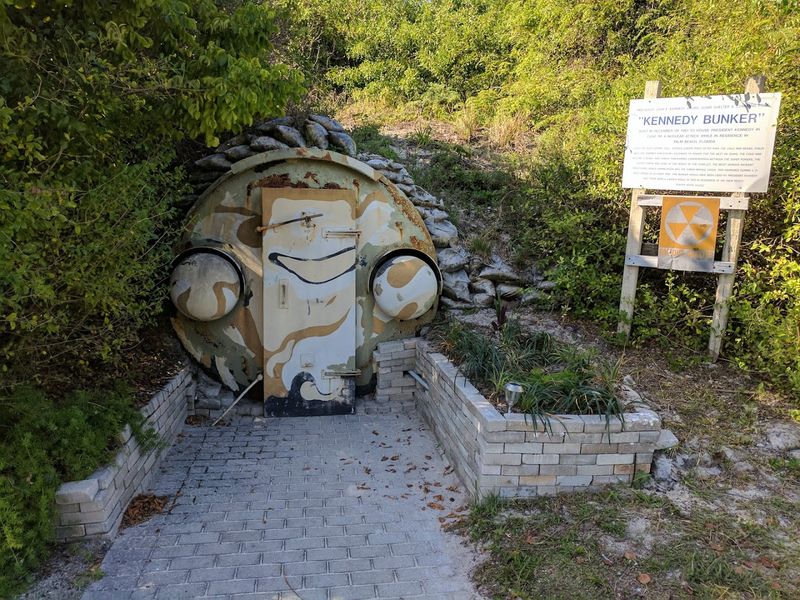
Yet beneath their feet lies a grim monument to nuclear terror. The bunker’s thick concrete walls and blast doors tell stories of a darker time when annihilation seemed imminent.
This contrast between paradise and paranoia makes the island uniquely compelling.
Visitors often express surprise at this juxtaposition—how can such a beautiful place harbor such sinister history? The answer reveals much about Cold War America.
Even in paradise, fear reached deep underground. No location seemed safe enough, no bunker secure enough, no precaution excessive enough.
This duality makes Peanut Island profoundly thought-provoking. Today’s peaceful atmosphere stands in stark relief against its frightening past.
The island reminds us how quickly circumstances can transform, how beauty and terror can coexist, and how historical memory preserves stories that seem almost unbelievable when surrounded by such natural beauty.
The Military And Security Role Of Peanut Island
Geography made Peanut Island strategically perfect for presidential protection. Located directly across from the Kennedy compound, the island offered quick boat access in emergencies.
The Palm Beach Inlet provided controlled maritime approach routes, making security easier to manage than inland locations.
The island already hosted a Coast Guard station, meaning military presence wouldn’t raise suspicions. Existing government infrastructure provided cover for additional security installations.
Controlled access—reachable only by boat—naturally limited who could approach the island.
During the Cold War, military planners obsessed over such details. Every potential nuclear target needed evacuation plans and survival options.
Presidential security required multiple layers of protection, alternative locations, and rapid response capabilities. Peanut Island checked every box.
The island’s role extended beyond just Kennedy’s protection. It served as a focal point for broader South Florida defense planning during heightened Cold War tensions.
Military exercises occasionally used the island, and security forces maintained constant readiness. Even Coast Guard operations took on added significance given the island’s classified purpose.
This strategic importance lasted decades, with the island remaining under various levels of security protocols long after Kennedy’s death. Only when Cold War threats finally diminished did the bunker’s military significance fade, allowing eventual public access.
What Happened To The Kennedy Bunker After The Cold War
Following Kennedy’s 1963 assassination, the bunker lost its primary purpose but remained classified. Successive presidents never used the facility, though it theoretically stayed available for emergency presidential protection.
Military personnel occasionally inspected and maintained the underground structure, keeping it functional despite declining relevance.
Decades passed before the government finally declassified the bunker’s existence. Public fascination immediately followed these revelations.
Historians and curious citizens wanted to see this hidden piece of Cold War history. Palm Beach County eventually gained control and recognized the bunker’s tourism and educational potential.
Restoration efforts began to transform the deteriorating military shelter into a public historical site. Workers repaired concrete damage, restored original equipment where possible, and installed interpretive displays explaining the bunker’s history.
Tours began offering visitors unprecedented access to presidential Cold War preparations.
However, maintaining an underground structure in Florida’s harsh environment proved challenging. Salt air, humidity, and water infiltration caused ongoing deterioration.
The bunker has periodically closed for additional restoration work, with preservation efforts continuing to balance historical authenticity against structural necessity.
Today, the bunker serves as a fascinating museum piece, teaching new generations about Cold War fears that shaped American life for decades.
Visitor Information And What To Expect Today
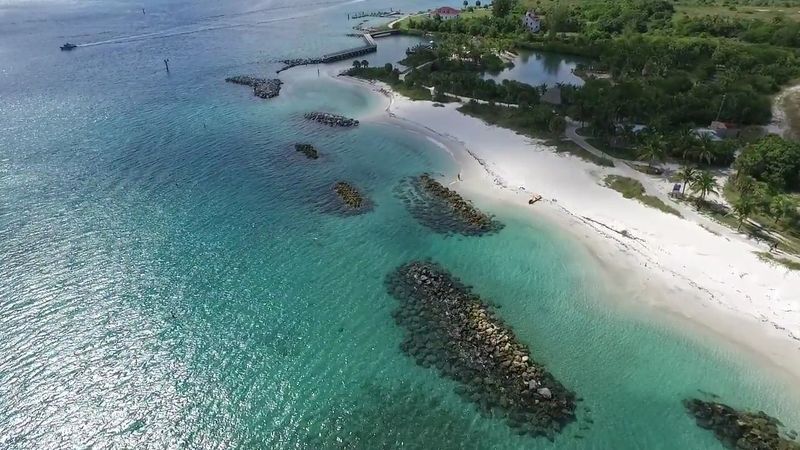
Modern Peanut Island welcomes visitors seeking both recreation and history. The 80-acre park offers something for everyone—from history buffs exploring Cold War remnants to families enjoying water activities.
Camping facilities provide overnight stays, with beachfront sites offering stunning sunrise views over the Atlantic Ocean.
The snorkeling trail remains exceptionally popular, featuring an artificial reef where tropical fish congregate. Crystal-clear water provides excellent visibility for observing marine life.
Kayakers enjoy paddling around the island’s perimeter, often spotting dolphins and manatees in surrounding waters.
Walking trails circle the island, offering scenic views and peaceful exercise opportunities. Picnic areas equipped with tables and grills accommodate family gatherings and group outings.
The beaches provide spaces for swimming, sunbathing, and beach games away from crowded mainland shores.
The Kennedy bunker’s tour availability varies due to ongoing preservation needs. When open, guided tours provide fascinating insights into Cold War history and presidential protection efforts.
Even when tours aren’t available, historical markers around the island explain its unique past.
Ferry service from Riviera Beach provides convenient access for those without boats. Rental facilities nearby offer kayaks and paddleboards.
Visitors should bring water, snacks, and sun protection, as island facilities remain minimal by design, preserving its natural, unspoiled character.