

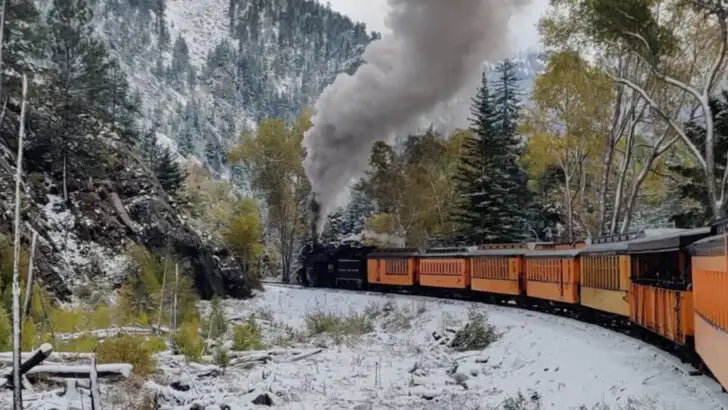
This isn’t a train ride — it’s a full-body time jump wrapped in steam and steel. The Durango & Silverton Narrow Gauge Railroad pulls you straight into Colorado’s high-country drama, where mountains crowd the tracks and history refuses to stay quiet.
One whistle blast and the modern world loosens its grip.
Settle into your seat as the engine leans into wild terrain. Cliffs rise.
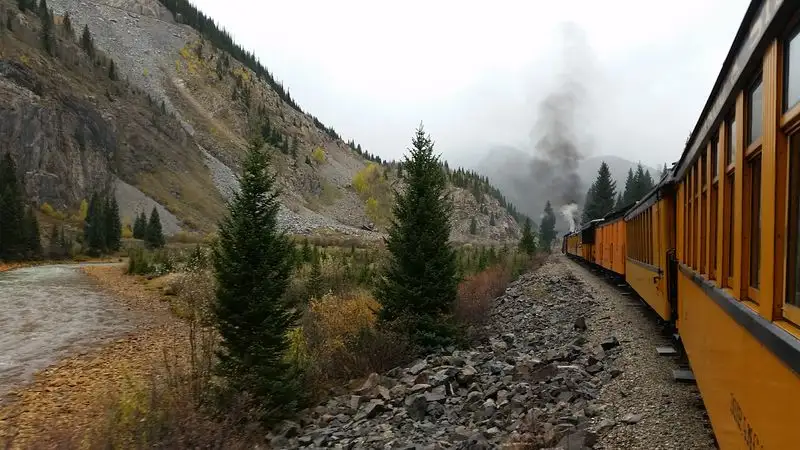
Rivers flash below. Pines rush past so close you can almost brush them with your sleeve.
Every curve reveals another mining town memory, another view that demands silence and a long look.
Steam curls through open windows while wheels hammer the rails. You feel the grade.
You hear the strain. This is travel you don’t scroll through — it rattles your bones and earns your attention mile by mile.
By the time Silverton appears, the spell is complete. You didn’t just see Colorado.
You rode through its beating heart.
Origins of an 1880s Mountain Lifeline
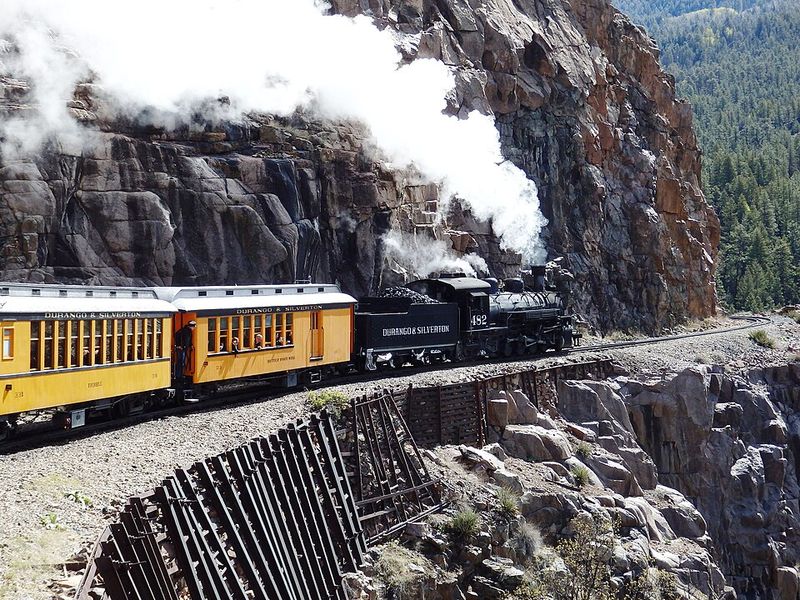
Long before selfies on open gondola cars, this railroad hauled silver ore, timber, and dreams through Colorado’s San Juan Mountains. Chartered in the early 1880s, the narrow gauge allowed tighter curves and lighter infrastructure, threading canyons that standard tracks could not handle.
You ride today on rails forged for grit and survival, where each mile once meant wages paid and towns supplied.
Think about the engineering daring required to cling to cliff faces while steam plumes mingled with alpine air. Crews carved ledges over the roaring Animas River, then spiked track that still serves your journey.
Even the depots and water towers echo the cadence of work whistles and the steady rhythm of pistons.
When you settle into your seat, you are not just sightseeing. You are participating in a continuum that kept Durango alive and linked Silverton to the world.
The locomotive’s exhaust writes temporary clouds, but the line’s story feels permanent.
Let the conductor’s punch on your ticket mark a passage through time. Listen for wheel flanges singing on curves that shaped Colorado history.
This is more than a tour. It is the mountain lifeline that never stopped breathing.
Durango Depot: Gateway to Steam and Story
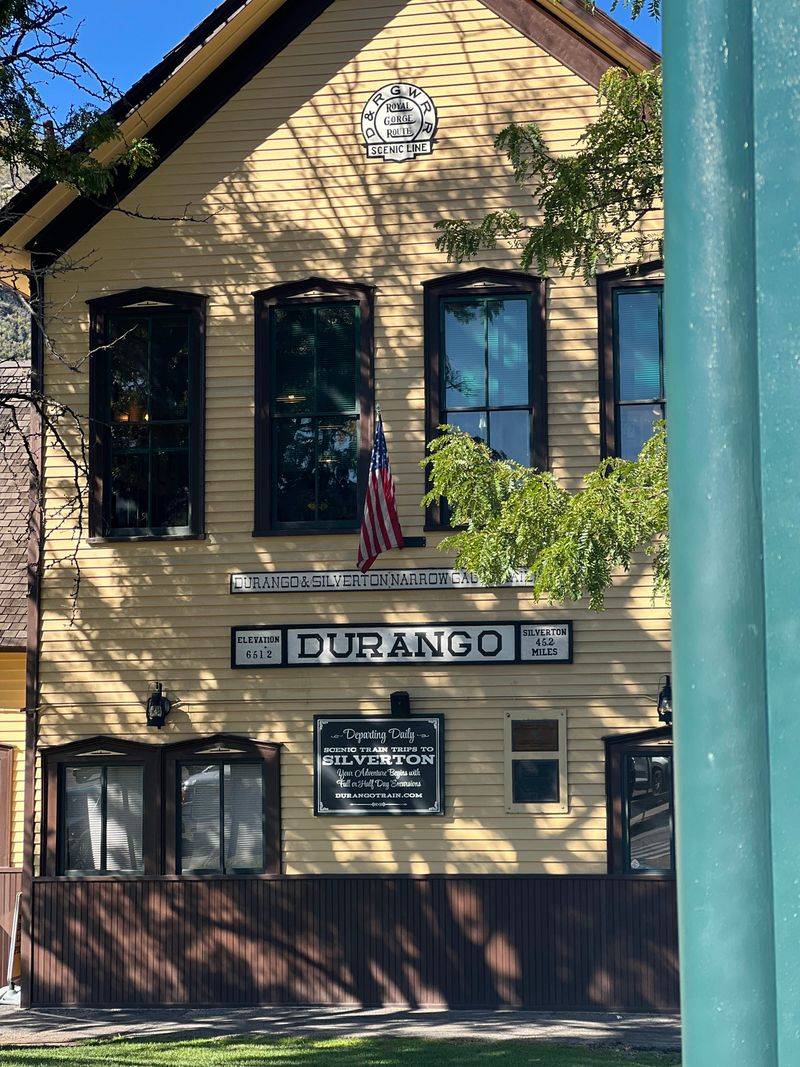
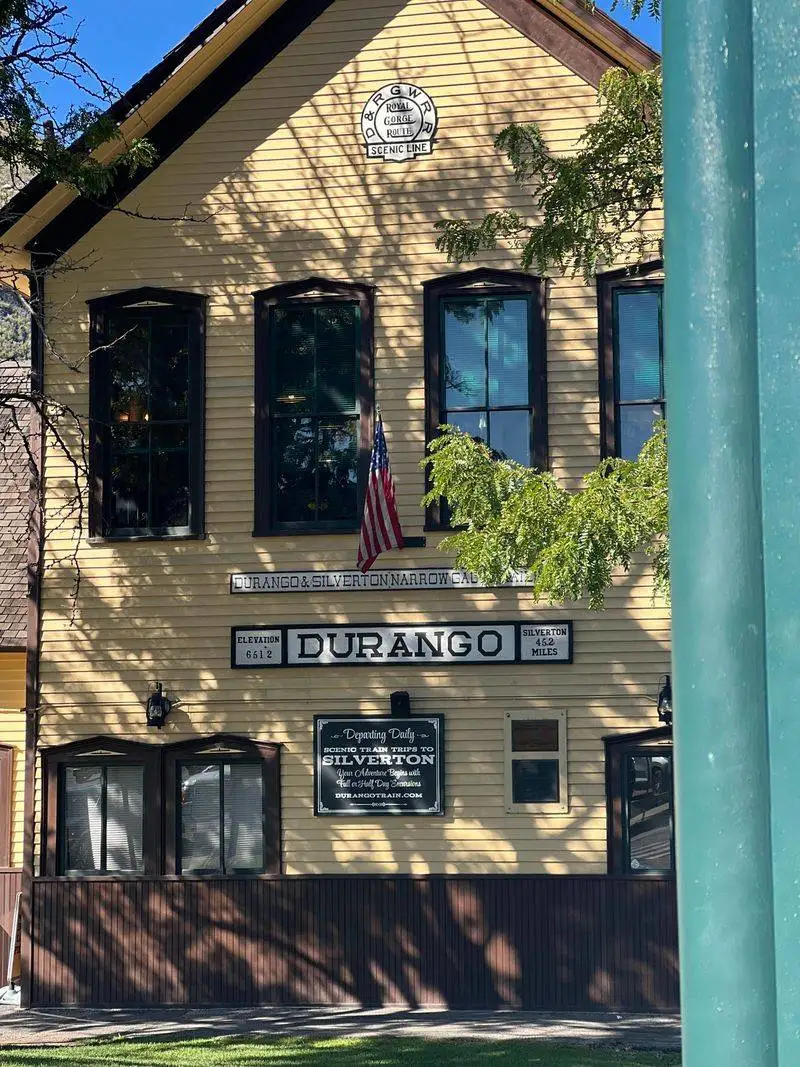
Start at the Durango Depot, where brickwork, timetables, and polished brass set the tone for your day. The platform hums with anticipation as crews prep coaches and refill supplies, echoing a century of departures.
Step inside the museum rooms to find artifacts, route maps, and photographs that introduce names you will soon see on mileposts.
Tickets in hand, wander past the roundhouse windows to watch mechanics tend to locomotives with oil cans and wrenches. You smell coal smoke and hear low hisses that feel like the engines waking up to greet you.
It is industrial poetry, intimate and purposeful.
Outside, the river murmurs, horseshoe curves await, and mountain light sharpens every edge. Grab a coffee and scan your car options, from enclosed coaches to open air gondolas made for photographers.
Your choice shapes how the day’s wind, scent, and sound will meet your senses.
Before boarding, look back at the depot’s clock and imagine departures layered across decades. You are joining a line of travelers that includes miners, families, and presidents.
When the whistle calls, step forward. The gateway becomes a moving stage where history plays in real time.
The Animas River Gorge: Rails Above Wild Water
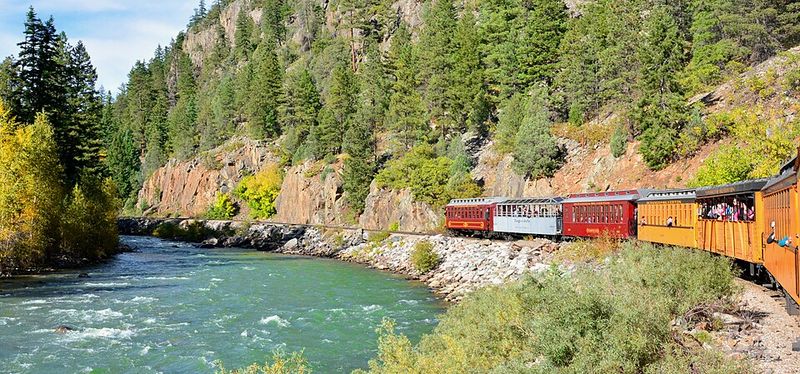
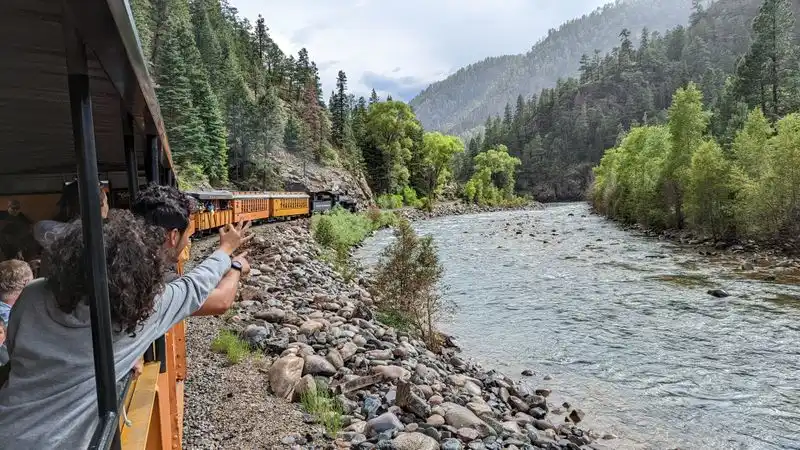
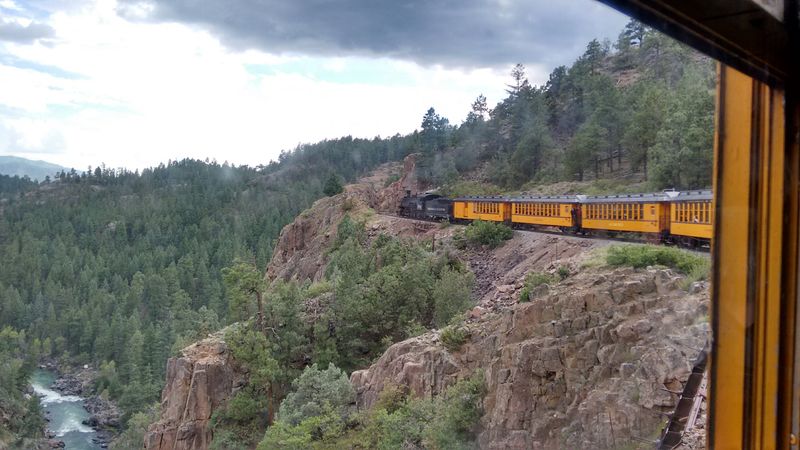
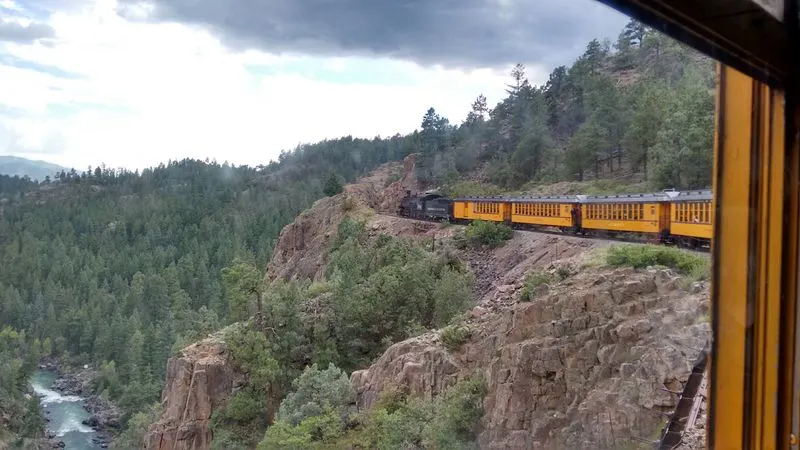
Once the train leaves town, it eases into the Animas River gorge where steel rails balance above whitewater. You will see frothing rapids below and granite walls rising close enough to study their scars.
The narrow gauge geometry becomes clear, with tight curves that make your car swing like a slow waltz.
Photographers love the high line section where the cliff face drops into blue green water. Timbers and rock cuts whisper about hand drills, blasting powder, and pick strikes from a century ago.
Keep your eyes open for anglers and rafters who wave as the locomotive thunders past.
The soundtrack changes constantly. Wheels squeal lightly on curves, the whistle echoes off canyon walls, and river sounds braid into steam bursts.
Even on calm days, the scene feels kinetic, your senses pulled between sky and foam.
Look for waterfalls weeping from ledges and eagles circling thermals. Your camera will want wide shots, but do not miss close textures like lichen on ties.
This is the railroad’s signature theater. A hanging ribbon of steel that performs above unstoppable water.
Steam Power Up Close: Locomotives That Breathe
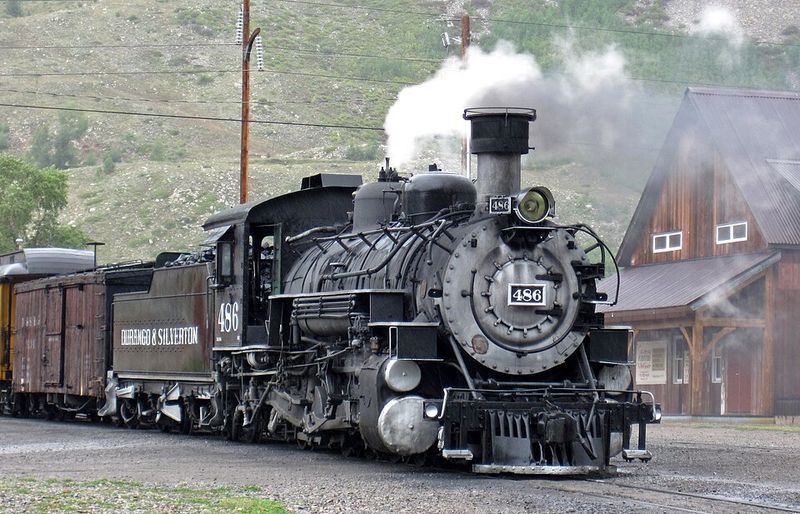
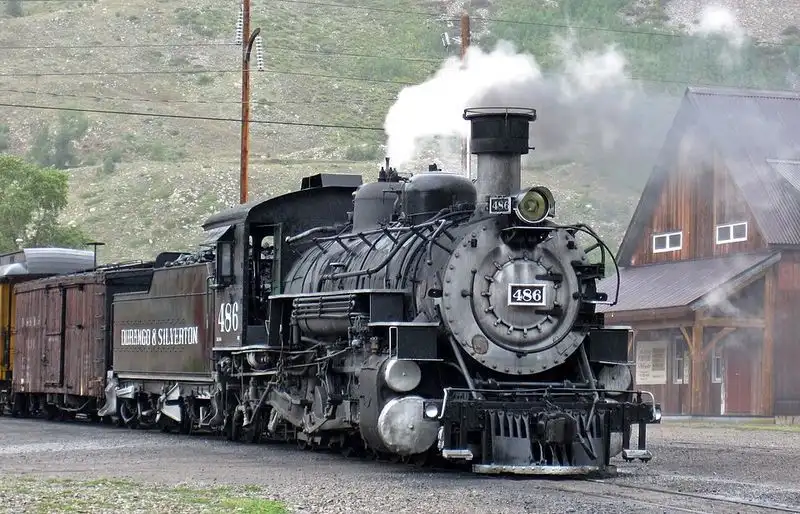
Watching a K class locomotive at work is a masterclass in living mechanics. Connecting rods flash, valves chatter, and each exhaust beat feels like a heartbeat you can count.
You will spot soot on cab windows and polished handrails where crews have leaned for decades.
Stand near the tender and you will smell coal dust and hot oil, a signature perfume for rail fans. The firebox door glows like a small sunrise whenever the fireman throws a shovel.
Steam drifts around the drivers, turning sunlight into shifting veils.
Ask questions when the crew has a moment. They are generous with details about boiler pressure, grades, and braking technique on mountain descents.
You will learn how water stops protect the crown sheet and why injectors sing their metallic song.
As the locomotive pulls away, notice the slack run out through the train, then tighten into steady motion. The choreography is precise, built on muscle memory and feel.
You are watching craft, not just machinery. Steam here is still a living language.
Seasons on the Line: Winter Sparkle to Autumn Gold
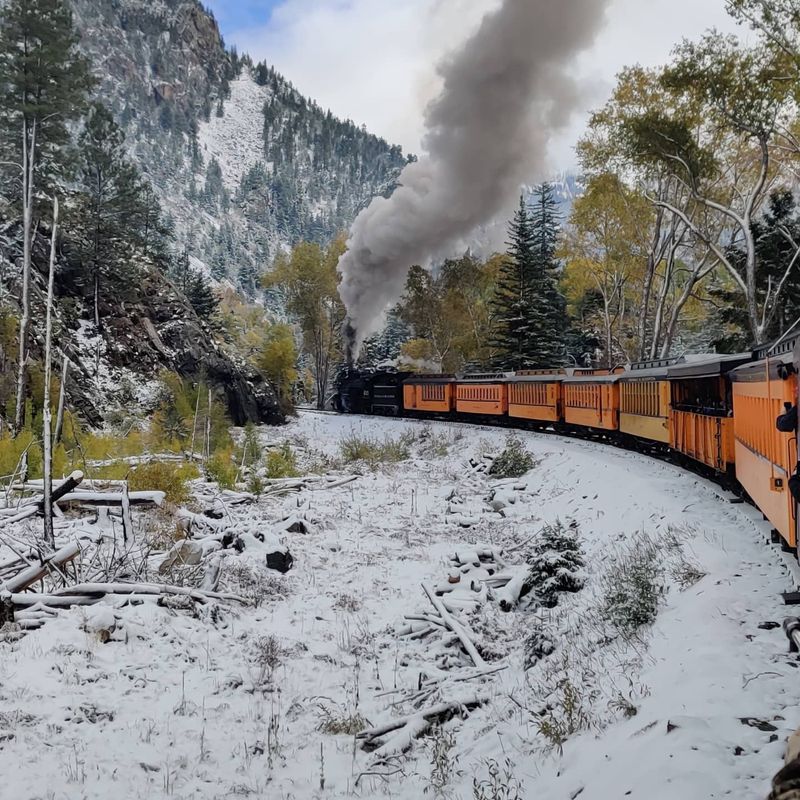
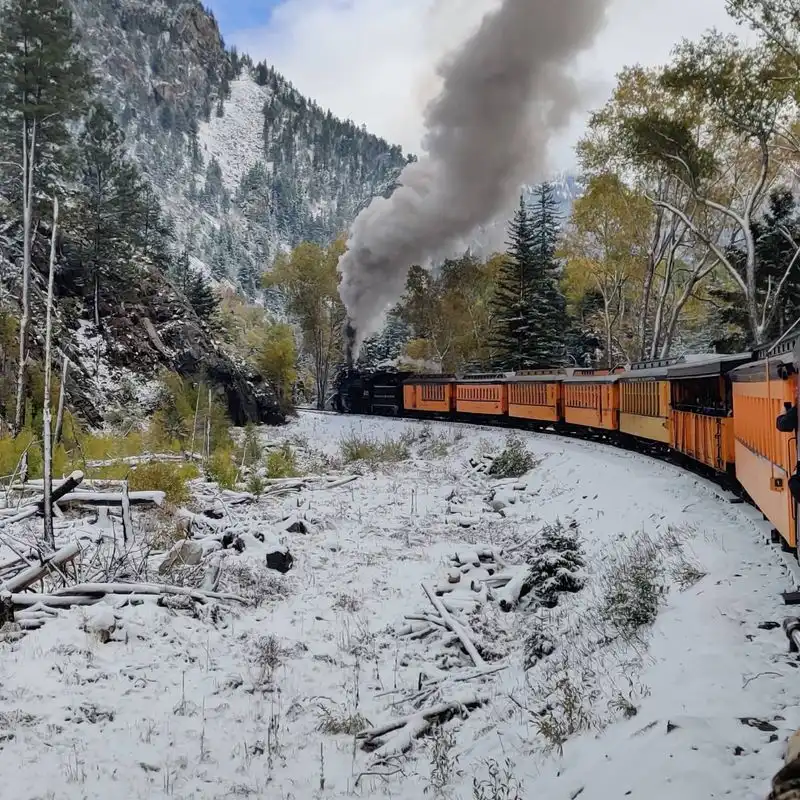
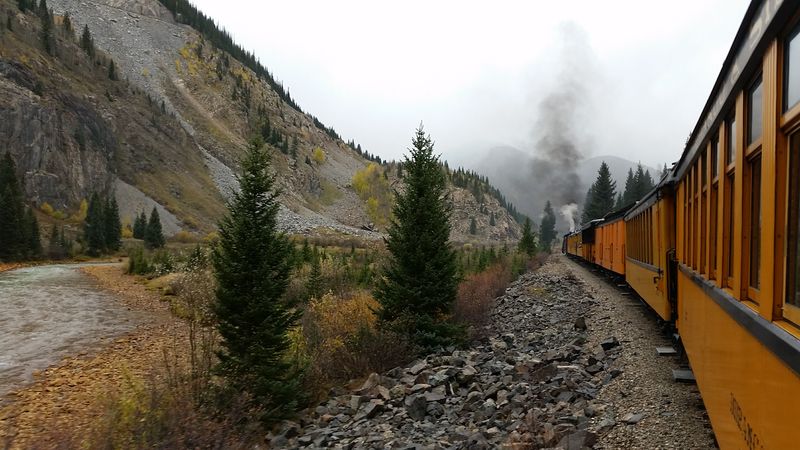
Every season reshapes this ride, so timing matters if you are chasing a certain mood. Winter trains glide past frosted pines where breath and steam blend into silver haze.
Spring brings runoff thunder on the Animas with willows leafing bright chartreuse along the banks.
Summer offers long light that paints canyon walls in warm tones and keeps photographers busy through golden hour. Open gondolas feel like balconies on a moving lodge, breezes salted with coal smoke.
Bring layers because mountain weather can flip from sun to chill quickly.
Autumn is pure theater, with alpine meadows glowing gold and orange under perfect blue. The contrast against black locomotives makes every shot pop.
If you love larches and aspen, this is your festival on rails.
Holiday runs add lights, music, and cocoa that turn the trip into a cozy tradition. Regardless of month, you will find a fresh personality in the same bends and bridges.
Return rides become rediscoveries. The calendar is your palette, and the railroad is the brush.
Silverton Arrival: High Alpine Time Capsule
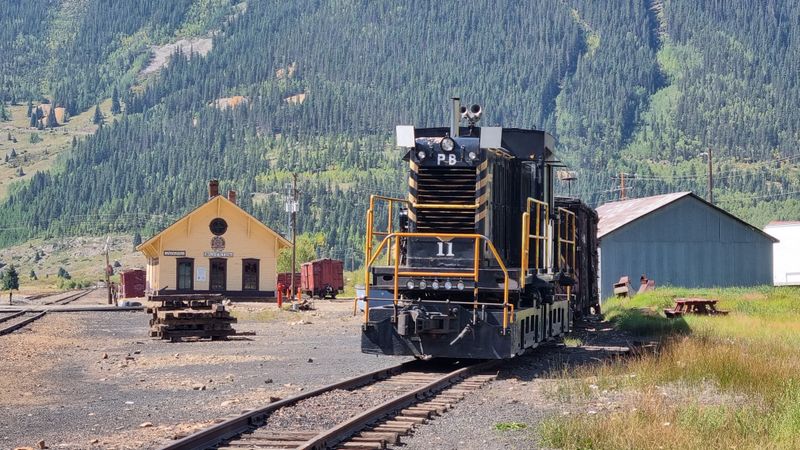
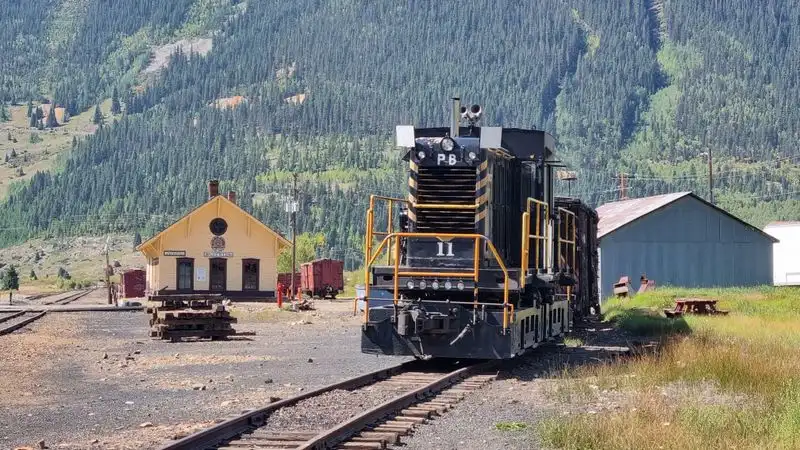
Rolling into Silverton feels like stepping into a preserved chapter, framed by peaks that hold their snow late. The streets are dusted with mining lore, boardwalks creak, and storefronts glow with old photographs.
You can stretch your legs, grab a bite, and feel altitude sharpen the appetite.
Colorful facades tell stories of booms and busts while the depot anchors the scene with steady purpose. You will hear bells, laughter, and clinking plates as fellow passengers compare views.
This pause is part of the rhythm, a midpoint where mountain air resets your senses.
Browse shops for local crafts or wander toward old headframes and interpretive signs. If clouds build, watch them tumble over ridges like slow surf.
The train’s presence threads Silverton’s past to your present, creating a lived museum without velvet ropes.
When the whistle calls for reboarding, look back at town against the amphitheater of summits. The return journey reframes everything you missed on the climb.
You are not finished, just turned around. Silverton hands you back to the rails with pockets full of mountain color.
Open-Air Gondolas: Best Seats for Big Views
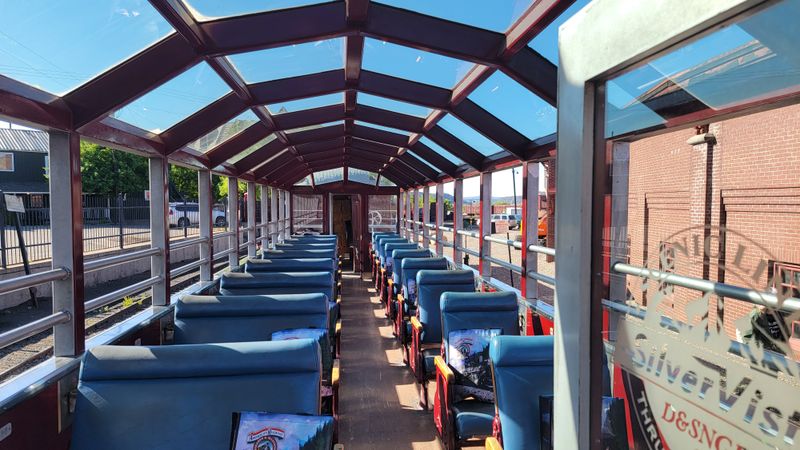
If you want the wind in your hair and unobstructed shots, choose an open air gondola. These cars trade windows for waist high railings, so your camera can frame river bends and cliffside ledges clean.
You will feel every microclimate shift as the route climbs.
Bring sunglasses, a hat with a chin strap, and a cloth for occasional cinders. Coal burners share souvenirs, and that grit becomes part of the story.
Standing at the car end adds leading lines that make photos sing.
Conversation comes easy out here, with travelers swapping tips on angles and shutter speeds. When the whistle echoes, it feels physical, a sound that arrives with the breeze.
You are not separated from landscape. You are inside it.
On cooler days, pair layers with a thermos and treat the car like a porch on rails. The conductor will still pass through to check tickets and share notes on landmarks.
Choose gondolas for immersion over comfort. The trade pays back in memory and images.
Practical Planning: Tickets, Seats, and Timing
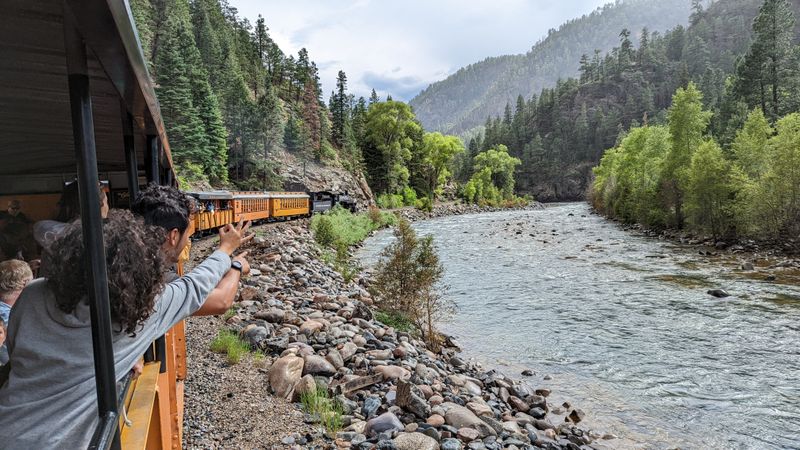
Popular departures sell out, so book early if you want a specific car class or seasonal special. Morning light favors the outbound climb, while afternoon shadows dramatize the return.
Shoulder seasons can deliver fewer crowds and golden landscapes without mid summer heat.
Seat selection matters. Window seats in enclosed coaches are cozy, but gondolas win for photography.
If mobility is a concern, check boarding assistance and choose cars closest to facilities.
Pack layers, sunscreen, and water because altitude dries you faster than you expect. Snacks help on longer runs, though Silverton offers hearty options at the turnaround.
Keep your ticket accessible for the conductor’s quick checks.
Parking near the Durango Depot fills quickly on peak days, so arrive early or consider rideshare. Build buffer time for photos at the platform and the roundhouse museum.
Good planning lets spontaneity breathe on board. Then the day flows as smoothly as polished rails.
Safety and Comfort on Mountain Rails
This is a mountain railroad with real exposure, so basic awareness keeps the day easy. Always stay behind railings in open cars and secure loose items that wind can lift.
Follow crew instructions at stops and never step off except where invited.
Cinders are part of steam life, so eye protection helps when the breeze shifts. Wear closed shoes for stability as the train sways, and keep hands clear of passing vegetation.
Hydration and layers remain your best allies for altitude and changing weather.
Motion can surprise on tight curves and grades. Hold rails when moving between cars, and give children a buddy system.
You will relax more when everyone knows the simple rhythms of onboard safety.
For comfort, consider ear protection for little ones during whistle bursts. Pack a light blanket in shoulder seasons and a phone lanyard for photos.
Comfort grows from small habits. Then all your attention can ride the scenery.
Why This Railroad Still Matters
Some attractions fade after a single visit, but this line keeps deepening the more you ride. It preserves working steam knowledge, protects access to a wild canyon, and sustains local economies in Durango and Silverton.
Every whistle you hear funds track maintenance and living skills that might otherwise vanish.
Heritage does not mean static. Crews innovate with safety upgrades, seasonal schedules, and interpretive programs that meet travelers where they are.
You will notice modern care supporting vintage soul, a blend that feels respectful and honest.
The train also connects generations. Kids count trestles while grandparents remember their first engine cab.
Shared wonder turns into family lore, and that continuity outlasts souvenirs.
When the locomotive eases to a stop, you will carry a new awareness of time measured in miles and gradients. That awareness changes how you see Colorado itself.
This railroad matters because it makes history audible. And it keeps the mountains close enough to touch.