

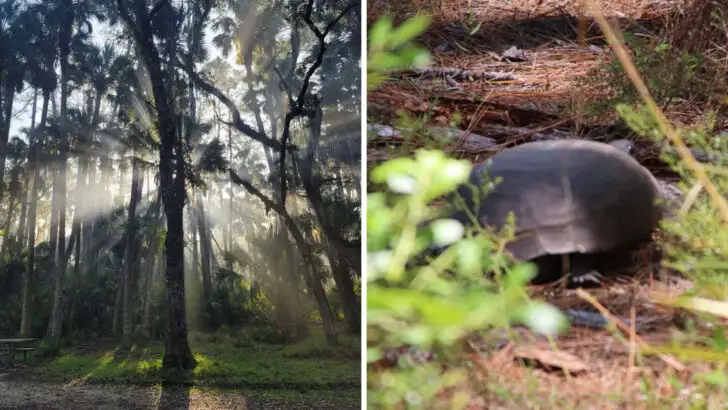
Most Florida adventures don’t end 2,000 years in the past — this one does.
Hontoon Island State Park hides in plain sight, floating quietly along the St. Johns River while the rest of Florida rushes by.
No crowds. No noise. Just a ferry ride and the feeling that you’re slipping off the modern map.
The trail doesn’t shout for attention. It pulls you in slowly. Shade thickens. The air cools. Footsteps soften. Then, without warning, the forest gives way to something ancient.
At the end waits a massive shell mound — built by human hands long before roads, cities, or even written history touched this place.
You don’t just reach a viewpoint here. You arrive at a moment that refuses to disappear.
A Hidden Corner of Old Florida
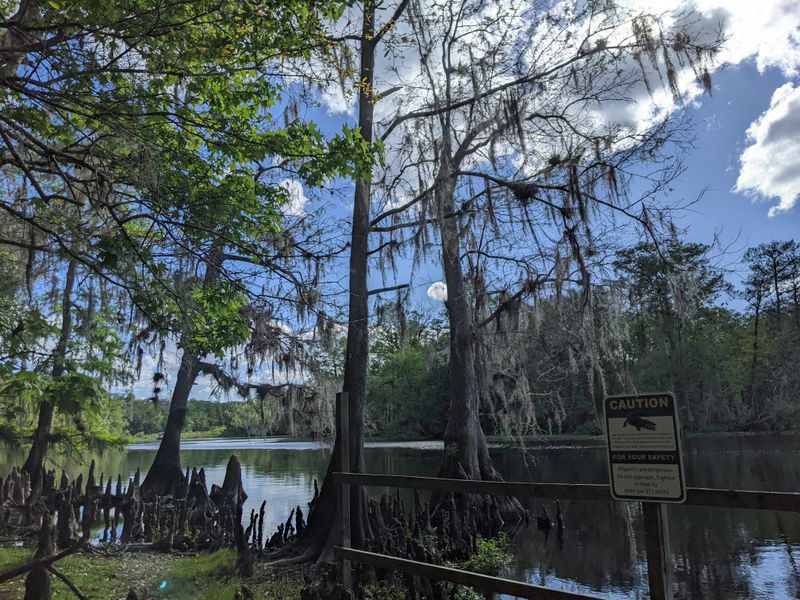
The first thing you notice is the hush, like the island has agreed to keep your secrets. Cypress knees nudge the shoreline, and the river moves as if it knows you are watching.
The park is not flashy, yet it feels like a door to an older Florida you probably hoped still existed.
What makes Hontoon Island so compelling is the blend of simple comforts and deep time. There is shade where you want it, benches where you need them, and birds that act like they have seniority.
Take a few steps off the dock and you sense you are walking through layers, not just along a path.
I like places that reward curiosity, and this one does it without fuss. Trails are modest, but their stories are not.
By the time you reach the ancient shell mound, the quiet has done its job, and your thoughts feel sharpened by the forest, the water, and the long memory of the land.
Where Hontoon Island Is Located
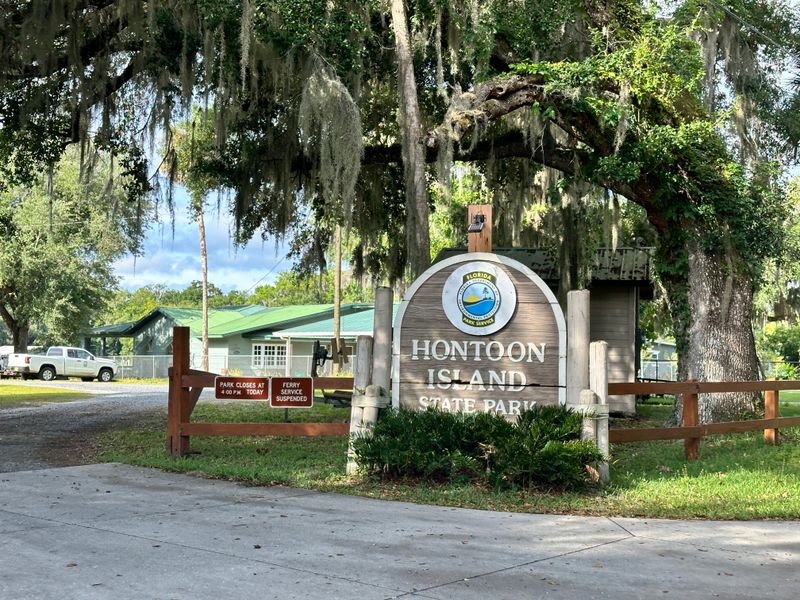
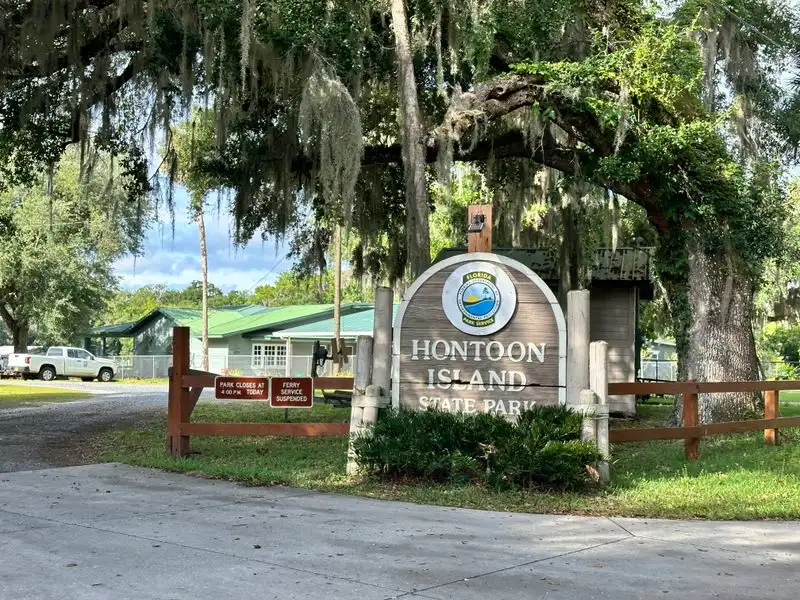
Imagine Central Florida, but quieter, with a broad river taking its time. Hontoon Island sits in the St. Johns River near DeLand, reachable only by a short public ferry or your own boat.
That little water crossing changes the mood immediately, like a gentle pause between worlds.
The St. Johns flows north, slow and thoughtful, and the island rides that rhythm. Its location feels tucked away, removed from highway hurry and neon distraction.
You step off the ferry and the mainland clatter stays behind, politely uninvited.
Being on an island matters here because boundaries help you focus. The water frames everything, making the trails feel contained and purposeful.
You navigate by trees, breeze, and boardwalk, trusting the river to keep the edges clear while you find the middle.
First Impressions of the Island
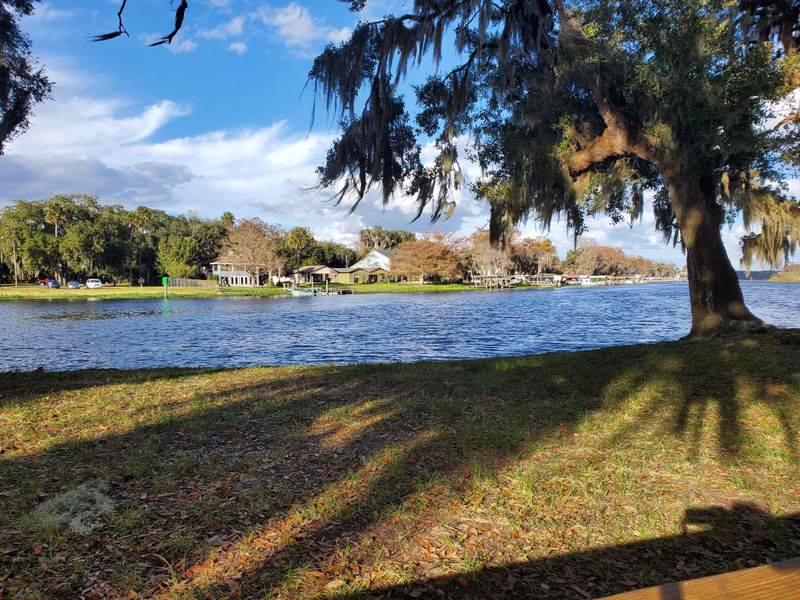
Step off the ferry and the air immediately slows you down. The dock rocks slightly, birds chatter like gossiping neighbors, and you spot shaded picnic tables waiting in friendly clusters.
It feels small in the best way, like a front porch that keeps going.
There is no rush to sort out. A kiosk map tells you what you need, the rest arrives with each footstep.
Even the restrooms seem calm, which feels like an achievement in Florida.
What hit me first was the river view framed by live oaks and palmettos, a simple composition that never gets old. You can hear distant splashes, smell damp leaves, and find your posture softening.
It is a reset button you did not know you needed, and it is free with the crossing.
The Forest Trail That Leads Through Time
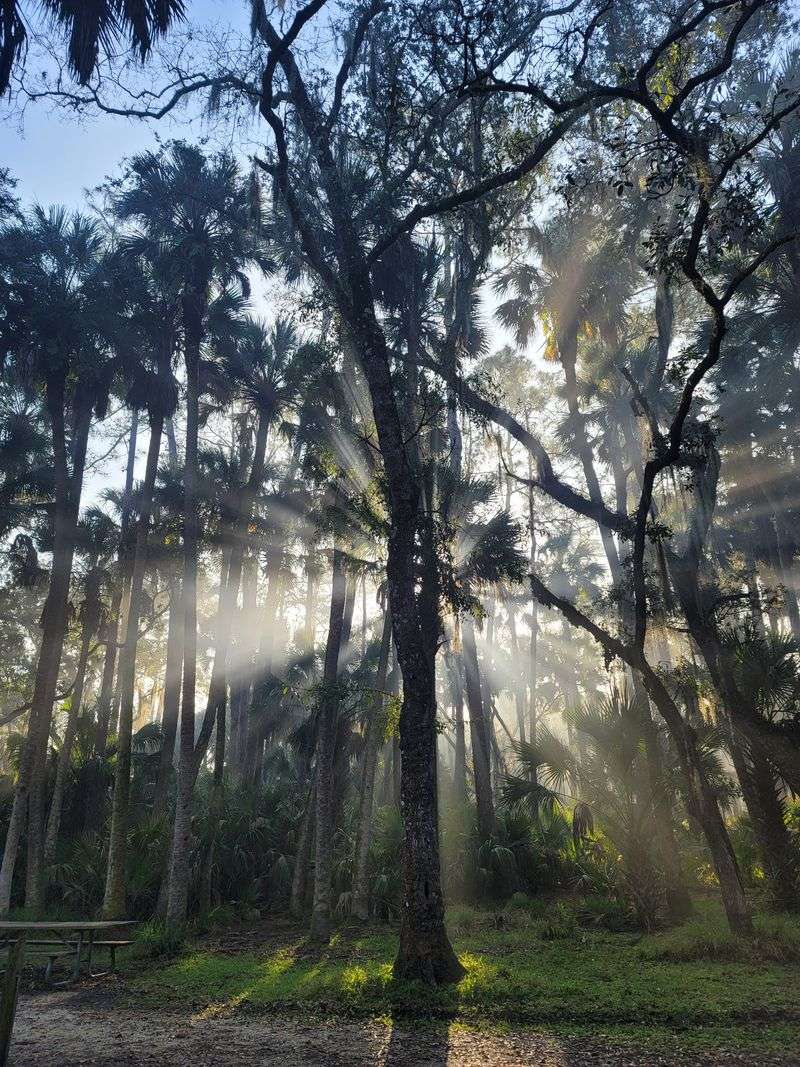
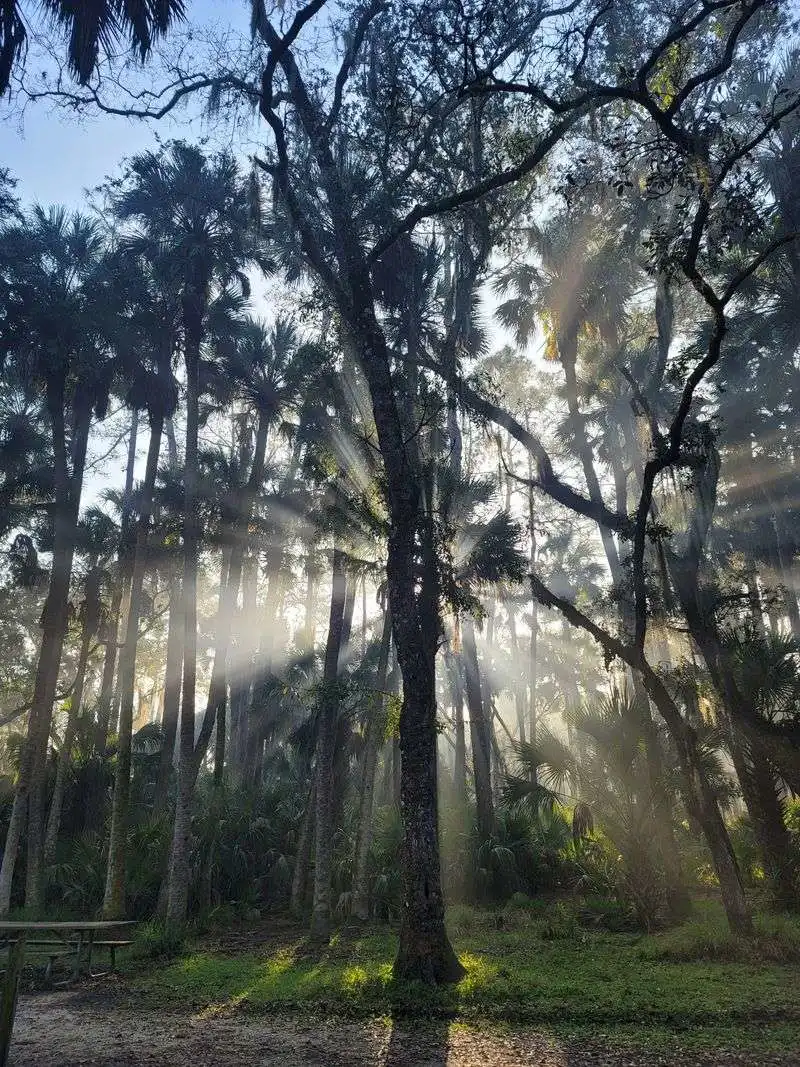
Start on the Hammock Hiking Nature Trail and you will feel like the trees are telling you where to go. The path winds softly, never scolding, through hardwood hammocks, wet edges, and river peeks.
It is a gentle breadcrumb trail with a very big reveal.
Boardwalk sections lift your steps over damp ground, then yield to sandy track shaded by oaks and cabbage palms. You will catch glimpses of tannic water and hear the whisper of wind in palmetto fans.
There is a rhythm here that makes small details feel important.
By the time you near the shell mound, the trail has done its quiet work. Your pace has settled, your eyes have adjusted, and your expectations have shifted from scenery to story.
When the land rises, it feels like an introduction, not an ending.
Walking Through Florida’s Native Landscapes
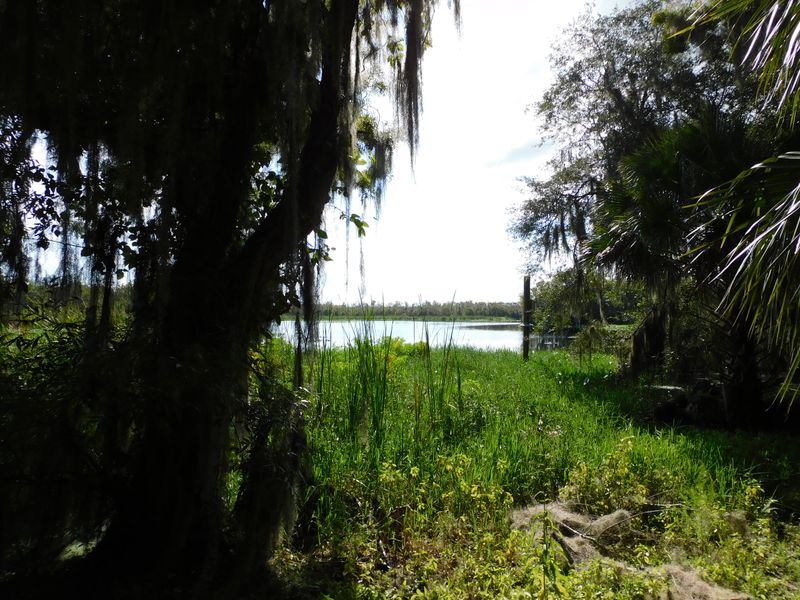
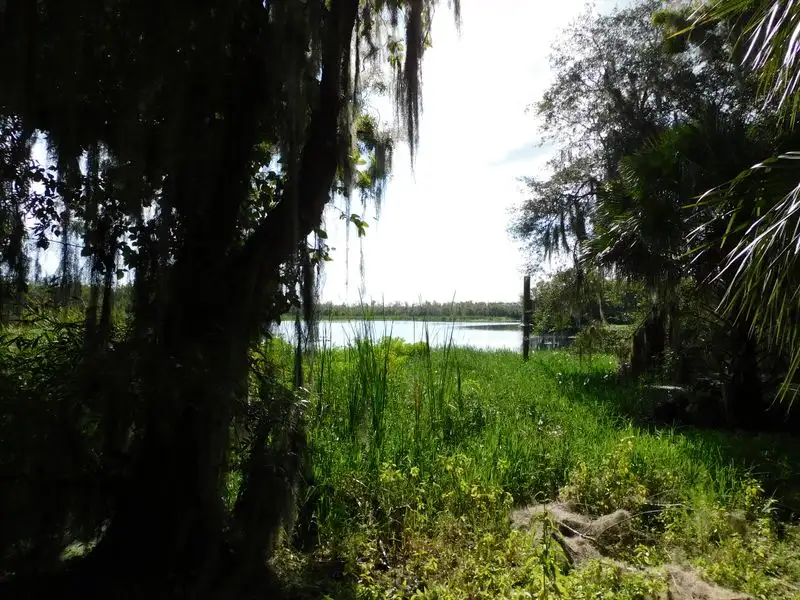
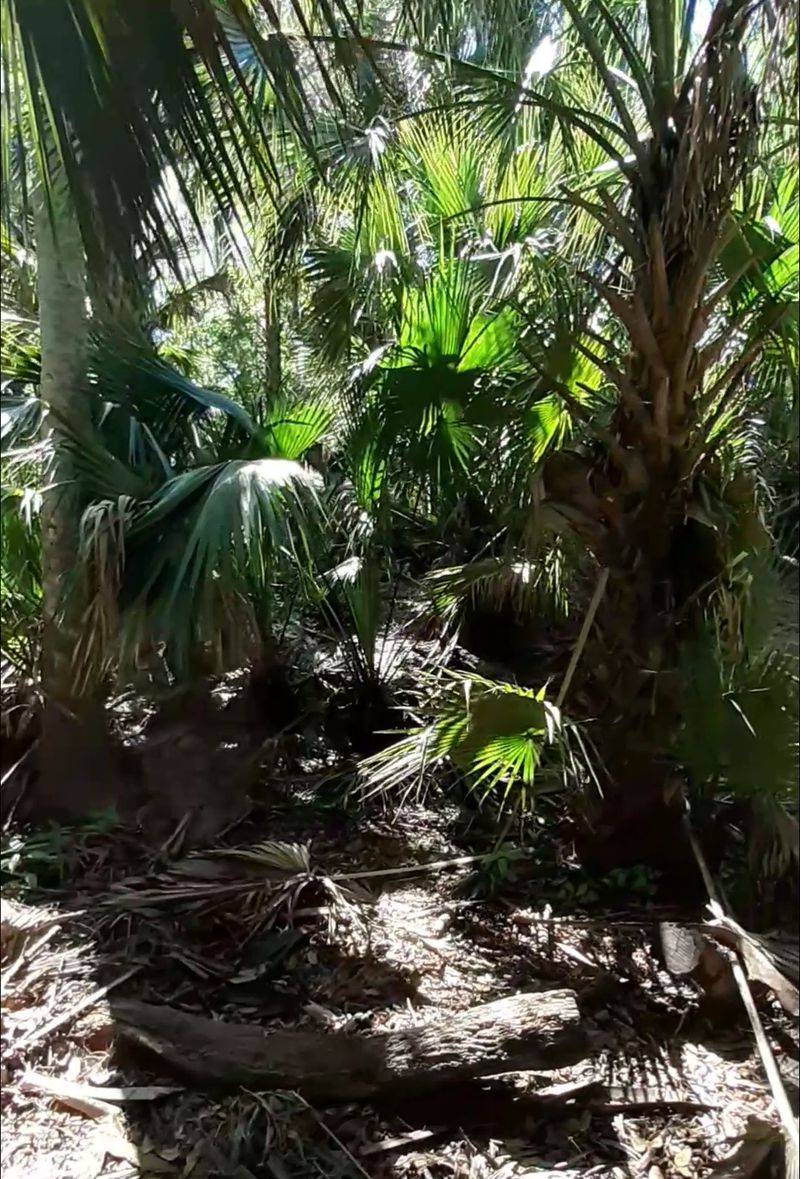
The trail reads like a sampler plate of native Florida. Live oaks lean in with dangling moss, sabal palms fan out like green fireworks, and palmettos rustle with every step.
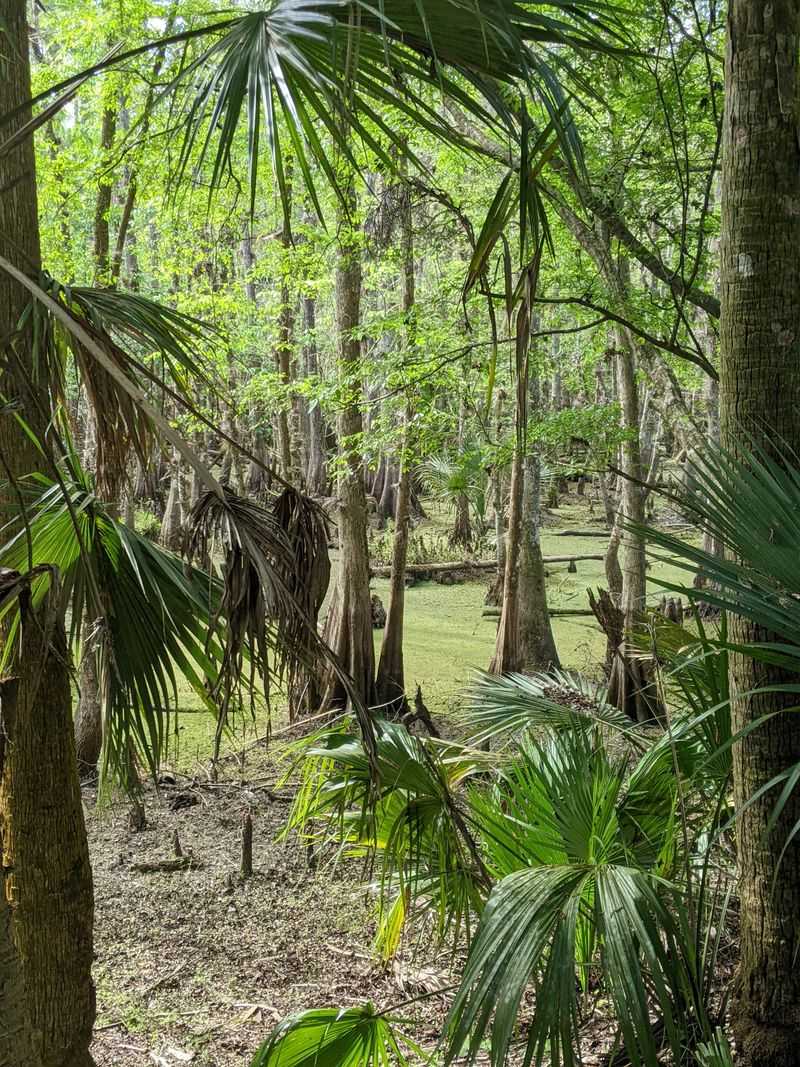
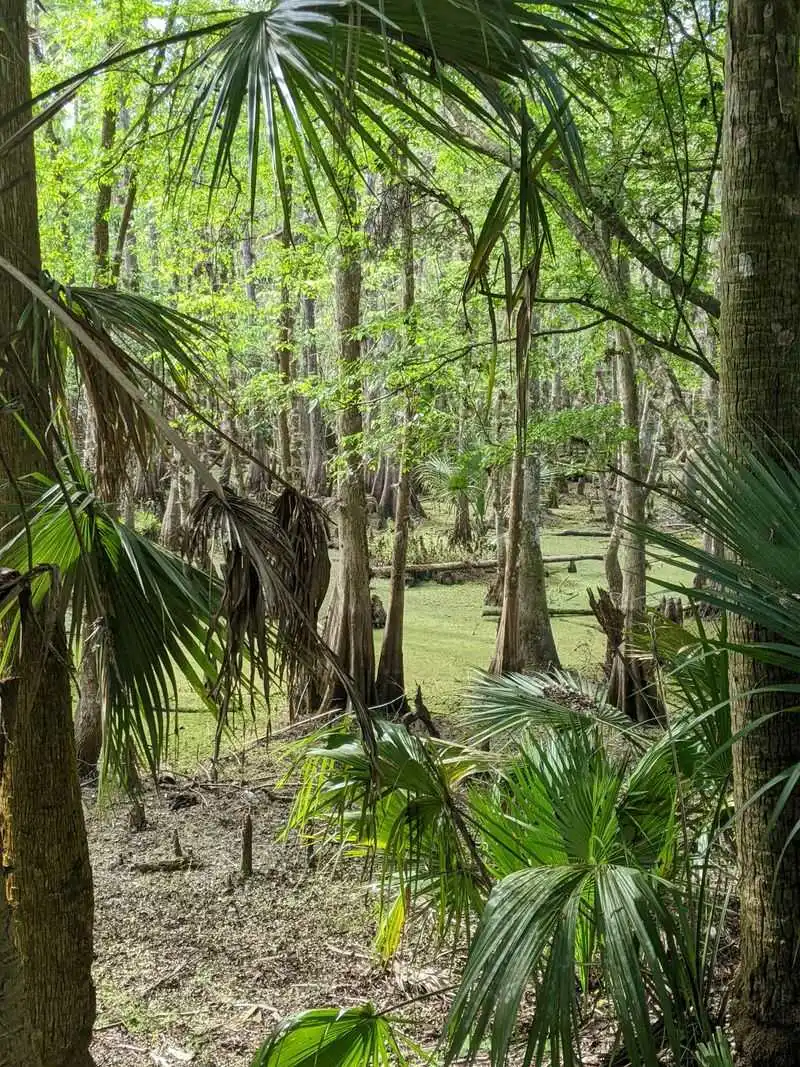
Cypress stands gather near wetter pockets, their knees poking up like punctuation.
Seasonal wetlands shift the mood depending on rainfall. Sometimes it is mirror-clear reflections, sometimes just a damp hush with dragonflies on patrol.
Either way, you are seeing what this region looked like long before noise got invented.
What keeps it interesting is how the vegetation rearranges itself without warning. One minute hardwood canopy, the next bright edge with river light.
Your senses keep recalibrating, and the landscape keeps offering new chapters without changing books.
The Ancient Shell Mound at the Trail’s End
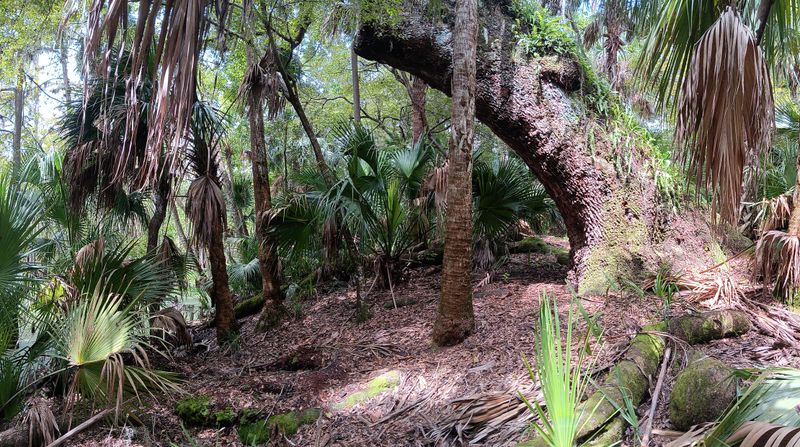
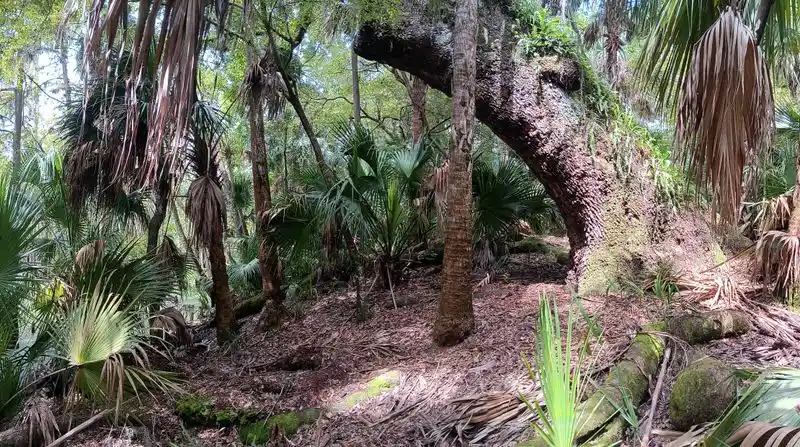
Then the ground rises, and the story turns tangible. The shell mound appears as a modest hill in a flat world, layered with centuries of freshwater shells and daily life remnants.
It is not flashy, but it is undeniably present.
Stand at the top and you feel a shift in scale. The river looks closer and older, as if it has been patiently watching.
Your feet rest on discarded meals that became a monument by accident, then by tradition.
I thought of how many steps it took to build this without anyone deciding to build a monument. People lived, ate, gathered, talked, and unwittingly left a map made of shells.
Now the trail ends here, and you finish with perspective rather than a vista.
What Shell Mounds Represent
Think of a shell mound as a ledger kept by everyday life. Over generations, people ate freshwater shellfish, tossed the shells, and the pile rose like a slow tide made solid.
Add bones, charcoal, pottery fragments, and you get a record no one intended to write.
These mounds were not just trash heaps. They were places to gather, camp, cook, repair tools, trade news, and watch the water.
The elevation provided breezes, views, and dry ground during wet seasons.
Archaeologists read these layers to understand diet, seasonality, and community patterns. What we see as a hill is a timeline, with each deposit marking a moment.
Standing on one connects your day to their days without needing a plaque to do the talking.
The People Who Once Lived Here
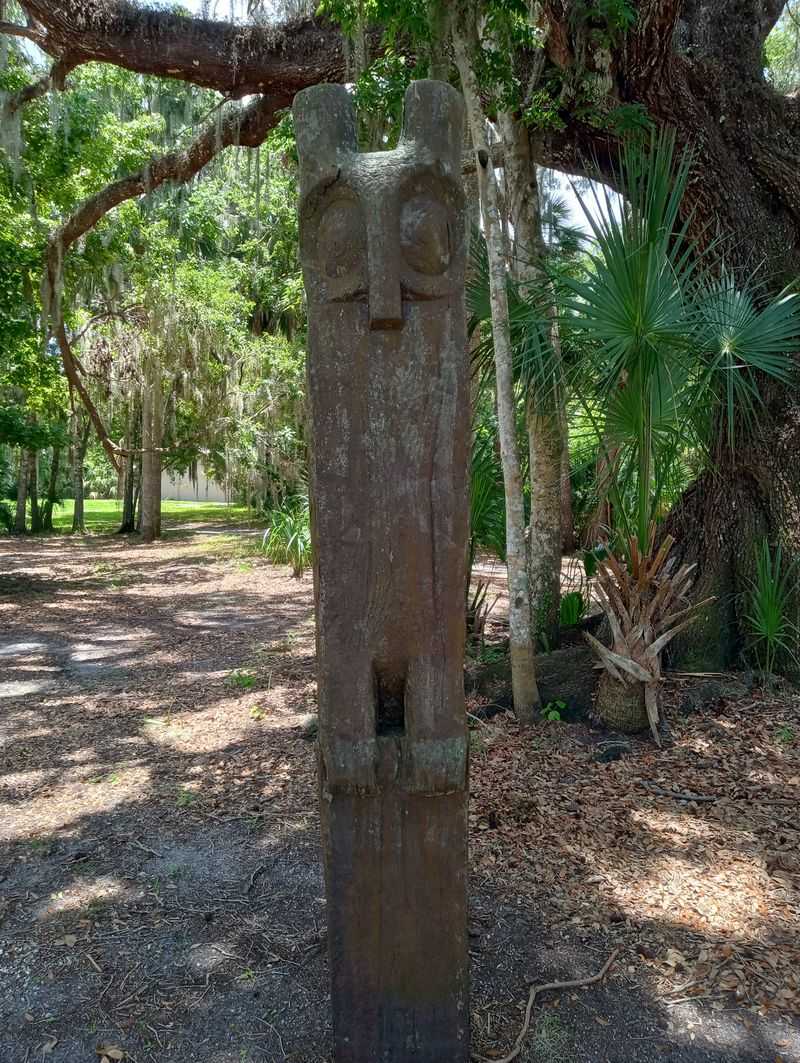
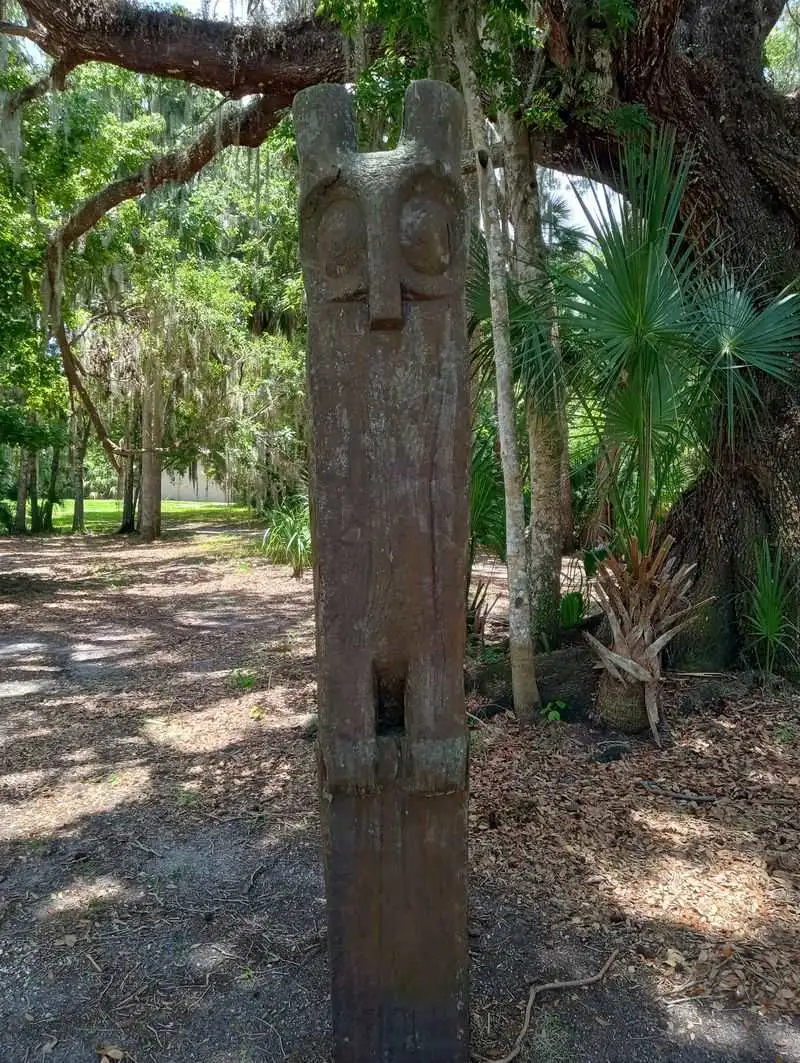
Rivers shape communities, and the St. Johns shaped this one. Indigenous peoples thrived here long before contact, reading the seasons by water height and fish movement.
Canoes were highways, and the river was pantry, path, and storybook.
Fish, turtles, shellfish, and gathered plants formed the daily menu. Toolmaking, cooking, and social life unfolded near the same bend where you are standing.
The shell mound accumulates the evidence with quiet patience.
I will not pretend to speak for them, but I can stand in respect. Every ripple of the river hints at a routine that made sense for centuries.
The trail brings you close enough to listen, if you arrive with unhurried steps and an open schedule.
Why the Mound Still Matters Today
Not many hikes end with a decision about how to treat the past. The shell mound asks for care, not conquest, and rewards attention with context.
Preservation here is not abstract; it is under your shoes.
Archaeological value is obvious, but cultural respect matters just as much. Protecting the site keeps space for descendant communities and for visitors to learn without trampling meaning.
Signs and subtle paths help, and so does your patience.
When you leave, you take the lesson that history can be low and quiet and still powerful. The mound stays, the river keeps speaking, and the trail carries the message back to the dock.
That feels like a fair exchange for a morning well spent.
Wildlife You May Encounter Along the Way
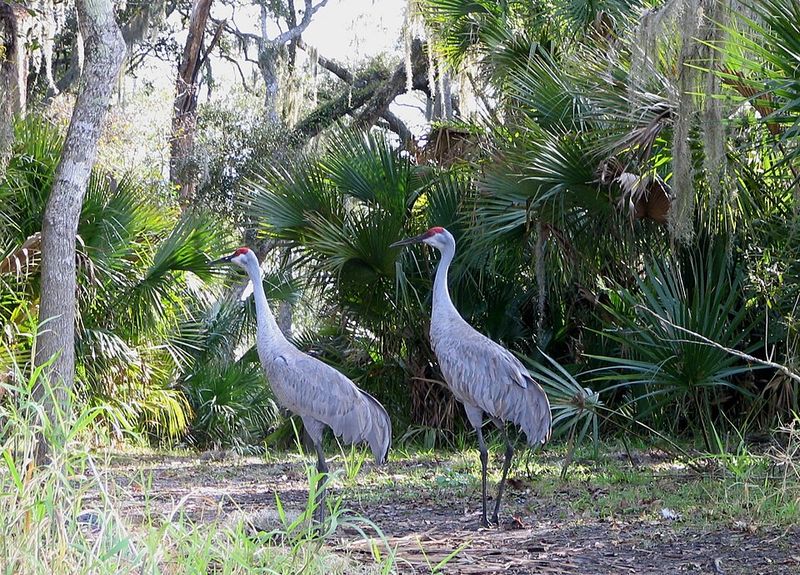
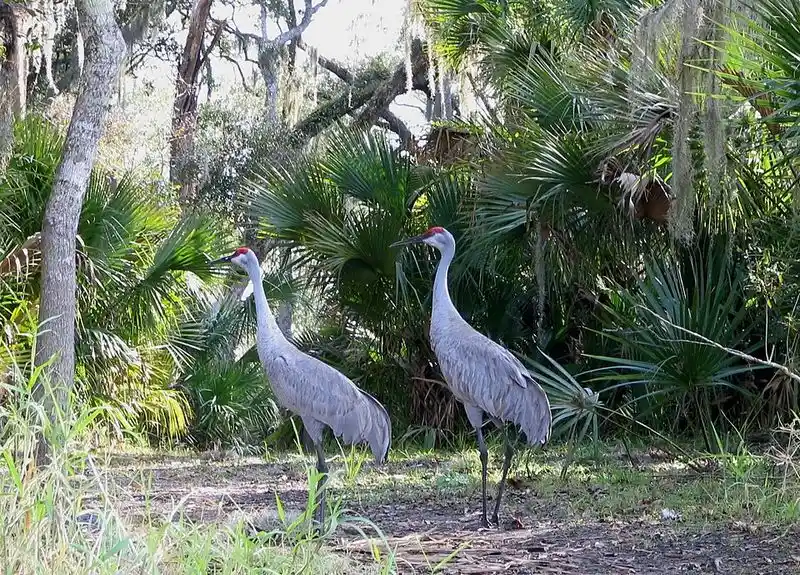
Keep your eyes busy and your steps light. Wading birds stalk the shallows, turtles sun on logs like tiny philosophers, and ospreys carve the sky with confident loops.
Deer sometimes ghost across the trail, leaving only a flicker of white.
Look longer and you might spot a gar rolling or a manatee snout breaking the surface near the dock. Anoles perform pushups on railings, attempting intimidation with admirable optimism.
Dragonflies patrol like tiny helicopters with no fuel concerns.
Wildlife here does not shout; it reveals itself in simple scenes. Bring binoculars if you like, but patience is the real tool.
The trail pays in sightings when you pay in quiet.
A Peaceful Alternative to Crowded Florida Parks
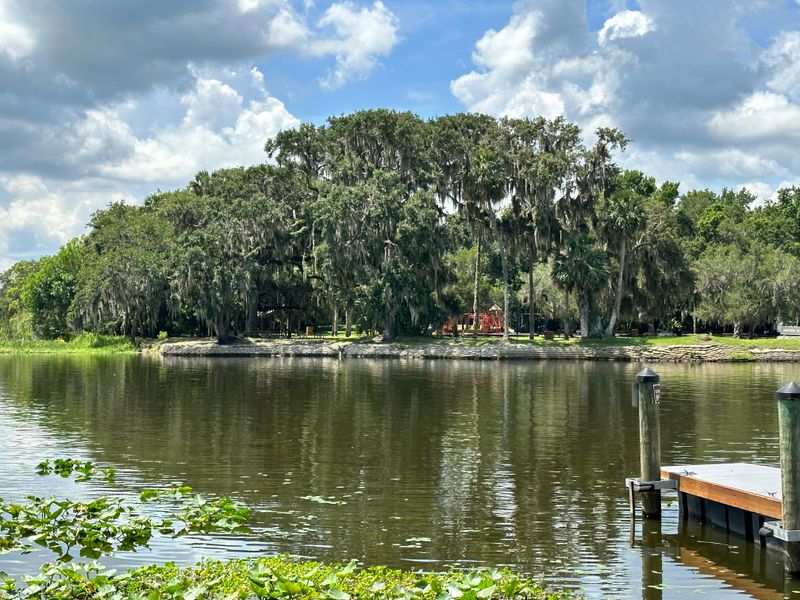
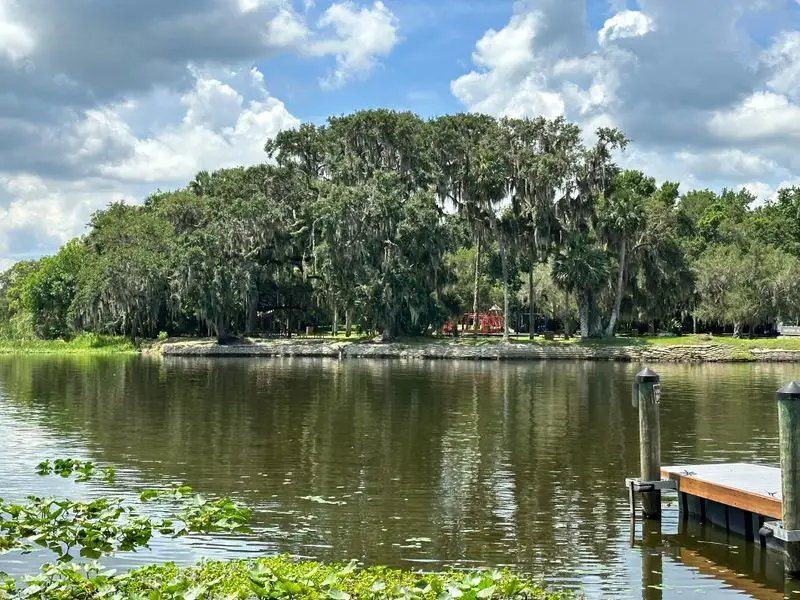
If you crave space to breathe, this is your upgrade. Hontoon Island rarely feels crowded, even on pleasant weekends.
The island spreads people out and keeps noise at a manageable whisper.
You will not find roller coasters, and that is the point. The biggest thrill might be an egret landing like a slow-motion landing strip.
Your schedule decelerates until the ferry captain feels like your timekeeper.
Solitude is the feature, not a bug. It is you, a trail, a river, and a story older than the parking lot.
That combination makes a better souvenir than a plastic cup with a straw.
Other Things to Do on the Island
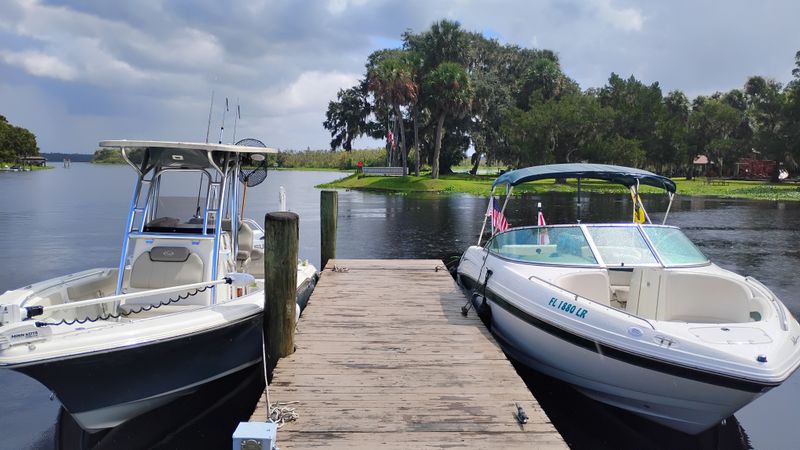
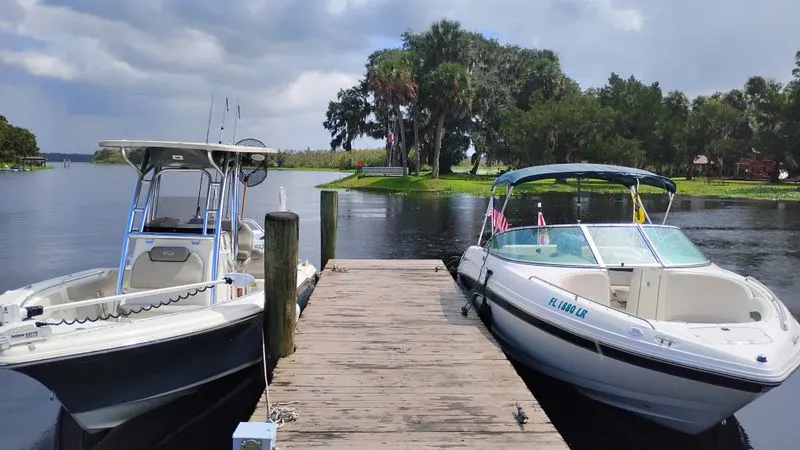
When the hike ends, the island keeps offering options. Kayak the tannic edges, where reflections double the trees and time.
Cast a line if fishing calls your name; the river holds enough mystery to justify the attempt.
Picnic tables sit in forgiving shade, perfect for a simple lunch that tastes better outdoors. A small campground adds the allure of nighttime owls and early light on the water.
Short spur trails let you wander without committing to a marathon.
I like to bring a book, then ignore it because the river writes a better sentence. You can make a full day here with very little effort.
The trick is to leave slowly so the island mood has time to pack itself into your head.
Tips for Visiting the Park
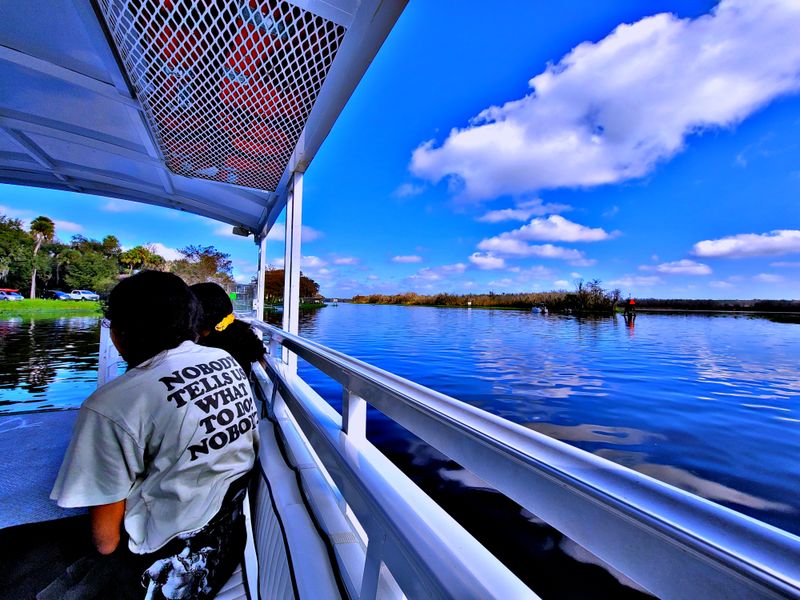
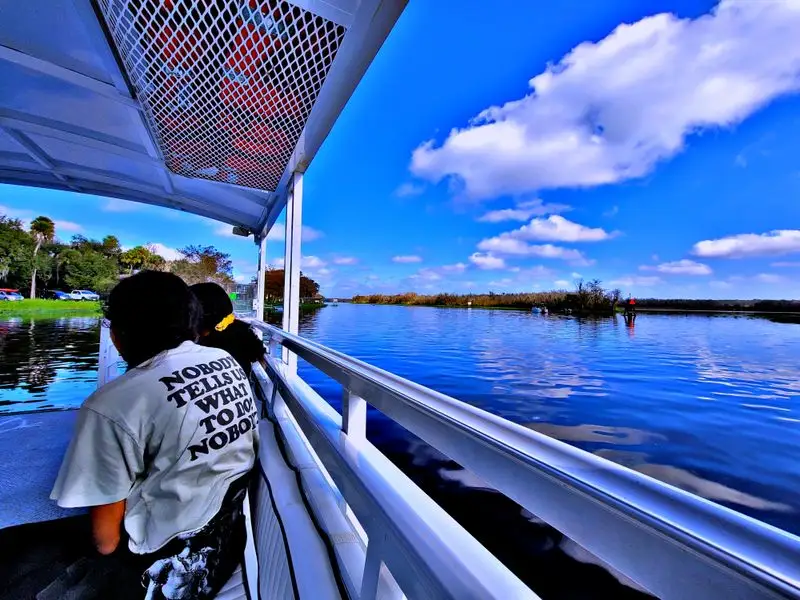
Start with the ferry schedule, because the river is your gate. Arrive early on weekends to avoid waiting, and bring cash if the setup requires it.
Double-check hours so your exit matches your ambition.
Pack water, insect repellent, sunscreen, and shoes that forgive a little mud. Florida sun negotiates poorly, and mosquitoes lobby hard.
A hat helps, as does a light snack for mid-trail morale.
Give yourself time for the mound, not just the miles. Read the interpretive signs, step lightly, and keep to the paths.
When you move with care, the park opens up like a conversation that keeps getting better.
Best Time of Year to Visit
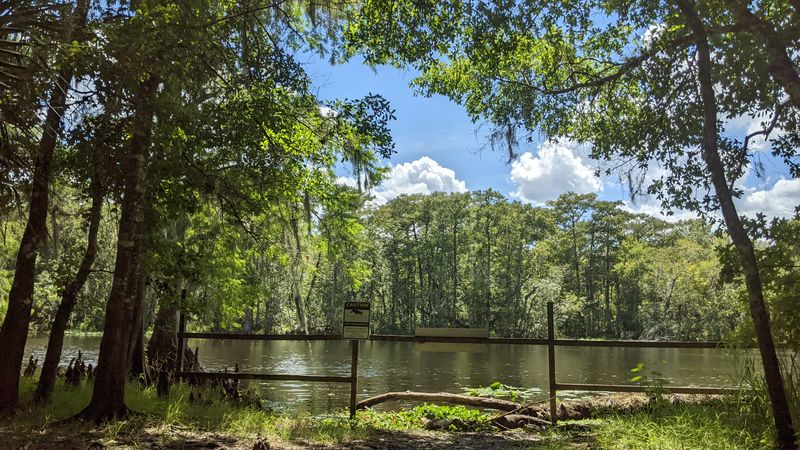
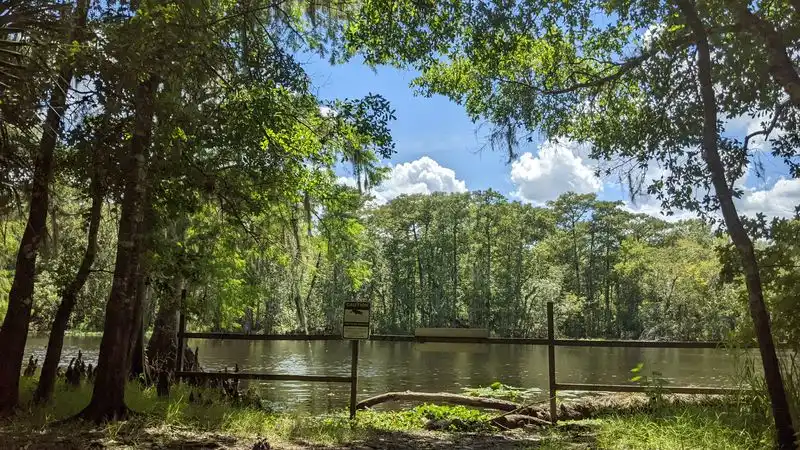
Cooler months treat you kindly here. From late fall through early spring, the humidity backs off and the trail feels like an invitation instead of a dare.
Wildlife stays active, and mosquitoes show a bit more restraint.
Summer brings lush greens, thicker air, and afternoon theatrics. Expect more shade appreciation and more water breaks.
Storms roll in fast, so watch the sky and your weather app like a duet.
Shoulder seasons can be perfect, with bright mornings and tame afternoons. Pick your window based on breeze tolerance and patience.
The island will look good either way, but your sweat level might write the review.
Why This Trail Is So Memorable
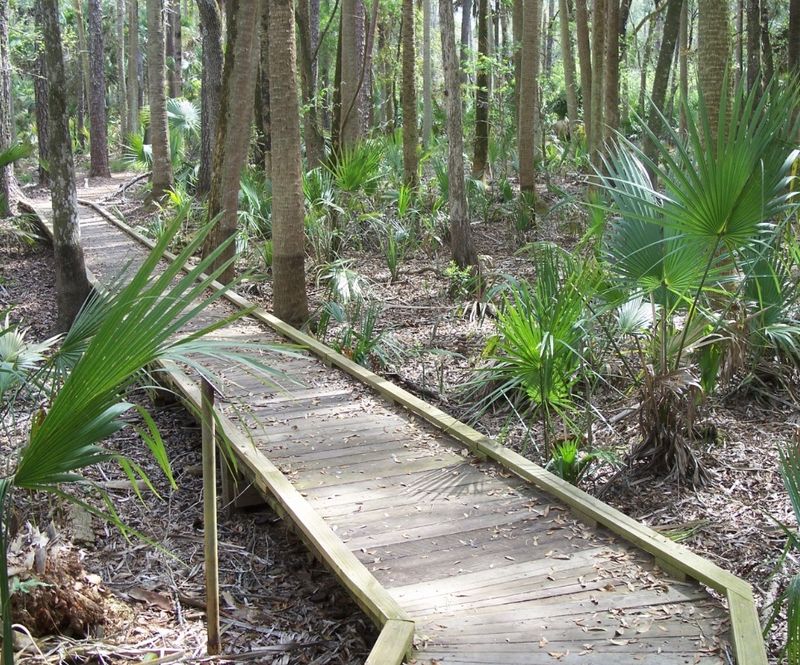
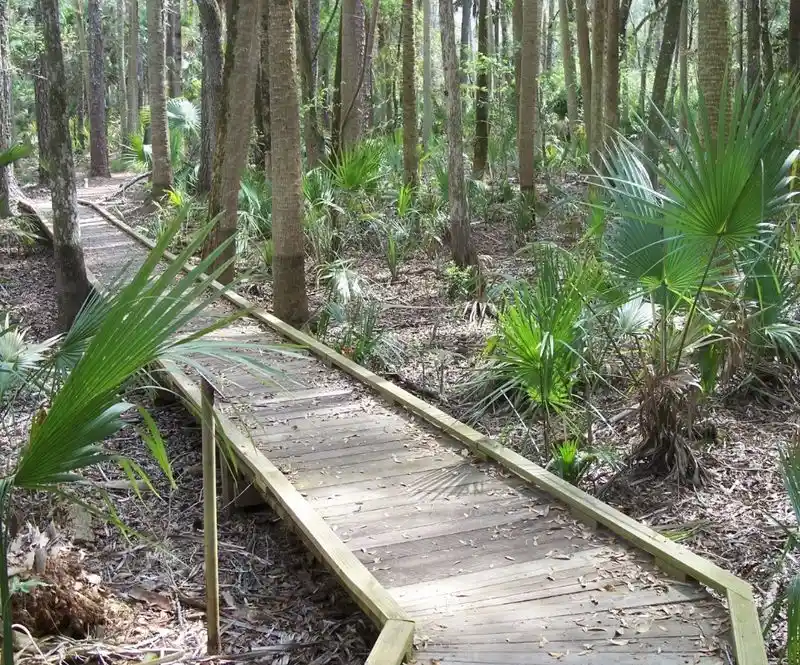
Most hikes end with a view or a loop. This one ends with perspective, which sticks longer.
You do not just reach a destination; you reach a conversation that has not stopped for centuries.
The choreography matters. Forest leads to wetland, wetland to river, and finally to a rise that feels both accidental and inevitable.
The pacing sets you up to listen, which is rare in a world that prefers to announce.
I keep replaying the quiet at the top of the mound, where even the birds sounded thoughtful. It is memorable because it treats your attention like a gift, not a target.
When a trail respects you, you remember it.
Where Nature and History Meet
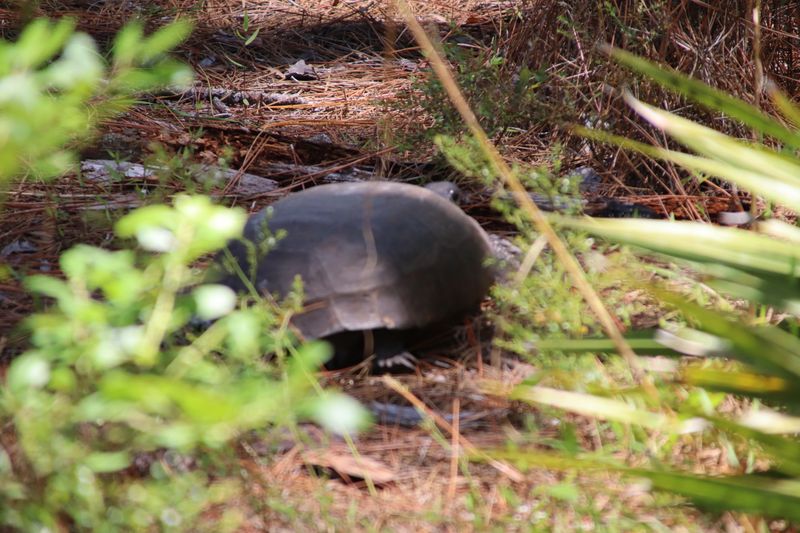
Some places brag, but this one nods. Hontoon Island blends forest calm with an ancient human footprint, and the balance feels right.
You come for shade and water and leave with time in your pocket.
The shell mound anchors the story while the river keeps it moving. Trails thread the needle between past and present without big speeches.
It is an easy day that quietly redefines what a good day can be.
If you want Florida beyond the brochure, start here. Walk the path, meet the mound, and let the ferry return you slowly to the present.
The best souvenir is the feeling that history is not distant; it is underfoot.