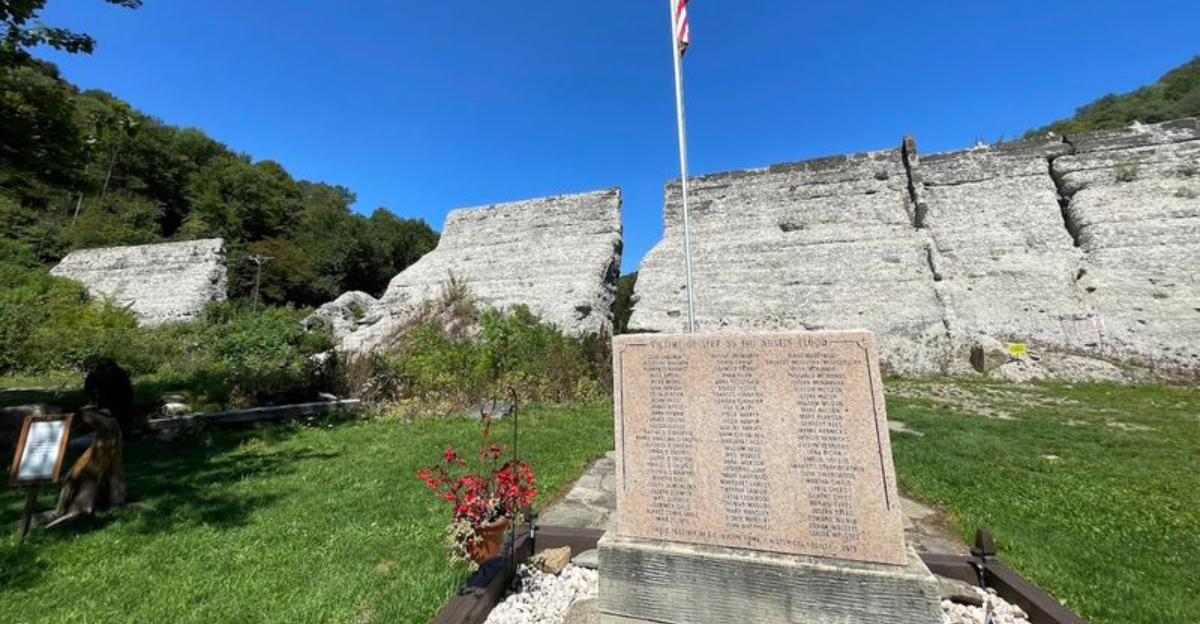
In a quiet valley of the Pennsylvania Wilds, a shattered wall of concrete rises like a monument to hard lessons. Austin Dam Memorial Park is both beautiful and sobering, where history clings to mossy slabs and the creek moves with steady resolve.
You come for the scenery and leave with a story that sticks, a reminder of what happens when warnings go unheard. If you are ready to feel the past under your boots, this place will meet you halfway.
The 1911 Flood: What Happened
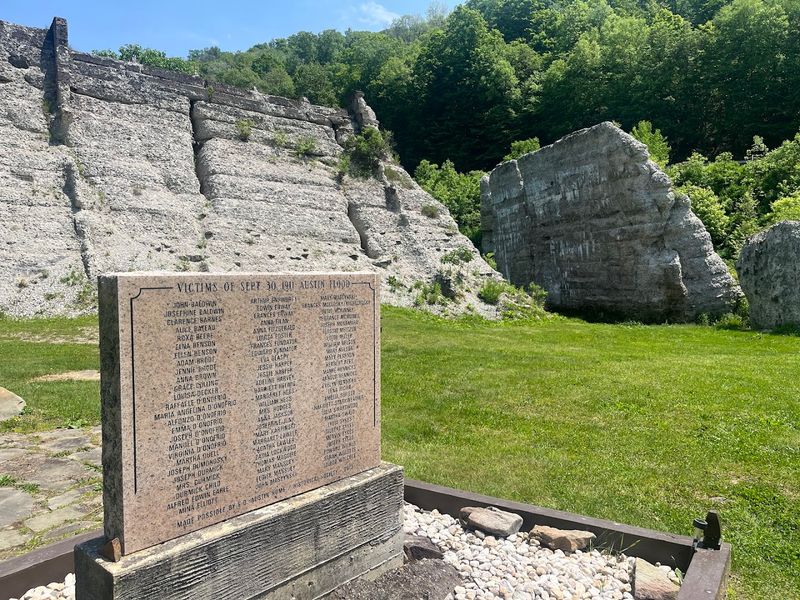
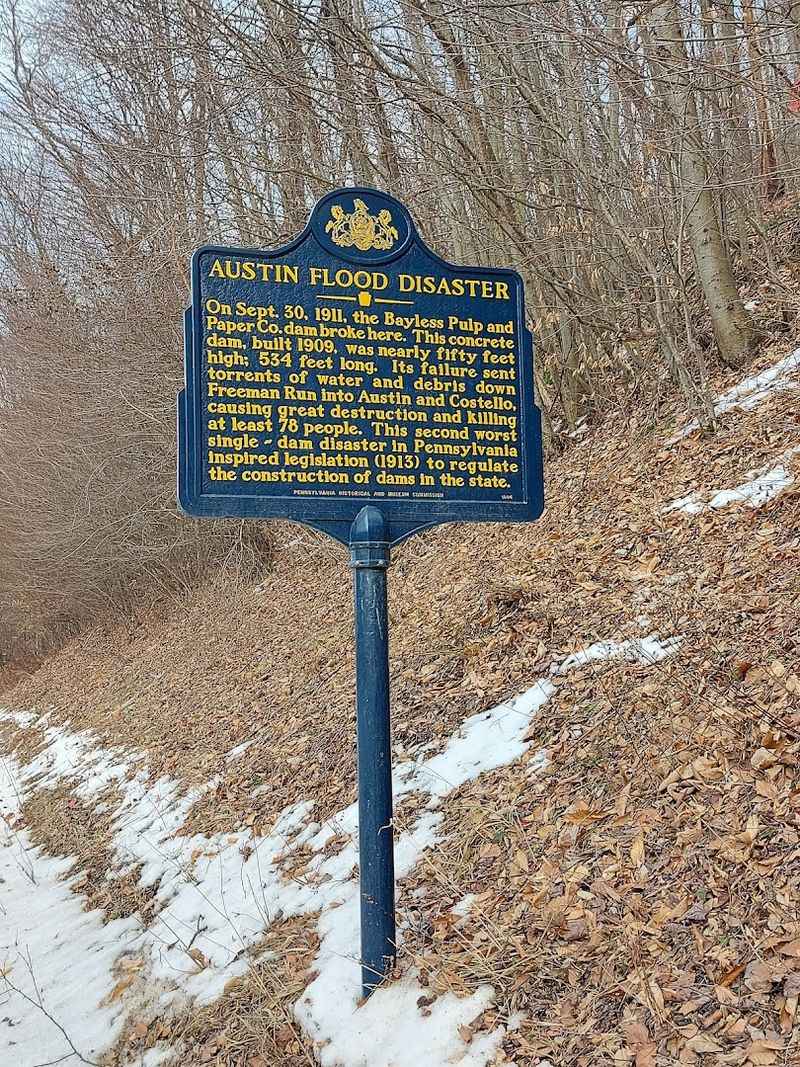
Standing beneath the broken wall, you can almost hear the rush that changed Austin forever. In September 1911, the concrete dam failed after days of heavy rain and long ignored structural issues.
A roaring wall of water tore through the town, destroying homes, the paper mill, and lives in minutes. Survivors recalled lanterns flickering as the valley went dark and the creek thundered with debris.
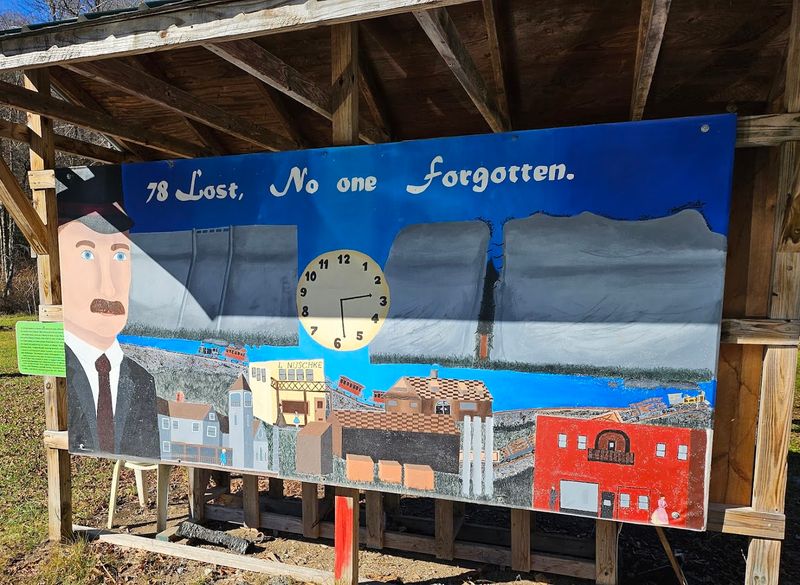
Today the park keeps that memory present with interpretive signs that trace decisions, warnings, and consequences. You will see photos of workers, design sketches, and newspaper clippings that feel painfully current.
Look closely and you will notice the massive aggregate in the concrete, a shortcut that proved catastrophic. The story is not just about a dam, it is about oversight, profit pressures, and community voices dismissed.
As you walk, imagine how better maintenance, a lower spillway, or a slower refill could have changed the outcome. The lesson lands hard, yet the setting invites thoughtful reflection instead of shock for shock’s sake.
Bring questions, read the timelines, and leave with a deeper respect for voices that raise early concerns. Share what you learn, because memory paired with action is how safer valleys are built for all.
Approaching the Concrete Ruins
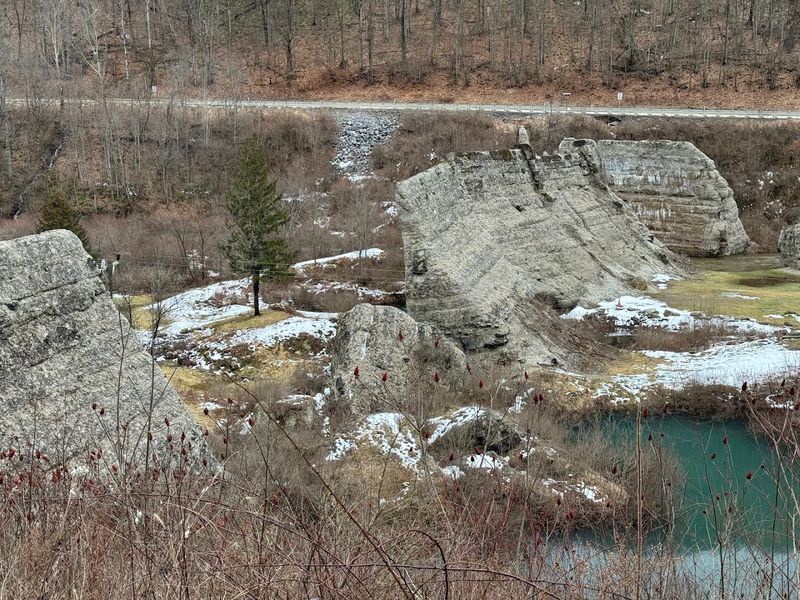
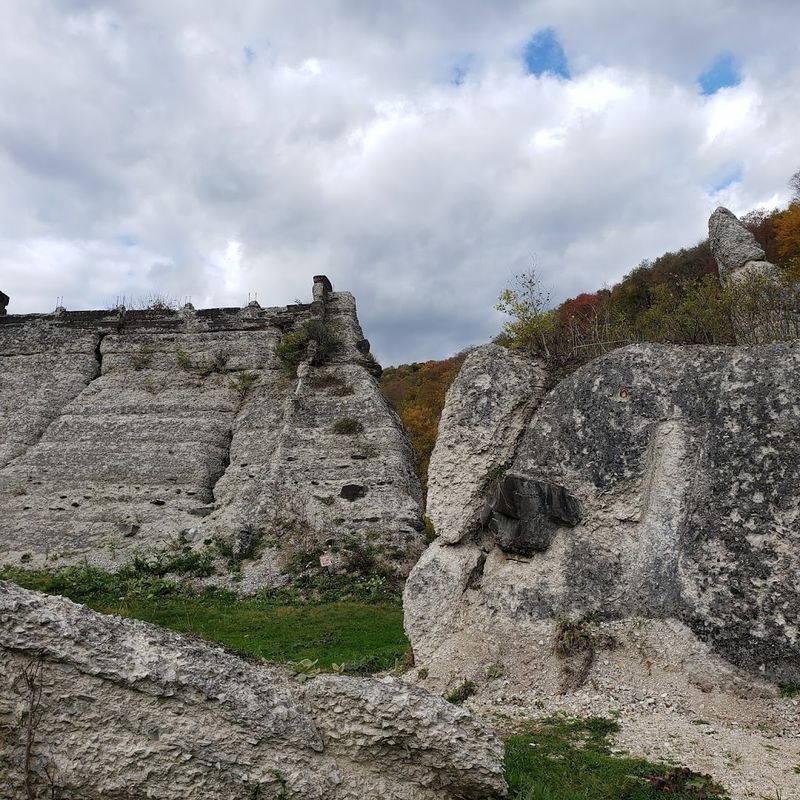
The first glimpse feels impossible, like a cliff misplaced in a meadow. Huge monolithic wedges of concrete rest at sharp angles, coarse aggregate exposed like bones in a healed fracture.
You notice rebar twisted into arcs, now rusted to a reddish brown. Birds perch on edges that once held back a valley’s future.
Walk slowly and give yourself time to calibrate scale. Those seams, those honeycombed voids, and those broken shear planes tell a story more clearly than any lecture.
Touch the surface and you feel river grit embedded by impact, a geological scrapbook of seconds that defined a century. Step back, and the blocks align with the old abutments, making the failure more legible.
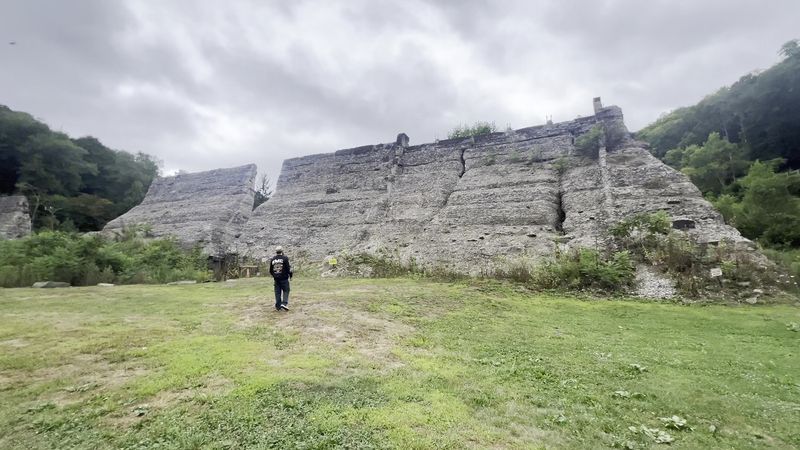
Photography works best from low angles that exaggerate height and texture. Try a person in frame for perspective, and keep the creek or hillside as a soft backdrop.
Sunrise sidelight carves details, while overcast skies tame glare and deepen mood. Stay mindful of footing near wet grass and leaves, and avoid climbing where surfaces are slick.
Memorials and Names to Remember
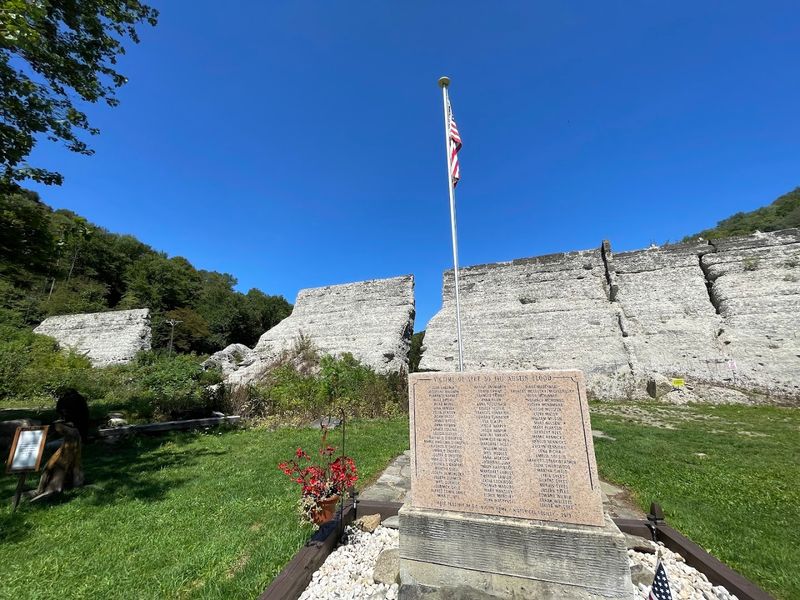
Grief has a language here, and it is carved in metal and stone. The plaques list names that might match someone’s ancestor, a neighbor’s story, or a surname you recognize from a roadside mailbox.
You read slowly, letter by letter, noticing ages that stop you cold. A quiet bench nearby invites a few long breaths.
It helps to say the names aloud, softly, as if returning them to the valley for a moment. That simple act resets the focus from spectacle to people.
You are not just visiting a ruin, you are acknowledging a community that gathered, rebuilt, and carried on. The stillness makes room for both sadness and gratitude.
If you bring kids, frame the memorials as real lives interrupted by choices that can be better today. Ask what safety looks like in their world and why listening matters.
Leave a small flower or a note only if it is permitted and will not harm the site. This is a place for presence more than display, so keep phones pocketed while you read.
Short Trails and Wayfinding
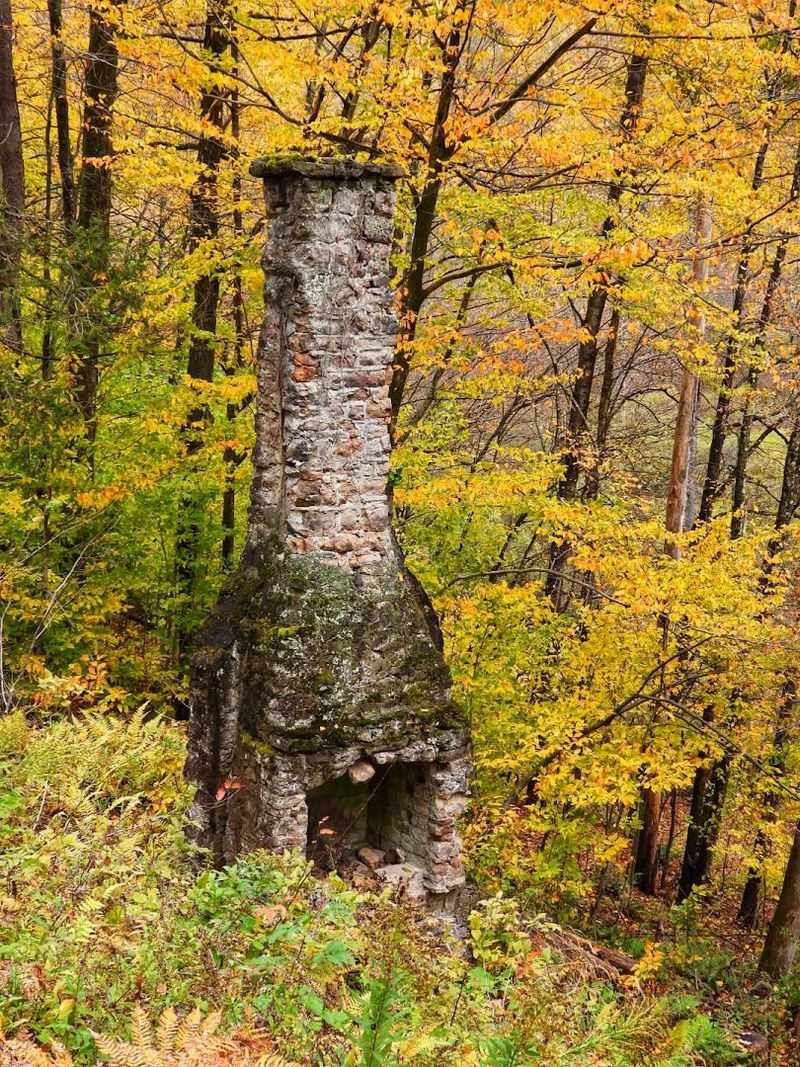
Trails here are more like purposeful walks that stitch the story together. You will find compact paths that loop from parking to ruins, creekside views, and interpretive stops.
Elevation is minimal, but surfaces can be uneven with roots and seasonally damp spots. A paper map from the kiosk saves time and keeps you oriented.
Cell service is limited, so download an offline map and drop a pin at the parking area before heading out. Trail junctions are simple, yet a missed turn can lead to bushwhacking through tall summer growth.
Wear sturdy shoes, and consider trekking poles if your knees prefer extra support. A small flashlight helps in shaded areas under thick canopy late in the day.
You will not rack up big miles, but you will collect context. Pace each stop with a few minutes of reading, then look around to find the element referenced by the sign.
Families can make a simple scavenger list, like spot the old spillway line or locate the intact abutment face. Aim to finish before dusk so the final stretch feels calm, not rushed.
Safety, Hours, and Practical Basics
Good trips start with simple checks. The park operates roughly 8 AM to 8:45 PM, so plan arrivals and exits within that window.
Restrooms are present, but always carry backup wipes and a small trash bag. Weather shifts quickly in this valley, and wet grass can turn concrete edges slick.
Footing deserves attention, especially near the creek and at the base of angled blocks. Do not climb steep faces or step into voids that collect water and algae.
Sneakers work on dry days, yet grippy hiking shoes handle morning dew and shoulder season frost better. Keep pets leashed and close, since porcupines and ground nests sometimes surprise curious noses.
Navigation is straightforward from PA 872, and parking is usually sufficient outside event days. Limited reception means payment apps or ride shares are unreliable, so fuel up and carry cash just in case.
Bring layers, even in July, because shade plus breeze runs cooler than expected. A printed timetable helps time your loop to catch golden hour without stretching past closing.
Photography Tips and Best Light
Light is the difference between a snapshot and a story here. Early morning fog settles in the valley and softens the concrete’s brute geometry.
By late afternoon, raking sun chisels every pit and pebble in the aggregate. Overcast days gift a moody uniform glow that suits reflective scenes.
Work a sequence. Start with a wide establishing frame, then step closer for seams, tool marks, and moss in cracks.
A small travel tripod lets you keep ISO low along shaded banks. Polarizers cut glare on wet stone and deepen creek reflections without losing texture.
For people shots, place your subject along the block edges so scale clicks instantly. Have them face the light or hold a brim to manage harsh shadows.
If rain threatens, welcome it, because darkened concrete reads beautifully and puddles mirror sky color. Pack a microfiber cloth to keep lenses clean, and store gear in a zip bag when the mist rolls in.
Teaching Moments for Families and Homeschoolers
Curiosity runs high when the landscape looks like a giant puzzle. Kids latch onto concrete textures, giant blocks, and the creek’s steady flow.
A clipboard with simple prompts turns wandering into discovery. Ask them to sketch the broken edge and circle three clues that show how the wall failed.
Short readings at the signs pair well with hands on moments. Drop a leaf in the creek and time its drift to talk about flow and force.
Compare a small stack of pebbles to how engineers distribute loads. Tie every concept back to people by reading names and discussing why safety is a community choice.
Wrap up with a reflection question before snacks. What warnings appeared in the story, and how could they be heard sooner today.
Encourage older kids to build a quick model dam with sand at home, then adjust spillway height to see change. Take photos of their notes beside the plaques, creating a keepsake that blends science, empathy, and place.
Camping and Quiet Nights
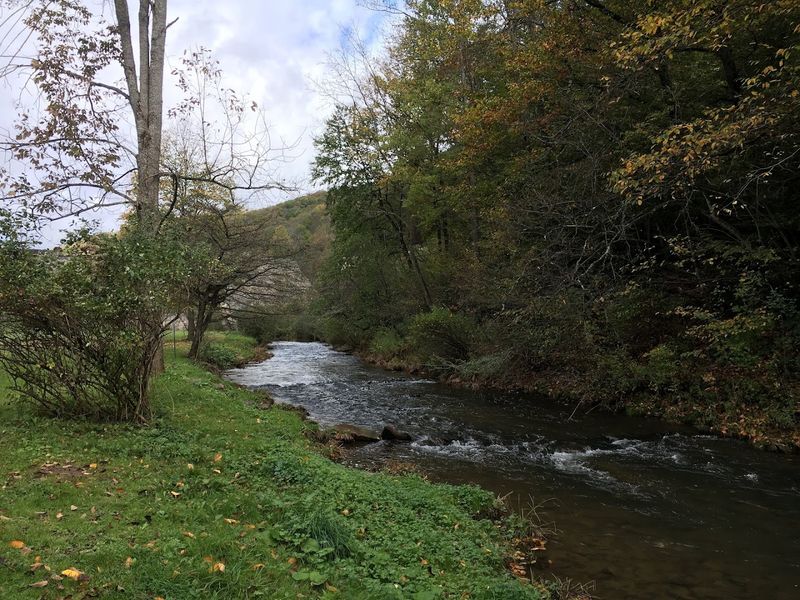
Evenings settle softly in this valley, and a campsite nearby makes the experience linger. You hear creek chatter, the occasional owl, and wind brushing the hillside.
A basic setup does the job well here, with a warm layer, headlamp, and rainfly ready. Keep meals simple so time goes to sky watching, not cleanup.
Expect a quiet scene rather than a resort vibe. Sites are generally clean, with space to unwind after a day of walking and reading plaques.
Respect quiet hours so everyone can soak in the calm. Fire rings invite a small blaze, but bring your own water to fully extinguish coals.
Night photography comes alive if clouds part. The silhouette of the ruin cuts a striking edge against a star field.
Use a red light to protect night vision, and keep beams off wildlife and neighboring tents. Pack out every crumb so skunks and raccoons do not earn a campsite habit, and leave the ground better than you found it.
Seasons: When to Go
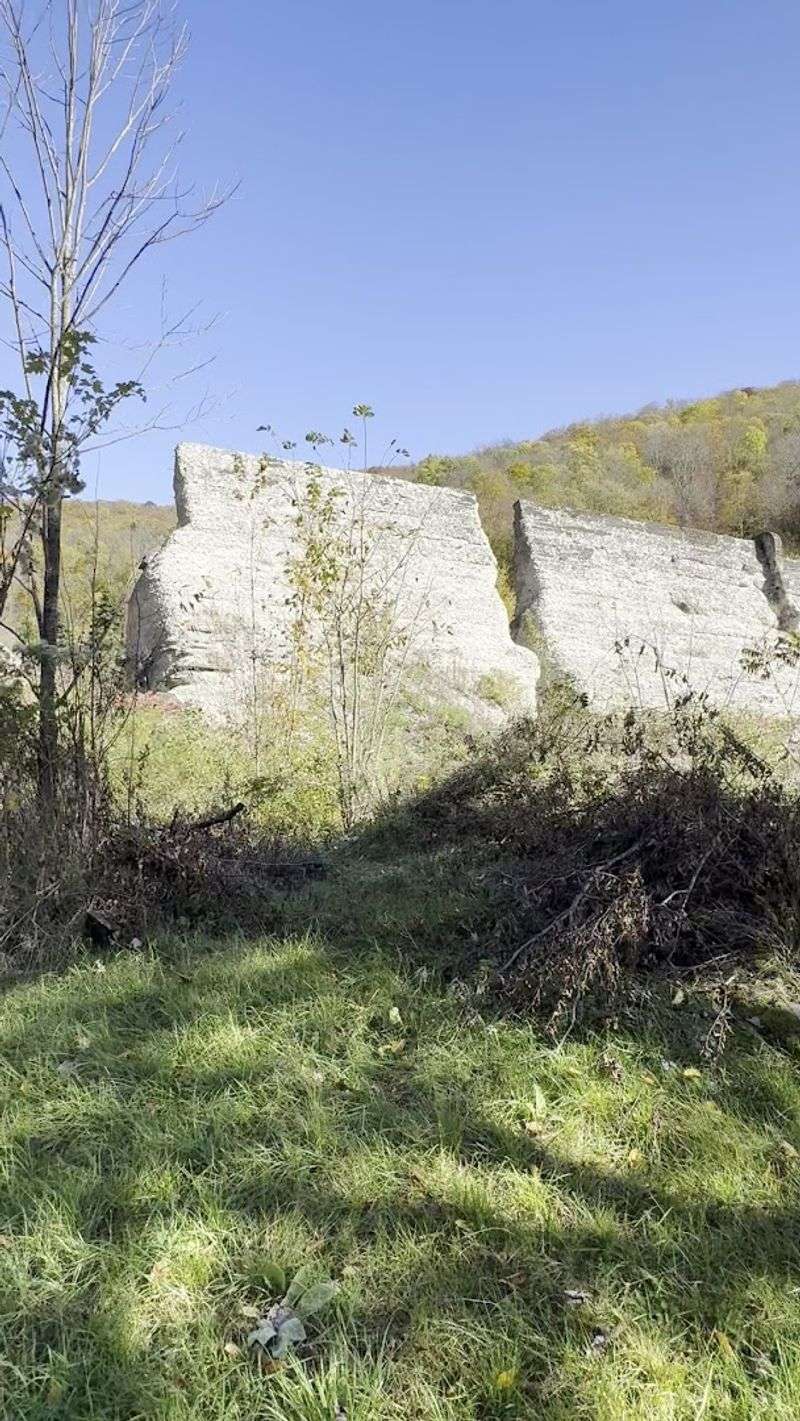
Each season frames the ruins differently, and timing shapes your visit. Spring brings bright greens, cold creeks, and strong runoff that adds sound to the valley.
Summer settles in with long light, thicker vegetation, and some buggy evenings. Autumn steals the show as hills burn with color and the concrete glows warm at sunset.
Winter can be stark and striking, though access may be icy and minimally maintained. Microspikes or cautious steps help where frost lingers on shaded paths.
Bring a thermos and keep fingers warm so camera controls remain friendly. Shorter days mean arriving with a plan is wise.
For crowds, weekdays and early mornings are your ally. After rain, surfaces darken and textures sing, but traction drops.
During July growth, some side paths feel overgrown, so tall socks and patience pay off. If colors are your goal, watch regional foliage reports and be ready to pivot your date by a week.
Respectful Etiquette and Leave No Trace
Care for the site shows up in small choices. Stay on established paths and resist climbing temptations that damage edges or risk a fall.
Pack out every wrapper and tissue because wind moves trash quickly across open ground. Keep voices low near the memorial plaques so reflection stays possible for others.
Dogs are welcome with a leash and attentive handling. Bring extra bags and double tie knots to avoid wildlife raids.
If your pup is nervous around large structures, approach slowly and keep distance from echoing corners. Offer water at breaks and avoid hot parking lots in peak sun.
Photography, picnics, and quiet gatherings fit the space well. Drones introduce noise and safety concerns, so check current rules and skip them if uncertain.
Leave natural objects in place so future visitors read the landscape honestly. A quick thank you note to local stewards or a small donation goes further than you think.
Planning Your Route and Nearby Essentials
Reaching the park along PA 872 is straightforward, but planning ahead smooths the day. Fuel up before you enter the quieter stretches, and stash snacks plus water so you are not timing hunger to the nearest town.
Service can drop to zero, so save the website hours page offline and carry a printed map. A backup battery keeps your phone ready for photos and safety calls.
Parking is close to the ruins, which makes quick stops easy. If mobility is a concern, this proximity is a gift, yet do scan for uneven gravel.
Restrooms are present and usually clean by small park standards. Bring hand sanitizer since supplies can ebb between maintenance rounds.
Pair your visit with a nearby overlook or a slow lunch in town. Locals often share directions to lesser known pull offs, so a friendly question can unlock a great view.
If winter roads look polished, call it and return in warmer months. The ruin has waited a century, and it will still be here when conditions are kind.