
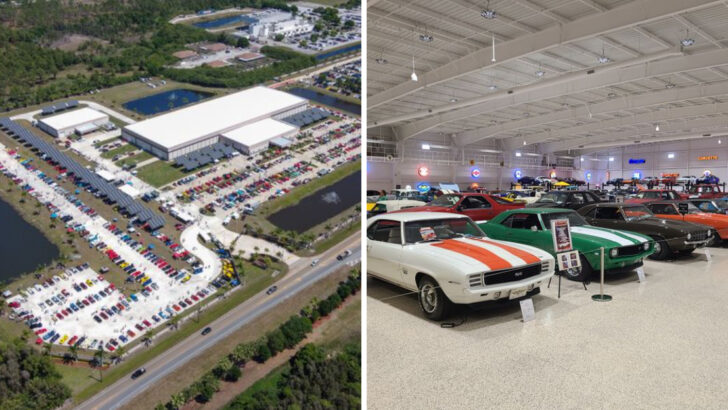
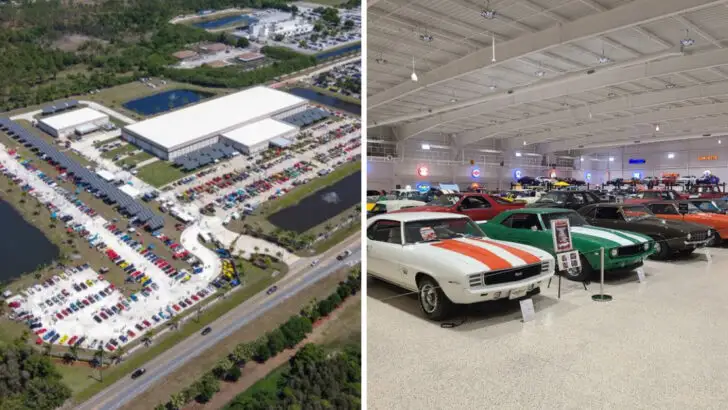
If you love thundering V8s, polished chrome, and the thrill of American horsepower, this is your paradise.
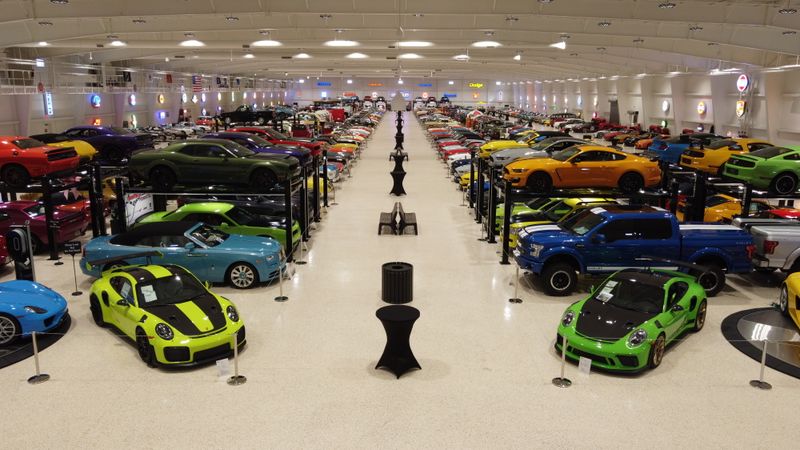
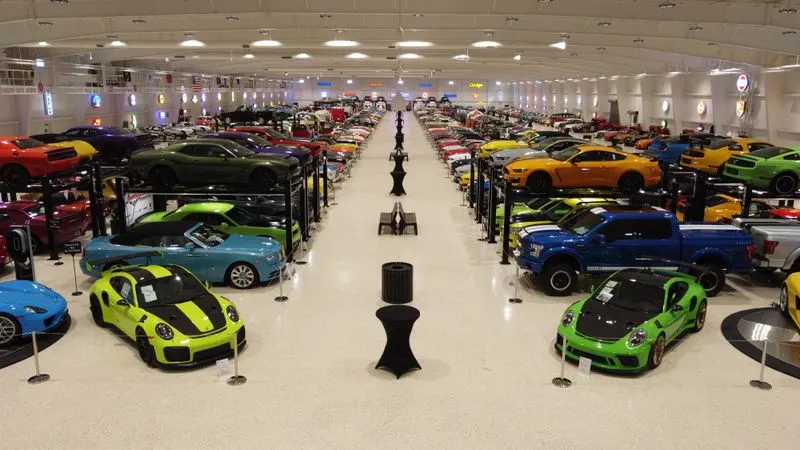
The American Muscle Car Museum in Melbourne, Florida houses over 400 meticulously preserved classics that tell the story of speed, style, and innovation. With a 4.7 star reputation and a purpose built facility, every detail feels like a love letter to automotive heritage.
Get ready to plan your visit and discover what makes this private collection so unforgettable.
Overview and history of the American Muscle Car Museum
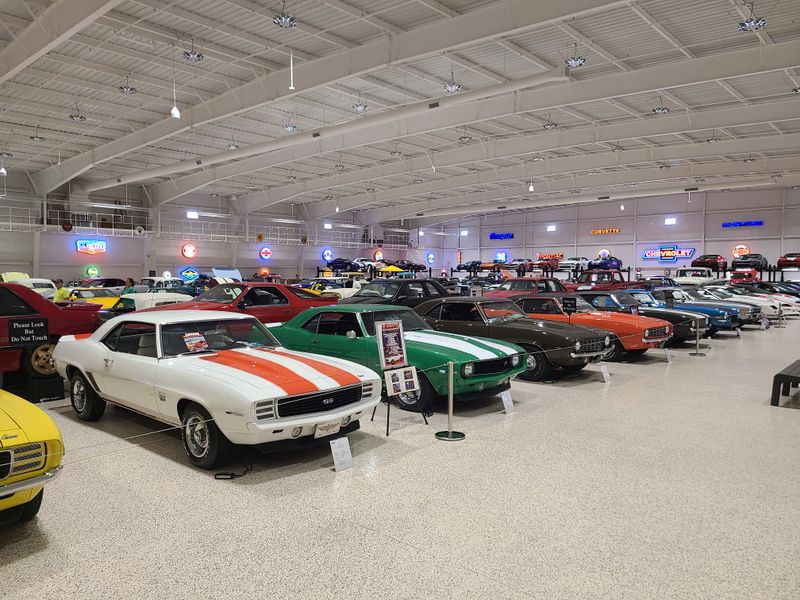
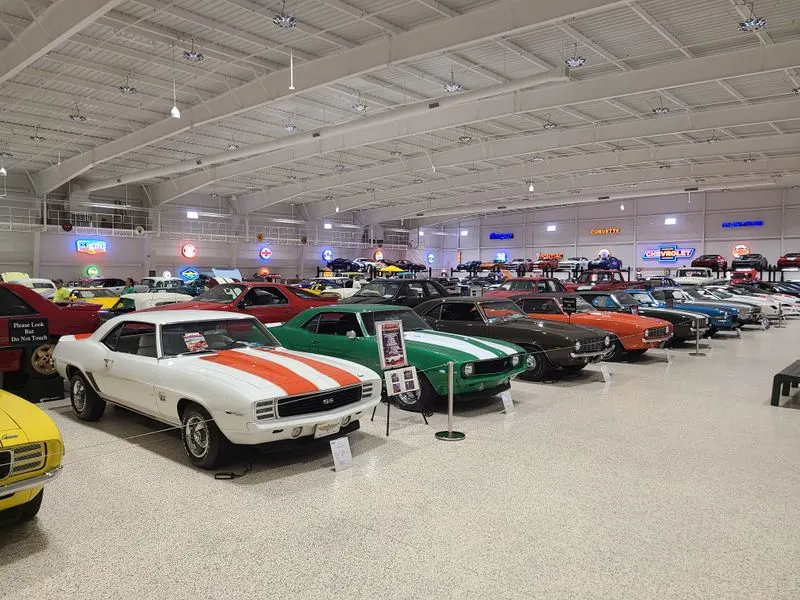
Step inside the American Muscle Car Museum and you immediately sense this is more than a garage. It is a thoughtfully curated, private collection with over 400 vehicles representing the golden eras of American performance. Founded by collector Mark Pieloch, the museum pairs passion with philanthropy, regularly hosting charity events that benefit the local community.
Set at 3500 Sarno Rd in Melbourne, the facility is purpose built for preservation. Cars are displayed with ample space, clean sightlines, and informative placards that help you appreciate the engineering and cultural context. You will see everything from rare low mileage survivors to impeccably restored icons that look ready for the concours lawn.
The museum is not open daily like a traditional attraction, so planning is crucial. Public openings often align with community fundraisers, car shows, or special tours announced through the official website. That approach keeps the collection pristine while making each visit feel like a meaningful occasion.
What makes the place special is the combination of variety and authenticity. You can trace muscle history decade by decade, learning how horsepower wars shaped American design. The result is a living archive where enthusiasts, families, and first timers all find something to love.
Location, access, and planning your visit
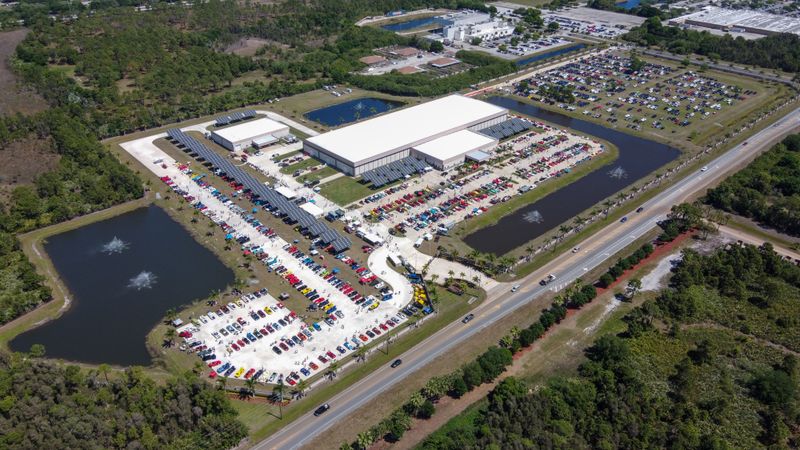
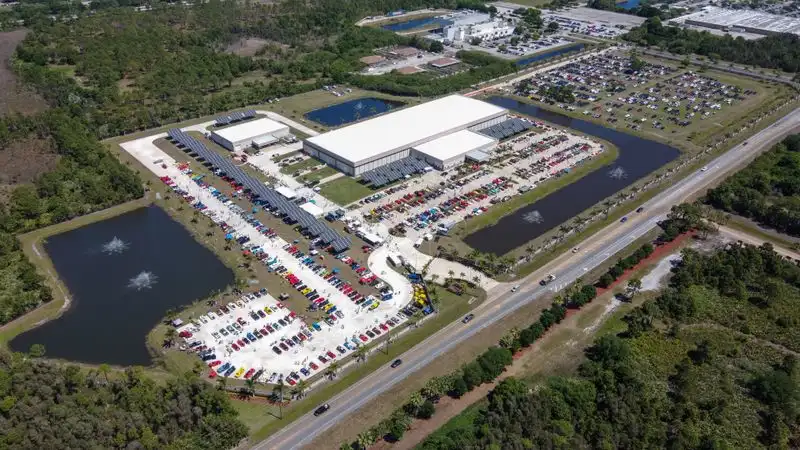
Finding the American Muscle Car Museum is straightforward. It sits at 3500 Sarno Rd, Melbourne, Florida, conveniently accessible from major Space Coast routes. Because the museum operates differently from daily walk in attractions, you should check the official website and social channels for announced public events and charity openings.
Tickets are typically tied to fundraisers or community happenings. That means your visit often supports a good cause while unlocking access to the full collection. If you are traveling, align dates around posted events and plan extra time, because you will want to linger in each gallery.
Parking is generous and the facility is modern, clean, and easy to navigate. Staff and volunteers keep the experience welcoming and informative, which helps first timers feel comfortable among rare, high value cars. Expect bright lighting, clear wayfinding, and a layout that rewards slow exploration.
Bring a camera, comfortable shoes, and a curious mindset. Checking the phone number +1 321 914 4322 or the website can clarify upcoming availability. For a flawless day, arrive early, grab a map, and prioritize must see eras so you can fully enjoy the museum’s scale.
Signature highlights: the muscle car decades
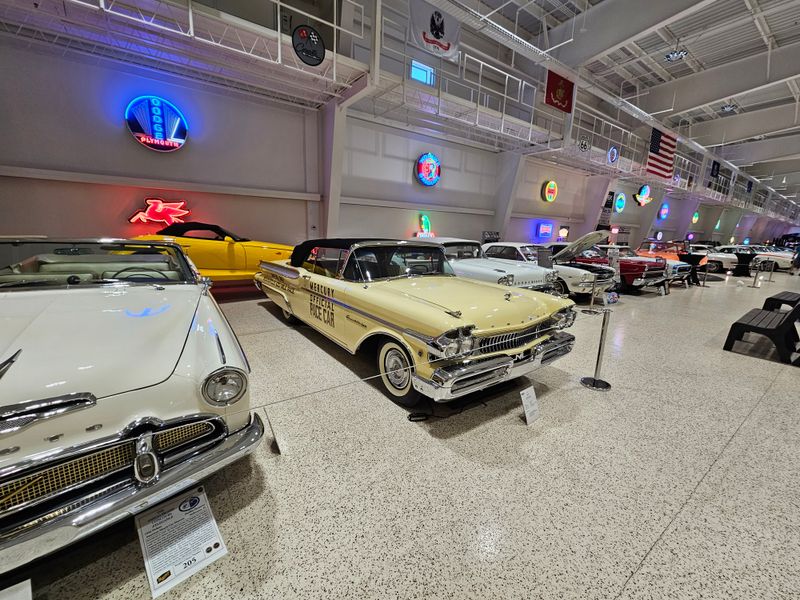
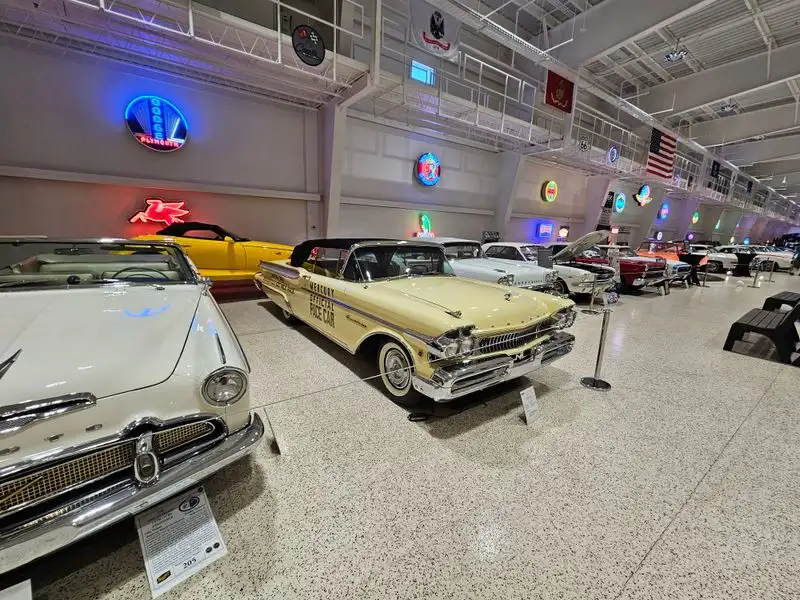
One of the most exciting parts of the museum is how it maps muscle across decades. You can stand in front of 1960s era legends, trace the 1970s emissions crunch, witness 1980s reinvention, and celebrate 1990s to modern performance comebacks. The narrative feels coherent without losing the thrill of individual cars.
Expect to see high impact colors, big block badges, shaker hoods, and factory correct interiors that transport you back in time. Each display includes details that reward close attention, from casting numbers to rare option packages. It is a master class in how Detroit translated competition into showroom swagger.
As you move forward in time, computers, fuel injection, and new materials enter the story. They bring reliability and drivability while preserving character and sound. The museum’s lineup shows how technology elevated muscle without dulling its emotional edge.
You leave with a clear sense of lineage. Early brash horsepower gave way to smarter engineering, yet the soul remains. That continuity is why enthusiasts and newcomers both connect so strongly with the collection’s cross generational arc.
Ford performance: Mustangs, Shelbys, and GT legends
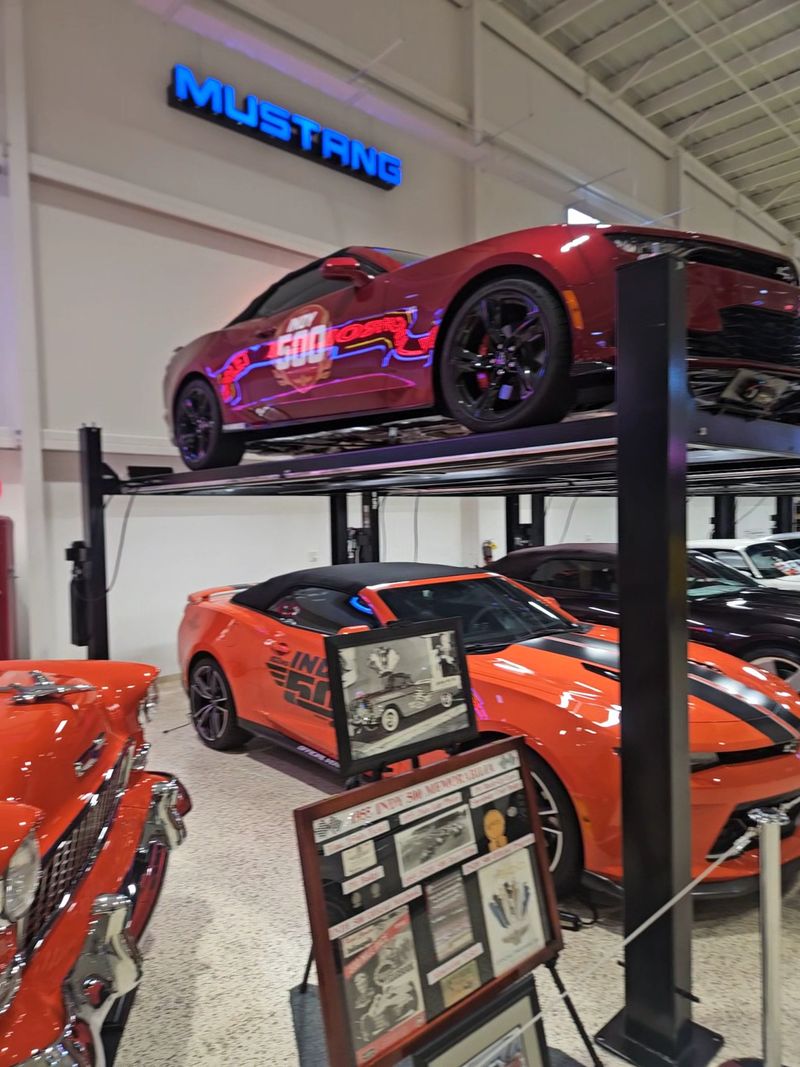
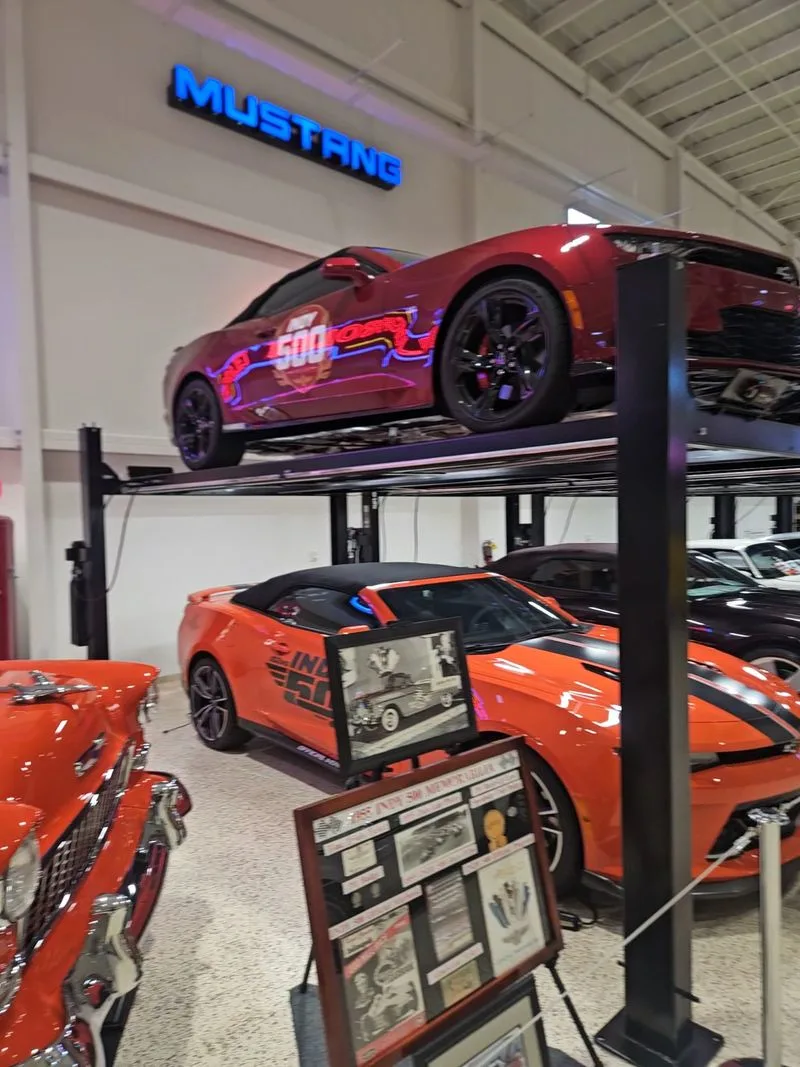
Ford fans will feel spoiled. The museum’s blue oval presence spans early K code Mustangs, Shelby GT350 and GT500 fire breathers, Boss 302 and Boss 429 legends, and modern GTs that prove the breed still bites. Each car conveys a different philosophy on handling, aerodynamics, and brute force.
You will notice the details that make collectors swoon. Stripes perfectly aligned, roll bar configurations, original carb setups, and correct wheels that complete the period look. Placards often explain production numbers and option rarity, which helps quantify just how special some examples are.
Hearing the backstories is part of the fun. Dealer lore, racing roots, and owner histories bring the metal to life. It is easy to imagine these cars tearing down back roads or conquering tracks where Carroll Shelby’s influence loomed large.
Modern Mustangs show how technology advanced the lineage. Superchargers, track modes, and sophisticated suspensions deliver everyday usability without losing theater. You walk away understanding why Ford performance continues to captivate both purists and new enthusiasts alike.
Chevrolet icons: Camaros, Corvettes, and big blocks

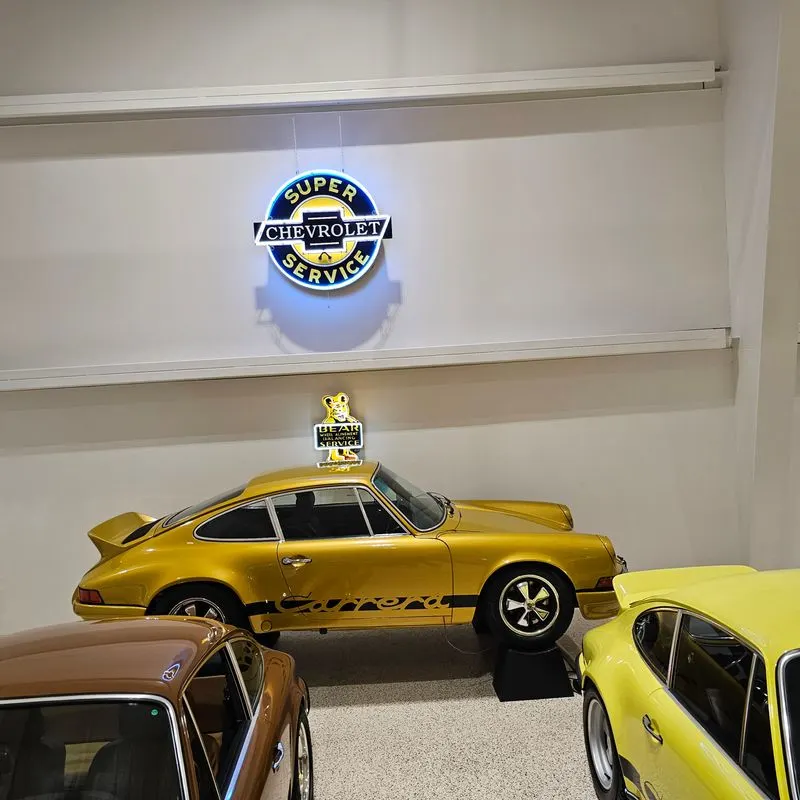
Chevy loyalists get an entire playground. The museum’s bowtie lineup showcases Camaros across generations, asphalt twisting Chevelles, Novas with attitude, and Corvettes that bridge sports car precision with American muscle charisma. Big block 427 and 454 badges jump off the fenders like exclamation points.
Corvettes deserve special attention. From chrome bumper classics to later aerodynamic evolutions, the cars reveal how Chevrolet chased speed and refinement in equal measure. You can compare engines, trim codes, and track inspired technology that moved from race paddocks to showrooms.
Camaro fans will enjoy hunting rare packages and color combos. Cowl induction hoods, RS SS blends, Z28 legends, and IROC era throwbacks all appear with immaculate presentation. The displays make nuanced differences obvious, which helps newer enthusiasts learn quickly.
There is an undeniable soundtrack to the Chevy section. Lumpy idle, deep exhaust, and the whine of performance hardware echo through your imagination. By the end, you appreciate how Chevrolet balanced muscle with style, making icons that still feel relevant today.
Mopar muscle: Hemi power and high impact colors
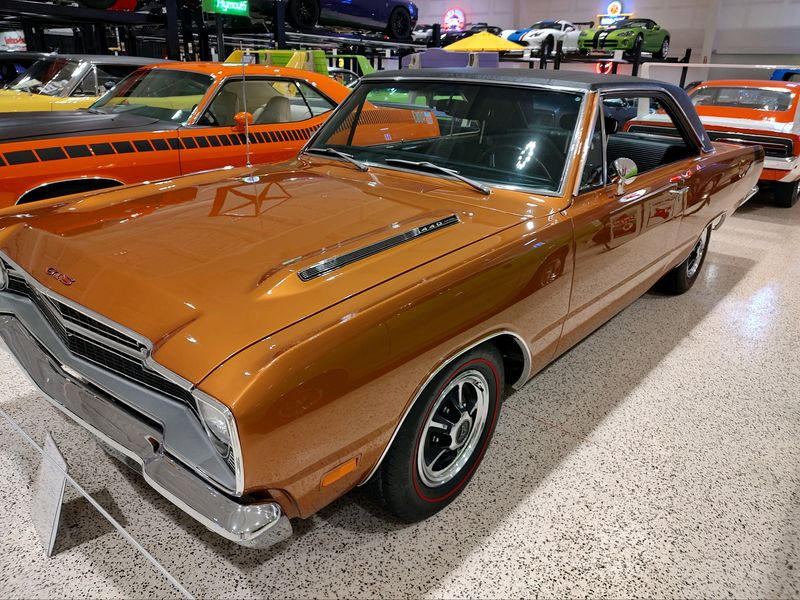
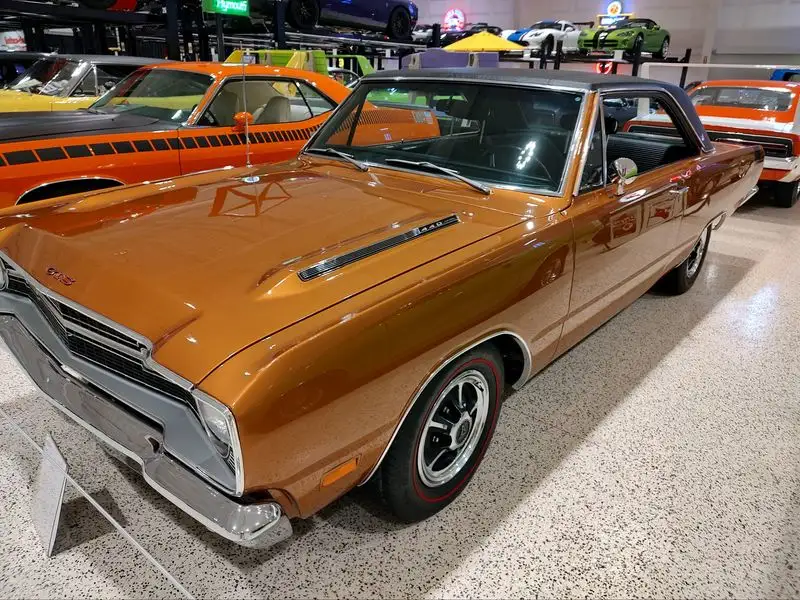
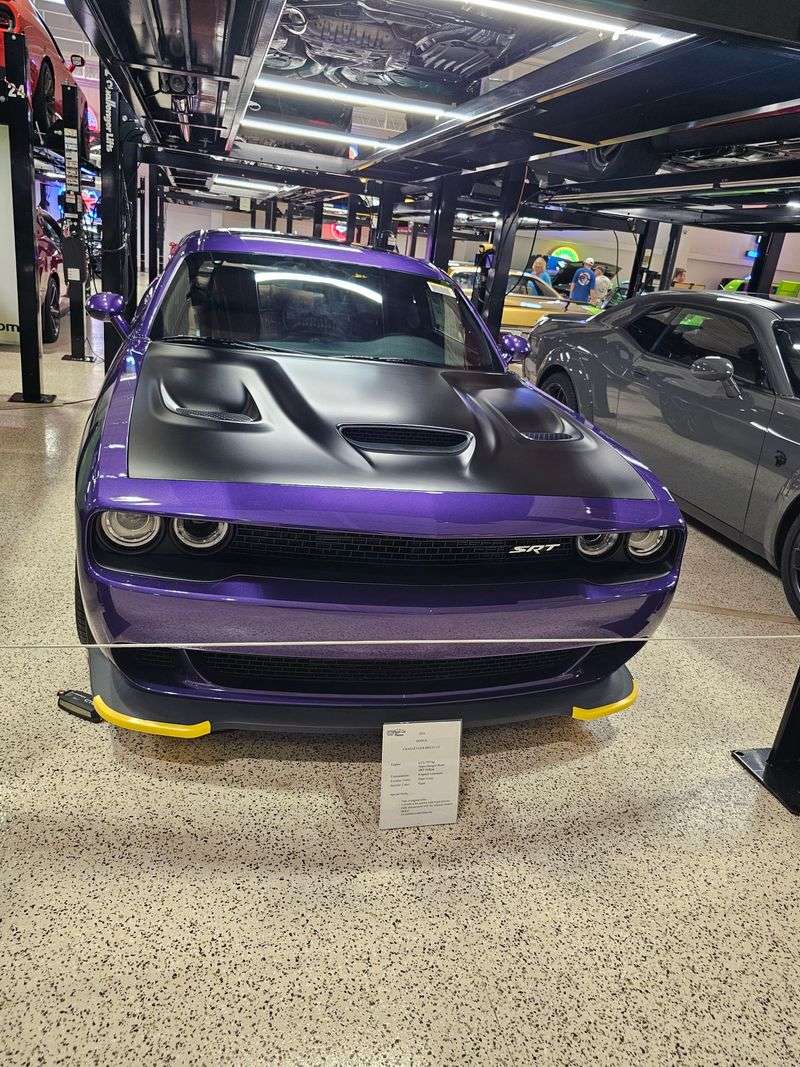
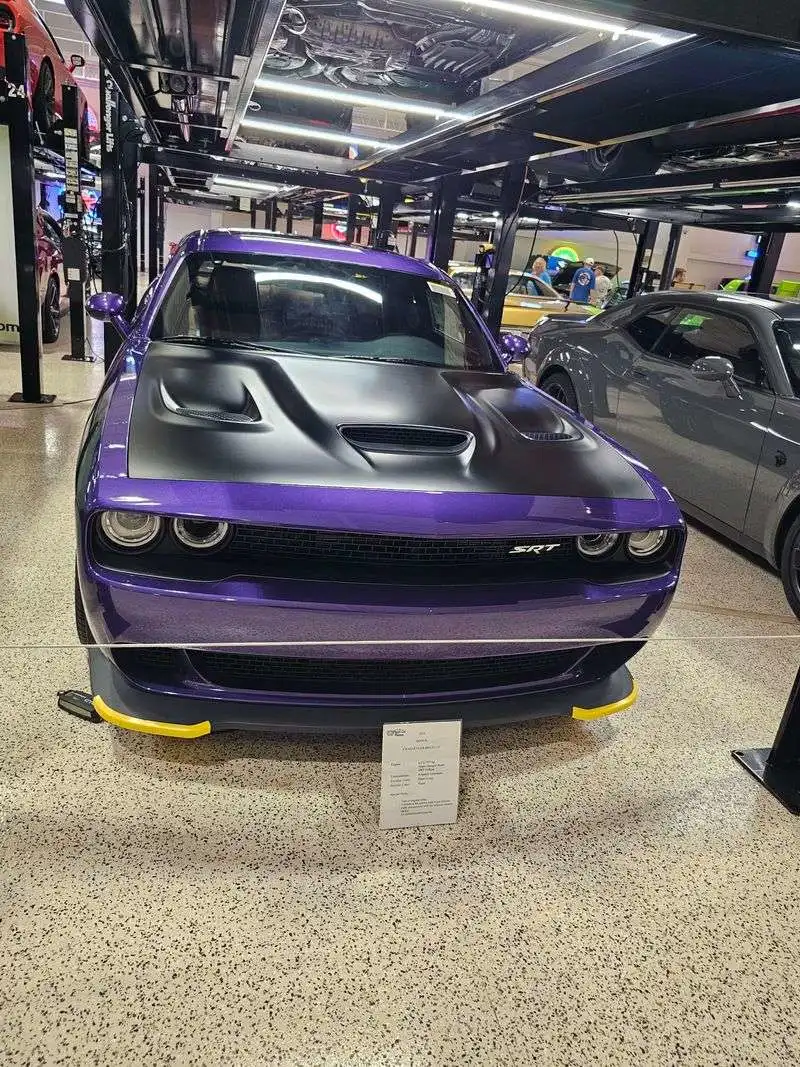
Mopar energy is electric here. The museum’s Chargers, Challengers, Barracudas, and Road Runners flaunt high impact paint, pistol grip shifters, and Hemi or Six Pack brute force. These cars capture a swagger that is uniquely Dodge and Plymouth, part street menace, part pop art.
Placards decode fender tags and options that matter to Mopar faithful. You will learn why a shaker hood or track pack transforms value and personality. Interiors reveal a purposeful minimalism that kept the focus on speed, noise, and driver engagement.
High impact colors pop under the lights. Plum Crazy, Sublime, and Vitamin C feel as fresh as they did in period brochures. The combination of bold paint and aggressive stances makes this section irresistible for photos.
Beyond aesthetics, engineering details shine. Robust drivetrains, clever intake setups, and lightweight tricks underscore how Mopar won on the strip and the street. You will leave with a renewed respect for the Hemi myth and the culture that grew around it.
Rare and low mileage time capsules
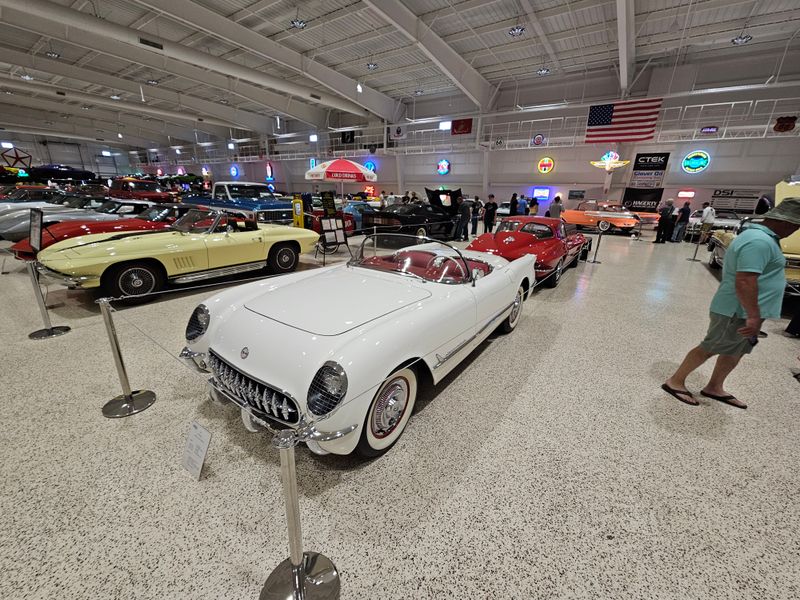
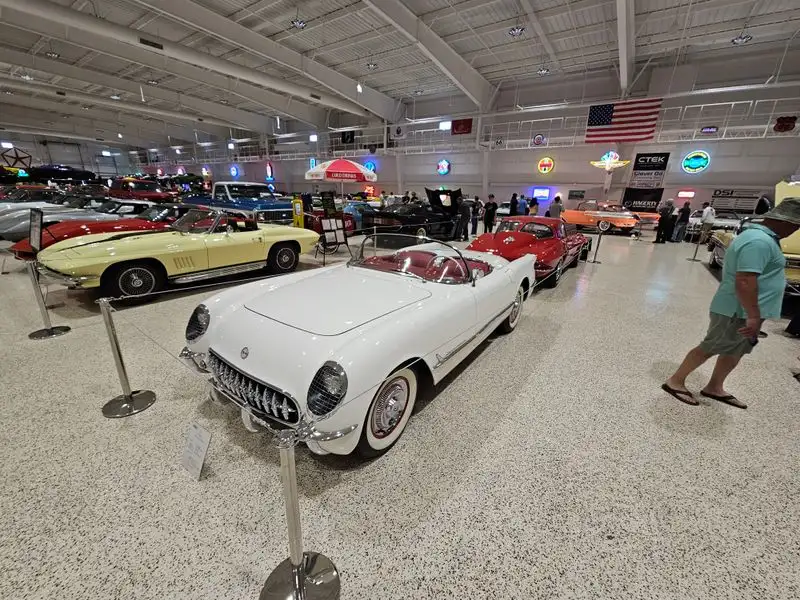
Time capsule cars are a museum specialty. You will find low mileage survivors with original paint, interior plastics, and even factory chalk marks still visible. These untouched examples teach you how cars really left the assembly line, quirks and all.
Placards often reference ownership histories and documentation. Window stickers, build sheets, and dealer invoices tell stories about pricing, options, and regional tastes. Seeing these papers alongside pristine cars creates a powerful sense of authenticity.
There is something magical about stepping close to a car that barely turned a wheel. The smell, the textures, the way doors close with factory crispness, it all transports you. It is living archaeology for gearheads and casual visitors alike.
Conservation takes precedence over flashy restoration here. Climate control, careful detailing, and proper tire support preserve originality. You come away understanding why preservation matters and how it complements beautifully restored counterparts elsewhere in the collection.
Restoration excellence and craftsmanship

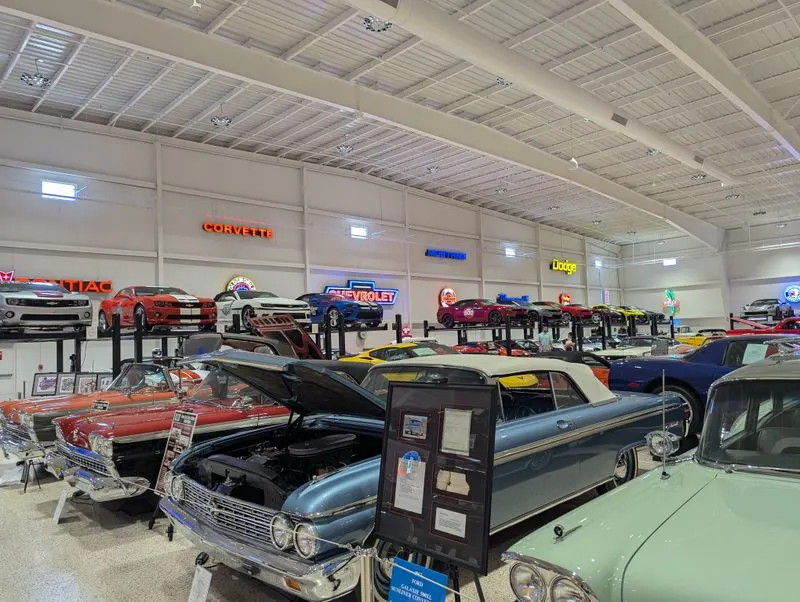
Not every star is a survivor. Many cars at the American Muscle Car Museum showcase world class restorations that honor factory specifications. Panel gaps, paint depth, undercarriage finishes, and engine bay correctness demonstrate a commitment to craftsmanship.
Restoration notes often accompany the displays. You learn about locating original date coded parts, sourcing NOS components, and balancing authenticity with safety upgrades. It is a behind the scenes look at the decisions that shape concours worthy results.
Stand near a freshly restored big block and you notice how everything aligns. Hoses route cleanly, decals sit exactly where they should, and fasteners match reference manuals. That meticulous approach helps visitors see why these cars judged well at national shows.
There is also humility in the presentation. Restored cars sit beside survivors, inviting comparison rather than competition. Your takeaway is that both paths celebrate heritage, keeping the muscle narrative vibrant for future generations.
Technology of preservation: climate control and care
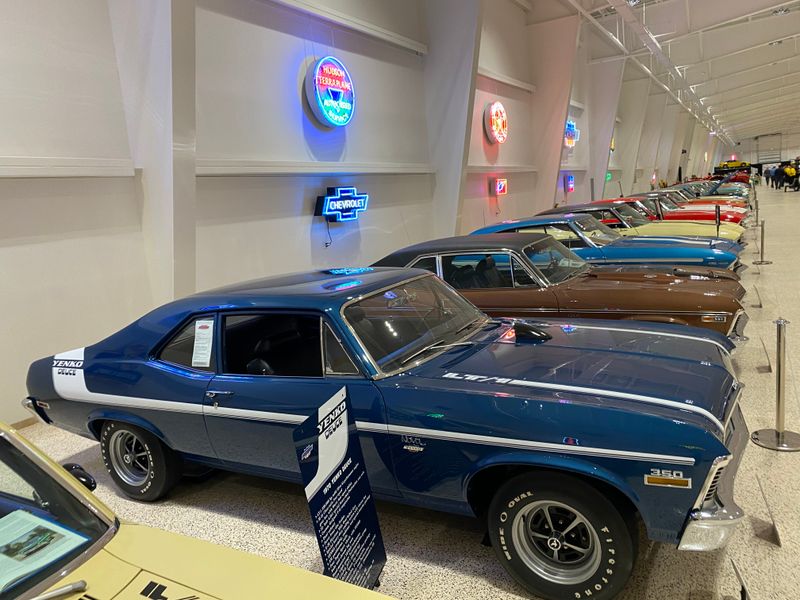
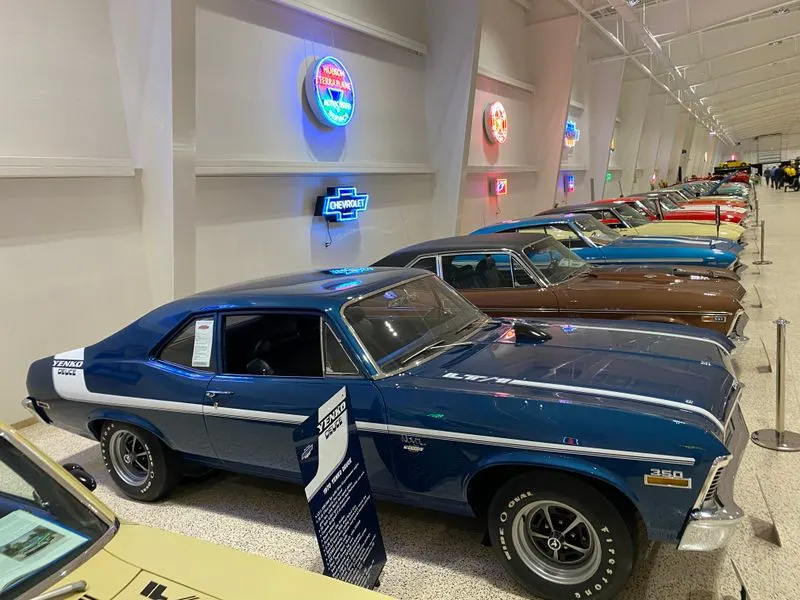
Preservation technology underpins the museum’s shine. Climate control protects paint, rubber, and interiors from Florida humidity, while lighting is engineered for visibility without harmful heat. Floors stay spotless and anti static, making the whole space feel like a laboratory for automotive art.
Look closely and you will spot battery tenders, tire cradles, and fluid management protocols. Those details prevent flat spotting, sulfation, and long term storage degradation. The result is a fleet that can wake up reliably for demonstrations and events.
Documentation and maintenance records are part of the routine. Scheduled startups, rotations, and inspections keep systems healthy. Visitors learn that preservation is not passive storage but an active, disciplined process.
This attention to care ensures authenticity stays intact. Original finishes and materials survive for decades, letting future enthusiasts experience cars as intended. You walk away with practical ideas for your own garage, scaled to suit any collection size.
Events, charity nights, and community impact
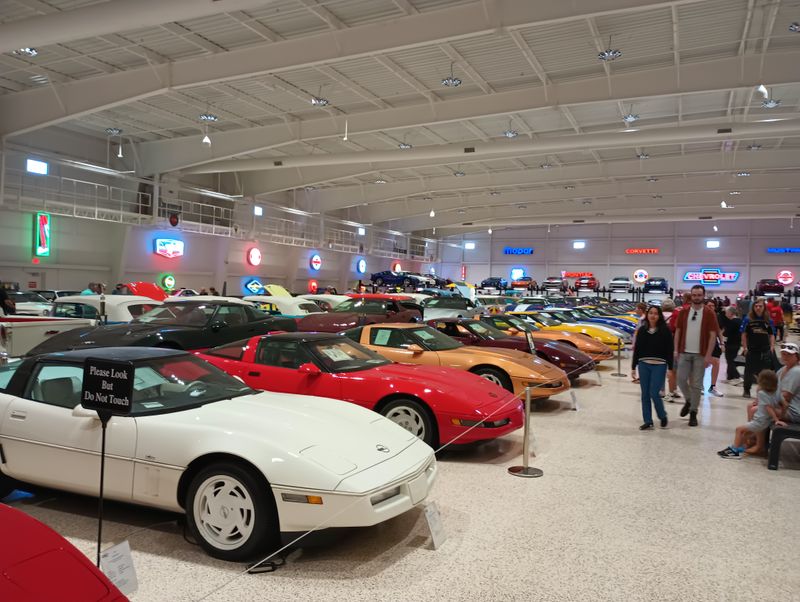
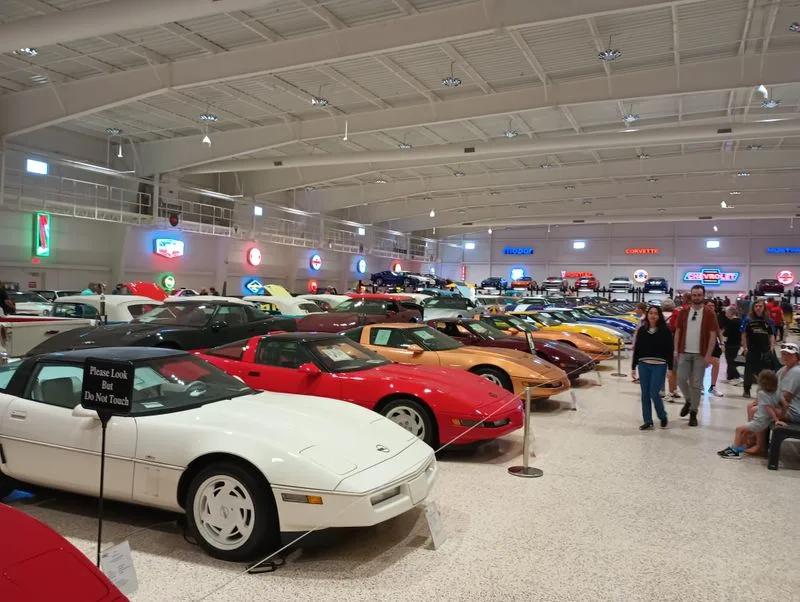
The museum’s heartbeat is community. Public openings often center on charity nights that raise funds for local causes while giving enthusiasts rare access. You enjoy top tier cars and feel good knowing your ticket supports something meaningful.
Events range from themed showcases to large scale galas. Volunteers and staff help organize traffic, answer questions, and share stories that bring the collection to life. The atmosphere is welcoming, inclusive, and buzzing with car talk.
Because dates vary, it pays to follow announcements on the website and social media. You can call +1 321 914 4322 for clarity on upcoming opportunities. Planning ahead ensures you will not miss headline gatherings.
These nights reinforce why the museum exists. It is a celebration of American ingenuity that also invests in Melbourne’s future. Leave with photos, new friends, and a deeper appreciation for how horsepower can fuel real community impact.
Visitor tips: photography, pacing, and etiquette
A little planning makes your visit smoother. Arrive early, review the map, and choose a direction so you do not backtrack. Comfortable shoes matter, because the collection’s scale encourages lots of walking and lingering.
Photography is welcomed when done with care. Avoid leaning on cars, watch belt buckles and bags, and keep flashes moderate, relying on the excellent lighting. If you capture details, photograph placards too so you remember specs later.
Be patient and considerate with crowds. Give others room to enjoy angles and avoid blocking aisles. Staff and volunteers appreciate questions, and their insights can unlock nuances you might miss alone.
Finally, hydrate and take short breaks. The sensory overload of chrome, paint, and history is real. Pausing helps you reset, appreciate craftsmanship, and leave with clearer memories and better photos.
How to stay updated: website and contact info
Staying current is easy when you know where to look. The museum’s official website, americanmusclecarmuseum.com, posts event announcements, photo highlights, and charity information. Because public access dates vary, that page is your first stop for planning.
For quick questions, call +1 321 914 4322. Staff can guide you on upcoming openings, accessibility, and best practices for group visits. Social media channels add real time updates and behind the scenes glimpses you will not want to miss.
Set calendar alerts after you find an event that fits. Popular nights sell out or reach capacity quickly, so early action pays off. If you are coordinating with friends, share the link so everyone locks plans together.
Combine the information with this guide and you will be ready. From timing to photo etiquette, a little prep maximizes your experience. See you under the lights on Sarno Rd, where muscle history lives and breathes.