

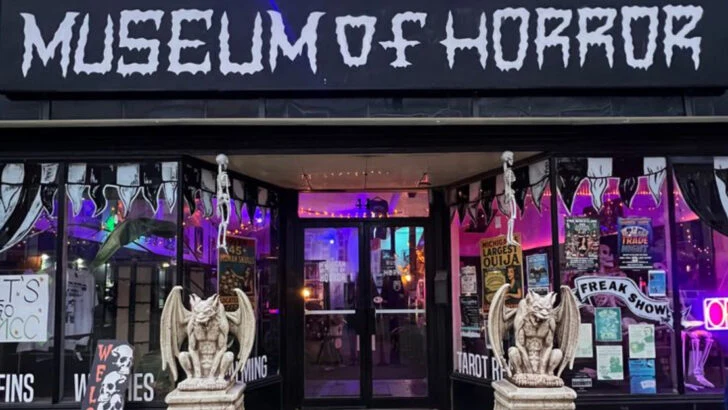
If you crave goosebumps with a side of local lore, the Michigan Museum of Horror in Monroe is your next obsession.
Tucked on S Monroe St, this 4.3 star gem is equal parts art installation, haunted archive, and memory you will not shake off. You will find screen-used props, Midwest myths, and handcrafted nightmares that feel uncomfortably close.
Step in after noon Wednesday through Sunday, and try not to look over your shoulder as the lights dim.
Orientation and arrival on S Monroe St
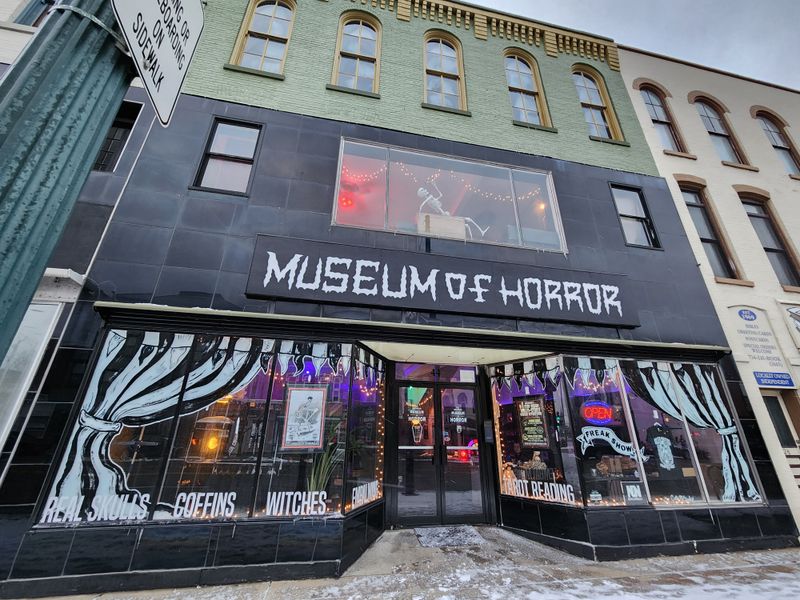
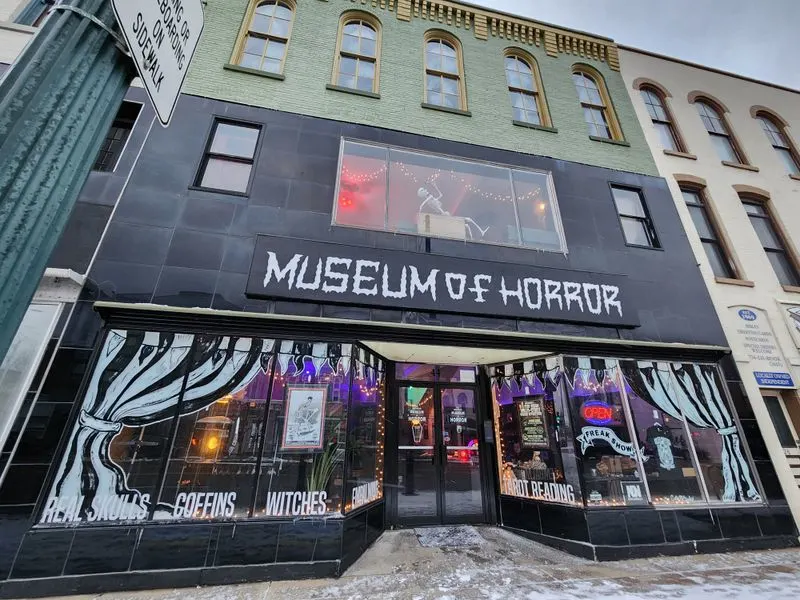
You arrive at 44 S Monroe St and the building already feels like a dare. The front glows with a low red wash, and the door handle is colder than expected. You see posted hours for Wednesday through Sunday, a warning about intense scenes, and a note about photography policies.
Inside the lobby, distressed wood and framed horror posters set a mischievous tone. A staff member gives a quick rundown about timed entry and where to find restrooms. There is a map that looks like a maze, but you are told to follow the blood-red arrows on the floor.
The orientation brief mentions the museum’s blend of local history and screen-used props. It is curated by filmmakers and artists who collect, reinterpret, and stage Midwest nightmares. You are encouraged to take breaks if a room becomes too intense.
Before the first gallery, you pass a rack of merch with enamel pins and minimalist black tees. A small placard asks guests to respect quieter visitors and keep voices low for atmosphere. As the door clicks shut behind you, the street noise disappears, replaced by a slow, mechanical hum.
Origins and mission of the museum
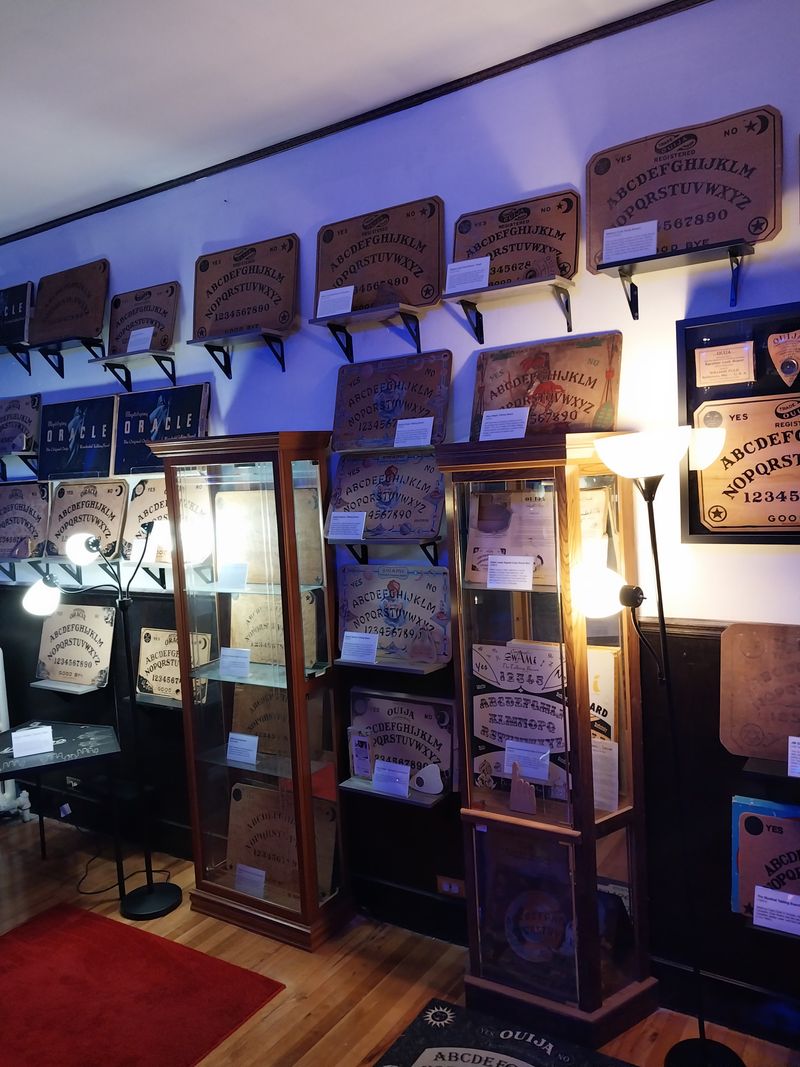
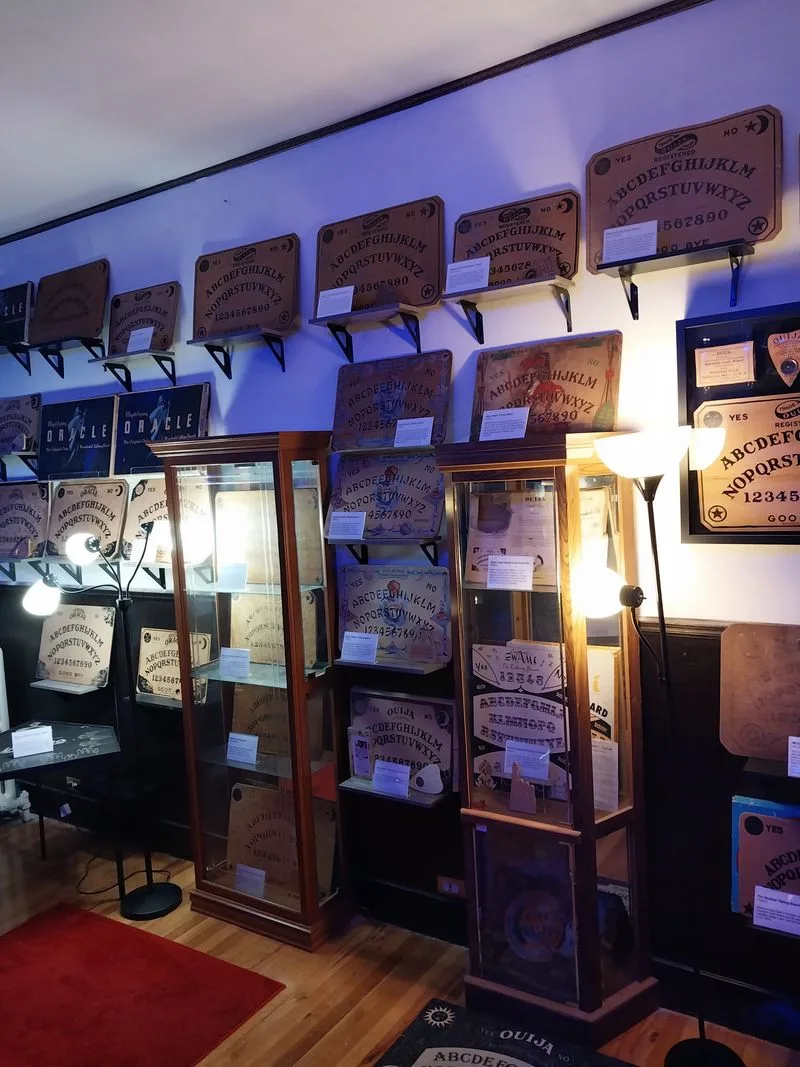
A concise origin panel explains that the Michigan Museum of Horror emerged from a filmmaker’s prop collection and a love for regional legends. It positions itself as both a cabinet of curiosities and a storytelling lab. The mission balances ethical display with emotionally intense immersion.
There is a timeline stitched with film stills, newspaper clippings, and handwritten set notes. You learn how community donations shaped several rooms, turning family heirlooms into unsettling anchors. The museum states it aims to explore fear as culture, not just cheap scares.
The text also clarifies preservation practices for screen-used items. Humidity control, low UV lighting, and rotation schedules keep fragile materials safe. A side card invites local residents to submit artifacts tied to Michigan ghost stories.
You are asked to reflect on why horror endures. Is it comfort, catharsis, or curiosity about the dark corners of everyday life. The tone is surprisingly thoughtful, setting expectations that what follows will challenge you as much as it entertains.
Signature scare rooms and scene design
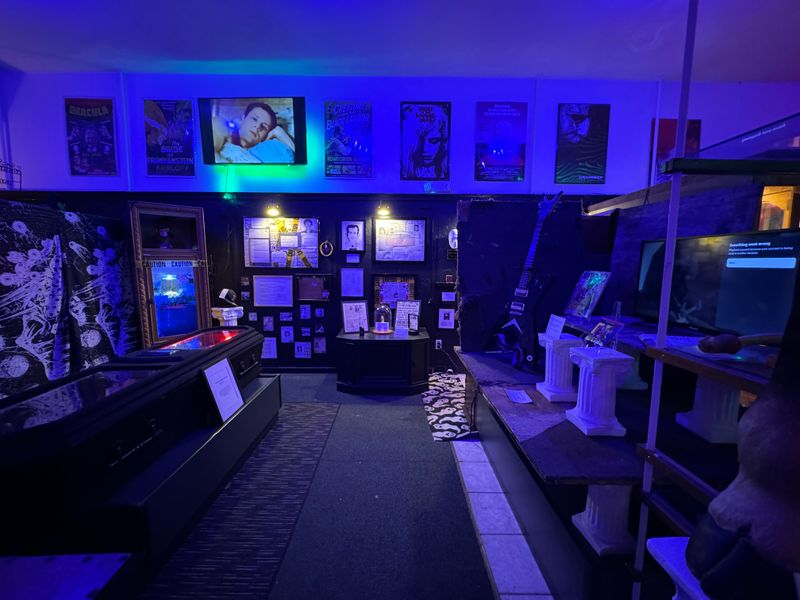
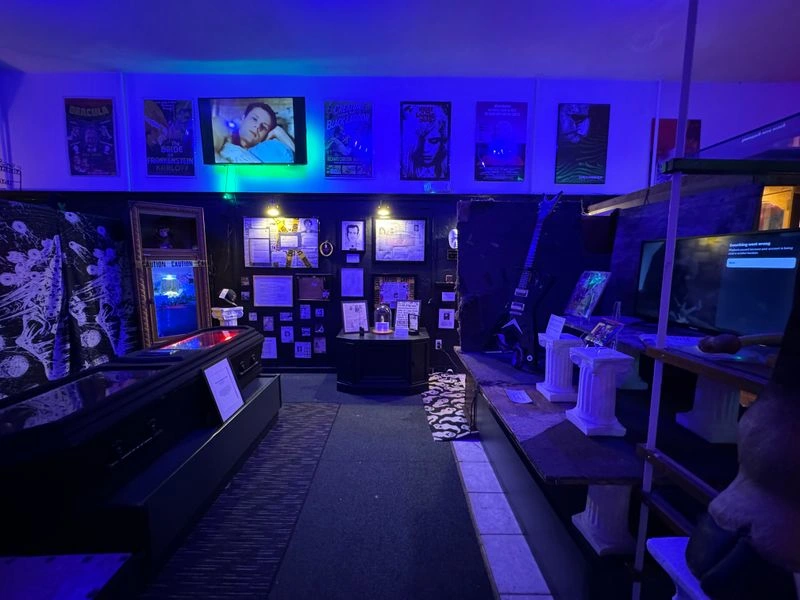
The first scare room leans into analog dread. Flickering bulbs reveal peeling wallpaper and a hallway that seems longer than the building allows. Speakers hide tiny crackles and whispers that make you glance back even when you know better.
Design notes are posted discreetly for curious minds. They describe how non-toxic fog, directional sound, and forced perspective shape your sense of vertigo. The room ends with a calm alcove so your pulse can settle before the next scene.
Another gallery plays with farmhouse motifs familiar to Michigan backroads. A windmill shadow turns slowly, and floorboards creak under pressure pads. You catch a glimpse of a behind-the-scenes diagram showing where sensors trigger a light cue.
The final space in this section is quiet, nearly empty, just an old chair lit like a confession booth. Silence stretches until your breath sounds loud. A label nudges you to consider how minimalism can frighten more effectively than jump scares.
Screen-used props and indie horror artifacts
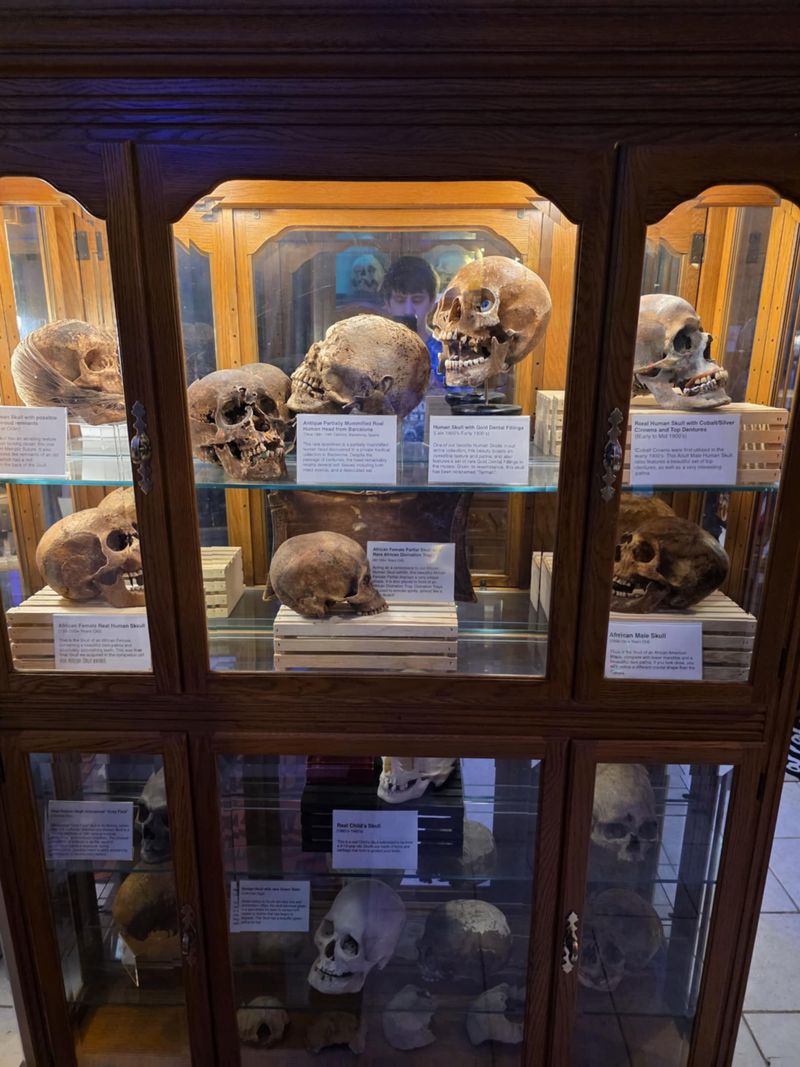
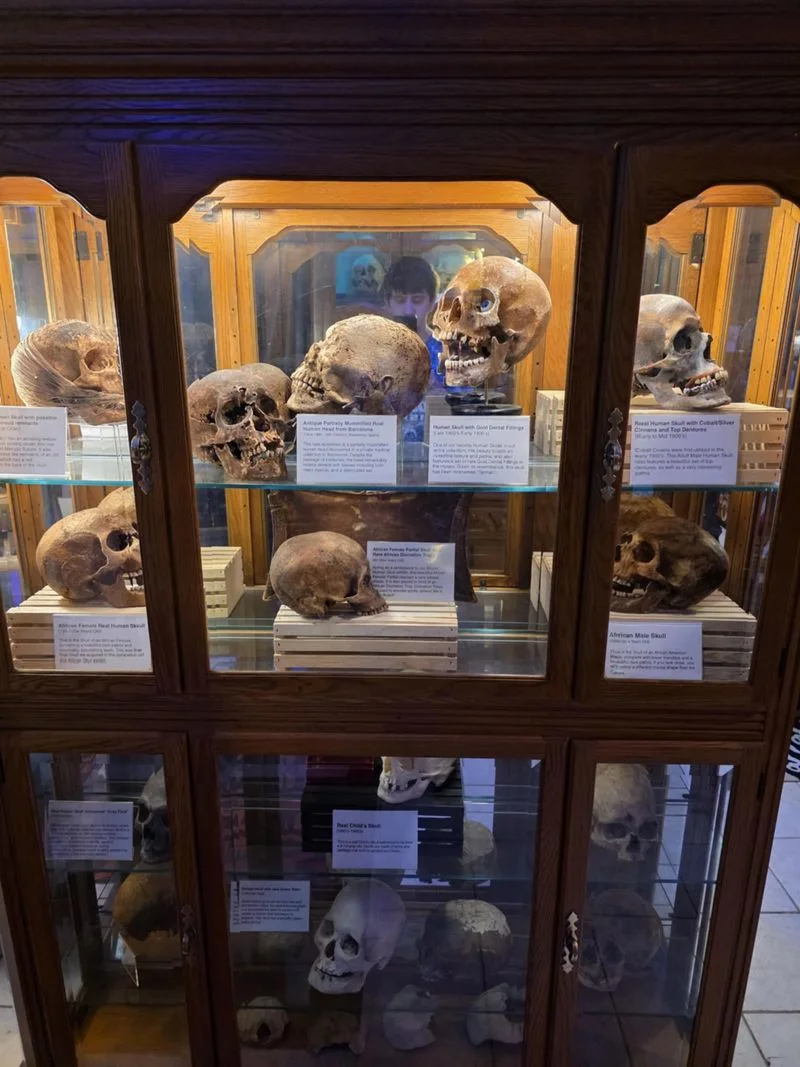
In a central gallery, glass cases hold masks, prosthetics, and small-batch props from indie productions. The tags note materials like latex, foam, silicone, and resin. Some pieces show studio repairs, with stitches visible like surgical notes.
Storyboard panels line the wall, edges worn from set life. A clapperboard sits beside a jar of weathered screws pulled from a deconstructed set. You can trace how an idea on paper becomes a tactile object that lives on-camera.
There is pride in how the museum contextualizes every artifact. Cards cite local connections, such as regional crew members or Michigan shooting locations. A QR code links to interviews with prop fabricators who share safe storage tips.
One cracked mask has a tiny dent you might have missed without the angled light. Nearby, a slow rotating plinth shows a hero prop knifed with scratches from repeated takes. You leave understanding that horror props are fragile storytellers with scars like actors.
Michigan folklore and regional hauntings
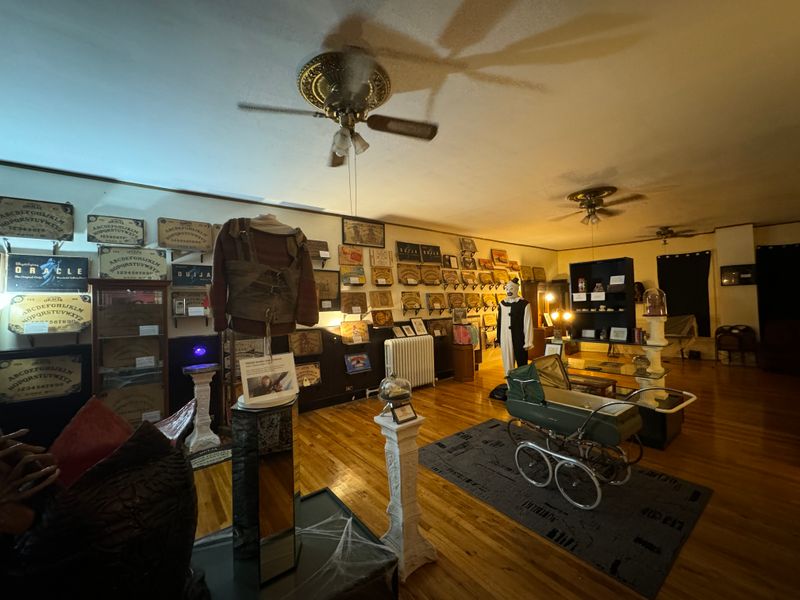
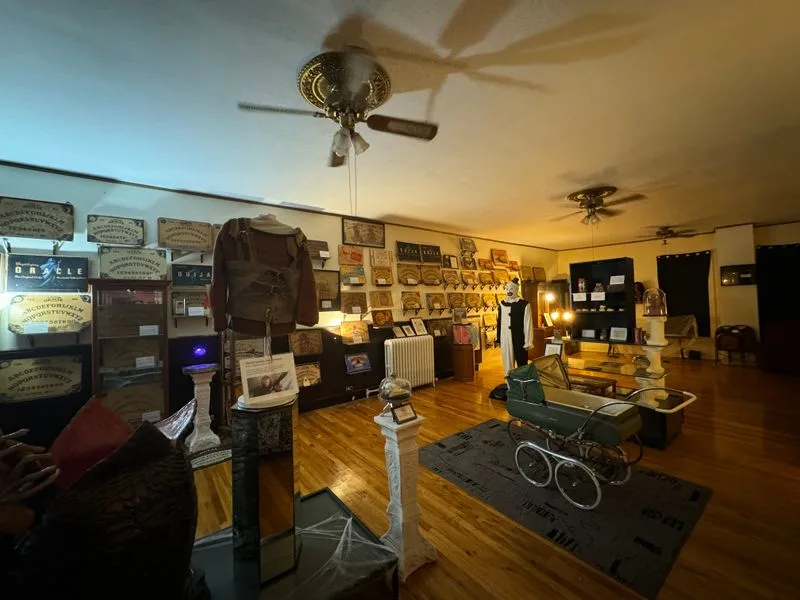
This room maps folklore across the state, threading lake towns, lighthouses, and lonely two-lanes. Pins on a Michigan silhouette mark legends from Monroe to the Upper Peninsula. You can tap a kiosk to hear narrated snippets in a calm, radio-like voice.
Newspaper reproductions provide grounding for the stories. A case displays a lighthouse keeper’s log next to a carved talisman from a family barn. The labels remain respectful, careful with living communities and ongoing traditions.
Sound design shifts from gulls to whippoorwills as you move. The lighting cools toward lake blues, and the floor arrows thin into drifting lines like currents. A bench invites you to sit with a pair of headphones and listen to oral histories.
One tale about a roadside hitchhiker has a simple display, just a jacket and a sign. You realize restraint can make folklore feel intimate and real. When you exit, a small mirror asks what legends you brought with you today.
Access, hours, and guest tips
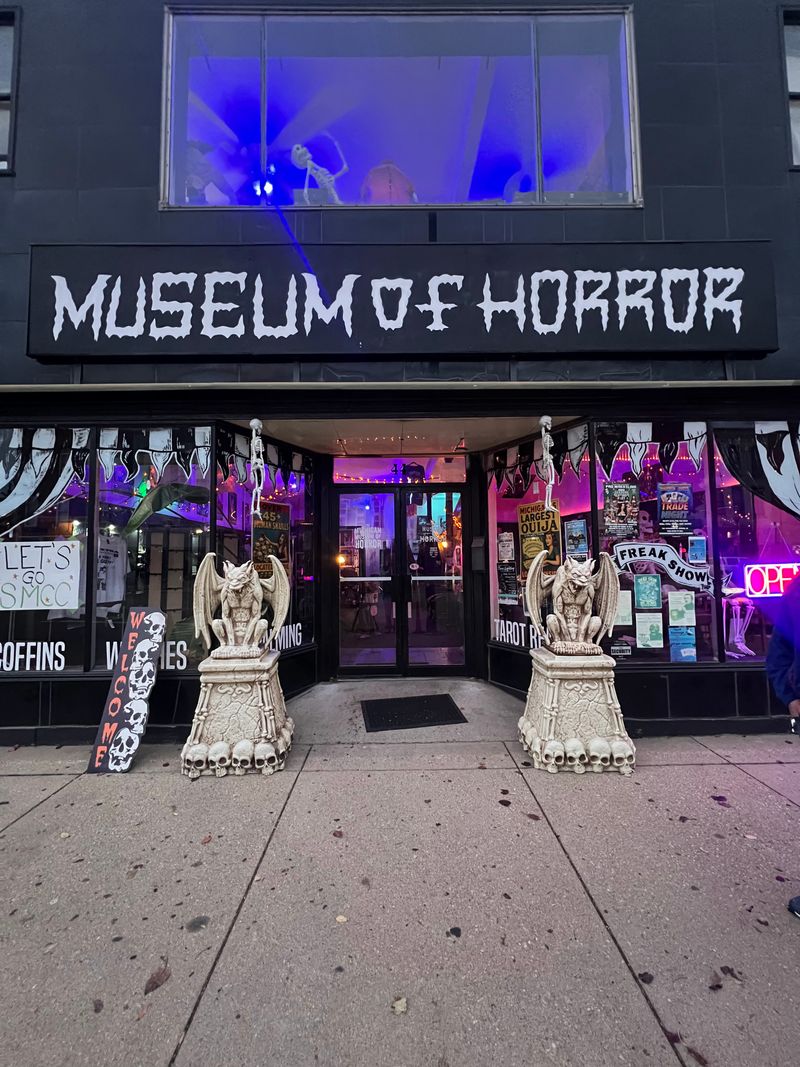
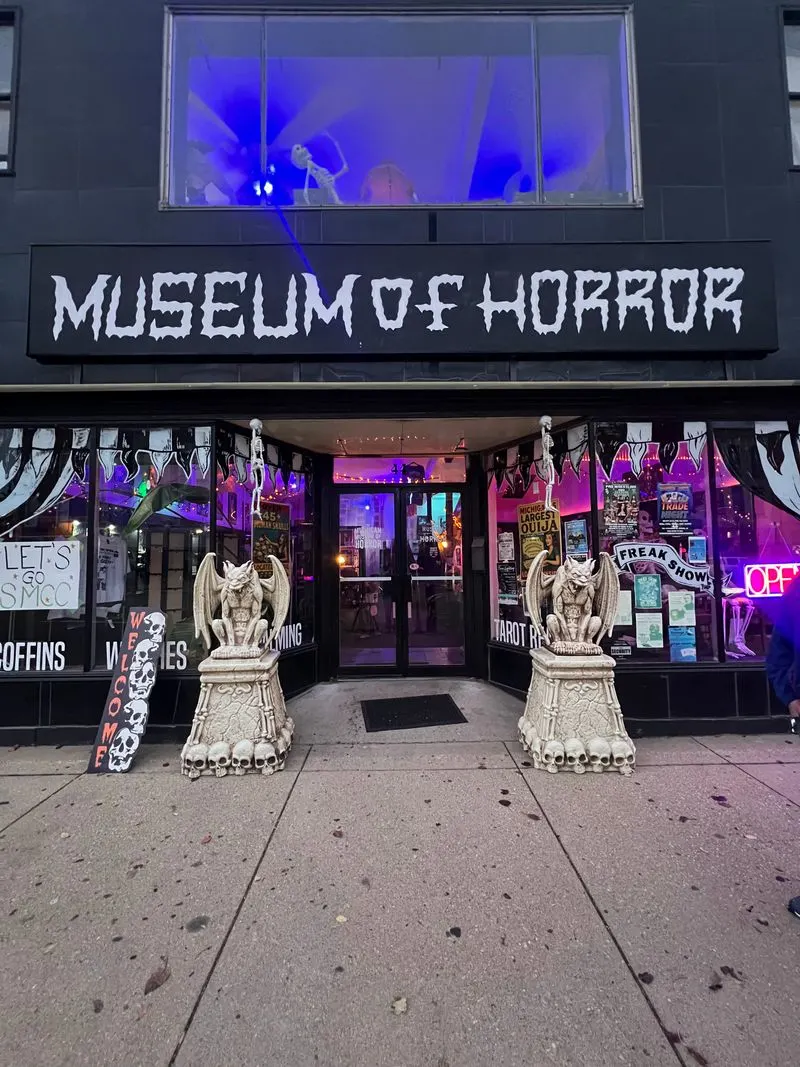
Practical details matter when you are courting goosebumps. The museum is closed Monday and Tuesday, and typically opens 12 PM Wednesday through Sunday with later evenings on weekends. Check the posted schedule for Wednesday 12-8 PM, Thursday 12-8 PM, Friday 12-9 PM, Saturday 12-10 PM, and Sunday 12-8 PM.
Parking is straightforward along S Monroe St and nearby lots. Call +1 734-790-2424 for current events or capacity notes before busy nights. The website, linked through the curator’s production page, lists rotating installations and ticket updates.
Wear comfortable shoes and layer for cool galleries. If you are sensitive to strobe or fog, ask staff which rooms to skip. They are friendly and will steer you toward calmer routes without judgment.
Arrive a bit before your slot so you can decompress in the lobby. Hydrate, breathe, and set a personal scare threshold. You will enjoy the craft more when you feel in control of your pace.
Photo etiquette and merch to remember the chills
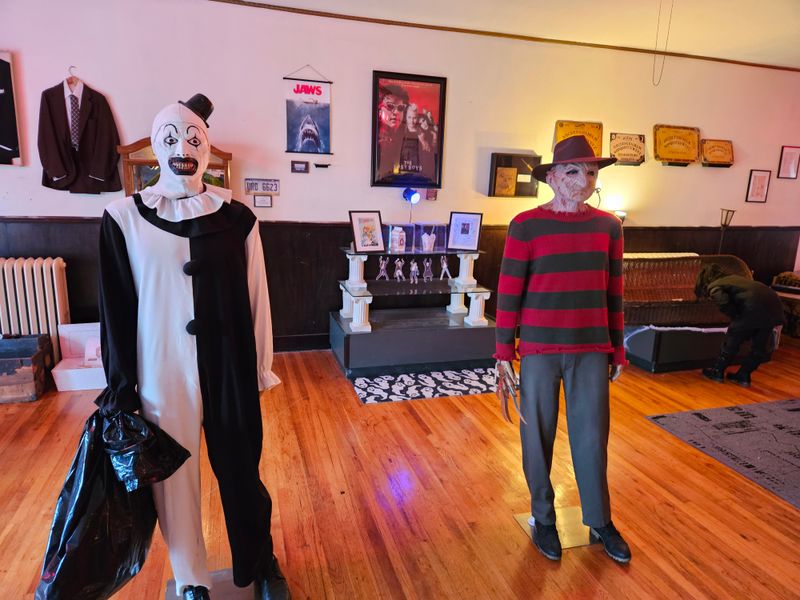
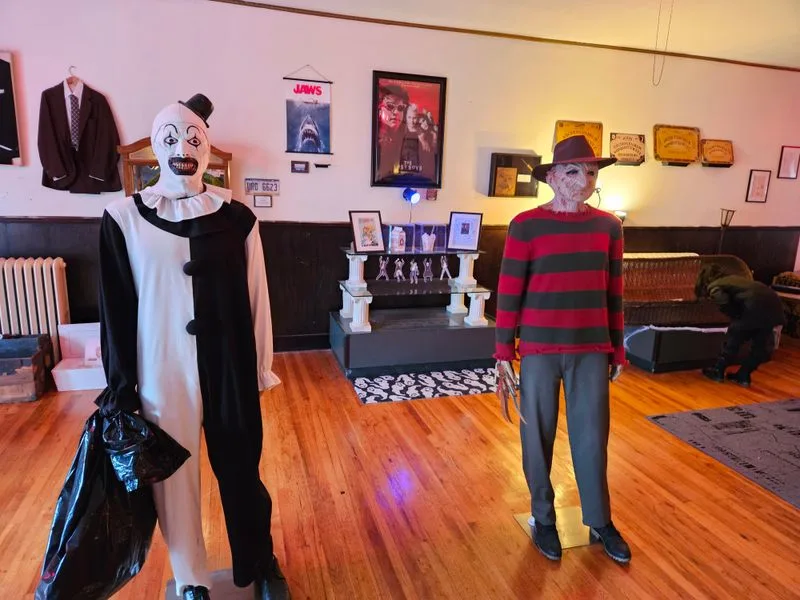
Photography is usually allowed without flash, but always check posted signs. Some rooms prohibit photos to protect fragile materials or preserve surprises. Staff will happily clarify boundaries so you can enjoy the moment without stress.
The shop sells tasteful souvenirs that do not feel like throwaways. Pins nod to Michigan folklore, and minimalist shirts keep it wearable beyond Halloween. There are zines about scene design, printed in limited runs with matte ink.
If you collect art prints, flip through the flat file. Many pieces are numbered, signed by local artists who collaborated on installations. The register display has a few hand-poured candles that smell like cedar and cold air.
Etiquette tip: pause for guests behind you before lining up a shot. You will also want to silence shutters in the quieter galleries. Capture what delights you, then tuck the phone away to let the ambience crawl under your skin.
Events, workshops, and seasonal overlays
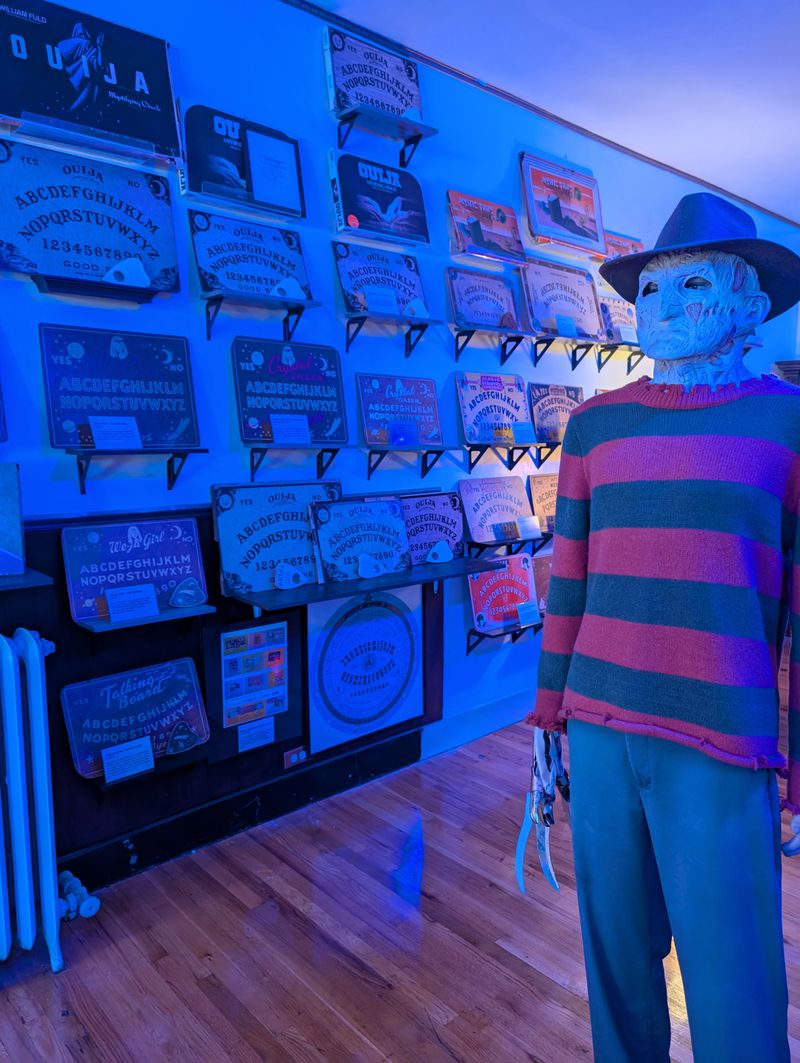
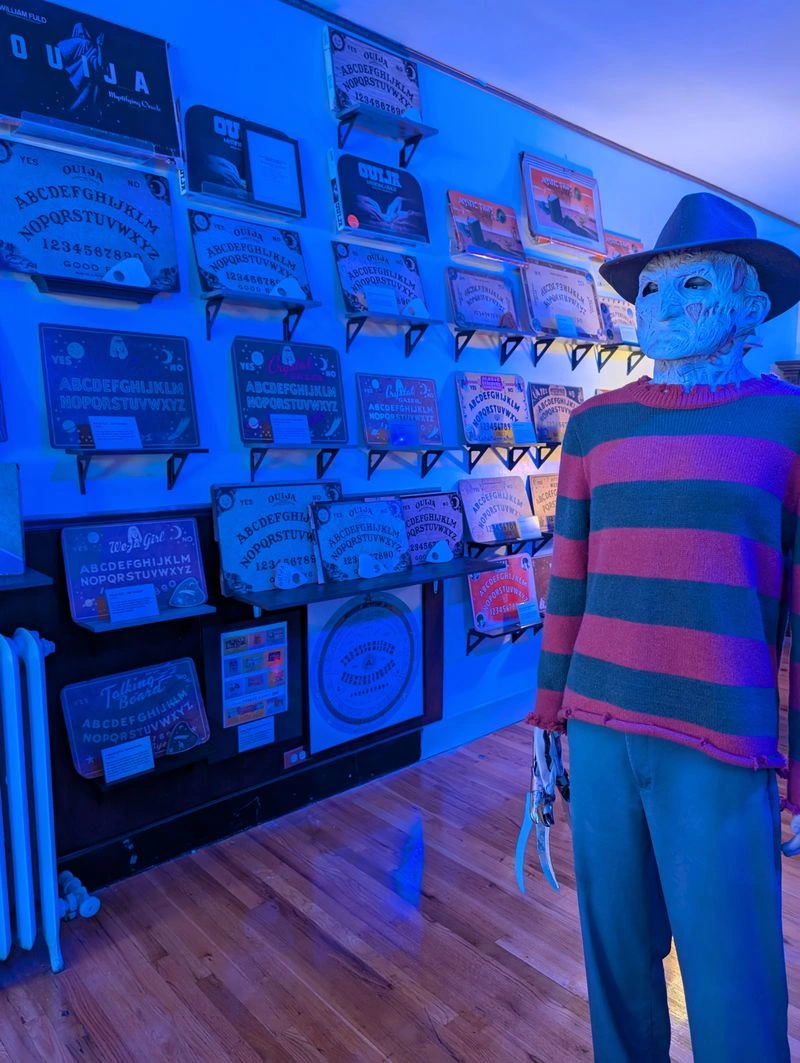
Between fall rushes, the museum runs workshops that demystify horror craft. You might catch a makeup demo where silicone scars bloom under soft lights. Projection nights screen micro-shorts made by regional creators.
Seasonal overlays tweak rooms with new story beats rather than just louder jump scares. A spring session explores liminal nostalgia, while October adds brisk crowd energy and special hours. Staff emphasize accessibility and comfort even during peak season.
Keep an eye on social feeds and the official site for dates. Some events require reservations with small caps to preserve intimacy. Calling ahead can secure seats for hands-on sessions that sell out fast.
The best part is how collaborative it feels. Guests contribute ghost stories, artists prototype installations, and everyone leaves with new vocabulary for fear. You walk out thinking about craft, not just adrenaline.
Planning your route and making it unforgettable
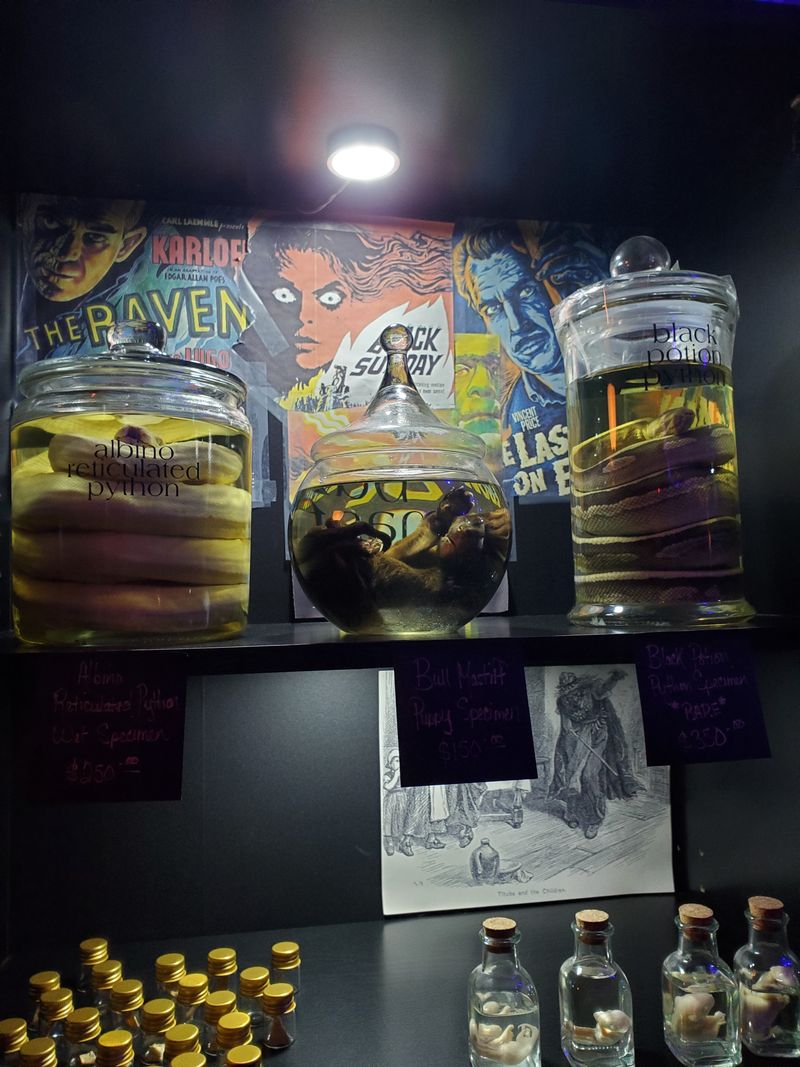
Start with the mission gallery so your brain catches up to your nerves. Move through scare rooms in order, pausing in alcoves whenever the heart rate spikes. If a room feels overwhelming, rejoin the path at the next checkpoint.
Give yourself time for props and folklore because those details deepen everything. Jot names of artists and fabricators for later rabbit holes. Grab water in the lobby halfway so you do not fade before the final scenes.
Plan transport and dinner nearby so you can process afterward. Monroe’s main drag has spots where lights feel kinder after the museum’s hush. You will want conversation to help the images settle into memory.
On the way out, revisit the quiet chair room to recalibrate. Buy a small pin if the place got under your skin. When you step onto S Monroe St again, the air will feel different in the best possible way.