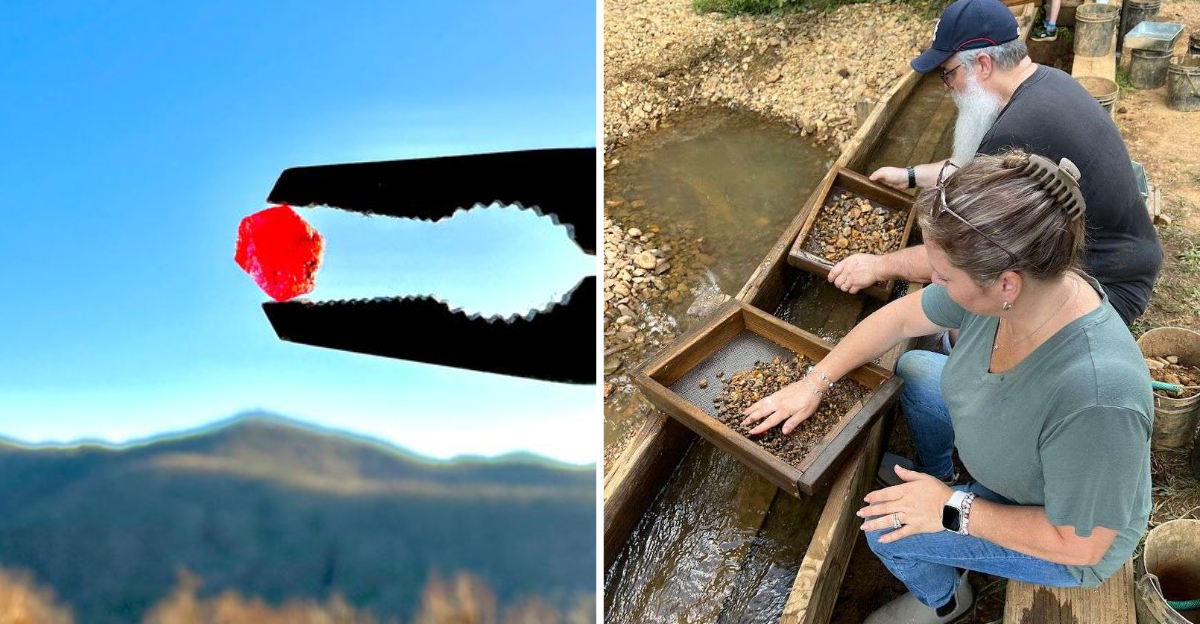
If the idea of unearthing a real ruby or sapphire sounds like a childhood dream, this mountain mine in Franklin, North Carolina makes it wonderfully real. You dig authentic, unsalted dirt, learn smart techniques from passionate guides, and keep every stone you find.
Visitors rave about the glow of rubies under UV light and the thrill of spotting sapphire in the tray. Ready to trade screen time for creek time and come home with a pocket of treasure and stories to match?
How the Mine Works
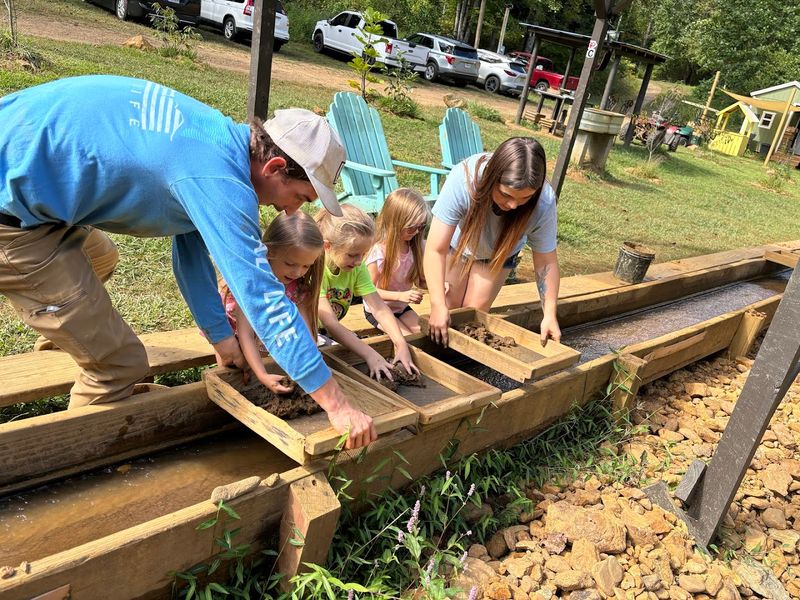
Tucked in the Cowee Valley near Franklin, the Cherokee Ruby & Sapphire Mine runs on a simple idea: unsalted, native dirt. You pay admission, pick up a shovel and buckets, and start moving soil from onsite pits to the flume.
Friendly staff like Zach and Eric walk you through the process, from scooping to washing, so you can focus on spotting natural color and crystal habit.
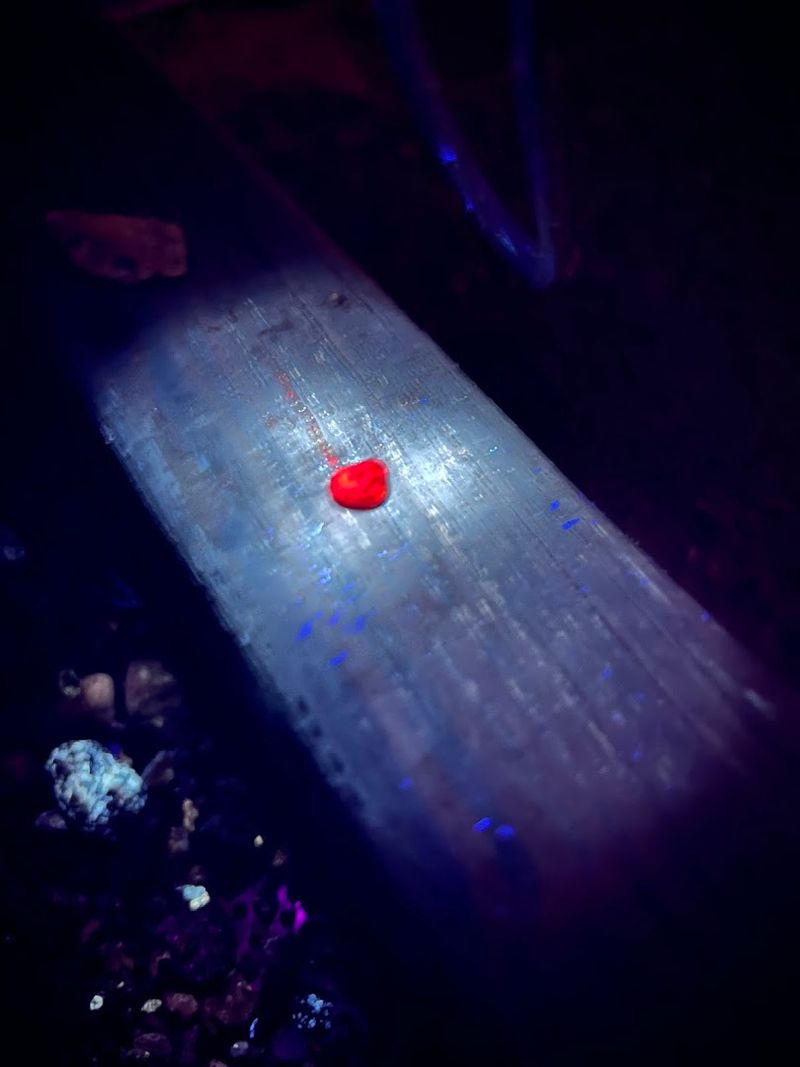
Once the tray is in the water, gentle agitation shakes away clay and mica, revealing heavier stones. Rubies show a telltale glow under UV in the dark room, while sapphires tend to hold a steely blue or green in daylight.
Staff double check promising pieces and explain how to bag tailings for a slower look at home.
Capacity is limited for safety and teaching, so arriving near opening typically gives you more time and attention. You keep what you find, and the crew can suggest local cutters if a stone proves facet worthy.
It is hands on, a little muddy, and completely authentic, which is exactly why so many reviewers vow to return. Plan on staying at least three hours to settle into the rhythm and stack the odds in your favor.
What You Might Find
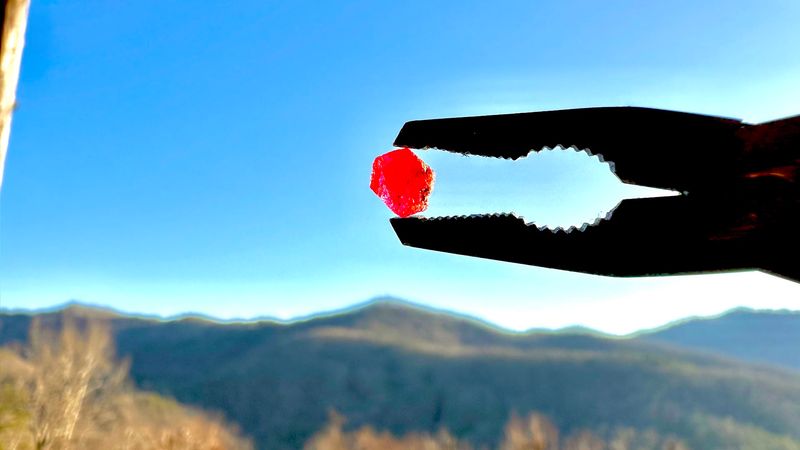
Native corundum is the headline here, with rubies presenting as hexagonal crystals in marble derived gravels. Expect colors from deep red to pinkish, sometimes opaque but often translucent after a rinse.
Sapphires appear in blue, green, yellow, and the occasional peach, and savvy eyes notice their high heft and greasy luster compared to ordinary creek rock.
Beyond corundum, many guests pull moonstone, garnet, rutile, and smoky quartz from their screens. A UV flashlight highlights ruby fluorescence, while a simple magnet test can separate magnetite from lookalike dark pebbles.
The staff shows side by side examples, teaching quick tells like conchoidal breaks, crystal faces, and the way corundum resists scratching by a pocketknife.
Finds vary by season and effort, so patience matters more than luck. A small, clean crystal can yield a better cut stone than a big fractured cobble, and the team happily weighs and grades anything interesting.
Keep tailings from promising zones, because second passes at home under bright light often reveal tiny sapphires that slipped through tired fingers late in the day. Document each spot by snapping a photo of the pit so you can link surprises back to a productive layer.
It helps later.
Planning Your Visit
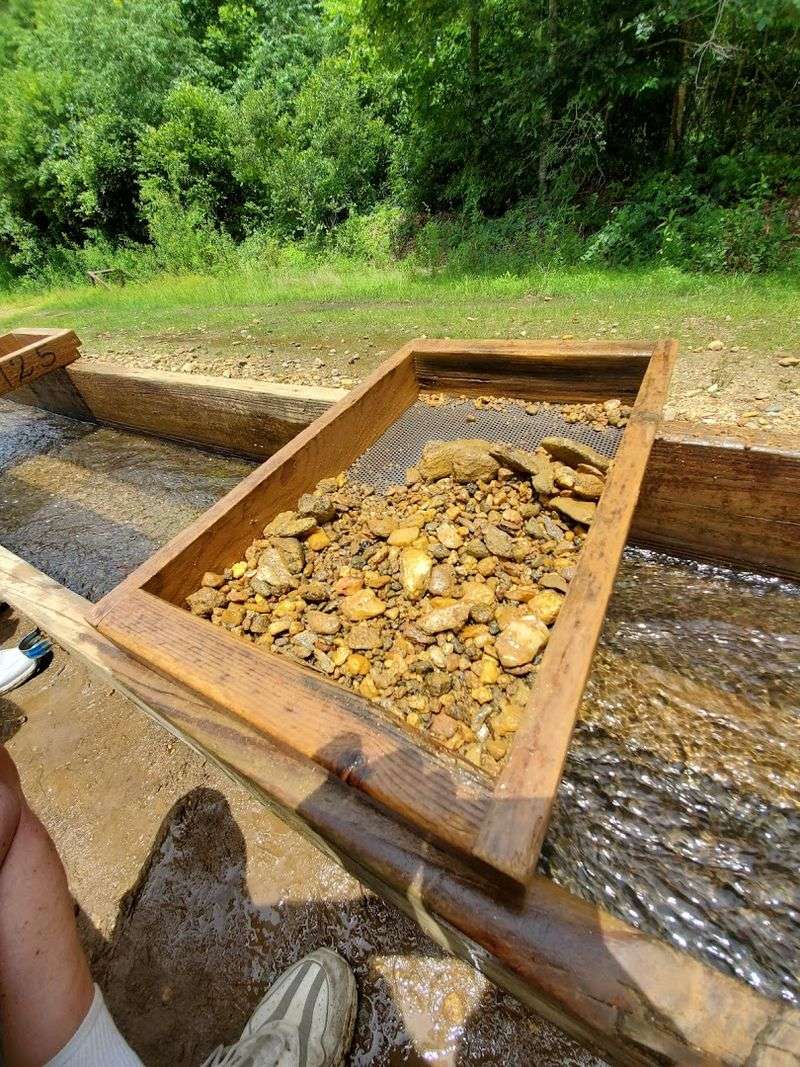
Hours run 10 AM to 4 PM daily in season, and the gate closes promptly, so give yourself a cushion. Morning arrivals get cooler water and more guidance before midday guests stack up at the flume.
Parking is straightforward, restrooms are on site, and there is a picnic area beside the creek for lunch between bucket runs.
This is not a salted tourist sluice. You will dig native dirt, so bring clothes that can get muddy, sturdy shoes, a hat, sunscreen, and drinking water.
Gloves help if your hands are sensitive, and a small UV flashlight cuts wait time for the shared dark room when crowds form.
Admission covers education and unlimited buckets from the current pit, which rewards those who pace themselves. Plan snacks and a flexible schedule, because a promising layer can turn one more bucket into a full afternoon.
If a storm rolls through, the crew usually resumes quickly, but call ahead for updates during shoulder seasons.
Cash or card policies can change, so check the website or Facebook page before you go. Cell service in the valley is spotty for carriers, though there is Wi Fi on site.
Save directions offline and jot the phone number in case you need help.
Hands On Techniques
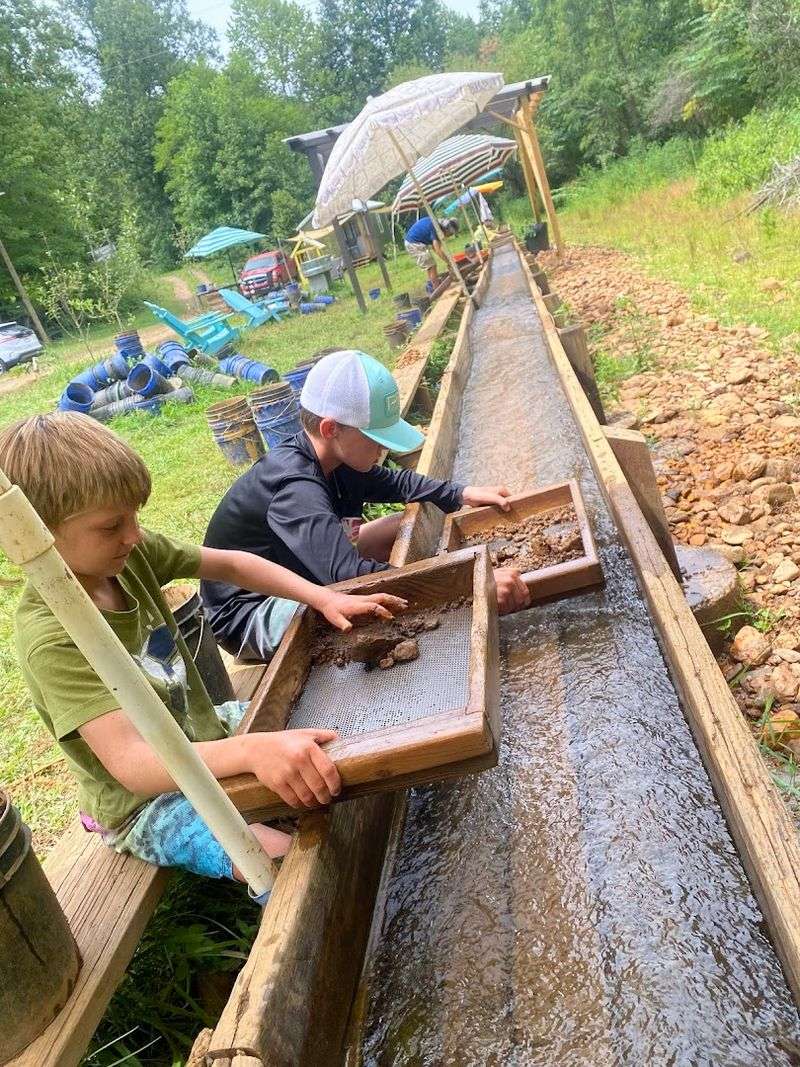
Good technique starts before water hits the tray. Dig from compact, tannish layers with fewer roots, not loose topsoil.
Load the screen evenly, shake side to side to settle heavies, then rotate and tap corners so dense pieces migrate to the center where your eyes naturally land.
Hold the screen shallow in the flume, letting water skim instead of churn. Mica sparkles aggressively and blows away, while corundum holds duller light and clings to the pile.
Train your fingers to feel edges and weight by handling known examples the staff keeps at the benches for comparison.
Work in cycles. Two or three digging runs, then a focused sorting session in the dark room using your own UV light to confirm ruby.
Mark promising buckets with a pebble so you can revisit material if a demonstration reveals a better approach.
Use a hand lens for edges and silk, but avoid scrubbing with a wire brush that can scar a future facet. Bag anything questionable and ask Zach to review before you toss tailings.
Little corrections like tilt angle and soak time add up fast, and that is the difference between a pocket trinket and a cutter.
Family Friendly Tips
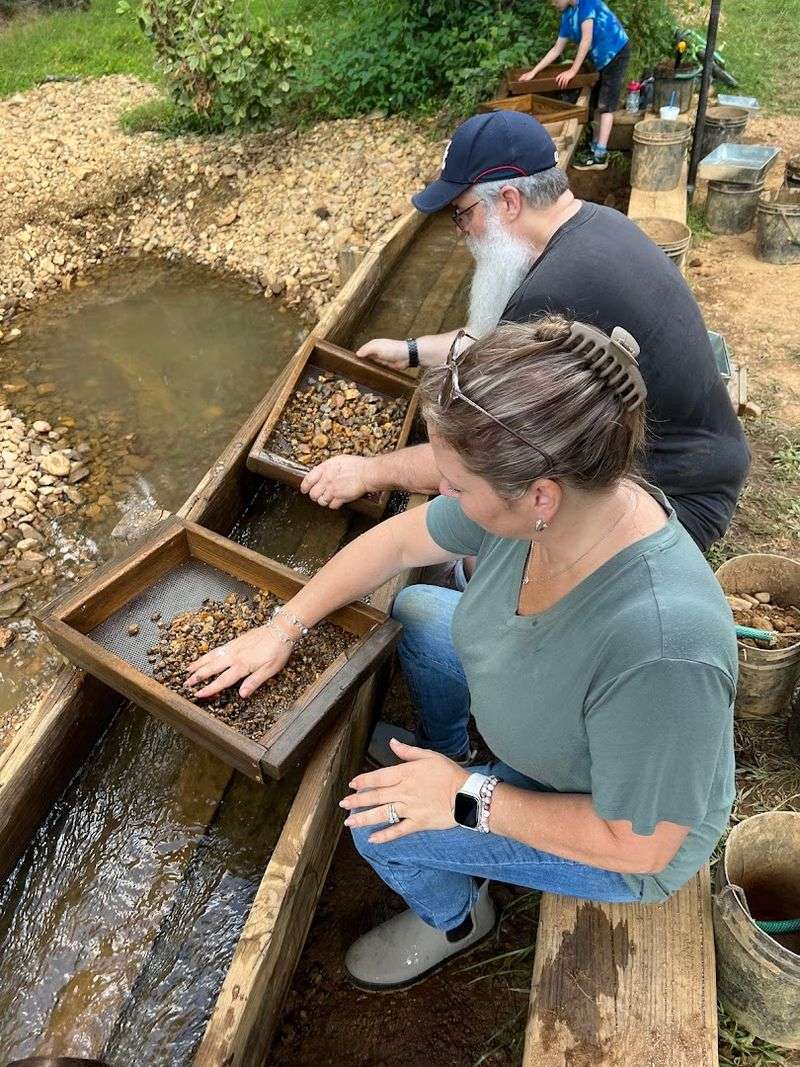
Kids love the sensory mix of digging, splashing, and treasure hunting, but a few tweaks keep the day smooth. Pack a change of clothes, simple snacks, and lightweight gloves sized for small hands.
Short shifts at the flume with movement breaks keep attention high and reduce the chance a good stone slips by.
The dark room feels like a secret clubhouse, so prepare little miners for lights on, lights off etiquette. Bring your own UV flashlight to skip the line that forms on busy days, as one reviewer wisely suggested.
Set family challenges like Who finds five non mica minerals first to keep learning front and center.
A three hour window tends to be the sweet spot for young attention spans. Arrive close to opening, enjoy a picnic by the creek, then decide if energy allows a second round.
Staff are patient teachers, and kids ask terrific questions that often lead to surprising finds for the whole group.
No vending is available, so plan water and meals. Restrooms are onsite, and parking is near the action, which makes quick breaks painless with toddlers.
If pets tag along, keep them leashed and mindful of flume areas, since screens, tools, and excited feet make for busy walkways.
Costs, Value, and Ethics
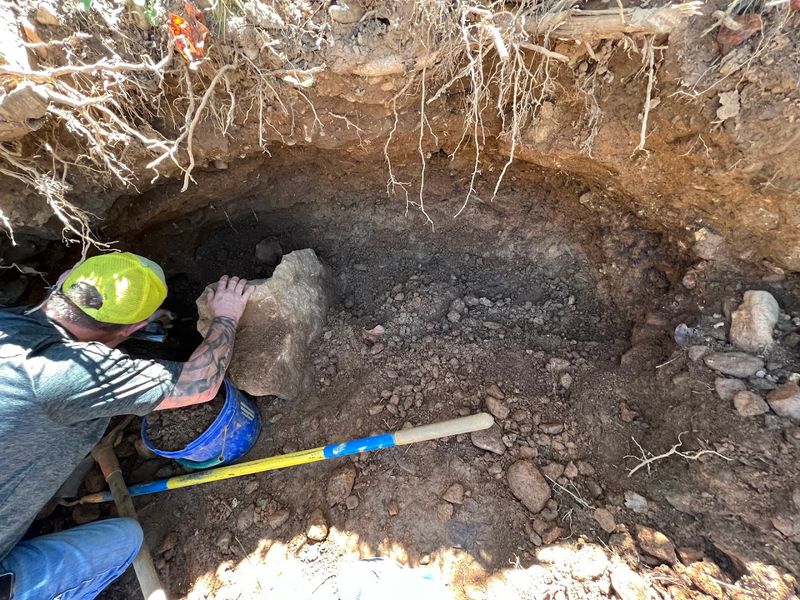
Pricing reflects access to native digs, teaching, and time, so think experience plus potential keepsake, not guaranteed yield per hour. Staying longer increases value because skill improves quickly and you rework promising spots.
Budget for cutting only if you uncover a clean, facet grade crystal, and remember that a well kept specimen can be just as satisfying.
The big promise here is unsalted dirt. That means the thrill is authentic and the science is real, but it also means some days are modest.
Staff share stories like the quarter pound ruby, and they also teach realistic grading so you leave with knowledge that travels to any creek, quarry, or road cut you visit.
Ethics matter. Native material respects the valley, and guidance on safety, trash, and tailings helps protect future hunts.
Ask before using personal tools beyond shovels and screens, stay behind barriers, and treat the water thoughtfully so the flume runs clear for the next set of hands.
If your day yields only small shards, consider a polished cabochon from a local lapidary made from your rough. Turning a pocket find into a pendant makes the story wearable and reminds you that skill and curiosity created the memory as much as the stone itself.
From Find to Jewelry
After a successful screen, the next step is triage. Separate potential cutters from specimens by looking for clarity, size, and cracks, then log weights and photos.
Sapphires with even color and minimal veils may suit faceting, while rubies often do best as cabochons that showcase glow instead of high transparency.
The mine team can suggest regional cutters who understand North Carolina corundum. Ask for expected loss during sawing and preform, estimated finished size, and cut style options like oval brilliant, step, or sugarloaf cab.
Request photos during prepolish so you can approve orientation that balances color zoning, silk, and final face up brightness.
Not every piece wants a wheel. Many stones shine brightest as labeled specimens in a small display box with find date and GPS coordinates.
A peach sapphire next to a muddy bucket photo brings back the creek smell and the laughter in a way a loose gem in a drawer never can.
When a cut stone is ready, set it simply. Silver bezels protect cabochons, while four prongs show off a sapphire without stealing light.
Keep documentation with the piece, because telling someone you mined it at 41 Cherokee Mine Road turns a pendant into a personal story of the Cowee Valley.