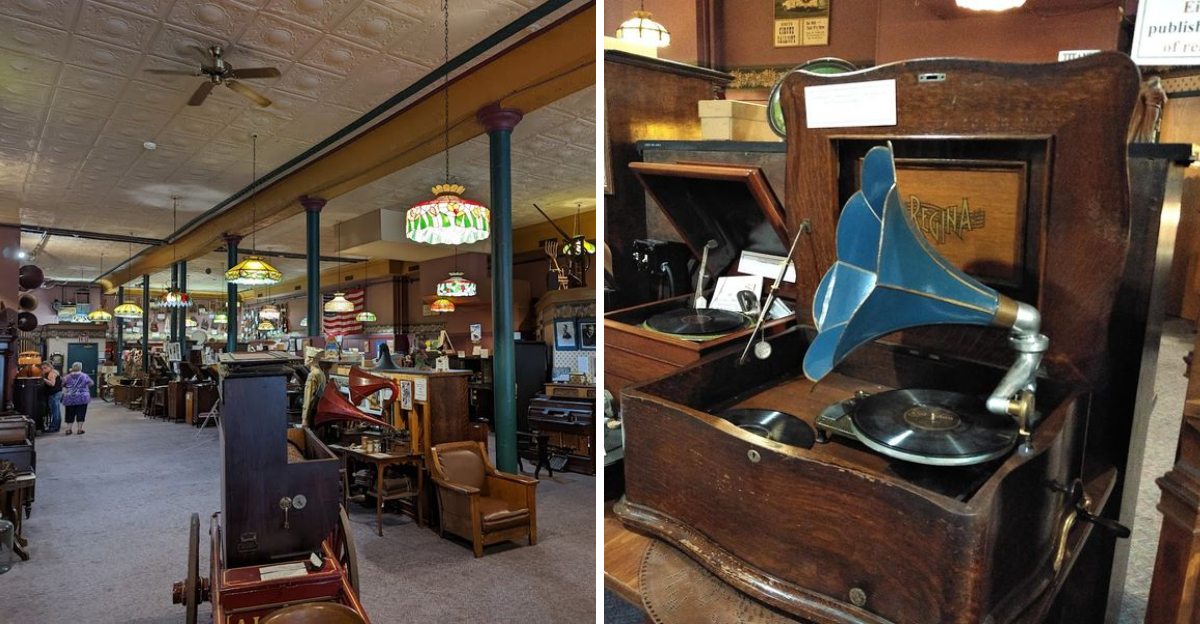
Tucked away in Franklin, Pennsylvania, DeBence Antique Music World feels like a doorway into a softer, more elegant age of entertainment.
Instead of silent displays, this museum surrounds you with the whir, chime, and warm resonance of instruments that once amazed entire rooms.
Every corner reveals something rare, beautifully made, and surprisingly moving.
If you love hidden gems, nostalgic sound, or places with real personality, this is the kind of stop you will remember long after the last note fades.
A Hidden Gem in Western Pennsylvania
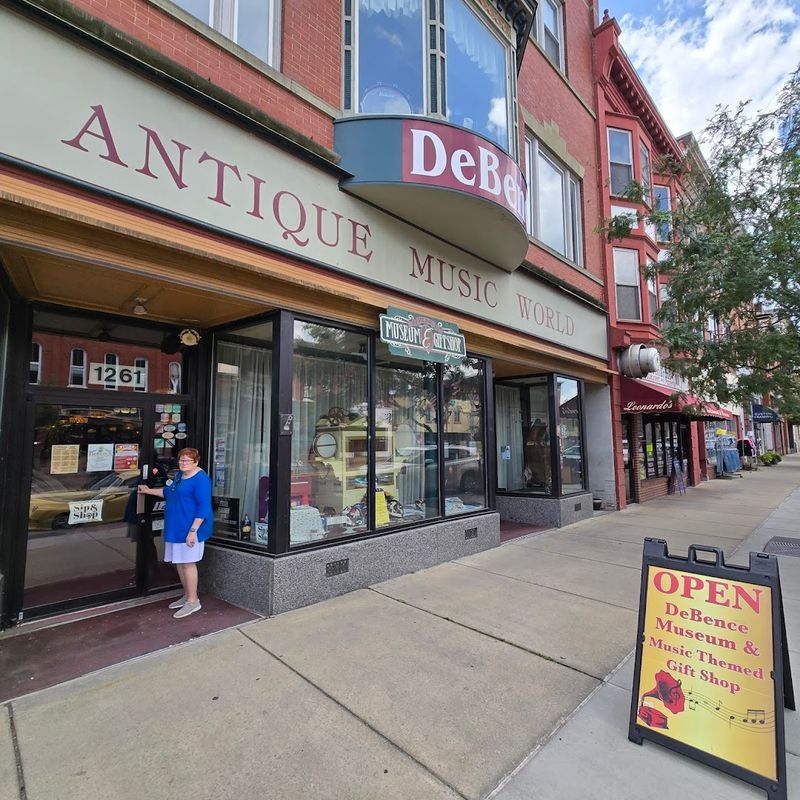
In a region better known for scenic drives and quiet river towns, DeBence Antique Music World feels like a discovery you almost want to keep to yourself. Set in Franklin, it offers the kind of experience that instantly slows your pace and makes you look closer.
You walk in expecting a niche collection, then realize you have stepped into a living time capsule.
What makes this place special is its setting as much as its subject. Franklin has that welcoming western Pennsylvania character, with brick streets, historic buildings, and a sense that local treasures still matter here.
The museum fits right into that mood, giving you something far more memorable than another quick roadside stop.
I love how it avoids the polished sameness of major attractions. Instead, you get authenticity, personality, and rooms filled with objects that once brought wonder into everyday life.
The museum does not need flashy gimmicks because the instruments, their stories, and their sounds do all the work.
If you are the kind of traveler who chases unusual places with heart, this one delivers. It feels intimate, unexpected, and deeply rooted in its community.
That hidden gem quality is exactly why a visit here feels so rewarding.
The Vision of J.B. DeBence
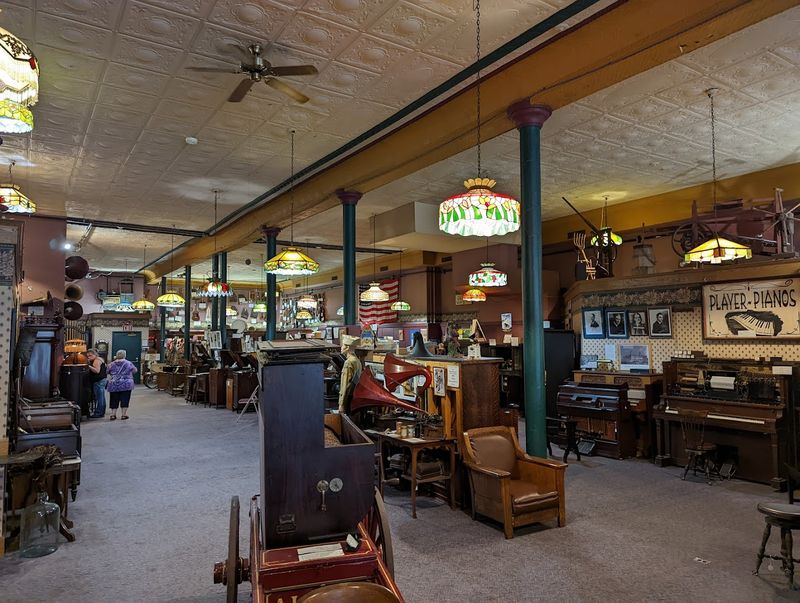
Behind every remarkable small museum, there is usually one person whose passion made it possible, and here that person was J.B. DeBence.
His vision was not simply to collect old machines, but to preserve an entire way of hearing and experiencing music. That sense of purpose comes through in every room, every label, and every carefully maintained instrument.
As you move through the collection, you can feel the dedication behind it. These pieces were gathered over decades from different places, each one chosen because it represented something meaningful in the story of mechanical music.
The museum feels personal in the best way, shaped by a collector who clearly understood both rarity and wonder.
I think that human element is what gives the museum its soul. You are not looking at a random assortment of antiques, but at the result of a lifetime spent chasing beauty, innovation, and history.
That makes the experience feel intimate, almost like being invited into someone’s carefully built dream.
It is easy to admire the instruments themselves, but the deeper story is about preservation. Without collectors like DeBence, many of these sounds could have disappeared into silence.
Because of his work, you can still hear them today.
A Collection Spanning Centuries
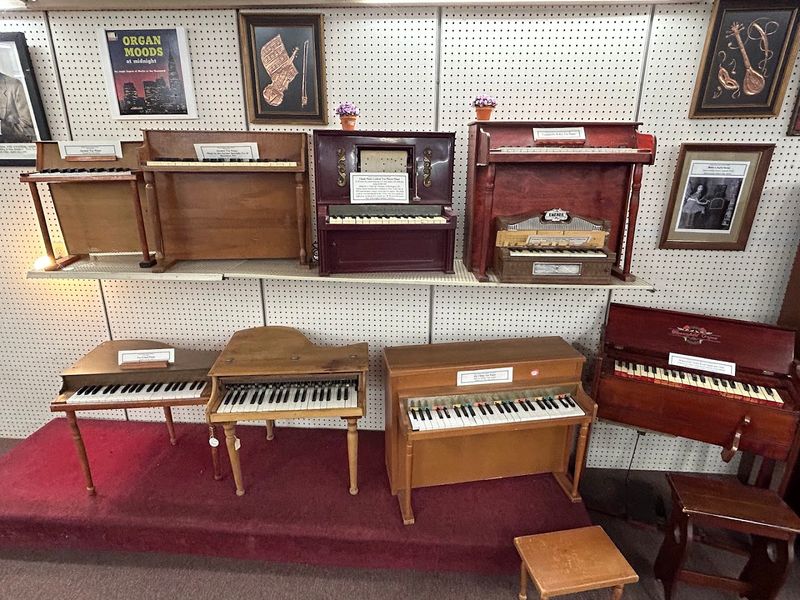
One of the most fascinating parts of DeBence Antique Music World is seeing how broadly the collection stretches across time. The instruments trace a path from the 1800s into the early 20th century, showing how rapidly music technology evolved before modern electronics took over.
You are not just seeing antiques, but watching the story of listening habits unfold piece by piece.
That timeline changes the way you think about music history. Before streaming, radio, or even widespread electric sound, families and businesses relied on ingenious mechanical devices to fill rooms with music.
Each instrument reflects a different moment in that progression, from delicate home entertainment to louder public performance machines built to impress crowds.
I found it especially compelling to notice how design and function changed together. Cabinets became more ornate, mechanisms more ambitious, and sound delivery more powerful as inventors pushed the limits of what was possible.
The collection makes those shifts easy to understand because you can compare examples from different eras in one visit.
By the end, you leave with more than admiration for old objects. You gain a richer sense of how people once gathered, listened, and celebrated sound.
That broader historical sweep gives the museum impressive depth.
The Magic of Mechanical Music
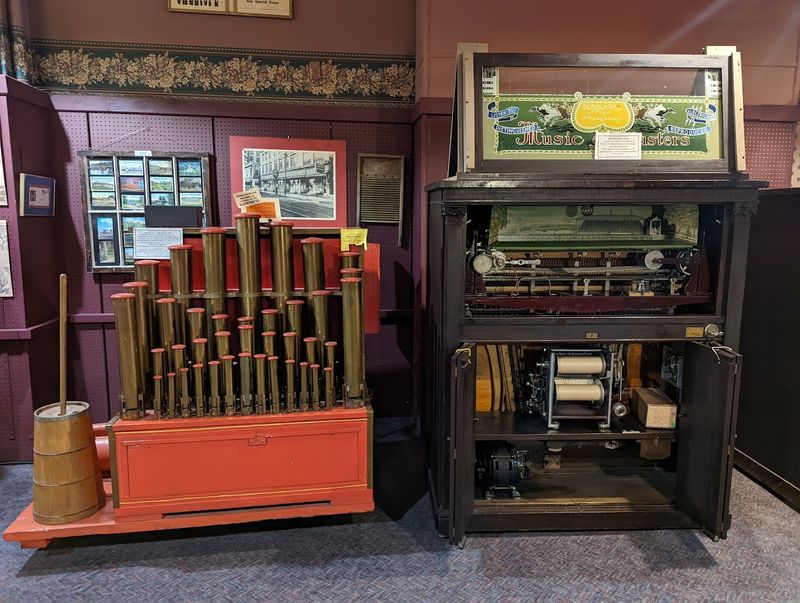
The real enchantment of this museum begins when you stop thinking of these pieces as displays and start hearing them as performers. Mechanical music has a special kind of magic because it turns gears, rolls, discs, and cylinders into something emotional and alive.
You can watch a machine operate and still feel slightly amazed when actual music fills the room.
That reaction makes perfect sense once you see how ingenious these instruments are. Player pianos translate perforated rolls into melody, music boxes pluck tuned metal with incredible precision, and orchestrions create layered arrangements that seem larger than the machines themselves.
They are reminders that entertainment once depended on craftsmanship and clever engineering rather than hidden digital systems.
I love that you do not need technical knowledge to appreciate the effect. Even if you have never studied these mechanisms, the sounds pull you in immediately and make you imagine parlors, arcades, and dance halls from another era.
There is something wonderfully direct about hearing music produced in such a tangible way.
That blend of mechanics and melody is what gives the museum its personality. It is historical, yes, but never dry.
The instruments still feel playful, theatrical, and full of life.
Rare and Unusual Instruments
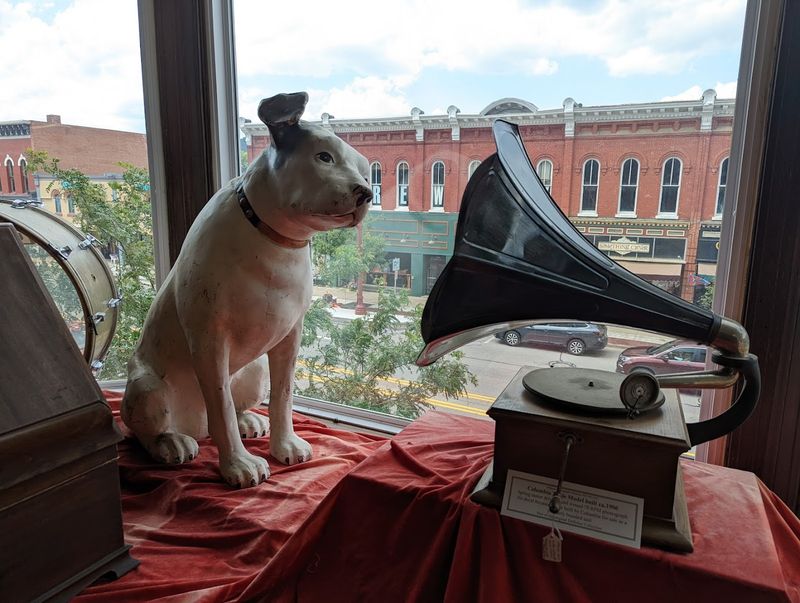
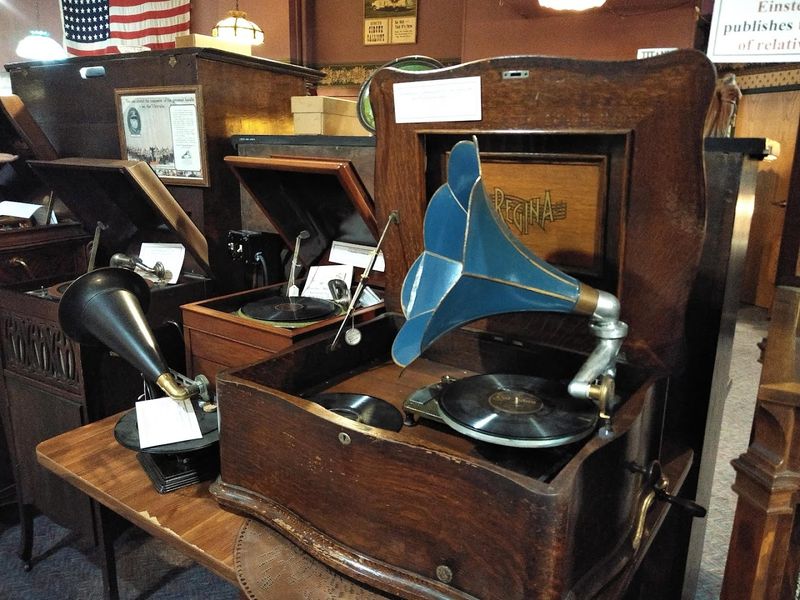
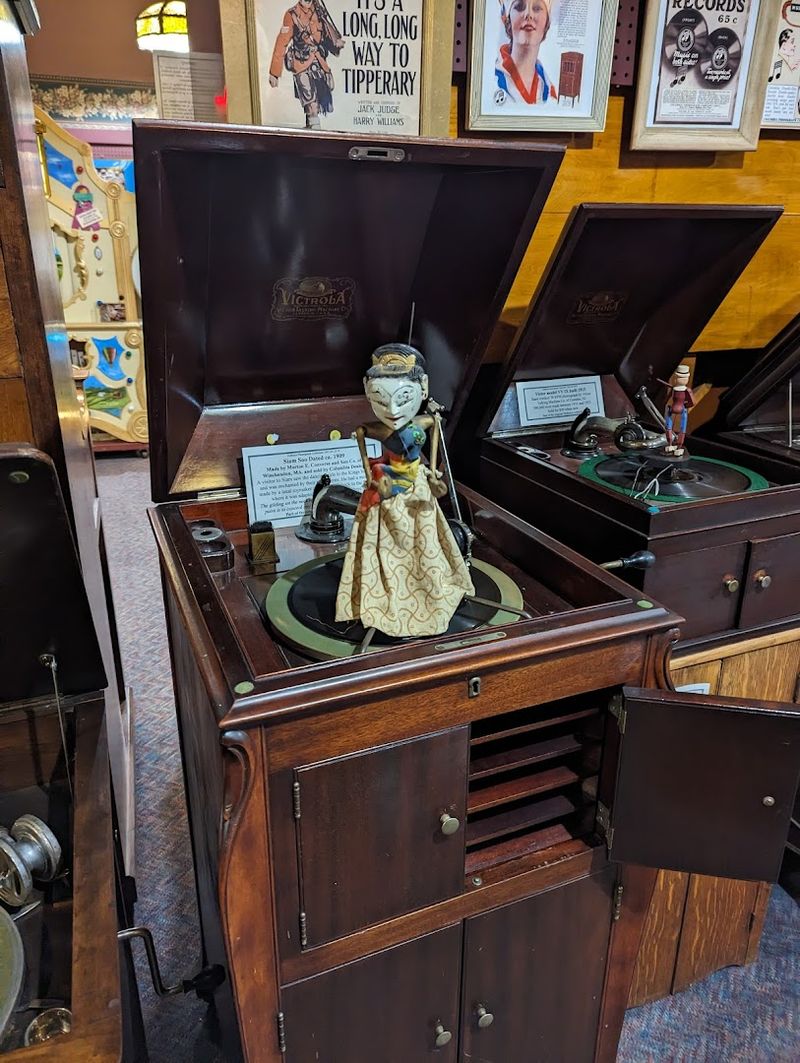
If you enjoy seeing objects that are genuinely uncommon, this museum will keep surprising you. Among its most memorable highlights are rare nickelodeons, phonographs, and other unusual devices that once represented the cutting edge of popular entertainment.
They are the kind of pieces that make you pause because you realize you are looking at something few places still preserve so well.
Nickelodeons are especially captivating because they combine visual charm with a sense of old-fashioned spectacle. Built to attract attention in public spaces, they often feature bold cabinets, decorative details, and a lively sound that feels larger than expected.
Nearby phonographs add another layer to the story, showing how recorded sound changed the way people brought music into daily life.
I appreciated that these instruments are not treated as mere curiosities. Their rarity matters, but so does their role in the broader history of leisure, invention, and social gathering.
When you stand in front of them, you can almost picture a penny arcade, a bustling café, or a family parlor transformed by sound.
That sense of rarity gives the visit real excitement. You are not just learning facts.
You are encountering survivors from an era of bold mechanical imagination.
Live Demonstrations That Bring History to Life
Many museums ask you to imagine how things once sounded, but DeBence Antique Music World often lets you hear the answer for yourself. Live demonstrations transform the visit from an interesting walk-through into a vivid experience that feels immediate and memorable.
The moment an instrument starts playing, the distance between past and present suddenly shrinks.
That is part of what makes this place so effective. A player piano does not just sit there as a silent relic, and an orchestrion is far more impressive when its mechanisms activate and the room fills with layered sound.
Seeing movement, hearing tone, and noticing the reactions of other visitors create a fuller understanding than any signboard could provide.
I think demonstrations are especially valuable for younger visitors or anyone new to mechanical music. Instead of relying on abstract explanation, the museum gives you a direct sensory connection to history.
You leave with the sound in your memory, not just the names of instruments you might otherwise forget.
There is also something joyful about sharing that moment with other people in the room. A machine begins to play, heads turn, and suddenly everyone is listening together.
That communal feeling beautifully echoes how these instruments once entertained audiences.
The Intricate Craftsmanship
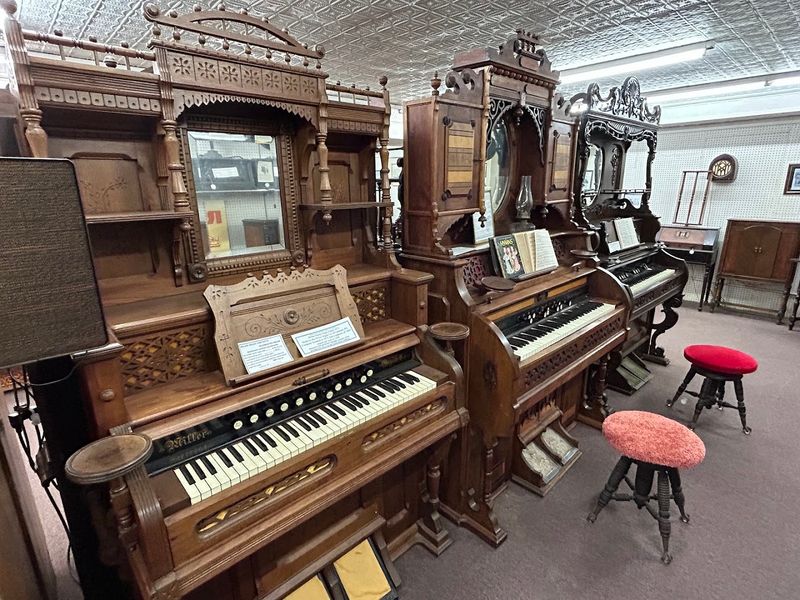
Even before a single note plays, many of the instruments here command attention as objects of design. Their carved wooden cabinets, polished finishes, decorative trim, and carefully engineered interiors reveal how much pride once went into making entertainment devices beautiful.
At DeBence Antique Music World, you quickly realize these machines are both instruments and works of art.
That dual identity is one of the museum’s greatest pleasures. You can admire the visual details from a furniture-making perspective, then shift your attention to the hidden mechanisms that transform motion into music.
The craftsmanship reflects a time when utility and elegance were expected to coexist, even in complex mechanical devices.
I found myself drawn to the evidence of human skill in every corner. Someone designed those cases, tuned those parts, assembled those moving components, and solved countless practical problems long before modern manufacturing streamlined the process.
That knowledge gives the instruments a certain dignity, because they represent patience, precision, and imagination working together.
For visitors who love art, design, or engineering, this museum offers plenty to appreciate beyond nostalgia. The details reward close looking, and the restorations make that appreciation even deeper.
You leave impressed not only by how these instruments sound, but by how masterfully they were made.
A Nostalgic Experience for All Ages
One of the museum’s biggest strengths is how naturally it connects with different generations. History lovers appreciate the context, music fans enjoy the sound, and curious kids are often fascinated by the sight of machines making music without modern electronics.
That broad appeal gives the visit an easy, welcoming energy that never feels too specialized.
Nostalgia plays a big role, but not in a way that excludes newcomers. Older visitors may recognize the shapes of phonographs or player pianos from stories, films, or family memories, while younger guests get the thrill of discovering something completely different from today’s digital world.
The result is a shared experience where people of different ages can respond with equal delight.
I think that intergenerational quality is part of what makes the museum so memorable. You are not simply observing history in isolation, but participating in conversations it sparks across family lines.
A grandparent might explain a familiar sound, while a child marvels at the mechanics, and both reactions feel equally valuable.
Because music is such a universal language, the museum rarely feels distant or academic. It invites curiosity instead of demanding expertise.
That makes it an excellent stop whether you arrive as a serious enthusiast or just someone looking for a meaningful afternoon.
Why It Stands Out Among Music Museums
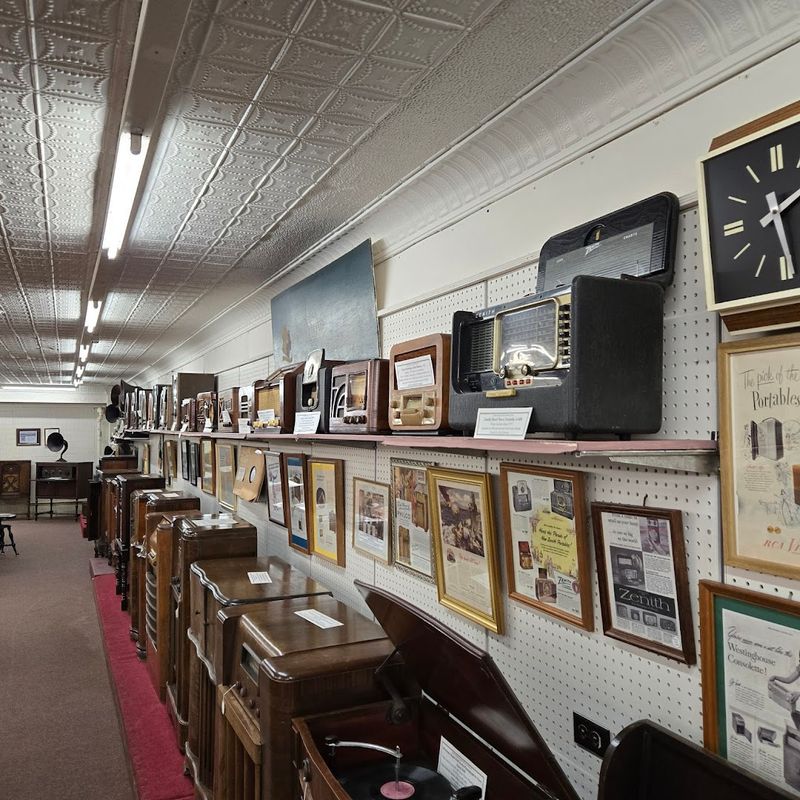
What sets DeBence Antique Music World apart is its clear and unusual focus. While many museums include a few antique instruments as part of broader exhibits, this place is dedicated specifically to mechanical music and the culture surrounding it.
That specialization gives the museum an identity that feels both rare and deeply purposeful.
Because of that focus, the experience is more immersive than you might expect. You are not moving quickly past a token display of old devices before heading to unrelated galleries.
Instead, every room deepens the same story, building a richer understanding of how mechanical instruments shaped entertainment, technology, and everyday life in earlier generations.
I also think the museum stands out because it balances scholarship with charm. It clearly values preservation and historical accuracy, yet it never feels cold or overly formal.
The subject itself has personality, and the museum lets that personality come through in the sounds, the craftsmanship, and the atmosphere.
In a country full of larger institutions, this one succeeds by being specific and memorable. It knows exactly what it is preserving and why that heritage matters.
If you are looking for a destination with a true niche and a strong sense of place, this museum absolutely earns attention.
Planning Your Visit
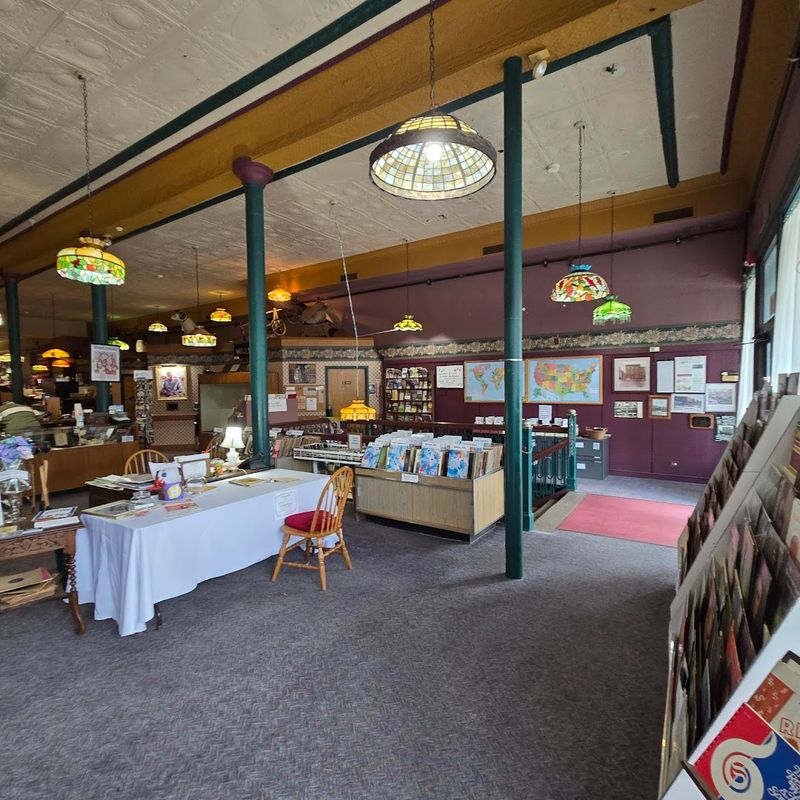
If you are thinking about visiting, a little planning goes a long way. DeBence Antique Music World is located at 1261 Liberty Street in Franklin, Pennsylvania, and it generally operates seasonally from about May through October.
Hours can be limited, often on weekends or by appointment, so checking ahead is the smartest move.
Calling the museum at 814-432-8350 helps you confirm current hours, tour availability, and whether live demonstrations are scheduled. That matters because hearing the instruments in action is one of the best parts of the experience.
Guided visits can add helpful context too, especially if you want a deeper understanding of how the collection fits into music history.
I also like that this stop is approachable for a wide range of travelers. Admission is usually modest, parking is available on-site, and the museum is easy to reach from downtown Franklin, making it a practical choice for families, road trippers, and weekend explorers.
It is the kind of attraction that feels worthwhile without demanding a huge budget or complicated itinerary.
Because seasonal operations can shift, it is always wise to verify details before heading out. With that small bit of preparation, your visit is much more likely to be smooth, relaxed, and rewarding.