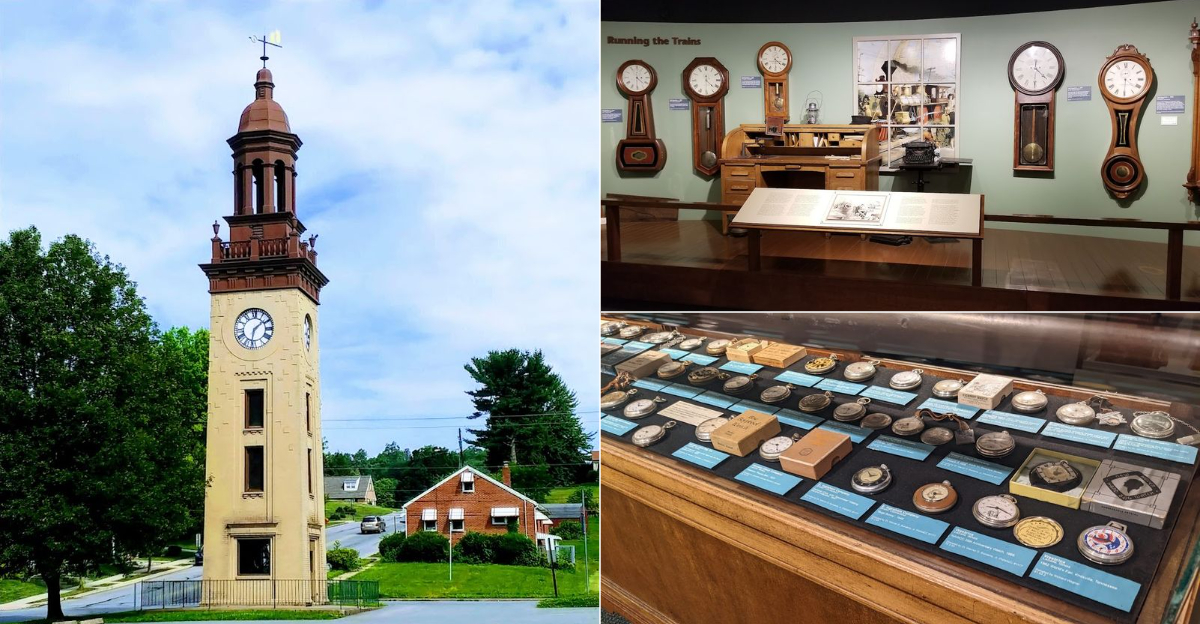
Tucked away in the charming town of Columbia, Pennsylvania, the National Watch and Clock Museum is one of the most surprisingly spectacular museums you may never have heard of. With over 12,000 timepieces on display, this incredible spot takes visitors on a journey through centuries of human creativity, craftsmanship, and the relentless quest to measure time.
And if that is not enough to grab your attention, the tallest public clock tower in the entire world stands right outside its front doors. Whether you are a history buff, a lover of fine craftsmanship, or just someone looking for an unforgettable afternoon, this museum delivers big.
The Staggering Collection of 12,000 Clocks and Watches
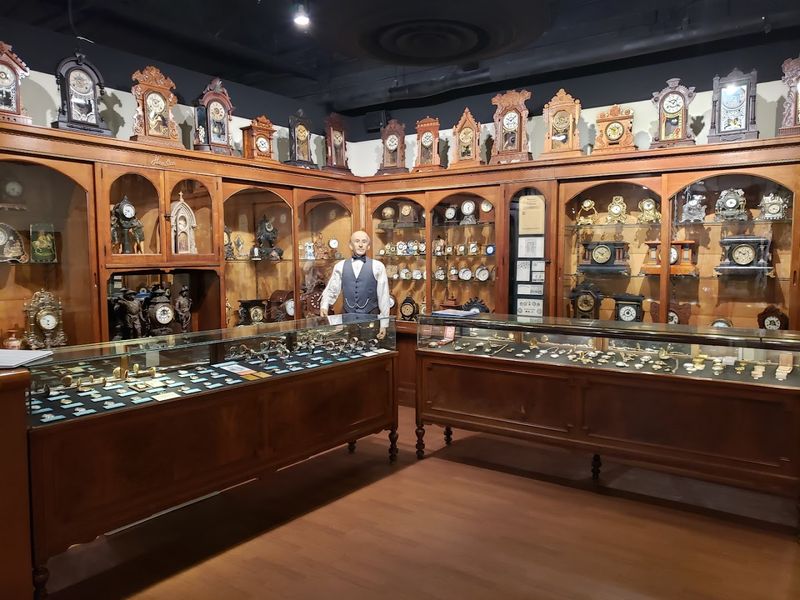
Twelve thousand. That number alone is enough to stop anyone in their tracks.
The National Watch and Clock Museum in Columbia, PA, houses one of the largest and most diverse collections of timekeeping devices anywhere on the planet, making it a truly world-class destination tucked into a small Pennsylvania town.
Walking through the galleries, visitors encounter pocket watches smaller than a thumbnail, towering grandfather clocks, ornate European bracket clocks, and novelty pieces shaped like animals and buildings. Each display case tells a different chapter of the same grand story: humanity’s obsession with tracking time.
Some pieces date back to the 1600s, giving the collection a genuinely jaw-dropping historical depth.
What makes this place special is not just the sheer number of pieces but the incredible variety. You will find American-made factory clocks alongside hand-crafted Swiss masterpieces.
There are military timepieces, railroad watches, and even wristwatches worn by fictional spies on the big screen. Families often spend well over two hours just scratching the surface of the collection.
No matter your background or interests, something in those 12,000 items will make you stop, lean in close, and marvel at what human hands can create.
The Tallest Public Clock Tower in the World Right Outside
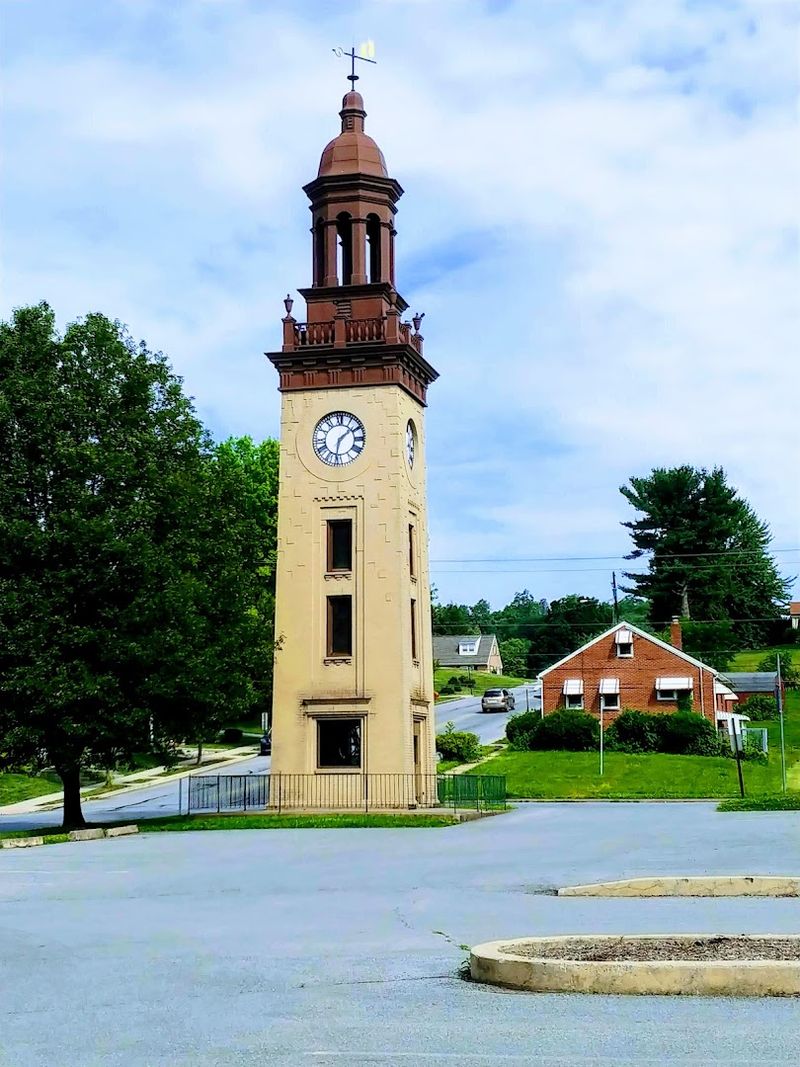
Standing outside the National Watch and Clock Museum is something that most visitors are not expecting: the tallest public clock tower in the entire world. Known as the Engle Masterpiece Clock, this extraordinary structure commands attention the moment you pull into the parking lot.
It is not just a landmark; it is a statement about how seriously this museum takes its mission.
The tower was built as a tribute to the art and science of horology, the study of timekeeping. Its sheer scale is breathtaking, and seeing it in person hits differently than any photograph can convey.
Visitors often stop to take photos before they even walk through the museum doors, which says everything about the tower’s visual impact.
Beyond its record-breaking height, the tower serves as a fitting welcome sign for everything waiting inside. It signals to every passerby that Columbia, PA, is home to something genuinely extraordinary.
Local residents who have driven past it for years sometimes admit they never realized the historical significance standing right in their neighborhood. For first-time visitors, that tower is the perfect opener for an afternoon full of surprises, wonder, and more ticking, chiming, and striking than you ever thought possible.
The History of Horology Told Through Centuries of Artifacts
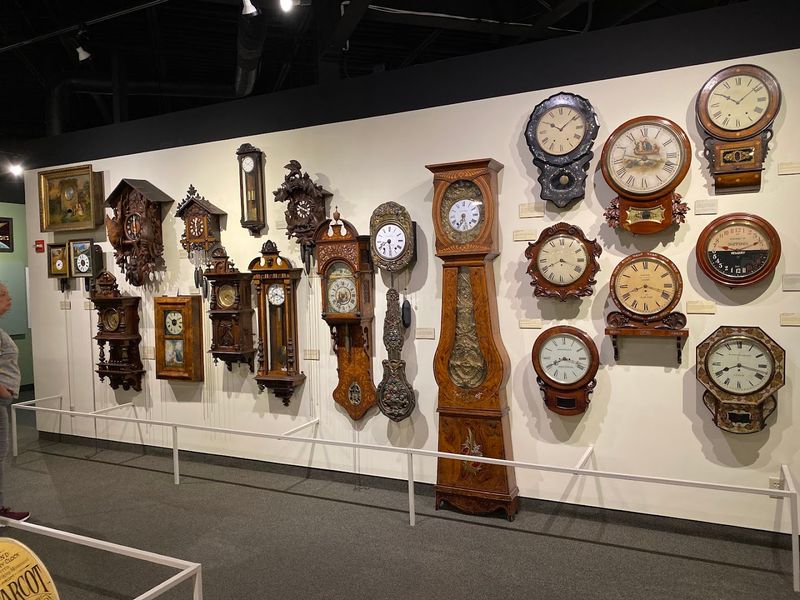
Horology sounds like a complicated word, but the National Watch and Clock Museum makes the entire subject feel approachable, exciting, and deeply human. The exhibits walk visitors through thousands of years of timekeeping history, starting with early mechanical innovations and moving all the way through the industrial revolution and into the modern era.
One of the most fascinating aspects of the museum is how it connects timekeeping to broader world events. Railroad schedules, military coordination, global trade, and even everyday social life all depended on accurate clocks.
Seeing those connections laid out through real artifacts makes history feel tangible rather than something stuck in a textbook.
The chronological layout of the galleries helps visitors understand how each era built on the last. Early escapement mechanisms gave way to more refined spring-driven movements, which eventually led to mass production and then precision quartz technology.
Each step forward is illustrated with actual pieces you can see up close. Museum staff and volunteers are knowledgeable and genuinely enthusiastic, often happy to explain the mechanics behind a particular movement if you ask.
For anyone who has ever wondered how a clock actually works, this museum offers answers that are both detailed and surprisingly easy to follow.
The Remarkable Engle Monumental Clock Inside the Museum
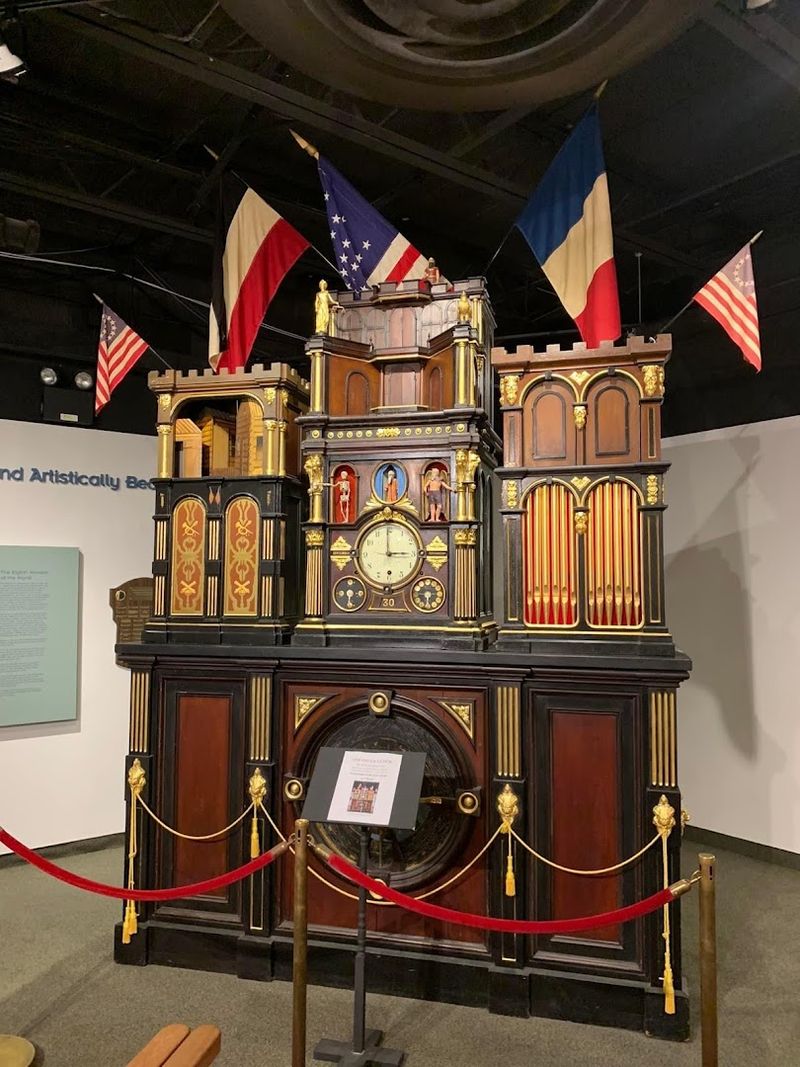
Before the outdoor tower, there was the Engle Monumental Clock inside the museum itself, and it is one of the most extraordinary objects you will ever lay eyes on. Built by Stephen Dwight Engle of Hazleton, Pennsylvania, this massive mechanical masterpiece stands over eleven feet tall and features 48 moving figures, multiple dials, and an astonishing level of hand-crafted detail.
Engle spent decades building this clock, completing it in 1878 after more than twenty years of work. The dedication alone is humbling.
Every gear, every figure, and every dial was designed and crafted by a single man working by hand without the benefit of modern tools or computer-aided design. The result is something that feels more like a cathedral of craftsmanship than a simple timekeeping device.
Visitors frequently describe the Engle clock as the single most memorable object in the entire museum, which is saying a lot given the competition. When the clock performs its automated movements, the experience is genuinely theatrical.
Figures parade, bells ring, and multiple time displays update simultaneously. It draws a crowd every time.
If you only have one hour in the museum and you must pick a single highlight, many seasoned visitors would point you directly toward the Engle Monumental Clock without a second thought.
American Clockmaking Heritage and Connecticut’s Clock Industry
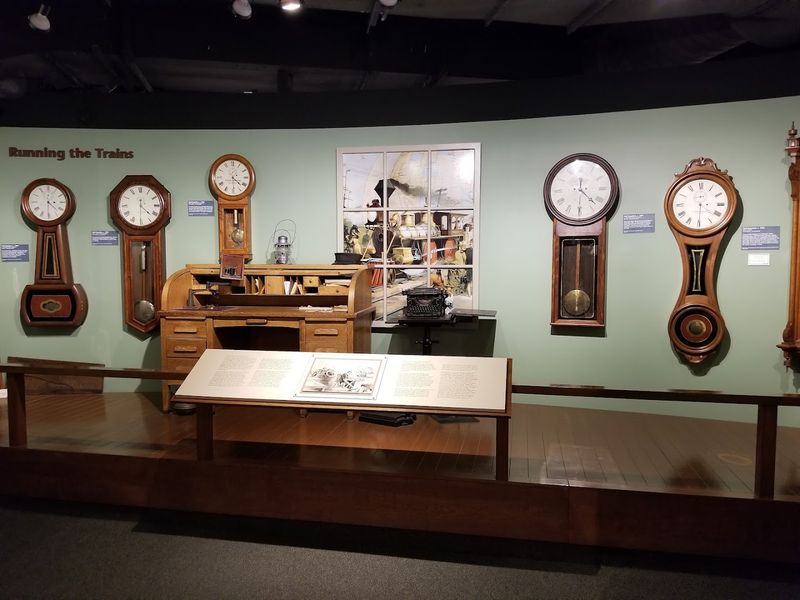
One visitor review captured it perfectly: standing in the museum and suddenly recognizing Seth Thomas clocks from the old factory town of Thomaston, Connecticut, felt like bumping into an old friend. The National Watch and Clock Museum dedicates significant space to the rich history of American clockmaking, with Connecticut playing a starring role in that story.
During the 1800s, Connecticut became the clockmaking capital of the United States. Manufacturers like Seth Thomas, Eli Terry, and Chauncey Jerome revolutionized the industry by introducing mass production techniques that made clocks affordable for ordinary American households for the very first time.
Before that, only the wealthy could afford a clock in the home.
Seeing original examples from these legendary makers displayed alongside the story of their factories and the communities they built gives the collection a warm, almost nostalgic quality. For visitors from New England especially, this section of the museum tends to spark personal memories and family stories.
The craftsmanship on display from this era is remarkable, blending practical function with genuine artistic beauty. Wooden case designs ranged from simple and utilitarian to elaborately carved showpieces.
The American clockmaking story is one of ing
The Science of Timekeeping and How Clocks Actually Work
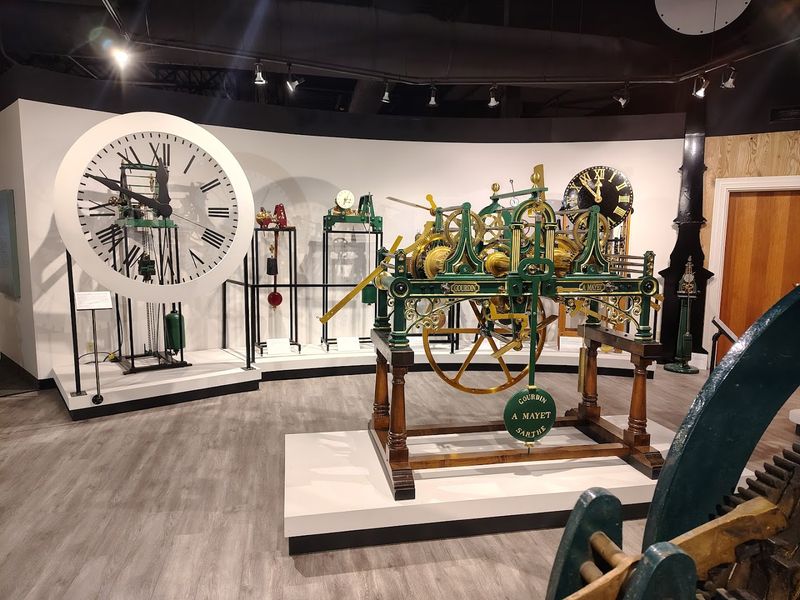
Most people wear a watch or glance at a clock dozens of times a day without ever wondering how the thing actually works. At the National Watch and Clock Museum, that curiosity gets a serious workout.
Exhibits walk visitors through the mechanics behind timekeeping in a way that feels accessible rather than overwhelming.
From pendulum swings to quartz oscillations, the museum breaks down the science without making it feel like a textbook. You start to realize that every tick represents a tiny, precise victory of engineering.
It changes how you look at even the most ordinary clock on your wall.
Rare and Unusual Timepieces That Push the Limits of Craft
Some clocks exist purely to tell time. Others exist to make your jaw drop.
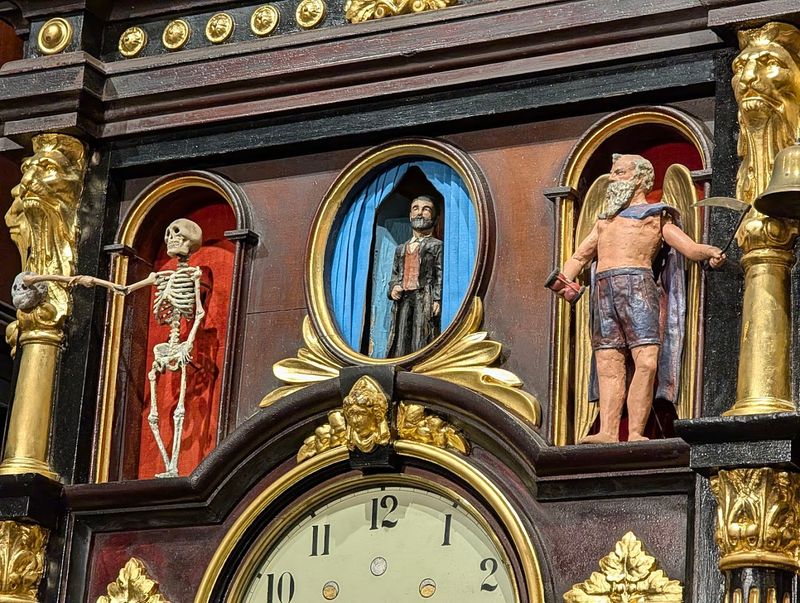
The National Watch and Clock Museum holds a number of truly rare and unusual timepieces that blur the line between functional object and fine art. A few pieces in the collection are one-of-a-kind, built by master craftsmen who treated every gear and dial as a canvas.
Elaborately carved wooden cases, miniature automata that move on the hour, and watches small enough to sit on a fingernail all share space here. Seeing them up close makes it obvious why collectors and historians travel from around the world just for this.
Planning Your Visit to Columbia, PA and the Museum Experience
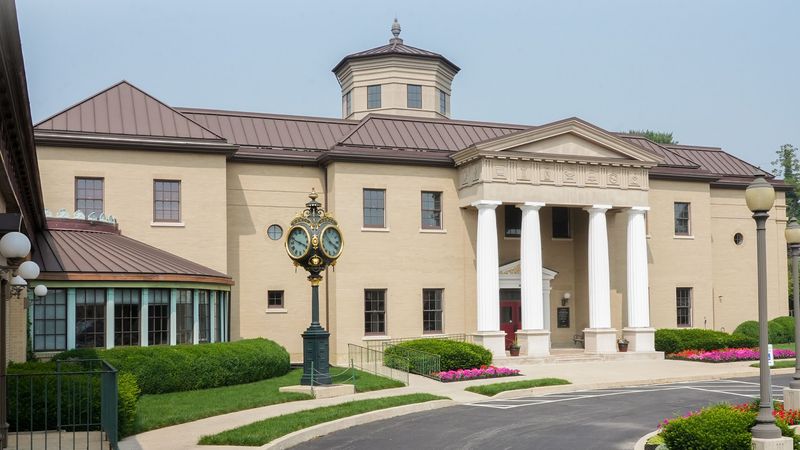
Getting to Columbia, PA is easier than many people expect. The town sits along the Susquehanna River, roughly halfway between Lancaster and York, making it a smooth stop on any Pennsylvania road trip.
The museum itself is well-marked and sits right alongside its famous clock tower, so you really cannot miss it.
Plan on spending at least two to three hours inside if you want to do it justice. The gift shop stocks some genuinely fun finds, and the surrounding Columbia area has enough charm to turn a quick stop into a full afternoon.
Admission prices are reasonable, and kids tend to love it far more than they expect.
The Global Reach of Watchmaking and International Timepiece Traditions
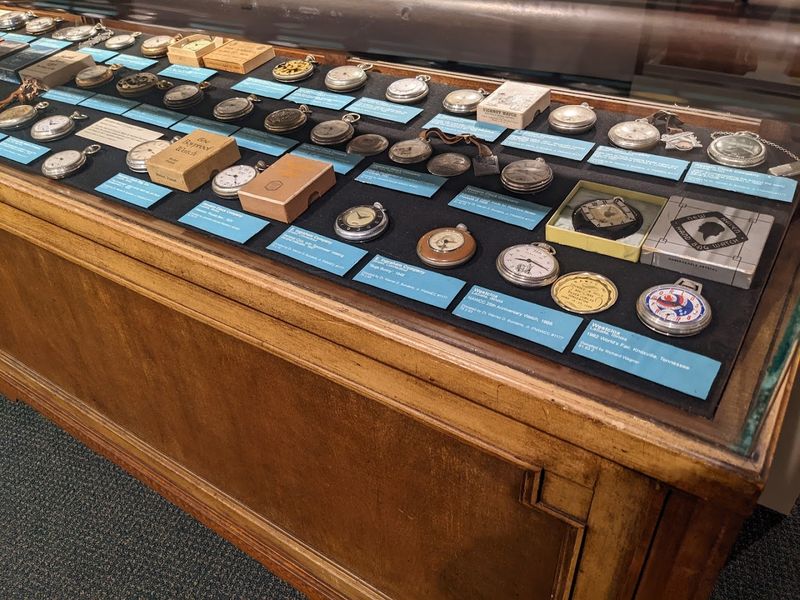
Not every clock on Earth was born in an American workshop. The National Watch and Clock Museum proudly showcases timepieces from across the globe, giving visitors a window into how different cultures approached the challenge of measuring time.
Swiss precision, German craftsmanship, and English pocket watches each tell their own story of innovation. Seeing these objects side by side makes it clear that the desire to track time is one of the most universal human instincts ever recorded.
Collectors and curious visitors alike find this international perspective genuinely eye-opening. It reframes horology not as one country’s achievement but as a shared human pursuit spanning centuries and continents.
The Educational Programs and Community Outreach That Bring Horology to Life
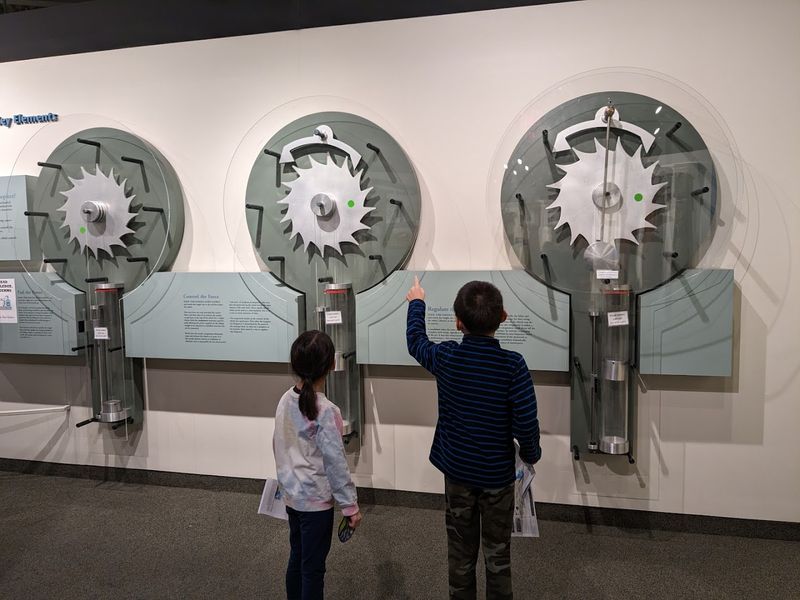
A museum is only as alive as the people it reaches, and the National Watch and Clock Museum takes that responsibility seriously. Through hands-on educational programs, school group visits, and community workshops, the museum makes horology accessible to people of all ages and backgrounds.
Kids who might never have touched a real clock movement get the chance to see gears turn and springs release right before their eyes. That kind of firsthand experience tends to stick with a person long after the visit ends.
For local families in Columbia and surrounding Lancaster County communities, the museum serves as both a cultural anchor and a learning hub, proving that history and science are always better experienced together.