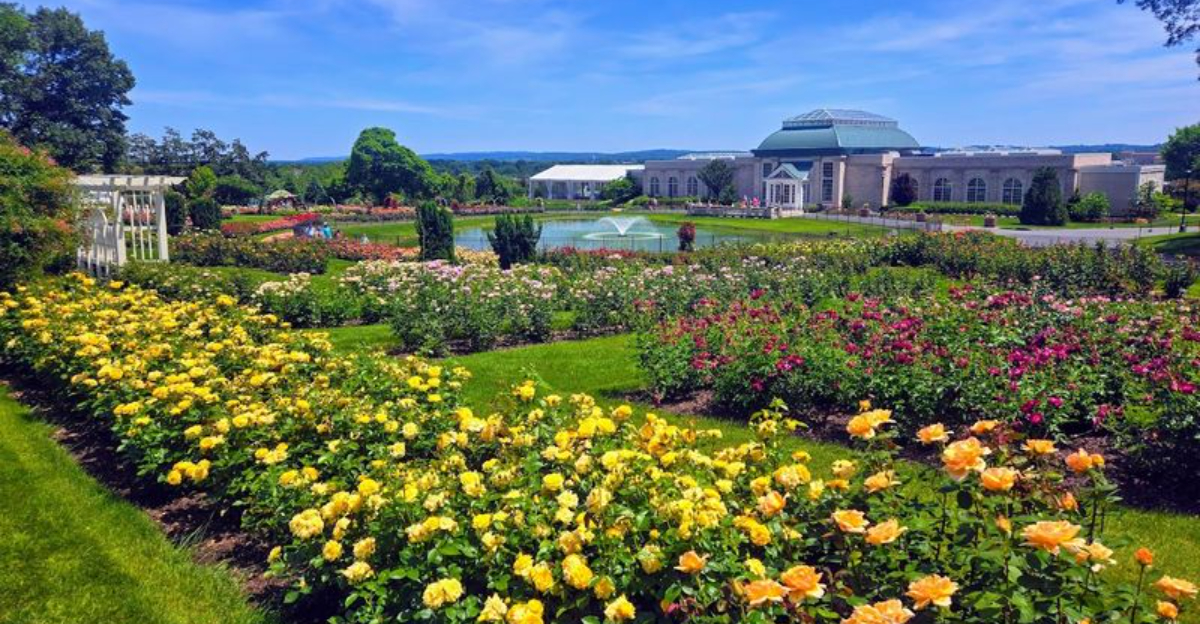
Some places feel like they were made for slowing down, and Hershey Gardens is one of Pennsylvania’s loveliest examples.
What began as a private rose garden honoring Catherine Hershey has grown into a 23-acre hilltop escape filled with flowers, butterflies, fountains, and open views.
You can wander through formal beds, step into a tropical butterfly atrium, and still feel the quiet romance of its original purpose.
If you are planning a sweet, scenic stop in Hershey, this garden deserves a lingering visit.
From Private Rose Garden to Public Escape
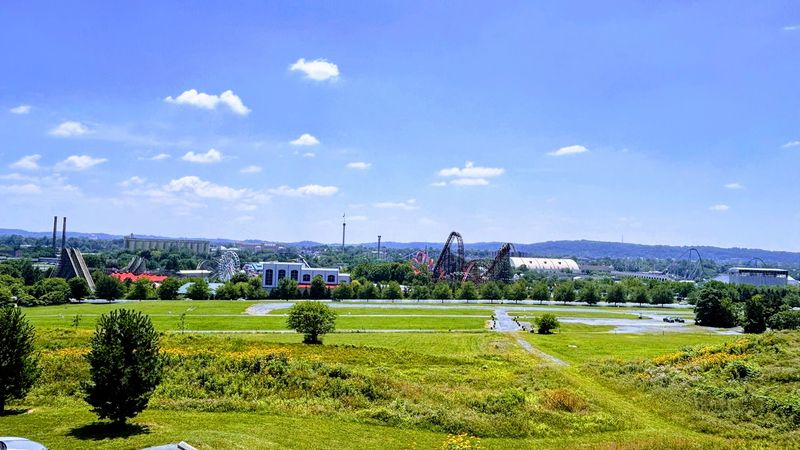
Hershey Gardens began with a deeply personal gesture, and that origin still gives the place its quiet emotional pull. In 1937, Milton S.
Hershey created the first rose garden as a gift honoring his wife, Catherine, turning a hillside near Hershey into something beautiful, fragrant, and lasting.
What started as a private display eventually opened wider, growing into a public garden where you can feel both grandeur and intimacy. That balance is part of the charm, because the grounds never feel like a stiff museum of plants.
Instead, they feel like a generous invitation to slow down and enjoy something carefully tended.
As you walk the paths today, the story adds meaning to every bloom. You are not just visiting another landscaped attraction, you are stepping into a legacy shaped by love, community, and patience.
The rose garden may have been the beginning, but the destination now includes themed plantings, educational spaces, family areas, and the kind of relaxed beauty that makes an afternoon feel surprisingly restorative.
A 23-Acre Hilltop Setting With Sweeping Views
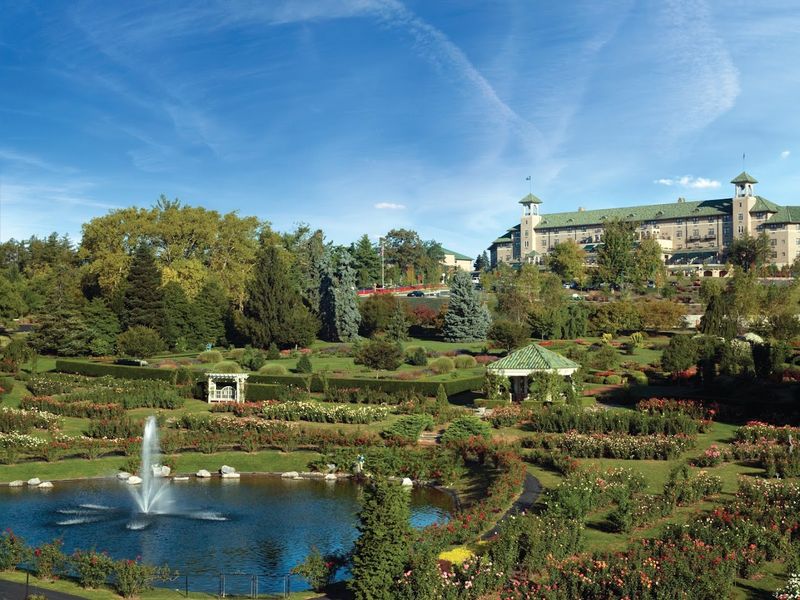
One of the first things you notice at Hershey Gardens is its sense of elevation. The gardens sit on a hill above town, so the landscape opens outward in a way that makes the visit feel larger than the paths under your feet.
Even before you focus on individual flowers, the views help set a peaceful tone.
The 23-acre setting gives the gardens room to breathe, with formal beds, shaded corners, lawns, and overlooks arranged across gently walkable terrain. You can pause between garden rooms and look toward Hershey below, catching glimpses of rooftops, trees, and the surrounding Pennsylvania countryside.
That spaciousness makes the place feel like an escape without requiring a long trip into the wilderness.
This hilltop location also changes the mood throughout the day. Morning light can make the plantings glow softly, while late afternoon brings warmer colors and longer shadows across the paths.
If you enjoy gardens that combine botanical detail with big-picture scenery, this setting delivers both. It is a place where you can admire a single petal, then lift your eyes and take in the whole valley.
The Famous Rose Garden That Started It All
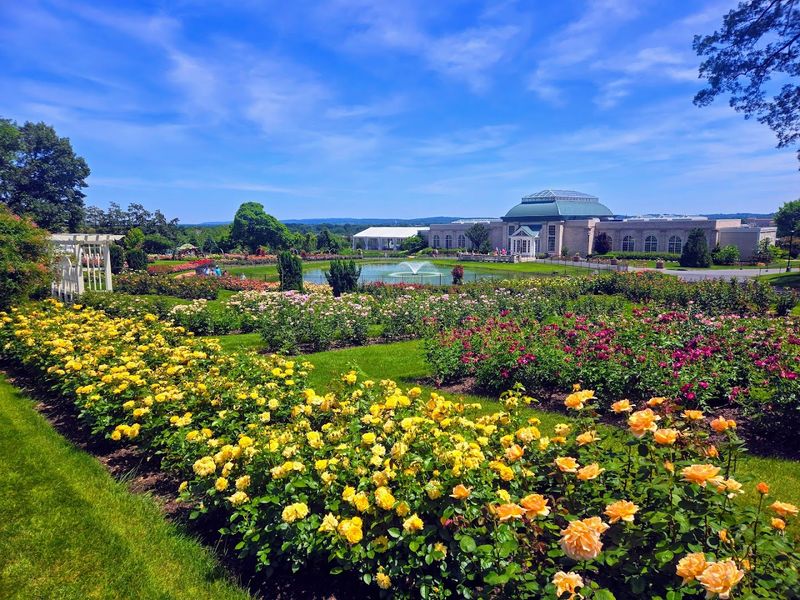
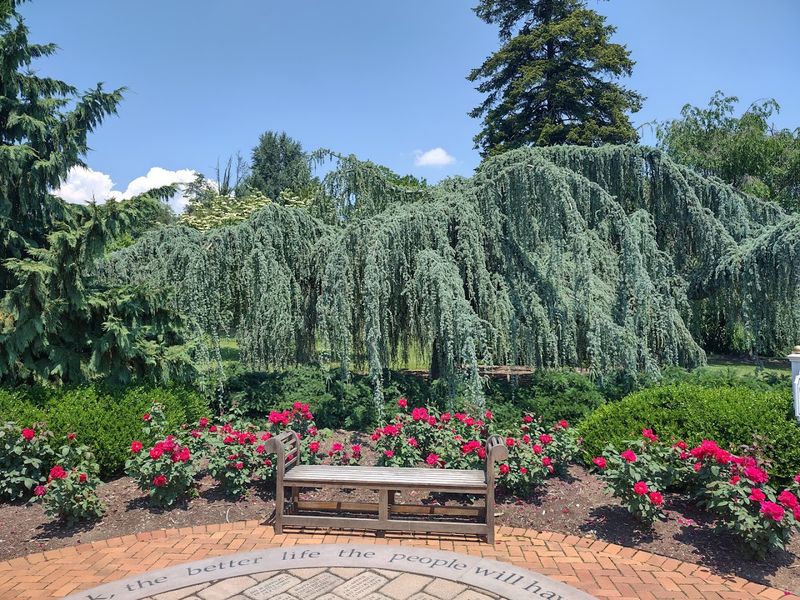
The rose garden remains the heart of Hershey Gardens, and it is easy to understand why this single idea grew into an entire destination. Rows of blooms create a colorful, fragrant focal point, with petals ranging from soft pastels to deep reds and saturated pinks.
When the roses are at peak, the air itself feels dressed up.
There are thousands of roses across numerous varieties, so a slow walk rewards you with constant little discoveries. Some flowers look classically elegant, while others surprise you with unusual colors, ruffled forms, or delicate scent.
You do not have to be a gardening expert to appreciate the effect, because the display is designed to be visually generous and easy to enjoy.
What makes this area especially meaningful is its connection to the garden’s beginning. Milton Hershey’s original tribute to Catherine was rooted in roses, and that sentiment still lingers among the beds.
You can treat the rose garden as a photo stop, a romantic stroll, or a quiet place to sit. However you experience it, this is the section that best connects the modern attraction with its original love story.
The Butterfly Atrium’s Tropical Experience
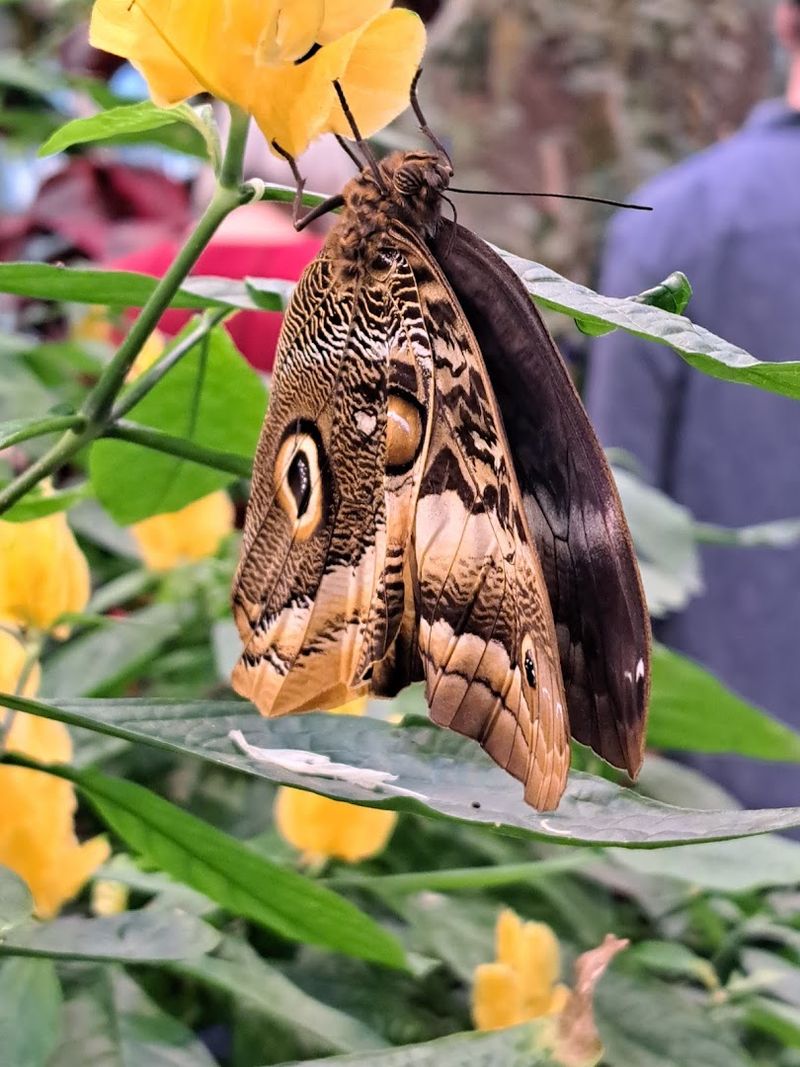
The Butterfly Atrium is one of Hershey Gardens’ most memorable experiences, especially if you love moments that feel a little magical. Inside the conservatory, the air turns warm and humid, plants grow lush and dense, and butterflies move freely around you.
It feels like stepping out of Pennsylvania and into a miniature tropical world.
Hundreds of butterflies from around the globe may be seen in the atrium, depending on timing and conditions. They drift between flowers, rest on leaves, and sometimes land close enough that you can study their patterns in detail.
The experience encourages patience, because the more quietly you move, the more you notice.
This is also one of only a few year-round tropical butterfly atriums of its kind in the United States, which makes it feel special rather than like a standard garden add-on. Kids tend to be enchanted, but adults often become just as absorbed.
You can take photos, learn about butterfly life cycles, and enjoy the contrast between the carefully controlled indoor habitat and the outdoor gardens waiting beyond the doors.
Fountains, Water Features, and Quiet Corners
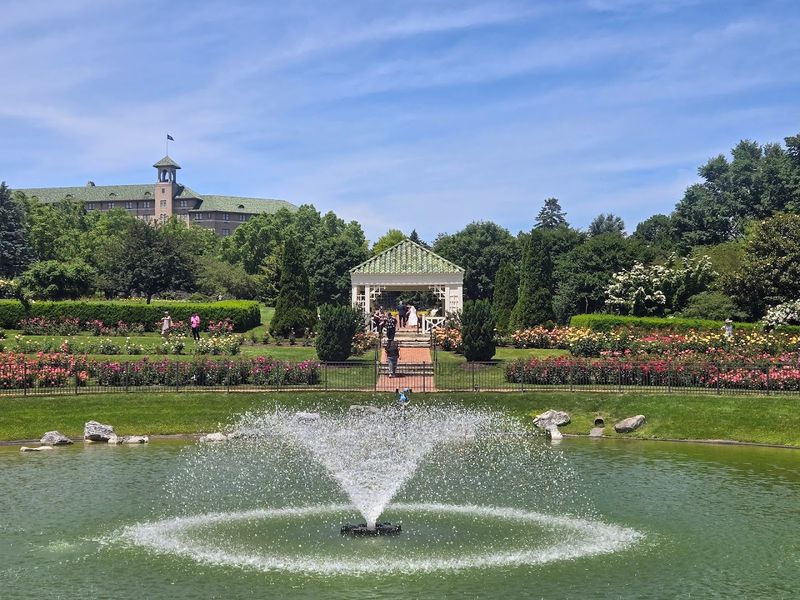
Hershey Gardens is not only about bold floral color. Part of its appeal comes from the softer details, including fountains, water features, and tucked-away resting places that make the grounds feel calm and layered.
The sound of moving water adds a gentle rhythm as you wander from one area to the next.
These features are subtle rather than overwhelming, which suits the garden’s peaceful personality. A fountain might appear near formal plantings, or a small water element might draw your attention in a quieter corner.
Either way, the effect is soothing, giving you a reason to pause instead of rushing toward the next display.
For visitors who enjoy photography, these water features add reflection, movement, and texture to the scene. For anyone simply looking to unwind, they create natural stopping points where you can sit, breathe, and enjoy the surroundings.
I think this is where the garden’s design really succeeds: it gives you spectacle, but it also gives you space. Those quiet corners make Hershey Gardens feel less like an attraction to complete and more like a place to inhabit for a while.
Seasonal Displays That Change Year-Round
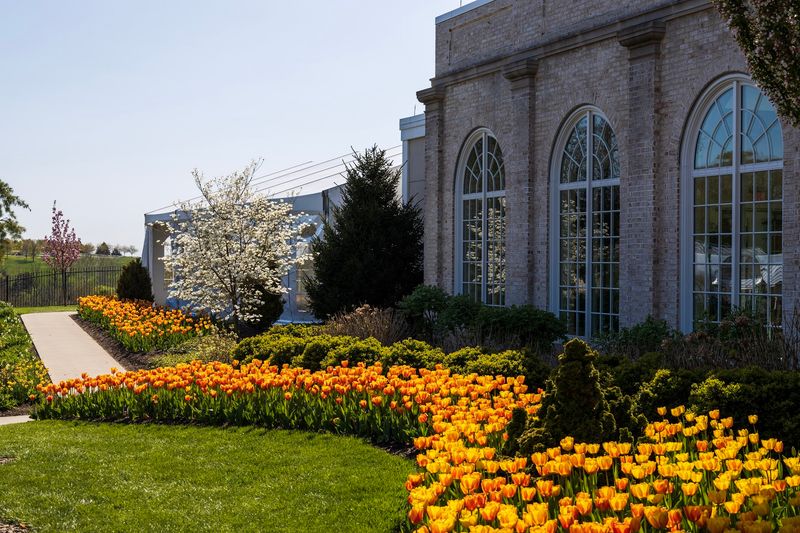
A visit to Hershey Gardens can feel completely different depending on the season, which is one of the best reasons to return. Spring brings cheerful bulbs and fresh growth, with tulips and early blooms adding bright color after winter.
Summer shifts the focus toward roses, lush borders, and full garden abundance.
In autumn, the mood softens into richer tones, with fall foliage and seasonal plantings changing the palette across the grounds. Even cooler months can offer indoor interest through the conservatory, special displays, and the Butterfly Atrium.
The garden is planned for year-round appeal, so it does not rely on a single perfect week to be worth visiting.
This rotating character keeps the experience from feeling static. If you saw the gardens in late May, a July or October visit would reveal different textures, colors, and highlights.
That is especially helpful if you live nearby or are pairing the gardens with other Hershey attractions more than once. Check the seasonal calendar before you go, because events and peak bloom periods can shape the visit.
With a little timing, you can match your trip to the garden mood you most want to enjoy.
The Children’s Garden and Family-Friendly Design
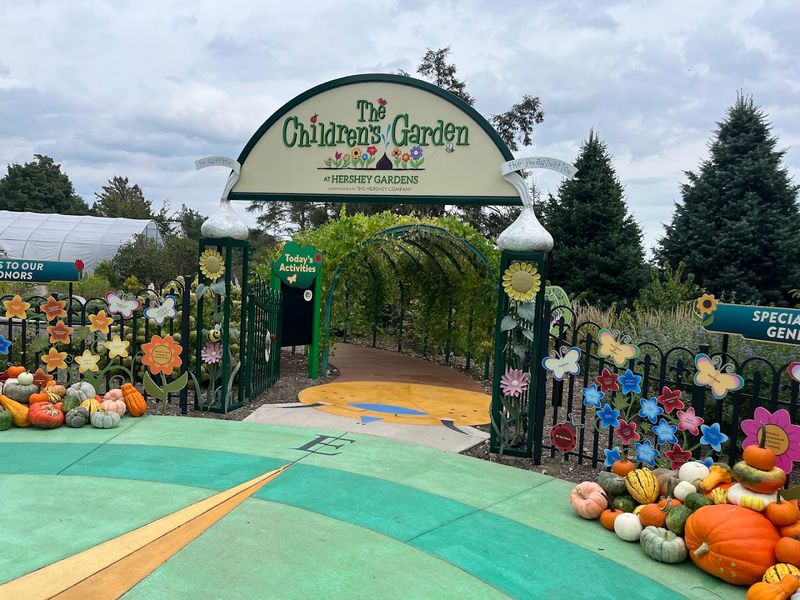
The Children’s Garden makes Hershey Gardens especially welcoming for families, because it gives younger visitors a place designed for curiosity rather than quiet observation alone. Instead of asking kids to simply look at flowers, the space invites them to explore, touch, notice, and ask questions.
That shift can make the whole visit easier and more fun.
Playful structures, interactive elements, and educational exhibits help children connect with plants, insects, and the natural world in a hands-on way. The garden encourages movement and imagination, so families can break up a slower stroll with moments of discovery.
Adults will appreciate that the area still feels thoughtfully landscaped, not disconnected from the beauty of the larger grounds.
This family-friendly design is one of the reasons Hershey Gardens works for mixed-age groups. Grandparents can enjoy the flowers, parents can relax a little, and children can find features that speak directly to them.
If you are visiting Hershey with kids, this area helps balance the region’s bigger, busier attractions. It offers a calmer kind of fun, the kind where a child might remember a butterfly, a plant, or a playful garden detail long after the trip ends.
The Conservatory and Educational Exhibits
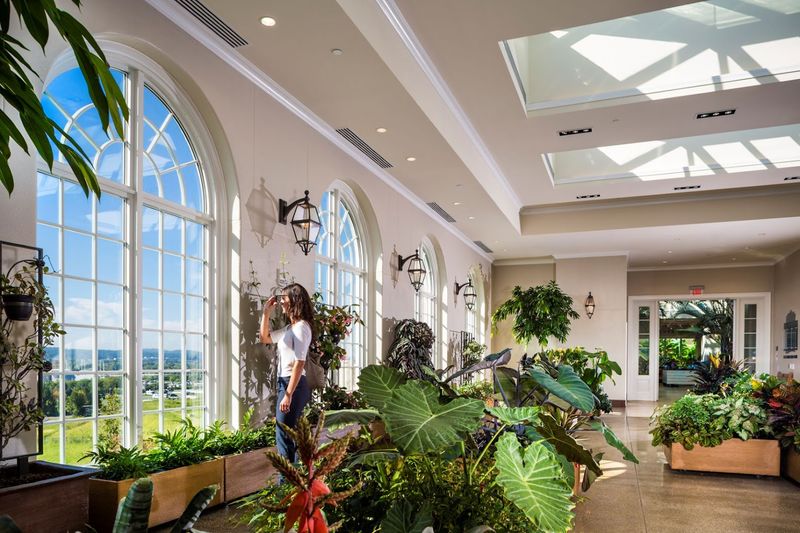
The Milton & Catherine Hershey Conservatory adds an important indoor dimension to the gardens, making the destination feel more complete and weather-flexible. It is more than a place to pass through on the way to the Butterfly Atrium.
The conservatory gives visitors space to learn, linger, and appreciate plants in a different setting.
Inside, you may find horticultural displays, seasonal exhibits, and interpretive areas focused on ecology, butterflies, and the relationships between plants and pollinators. These educational elements are useful without feeling heavy-handed.
You can absorb a few facts, enjoy the plantings, and still keep the visit relaxed.
The conservatory also helps bridge the outdoor and indoor experiences. On a hot day, rainy afternoon, or chilly season, it gives you a comfortable place to continue exploring.
For families, it can turn a casual garden walk into a more engaging learning outing. For plant lovers, it adds structure and context to what you see across the grounds.
I like that it honors both Milton and Catherine Hershey in name, because the building feels connected to the same legacy that began with the original rose garden: beauty made public, with education folded naturally into enjoyment.
A Walkable Layout With Themed Garden Areas
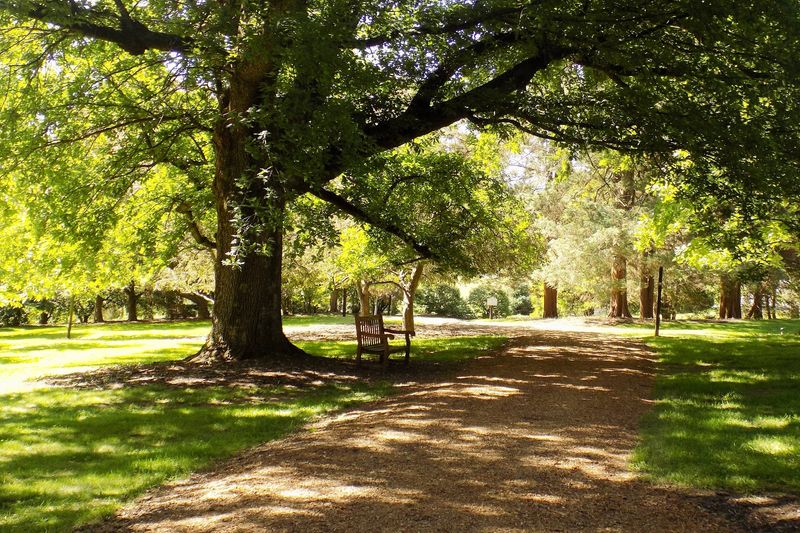
Hershey Gardens is easy to explore at a comfortable pace, which is a big part of its appeal. The grounds are arranged into themed areas connected by walking paths, so you can move naturally from formal beds to wooded spaces and specialty gardens.
It feels organized without being rigid.
This layout encourages a self-guided experience, letting you choose whether to linger or keep wandering. You might start with roses, drift toward shaded plantings, pause near a fountain, then loop toward the conservatory or children’s area.
Because the garden is spacious but not overwhelming, it works well for visitors who want beauty without a complicated itinerary.
Themed sections also help the landscape feel varied. One moment may feel polished and symmetrical, while the next feels softer, greener, and more tucked away.
That variety keeps the walk interesting and gives every visitor a chance to find a favorite corner. Comfortable shoes are still a good idea, but the paths are designed for relaxed movement rather than strenuous hiking.
If you enjoy places where you can follow your mood instead of a strict route, Hershey Gardens makes that easy. You can see the highlights or simply let the paths lead you.
Visitor Information and Tips
Hershey Gardens is located at 170 Hotel Road, Hershey, Pennsylvania 17033, close to many of the area’s best-known attractions. That makes it easy to pair with a chocolate-themed stop, a resort stay, or a broader weekend in Hershey.
Still, the gardens deserve their own unhurried window rather than being squeezed in as an afterthought.
Plan on spending about one to two hours if you want a relaxed visit, though garden lovers and families may enjoy staying longer. Late spring and early summer are especially popular because of peak blooms, including roses, but every season brings its own highlights.
Since the gardens are open year-round, checking current hours, ticket details, and seasonal events before you go is smart.
Wear comfortable shoes, bring a camera, and leave time for the Butterfly Atrium, which is one of the signature experiences. Weekends and special events can be busier, so arriving earlier in the day can make the visit feel calmer.
If you are visiting with children, include the Children’s Garden in your route instead of saving it for the end. Most of all, give yourself permission to slow down, sit for a few minutes, and enjoy the hilltop views.