Some of Connecticut’s most peaceful escapes are hiding in plain sight.
In Southbury, the Audubon Center Bent of the River opens the door to 700 acres of woods, meadows, wetlands, and river habitat, with 15 miles of trails waiting to be explored.
It’s the kind of place where footsteps replace traffic noise and birds provide the soundtrack.
Come fall, the sanctuary takes on a whole new mood.
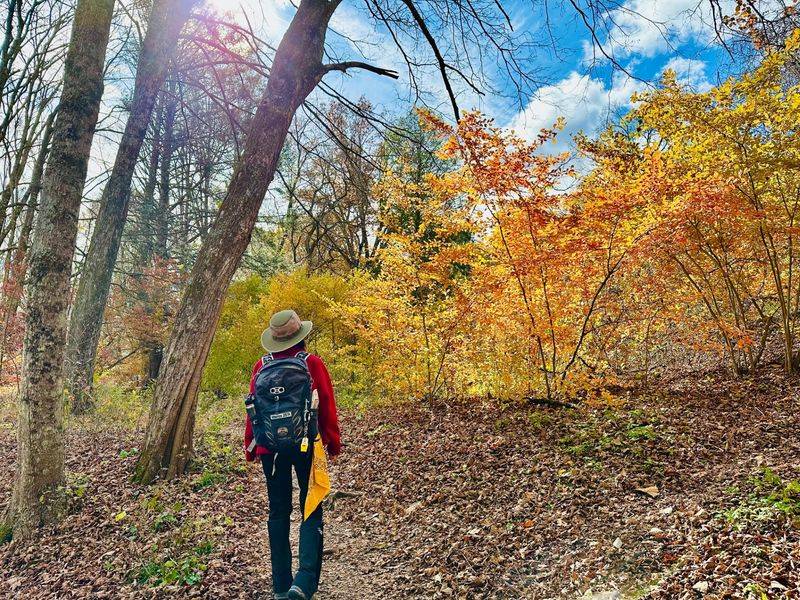
Golden leaves fill the trees, cooler air makes long walks irresistible, and migrating birds pass through on their seasonal journeys.
You don’t need to be a serious birder to enjoy it.
Bring your camera, slow your pace, and follow the trails wherever curiosity leads.
For anyone craving a quiet Connecticut getaway, this tucked-away sanctuary offers a refreshing chance to disappear into nature for a few hours.
A Peaceful Sanctuary Tucked Into Southbury
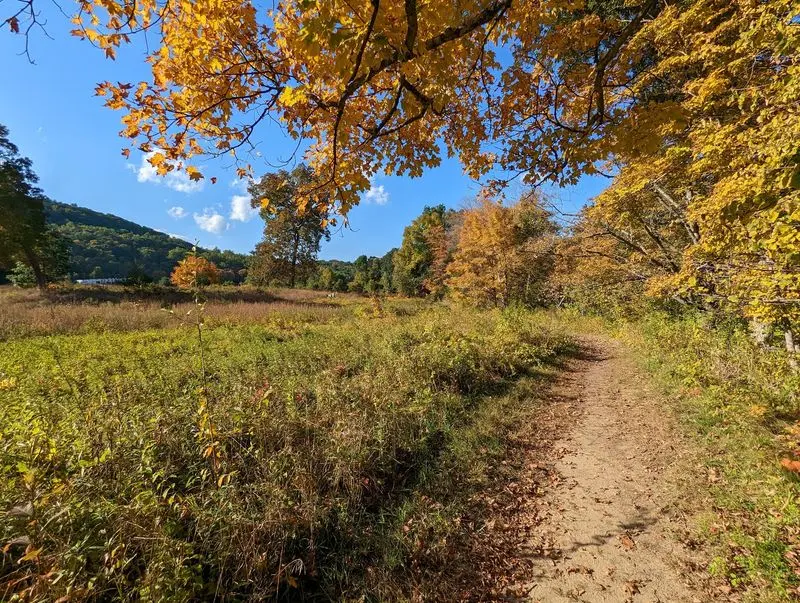
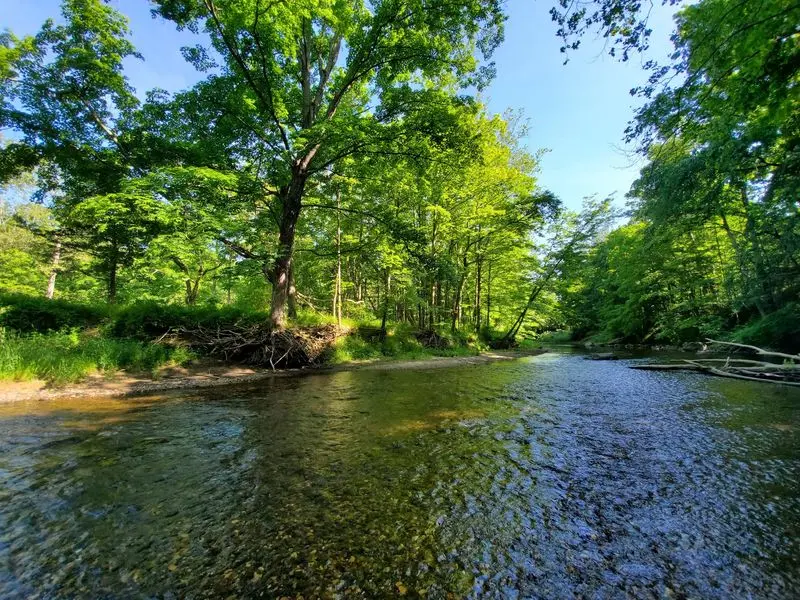
Bent of the River spreads across roughly 700 acres of protected land in Southbury, where nature has been allowed to flourish without interruption. The property weaves together forest, meadows, wetlands, and river habitat to create a remarkably quiet setting that feels miles from civilization.
What makes this sanctuary special is how secluded it feels despite sitting less than two miles from Interstate 84. You can leave the highway behind and within minutes find yourself surrounded by birdsong and rustling leaves instead of traffic noise.
The sanctuary doesn’t advertise itself with flashy signs or visitor centers packed with tourists. Instead, it maintains the low-key atmosphere of a genuine nature preserve where wildlife takes priority over human convenience.
This combination of accessibility and seclusion makes Bent of the River perfect for a fall escape when you need space to think and room to roam. The property delivers authentic wilderness without requiring an expedition to get there.
Wander 15 Miles of Quiet Nature Trails
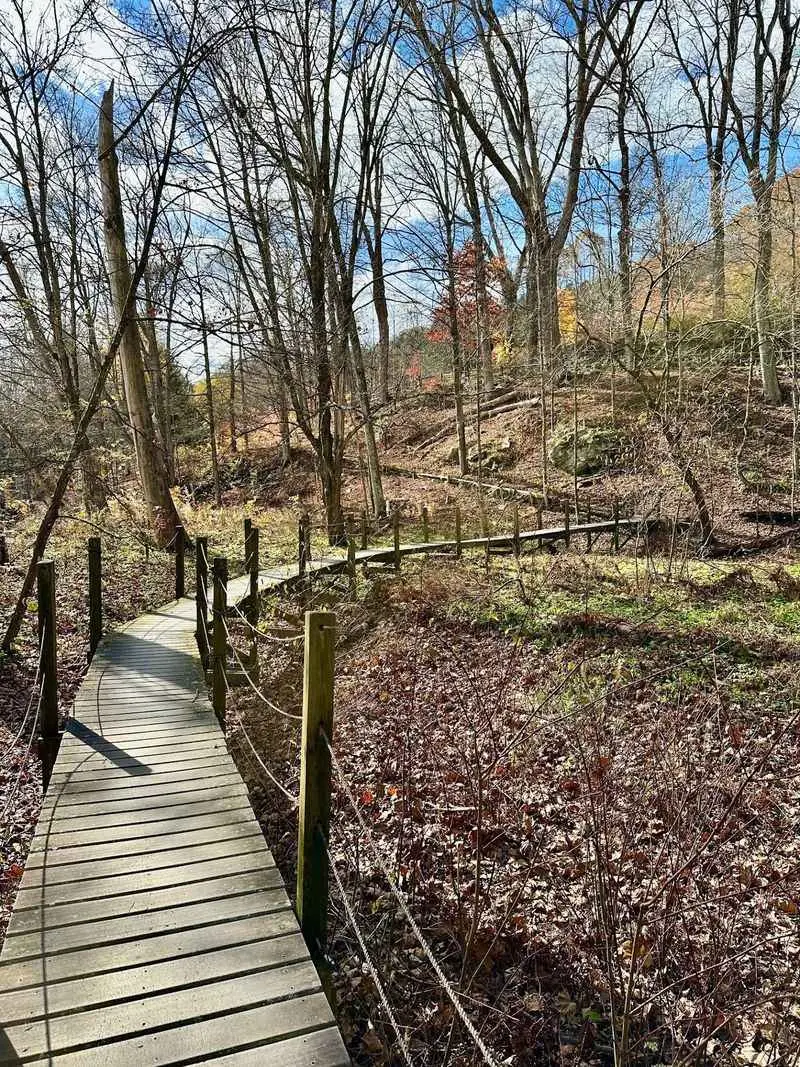
Approximately 15 miles of hiking trails crisscross the property, giving visitors an impressive amount of ground to cover. These paths wind through dense woods where sunlight filters through the canopy, then open onto meadows where the sky suddenly feels bigger.
The trail network provides enough variety that you can explore at your own pace without feeling rushed or crowded. Some sections feel genuinely remote, as if you’ve stumbled onto wilderness that few people know about.
Trails remain open from sunrise to sunset, so early risers can catch the morning chorus of birds while evening walkers enjoy the golden light filtering through autumn leaves. The extensive mileage means you’re unlikely to retrace your steps unless you want to.
Whether you’re looking for a quick stroll or an all-day hike, the sanctuary’s trail system accommodates different fitness levels and time commitments. Just remember to wear sturdy shoes since natural trails can be uneven in places.
Fall Is A Beautiful Time To Explore The Meadows
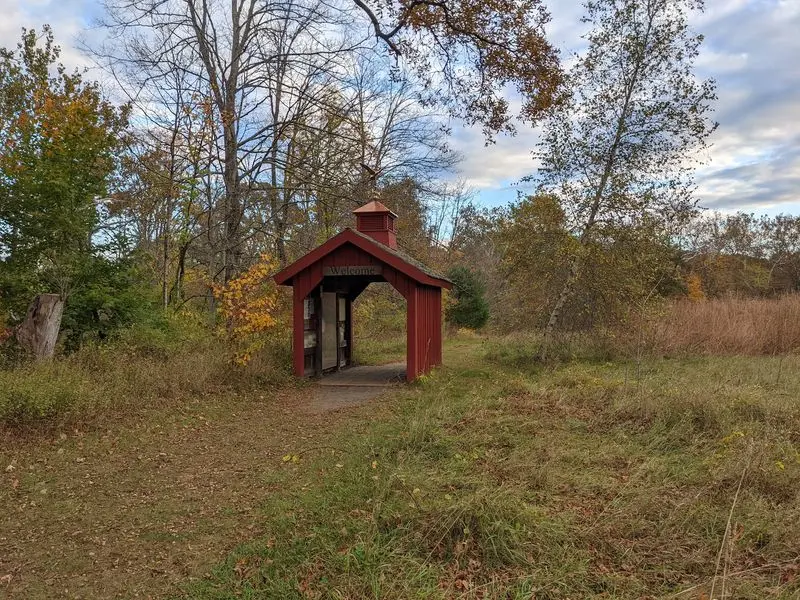
Autumn transforms Bent of the River into something magical without requiring you to time your visit perfectly for peak foliage. The seasonal shift happens gradually, giving the landscape a different character each week as trees change color and meadow grasses turn golden.
Cooler hiking weather makes fall especially pleasant for exploring the sanctuary’s mix of meadows and woodland habitats. You won’t be swatting mosquitoes or sweating through your shirt like you might during summer visits.
The meadows take on a particular beauty as the landscape prepares for winter. Native grasses sway in the breeze while late-season wildflowers add unexpected splashes of color against the browns and golds.
Forest edges glow with red maples and yellow birches, creating natural frames around the open spaces. This seasonal transition offers more than just pretty colors, it reveals the structure and diversity of habitats that make the sanctuary valuable year-round for both wildlife and visitors seeking a quieter outdoor experience.
Keep An Eye Out For Migrating Birds
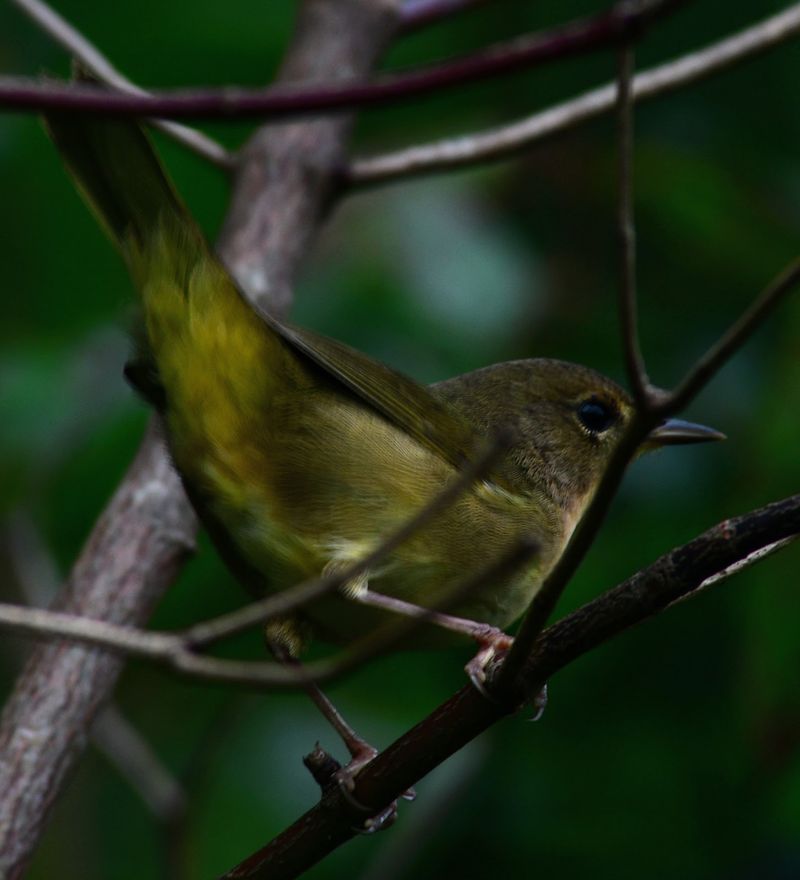
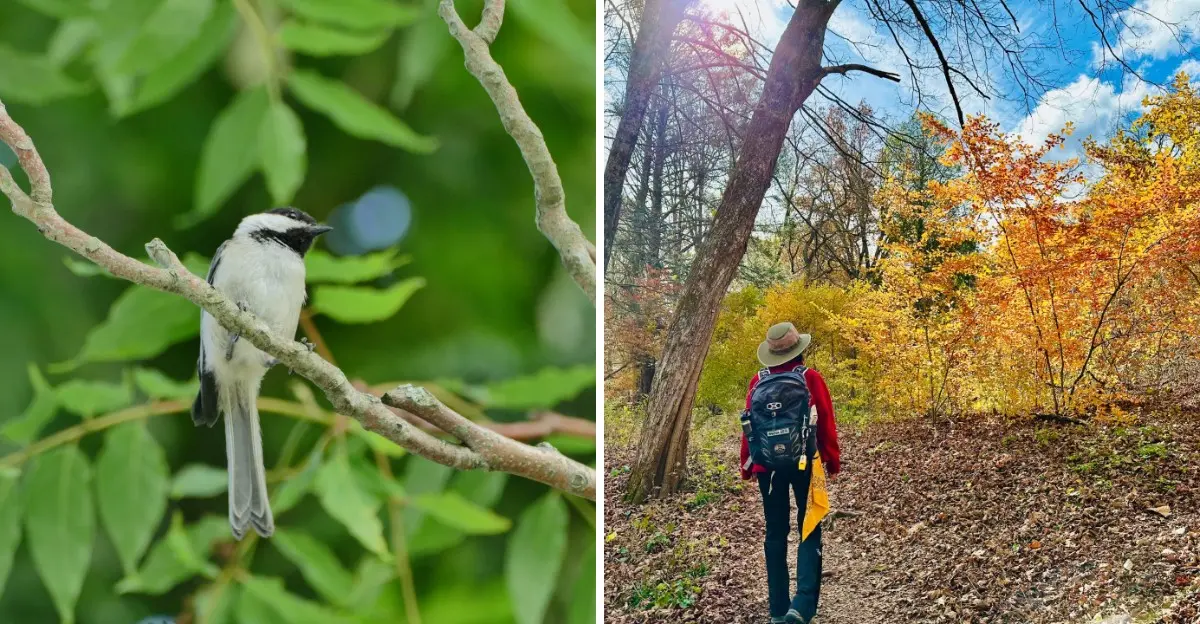
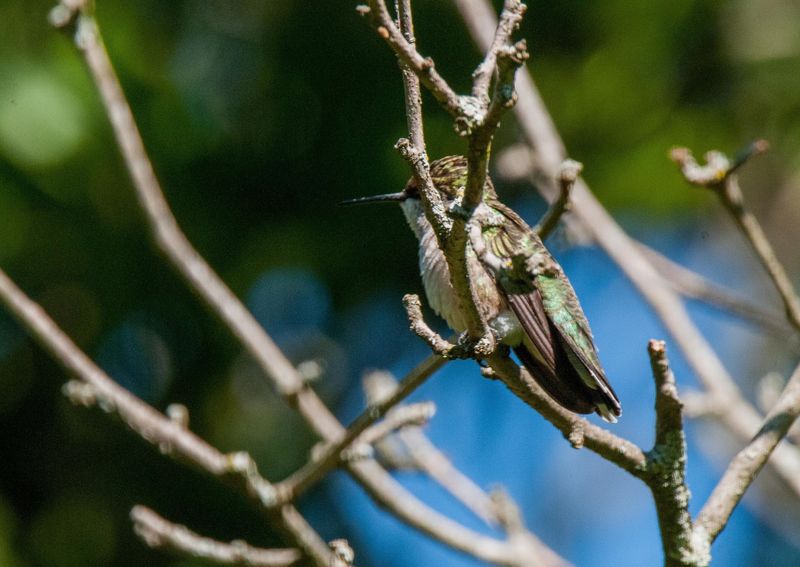
Birding sits at the heart of what makes Bent of the River special. The sanctuary’s varied habitats support an impressive roster of bird species, particularly during migration when warblers, vireos, Indigo Buntings, thrushes, and orioles pass through on their seasonal journeys.
Different habitat types attract different birds, so walking from forest to meadow to wetland edge can feel like flipping through a field guide. Forest birds receive special attention in the sanctuary’s conservation work, along with species that thrive in early-successional habitat where shrubs and young trees are regenerating.
Fall migration brings waves of activity as birds fuel up for their long flights south. You might spot a rare warbler one day and a surprising number of thrushes the next.
Even casual visitors who wouldn’t call themselves birders often find themselves pausing to watch and listen. The sanctuary’s quiet atmosphere makes it easier to hear bird calls and spot movement in the branches, turning a simple walk into an opportunity for discovery.
Stop At The Covered Observation Deck
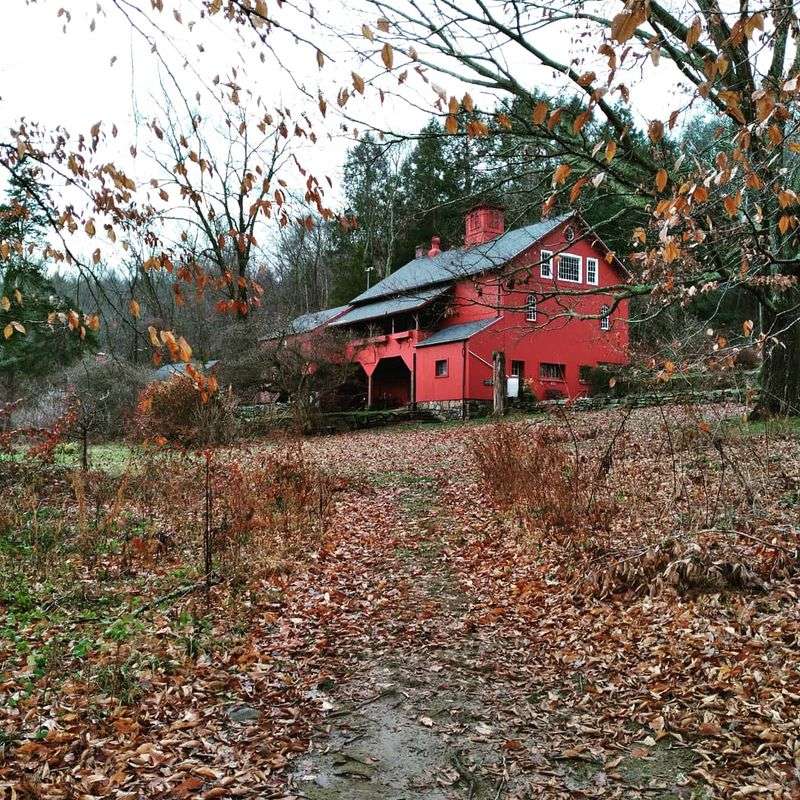
The historic barn and its covered observation deck rank among the sanctuary’s most popular destinations. Audubon staff describe the deck as one of the property’s most visited spots, and for good reason.
Bird feeders hang nearby, attracting a steady stream of feathered visitors throughout the day. Native plantings surrounding the deck provide additional food sources and cover, creating a wildlife hotspot you can observe from a comfortable vantage point.
The covered deck means you can birdwatch even during light rain or when you need a break from the sun. Binoculars are available for borrowing, so you don’t need to bring expensive equipment to get a close look at visiting birds.
This spot works particularly well for introducing kids or beginners to birdwatching since the action comes to you rather than requiring a long hike. The barn area also serves as a natural gathering point where visitors can share sightings and ask questions, adding a social element to an otherwise solitary pursuit.
Discover A Landscape Shaped By Conservation
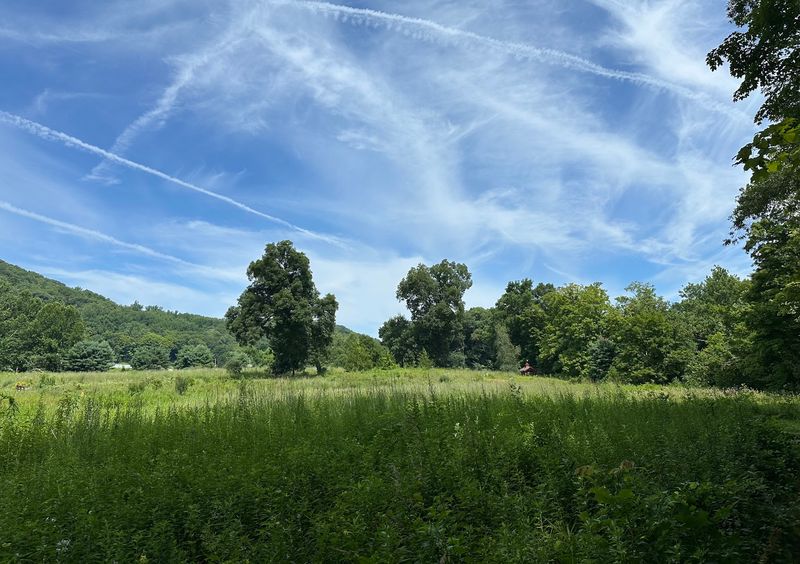
Bent of the River operates as more than just a pretty place to walk. The property functions as actively managed habitat designed to support wildlife while serving education and conservation goals.
The landscape’s diversity tells the story of this management approach. Forests provide nesting sites and food for woodland birds, while shrublands offer crucial habitat for species that prefer younger vegetation.
Meadows support grassland birds and pollinators, wetlands filter water and shelter amphibians, and river frontage creates connections to aquatic ecosystems.
This mix of habitat types isn’t accidental. Audubon staff work to maintain the variety that makes the sanctuary valuable for the widest range of species, particularly birds that face declining populations elsewhere.
Understanding this conservation focus adds depth to your visit. You’re not just looking at a random assortment of natural features but rather a carefully stewarded landscape where human intervention helps nature thrive.
Each habitat plays a role in supporting the complex web of life that makes Bent of the River such a rewarding place to explore.
Experience The Property’s Mild Wildness
Althea Clark, the property’s former owner, left specific instructions about how Bent of the River should be maintained after her death. She emphasized education and preservation of native flora and fauna above all else.
Perhaps most tellingly, Clark wanted the sanctuary kept in a state of what she called “mild wildness.” This phrase perfectly captures what makes the property feel different from more developed parks or nature centers.
You won’t find manicured gardens or paved pathways here. Instead, the landscape retains its natural, understated character where plants grow as they would without human interference.
The trails are maintained enough to be walkable but not so groomed that they lose their authentic feel.
This commitment to mild wildness directly supports the article’s theme of a peaceful escape locals would rather keep secret. The sanctuary doesn’t try to compete with flashier attractions or accommodate massive crowds.
Instead, it honors Clark’s vision by remaining a place where nature takes center stage and visitors come to experience something increasingly rare in our developed world.
Bring Your Camera And Take Your Time
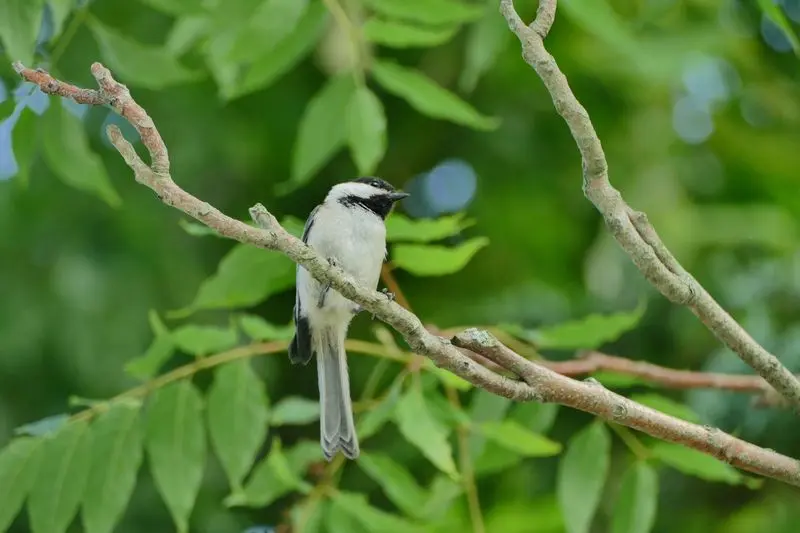
Bent of the River rewards slow exploration rather than treating it like a checklist of attractions to photograph and move on from. The trails, observation areas, native plantings, and changing fall scenery offer countless opportunities for photography if you’re patient enough to wait for the right moment.
Birdwatching requires similar patience. Birds appear and disappear, so sitting quietly in one spot often produces better results than rushing through the trails hoping to see everything at once.
Even if you’re not specifically interested in photography or birding, simply enjoying the quieter stretch of Connecticut countryside at a leisurely pace makes the experience more satisfying. There’s something deeply restorative about walking without hurrying, noticing small details you’d otherwise miss.
The sanctuary asks visitors to stay on designated trails and leave wildlife, plants, and other natural materials undisturbed. These simple rules protect the habitats you came to enjoy while ensuring future visitors can have similar experiences.
Your camera can capture memories without requiring you to take anything physical home.
Leave The Crowds Behind Without Going Far From Town
This sanctuary perfectly captures the promise in the headline: a peaceful nature destination that feels removed from everyday life while remaining conveniently accessible. The combination seems almost contradictory until you actually visit and experience it yourself.
Bent of the River sits close enough to Southbury and Interstate 84 that getting there requires minimal planning. Yet once you arrive and start walking the trails, the proximity to highways and towns fades from awareness.
Extensive trails wind through relatively undeveloped scenery where wildlife habitat takes priority over human development. This approach creates the kind of immersive natural experience usually associated with more remote destinations.
The sanctuary proves especially suited to low-key autumn outings when you want outdoor time without battling tourist crowds at more famous fall foliage destinations. Families can introduce kids to nature without overwhelming them with long drives or challenging terrain.
Solo visitors find space for quiet reflection.
The accessibility paired with genuine wildness makes Bent of the River a true hidden gem worth protecting.
Plan Your Visit
Bent of the River Audubon Center is located at 185 East Flat Hill Road, Southbury, CT 06488. The trails and birding balcony are open from sunrise to sunset daily, giving you flexibility to visit when it suits your schedule.
The sanctuary maintains approximately 15 miles of trails and suggests a $5 trail-use donation to support conservation work. This modest contribution helps maintain the habitats and facilities you’ll enjoy during your visit.
Before heading out, note some important rules. Pets and bikes must stay home since they can disturb wildlife and damage trails.
Stay on designated paths rather than cutting through vegetation. Hunting, fishing, collecting plants or other materials, and unauthorized river access are prohibited.
For directions, take Interstate 84 to Exit 14, then follow Route 172 into South Britain. Turn onto East Flat Hill Road and continue about 0.4 miles to the sanctuary entrance.
If you have questions before visiting, call 203-264-5098 for current information about trail conditions or special programs that might enhance your experience.