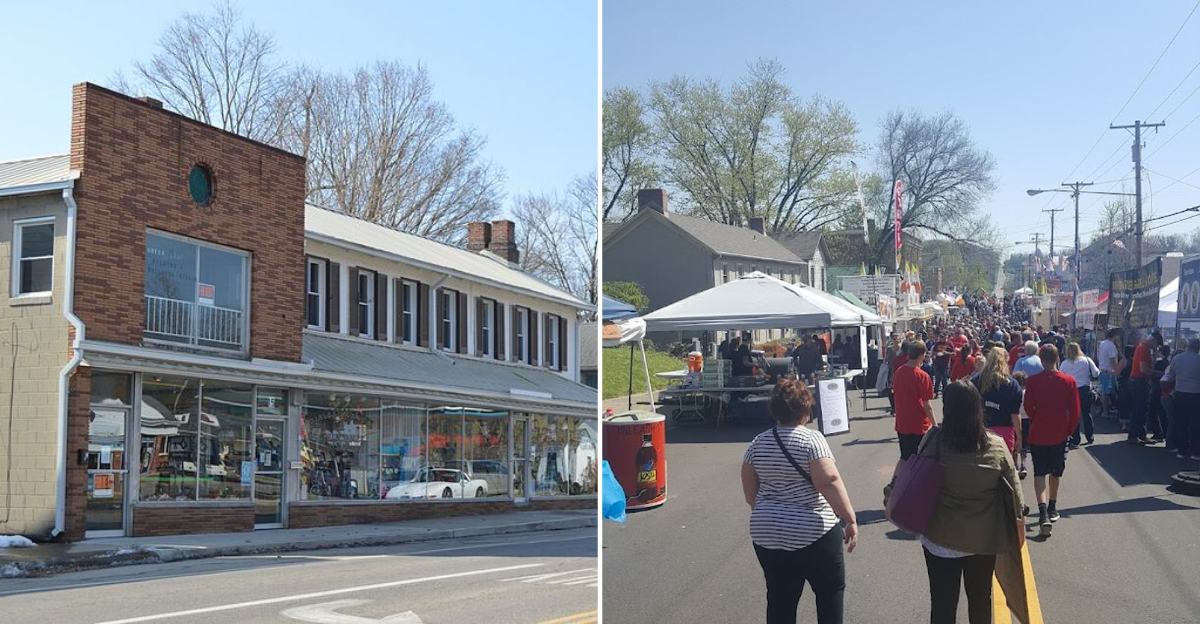
Bellbrook, Ohio feels like the kind of place you discover by slowing down instead of speeding through. Its historic Main Street still carries the character of the 1800s, while the annual Sugar Maple Festival fills spring with music, food, and small-town warmth.
Just southeast of Dayton, this Greene County city has preserved a sense of place that many towns have lost. Here is a well-researched outline of the Bellbrook stories, streets, traditions, and local details worth knowing before you visit.
Historic Main Street Storefronts
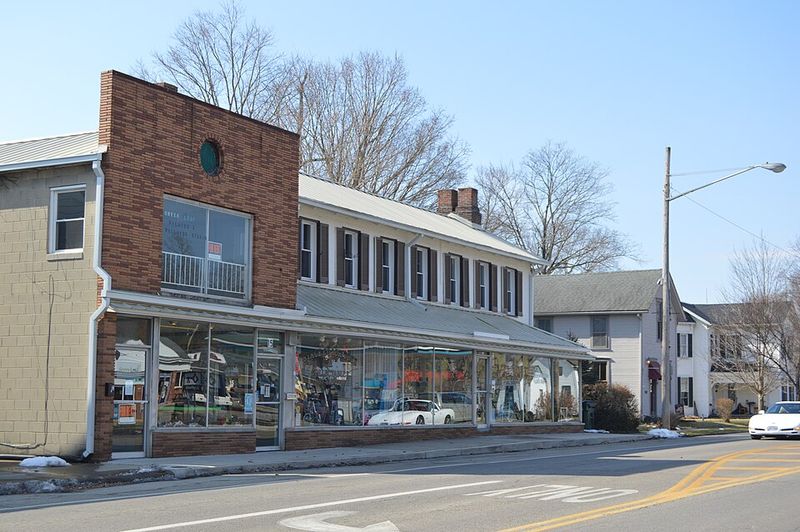
Bellbrook’s historic Main Street is the first place I would send you if you want to understand the town’s personality. The storefronts still carry the scale, brickwork, and window rhythm of nineteenth-century commercial Ohio.
You can feel how the town grew around everyday needs, not spectacle.
These buildings reflect Bellbrook’s early role as a local trading center in Greene County. Instead of a strip-mall look, the street keeps its walkable edges and close-set facades.
That continuity makes the district feel lived in rather than staged for visitors.
As you walk, notice the proportions: narrow shop fronts, upper-story windows, simple cornices, and doors close to the sidewalk. Those details tell you how merchants once served neighbors arriving by wagon, horse, or on foot.
The same compact layout still encourages lingering today.
Bellbrook Sugar Maple Festival
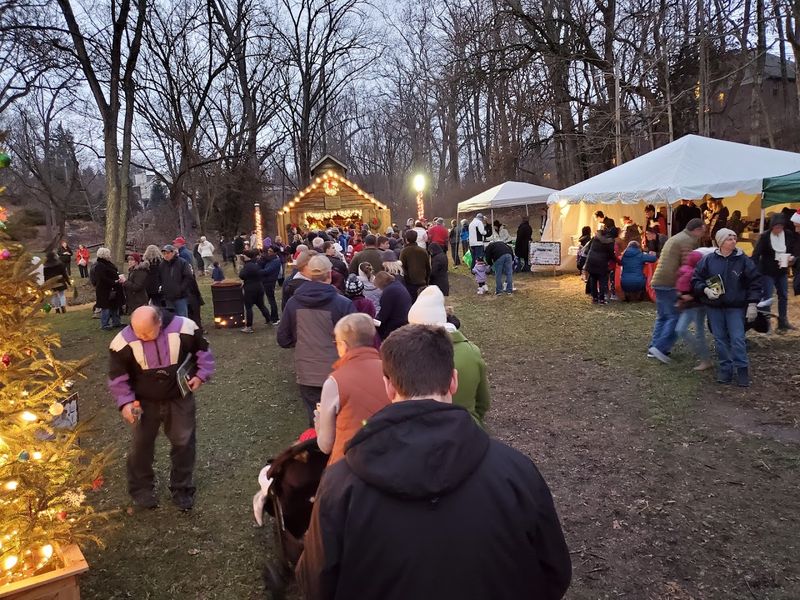
The Bellbrook Sugar Maple Festival is the town’s signature spring tradition, and it gives Main Street a completely different kind of energy. Instead of simply admiring old storefronts, you see them framed by food vendors, music, parade crowds, and neighbors greeting neighbors.
The festival celebrates the maple season that has long shaped the local landscape.
Held each spring, the event usually brings together arts and crafts, community groups, entertainment, and maple-themed treats. You do not have to be a syrup expert to enjoy it.
The appeal is the way Bellbrook turns a seasonal harvest into a town-wide welcome.
For visitors, the festival is also a practical introduction to Bellbrook’s layout. You can explore downtown on foot, sample local offerings, and watch how the historic district functions as a gathering place.
It feels festive without losing its small-town scale.
Location Southeast of Dayton
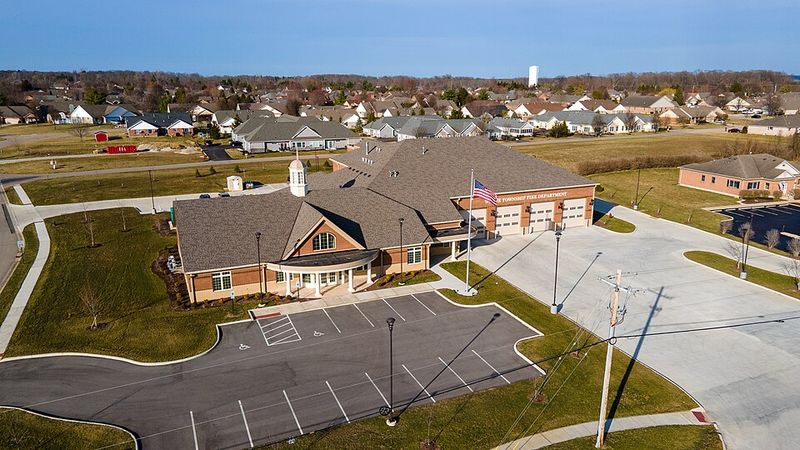
Bellbrook sits in Greene County, about 10.7 miles southeast of Dayton, which makes its calm atmosphere feel especially surprising. You are close enough to a major metro area for easy access, yet the town keeps a distinctly local pace.
That location is a big part of its charm.
The city is part of the Dayton Metropolitan Statistical Area, but it does not feel swallowed by the region. Bellbrook has its own center, traditions, and civic identity.
When you arrive, Main Street quickly reminds you that this is not just another suburb.
Its position also helps explain why visitors can make an easy day trip. You can leave Dayton, reach Bellbrook quickly, and still feel like you have stepped into a different rhythm.
The short distance makes the historic storefronts and festival accessible without much planning.
Greene County Roots
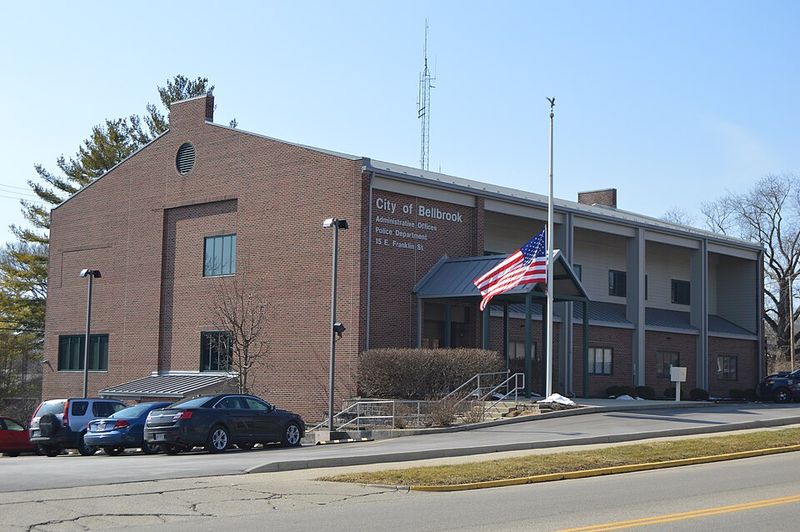
Bellbrook’s story belongs firmly to Greene County, and understanding that county context makes the town feel richer. Greene County communities grew from a mix of farming, milling, trade, and local transportation routes.
Bellbrook reflects that practical, neighbor-centered development pattern.
The town’s preserved storefronts are not grand monuments, and that is exactly why they matter. They represent the kind of commercial architecture that served ordinary Ohio families.
Hardware, groceries, services, and gathering places would have shaped daily life along these streets.
Greene County’s landscape also supports the town’s identity. Rolling terrain, streams, wooded areas, and agricultural history all connect naturally to maple traditions.
The Sugar Maple Festival feels believable here because it rises from the land around the community.
A Walkable Downtown Experience
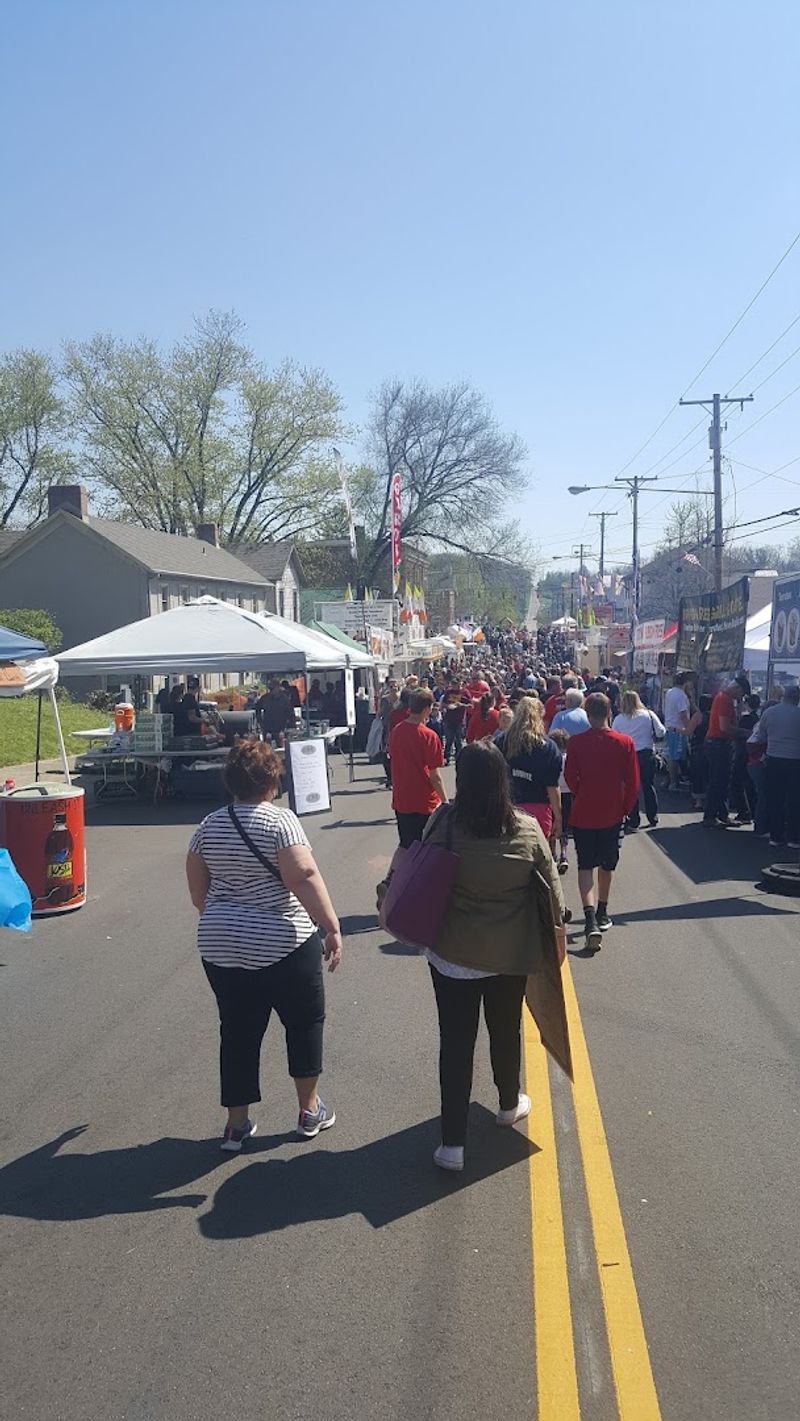
One of Bellbrook’s best qualities is how naturally walkable its downtown feels. The historic storefronts sit close to the sidewalk, which keeps your attention on windows, signs, brick details, and people.
You are not separated from the town by wide parking lots.
This kind of layout changes the way you experience a place. Instead of driving from one disconnected stop to another, you can move slowly and notice layers of history.
A short walk can reveal architectural details, local businesses, civic spaces, and festival gathering points.
During the Sugar Maple Festival, that walkability becomes even more important. Crowds can flow through the center without losing the intimate scale that makes Bellbrook appealing.
The streets feel like a shared room rather than a traffic corridor.
For readers planning a visit, downtown is best approached with comfortable shoes and a curious attitude. Give yourself time to look up at second-story windows and down into shop displays.
Bellbrook rewards slow attention, and its Main Street is designed for exactly that kind of visit.
Community Life Around Main Street
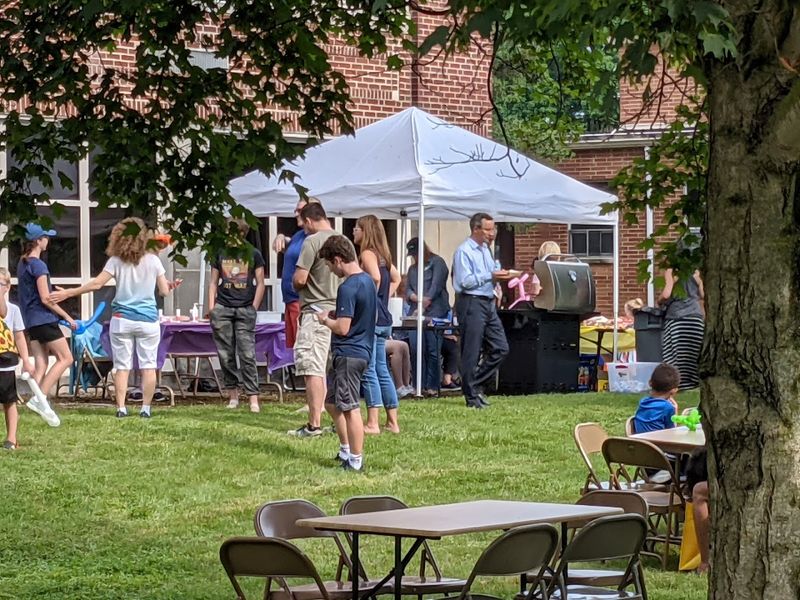
Main Street in Bellbrook is more than a row of old buildings; it is a stage for community life. You can sense that during festivals, local events, casual errands, and everyday conversations.
The architecture matters because people still use the setting.
That is the difference between preservation and pure display. Bellbrook’s historic center does not feel disconnected from residents.
It remains a recognizable place where civic pride, small businesses, and seasonal traditions overlap.
The Sugar Maple Festival makes this especially visible. Local volunteers, families, vendors, performers, and visitors all share the same compact downtown space.
The event turns familiar streets into a public celebration without covering up the town’s historic personality.
Springtime Atmosphere in Bellbrook
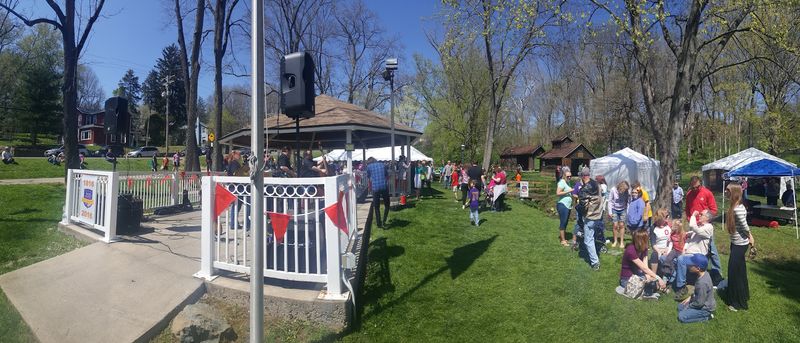
Spring is the season when Bellbrook’s personality becomes easiest to see. Trees begin to bud, sidewalks fill with more movement, and the Sugar Maple Festival gives the town a celebratory pulse.
The historic storefronts look especially inviting against fresh greenery and festival color.
The maple theme also gives spring in Bellbrook a sense of place. This is not a generic seasonal event that could happen anywhere.
It draws attention to local trees, regional traditions, and the patient rhythm of sap season.
For visitors, spring offers a comfortable balance of history and activity. You can appreciate the downtown architecture while also enjoying food, crafts, music, and people-watching.
The town feels alive but not overwhelming.
Why Bellbrook Is Worth a Slow Visit
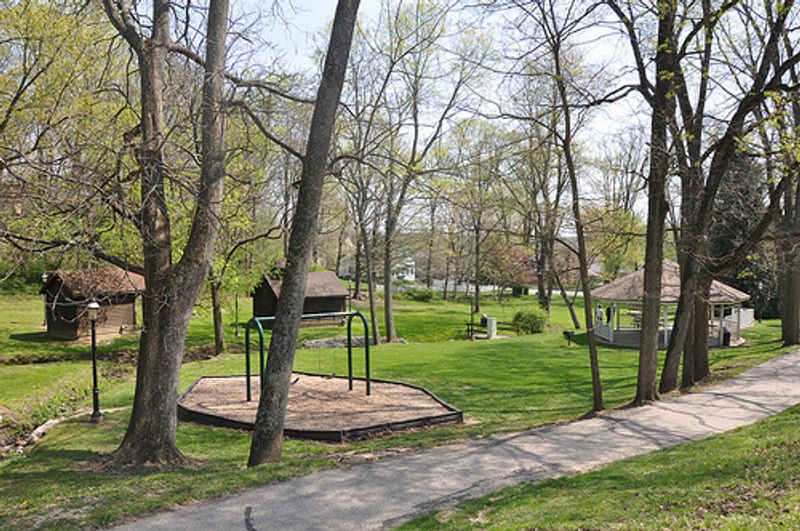
Bellbrook is worth visiting slowly because its appeal is found in details rather than dramatic attractions. The preserved storefronts, compact downtown, maple tradition, and Greene County setting work together quietly.
If you arrive expecting flash, you may miss what makes it special.
Give yourself time to walk Main Street, look at the buildings, and imagine the town’s nineteenth-century commercial life. Then connect that history to the modern energy of the Sugar Maple Festival.
The best experience comes from seeing continuity, not just checking off a stop.
Bellbrook also offers a reminder that small-town preservation does not need to be perfect to be powerful. Older buildings can keep serving new purposes while still carrying memory.
That is what makes a downtown feel honest.