
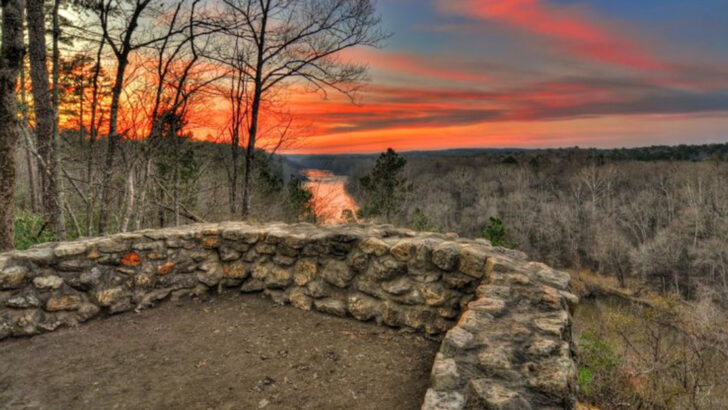
Tucked away near the small town of Lillington in Harnett County, Raven Rock State Park is one of North Carolina’s best-kept outdoor secrets.
A massive rock bluff towers roughly 150 feet above the Cape Fear River, creating a jaw-dropping natural landmark that hikers come from across the state to witness.
The trail leading to this spectacular viewpoint is challenging, rewarding, and packed with scenery that changes every step of the way.
Whether you are a seasoned hiker or just looking for an unforgettable outdoor adventure, this park delivers something truly special.
Raven Rock State Park: A Hidden Gem Near Lillington
Raven Rock State Park sits quietly in Harnett County, about five miles west of Lillington, North Carolina — and most people driving through the area have no idea what lies just beyond the tree line. The park covers over 3,000 acres of protected land, making it one of the more spacious state parks in the region.
Its crown jewel is a massive quartzite rock bluff that shoots up roughly 150 feet above the Cape Fear River below.
What makes this park stand out from other North Carolina parks is its rare geological setting. It sits right at the boundary between the Piedmont and Coastal Plain regions, a transition zone that creates a fascinating mix of ecosystems.
You will find plant and animal species here that are not commonly seen together anywhere else in the state.
Families, solo hikers, and nature photographers all find something worth coming back for at Raven Rock. The park offers picnic areas, restrooms, and well-maintained trails to make your visit comfortable.
Admission is free, which makes it an incredibly accessible destination for anyone looking to experience one of North Carolina’s most dramatic natural formations without spending a dime.
The Raven Rock Loop Trail: Gateway to the Cliff
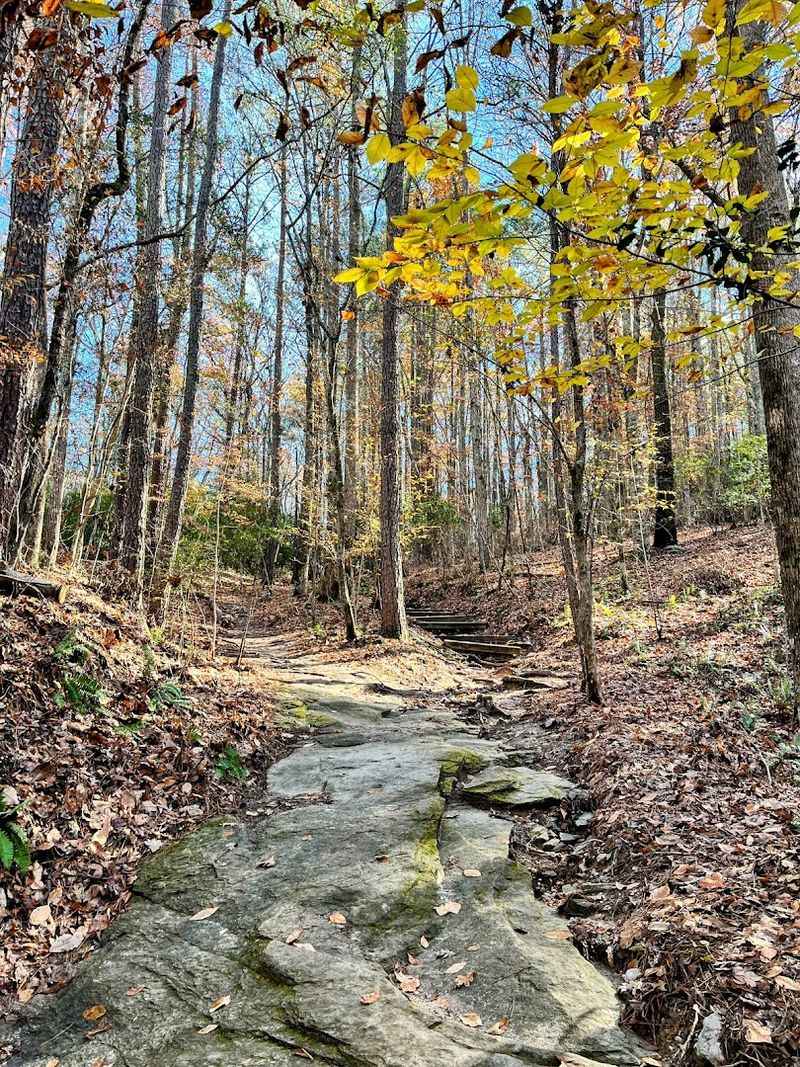
The Raven Rock Loop Trail is the main event at this park, and it earns every bit of the excitement hikers bring to the trailhead. Stretching approximately 2.6 miles in total, the loop winds through a beautiful hardwood forest before delivering you to one of the most jaw-dropping natural viewpoints in central North Carolina.
Trail markers are clear and easy to follow, so getting lost is not really a concern.
Most hikers complete the loop in about one to two hours, depending on pace and how long they linger at the overlook and base of the cliff. The terrain stays relatively flat through most of the forested section, which gives your legs a bit of a break before the steep descent begins.
That gradual buildup makes the dramatic finale feel even more earned.
The trail surface is mostly packed dirt and natural root systems, so wearing trail shoes or hiking boots is strongly recommended. Trekking poles can also be a smart addition, especially for the downhill sections near the cliff.
The loop can be hiked in either direction, but most visitors prefer going counterclockwise to save the overlook for last and end on an unforgettable high note.
Steep Wooden Steps: The Hike’s Signature Challenge
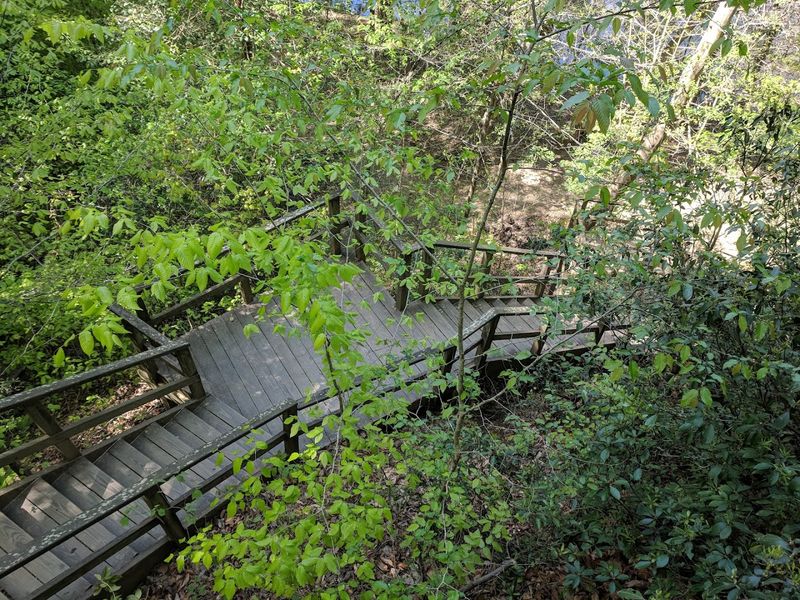
Ask any hiker who has visited Raven Rock State Park what they remember most, and there is a good chance they will mention the stairs. Over 100 wooden steps zigzag their way down the rocky bluff toward the Cape Fear River, and they are not for the faint of heart.
The descent is steep, the steps are narrow in places, and the whole experience feels a little like entering another world as the forest closes in around you.
Going down is exhilarating, but smart hikers remember they have to come back up. Pacing yourself on the way down is a solid strategy, especially if you plan to spend time exploring at the base before making the return climb.
The wooden railings along the staircase are a genuine lifesaver, particularly when the steps are wet or damp from recent rain.
Children and older adults can absolutely tackle these stairs, but they should go at their own pace and take breaks as needed. The effort is absolutely worth it.
Once you reach the bottom, the scale of the rock bluff becomes fully visible, and the sound of the Cape Fear River rushing nearby adds a sensory layer that photos simply cannot capture. This section alone makes the whole hike memorable.
Forest to Bluff: Changing Scenery Along the Trail
One of the quiet pleasures of hiking the Raven Rock Loop is watching the landscape shift beneath your feet. For the first mile or so, you are walking through a shaded canopy of oaks, hickories, and tulip poplars that block out much of the sky.
The air feels cooler here, and the soft crunch of leaves underfoot gives the whole experience a peaceful, almost meditative quality.
As you approach the bluff, the trees begin to thin and the light changes noticeably. Rocky outcroppings start appearing alongside the trail, and the ground becomes firmer and more rugged.
Seasonal wildflowers like mountain laurel burst into pink and white blooms in late spring, lining sections of the path with color that feels almost too pretty to be real.
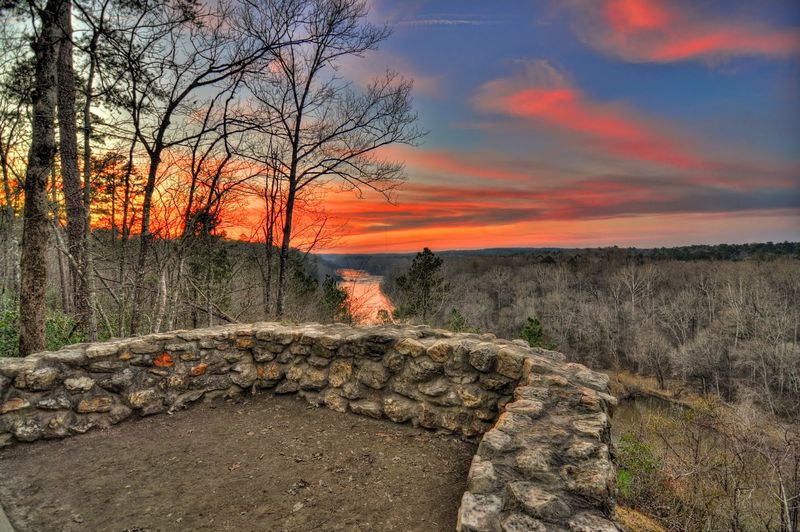
By the time you reach the overlook, the transformation is complete. Open sky replaces the canopy, and the full drama of the Cape Fear River valley spreads out below you.
Birdsong that was muffled by the forest suddenly becomes crisp and layered. This gradual shift in environment is one of the reasons experienced hikers keep returning to this trail — every season brings a slightly different version of the same beautiful journey.
Breathtaking Cape Fear River Vistas from the Overlook
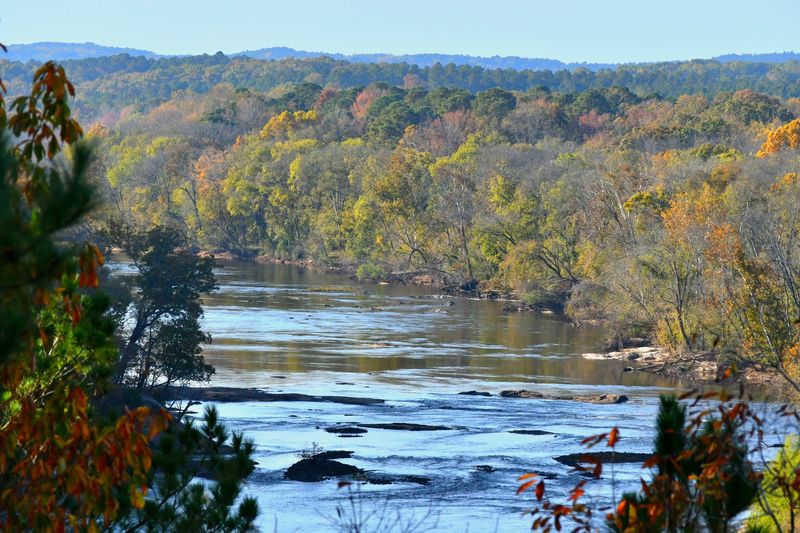
Standing at the top of the rock bluff and looking out over the Cape Fear River is one of those moments that genuinely stops you in your tracks. From roughly 150 feet above the waterway, the river stretches out in both directions, with gentle rapids sparkling below and a wide floodplain spreading across the opposite bank.
On a clear day, the view feels almost endless.
The overlook is wide enough for a small group to stand comfortably, and there are natural rock ledges where you can sit and soak it all in without rushing. The sound of water moving over rocks drifts up from below, mixing with wind through the treetops to create a natural soundtrack that is genuinely hard to leave behind.
Birders will want binoculars here, as osprey and great blue herons are frequently spotted along this stretch of river.
Early morning visits reward hikers with soft golden light that hits the water surface and the rock face in ways that feel almost cinematic. Evening visits offer warm sunset tones that paint the bluff in shades of amber and rust.
No matter when you arrive, this viewpoint earns its reputation as one of the most striking natural vistas in central North Carolina without any debate.
Base Exploration at the Foot of Raven Rock
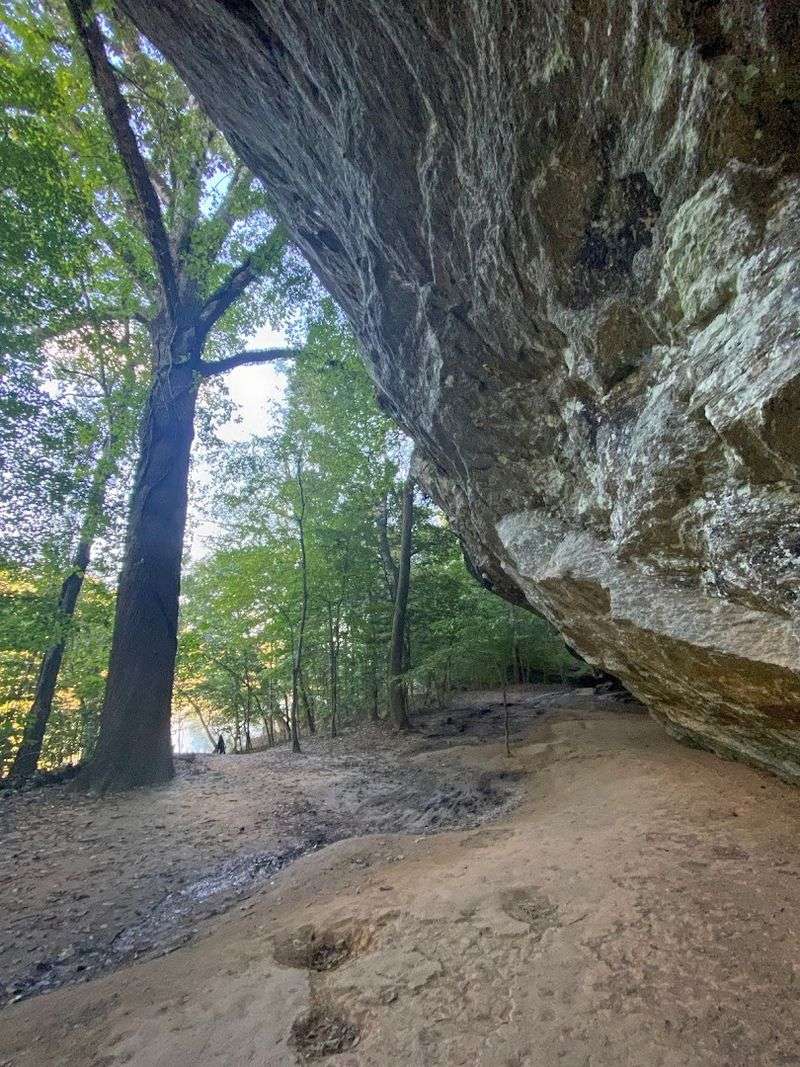
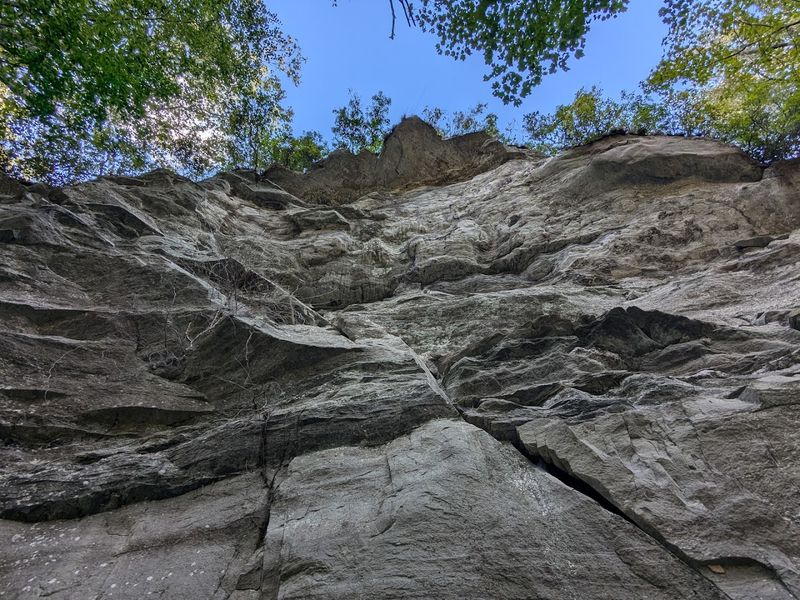
Reaching the bottom of those wooden stairs opens up a completely different experience from the overlook above. At the base of the bluff, the quartzite rock face towers over you in a way that feels almost humbling.
Moss and ferns cling to the lower sections of the cliff, and the constant moisture from the nearby river keeps everything lush and green even in drier months.
The riverbank itself is worth exploring carefully. Smooth river stones line the water’s edge, and the Cape Fear moves with a quiet urgency that you can feel as much as hear.
During lower water periods, you can walk along the bank and get close enough to the cliff base to run your hand along rock that has been here for hundreds of millions of years. That kind of tangible connection to deep time is genuinely rare.
This area sits right at the fall zone — the geological boundary where the hard Piedmont rock meets the softer Coastal Plain sediments. That transition creates the dramatic bluff in the first place, which is why this spot looks so different from anything else in the surrounding flatlands.
Spending even twenty or thirty minutes at the base before heading back up gives the whole hike a sense of completeness that the overlook alone cannot provide.
Geological and Historical Significance of the Rock
Raven Rock is not just visually dramatic — it is scientifically fascinating. The quartzite that makes up the bluff is estimated to be over 400 million years old, formed during a period when North America was still being shaped by massive tectonic forces.
Quartzite is an extremely hard metamorphic rock, which is exactly why this bluff has survived erosion while the softer surrounding landscape wore away over millennia.
Historically, the Cape Fear River was a critical transportation corridor for early settlers and Indigenous communities in the region. Raven Rock itself served as a notable landmark for river travelers, standing out visually against the flat Coastal Plain landscape in a way that made it almost impossible to miss.
Early maps of the region reference the bluff as a navigation point, giving it a human story that stretches back centuries.
The fall zone location also means that the river transitions from rocky, fast-moving water above the bluff to slower, deeper water below — a feature that shaped how communities fished, traveled, and built settlements along this stretch of the Cape Fear. Fish traps constructed from stacked stones can still be seen in the river near the park, offering a tangible connection to the people who relied on this waterway long before roads existed in the region.
Best Times and Tips for Capturing Great Photos
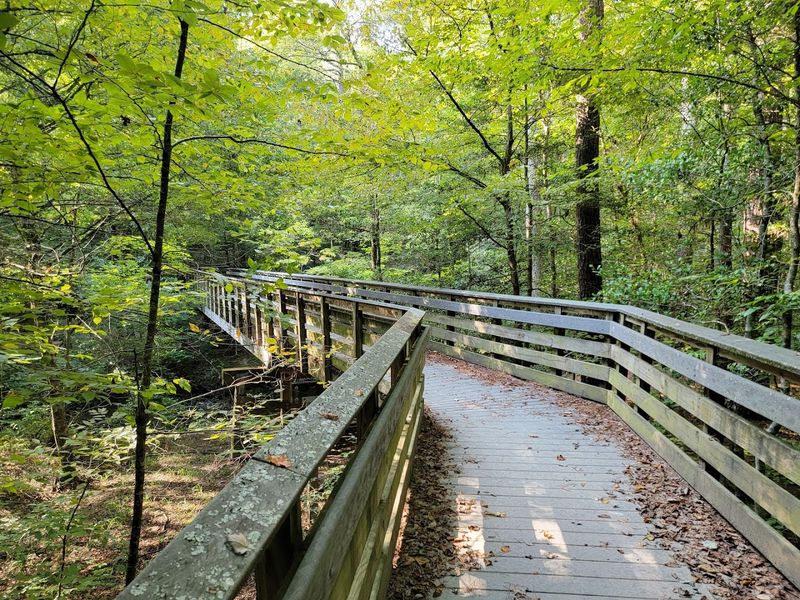
Raven Rock State Park rewards photographers who plan their timing carefully. Morning visits — ideally arriving right at or just after sunrise — give you soft, directional light that catches the texture of the quartzite bluff beautifully.
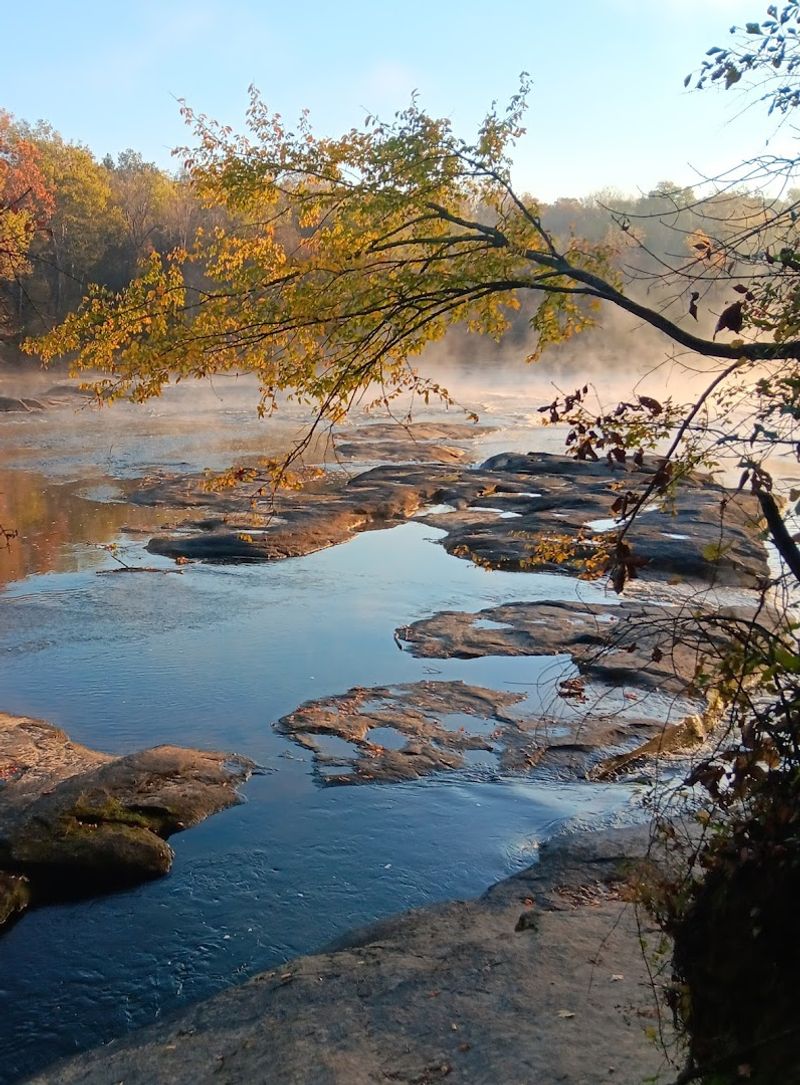
The river below picks up golden tones in early light, and the forest canopy glows in a way that midday sun simply cannot replicate. Mist over the river on cool mornings adds a layer of atmosphere that feels almost magical.
Spring is arguably the best season for overall trail photography, when mountain laurel blooms line the path and the forest is a dozen shades of green. Fall brings its own rewards, with hardwood foliage turning amber, red, and yellow around the overlook.
Winter visits offer surprisingly clear sightlines through the bare trees, giving you longer views of the river valley than any other season allows.
For the cliff base, a wide-angle lens helps capture the full scale of the bluff rising above you. A polarizing filter is useful near the water to cut glare and bring out the color of the river stones.
Smartphone photographers should try portrait mode for wildflower close-ups and panorama mode at the overlook. Arriving on a weekday dramatically reduces the number of people in your shots, which makes a noticeable difference in the final images.
Other Trails and Scenic Spots Worth Exploring Nearby
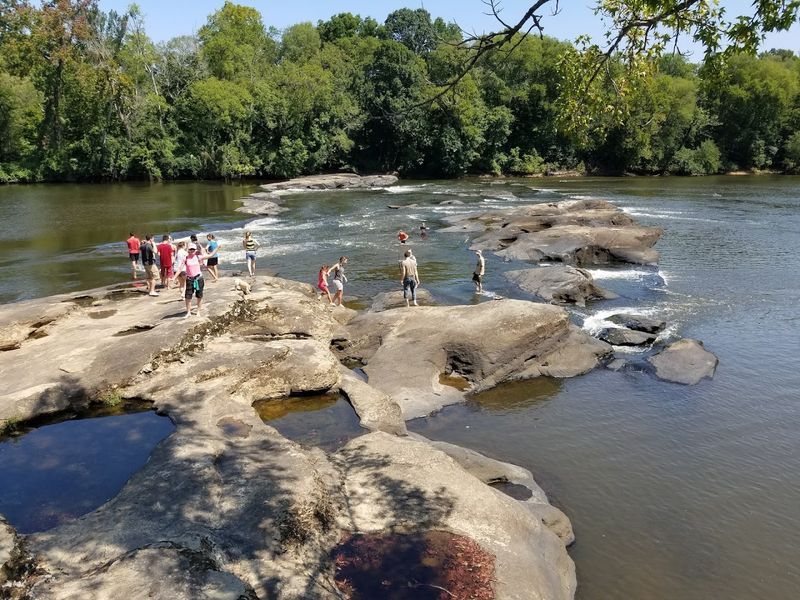
The Raven Rock Loop gets most of the attention, but the park has more to offer than just one trail. The Lanier Falls Trail is a shorter out-and-back route that leads to a lovely set of river rapids where the Cape Fear tumbles over exposed rock shelves.
It is a calmer, less strenuous option that works well for families with younger children or anyone looking to extend their visit without tackling the big loop again.
The Fish Traps Trail is another worthwhile detour. It follows the river downstream to a section where you can see the remains of historic stone fish traps built directly into the riverbed.
These structures date back generations and were used to channel fish into waiting baskets or nets. Seeing them in person gives you a completely different kind of appreciation for the history layered into this landscape.
Combining two or three of the park’s shorter trails into a single visit is a great way to see multiple sides of Raven Rock without overdoing it physically. Total mileage across all trails is manageable for most fitness levels.
Bringing a trail map from the park office or downloading one before your visit helps you plan a route that fits your group’s energy and interests without any guesswork involved.
Planning Your Visit: Practical Tips for a Great Day Out
Getting the most out of a trip to Raven Rock State Park starts with a little advance planning. The park opens at 8 a.m. year-round, and arriving early on weekends is genuinely smart advice — the parking lot fills up faster than most first-time visitors expect, especially during spring and fall when trail conditions are at their best.
Weekday mornings offer the most peaceful experience by a wide margin.
Wear sturdy footwear with good grip, and bring more water than you think you need. The climb back up from the base of the cliff is more demanding than the descent, and staying hydrated makes a real difference in how your legs feel at the top.
A light snack for the overlook adds a nice touch to the experience and gives you an excuse to sit longer and enjoy the view.
Cell service in the park can be spotty, so downloading a trail map or taking a screenshot before you leave home is a practical move. The park does not charge an entrance fee, but donations are always appreciated.
Leashed dogs are welcome on the trails, which makes this a fantastic outing for pet owners too. Check the North Carolina State Parks website before heading out for any seasonal closures or trail maintenance updates that could affect your plans.