

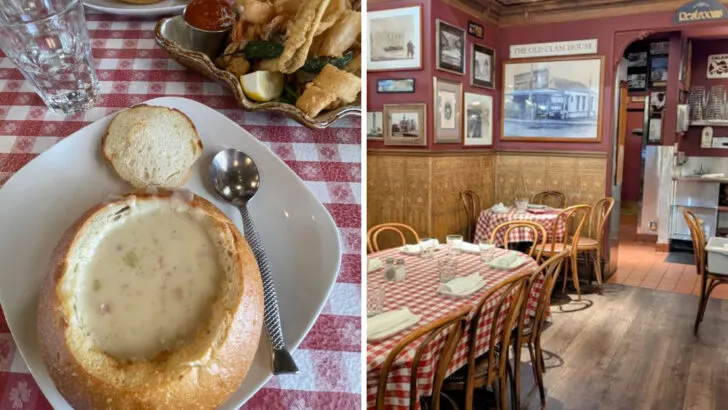
History doesn’t whisper here — it slurps.
This is the kind of place that makes modern San Francisco pause for a second.
One spoonful in, and suddenly you’re standing shoulder to shoulder with dockworkers, sailors, and gold-rush dreamers who once crowded this very room. Time doesn’t move fast at The Old Clam House. It simmers.
Step inside and the city noise drops away.
Wood creaks. Steam rises. A small cup of hot clam broth appears like a ritual, not a menu item. It’s salty, comforting, and impossible to rush. This isn’t dinner — it’s a moment.
The dining room feels lived in, not staged.
Photos, shadows, low light, and the quiet confidence of a place that has nothing left to prove. No trends to chase.
No reinvention needed. Just chowder, stories, and the kind of warmth you don’t find on a screen.
The signature clam chowder ritual
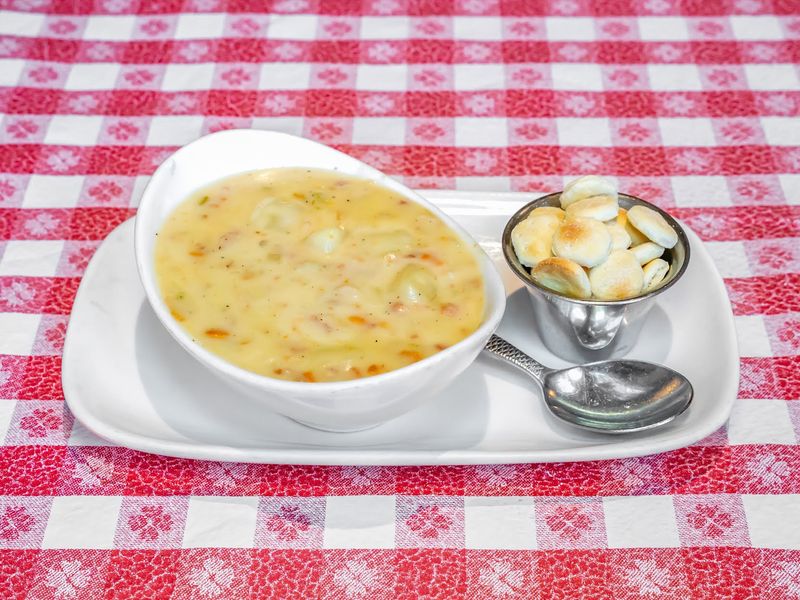
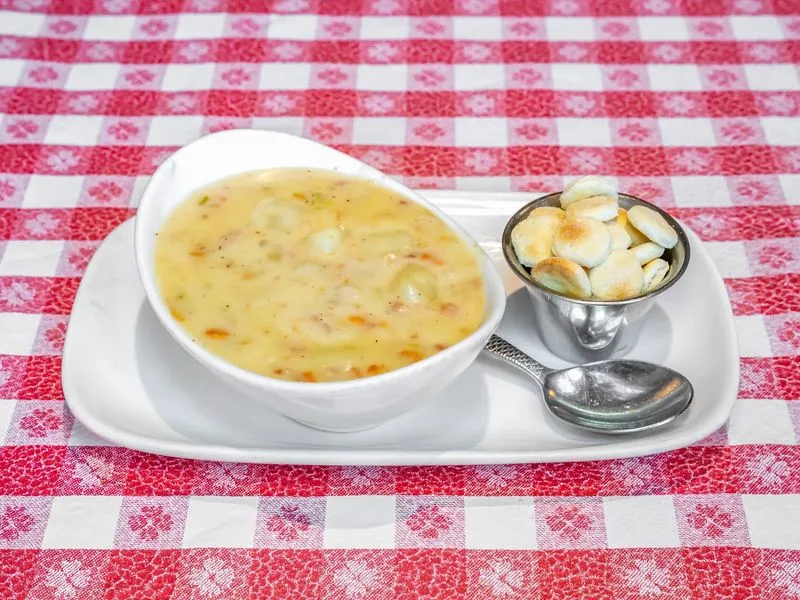
Walk in and you are greeted the way generations before you were: with a warm shot of clam broth that tastes like the bay on a good day. That first sip sets the rhythm for a bowl of chowder that is creamy yet balanced, never gloopy, never heavy.
You can smell butter and brine, with diced potatoes holding their edges and tender clams lending chew and sweetness.
The chowder here is not a gimmick or souvenir, it is the house heartbeat. You watch steam fog the spoon and feel the contrast of cool air against a deep, savory warmth.
Some swear by the bread bowl, others keep it classic in porcelain, but either way the soup remains the star, carefully seasoned and coaxed rather than drowned in salt.
What you notice most is restraint. The broth leans creamy, but the texture stays light, letting the clams speak.
You will catch hints of celery, a nudge of pepper, and that gentle oceanic echo that lingers without shouting.
On busy nights, bowls arrive in an efficient parade, still piping, never rushed. Regulars trade notes on which table gets the prettiest light for a photo, but you soon put the phone down just to sip while it is perfect.
That is the magic here: simple, warm, and dependable.
If you crave flourish, you will not need it. A crack of black pepper, maybe a swipe of warm sourdough, and the chowder becomes its best self.
In a city that reinvents constantly, this is the taste that refuses to go anywhere.
Sourdough bread bowl tradition
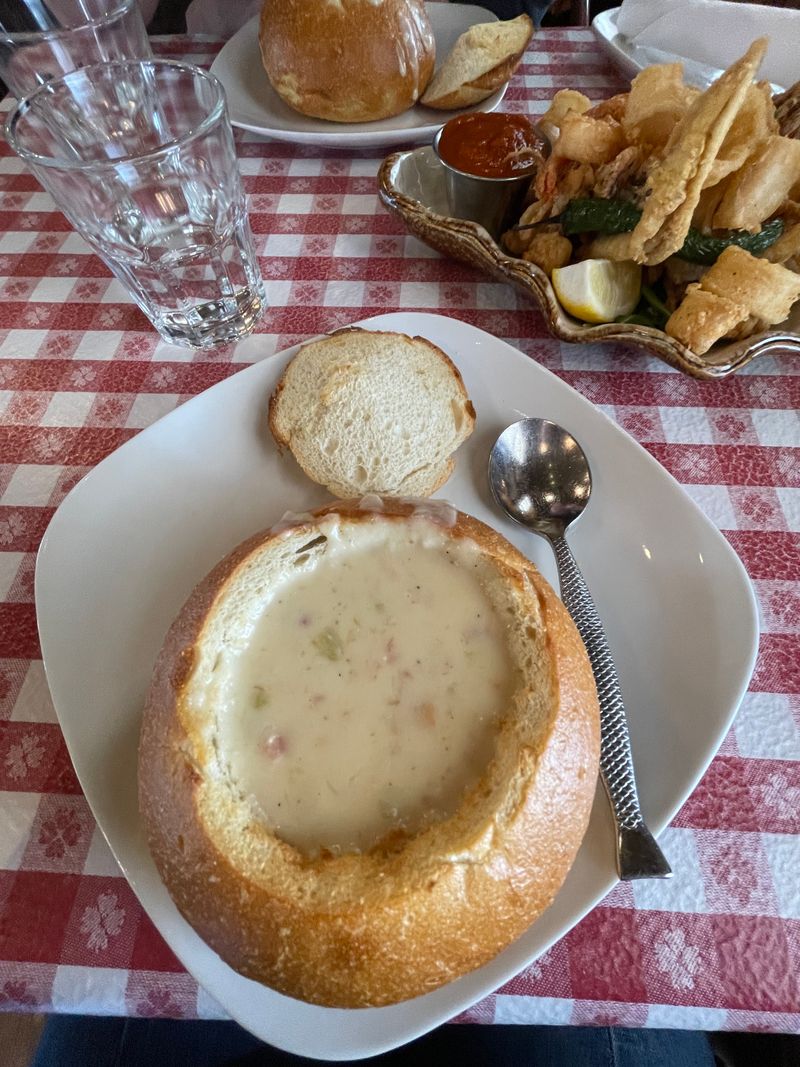
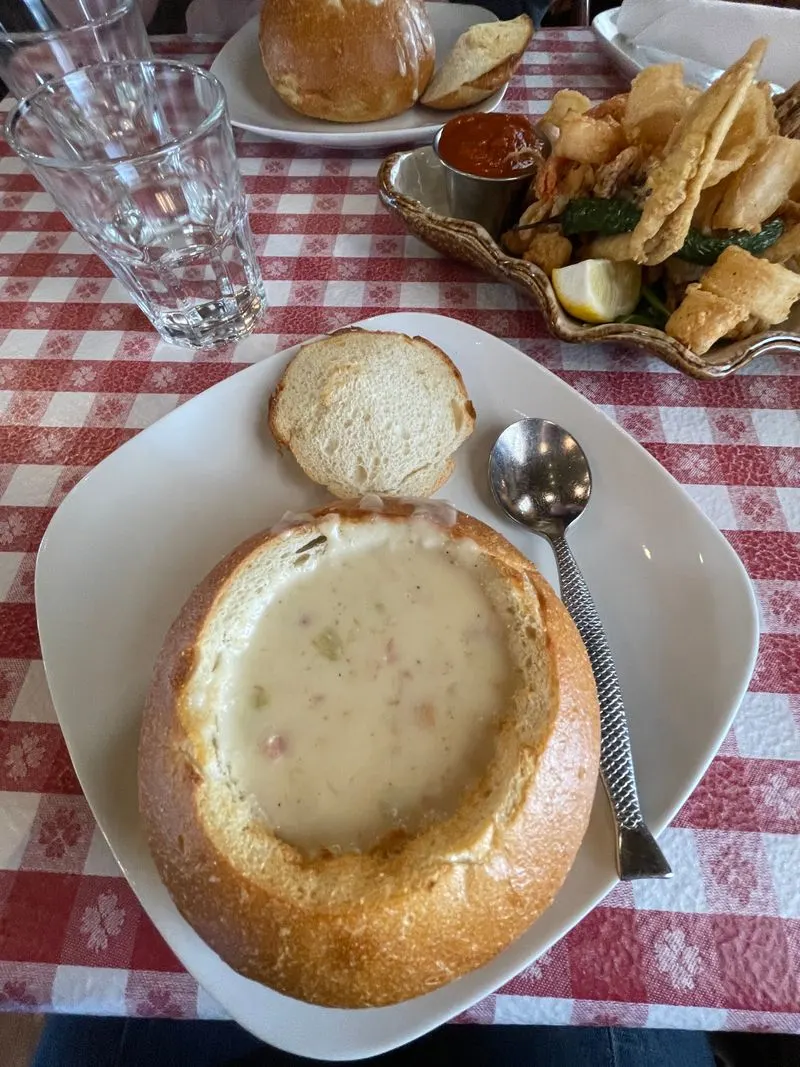
A proper San Francisco chowder story is not complete without sourdough, and The Old Clam House treats the bread bowl with respect. The crust arrives crackly and warm, the interior aerated but sturdy enough to cradle the chowder without collapsing.
You tear the rim and feel that tangy crumb soak up briny cream like a sponge built by fog and time.
The secret is balance: the bowl must absorb but not disintegrate. Here, it behaves like a second spoon, transporting clams and potatoes while keeping your hands cozy.
You will find yourself nibbling the lid, then the edges, then plotting how to save the base for that last sweep.
This is not a stunt serving vessel. It is a conversation between soup and bread, a local dialect learned over a century and a half.
The chowder’s heat wakes the sourdough’s personality, bringing gentle acidity that cuts richness just enough.
Share it or keep it to yourself, but expect to guard the final bite. The staff knows when to deliver an extra napkin, and they will smile because they have seen this hunger before.
A bread bowl here is a tiny ceremony, and yes, it is worth the carb devotion.
When you finish, you will consider ordering a cup to chase the last crust. That is the kind of satisfaction this pairing promises.
It is history you can tear with your hands, and a ritual you will carry home in memory.
That first sip of hot clam broth
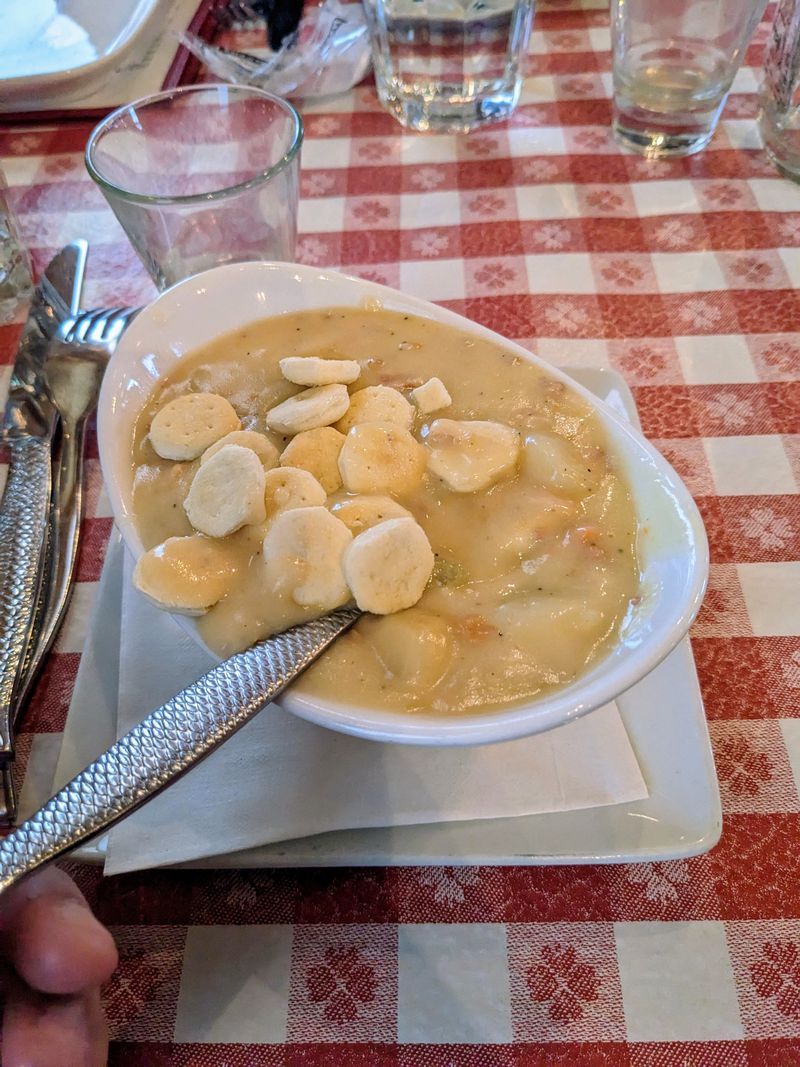
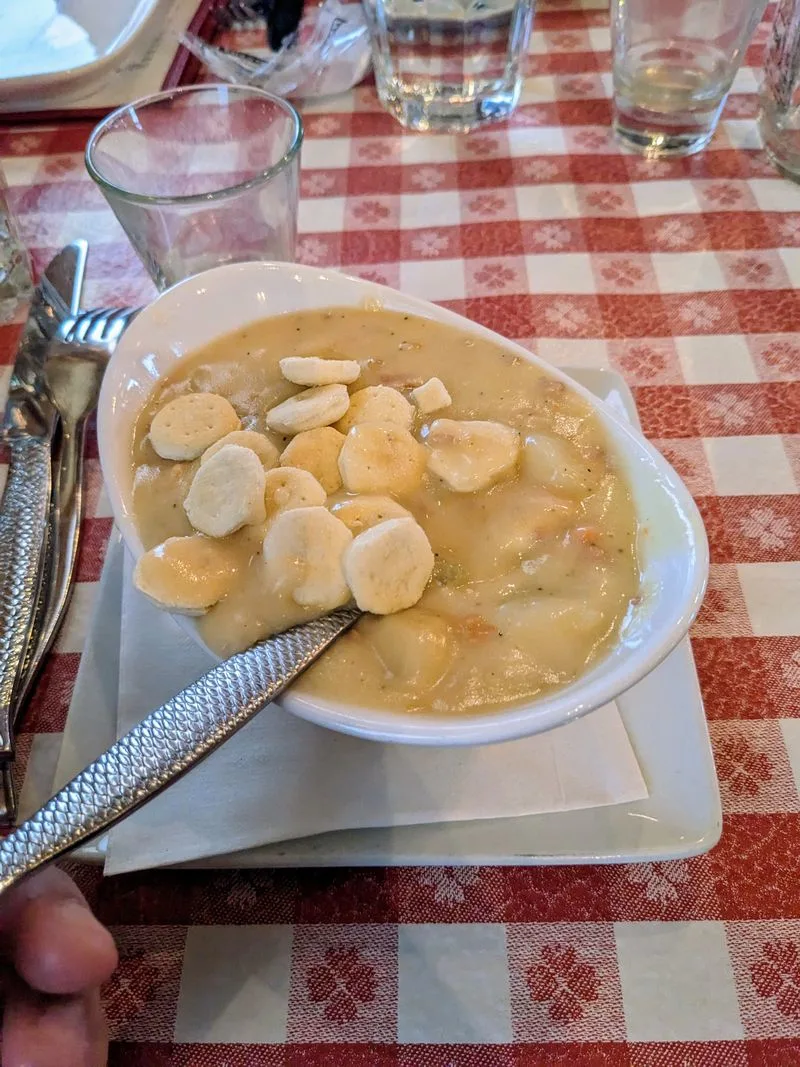
Before menus, before decisions, a tiny cup appears and suddenly you belong. The Old Clam House pours hot clam broth like a welcome handshake, salted with history and bright with simple comfort.
You tip it back and feel shoulders drop as warmth spreads.
It is not fancy, just clean brine, butter, and a whisper of aromatics. That small gesture resets expectations, reminding you that seafood can be pure and uncomplicated.
You taste the bay as memory rather than spectacle, almost like the kitchen is letting you into a secret.
Some call it clam juice, others call it soup, but it lands like hospitality. You might add a squeeze of lemon if you love zing, or just sip it straight and let the savory tide roll.
Either way, it primes your palate for chowder, cioppino, or whatever the table decides.
There is a rhythm to the service when this arrives. Conversations pause, eyes meet, and you get that shared look of quiet delight.
The tradition is old, the pleasure immediate.
When you leave, you will remember that first sip as clearly as any entrée. It is the restaurant’s thesis stated in one warm sentence.
Simple seafood, treated kindly, delivered with heart.
Cioppino the lighter way
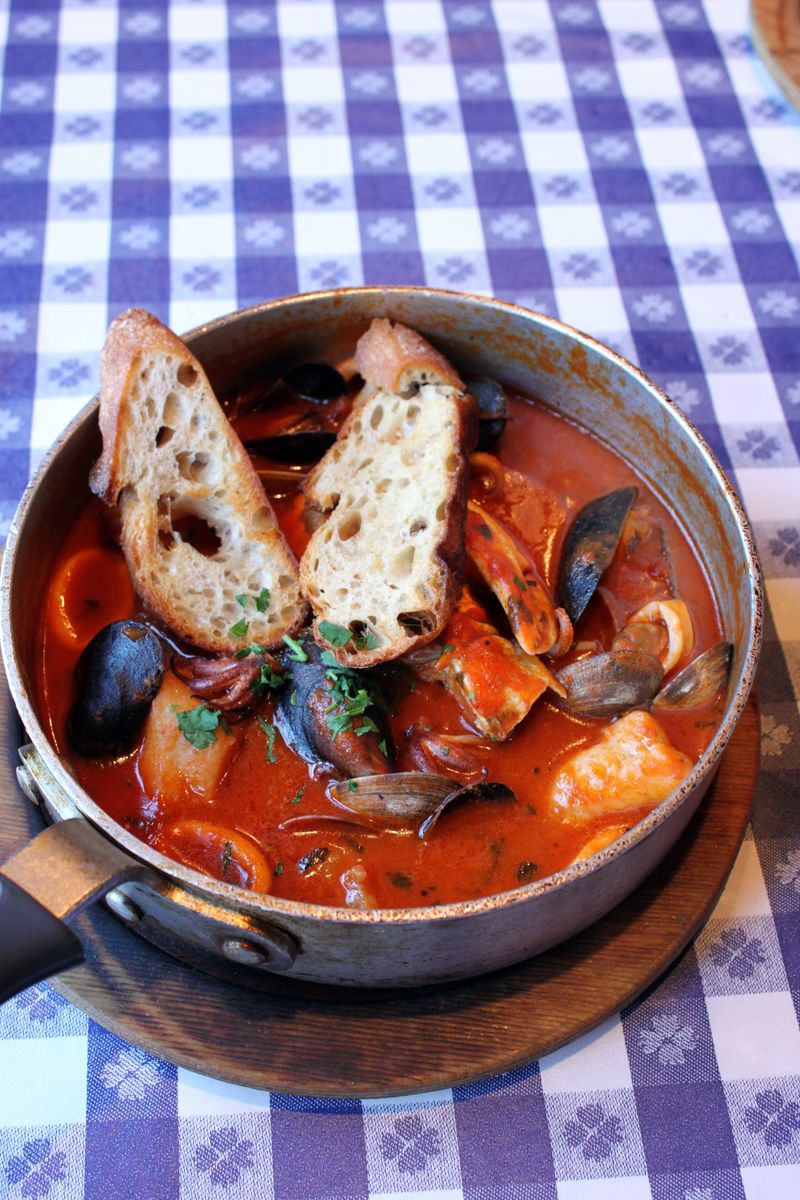
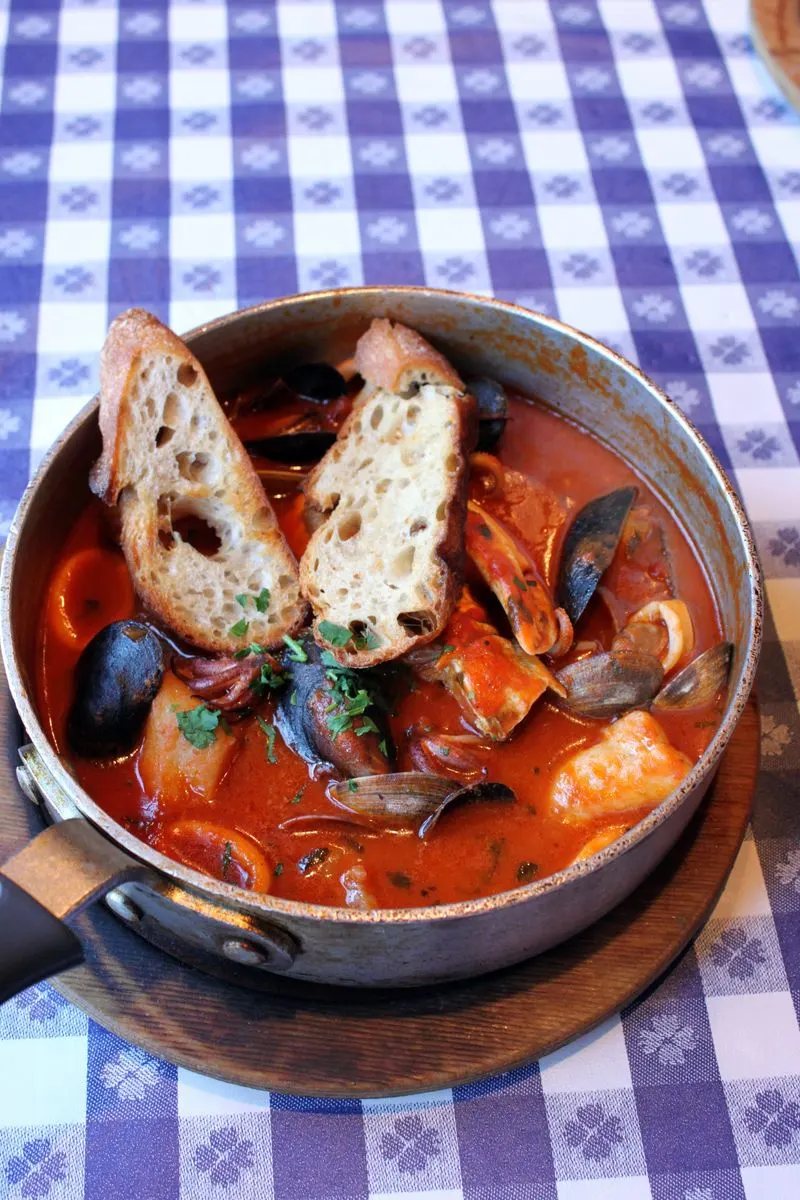
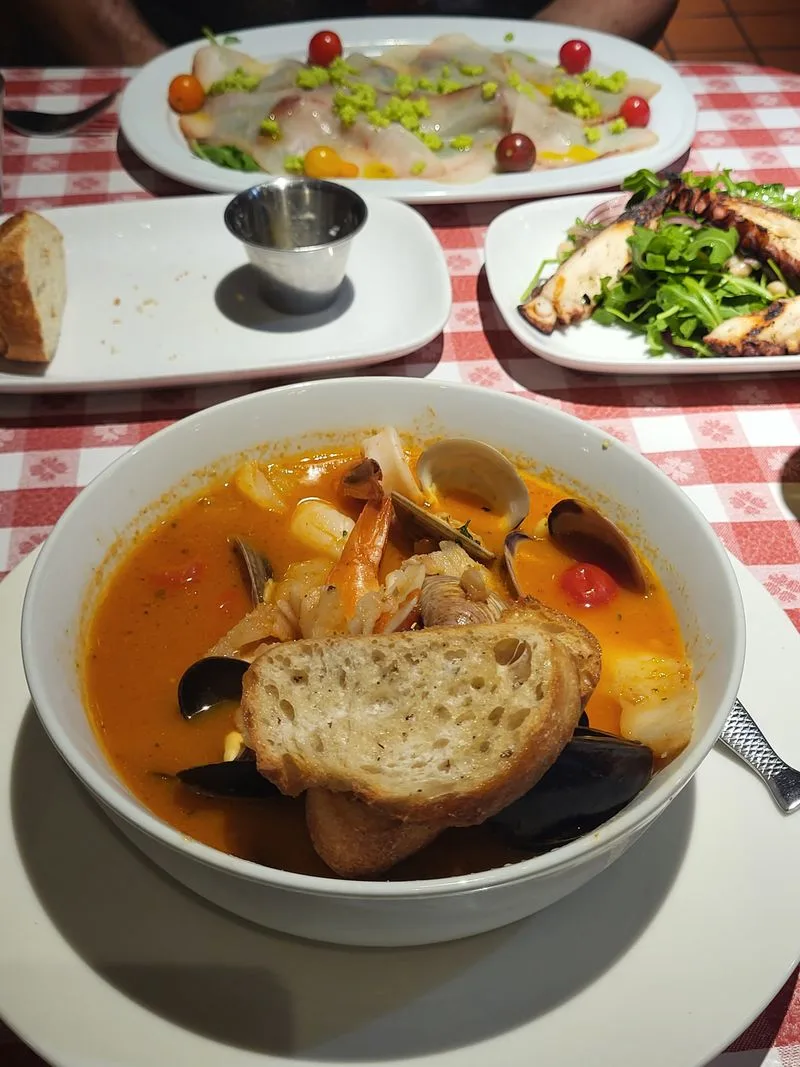
Cioppino here will not drown you in a heavy tomato blanket. Instead, the broth is light, bright, and layered, letting seafood stay front and center.
Mussels open like little sails, prawns feel meaty and sweet, and fish stays tender without flaking apart in frustration.
You will notice restraint with garlic and herbs. The kitchen seasons with a steady hand, aiming for clarity over noise.
Every spoonful tastes like the tide moving through a garden of tomatoes and aromatics.
If you are used to thicker gravies, this version might surprise you, but give it a minute. Dip warm bread, let the broth breathe, and you will catch subtle sweetness, a mineral whisper from the shells, and a clean finish that invites another bite.
It is generous without being weighty.
Sharing works well because the portion encourages lingering rather than rushing. Pass around shells, trade stories, and use the broth as punctuation.
You will likely glance at the bar, where regulars nurse beers and respect this bowl like an old friend.
In a city proud of cioppino, The Old Clam House offers a confident, lighter path. It fits the room’s history and the menu’s calm cadence.
You leave satisfied, not stuffed, and ready for a final spoon of chowder.
Mussels and clams from the skillet
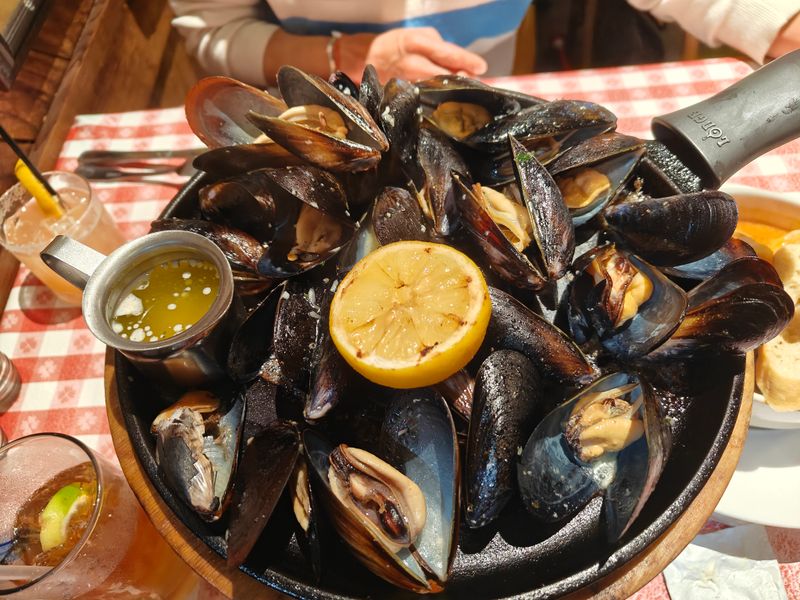
When a skillet hits the table, you hear it before you taste it. Mussels and clams come simple here, sometimes with just lemon and a light seasoning, letting the shellfish tell the story.
You will get soft brine, a touch of earth, and that mineral finish mussel lovers chase.
Do not expect a saucy costume party. The kitchen avoids smothering these in garlic and butter, favoring a spare, confident approach.
It makes you slow down and notice freshness, which is the whole point.
For some palates, the simplicity feels stark. You can always squeeze more lemon, crack pepper, or pair bites with warm bread to round the edges.
That little bit of play turns the skillet into an interactive plate.
On a good night, every shell opens nicely, and the aromatics whisper instead of shout. You reach for another, then another, enjoying the rhythm of fork, shell, sip.
It is relaxed and satisfying, especially with a local draft nearby.
If you think seafood needs fireworks to shine, this will gently disagree. The reward is in the quiet details and a clean aftertaste.
You finish feeling like you actually tasted the ocean.
Garlic bread and the perfect dunk
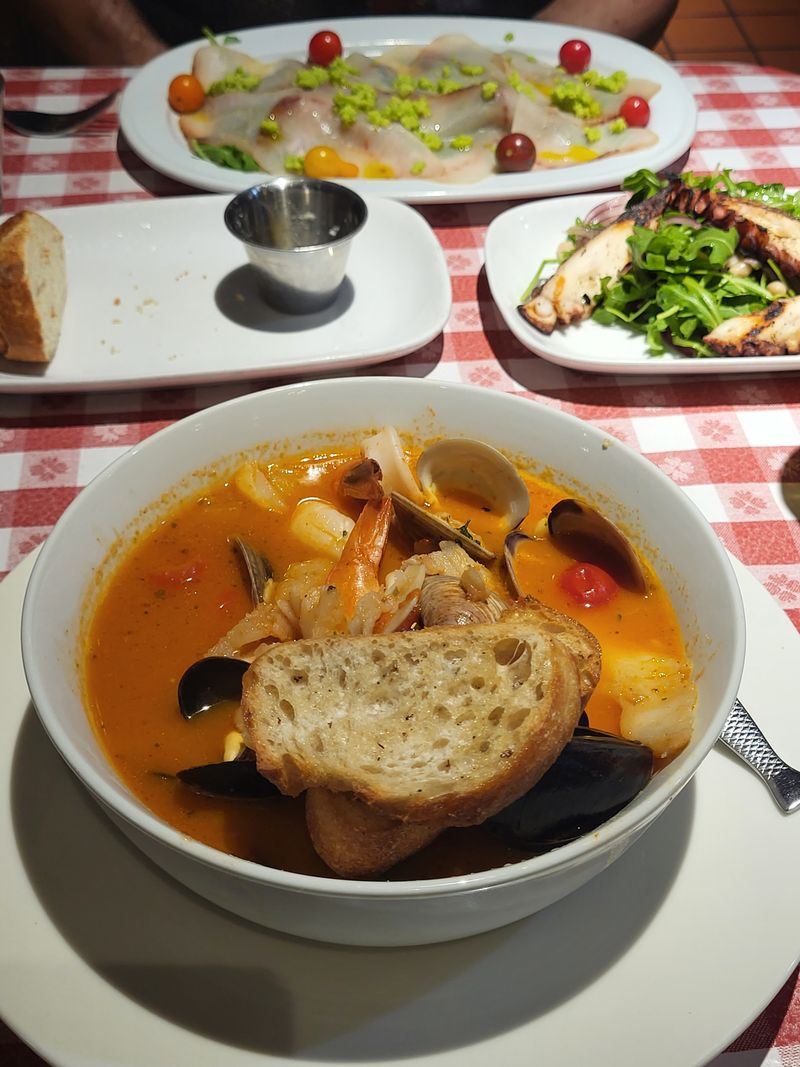
Garlic bread at The Old Clam House is a utility player with star power. The slices arrive hot, buttery, and crisp edged, ready to dunk into chowder or cioppino.
You will catch a clean garlic aroma without that harsh bite that lingers too long.
Dunk technique matters. Quick dips keep the crust snappy, while longer soaks turn the crumb into savory sponge.
Either way, the bread respects the soup and never steals the scene.
Order for the table and watch it disappear one slice at a time. The staff moves fast on refills when they can, but plan to claim your piece early.
A sprinkle of parsley on top adds color and a faint freshness that plays well with clam sweetness.
Pair it with the hot clam broth starter and you get a tiny, perfect ritual. The textures complement each other: crisp, creamy, steamy, and soft.
You will discover your favorite sequence by the second visit.
Some nights, garlic bread becomes dinner, and nobody here judges. That is the spirit of this place: comfort first, the rest follows.
Leave a corner for the final swipe of chowder and call it a win.
The tiny dining room with big history
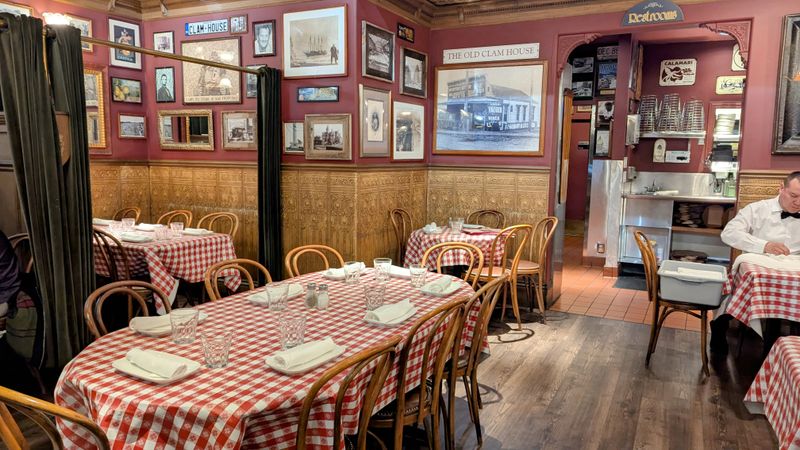
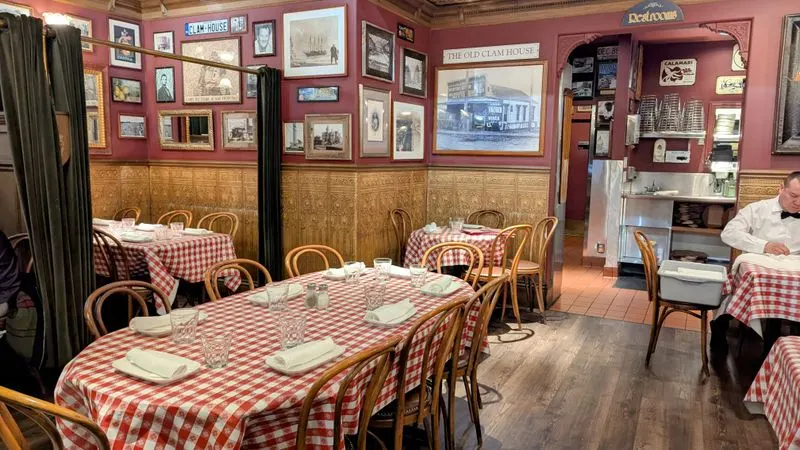
The room is small, the ceiling feels close, and history presses in from every frame and shelf. You look around and see a century and a half of stories in wood grain, brass, and old photos.
It is cozy without pretension, the kind of space that invites long meals.
Servers move gracefully through narrow lanes, reading the room like librarians of appetite. The bar glows, and locals slide onto stools for happy hour snacks and a gossip break.
You will notice that the pace is steady rather than frantic, which is rare in this city.
Décor tilts nautical with a wink rather than a shout. There is character everywhere, but the scent is fresh, not stale, which feels like a small miracle in an old building.
Light pools on checkered tablecloths and you feel part of a living postcard.
What makes it work is warmth. Hospitality is practiced, not performed, and you get the sense that many faces here return weekly.
A familiar nod from the staff can make a first timer exhale.
By dessert, you have forgotten the outside bustle. The dining room does that: it tucks you in and feeds you like a favorite aunt.
You step back onto Bayshore feeling nourished in more ways than one.
What to order beyond chowder
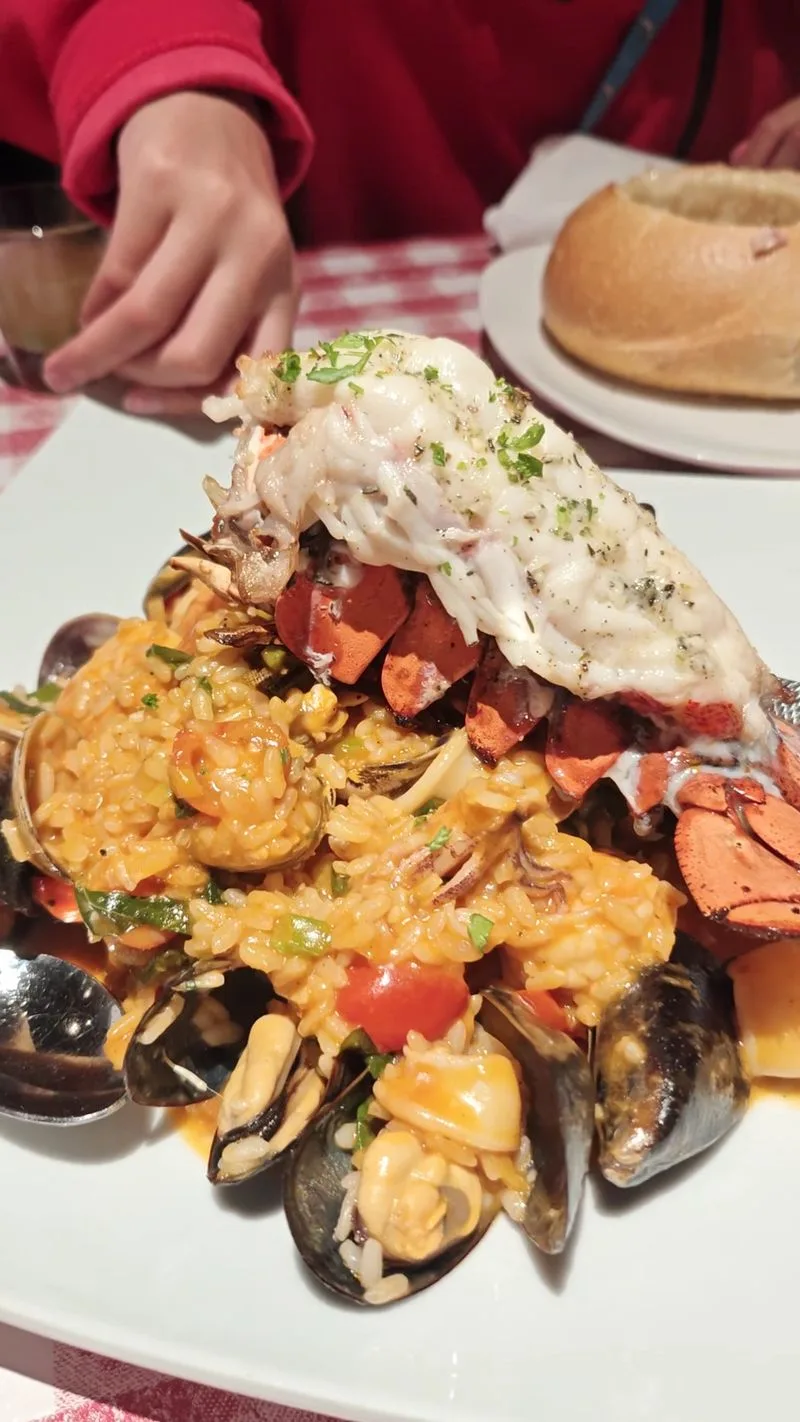
Chowder is the headliner, but the supporting cast keeps regulars loyal. Fried calamari arrives crisp and generous, good with a squeeze of lemon.
A lighter cioppino portion works well for sharing alongside a salad or garlic bread.
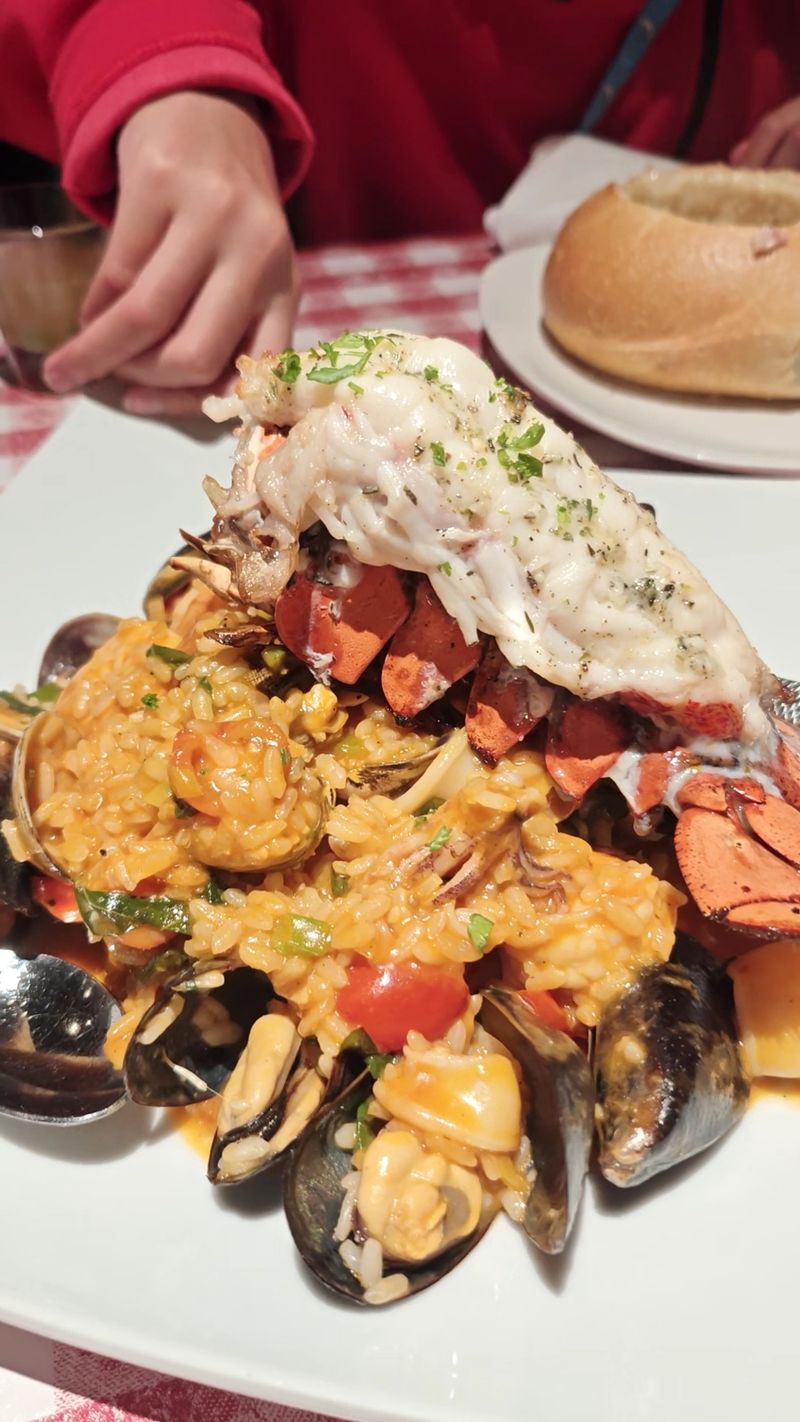
If you like rich, the seafood risotto is comfort in a bowl, grains tender and creamy with a good haul of shellfish. The lobster roll can swing salty depending on the day, so consider splitting and pairing with something bright.
Mussel and shrimp skillets keep things simple for those who want the seafood to speak plainly.
Pasta specials rotate, and the kitchen does right by local fish with minimal fuss. On colder evenings, a prime ribeye or pork special shows up for surf and turf cravings.
The point is not excess, it is harmony across the menu.
Drinks lean classic with a neighborly bar vibe. Beer and chowder make an easy pair, while a clean white can lift the cioppino without overshadowing it.
Cocktails can be subtle, so order to your taste and enjoy the ride.
You will leave happiest if you build a table of textures: crisp, creamy, brothy, and warm. Chowder anchors everything, while sides and skillets add rhythm.
That is how to eat here and feel like you did it right.
When to go and how to park
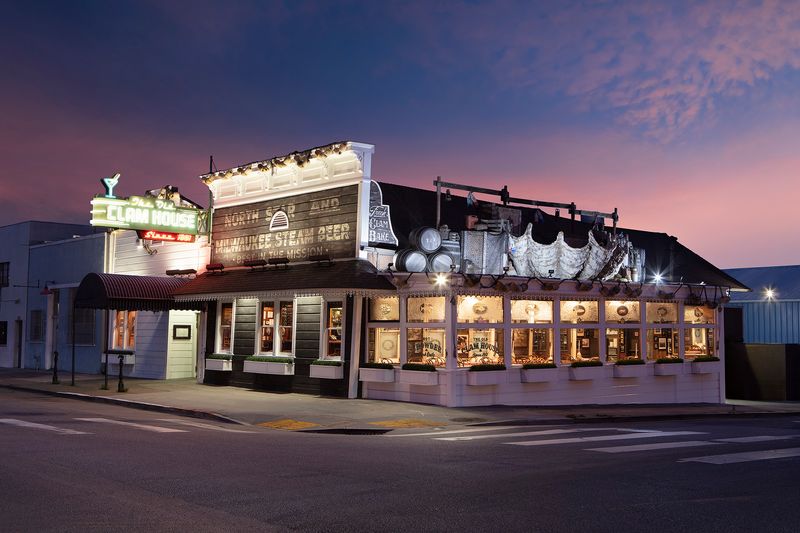
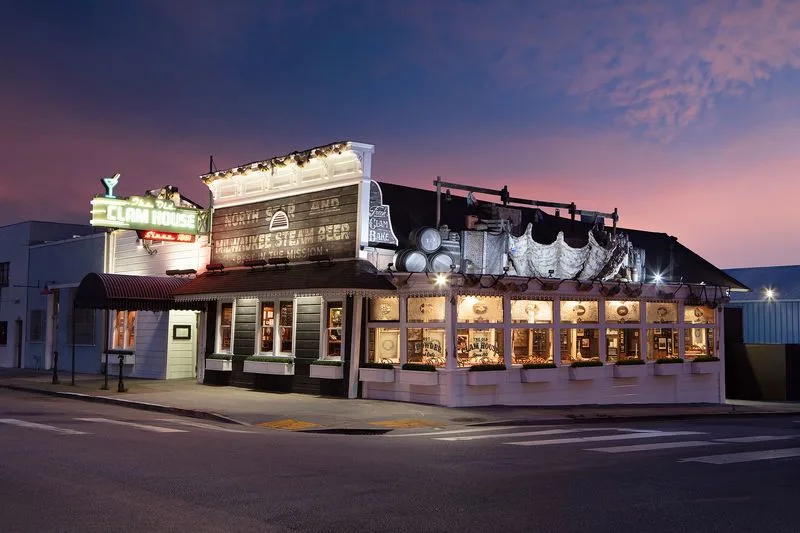
The Old Clam House keeps steady hours from late morning through evening, opening at 11:30 AM most days. Weekends fill fast, and rainy days practically call your name for chowder.
If you prefer a quieter room, aim for a late lunch window.
Parking can test patience in this industrial slice of the city. Street spots pop open but turn quickly, so give yourself time and do not be shy about a short walk.
Rideshares remove the stress and let you order that extra round.
Inside seating only keeps the warmth where you want it. The bar is a great fallback for solo visits or pairs, with friendly regulars and quick service.
If you are celebrating, call ahead and be flexible on timing.
Remember that the room is small, and part of the charm is how close you are to the action. Plan for a brief wait and you might be rewarded with the coziest corner.
A little patience is the right prelude to hot soup.
Once seated, relax into the pace, sip that clam broth, and let the bustle fade. The staff has a practiced rhythm that keeps things moving.
You will be glad you arrived a few minutes early.
A tiny survivor since 1861
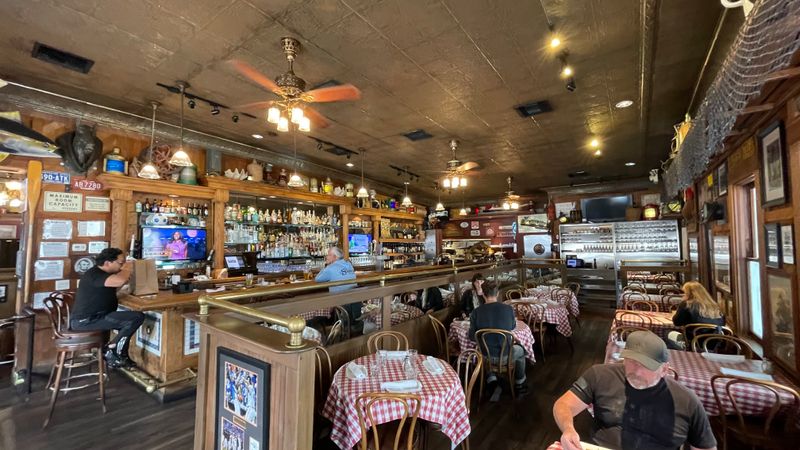
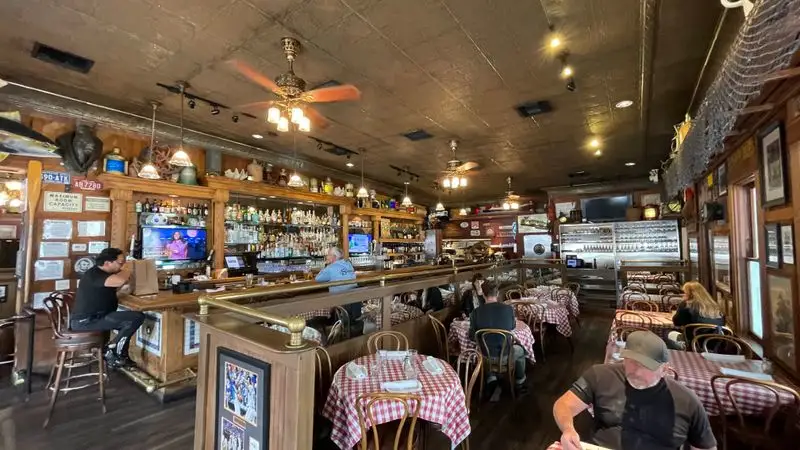
Since 1861, this little restaurant has watched San Francisco reinvent itself again and again. Through quakes, booms, busts, and tech rushes, the chowder kept coming.
That continuity feels rare, like a family story told perfectly each time.
The survival trick is not mystery, it is steady craft. Keep the broth honest, treat seafood with respect, greet guests with warmth, and let the room wear its years proudly.
You can feel it in the wood, hear it in the clink of bowls, and taste it in the first spoonful.
Locals bring visiting friends as if presenting a credential. Travelers find it and say they discovered a real San Francisco.
Everyone leaves with the same glow you get from a favorite sweater pulled from storage.
The menu nods to variety, but the identity is clear. Clam chowder anchors everything, a recipe polished by time rather than trend.
That is why the place never feels dated, just deeply itself.
If you measure a city by what it keeps, this address tells a generous tale. You come for soup and end up tasting endurance.
That is worth crossing town for, even on a foggy night.