Hidden in the Ocala National Forest, Juniper Springs Recreation Area feels like a small tropical world in the middle of Florida.
Clear spring water, palm trees, and a historic millhouse come together in one place, making it both beautiful and meaningful.
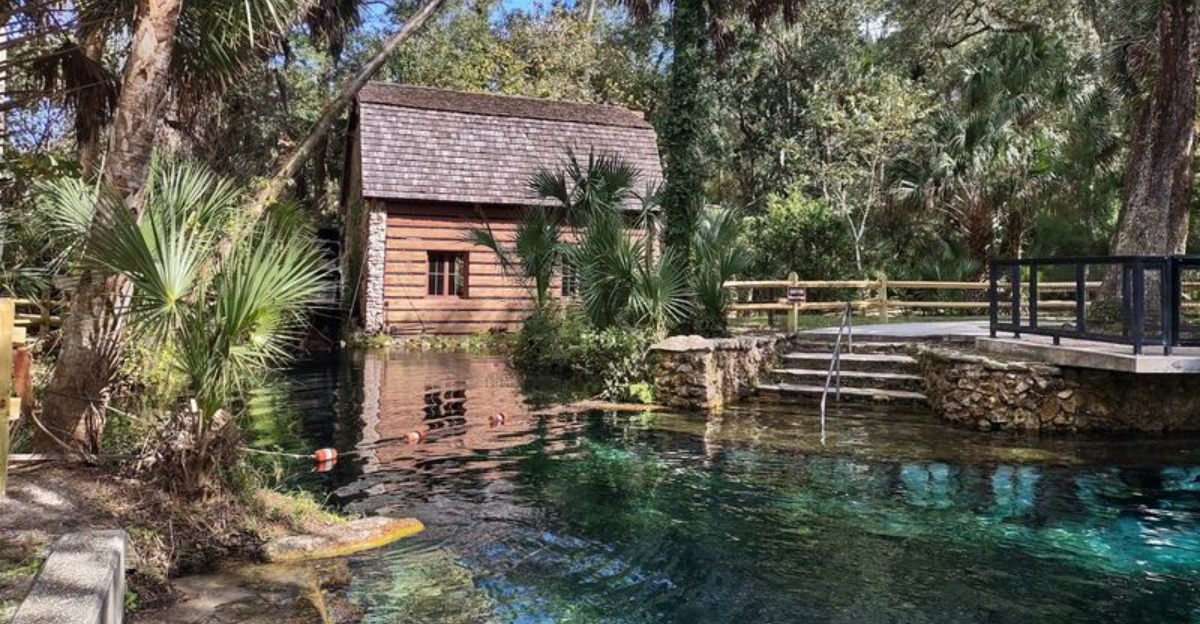
The site shows how nature and history can share the same path, with water still moving past a building raised during the hard years of the Great Depression.
If you like places that mix outdoor fun, old stories, and surprising scenery, this spot near Silver Springs offers plenty to see, learn, and remember.
Families can swim, campers can settle under tall trees, and paddlers can follow the winding run through thick greenery.
Even a short visit can leave a big impression because the spring feels alive, the setting feels peaceful, and the old millhouse adds a human story to the landscape.
That mix is what makes Juniper Springs stand out from many other Florida parks today.
A Spring That Feels Like the Tropics
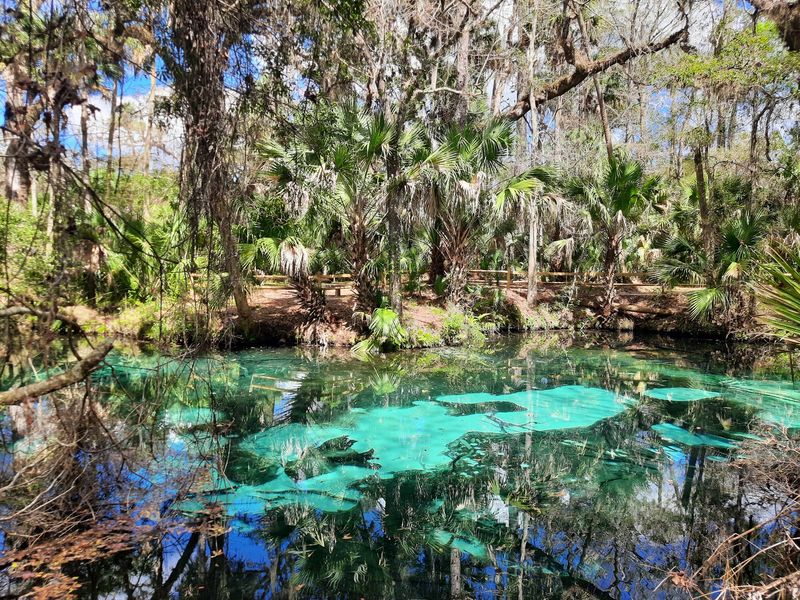
Palm fronds, bright water, and thick green plants make Juniper Springs Recreation Area feel more like a hidden jungle than a typical park in Florida.
The spring sits in a rich pocket of the Ocala National Forest, where warm weather helps tropical-looking plants thrive near the water.
That mix gives the area a wild, colorful look that surprises many first-time visitors.
Morning is often the best time to notice the setting.
Light filters through the trees, the water looks glassy, and the whole place feels calmer before crowds build.
Arriving early also helps with parking, cooler air, and better chances to spot fish moving near the edges.
Families usually enjoy the easy beauty of the spring without needing special gear.
A simple walk, a swimsuit, water shoes, and sunscreen can be enough for a memorable outing.
If you bring a camera or phone, protect it from splashes because the clear water and deep green plants invite lots of photos.
What makes the tropical feeling special is that it is not fake or landscaped.
Nature created the scene over time, and the spring still looks lively, fresh, and full of motion.
That natural charm is one reason people keep returning year after year.
Clear Water with a Constant Flow
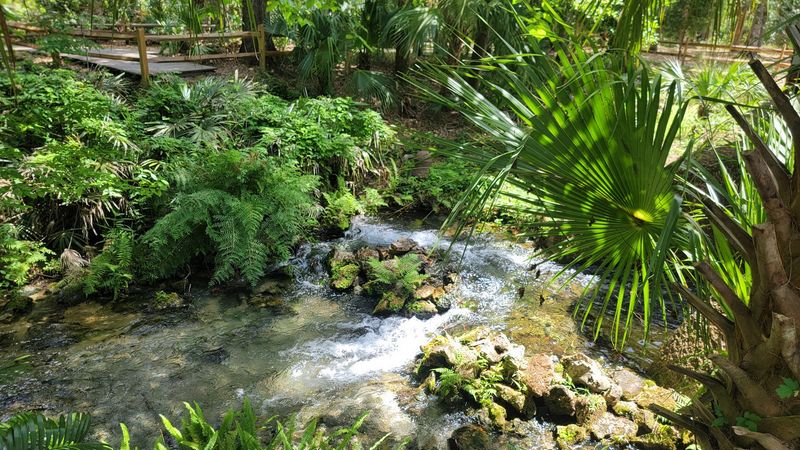
One of the first things people notice at Juniper Springs is the water.
It comes up clear from the spring and moves steadily forward, creating a scene that looks calm but never stands still.
That constant flow is a big part of what gives the place its energy.
Because the water is so clear, visitors can often see fish, waving grass, and shifting patterns of light below the surface.
On sunny days, the bottom seems close enough to touch, even where the water deepens.
Snorkelers especially enjoy those clear views, though crowded times can make the swimming area feel tight.
The steady movement also shapes how people use the spring.
Instead of treating it like a still pond, smart visitors pay attention to slick steps, changing depth, and posted safety rules.
Water shoes can help with footing, and young swimmers should stay close to adults.
Flow matters for more than beauty.
It keeps the spring lively, cool, and connected to the run that carries water away through the forest.
Watching it move past rocks, plants, and the old millhouse helps visitors understand that Juniper Springs is not just a pool.
It is part of a living system.
The Run Carries the Story Forward
Water does not stop at the swimming area.
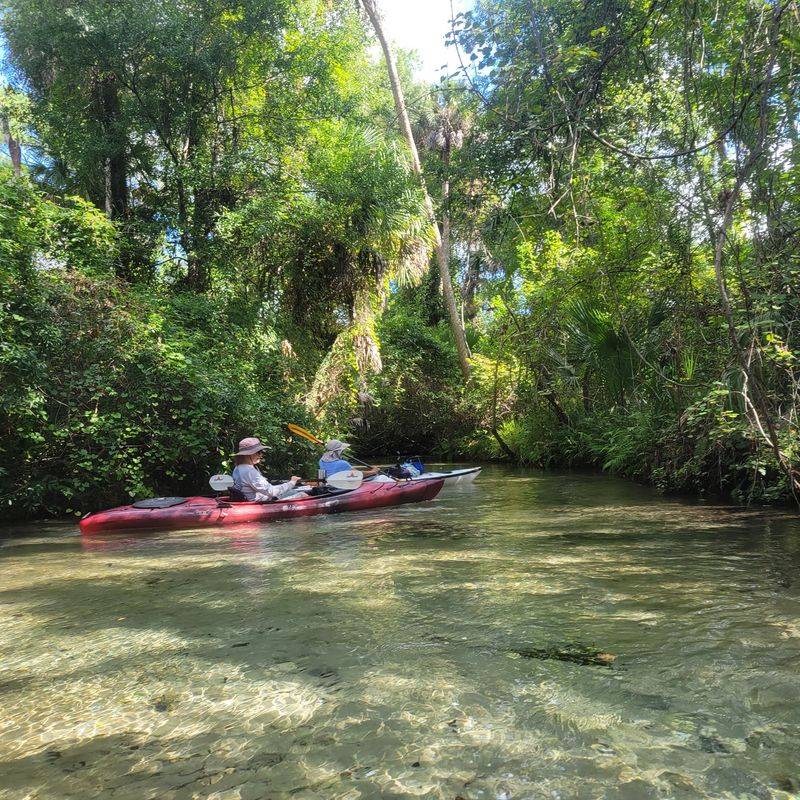
After leaving the spring, it continues into Juniper Run, a twisting water trail that turns a quiet spring visit into a real adventure.
That flowing path is one of the most talked about features at Juniper Springs Recreation Area.
People who paddle here often describe the run as beautiful, narrow, and challenging.
The route can include tight turns, low branches, and a few quick spots that feel like tiny rapids.
Shorter kayaks usually handle the bends better, especially for paddlers with some experience.
New visitors should plan carefully before choosing the run.
Reviews often warn that beginners may find it harder than expected, and timing matters because shuttle service and water access follow park schedules.
Packing water, securing loose gear, and checking rules before launching can prevent a stressful trip.
Even with the challenge, the run leaves strong memories.
Paddlers move through thick greenery, glide past wildlife, and see a side of Florida that feels older and less crowded than many tourist spots.
The flowing water connects the spring to the wider forest, making the whole place feel active, linked, and alive.
That sense of motion is hard to forget.
A Millhouse with Real History
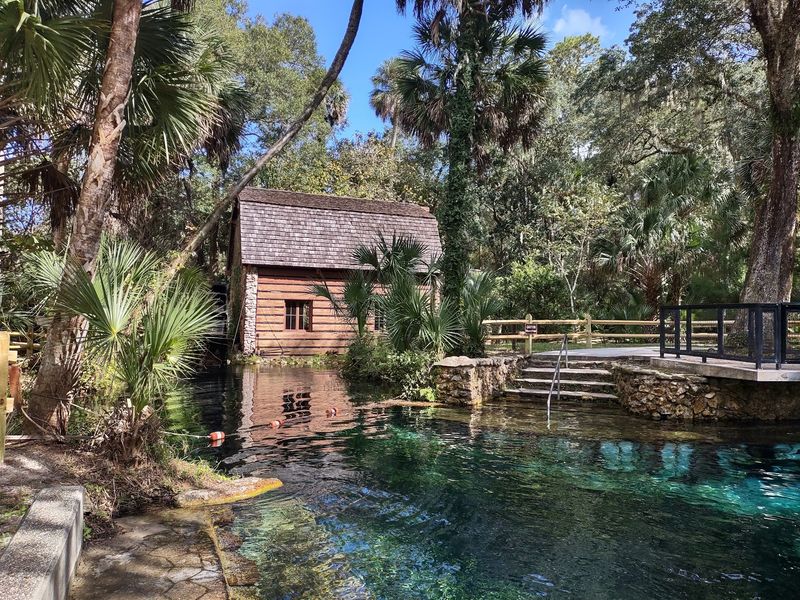
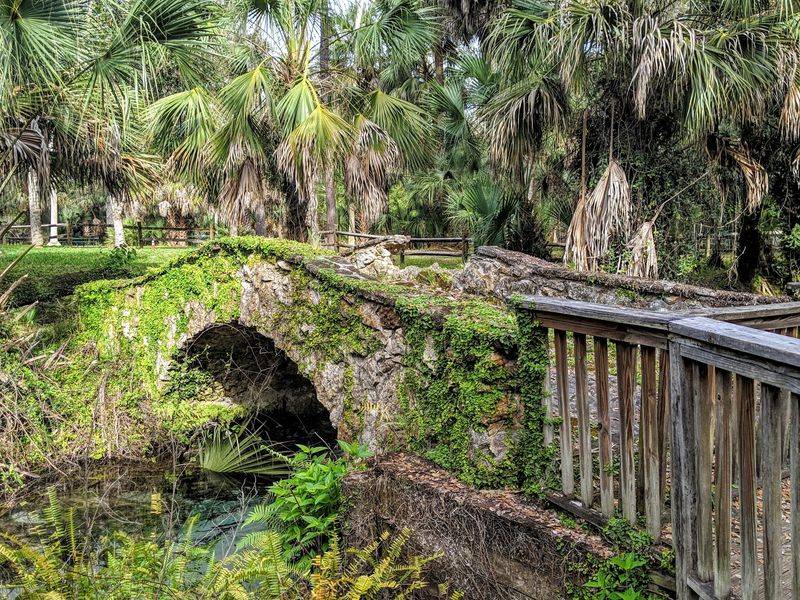
Not every spring has a historic building standing beside it, and that is part of what makes Juniper Springs so memorable.
The millhouse gives the landscape a human story, adding age, texture, and mystery to the flowing water.
Many visitors come for the spring, then find themselves staring at the old structure just as long.
The building looks like it belongs to another time because it does.
Its rough materials, sturdy shape, and simple design match the practical style used in public projects built during hard economic years.
Instead of feeling flashy, it feels solid and purposeful.
For kids, the millhouse can make history easier to imagine.
A textbook may talk about the past in broad terms, but a real building beside a moving spring makes people picture workers, tools, and daily life.
That connection helps the place feel more personal than a museum label.
Visitors should take time to see the millhouse from different angles.
The changing light, nearby plants, and flowing water all affect how it looks.
Photos turn out especially well when the sun is lower and shadows bring out the texture.
At Juniper Springs Recreation Area, the millhouse is not just an extra feature.
It is one of the park’s strongest reasons to visit.
Built During Hard Times, Still Standing
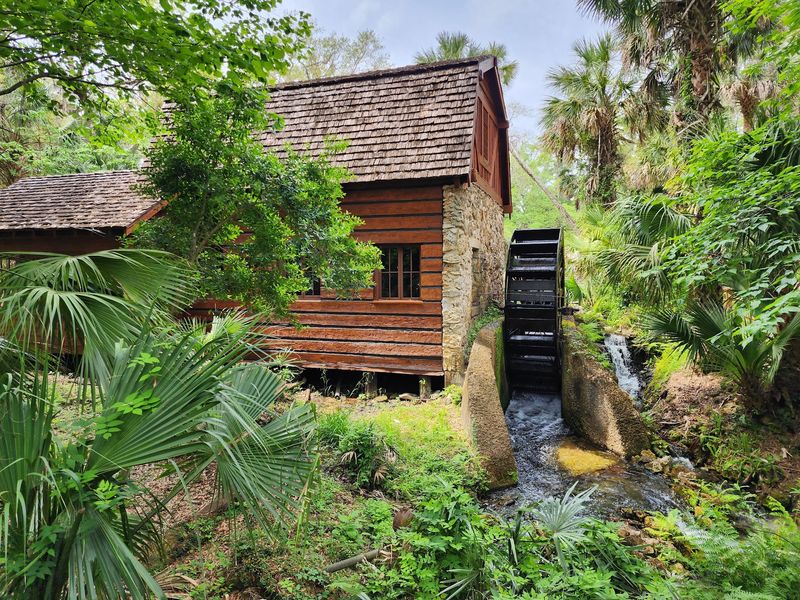
Long before phones, coolers, and kayaks filled the park, workers built features at Juniper Springs during the Great Depression.
That history matters because it ties the site to a time when jobs were scarce and public projects helped communities survive.
The millhouse stands as a reminder of that effort.
Places from that era often feel different from newer attractions.
They were made to last, using strong materials and straightforward design instead of quick trends.
When visitors study the millhouse, they are seeing more than an old building.
They are seeing the values of hard work, function, and public service.
Parents and teachers can use the site as an easy history lesson.
A visit opens conversations about why the Great Depression was difficult, how workers shaped parks, and why preserving old structures matters today.
That makes the stop useful as well as fun.
History also adds depth to the scenery.
Without the millhouse, Juniper Springs would still be beautiful, but the story would feel smaller.
Knowing that people built part of this landscape during a national crisis makes the place more meaningful.
It reminds visitors that parks are not only natural treasures.
They are also records of the people who cared for them, worked on them, and believed they should be shared.
Swimming Here Is Small but Special
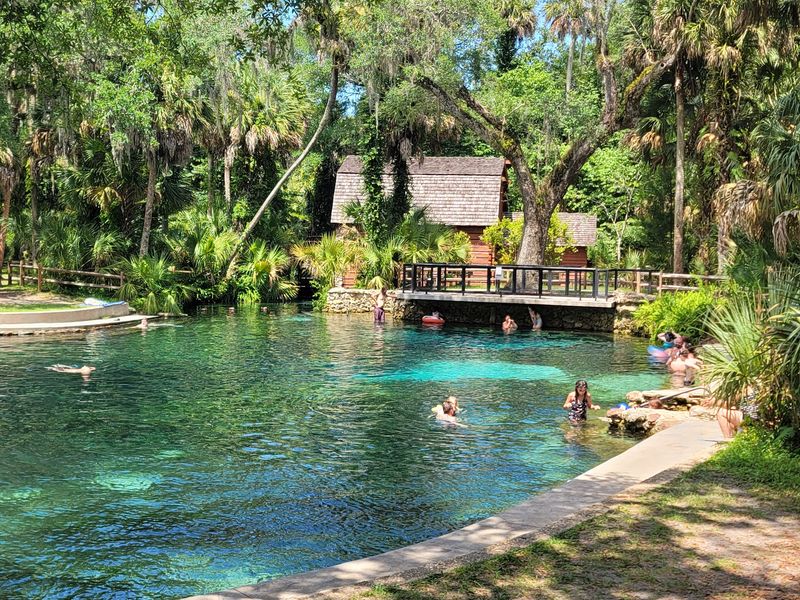
Some swimming holes impress people with size, but Juniper Springs wins attention in a different way.
The spring area is fairly small, yet the clear water, fish, and bright plants make it feel vivid and inviting.
That close-up beauty is what many swimmers remember most.
Snorkels and masks can add a lot to the visit.
Reviews often mention little fish and waving eel grass, which turn a simple swim into a mini underwater look at spring life.
Going early helps because the pool can feel cramped once more people arrive.
Smart planning makes the experience better.
Bring towels, water shoes, dry clothes, and a bag for wet items.
It also helps to know that swimming hours may end earlier than some guests expect, so checking current rules before arrival can save disappointment.
The swimming area works best when visitors treat it as a refreshing stop, not an all-day water park.
Clean bathrooms and showers nearby can be useful, and the concession area may cover forgotten basics like sunscreen or drinks.
For families passing through or campers staying overnight, the spring offers a cool break in the Florida heat.
Its charm comes from clarity, color, and closeness to nature, not from sheer size alone.
Where to Find It and How to Plan Well
Good trips usually start with simple facts.
Juniper Springs Recreation Area is located at 26701 FL-40, Silver Springs, FL 34488, inside the Ocala National Forest.
That spot makes it an easy add-on for travelers exploring central Florida springs, camping routes, or scenic drives.
Before leaving home, check the current hours, fees, and closures through the official forest website or by calling the park.
Reviews show that conditions can change, especially for boardwalks, trails, swimming times, and paddling access.
A little planning can save money, time, and frustration.
Bring the basics for a Florida outdoor stop.
Water, sunscreen, bug spray, sturdy shoes, snacks, and dry clothes all come in handy.
If you plan to paddle, choose gear carefully and be honest about skill level because the run is not always beginner friendly.
Parking and entry are usually easier earlier in the day.
That timing can also mean cooler temperatures, clearer photos, and more room in the swim area.
For the best visit, think of Juniper Springs as a mix of history stop, nature break, and adventure base.
When people arrive prepared and flexible, the spring, the flowing water, and the old millhouse usually leave a stronger impression than any small inconvenience.
Camping and Day Trips Around the Spring
After sunset, Juniper Springs tells a different story.
Campers settle into shaded sites, day visitors head home, and the spring area becomes part of a larger forest experience.
That overnight option is a big reason the recreation area appeals to more than just swimmers.
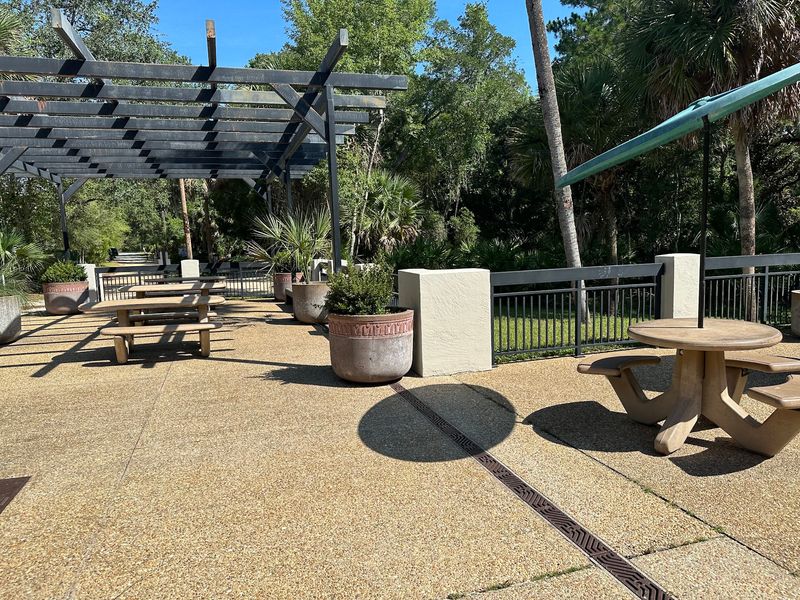
Many campers praise the roomy sites, useful picnic tables, fire rings, and bear boxes.
Those bear boxes matter because food storage rules are taken seriously here.
Packing trash bags, bug spray, and your own firewood can make the stay smoother, especially in warm months.
Day trippers can still enjoy a full visit without camping.
A morning swim, picnic lunch, short walk, and look at the millhouse can fill several hours in a relaxed way.
Families who prefer less crowding should try off-peak days and arrive early.
It helps to bring realistic expectations.
Some visitor reviews mention maintenance concerns, closed areas, or busy times, while others praise the scenery and helpful staff.
The best approach is to focus on what Juniper Springs does well: natural beauty, historic character, and outdoor variety.
Whether you stay the night or stop for a few hours, the place rewards people who come prepared, stay flexible, and pay attention to changing park conditions before visiting.