
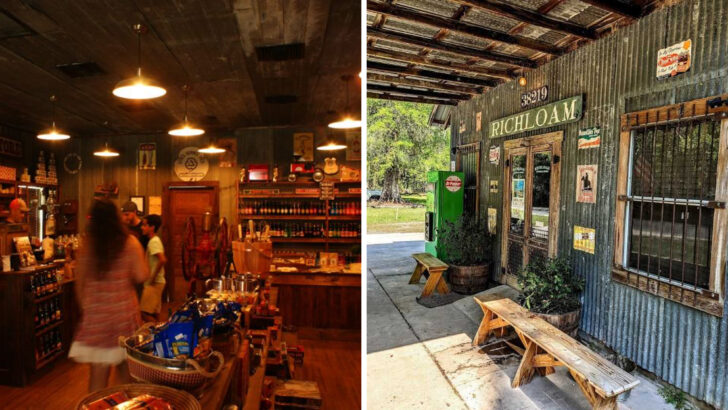
Somewhere along a quiet limerock road in central Florida, hidden inside the Withlacoochee State Forest, stands a small wooden building that has somehow outlasted nearly a century of change.
The Richloam General Store in Webster, Florida, is one of the oldest surviving general stores in the entire state, and visiting it feels like flipping through the pages of a history book you can actually walk around in.
Built in 1922, it once served a whole community that no longer exists, making every creaky floorboard and dusty shelf feel like a story waiting to be told.
Whether you’re a history lover, a road tripper, or just someone curious about old Florida, this place is worth the detour.
A Hidden Slice of Old Florida
Most great discoveries start with a road you almost didn’t take. The Richloam General Store sits tucked deep inside the Withlacoochee State Forest, accessible only by a quiet limerock road that feels like it belongs to a different century.
The moment you turn off the main highway, the noise of modern life fades away, replaced by birdsong and the crunch of gravel beneath your tires.
That sense of remoteness isn’t accidental — it’s part of what makes this place so special. The forest itself acts like a natural time machine, stripping away strip malls, traffic signals, and cell service until all that’s left is trees, sky, and an old building waiting patiently at the end of the road.
Many visitors say the drive alone is worth the trip.
If you’re the type who loves stumbling onto hidden gems far from tourist crowds, Richloam checks every box. Pack a water bottle, download your directions ahead of time, and enjoy the slow, scenic approach.
Arriving here feels like earning something — a quiet reward for those willing to venture off the beaten path and embrace a little old Florida magic.
Built in the 1920s for a Vanished Community
Back in 1922, the Richloam General Store opened its doors to serve a community that most people today have never heard of. The settlement of Richloam was a working rural town built around Florida’s booming agricultural and turpentine industries, where workers and their families depended on places like this store for nearly everything they needed to survive.
Turpentine work was hard, dangerous, and constant. Workers tapped pine trees for resin, which was then processed into turpentine and sold across the country.
These laborers needed food, tools, clothing, and credit — and the general store was the place that provided all of it. Without stores like Richloam, entire communities would have struggled to function.
What’s haunting and fascinating in equal measure is that the community itself has completely vanished. The homes, the workers, the families — all gone.
Only the store remains, standing like a quiet monument to a way of life that Florida has largely forgotten. Walking through its doors today means walking into a world that existed for just a few decades before disappearing entirely, leaving behind nothing but this remarkable survivor.
More Than a Store: Post Office and Railroad Stop
General stores in the early 1900s weren’t just places to buy flour and nails — they were the beating heart of rural communities. Richloam was no exception.
At its peak, the store also served as the local post office, meaning residents picked up their letters and packages right alongside their groceries. That kind of multi-purpose function made it absolutely essential to daily life.
Even more remarkable, Richloam once sat along the Orange Belt Railway line, making it an official stop for goods, mail, and passengers traveling through central Florida’s interior. Imagine standing on that same ground while a steam locomotive rolled through the pines, delivering supplies from distant cities to this tiny forest outpost.
It’s the kind of detail that makes history feel alive and real.
The railroad connection also meant Richloam was briefly plugged into a larger world — one of commerce, movement, and regional trade. When rail lines shifted and the turpentine industry declined, that connection was severed, and the town slowly faded.
Today, no trains pass through, but the memory of those tracks lives on in the store’s layered history, waiting to be discovered by curious visitors who ask the right questions.
Fire, Rebuild, and Survival Through the Great Depression
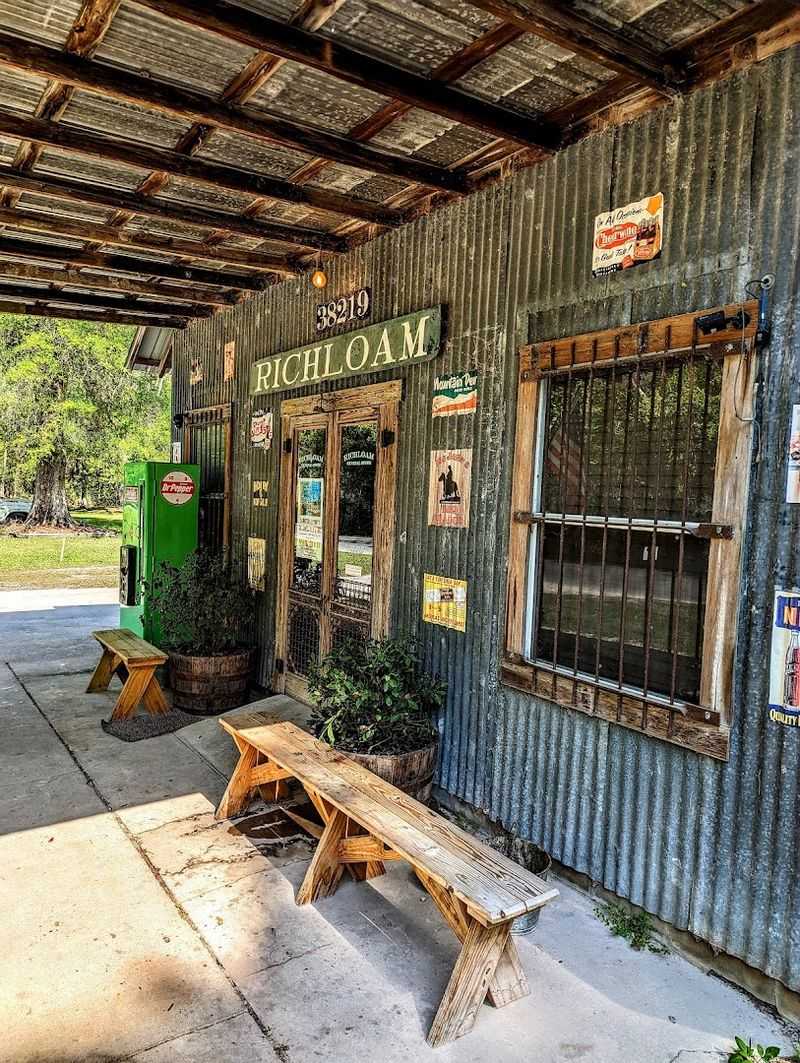
Not every historic building has a dramatic backstory, but Richloam General Store certainly does. In 1928, the original structure was destroyed by fire — a blaze that some historians believe may have been connected to a robbery.
Rather than give up, the community rebuilt, replacing the original wooden exterior with metal siding that would prove far more durable against future threats.
That rebuilt version of the store is essentially what visitors see today, which makes it even more impressive. The metal siding, which might look plain at first glance, is actually a badge of resilience — a practical solution chosen by people who had already lost everything once and weren’t willing to let it happen again.
There’s something quietly inspiring about that kind of determination.
The store pushed through the late 1920s only to face another brutal challenge: the Great Depression. By 1936, the economic collapse that swept the nation had hollowed out the Richloam community, and the store finally closed its doors.
It had survived a fire, a robbery, and years of hardship, but the Depression proved too much. Still, the building stood — stubborn, silent, and waiting for someone to remember it again.
Decades of Silence Before a Modern Revival
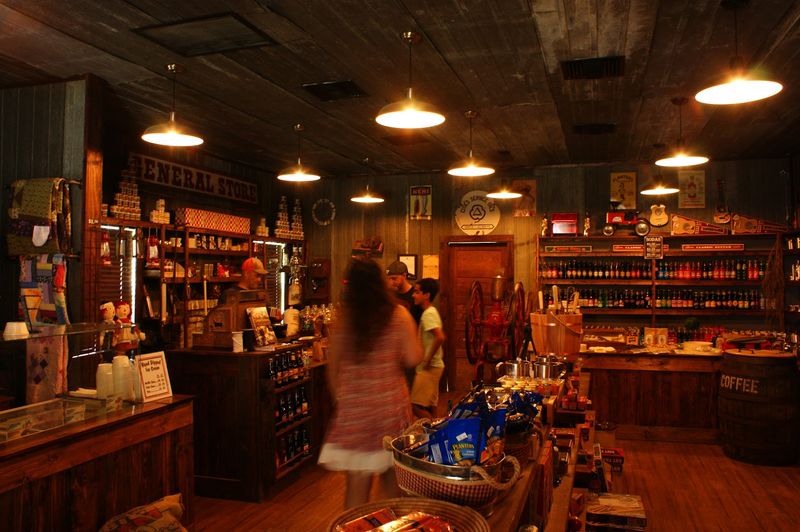
For more than eight decades, the Richloam General Store sat quiet. After closing in 1936, the building drifted through various uses and long stretches of neglect, slowly being reclaimed by the surrounding forest.
Paint peeled, wood warped, and memories faded as the world outside moved on without it. Most buildings in that condition simply disappear — but not this one.
In 2016, a major restoration effort breathed new life into the old structure. Preservationists worked carefully to honor the building’s original character while making it safe and functional for modern visitors.
Every decision during the restoration was guided by respect for the store’s history, ensuring that what visitors see today reflects what the building actually looked like during its working years.
When the doors reopened to the public in 2017, it marked one of the more heartwarming preservation success stories in Florida history. After more than 80 years of silence, the store was alive again — not as a museum replica, but as a genuine, functional space where people could step inside and feel something real.
That kind of revival doesn’t happen often, and it deserves to be celebrated every time someone makes the drive out to visit.
A Nationally Recognized Historic Landmark
Getting listed on the National Register of Historic Places isn’t something that happens automatically — it takes documentation, research, and a building that genuinely matters to American history. Richloam General Store earned that recognition, and the designation officially cements its place as one of Florida’s most significant surviving historic structures.
That’s not a small thing.
The listing means the store is protected and acknowledged as a site of lasting cultural importance. It also helps attract funding and public awareness that keeps the building maintained for future generations.
Without that kind of formal recognition, many structures like Richloam simply get demolished or forgotten as development spreads across rural Florida.
What makes this recognition especially meaningful is the context. The store isn’t just old — it’s one of the last physical remnants of an entire community that otherwise left no visible trace.
Every other building from the Richloam settlement is gone. This store is it.
Knowing that, the National Register listing feels less like a bureaucratic honor and more like a solemn responsibility — a promise that at least one piece of this vanished world will be preserved and remembered for as long as possible.
A True Time Capsule Interior
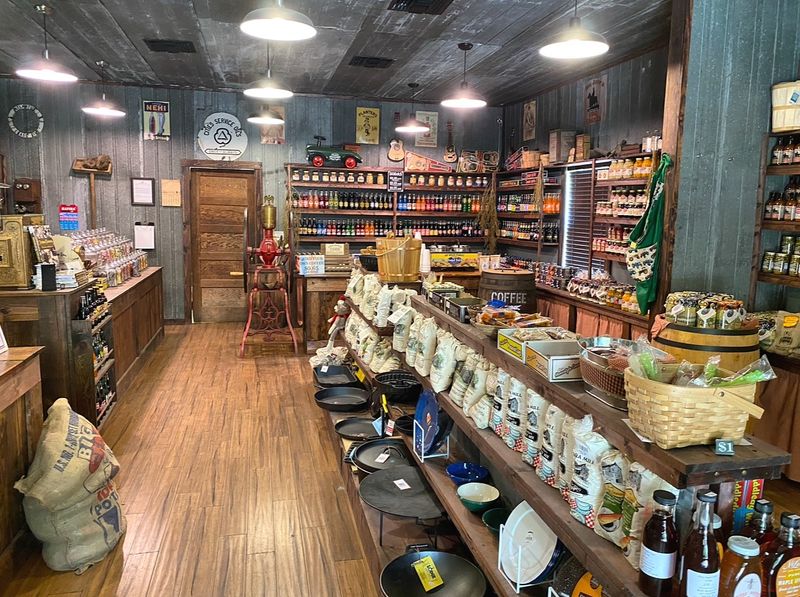
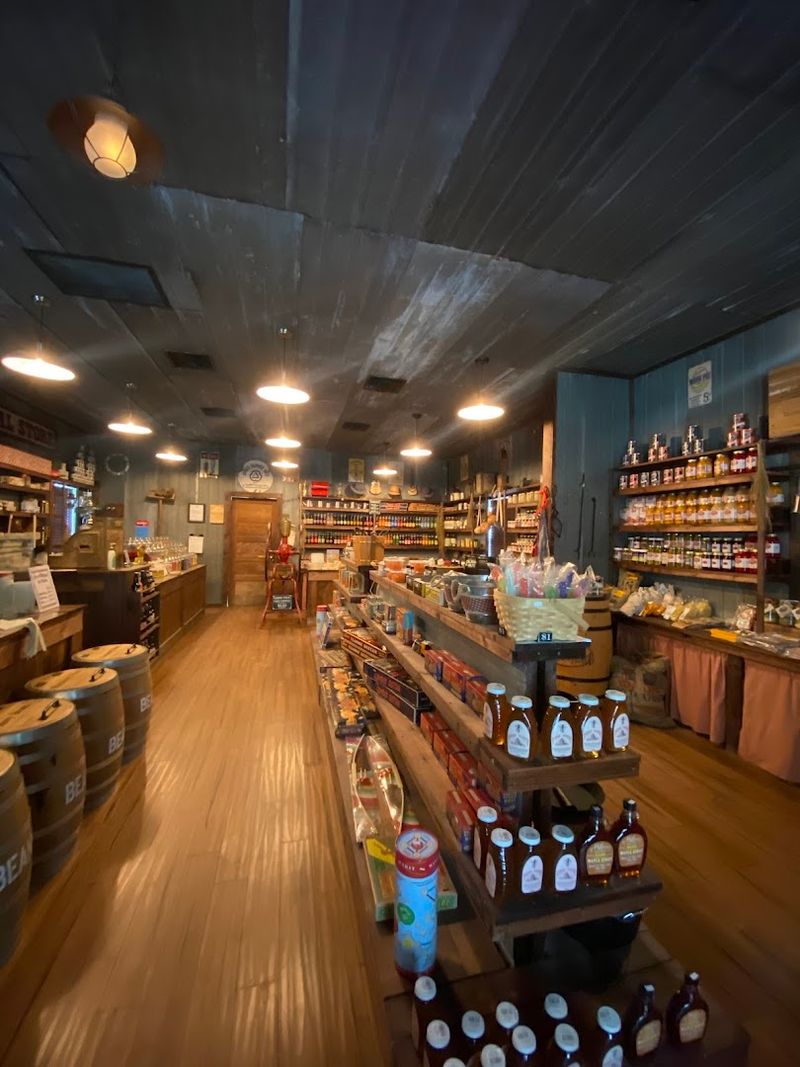
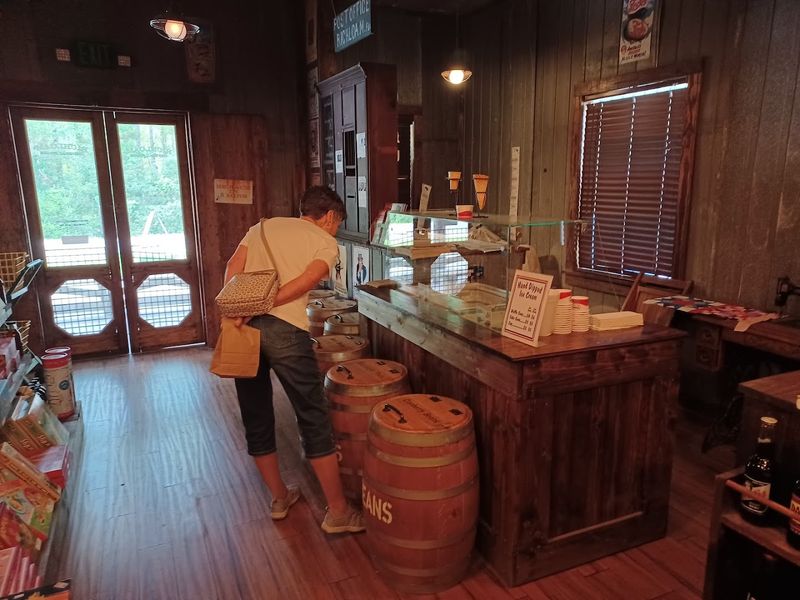
Stepping through the front door of Richloam General Store is one of those rare experiences that genuinely stops you in your tracks. The wide-plank wooden floors creak underfoot, the shelves are stocked with goods that echo another era, and the overall atmosphere feels less like a tourist attraction and more like a room that time simply forgot to update.
It’s disarmingly authentic.
Original architectural details have been carefully preserved throughout the interior. An early 20th-century-style cash register sits in its proper place, vintage fixtures line the walls, and the overall layout mirrors what a working general store would have looked like when Richloam was a living, breathing community.
Nothing feels staged or artificially aged — it just feels real.
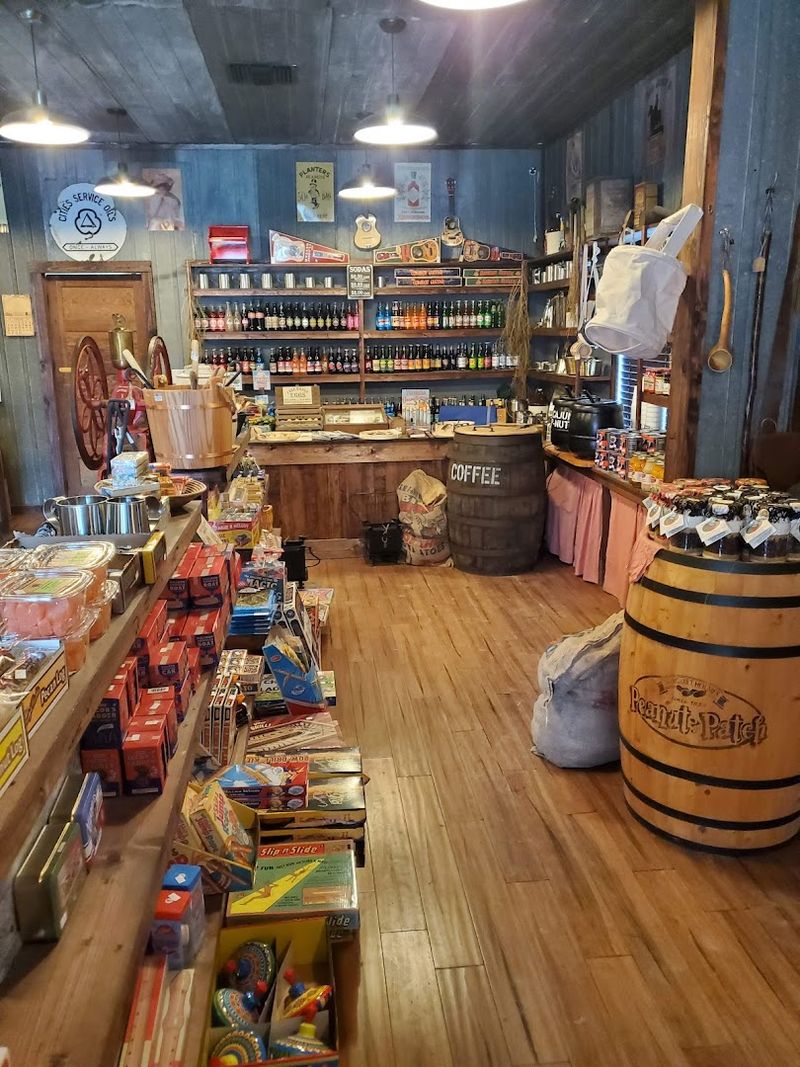
Photography enthusiasts, history teachers, and curious travelers all tend to linger here longer than they expected to. There’s always another detail to notice — a faded label, an old tool hanging on the wall, a shelf arrangement that tells a story about how people lived.
The interior doesn’t shout for attention; it rewards the patient observer who takes the time to look closely. Few places in Florida offer this kind of unfiltered connection to the past.
Old-Fashioned Goods You Can Still Buy
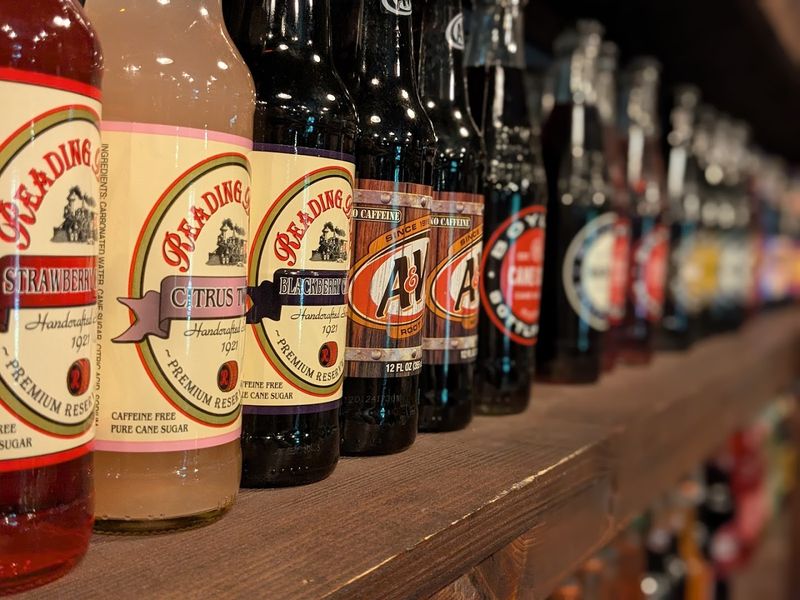
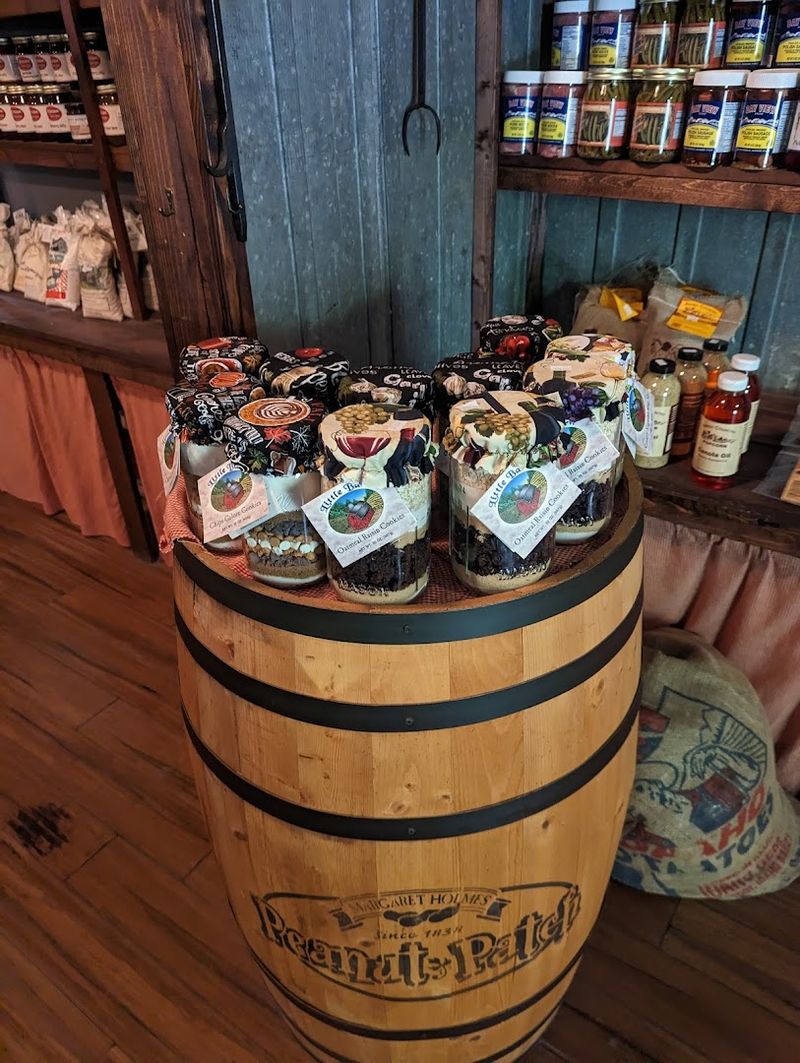
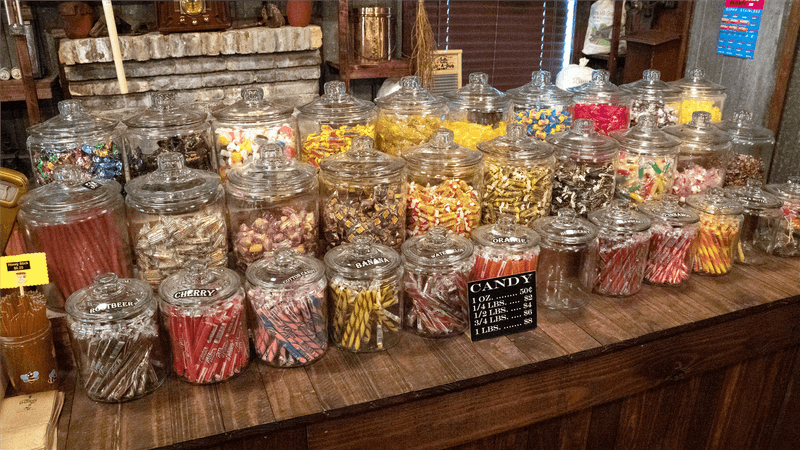
One of the most delightful surprises at Richloam is that it’s not just a museum — you can actually shop here. The store stocks a curated selection of goods that feel perfectly matched to its historic character, including glass-bottle sodas that fizz with old-school charm, homemade jams, pickled vegetables in mason jars, and hard candies displayed the way they would have been a hundred years ago.
Handmade and locally sourced items share shelf space with nostalgic packaged goods, creating a shopping experience that’s nothing like scrolling through an online cart. Picking up a cold glass-bottle soda and cracking it open on the front porch might sound simple, but in the context of this place, it becomes something close to a ritual.
Small pleasures hit differently when surrounded by a century of history.
Buying something here also supports the ongoing preservation of the store, which makes every purchase feel a little more meaningful than your average souvenir transaction. Whether you’re stocking up on locally made preserves or just grabbing a sweet treat for the road, leaving with a small piece of Richloam tucked in your bag is a fitting way to end the visit.
These aren’t just products — they’re edible souvenirs from another era.
The Porch Experience: Slow Down and Stay Awhile
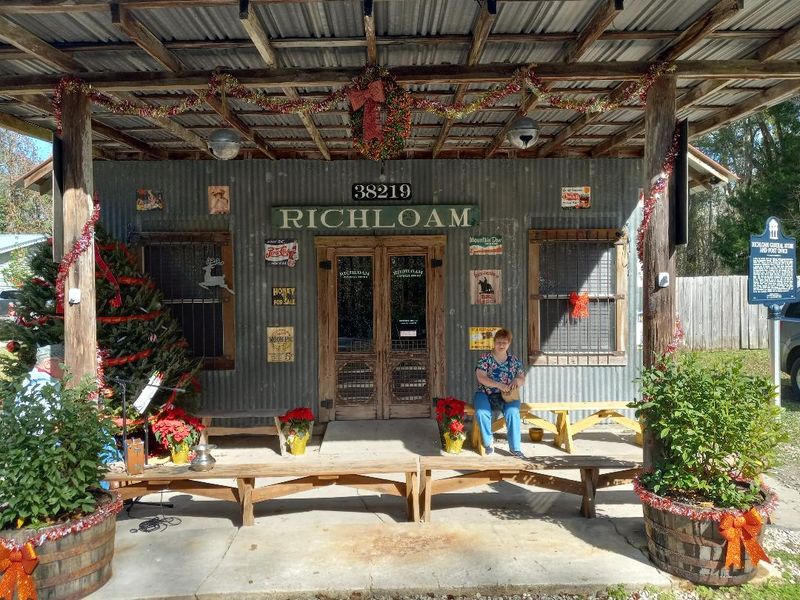
There’s a reason rocking chairs on a porch feel so universally comforting — they were designed for exactly the kind of unhurried, present-moment relaxation that modern life rarely allows. At Richloam, the front porch does exactly what a good porch should do: it slows you down, opens you up, and reminds you that not everything needs to be rushed.
Sit for five minutes and you’ll want to stay for thirty.
The forest surroundings amplify the effect. With no highway noise, no notifications, and no crowds, the porch at Richloam becomes a surprisingly powerful place to decompress.
Wind moves through the pine trees, birds call in the distance, and the whole scene carries a stillness that’s increasingly rare in everyday life. It’s the kind of quiet that actually feels like something.
Families, solo travelers, and couples all seem to find their own version of peace on that porch. Kids who were fidgety in the car tend to settle down here, adults who are usually glued to their phones put them away, and everyone ends up having actual conversations.
That’s no accident — the porch was built for community, for connection, and for the simple pleasure of being somewhere worth being. Don’t skip it.
Essential Visitor Info: Plan Your Trip Right
Getting to Richloam General Store takes a little planning, but the effort is absolutely worth it. The address is 38219 Richloam Clay Sink Rd, Webster, FL, and the store is typically open daily from around 9 AM to 5 PM, though hours can shift seasonally.
Calling ahead or checking current listings before you go is a smart move, especially if you’re making a long drive specifically for this stop.
Cell service is limited or nonexistent once you enter the forest, so download your directions before leaving the main road. The store is accessed just off State Road 50 via a short rural drive through forest land — nothing that requires a four-wheel drive, but a road that definitely sets the mood.
Most visits run under an hour, making it an easy and rewarding addition to any central Florida road trip.
Cash is strongly recommended since card readers may not function reliably in such a remote location. The store’s small interior means it’s best visited in smaller groups rather than large parties.
Pairing the trip with a scenic nature drive or a stop at a nearby state park trail turns it into a full half-day outing. Come curious, come unhurried, and come ready to appreciate something genuinely irreplaceable.