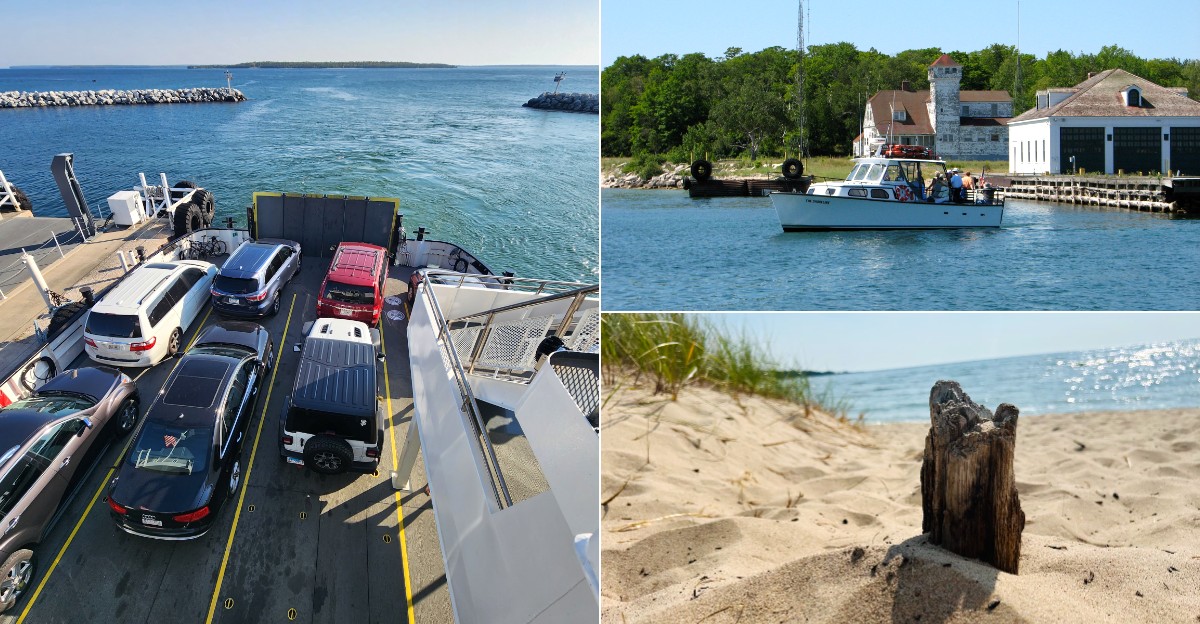
There is something special about an island you can only reach by boat.
Washington Island sits off the tip of Wisconsin’s Door Peninsula, a short ferry ride across a passage known as Death’s Door.
Once you arrive, life slows to a gentle pace of quiet roads, farm fields, and open water views.
Schoolhouse Beach is famous for its smooth white limestone stones instead of sand.
Nearby Rock Island, reached by a second ferry, is home to the historic Pottawatomie Lighthouse.
The island also celebrates a proud Icelandic heritage that dates back to the 1870s.
Pack a picnic, rent a bike, and let the island set your schedule for the day.
Let the Ferry Set the Pace
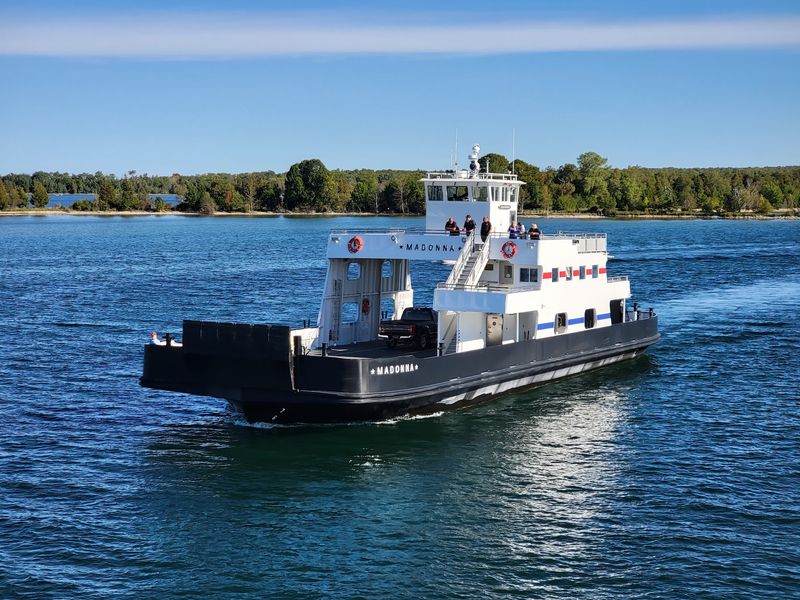
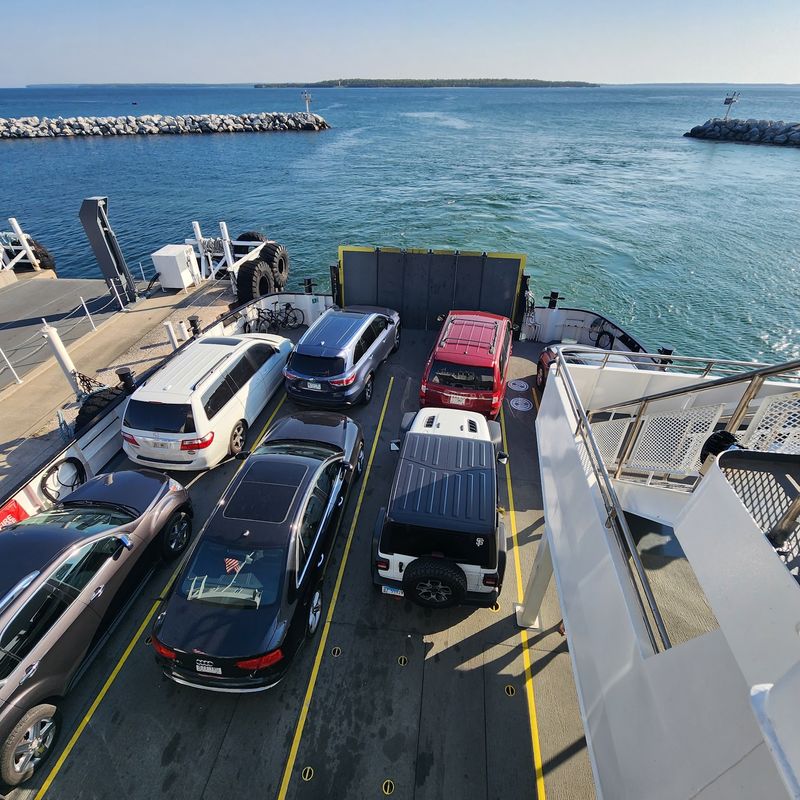
The mainland slips away, the boat hums beneath your feet, and your island visit begins before you reach the dock. For most travelers, the Washington Island Ferry is the main link between the mainland and Washington, Washington, WI 54246.
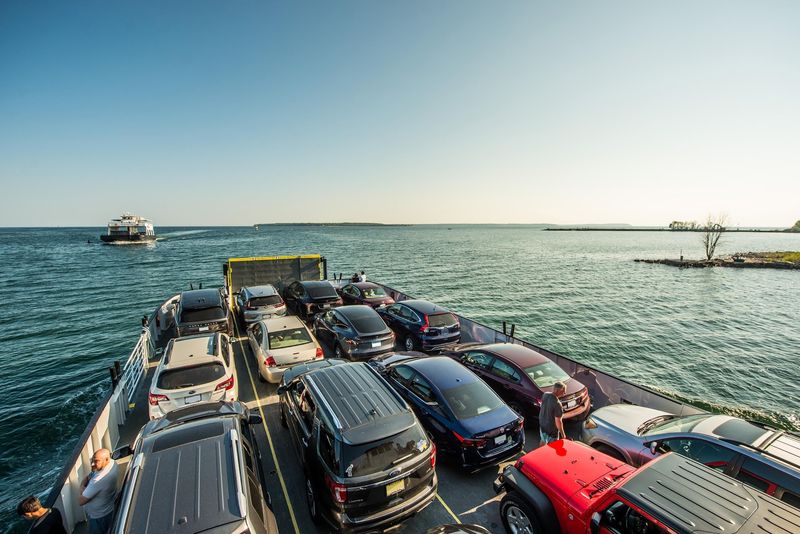
Boats leave from Northport and arrive at Detroit Harbor, carrying passengers, bicycles, and vehicles. The crossing usually takes about thirty minutes, though weather and operating conditions can affect the trip.
Check the official schedule before leaving home, especially outside the busiest summer months. Arrive with enough time to join the boarding line, and follow crew directions when parking or walking aboard.
A car makes scattered beaches and waterfront stops easier to reach, while a bicycle suits visitors comfortable with longer rides. Distances can feel greater than they look on a small map.
Bring a jacket even when the mainland feels warm, because wind across open water can cool you quickly. Keep your camera ready, but never lean beyond railings for a better view.
Before starting your island adventure, note the return departures and allow extra time for loading. That simple habit keeps a relaxed beach afternoon from turning into a rushed trip back to the harbor at the end of a memorable island day.
Watch Island Life Around Detroit Harbor
A working waterfront has its own rhythm: ropes tighten, engines rumble, and boats come and go while gulls circle overhead. Detroit Harbor gives visitors a close look at the island’s connection to the water.
Rather than treating the landing as only a place to arrive, pause where public access allows safe viewing. Watch ferry crews work and notice how much daily life depends on reliable boat service.
Keep clear of loading lanes, private docks, and areas reserved for staff. A good harbor photograph is never worth blocking traffic or stepping into a restricted space.
Morning can feel purposeful as travelers head out, while later hours often bring a softer light across the boats. Conditions change with the season, so expect a working harbor rather than a polished waterfront attraction.
Families can turn a short stop into a simple observation game. Look for different boat shapes, compare their jobs, and talk about why sheltered water matters to people living on an island.
If you brought binoculars, use them from a stable spot away from moving vehicles. You may notice details that disappear in a quick phone picture.
Leave room in your schedule for this ordinary scene. Sometimes the clearest sense of a place comes from watching people work.
Follow the Lighthouse Story Without Chasing False Promises
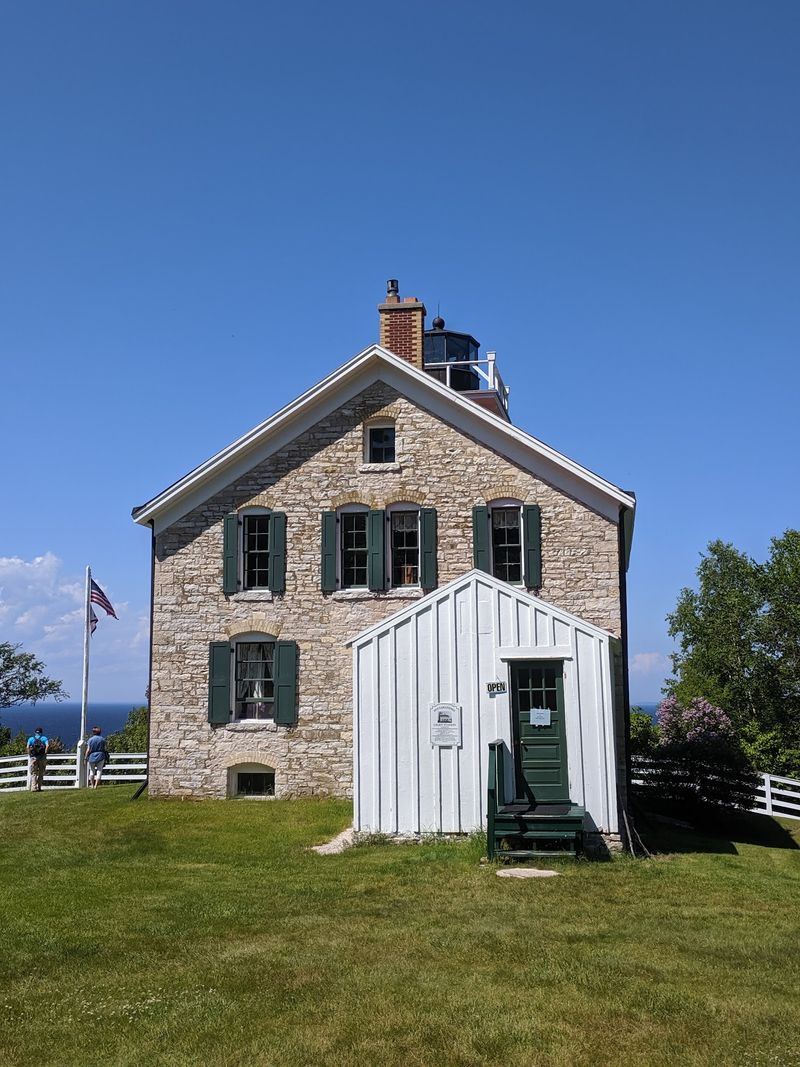
Not every lighthouse adventure begins with climbing a tower; sometimes it starts by understanding the waters that made navigation difficult. The island’s maritime story is tied to nearby channels, changing weather, and generations of boat travel.
Be careful with travel claims that suggest several walkable lighthouse towers stand along its beaches. Some well known lights associated with island trips are on separate islands, not beside the roads described here.
Keep this visit focused on local shoreline views and the role of navigation aids. Ask ferry staff or local visitor information sources which features may be visible along your route that day.
Visibility depends on distance, haze, and the direction of travel. Binoculars can help, but a distant structure should never be promised as a guaranteed sight.
For children, explain that lighthouse signals helped sailors identify dangerous areas and find their way through darkness. Modern equipment has changed boating, but careful navigation still matters.
A nautical chart can make the surrounding water easier to understand. Use current maps for context, not as a substitute for boating knowledge.
If a tower tour is your main goal, confirm its exact location and access requirements separately. That check prevents an island afternoon from becoming a search for something outside your planned route.
Hear the Stones at Schoolhouse Beach
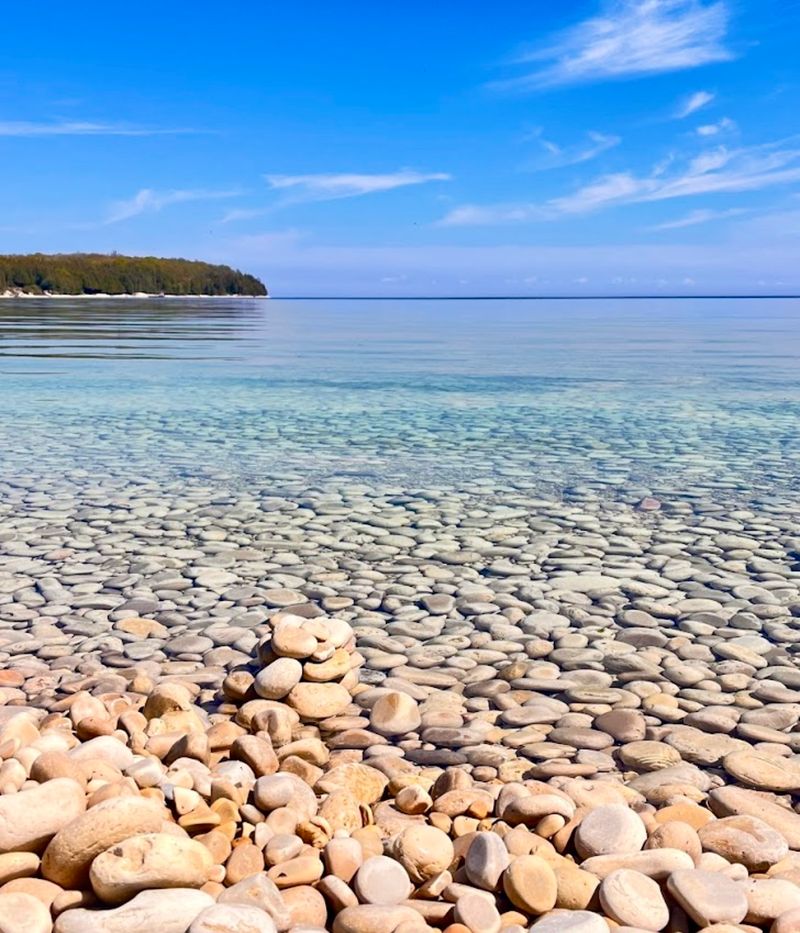
Small waves roll over pale stones with a soft clattering sound, giving this shoreline a voice unlike a sandy beach. Schoolhouse Beach is known for its smooth limestone rocks and clear water.
The rounded stones are part of what makes the beach special, and they must stay where they belong. Do not collect them as souvenirs, even if one seems small enough to slip into a pocket.
Wear sturdy sandals or water shoes because the loose surface can be awkward underfoot. A thick towel or portable seat makes a longer visit more comfortable than sitting directly on the rocks.
On a sunny day, the water may look inviting, but appearance does not tell you its temperature. Enter slowly, watch children closely, and remember that natural beaches can have sudden changes in depth.
Choose a spot that leaves room for other visitors to reach the shoreline. During busy periods, a little patience helps preserve the peaceful feel people come here to enjoy.
Photography works especially well when low light brings out the shapes of the stones. Avoid moving rocks into piles or arrangements for a picture.
Before leaving, check around your seat for wrappers and small belongings. Protecting this unusual beach begins with leaving its shoreline exactly as you found it.
Trade Pebbles for Sand at Sand Dunes Beach
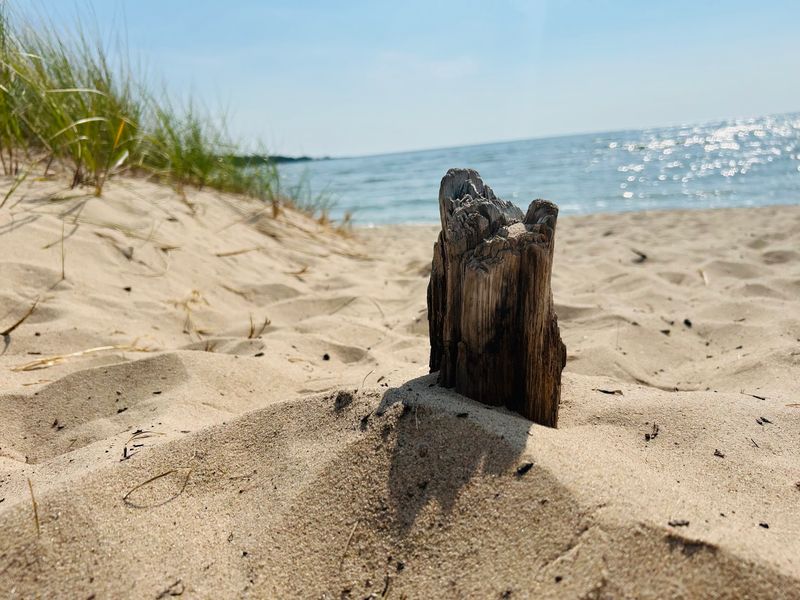
Bare feet and a sandy shoreline can change the mood of an entire afternoon. Sand Dunes Beach offers a different experience from the island’s famous stone beach, with room for simple waterfront relaxation.
Bring a towel, drinking water, sunscreen, and something that provides shade if you expect a longer stay. Do not assume every beach stop has nearby food, rentals, or all the services found at a busy resort.
Keep your plans flexible because wind can make one shoreline less comfortable than another. Even in summer, water temperatures may feel colder than the air suggests.
Children can enjoy building sand shapes near the water, but adults should keep them within easy reach. Check posted notices and judge conditions carefully before anyone swims.
The dunes deserve attention too, although they are not a playground for climbing wherever you please. Use established access routes and avoid trampling the plants that help hold sand in place.
A quiet walk often reveals more than a packed activity schedule. Watch wave patterns, look for shorebirds from a distance, and let the scene set its own pace.
Pack out every scrap, including food waste. Leaving the sand clean protects wildlife and gives the next visitor the same welcome you enjoyed during your own peaceful beach break.
Slow Down Beside Jackson Harbor
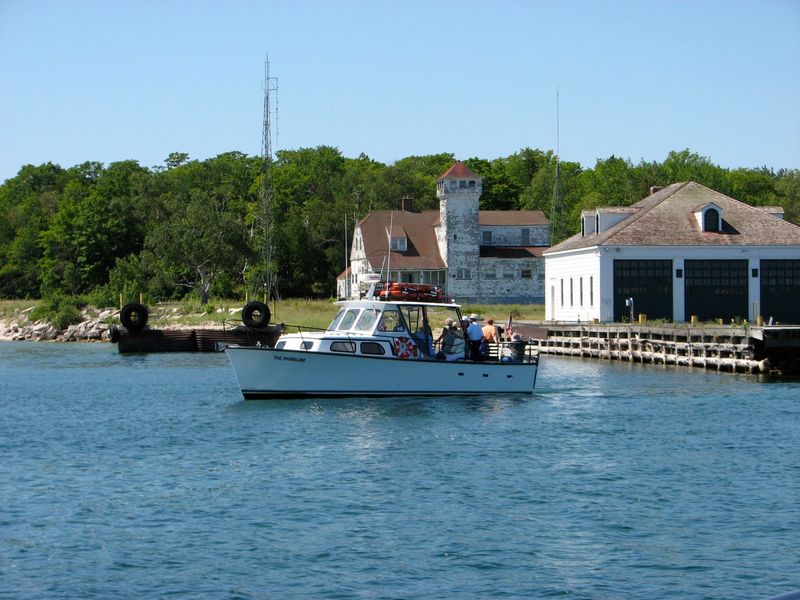
Quiet water and modest boats invite a slower kind of sightseeing, where watching can be more rewarding than doing. Jackson Harbor offers another window into the island’s waterfront life.
Start by finding a legal public place to stop rather than assuming every stretch of shoreline is open. Harbor edges include working spaces, and visitors should respect signs, private property, and boat operations.
A short visit can be enough to notice how sheltered water differs from an exposed beach. Look at the reflections, the position of docks, and the way boats sit when wind moves across the harbor.
Bring binoculars if you enjoy birds, but give wildlife plenty of room. Avoid feeding birds or approaching nests, and keep pets under control wherever they are permitted.
For photographs, try including a little shoreline instead of filling the entire frame with water. That choice helps show the harbor’s scale and its relationship to the wooded landscape.
Check local information before counting on seasonal attractions or services around the waterfront. Hours and access can change, especially beyond the main travel season.
There is no need to turn this stop into a long checklist. A few unhurried minutes can provide a satisfying contrast to the ferry landing and the more familiar beach scenes elsewhere on your route.
Make a Shoreline Picnic the Main Event
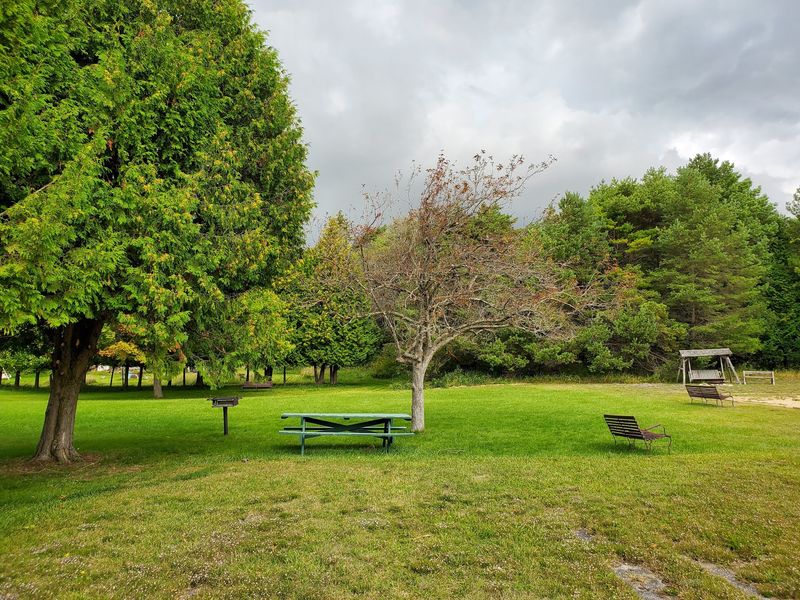
A sandwich tastes better when your lunch break comes with water views and no pressure to hurry. Planning a picnic can turn an ordinary shoreline stop into the most memorable part of your day.
Buy supplies before heading toward quieter parts of the island, or pack them before boarding the ferry. Choose foods that travel well and use a cooler for anything that needs to stay cold.
Look for a designated picnic area or another public spot where eating is allowed. Check signs first, and avoid spreading out on fragile plants or blocking paths used by other visitors.
Reusable containers help keep loose packaging from blowing into the water. Carry a bag for trash, since bins may not be available at every stop.
Keep wildlife off the guest list by securing food and cleaning up crumbs. Feeding birds can change their behavior and make shared spaces less pleasant for everyone.
If the wind picks up, move to a sheltered permitted area rather than chasing napkins along the shore. A backup plan makes outdoor meals much easier.
Leave time after lunch for a short walk or simply another look across the water. The point is not an elaborate spread, but a comfortable pause that lets the island’s quieter side become part of your visit.
Build a Beach Day Around the Return Boat
The best island days leave room for surprises without forgetting that the last boat sets a real deadline. A simple plan helps you enjoy beaches and waterfront stops without racing between them.
Choose two or three main experiences instead of trying to cover every shoreline in one visit. Pair a beach with a harbor stop, then leave space for lunch and the drive back.
Save current ferry details before you lose a strong phone signal. Keep a paper map or downloaded map handy, and do not assume every road ends at public water access.
Weather should guide your choices more than a fixed checklist. Wind, rain, and cold water can make a short scenic stop wiser than an afternoon of swimming.
Anyone cycling should allow extra time for distance, hills, breaks, and changing conditions. Drivers should stay alert for bicycles and pedestrians on smaller roads.
Check seasonal opening hours before relying on restaurants or other services. Carrying water and a snack helps when plans shift.
Head toward the ferry with a comfortable margin rather than arriving at the departure time. Loading lines and operating changes can affect your return.
With those basics handled, you can spend less time watching the clock and more time enjoying the water, stones, sand, and everyday island life.