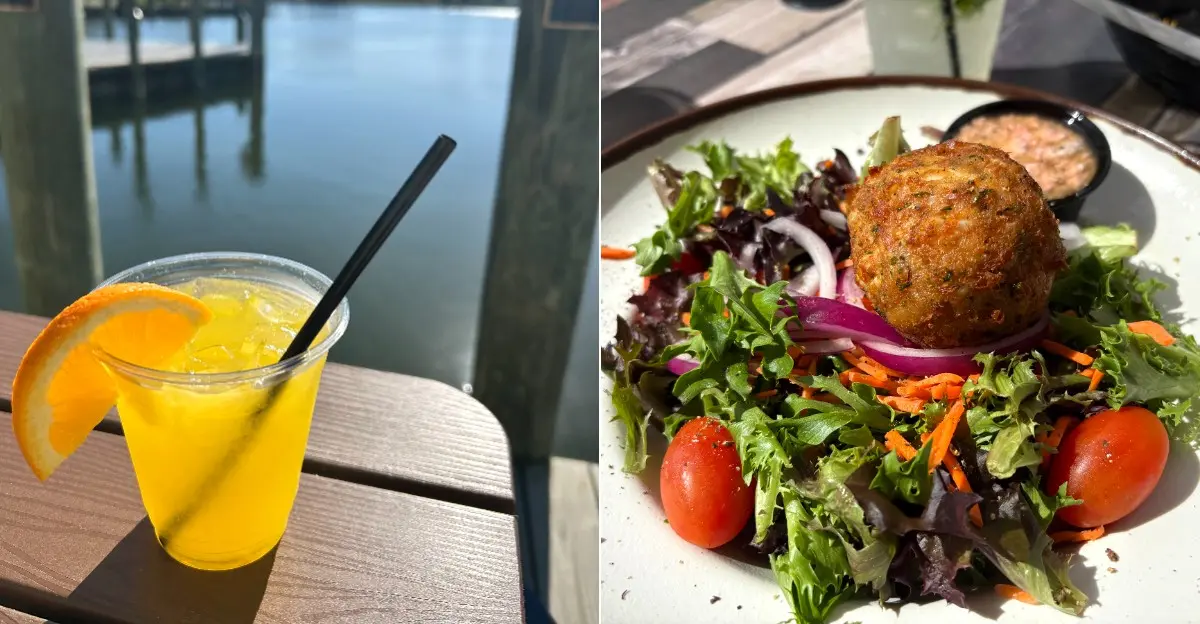
On the Eastern Shore of Virginia, a quiet harbor town hides one of the area’s most beloved dinner spots.
Mallards at the Wharf sits right on the water in Onancock, inside a historic waterfront building.
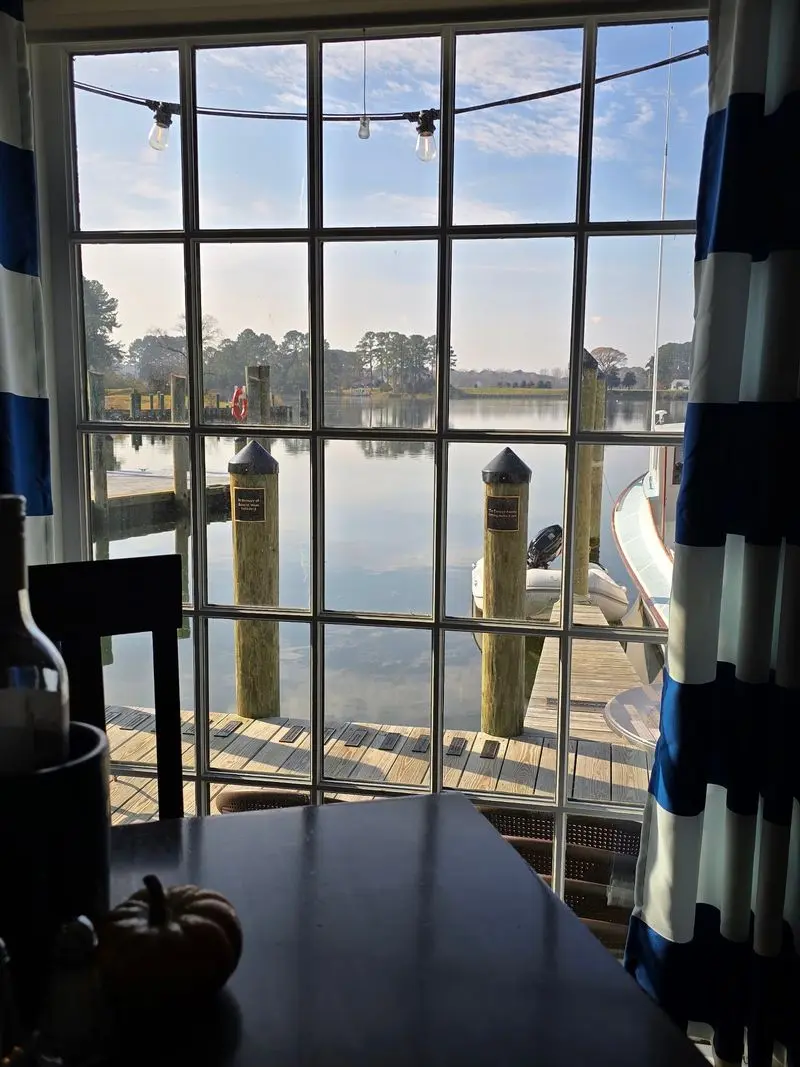
Boats bob in the creek just outside, giving every meal a relaxed, coastal feel.
The kitchen is known for fresh local seafood, with Chesapeake Bay favorites starring on the menu.
Live music on many evenings adds a cheerful soundtrack to the view.
Grab a table near the water, order something from the bay, and settle into Eastern Shore time.
A Waterfront Setting That Sets the Mood
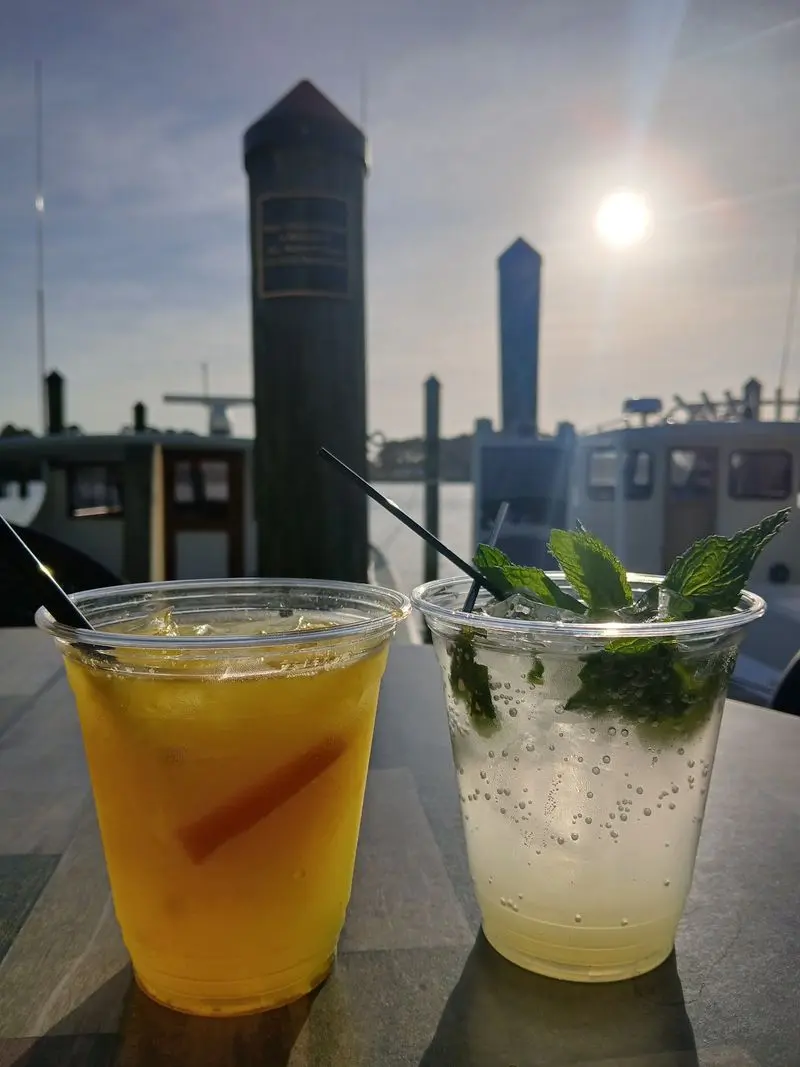
A view of the water can turn an ordinary lunch into a reason to slow down. That is part of the appeal at Mallards At the Wharf, located at 2 Market St, Onancock, VA 23417, United States. Guests repeatedly mention the waterside setting, whether they sit outdoors or enjoy the view from inside.
Several supplied reviews describe a pleasant patio, conversations with locals, and scenery that adds something special to the meal. Those details matter because a crab cake outing is often about the whole experience, not just what lands on the plate. A comfortable seat and an interesting view give you room to enjoy both.
Ask about outdoor seating when you arrive, but keep weather and table availability in mind. If the patio is full, an indoor table may still offer a water view. Tell the host what you prefer rather than assuming every seat has the same outlook.
The practical takeaway is simple: allow enough time to settle in. Rushing through lunch would miss one of the restaurant’s most frequently praised features. For diners who enjoy scenery with their seafood, the setting provides a strong reason to consider a stop, even before the first crab cake reaches the table and the meal gets underway.
Crab Cakes With a Strong Following
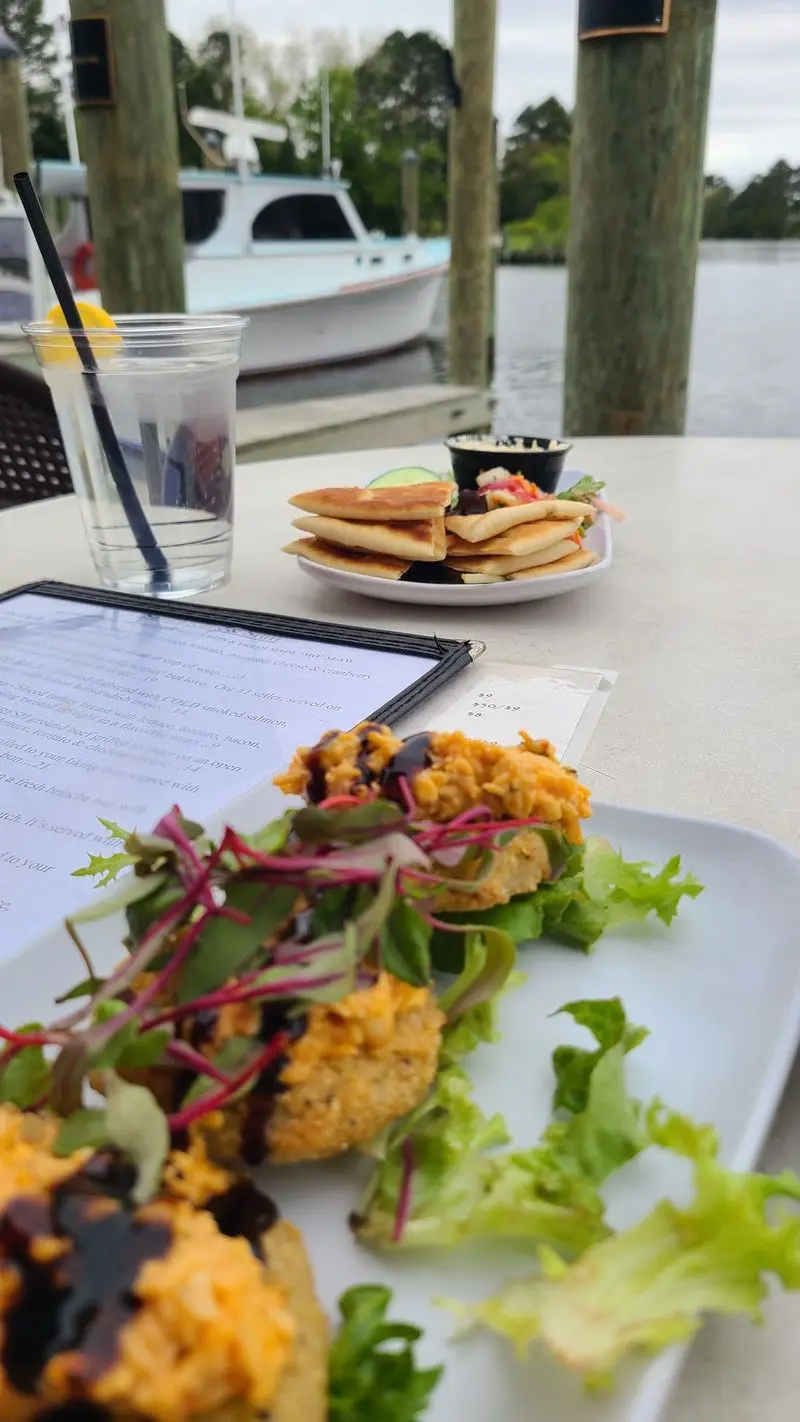
Ninety-seven mentions of crab cakes in the supplied listing make one thing clear: people notice them. That number does not prove every plate is perfect, but it shows that the dish plays a major role in the restaurant’s reputation. For a crab cake focused article, it is the strongest place to begin.
One diner described the cakes as flavorful and moist, calling them the best they had eaten. Others praised crab cake platters, a birthday lunch sandwich, and specialty crab cakes. Together, those comments suggest that the dish attracts attention across different meals and occasions.
Keep the praise grounded, though. The supplied reviews do not establish the exact recipe, crab source, filler amount, or cooking method. Claims about pure lump crab or a secret seasoning blend would go beyond the available evidence.
A useful approach is to ask your server how the crab cakes are prepared that day. Find out what comes with the order and whether sauces arrive alongside it. Taking an initial bite before adding sauce can help you judge the flavor for yourself.
The appeal here rests on repeated customer praise, not a proven regional ranking. That makes the cakes worth investigating while leaving the final verdict where it belongs: with each diner’s own personal taste.
Sandwich or Platter? Choose Your Own Meal
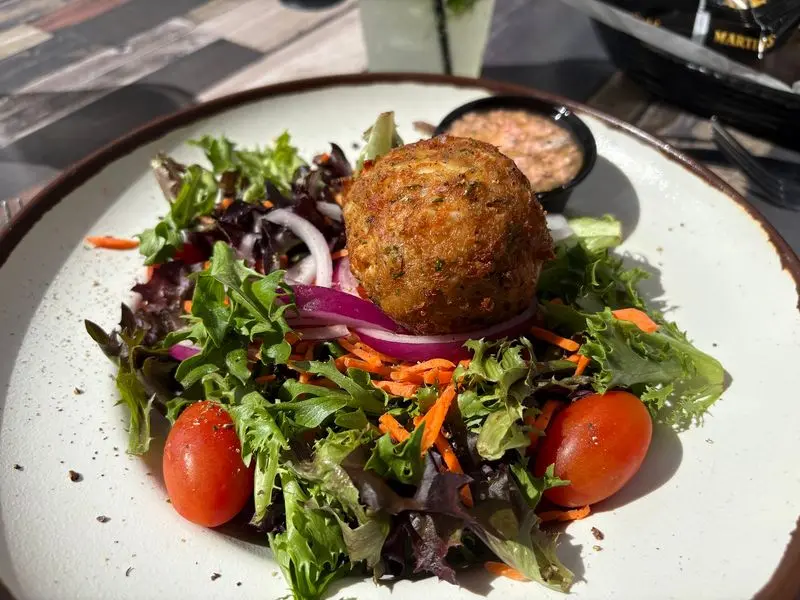
Lunch plans can change once you see the menu. A sandwich may sound right for a quick stop, while a platter can suit someone who wants the crab cake to take center stage. Supplied reviews mention both formats, although current availability needs checking.
A birthday lunch guest enjoyed the crab cake sandwich, while another customer liked the cakes on a platter with seasonal vegetables. Those accounts offer useful starting points without promising that every visit brings identical portions or sides. Menus and preparations can change over time.
Before ordering, ask what is included. One unhappy diner reported a sandwich served with chips and a small portion of slaw, while another family wished fries were available. Neither account should be treated as a complete description of today’s menu.
If your goal is to compare crab cakes fairly, consider how bread, sauces, and side dishes affect the meal. A bun adds texture and can soften the taste of the crab. A platter may make it easier to focus on the cake itself.
Price matters, too, so confirm the current cost rather than relying on an older review. Pick the format that matches your appetite, then ask any questions before the kitchen starts preparing your order. Small choices can make lunch feel better planned.
Supporting Dishes That Deserve a Look
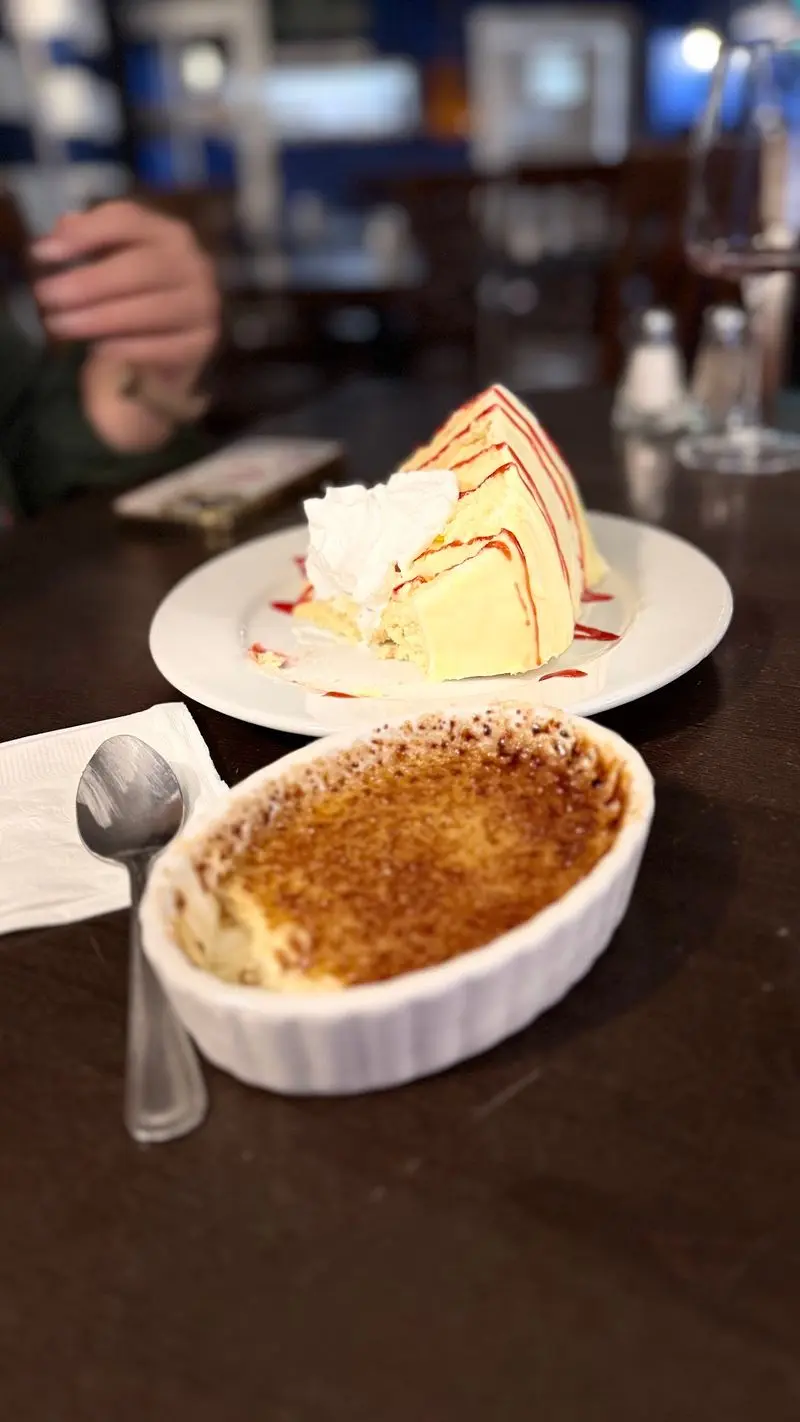
Even a star dish benefits from good company. The supplied reviews point to several supporting choices that could turn a crab cake order into a fuller meal. Crab stuffed egg rolls, crab soup, fried green tomatoes, and coleslaw all receive attention.
One couple enjoyed the egg rolls before ordering crab cake platters. Another guest praised the crab soup alongside the cakes, while a separate reviewer singled out the slaw as something special. These are individual reactions, but they offer helpful ideas for building an order.
Start small if the crab cake is your main reason for visiting. Sharing an appetizer can leave enough appetite to enjoy the main dish without making lunch feel heavy. Ask about portion sizes before adding several plates.
Sides deserve the same care as the main course. One review praised seasonal vegetables but disliked the mashed potatoes, while another guest loved mashed potatoes with a different seafood dish. That contrast shows why a single comment cannot settle every menu question.
Check which accompaniments are available during your visit, and mention any food allergies before ordering. Avoid assuming a reviewed dish is offered every day. The best supporting plate is one that suits your taste and leaves room for the crab cake you came to try first.
Historic Character Beyond the Plate
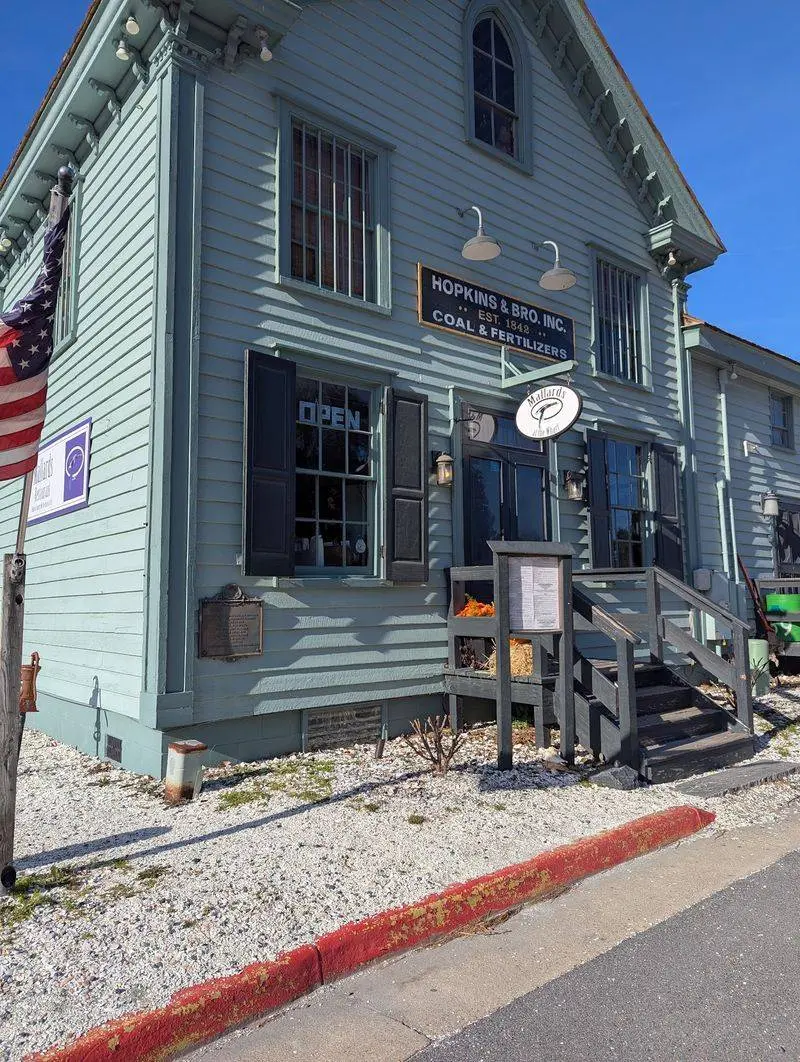
Old buildings have a way of making a meal feel less routine. Customers describe the restaurant as cozy, quaint, and full of historic charm. For visitors who enjoy places with character, that setting can be as memorable as the food.
One supplied review identifies the building as an 1842 mercantile that later served as a bank. Treat that detail as a reviewer’s account rather than a fully verified history. The broader point is better supported: several guests mention dining in a historic building.
The owner also refers to the building’s historic status when responding to a comment about the bathrooms. That exchange is a useful reminder that charm and modern comfort do not always line up perfectly. Older spaces may come with features that some guests appreciate and others find less convenient.
If stairs, restroom access, or seating layout could affect your visit, call ahead with specific questions. A review mentions upstairs seating, but the supplied information does not establish the full accessibility picture. Getting clear answers beforehand is better than guessing.
Once seated, give the room a little attention instead of looking only at the menu. Its character helps explain why reviewers remember the atmosphere along with their meal. Here, the building contributes another layer to the restaurant’s overall appeal.
Friendly Service, With Some Uneven Moments
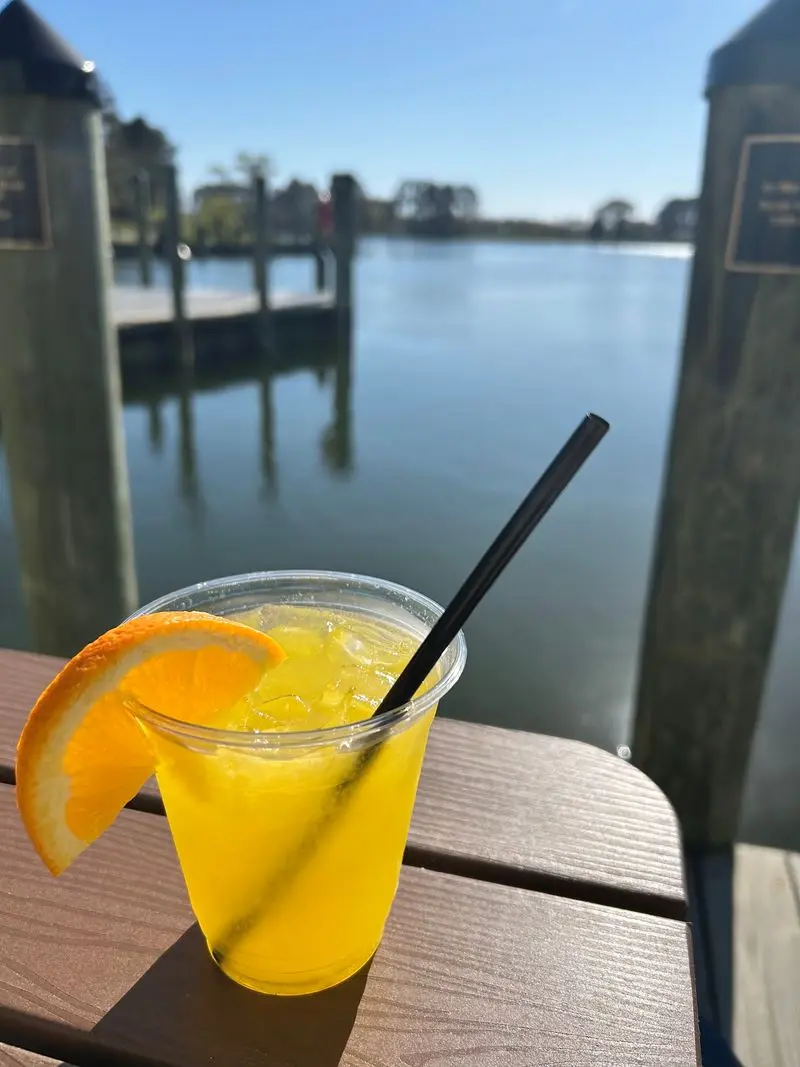
A warm welcome can make a seafood stop feel like a favorite gathering place. Many supplied reviews praise attentive servers, helpful menu advice, and friendly conversations. Birthday celebrations and casual meals both appear among those positive experiences.
One guest appreciated a server who checked answers to questions instead of guessing. Another said a busy server still returned often and treated the table like family. Those details describe the kind of care that helps diners feel comfortable ordering something unfamiliar.
The feedback is not uniformly positive, however. Several customers report long waits, missed check ins, or trouble getting drinks and the bill. One couple said they left after waiting without receiving their beverages.
An owner response to another complaint apologized for poor service and food temperature issues, and discussed staff training. That response shows the concerns were acknowledged, but it does not guarantee that later visits will be flawless. A balanced article should keep both sides visible.
Build a little flexibility into your schedule, especially if you have a strict departure time. If nobody has approached your table, politely check with the host rather than waiting in silence. Mention problems while staff still have a chance to help.
The takeaway is hopeful but realistic: many guests felt welcomed, while others experienced disappointing service.
Plan the Visit Before You Get Hungry
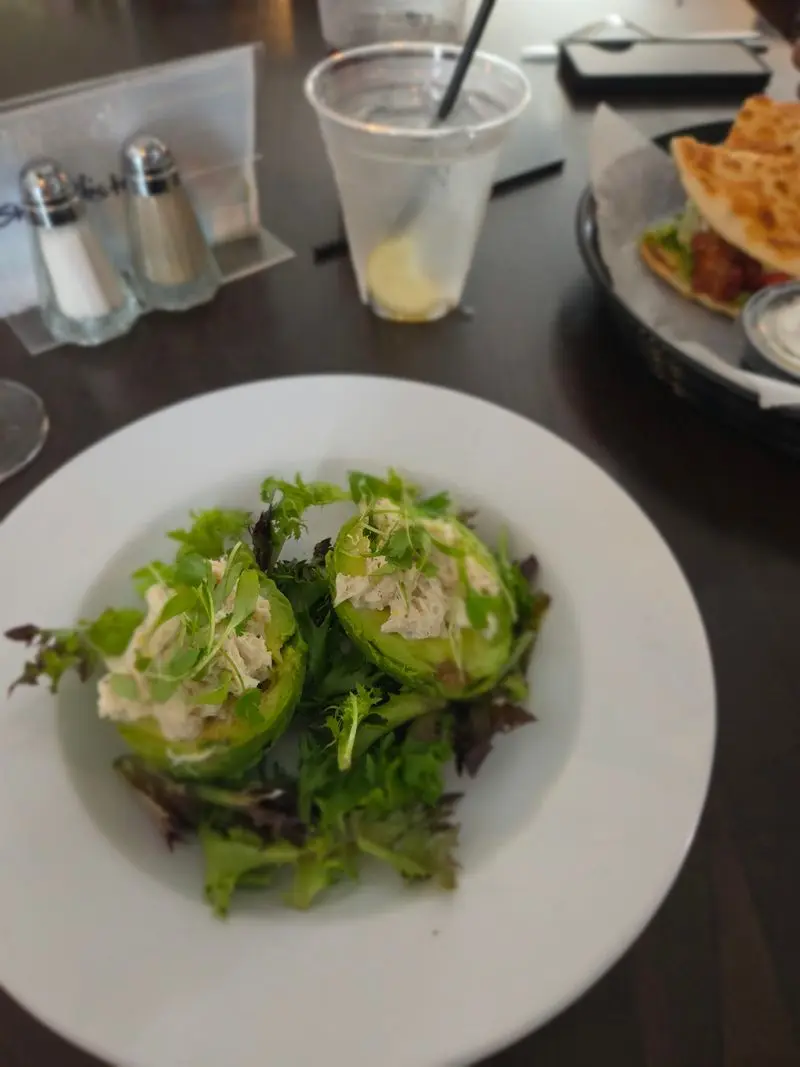
Good timing starts before you reach the host stand. The supplied listing shows daily opening at 11 am, with closing at 8 pm Sunday through Thursday and 9 pm Friday and Saturday. Those hours are a planning guide, not a promise that schedules never change.
Call 757-787-8558 or check eatatmallards.com before making a special trip. Confirm current hours, the menu, and whether crab cakes are available during your intended meal. You can also ask about reservations and seating arrangements.
A lunch reviewer reported a menu focused on sandwiches during that visit. That account suggests a useful question: does the lunch selection differ from dinner? Do not assume a dish pictured online will be offered at every service.
Live music appears in customer feedback, including one guest who enjoyed an unexpected performance. If music matters to your plans, ask whether anything is scheduled. Likewise, request a quieter seating option if conversation is your priority.
Outdoor tables, special dishes, and events may depend on conditions or availability. Checking ahead helps avoid building your whole visit around something that is not offered that day. Leave a little room in your schedule for ordering and enjoying the setting.
A brief phone call can answer practical questions that even a stack of glowing reviews cannot reliably settle.
Why the Whole Experience Stands Out
A standout restaurant does not need every review to tell the same story. What matters here is the pattern: crab cakes receive repeated praise, the water view draws attention, and the building adds character. Together, those qualities give the restaurant a clear identity.
The supplied listing reports 4.5 stars from 859 reviews. That is a useful snapshot of customer opinion, though ratings and review totals can change. It should support the discussion, not replace a careful look at specific experiences.
Positive comments describe moist, flavorful cakes and meals worth remembering. Less favorable accounts raise concerns about temperature, sandwich presentation, and service. Keeping those details together makes the recommendation more useful than simply calling everything perfect.
There is also no documented tasting tour in the supplied material. The article’s title should not become a claim that the writer personally sampled crab cakes across the region. Instead, the evidence supports a review based explanation of why this restaurant deserves attention.
For your own visit, focus on what matters most: the crab cake, the current price, the service, and the setting. Ask questions, order thoughtfully, and judge the meal as it arrives. The strongest reason to stop is the combination of seafood praise and atmosphere, with room for your own honest verdict afterward.