Kentucky did not begin in Louisville or Lexington. It began in a small courthouse town in the middle of the state, where frontier settlers met again and again to argue about breaking away from Virginia.
Between 1784 and 1792, ten separate conventions gathered there before the job was finally done. The result was the first state constitution in Kentucky history and the fifteenth state in the young United States.
Today the town is better known for a small college, a busy Main Street, and a famous football upset in 1921. Yet the story of statehood is still hiding in plain sight on its streets.
Keep reading to learn where it all happened, which buildings still stand, and how to spend a day walking through the birthplace of the Bluegrass State.
Where Kentucky First Took Shape
Long before Frankfort became the capital, the decisions that created Kentucky were made in Danville, Kentucky, USA. The town sits in the heart of the state as the county seat of Boyle County.
Danville counted 17,236 residents at the 2020 census. It is also the main city of the Danville Micropolitan Statistical Area, which covers Boyle and Lincoln counties.
The town grew up in the 1780s on land connected to Walker Daniel, a frontier lawyer. Daniel helped lay out the early settlement, and the name Danville honors him.
Back then, the region was still part of Virginia and was called the District of Kentucky. Settlers felt cut off from the government far to the east.
Danville became the natural meeting point for leaders who wanted change.
Getting there today is simple. The town sits along major routes in central Kentucky, roughly an hour or so south of Lexington by car.
The city website, danvilleky.org, is a handy place to check local news and events before a trip. Start planning there, then let history do the rest.
Ten Meetings to Make a State
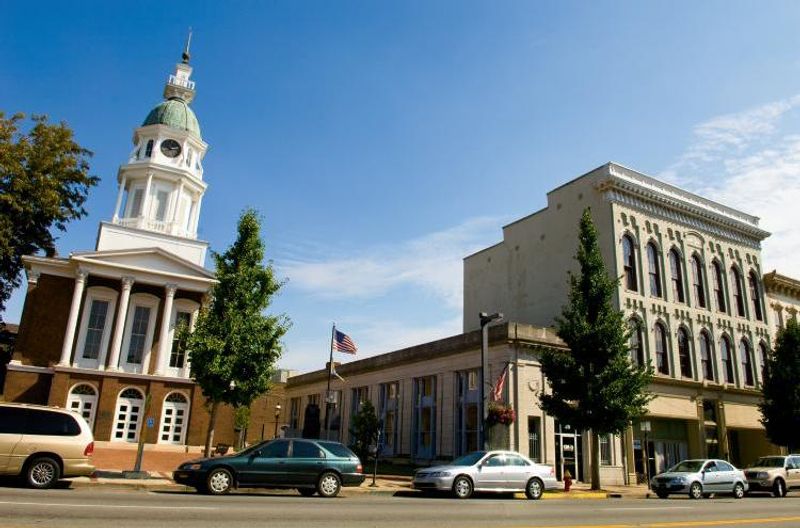
Patience was the secret ingredient of Kentucky statehood. Starting in 1784, delegates gathered in Danville for a long string of conventions about separating from Virginia.
There were ten of these meetings in total. Some ended in confusion, and others stalled over rules set by Virginia and the national government.
Why so many tries? Each time Virginia agreed to let Kentucky go, new conditions popped up.
Delays in Congress also slowed things down, since the young nation was still working out its own government.
Finally, the tenth convention met in Danville in April 1792. Delegates wrote and approved the first Kentucky constitution.
On June 1, 1792, Kentucky officially became the fifteenth state. It was the first state west of the Appalachian Mountains to join the Union.
That is a lot of meetings for one small frontier town to host. Students who complain about long group projects might find a little comfort here.
Eight years of debate shows that big things rarely happen in one sitting. Danville simply kept the door open until the work was finished.
Constitution Square, the Original Meeting Ground
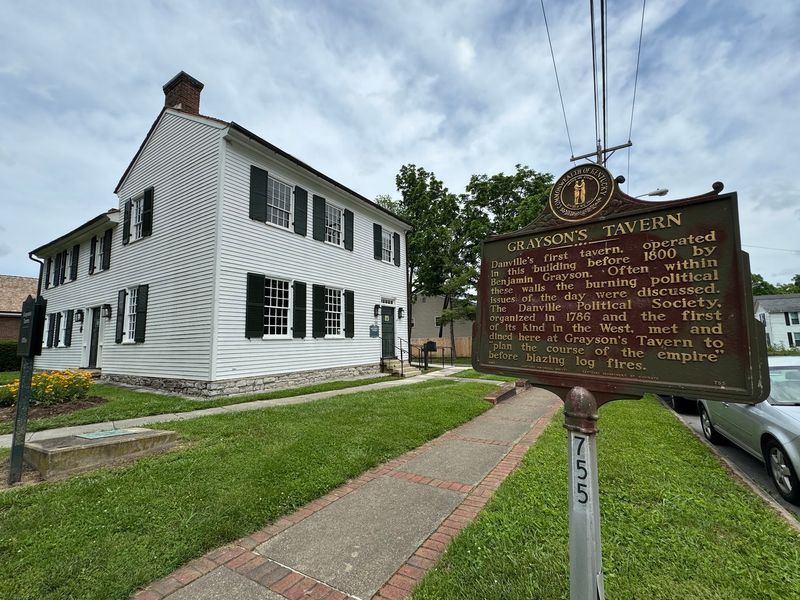
Some history lives in books. In Danville, it has its own park.
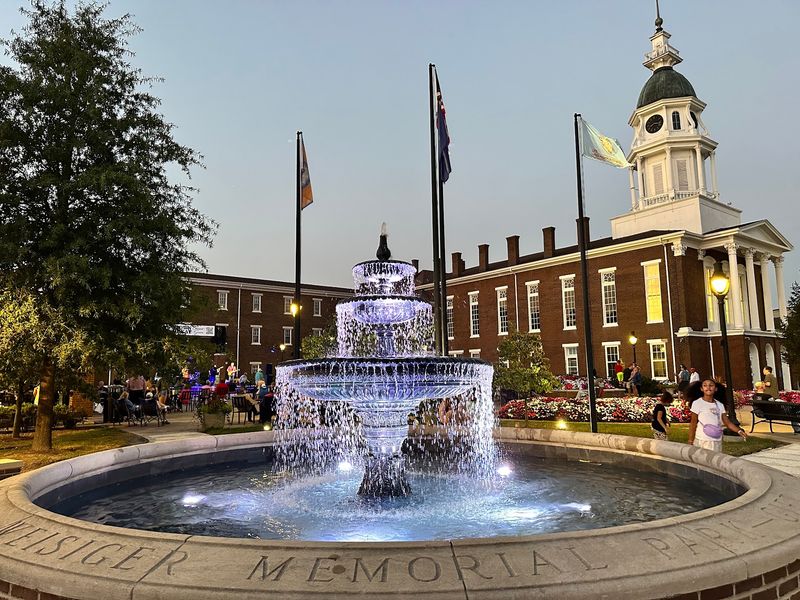
Constitution Square Historic Site marks the spot where the early courthouse stood and where many of the statehood conventions took place. It sits right in downtown Danville, close to Main Street.
The grounds include reproductions of the log courthouse, jail, and meetinghouse that served the frontier district. Seeing them side by side helps explain how small the early government really was.
Original buildings also share the space. One of them is a post office building connected to the early mail service west of the Appalachians.
The site is a handy first stop because it gives the whole town context. Once the story clicks here, the rest of downtown makes more sense.
Plan to wander the paths slowly and read the markers. Families with kids often find the log buildings easier to understand than long museum displays.
Check hours before going, since seasons can change what is open. Even a quick visit leaves a clear picture of where Kentucky took its first official steps.
The Doctor Who Made Medical History
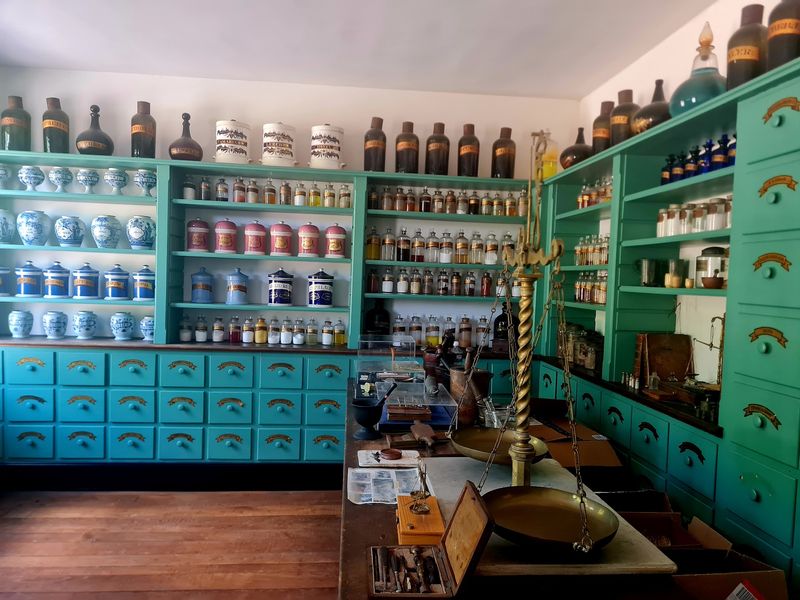
In December 1809, a frontier doctor in Danville did something no one had done before. Dr. Ephraim McDowell successfully removed a large ovarian tumor from a patient named Jane Todd Crawford.
Crawford had traveled about 60 miles on horseback to reach him. The surgery happened without modern anesthesia, and she recovered and lived for many more years.
That operation is widely remembered as the first successful abdominal surgery of its kind. It earned McDowell the nickname father of abdominal surgery.
His home and office still stand on South Second Street area of downtown and operate as the McDowell House Museum. The building shows how a doctor lived and worked in the early 1800s.
Guided tours explain the operation in a way that is easy to follow. The story is about courage on both sides of the operating table.
For anyone curious about science, this stop adds a surprising chapter to the town. Danville did not only help create a state.
It also helped push medicine forward.
A Campus With Deep Roots
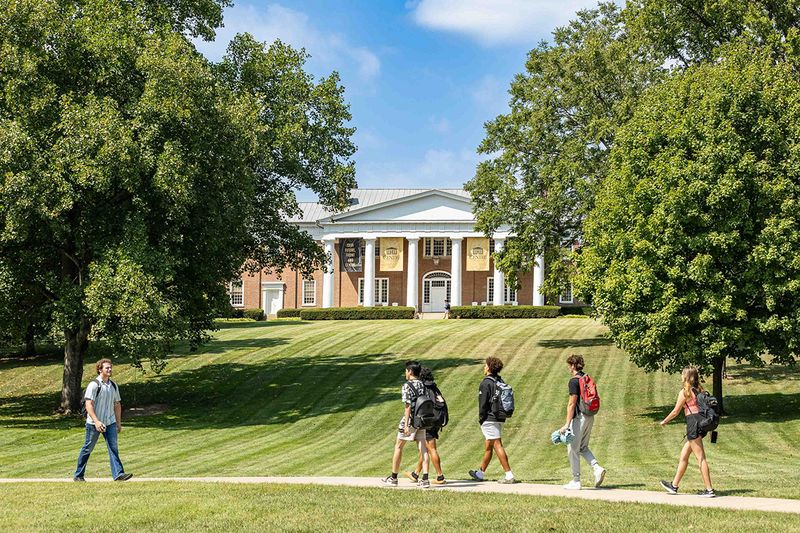
Founded in 1819, Centre College has been part of Danville for more than two centuries. It is a small private liberal arts college with a strong academic reputation.
The campus sits just a short walk from downtown. Its oldest building, Old Centre, dates to the early 1820s and is one of the landmarks of the town.
Centre has a long list of notable graduates. Among them are a U.S. vice president, John C.
Breckinridge, and Supreme Court justices such as John Marshall Harlan and Fred Vinson.
The college has also stepped onto the national stage more recently. Centre hosted vice presidential debates in 2000 and again in 2012.
That is quite a spotlight for a town of about 17,000 people. Students and staff add energy to local shops and events throughout the school year.
A stroll across campus is free and peaceful. Look for historic markers and the mix of old and newer buildings.
Big ideas clearly like this town. They just keep showing up in different centuries.
A Main Street Worth Wandering
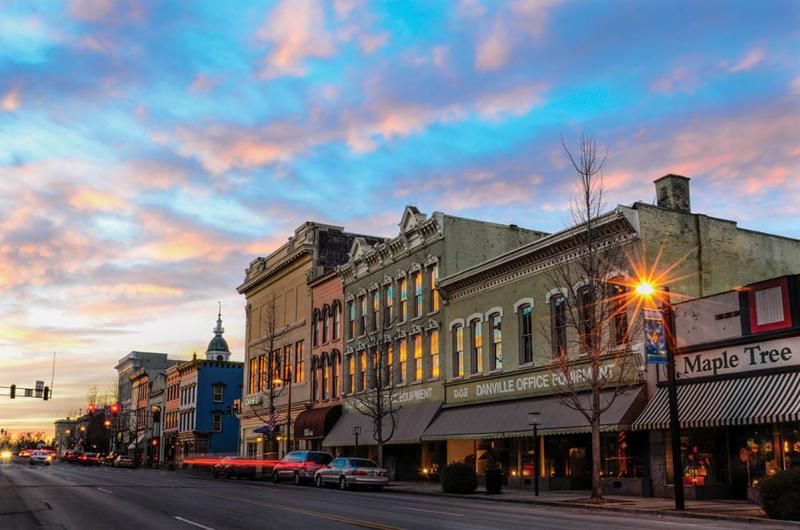
Plenty of small towns have lost their downtowns. Danville has worked hard to keep its own alive.
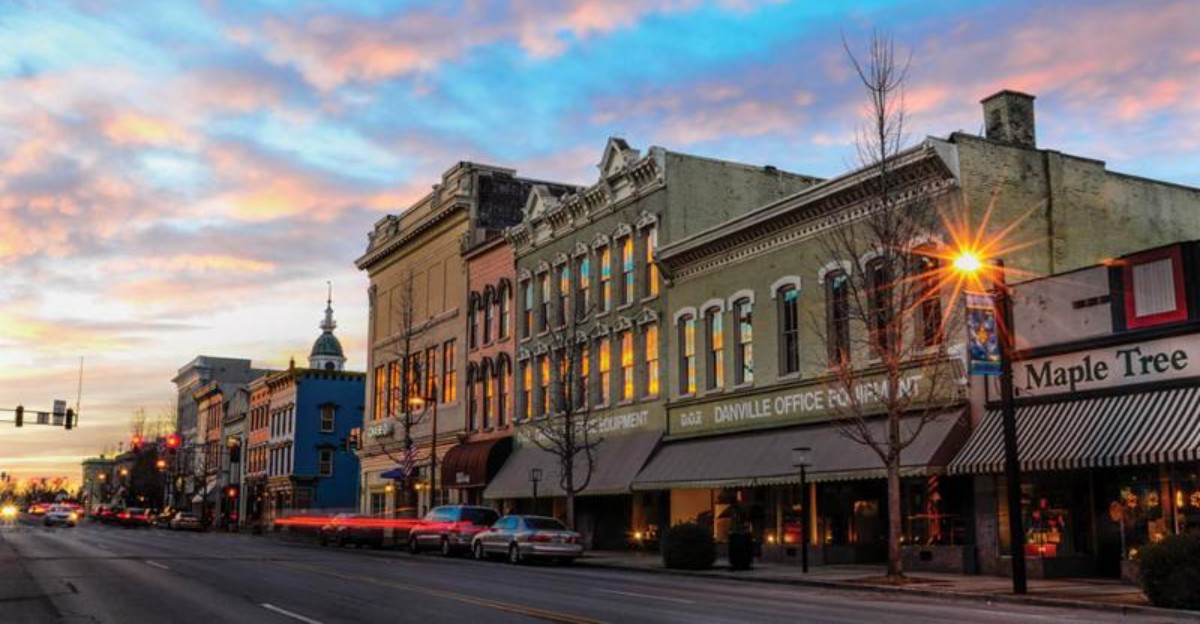
Main Street is lined with historic brick buildings that now hold local shops, restaurants, and offices. The Boyle County Courthouse stands nearby as a reminder of the town’s role as county seat.
Many of the buildings date back to the 1800s. Reading the dates and names on the fronts can turn a simple walk into a history lesson.
Danville has been active in the national Main Street program, which helps towns restore older districts. The results show in the tidy storefronts and busy sidewalks.
A smart plan is to park once and explore on foot. Constitution Square, the McDowell House, and Centre College are all close to Main Street.
Local stores make good places to pick up gifts made in Kentucky. Owners are often happy to share tips about what else to see.
Comfortable shoes are a must. The best discoveries here usually come one block at a time.
Stories Told Through Art and Hands
Creativity has a home base in downtown Danville. The Community Arts Center offers exhibits, classes, and events for all ages.
It is housed in a historic former bank and post office building. That fits perfectly in a town where old buildings keep finding new purposes.
Exhibits change through the year and often feature artists from the region. Classes cover topics like painting and other hands-on crafts.
Families should check the calendar for kids’ workshops. These sessions are a nice break during a day packed with history stops.
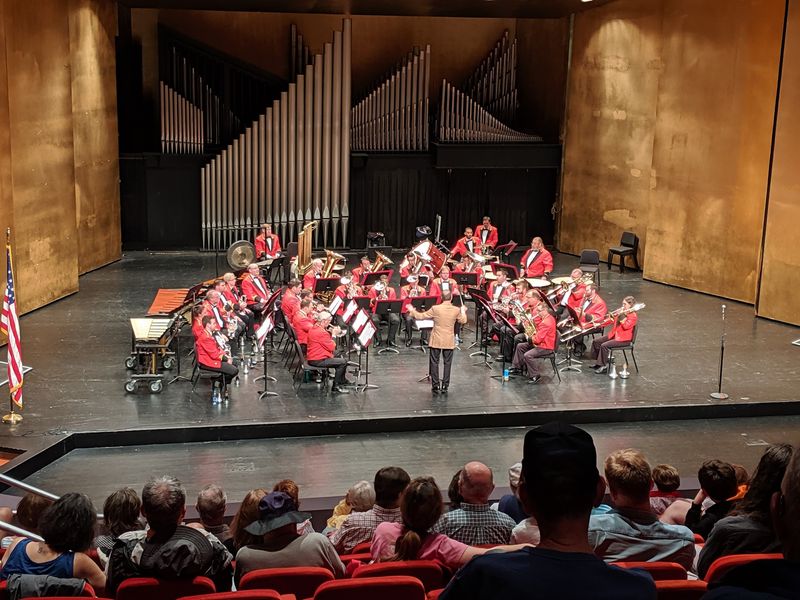
Centre College adds to the arts picture too. The Norton Center for the Arts on campus hosts concerts, plays, and touring shows.
The Norton Center has welcomed big names over the years. It brings performances to Danville that people might expect only in larger cities.
Buying tickets ahead is a good idea for popular shows. Pairing an afternoon gallery visit with an evening performance makes for a well-rounded day in town.
Music Under Open Skies
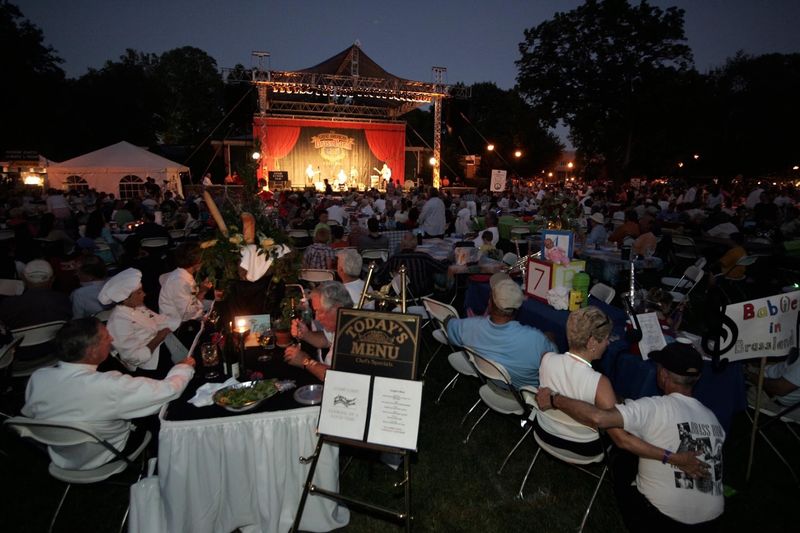
Summer gives Danville a soundtrack. The town is known for outdoor events that bring neighbors and travelers together downtown.
One long-running favorite is the Great American Brass Band Festival. It has drawn brass bands from around the country and celebrates a style of music with deep American roots.
Concerts, parades, and family events fill the schedule. Many events have been free, which makes it easy for families to join in.
Dates and details can change from year to year. Checking the official festival page or the city website before a trip is the safest move.
Bring lawn chairs and plan to arrive early for popular shows. Downtown parking can fill quickly during big weekends.
Festival time is also a great chance to see how proud locals are of their town. The streets feel more like a big backyard party than a tourist event.
History may have put Danville on the map. Its festivals help keep it there today.
Nature Is Closer Than You Think
History buffs are not the only ones who enjoy this corner of Kentucky. Outdoor fans have plenty to explore nearby.
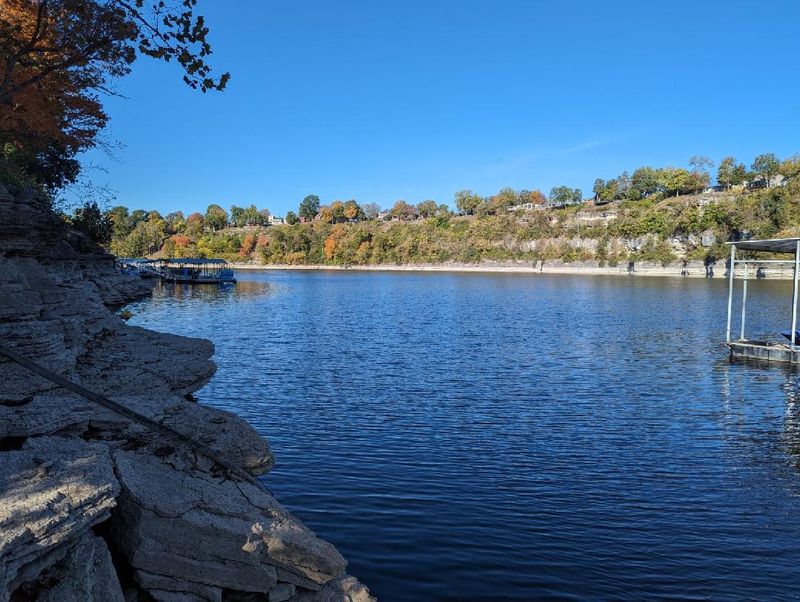
Herrington Lake sits just northeast of Danville. It is known for deep water, winding shorelines, and tall cliffs along parts of the lake.
Boating and fishing are popular activities there. Marinas around the lake can help with rentals and supplies.
Closer to town, local parks offer walking paths, playgrounds, and sports fields. These are handy spots to let kids stretch their legs between museum visits.
The rolling farmland around Boyle County also makes for pleasant drives. Country roads connect Danville to nearby towns with their own historic sites.
Spring and fall are great times for outdoor plans, with milder temperatures than the middle of summer. Packing water and sunscreen is always smart.
A balanced trip mixes old stories with fresh air. Danville makes that easy without needing long drives.
Easy Day Trips From Town
Danville makes a smart home base for exploring central Kentucky. Several well-known places are within a short drive.
Shaker Village of Pleasant Hill lies to the north in Mercer County. It preserves buildings from a 19th century Shaker community and offers trails and programs.
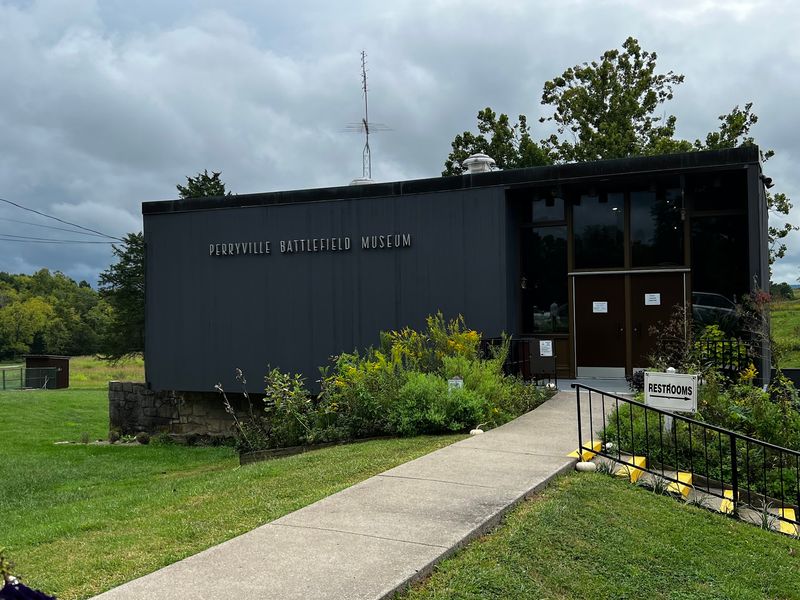
Perryville Battlefield State Historic Site is just west of Danville. It protects the ground of the largest Civil War battle fought in Kentucky, in October 1862.
Harrodsburg, settled in 1774, is close by too. It is often called the oldest permanent settlement west of the Alleghenies, which ties in nicely with Danville’s frontier story.
Together, these sites show how central Kentucky grew from the frontier into the state it is today. Each trip adds a new piece to the puzzle.
Planning tip: try one day trip per day instead of rushing through several. Each site deserves time.
Return to Danville in the evening for dinner downtown. The town makes a calm place to end a busy day.
Smart Tips Before You Go
A little planning goes a long way in a town packed with history. Start by checking hours for Constitution Square and the McDowell House Museum, since schedules can change by season.
June 1 is Kentucky’s statehood anniversary. That date makes a fun theme for a visit, especially for students studying state history.
Fall brings football weekends at Centre College. Summer is festival season, so lodging can fill up during big events.
Downtown is compact and easy to walk. Parking once and exploring on foot saves time and stress.
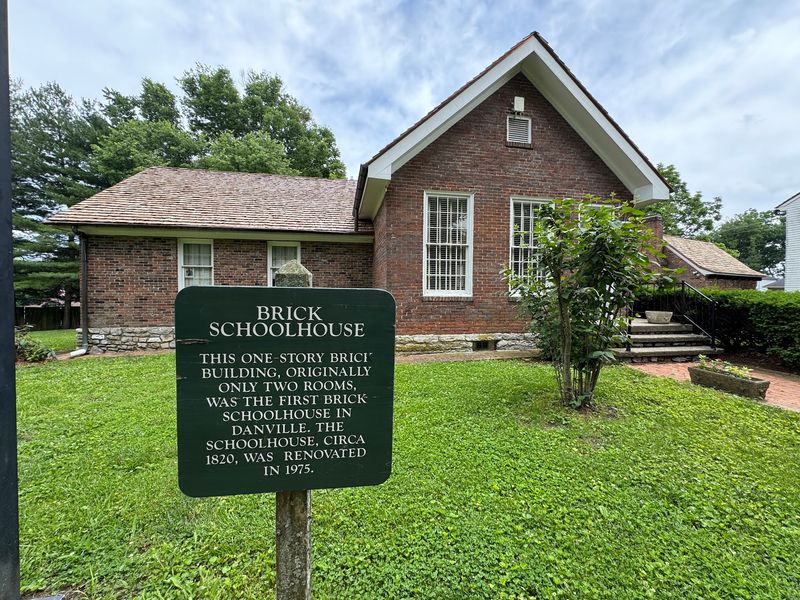
Look for historical markers around town. They point out details that are easy to miss, like spots tied to early state leaders.
The city website, danvilleky.org, and local tourism resources help with event dates and updates. Calling ahead for group tours is also wise.
Most of all, slow down. Danville rewards curious travelers who read the signs, ask questions, and enjoy the story behind each building.
The birthplace of Kentucky still has plenty to teach.