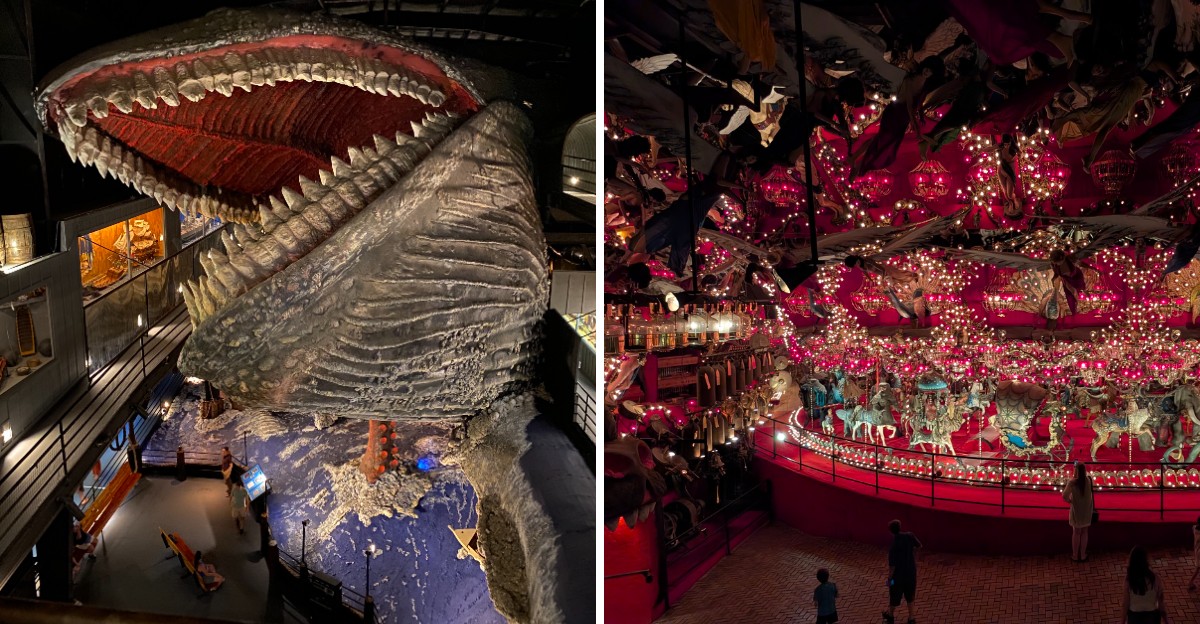
You haven’t seen anything quite like the House on the Rock.
Tucked into the Wisconsin countryside near Spring Green, this wildly unusual attraction starts with a house and quickly spirals into something far stranger.
Step inside and you’ll encounter a room hanging hundreds of feet over the valley, enormous mechanical displays, a giant sea creature, and a carousel bursting with thousands of lights.
Then things get even weirder.
Miniature circuses, antique collections, towering sculptures, and elaborate musical machines fill room after room, making it nearly impossible to guess what comes next.
Built by Alex Jordan beginning in the 1940s, the House on the Rock feels less like a traditional house tour and more like stepping into one person’s wonderfully eccentric imagination.
Prepare to be surprised at every turn.
The Original House Is Built On A 60-Foot Chimney Of Rock

Everything starts with the building that gave this place its name. Alex Jordan built his original retreat right on top of a natural rock formation that rises 60 feet into the air.
The 13-room house serves as your introduction to the weirdness ahead. Walking through these connected spaces, you’ll notice sandstone walls, colorful stained glass windows, and lighting that creates shadows in unusual places.
The rooms squeeze together in ways that feel deliberate yet strange.
This isn’t your typical historic house where everything feels formal and roped off. Jordan designed these spaces to feel alive and slightly unsettling.
The rock underneath becomes part of the experience, reminding you that someone actually chose to build a home in this improbable spot.
The original house sets the tone for everything else. If someone is willing to construct a retreat on top of a natural chimney of stone, what other unusual ideas might follow?
The answer unfolds through the rest of your visit in ways that keep getting stranger.
The Infinity Room Stretches 218 Feet Over The Valley
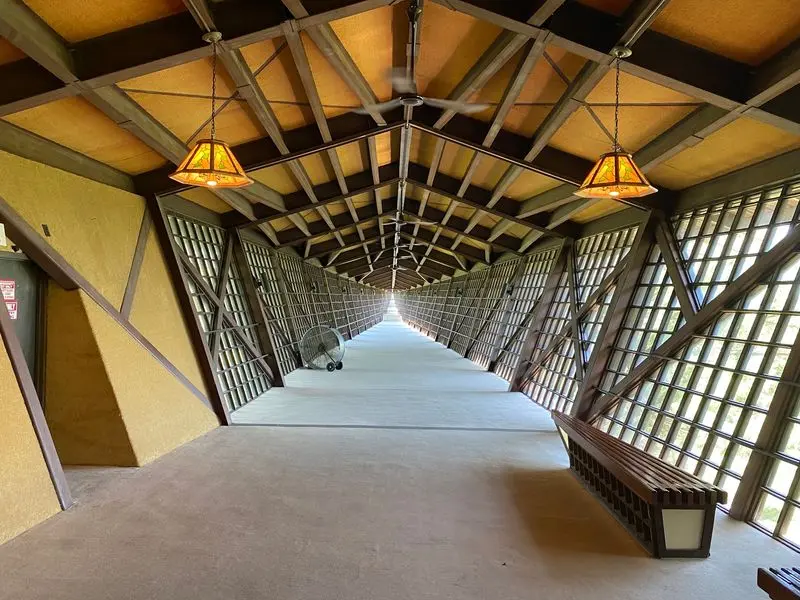
Picture walking into a narrow hallway that just keeps going and going until it hangs over a valley. That’s the Infinity Room, and it stretches an incredible 218 feet beyond the main building.
More than 3,000 pieces of glass make up the walls and ceiling.
Standing inside feels like floating above the Wisconsin landscape. Trees and hills spread out below you, creating a dizzying sense of height.
The room gets narrower as you walk toward the end, which makes the experience even more surreal.
What makes this architectural feature so strange is how unnecessary it seems. Jordan didn’t need to build a room that extends this far into empty space.
Yet here it is, defying common sense and probably several building codes of its time.
Many visitors report feeling nervous as they walk the length of the room, even though it’s perfectly safe. The combination of height, length, and all that glass creates a memorable experience that photos can’t quite capture.
You have to walk it yourself to understand why it’s called the Infinity Room.
The World’s Largest Carousel Has 269 Animals
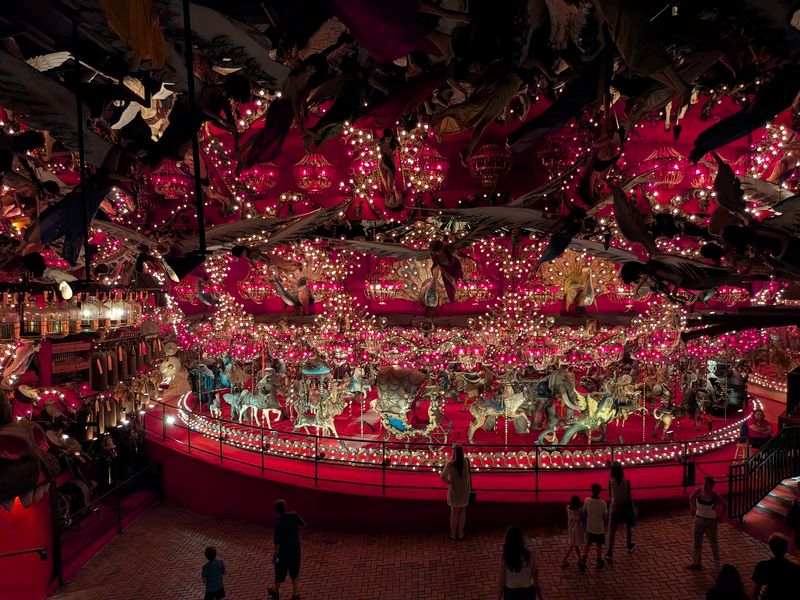
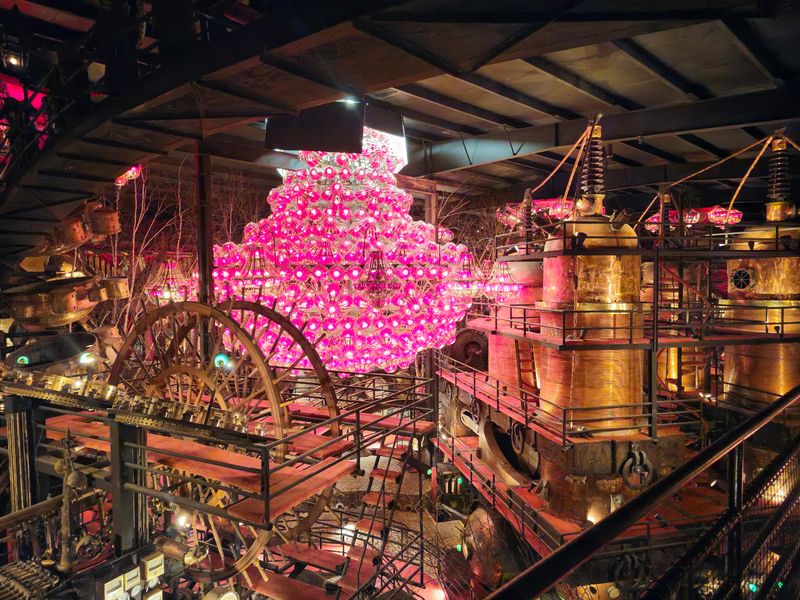
Forget everything you know about regular carousels at county fairs. This one explodes with 269 handcrafted creatures, 20,000 lights glowing from every angle, and 182 chandeliers dangling overhead.
It’s less a ride and more a visual assault on your senses.
The animals aren’t just horses. You’ll spot all sorts of unusual creatures carved in elaborate detail.
The entire display sits indoors, which makes the spectacle even more intense because the lights reflect off everything.
Here’s the weird part: you can’t actually ride this carousel. It exists purely as something to look at and photograph.
The sheer excess of it all makes you wonder about the person who decided this was a necessary addition to the attraction.
Walking around the carousel takes time because there’s so much happening visually. Every angle offers something new to notice.
Some visitors find it beautiful, others find it overwhelming, and most people land somewhere between those two reactions. Either way, nobody forgets it.
A 200-Foot Sea Creature Rises Inside Heritage Of The Sea
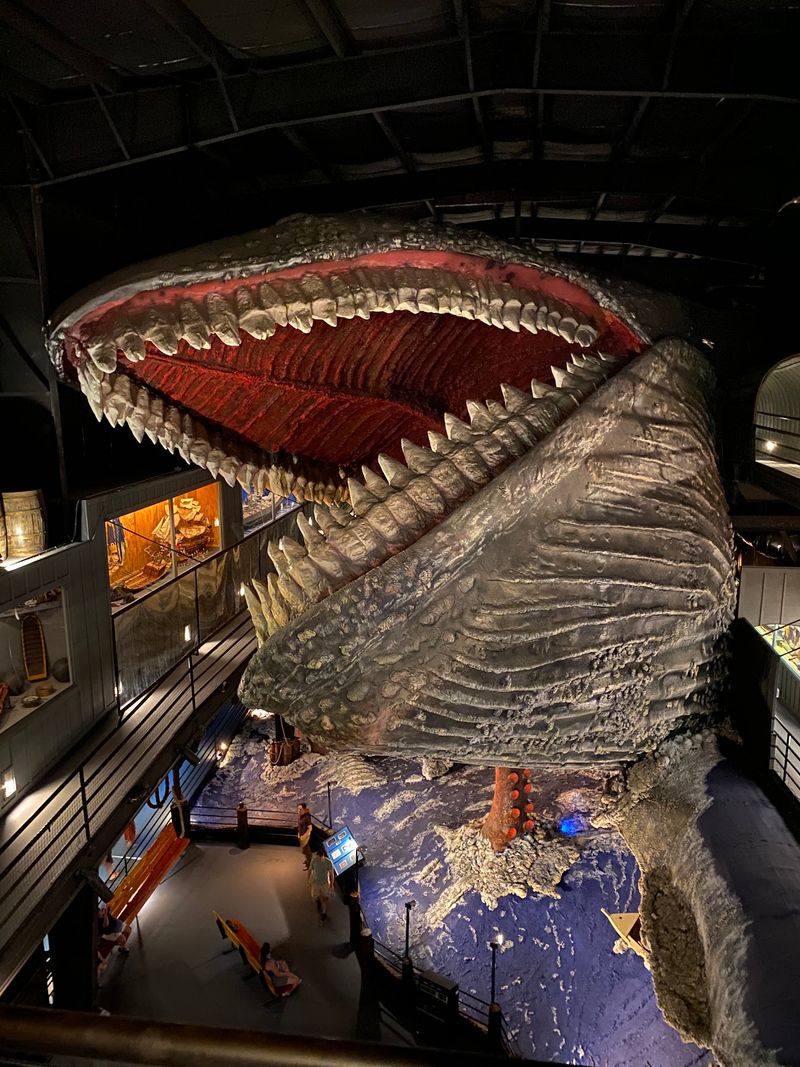
Maritime history meets pure fantasy in the Heritage of the Sea section. More than 200 model ships fill the space, each one detailed and carefully displayed.
There’s even a recreation of the Titanic that shows the famous ship in miniature form.
Then you look up and see it: a massive sea creature that rises roughly 200 feet through the exhibit space. The thing is enormous, tentacled, and completely out of place among the historical ship models.
That jarring combination perfectly captures what makes this attraction so weird.
Why would someone combine accurate maritime displays with a giant fictional monster? The question has no good answer, which might be exactly the point.
Jordan seemed to enjoy creating spaces that confused visitors’ expectations.
Kids especially love this section because the sea creature looks like something from their imagination brought to life. Adults appreciate the craftsmanship of the model ships while also scratching their heads at the overall concept.
The mix of reality and fantasy here prepares you for even stranger things ahead.
Streets Of Yesterday Recreates A 19th-Century Town
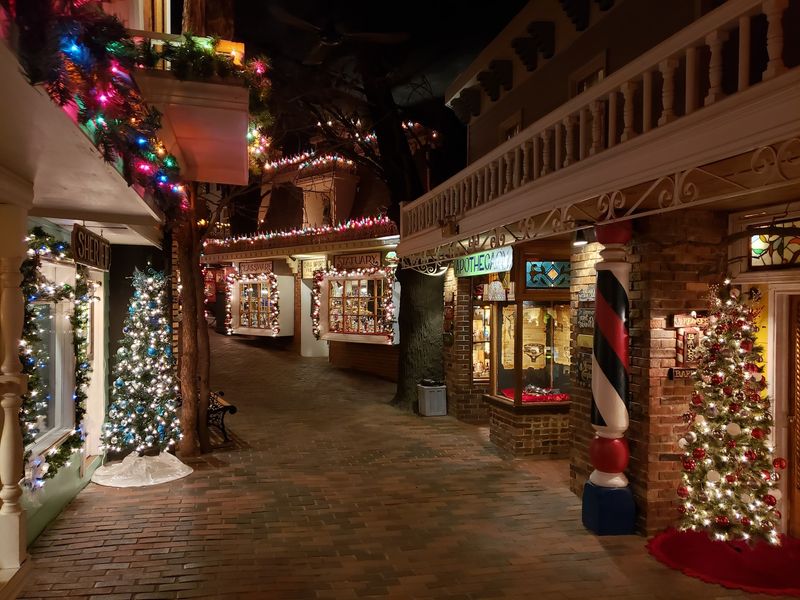
One moment you’re surrounded by eccentric collections and strange architecture. The next moment, you’re walking down red-brick streets in an old-fashioned town that exists entirely indoors.
Streets of Yesterday transports you backward in time without ever stepping outside.
The recreated streetscape includes a sheriff’s office complete with jail cells, a carriage house full of antique vehicles, and storefronts packed with hundreds of authentic antiques. Everything looks like it belongs in the late 1800s.
The attention to detail is impressive, from the cobblestones under your feet to the gas lamps lighting your way.
What makes this section particularly strange is the sudden shift in atmosphere. After experiencing Jordan’s wild architectural experiments and overwhelming displays, you enter what feels like a normal historical recreation.
Yet because it exists inside this bizarre attraction, even the normalcy feels abnormal.
Many visitors spend longer here than expected because there’s so much to see in each storefront. The antiques are real, not reproductions, which adds authenticity to the experience.
It’s like a museum decided to become a town.
Mechanical Music Machines Turn The Attraction Into A Giant Sound Box
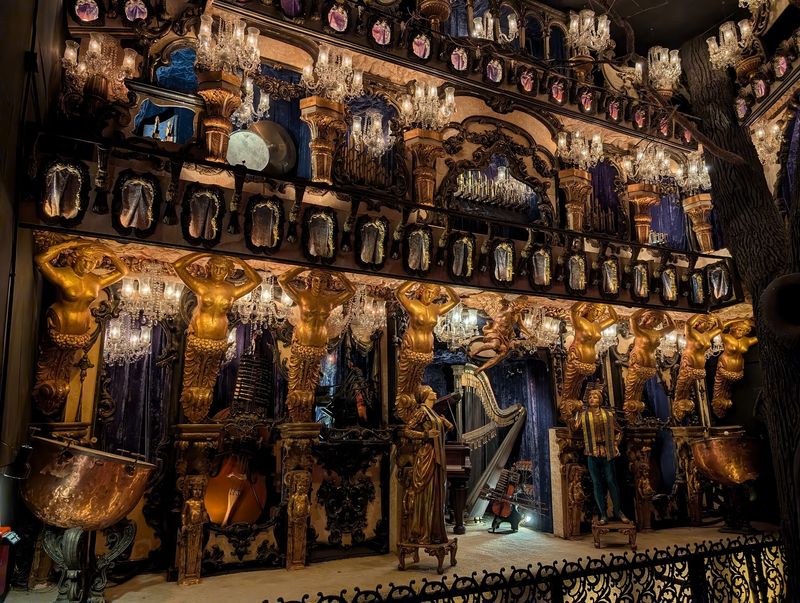
Sound fills the House on the Rock in unexpected ways. Throughout your visit, you’ll encounter elaborate mechanical music machines that play themselves, creating a soundtrack that shifts as you move through different areas.
Music of Yesterday houses many of these automated instruments.
The Blue Room features a mechanically operated orchestra that looks like it’s staffed by invisible musicians. Instruments move and play without human hands touching them.
The massive Mikado display takes this concept even further with its size and complexity.
Over at the Gate House, the Gate House Ensemble recreates an entire chamber orchestra using mechanical systems. Watching these machines perform feels like witnessing something from a different era of entertainment.
Before recorded music became common, people built these incredible devices to bring music into their spaces.
Jordan clearly loved collecting these musical machines, and they add another layer of strangeness to your experience. You might be looking at miniature circuses or antique collections while a mechanical violin plays behind you.
The combination of visual and audio oddities keeps your senses constantly engaged in new ways.
The Doll House Room Contains An Extraordinary Miniature World

After experiencing giant displays and overwhelming collections, the Doll House Room shifts your attention to the tiny. These aren’t simple toy dollhouses.
They’re elaborate miniature structures representing different architectural periods from Colonial times through the Victorian era.
Each dollhouse contains intricate handcrafted details that require close inspection to appreciate. Tiny furniture sits in tiny rooms.
Miniature paintings hang on miniature walls. The craftsmanship involved in creating these small worlds is remarkable and probably took countless hours.
The Doll Carousel Room continues the miniature theme with a twist. Two carousels spin while covered in elaborately dressed dolls.
The dolls wear fancy costumes, and their faces range from beautiful to slightly creepy depending on your perspective.
This transition from giant to tiny exemplifies Jordan’s approach to creating an attraction. Just when you think you understand the pattern, he switches directions completely.
The careful detail work in the miniature displays contrasts sharply with the overwhelming excess of earlier rooms. Your brain has to constantly adjust to new scales and new types of strangeness as you move through the complex.
The Galleries Turn Random Collections Into A Full-Blown Experience
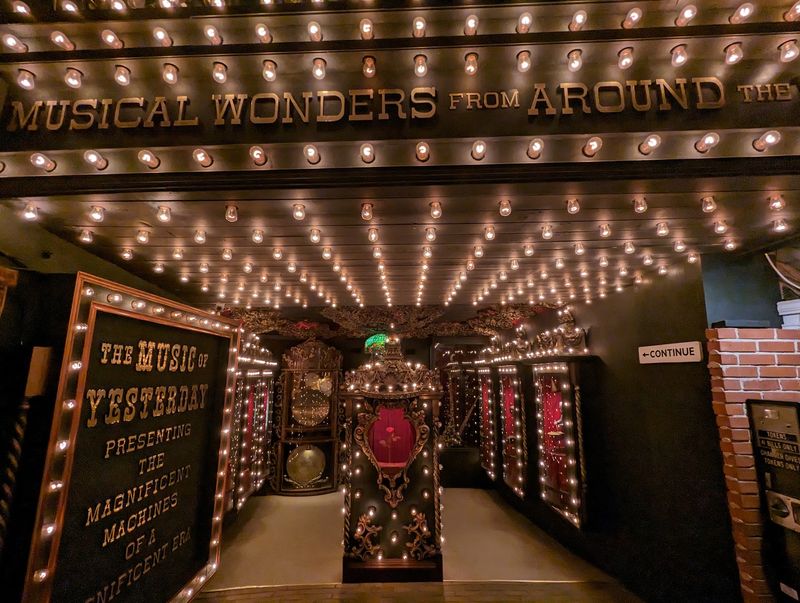
The Galleries showcase Jordan’s obsession with collecting things. Objects from around the world fill these spaces in arrangements that sometimes make sense and sometimes feel completely random.
Ivory carvings sit near suits of armor. Unusual firearms share space with crown jewel displays.
Walking through feels like exploring someone’s massive storage unit where everything valuable somehow ended up together. The sheer variety keeps you interested because you never know what’s coming next.
Historical artifacts mix with oddities in ways that create unexpected combinations.
The Mill House expands on this collecting theme by adding even more curiosities. Dolls, more suits of armor, antique guns, and mechanical banks crowd the space.
Then there’s one of the world’s largest fireplaces, because why not add something ridiculously oversized to a room full of smaller collectibles?
What these galleries reveal is Jordan’s approach to building his attraction. He didn’t follow a single theme or stick to one type of object.
Instead, he gathered whatever interested him and found ways to display it all. The result is overwhelming, excessive, and strangely fascinating.
Plan Your Visit
Understanding the scope of this attraction before you arrive saves headaches later. This isn’t a quick house tour you can finish in an hour.
The Ultimate Experience covers all three sections and works as a self-guided visit, with House on the Rock recommending at least 3 to 3.5 hours to see everything properly.
The 2026 regular season runs March 12 through November 8. Spring and fall operate Thursday through Monday, while summer operates daily.
During the regular season, the complex opens at 9 a.m., Ultimate Experience admission ends at 3 p.m., all admission ends at 4 p.m., and the complex closes at 5 p.m.
You’ll find the attraction at 5754 State Road 23, Spring Green, WI 53588. Call 608-935-3639 for current ticket options and parking information.
Check the official website for day-specific hours before visiting because schedules can vary.
Important tips: Wi-Fi is unavailable and cellular service can be limited, so save your confirmation or ticket information before arriving. Bring water because some areas have limited air conditioning and can become warm.
The complex involves considerable walking, ramps, uneven surfaces, stairs, and outdoor sections, so plan accordingly and wear comfortable shoes.