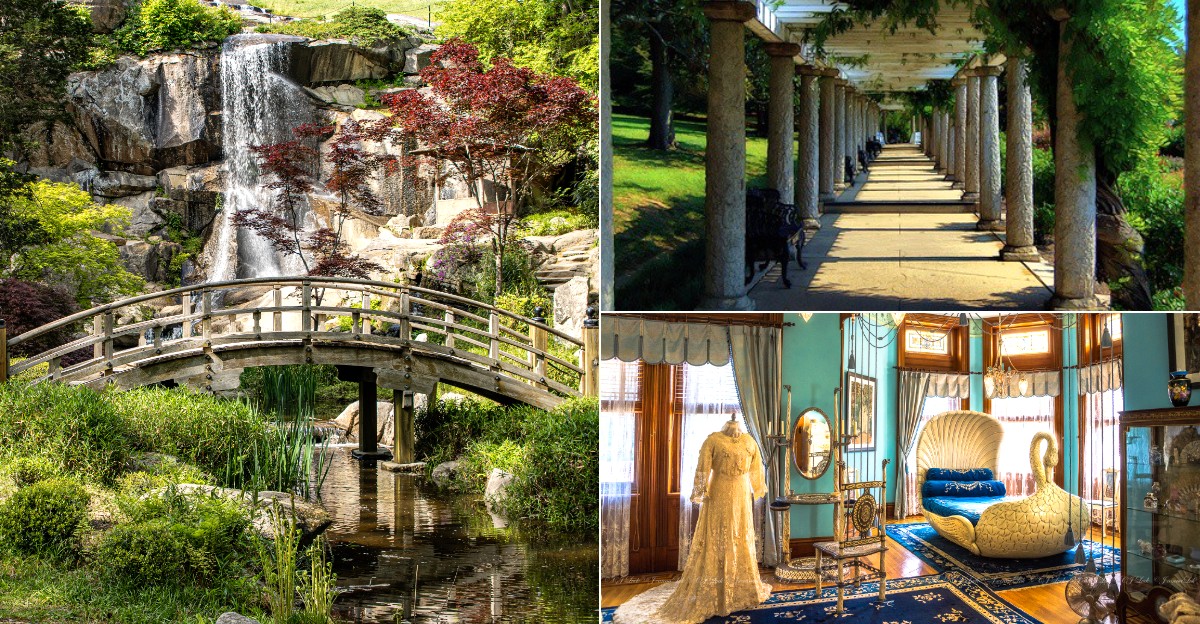
Perched on a hill above the James River, a grand stone mansion looks almost like a castle keeping watch over the city.
Maymont, on Hampton Street in Richmond, Virginia, is a sprawling Gilded Age estate that invites visitors to explore its grounds.
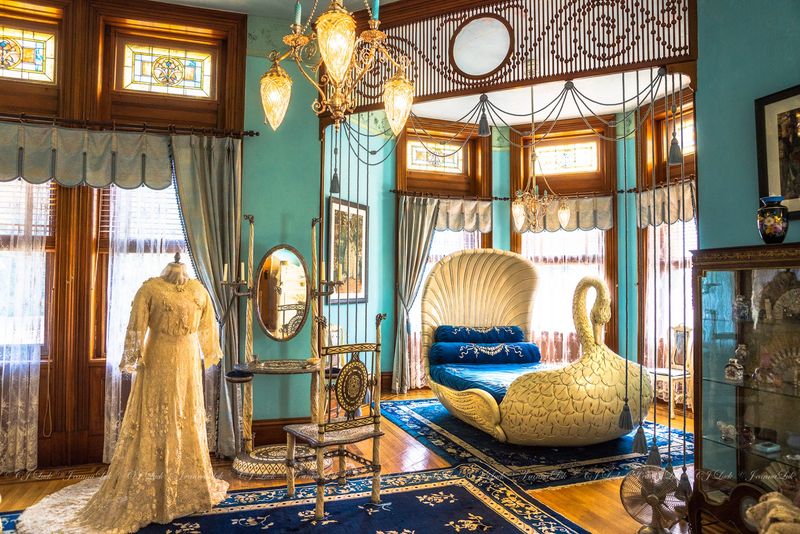
The ornate 1890s mansion, built for James and Sallie Dooley, offers a peek at lavish turn-of-the-century life.
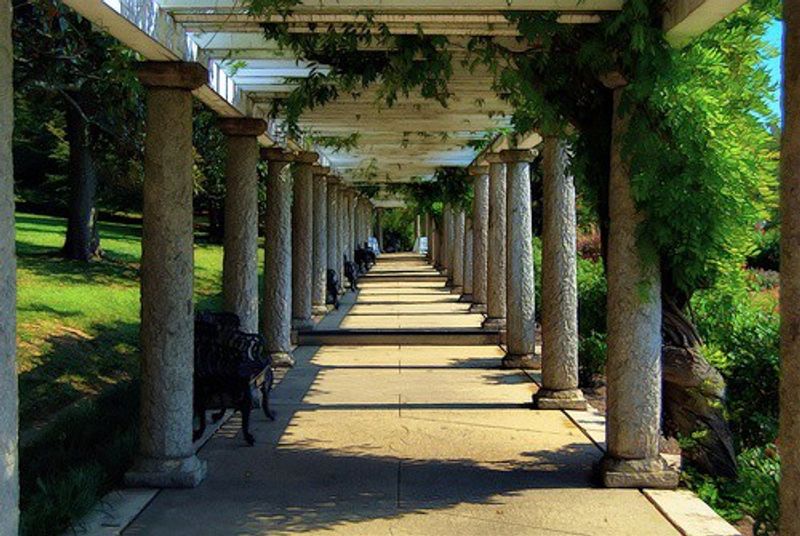
Outside, you can wander through a serene Japanese garden, a formal Italian garden, and rolling lawns shaded by old trees.
It feels like a hidden world tucked right inside the city, perfect for a slow afternoon.
Pack comfortable shoes, bring a picnic, and give yourself time to take it all in.
The Castle on the Hill
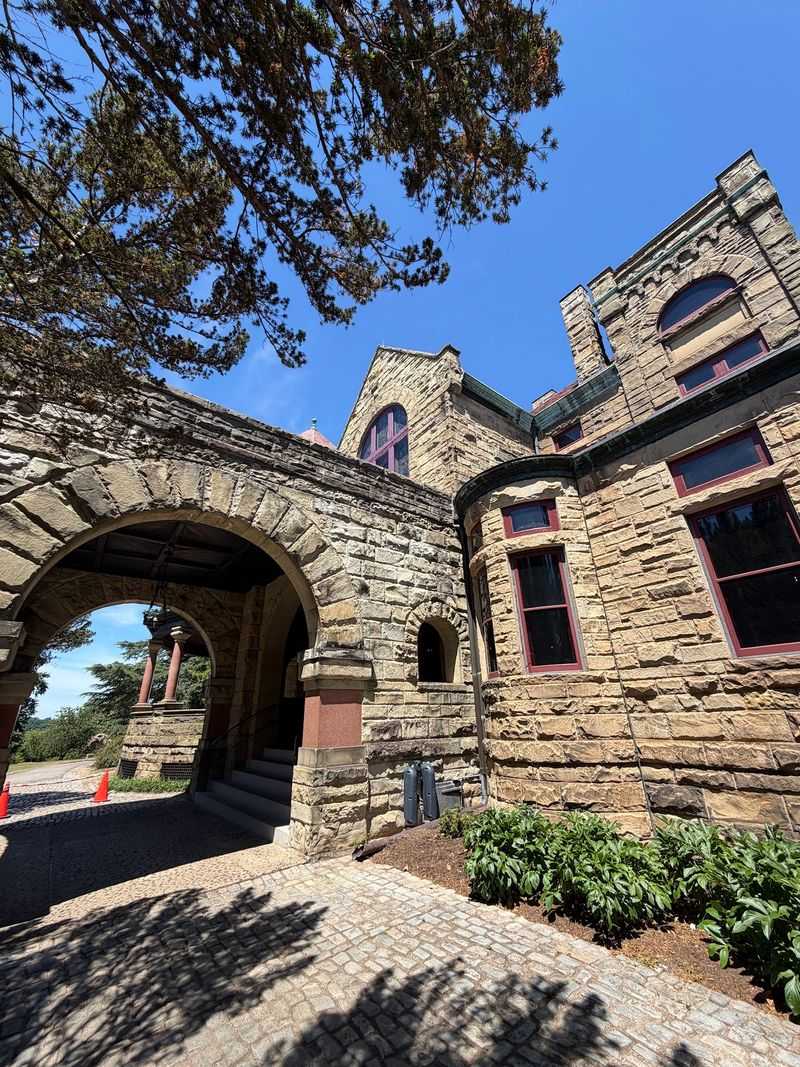
From the lawn below, the grand house can look like something from a storybook. Its high position, rich details, and broad grounds give Maymont Mansion the castlelike feeling promised by the title. Yet it was a home, not a fortress, and that makes it even more interesting to explore.
Maymont is at 1700 Hampton St, Richmond, VA 23220, where visitors can walk the grounds and view the mansion from outside. Stand back far enough to take in the whole building, then move closer to notice its different shapes and materials. The hill is part of the experience, so wear shoes that feel good on a climb.
A visit does not need to begin with a tour. You can enjoy the view, find a bench, and imagine what arriving at the house might have felt like years ago. If you hope to go inside, check the official website first for current tour times, tickets, and access details.
For the clearest photos, try a spot where branches do not hide the roofline. Leave time to look back at the house as you walk away. Its size and setting change with every step, which is part of the surprise.
A Home with More Than One Story
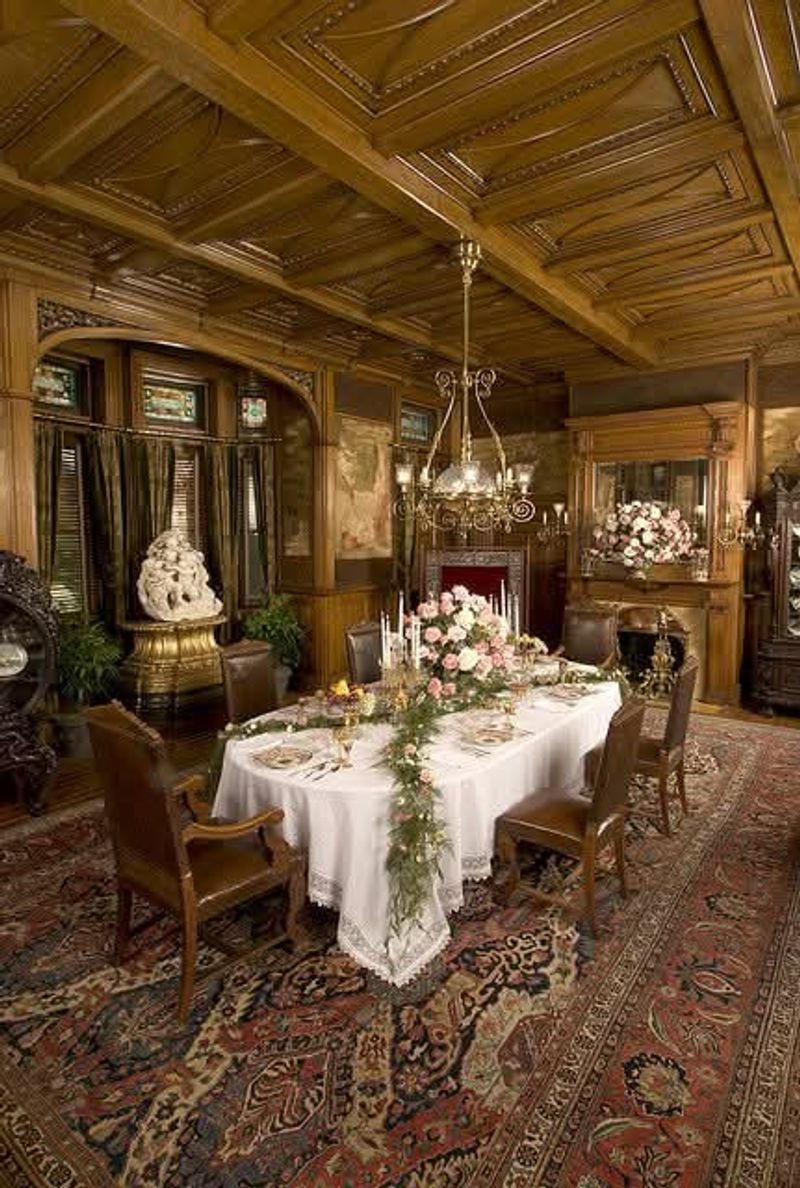
A beautiful room can catch your eye before you think about the people who kept it running. That is one reason a mansion visit can be more than a look at fancy furniture. Maymont was the home of James and Sallie Dooley, and its rooms help tell the story of their lives.
Look for details that show how people lived at the estate during the Gilded Age. Decorated ceilings, carefully chosen objects, and room layouts can hint at what the owners valued. Just as important are the stories of domestic staff members, whose work made daily life in the house possible.
As you tour, compare spaces used by the family with spaces used for work. Notice what each area was designed to do and who would have spent time there. That simple habit turns a pretty building into a fuller picture of the past.
Guided and other tour options may differ, so review current choices before buying a ticket. Allow enough time to read displays or listen to the information offered inside. If younger visitors are coming along, invite them to pick one object and guess its purpose before reading about it. A question like that can make history feel close, real, and memorable.
The Italian Garden’s Grand View
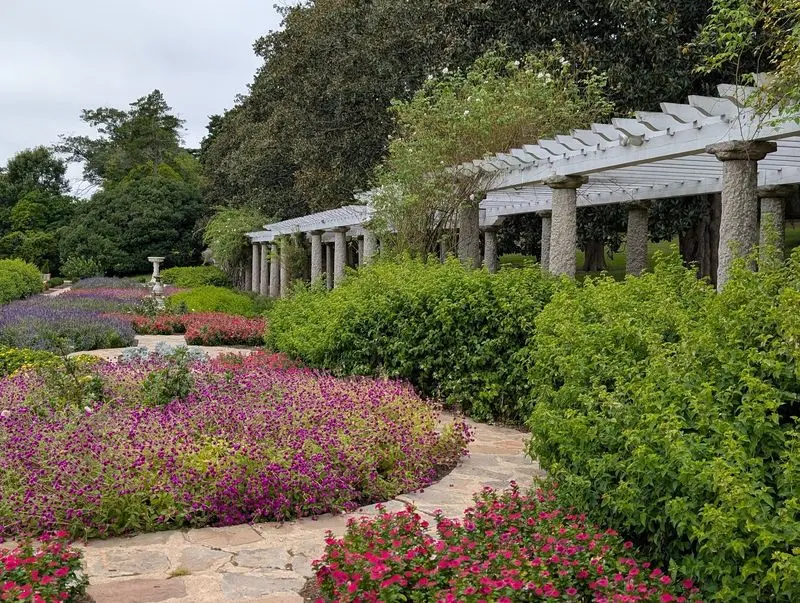
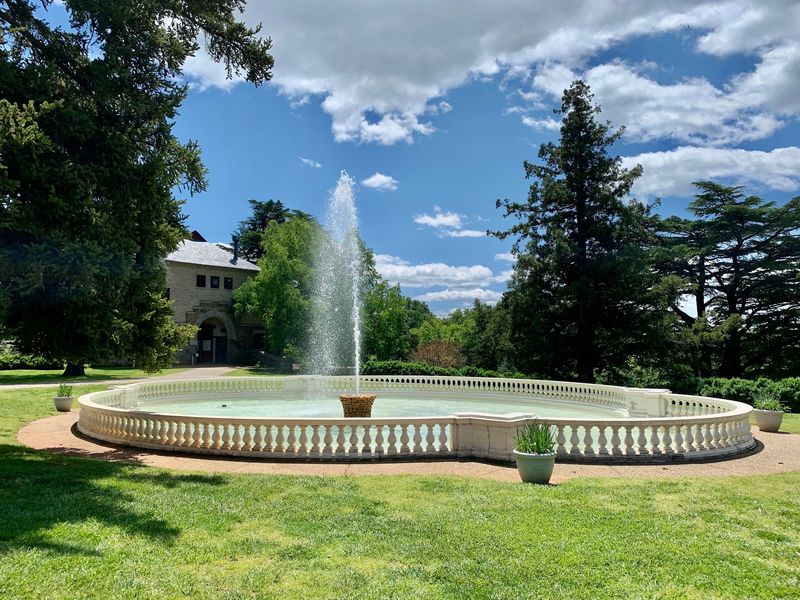
Neat paths and formal garden beds give this part of the estate a sense of occasion. The Italian Garden feels made for a slow walk, with shapes and views that reward a second look. Its design offers a strong contrast to the more natural areas elsewhere on the grounds.
Try looking across the garden before walking through it. From a distance, the layout is easier to see, including the way paths, plants, and stone features work together. Once inside, notice how a few steps can change your view of the house above.
Flowers vary with the season, so do not count on the same display every visit. Even when few plants are blooming, the garden’s design gives you plenty to study. Stone and small gravel can make some areas uneven underfoot, so comfortable shoes are a smart choice.
If you are visiting with a stroller or have trouble walking on loose surfaces, check current access information before setting out. Take your time on slopes and steps, and choose another viewpoint if a route feels difficult. For a simple photo idea, use the straight lines of a path to lead the eye into the scene. Then put the camera away and enjoy the view without a screen.
A Quieter World Below
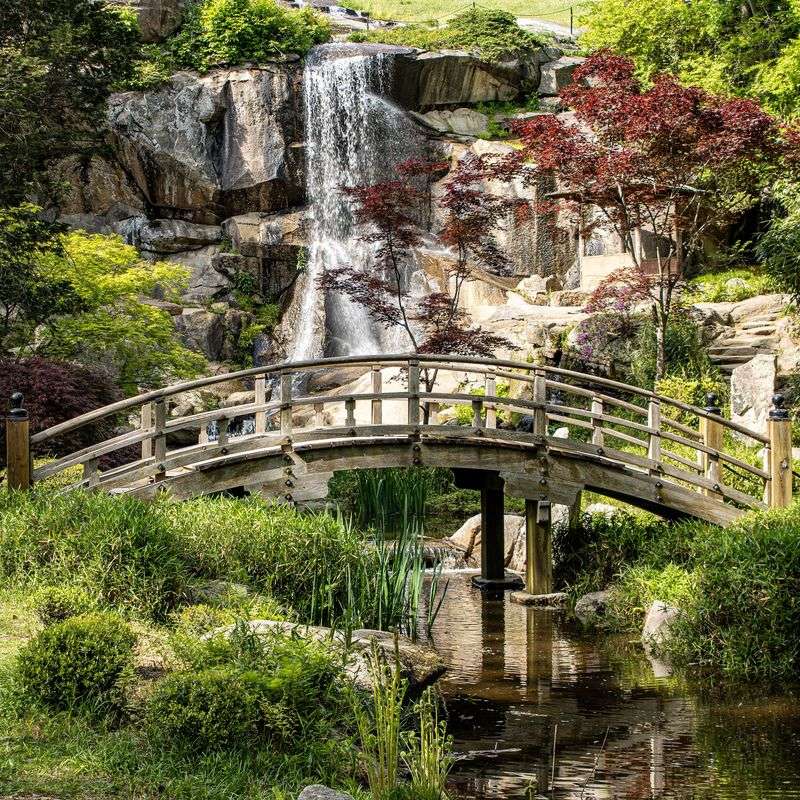
After the open hill, winding paths and water can make the Japanese Garden feel like another world. Visitors often name it as a favorite part of the estate, and it is easy to understand why. Its ponds, plants, and carefully shaped spaces invite you to slow down.
Follow the path at an easy pace rather than trying to see everything at once. A bend may reveal a new view of the water, while a nearby tree frames the scene differently. Look for turtles if conditions are right, but give any animals plenty of space.
The garden changes through the year, and weather can affect water features and blooms. A dry waterfall or a quiet flower bed does not mean there is nothing to see. Try noticing reflections, leaf shapes, or the sound of footsteps on the path instead.
Some routes between garden areas include hills and stairs, so plan with your group’s energy and mobility in mind. A map can help you choose an entrance and avoid a longer walk than expected. For photos, pause where the path is wide enough for others to pass. That small courtesy helps keep the calm atmosphere everyone came to enjoy.
Wild Neighbors Along the Trail
A walk past the gardens can lead to a very different kind of discovery: animals. Maymont’s wildlife areas give visitors a chance to observe species while spending time outdoors. For many families, that mix of fresh air and animal watching becomes the day’s biggest surprise.
Take a moment at each habitat instead of rushing from one to the next. An animal may be resting in shade or standing farther back than you first expect. Quiet voices and patient eyes usually make the visit more rewarding for everyone.
Use signs and staff information to learn what you are seeing and how the animals are cared for. Ask a child to describe an animal’s color, movement, or home before sharing its name. That little game builds observation skills without turning the walk into a lesson.
Habitats and paths can change during care or improvement work, so check what is open on the day you visit. Never feed wildlife unless staff clearly offer an approved activity. Keep hands out of habitats, stay on marked routes, and give other visitors room at viewing spots. A respectful visit protects the animals while leaving space for the next person to enjoy that first exciting glimpse.
A Nature Center Made for Curiosity

Sometimes a good question begins with something small, like a fish moving through water. The Robins Nature Center gives curious visitors another way to explore the living world connected to the estate. It can also be a welcome change of pace after a long outdoor walk.
Look closely at the exhibits rather than trying to finish every display quickly. Notice how water, plants, and animals depend on one another, then talk about what you saw outside. Making that connection helps children understand that a garden and a water habitat are both living places.
Before your visit, check the center’s current hours, admission details, and exhibit availability. Special programs or busy school visits may affect how much time you want to spend there. If your group includes young children, pick one or two displays to enjoy fully instead of pushing through them all.
Hands-on learning works best when everyone gets a turn and follows posted directions. A simple question, such as where an animal might hide, can start a lively conversation. When you step outside again, see whether the nearby paths look different after what you learned. The best museum moments often follow you long after you leave the building.
Room to Roam and Rest
Big trees, open lawns, and curving paths offer more than a route between attractions. They give the estate room to breathe, and they give visitors permission to do the same. You do not have to see every garden or building for a trip to feel worthwhile.
Choose a short loop if you want a relaxed outing, or plan a longer walk if your group enjoys exploring. The grounds are hilly in places, so a route that looks short on a map may take extra energy. Bring water, wear comfortable shoes, and allow time for a bench break.
A quiet patch of lawn can be a pleasant place to pause and look back at the mansion. Keep picnic plans in line with posted rules, and carry away anything you bring. Staying on paths near planted areas helps protect work that visitors may not even notice.
For children, try a simple search for different leaf shapes or birdsong along the way. For adults, a walk without a strict schedule may be the best part of the visit. Shade, color, and light change from season to season, giving familiar paths a fresh look. Leave a little unplanned time so you can follow the view that catches your attention.
A Smart Plan for the Hill
One wrong turn can turn a short outing into a much bigger walk than you planned. The estate has several places to enter, and its attractions spread across hilly ground. Picking your first stop before you arrive can save time and tired legs.
If the mansion and gardens matter most, choose an entrance that puts you near them. For a visit focused on the farm, wildlife, or nature center, look for the entrance closest to that area instead. Parking may fill on busy weekends, so keep a backup option in mind.
Check the official website for current hours, maps, tour tickets, and any temporary closures. Walking the grounds has generally been free, while some tours and experiences may have a charge. Prices and schedules can change, so confirm them rather than relying on an older review.
Visitors using strollers or mobility aids should study routes before choosing a parking spot. Some paths, steps, slopes, or loose surfaces may be harder to manage than others. Build in a rest stop, especially on warm days, and let each person choose one thing they most want to see. A flexible plan leaves more room for the discoveries that make a visit memorable.